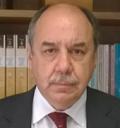
Nikos E. Frangos is a Professor in the Department of Statistics at Athens University of Economics and Business (AUEB), School of Information Sciences and Technology. His research focuses on statistics, stochastic analysis, actuarial science, and pension fund valuation. He has published extensively in journals such as ASTIN Bulletin, Stochastic Processes and their Applications, and Insurance Mathematics & Economics. His work addresses applications in finance, insurance, and risk management. Academic Degrees: B.Sc. in Mathematics (1978, University of Athens), M.Sc. (1981) and Ph.D. (1984) in Mathematics from Ohio State University. Frangos' research emphasizes stochastic differential equations, reinsurance strategies, bonus-malus systems, and applications of Wiener chaos expansions. His recent publications explore finite mixture models, Sichel distribution, and hyperbolic SPDEs. He has taught undergraduate and graduate courses including Stochastic Processes , Insurance Mathematics , and Stochastic Finance , and participated in staff exchanges with Finland, Belgium, and Turkey. Scientific Awards: Best 2002 ASTIN paper award for "Optimal Bonus-Malus Systems" from the Casualty Actuarial Society, USA.
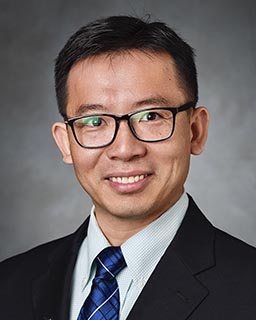
Hui Yang is a Professor of Industrial and Manufacturing Engineering and Biomedical Engineering at Pennsylvania State University , holding the Gary and Sheila Bello Chair Professor title. He is affiliated with multiple institutions including the Penn State Cancer Institute , Clinical and Translational Science Institute , and Institute for Computational and Data Sciences . Currently serving as PI and Site Director of the NSF Center for Health Organization Transformation (CHOT) , his career includes leadership roles in professional societies such as IISE Data Analytics and Information Systems Society (President 2017-2018) and INFORMS Quality, Statistics and Reliability (QSR) society (President 2015-2016). As Associate Editor for journals like IISE Transactions , IEEE JBHI , and IEEE Transactions on Automation Science , he maintains strong editorial influence. His research integrates nonlinear stochastic dynamics with sensor-based system informatics to advance both smart manufacturing and healthcare engineering . Recent work explores digital twin technologies , blockchain applications , and AI-driven disease modeling for conditions like Alzheimer's and cardiovascular disease . Key scientific contributions include developing character-level linguistic biomarkers for early dementia detection, self-organizing network representations of cardiac systems, and privacy-preserving neural networks for Industry 4.0 environments. His research group has received significant external funding from NSF , DOE , and NIST to address challenges in heterogeneous manufacturing networks , adaptive failure prognosis , and spatiotemporal optimization . Fulbright Award in Science, Technology and Innovation (2022) IISE Fellow (2021) NSF CAREER Award (2015) Through his Virtual Learning Factory and SCOUT spatiotemporal framework , Yang bridges manufacturing analytics with health informatics , creating cross-domain methodologies for system diagnostics/prognostics , process optimization , and smart health monitoring . His Cross Recurrence Analysis Toolbox provides open-source methods for nonlinear time series analysis.
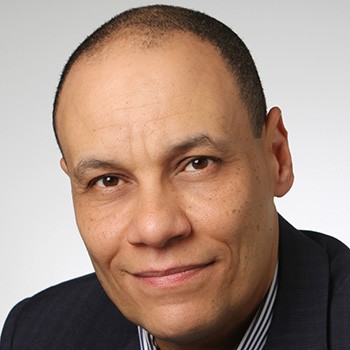
Dr. Ashraf Matrawy is a Professor at the School of Information Technology, Carleton University, with cross-appointments in Systems and Computer Engineering and the School of Computer Science. He is a Senior Member of IEEE and serves on editorial boards for IEEE Communications Surveys & Tutorials and Security and Privacy Journal (Wiley). Smart Cybersecurity Network (SERENE-RISC) Network Co-Investigator Technical Program Committee member for IEEE CNS, ICC, Globecom, LCN, and CCGRID Research Interests: His work focuses on reliable and secure computer networking, software-defined networking (SDN), 5G security, IoT security, threat modeling, security techniques in virtualized networks, and location verification. Recent projects include adversarial machine learning in network security, DDoS mitigation in 5G slicing, and security-aware network function sharing. Scientific Awards: 2023 IEEE CNS Best Poster Runner-up 2022 Carleton University Research Award ($15,000) 2021 IEEE Ottawa Outstanding Engineering Educator Award 2020 IEEE ISNCC Best Paper Award 2019 IEEE WISEE Best Poster Award Advising & Grants: He has supervised over 10 graduate students and secured funding from NSERC, TELUS, and SERENE-RISC for projects on 5G security, IoT, and network virtualization. Current research group (NGN Lab) explores dynamic adversarial training, slice allocation in 5G, and security evaluation metrics.
Paco Bustamante is a Professor at the University of La Rochelle, specializing in ecotoxicology and marine contaminant research. His work primarily focuses on mercury contamination, trace elements, and pollutants in marine ecosystems across the globe, from polar regions to tropical environments. With affiliations including the CNRS (Section 30) and the French University Institute (as an honorary member), he leads significant research projects investigating bioaccumulation, detoxification mechanisms, and trophic transfer of contaminants. Dr. Bustamante's research interests span ecotoxicology, bioaccumulation of trace elements and organic pollutants, stable isotope applications, biomarker development, and trophic ecology. His work examines contamination patterns in diverse marine organisms including bivalves, cephalopods, fish, birds, and mammals, with particular emphasis on mercury cycling in polar and tropical ecosystems. His innovative research has revealed novel detoxification mechanisms for mercury in marine predators and documented century-long trends in mercury contamination. His publication record demonstrates consistent high-impact research, with over 380 publications focusing on environmental contaminants in marine systems. Recent work has examined PFAS pollution in Mediterranean shearwaters, mercury speciation in emperor penguins, and the relationship between changing trophic niches and mercury contamination in seabirds. His research often involves international collaborations across multiple continents, reflecting the global nature of marine pollution issues. Honorary Member of the French University Institute Best Paper Award 'Environmental Science and Technology' 2021 Principal investigator on multiple ANR projects (ToxSeaBird, TONIC) Coordinator of European research projects (BIOCET, FACTS, ARCTOX) Dr. Bustamante actively supervises research and collaborates with numerous scientists worldwide. His work informs environmental policy through projects related to the Minamata Convention on mercury pollution. Current research focuses on emerging contaminants like PFAS, climate change impacts on contaminant distribution, and developing novel biomarkers for environmental monitoring. His laboratory employs advanced techniques including stable isotope analysis, speciation chemistry, and molecular approaches to understand contaminant fate in marine ecosystems.
Radhakrishnan Mahadevan is Professor and Canada Research Chair (Tier 1) in Metabolic Systems Engineering at the University of Toronto's Faculty of Applied Science and Engineering, Department of Chemical Engineering & Applied Chemistry. He serves as Acting Associate Chair for Undergraduate Curriculum Development and leads the Laboratory for Metabolic Systems Engineering and BioZone Centre for Applied Bioscience and Bioengineering. Education: B.Tech., Indian Institute of Technology (Madras) Ph.D., University of Delaware His research integrates machine learning with metabolic engineering to address challenges in industrial biotechnology, environmental sustainability, and biomedical applications. Current projects include AI-assisted biocatalyst engineering, bioengineering mine tailings for nickel extraction, and hybrid metabolic engineering approaches. His work spans genome-scale modeling, synthetic biology for dynamic metabolic control, and development of therapeutic probiotics for inflammatory diseases. Recent publications reveal a strong trend toward machine learning integration in enzyme engineering and metabolic model optimization, with applications spanning biofuels, biochemicals, and personalized medicine. The research demonstrates increasing focus on multi-scale modeling from molecular interactions to bioreactor systems. Scientific Awards: Canada Research Chair (Tier 1) in Metabolic Systems Engineering Professor Mahadevan actively mentors 19 graduate students including 15 PhD candidates and 4 Master's students, with ongoing recruitment for new projects. His research is supported through the Canada Research Chair program and industry collaborations focused on bioprocess optimization and synthetic biology applications. He directs the Laboratory for Metabolic Systems Engineering, which employs robotic platforms for automated cell engineering and maintains collaborations with industrial partners. The lab's multi-disciplinary team includes research scientists, postdoctoral fellows, and students working across computational and experimental domains.
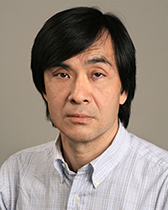
Kiminori Matsuyama is a Professor of Economics at Northwestern University's Weinberg College of Arts & Sciences. His research focuses on international trade, economic growth, and development, with an emphasis on macroeconomic instability, structural transformation, and global inequality. He holds a PhD from Harvard University (1987) and is a Fellow of the Econometric Society. A 1996 recipient of the Nakahara Prize for outstanding young economists, he currently serves as an associate editor of the Journal of Economic Theory and the Journal of the Japanese and International Economies . His work explores mechanisms driving economic disparities across nations and households, integrating theoretical frameworks with empirical insights. Recent research delves into premature deindustrialization, credit cycles, and demand-driven structural change. He has contributed to understanding how market size influences innovation dynamics and how nonlinear models can explain economic fluctuations. Matsuyama’s scholarly output spans over 30 years, with articles addressing topics such as monopolistic competition, global value chains, and policy implications of structural transformation. His awards reflect recognition for advancing theoretical economics, particularly in development and international trade domains.
Gorkem Bostanci is an Assistant Professor of Economics at the University of British Columbia, affiliated with the Vancouver School of Economics within the Faculty of Arts. His office is located in Room 201E Iona Building. Dr. Bostanci's primary research focuses on Macroeconomics, specifically examining how market frictions impact aggregate productivity through distortions in the allocation of workers and capital across firms. His work spans several interconnected fields including Firm Dynamics, Labor Economics, and Economics of Information. His research employs both theoretical modeling and empirical analysis to address fundamental questions in macroeconomic theory. His recent publications demonstrate a consistent focus on market frictions and their macroeconomic implications. His work spans multiple high-impact journals including Management Science (2023), Journal of Banking and Finance (2020), and he has several papers under review at top journals like Journal of Political Economy Macroeconomics and Quarterly Journal of Economics. His research often combines theoretical modeling with empirical testing, using sophisticated econometric techniques to validate his theoretical predictions. Dr. Bostanci teaches Intermediate Macroeconomic Analysis I (ECON 302) at UBC, where he instructs multiple sections of this core economics course. He obtained his Ph.D. from the University of Pennsylvania and maintains an active research agenda with several working papers in progress. His research has practical implications for understanding economic policy responses to inflation, financial market functioning, and international economic linkages.
Bethany Hoye is a Senior Lecturer and ARC DECRA Senior Fellow at the University of Wollongong's School of Earth, Atmospheric and Life Sciences (SEALS). Her research focuses on wildlife-microbe interactions, particularly in migratory species such as birds and bats, and their implications for disease ecology and conservation. She holds a PhD from Utrecht University and has been recognized with the ARC DECRA Fellowship. Her research interests include disease transmission dynamics, the ecological consequences of animal migrations, and the impact of global change on wildlife populations. She collaborates widely with scientists, land managers, and health professionals to address interdisciplinary challenges in these areas. Recent articles highlight her work on microbiome dynamics in migratory species, antimicrobial resistance in urban wildlife, and the epidemiology of avian influenza. Notable grants include funding from the Australian Research Council and the CRC for Solving Antimicrobial Resistance in Agribusiness, Food and Environments. She supervises PhD students exploring topics such as antimicrobial resistance and wildlife behavior. Education: PhD in Ecology, Utrecht University (2011) Affiliations: Outbreak Project, Wildlife Health Australia, Ecological Society of Australia Grants: CRC SAAFE, ARC DECRA, SEALS equipment grants Labs/Teams: Part of the SEALS research group and collaborates with global networks on One Health initiatives.
Margaret Luciano is an Associate Professor of Management & Organization at the Smeal College of Business, The Pennsylvania State University, and holds the BNY Mellon Faculty Fellowship. Previously, she served as an Associate Professor at Arizona State University’s W. P. Carey School of Business. Her expertise spans Team Dynamics, Multiteam Systems, Leadership, and Healthcare Management, with a focus on organizational behavior and complex system interactions. Dr. Luciano’s academic journey includes a Ph.D. in Management (Organizational Behavior) from the University of Connecticut (2015), an MBA in Leadership Research from Clark University (2010), and a BA in Psychology with a Management focus (2009). Her research emphasizes structural frameworks for multiteam coordination, virtual team collaboration, and healthcare leadership challenges. Her work investigates themes such as paradox management in virtual teams, surgical team performance dynamics, and institutional scaling of healthcare initiatives. Recent studies address intra-individual conflict in multiteam environments and the role of core/non-core roles in healthcare teams. Awarded the BNY Mellon Faculty Fellowship, her contributions bridge theoretical advancements in multiteam systems with practical applications in healthcare and emergency response leadership. Her publications explore topics ranging from computer-aided text analysis of team processes to adaptive leadership during task transitions in crises. While specific grant details and student advisees are not listed, her research portfolio highlights interdisciplinary collaboration and real-world organizational challenges. She actively engages with healthcare institutions like Emory Health System, demonstrating applied research impact.
Professor Daniel Aobdia holds the Ernst & Young Professorship of Accounting at the Smeal College of Business, Penn State. His prior roles include Assistant/Associate Professor at Northwestern Kellogg School and Senior Research Fellow at PCAOB’s Center for Economic Analysis. He advises scholarly journals including Journal of Accounting and Economics, The Accounting Review, and Auditing: A Journal of Practice & Theory. Education: Ph.D. & MBA, UCLA Anderson School of Management (2012, 2006) M.S., Management Science & Engineering, Stanford University (2002) B.S., École Polytechnique (France, 1999) Professional Background: Morgan Stanley Investment Banking (Los Angeles) Strategy Consultant, Mars & Company (Tokyo) His research explores auditing as a lens to examine economic phenomena: regulatory impacts, labor inputs (e.g., high-skilled immigration), information spillovers, and disclosure effects on markets. Recent work addresses audit quality drivers, auditor workload effects, and ESG integration in audits. He frequently examines institutional investor behavior, audit firm governance, and cross-border talent dynamics. Editorial roles include Associate Editor at Journal of Accounting and Economics and membership on five editorial boards. His work bridges academic rigor with practical implications for audit oversight, capital markets, and organizational strategy.
Anthony Levitas is a Senior Fellow at Brown University’s Watson Institute for International and Public Affairs, specializing in intergovernmental fiscal relations, education finance, and decentralization in post-communist Europe. He directs the Watson Institute’s Undergraduate Program in Public Policy and teaches courses on fiscal policy, education governance, and the history of the American Tax State. His work focuses on local government reform, particularly in Ukraine, Poland, and the Balkans, advising on tax systems, budgeting, and subnational finance. Research Interests: Political Economy, Local Government Reform, Intergovernmental Fiscal Relations, Education Finance, Post-Communist Europe, Decentralization. He has led major reform initiatives in Ukraine, Macedonia, Serbia, and Albania, including designing fiscal transfer systems and drafting legislation. Currently, he collaborates with the Ukrainian government on restructuring subnational finance and supports United Way of Rhode Island in mapping family services. His recent efforts include raising funds for Ukrainian medical aid through the ‘Friends of Ukraine RI’ coalition. Grants & Projects: Supported by SIDA/SKL, USAID, and NALAS, his work emphasizes fiscal decentralization, local governance capacity, and equitable resource allocation. He co-authored influential reports on Ukraine’s governance reforms and contributed to the Kennan Institute’s analyses on decentralization challenges.
Vittoria Sorice is a Senior Lecturer in Advanced Clinical Practice at the University of Derby's College of Health, Psychology and Social Care. Her research focuses on systemic racial bias in healthcare systems, health inequalities, and clinical nursing practice innovations. She has contributed to studies addressing disparities in palliative care, wound management across diverse populations, and pandemic drug efficacy via the RECOVERY trials framework. Her work emphasizes interdisciplinary collaboration, particularly in mitigating racial disparities through evidence-based practice reforms. Key research themes include cultural competence in healthcare education, psychosocial impacts of infertility in Africa, and the intersection of clinical judgment with socioeconomic factors. Publications since 2023 highlight contributions to understanding hot flashes' impact on sleep, burnout among healthcare workers exposed to racial microaggressions, and immunomodulatory therapies for pediatric inflammatory conditions linked to SARS-CoV-2. Her work consistently bridges clinical practice with broader societal health equity challenges. While no formal grants or awards are listed here, her prolific output reflects sustained engagement with urgent healthcare issues such as pandemic response strategies, frailty assessment in emergency settings, and workplace conflict management frameworks like the Safewards model.
Samantha Petti is an Assistant Professor in both the Department of Mathematics (School of Arts and Sciences) and the Department of Computer Science (School of Engineering) at Tufts University. She is based at 177 College Avenue, Medford, MA. Her research focuses on computational biology, bioinformatics, and machine learning, with particular emphasis on protein structure analysis, genotype-phenotype mapping, and algorithm design for biological sequence analysis. She teaches courses such as Master's Thesis supervision, PhD Thesis guidance, and specialized topics in mathematics and computer science. Her work integrates interdisciplinary approaches, combining statistical methods, deep learning, and probabilistic models to address challenges in genomics, structural biology, and network science. Recent projects include developing end-to-end protein alignment tools and exploring sparse graph models for biological systems. Teaching: Supervises graduate thesis work (Master’s/PhD) and advanced courses in mathematics and computer science at Tufts. Lab/Team: Engages in collaborative research at the intersection of computational methods and biological systems.
Mustapha Mouloua is a Professor of Psychology and Director of the Ph.D. Program in Human Factors and Cognitive (HFC) Psychology at the University of Central Florida (UCF). He leads the Transportation Research Group (TRG) laboratories and has held multiple senior roles at UCF, including Director and Chief Scientist at the Center for Advanced Transportation Systems Simulation (UCF-CATSS). His expertise spans over 29 years in human factors, automation, and applied experimental psychology. Education: Ph.D. (1992) in Applied/Experimental Psychology, Catholic University of America M.A. (1986) in Applied/Experimental Psychology, Catholic University of America B.A. (1981) in Industrial Psychology (with Honors), University of Algiers Research Interests: Focuses on human performance evaluation, human-automation interaction, pilot-alerting systems, cognitive aging, and simulation technologies. His work addresses challenges in transportation systems, including driver safety, automation trust, and adaptive function allocation in complex systems. Grants & Projects: Lead PI/Co-PI on grants such as detection of Mild Cognitive Impairment in older drivers (NIH/NIA), UAV/UCAV guidelines (DARPA), and telematics impact on driver workload (AAA). Active in federally funded research with FDOT, ONR, and NASA. Labs & Teams: Directs the Transportation Research Group (TRG) labs at UCF, focusing on applied human factors research in transportation safety and automation.
Dr. Istvan Rajcan is a Professor and Graduate Coordinator in the Department of Plant Agriculture at the University of Guelph, Ontario Agricultural College. His research focuses on soybean breeding and genetics, particularly developing high-yielding, disease-resistant cultivars for short- and medium-season environments. He leads efforts to enhance seed quality traits, such as protein and isoflavones, using genomic tools like GWAS and genomic selection. Education: B.Sc. (Agr.) from the University of Novi Sad and Ph.D. in Plant Agriculture from the University of Guelph. Research Interests: Soybean seed quality (nutraceuticals), disease resistance (Sclerotinia, soybean cyst nematode), genomic technologies, and breeding innovation. His work integrates molecular markers, quantitative genetics, and phenotyping to address challenges in soybean production. Collaborative projects include the SoyaGen initiative, advancing genomic resources for breeders. Publications highlight advancements in soybean genetics, remote sensing applications, and sustainable breeding strategies. His contributions span trait dissection, disease management, and the application of machine learning in genomics. Advising and Grants: While specific grants are not detailed, his extensive publication record indicates sustained research funding. He mentors graduate students and collaborates widely with institutions like the Ontario Oil & Protein Seed Crop Committee. Labs/Teams: Research activities are based in the Crop Science Building, with involvement in the SoyaGen project and collaborations on soybean diversity panels.