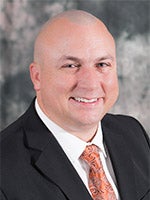
Brian Dietrick is a Senior Teaching Instructor in the Department of Computer Science at East Carolina University. His office is located in Slay 110, and he can be contacted via email at dietrickb23@ecu.edu or by phone at 252-737-4979. His teaching expertise encompasses: Web Application Architecture and Development Cross-Platform Mobile Application Engineering Full-Stack Software Development and Systems Integration Relational Database Architecture, Administration, and Optimization Agile Methodologies for Software Project Management DevOps Practices for Continuous Integration and Deployment His research focuses on two primary domains: Programming language design and implementation techniques Cloud-native computing architectures and scalable infrastructure solutions
Dr. Jiyuan Wang serves as an Assistant Professor in the Department of Computer Science within Tulane University's School of Science & Engineering, commencing his appointment in Fall 2025. Prior to Tulane, he worked as an Applied Scientist at Amazon Web Services, focusing on program analysis and formal verification for cloud systems. His academic background includes a Ph.D. in Computer Science from UCLA (2025) and a B.S. in Physics from Tsinghua University (2019). His educational journey: Doctor of Philosophy (Ph.D.) in Computer Science, University of California, Los Angeles, 2025 Bachelor of Science (B.S.) in Physics, Tsinghua University, 2019 Dr. Wang's research centers on Software Engineering for next-generation computing platforms, with particular emphasis on Quantum Computing and Heterogeneous Computing (including FPGAs and GPUs). He develops innovative techniques for testing and debugging, such as multi-layer compiler debugging, full-stack compiler testing, and fuzz testing tailored for heterogeneous applications. His work bridges the gap between software reliability and the complexities of modern hardware accelerators, addressing critical challenges in compiler correctness and application robustness. An analysis of his publication record from 2020 to 2025 reveals a consistent focus on advancing software testing methodologies for heterogeneous systems. The research evolved from big data analytics (BigFuzz) to compiler testing (HeteroFuzz, DuoReduce) and quantum software stacks (QDiff), demonstrating increasing sophistication in tackling platform-specific challenges. His recent 2025 papers highlight breakthroughs in MLIR compiler debugging and fuzzing. His notable recognitions include: SIGSOFT Research Highlight for QDiff (ASE 2021) Best Poster Award at ICST 2021 Dr. Wang is currently building his research group at Tulane and actively seeks motivated graduate students interested in software engineering for quantum and heterogeneous computing. His industry experience at AWS and strong publication record in top venues (ASE, ICSE, FSE, ASPLOS) indicate active research funding and collaborative opportunities. He teaches Quantum Computing (CMPS-4660/6660) and mentors students in cutting-edge research projects. While a dedicated lab name isn't specified, Dr. Wang's research group focuses on developing practical tools for compiler and application testing in heterogeneous environments, with growing emphasis on quantum software stacks.
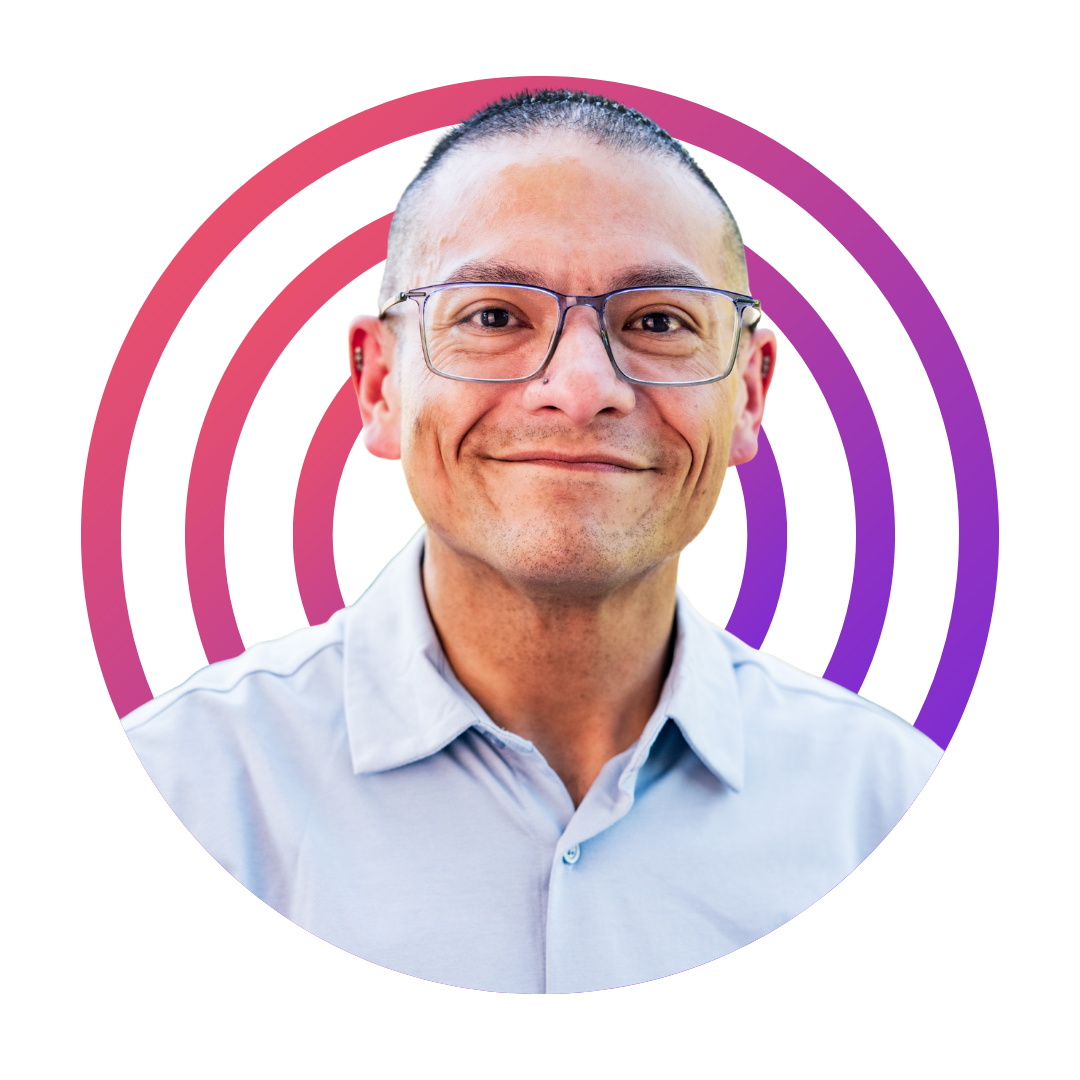
Lucas P. Cordova, Ph.D., serves as an Assistant Professor of Computer Science in the School of Computing and Information Sciences at Willamette University. With over a decade of industry experience as a full stack software developer, he brings practical expertise in mobile, web, distributed, and cloud computing applications to his academic role. His research interests span computer science education, data management, artificial intelligence, software engineering, and machine learning. Professor Cordova focuses particularly on computing pedagogy, developing innovative curriculum and learning methods that actively engage students while contributing to the broader field of computing education. As an educator, he teaches across the computer science curriculum from introductory programming to advanced topics including data structures, algorithms, databases, game development, mobile and web technologies, and software engineering. His industry background in agile development methodologies and project management informs his teaching approach, emphasizing practical application of theoretical concepts through relevant examples. Professor Cordova is committed to fostering an inclusive learning environment where students develop both technical proficiency and critical thinking skills necessary to excel in the evolving field of computer science. His dedication to continuously improving engineering processes extends to his educational practice, where he researches advancements in pedagogy and AI-assisted tools for software engineering.
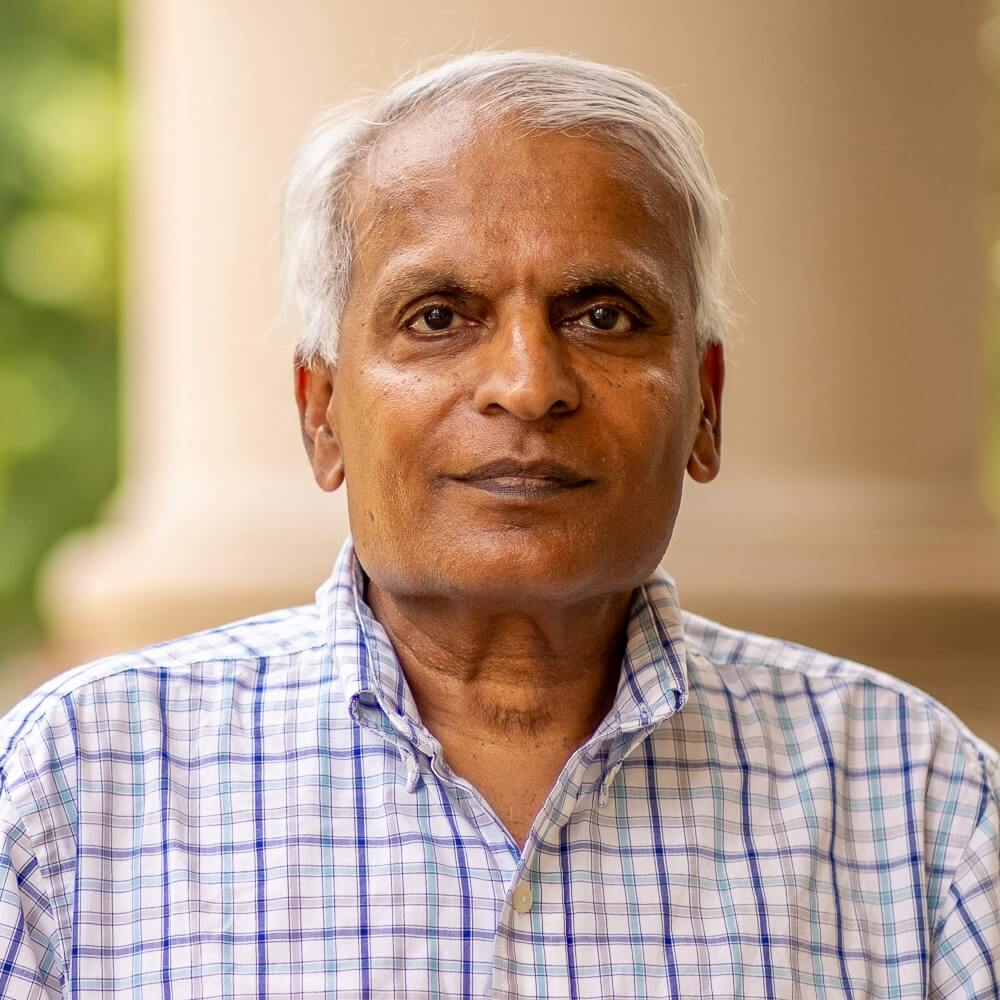
Raman Lakshmanan serves as a Specialist Professor in the Department of Computer Science and Software Engineering at Monmouth University, teaching diverse courses from introductory programming to advanced software engineering topics including full-stack development, cloud systems, and mobile applications. His academic credentials include: Ph.D., Oakland University His research concentrates on applied computing domains: Web technologies and applications Cloud computing architectures SQL and noSQL Databases Machine Learning Enterprise iOS apps No scientific awards are documented in the provided materials. Information regarding student advising, research grants, or laboratory affiliations is not specified in the source text.