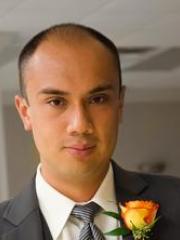
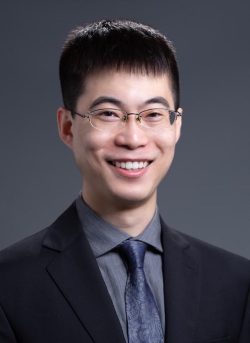
Dr. Andres F. Osorio joined The University of Queensland in 2017 as a Lecturer in the School of Civil Engineering , focusing on fire behavior across multiple length scales and its applications to fire safety, bushland fires, and engineered wood systems. His expertise includes combustion science, small-scale flammability testing, and the development of specialized experimental devices. Research Themes: Fire behavior in natural and engineered materials Mass timber fire performance Wildland fire ignition and spread mechanisms Thermoplastic composite flammability Key Collaborations: Fire Safety Engineering Research Group ARC Advance Timber Hub Scientific Awards: None explicitly mentioned.
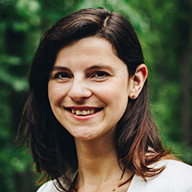
Charlotte BECQUART is Professor at Centrale Lille Institute, University of Lille, France, and member of the Physical Metallurgy and Materials Engineering team within the Materials and Transformations Unit (UMET, CNRS UMR 8207). Since 1993 she has conducted research on atomic-scale modeling of irradiation damage in metallic alloys using ab initio, molecular dynamics and kinetic Monte Carlo methods. Education & Background Metallurgy and thermodynamics applied to development, modeling and surface treatments. Working at École Nationale Supérieure de Chimie de Lille since 1993. Research Focus Her work centers on understanding irradiation damage at the atomic scale, particularly embrittlement mechanisms in Pressurized Water Reactor (PWR) vessel steels and materials for fusion reactors such as tungsten divertor components. She employs advanced simulation techniques including ab initio calculations, molecular dynamics and kinetic Monte Carlo methods to study deformation, phase change and damage phenomena. Research Trends Recent publications demonstrate a strong emphasis on multi-scale modeling of irradiation effects in metallic systems, statistical analyses of displacement cascades, nanocavity diffusion in tungsten, radiation-induced segregation at grain boundaries, and development of machine-learned interatomic potentials for complex alloys. The research spans nuclear materials, computational materials science and advanced alloys for energy applications. PhD Supervision She has successfully supervised 12 defended theses since 2012 and currently co-directs 3 ongoing doctoral projects (2022–2025) focusing on mesoscopic scale modeling of irradiated steels, multi-scale modeling of shape memory alloys and oxide-cladding interface characterization for future nuclear fuels. Affiliations & Teams UMET – Materials and Transformations Unit, CNRS UMR 8207, University of Lille. Physical Metallurgy and Materials Engineering research team. Collaborates with EDF, CEA and international fusion programs.
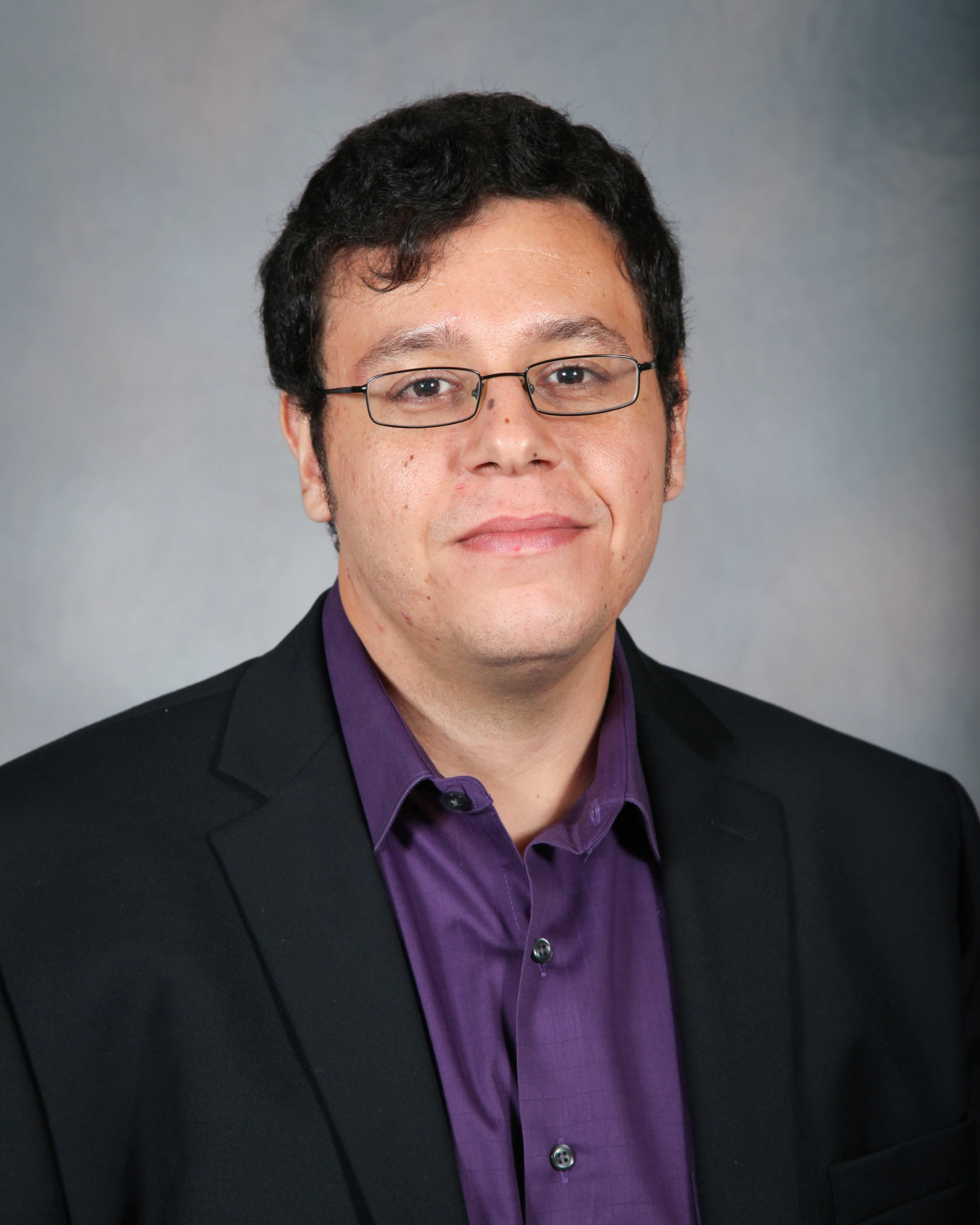
Karim Ahmed serves as Associate Professor in Nuclear Engineering at Texas A&M University with affiliated faculty status in Materials Science & Engineering, based in AIEN M205C. His research bridges computational modeling and experimental validation to address critical nuclear materials challenges. His academic foundation includes: Ph.D. in Nuclear Engineering from Purdue University (2015) M.S. in Materials Science from Florida State University (2011) B.S. in Nuclear Engineering from Alexandria University, Egypt (2008) Dr. Ahmed's research program focuses intensely on multi-scale modeling of materials degradation under extreme radiation environments, with specialization in irradiation effects, microstructure co-evolution, and physical property prediction. His work directly enables advancements in radiation-tolerant cladding, nuclear fuel fabrication (U-Zr/U-Mo alloys, UO₂-BeO composites), waste processing, and bendable neutron detection systems. Analysis of his publications reveals consistent methodological emphasis on phase field modeling applied to uranium dioxide systems, porous materials, and irradiation-induced phenomena like void growth and grain boundary interactions across 2014-2017 publications. His laboratory accomplishments include developing swelling-resistant materials, fission fragment damage modeling codes, and novel fuel fabrication techniques for metal matrix alloys with barrier coatings.
Sarah Finkeldei serves as an Assistant Professor with joint appointments in the Department of Chemistry and the Department of Materials Science and Engineering at the University of California, Irvine. Her research is primarily housed within the Samueli School of Engineering, focusing on critical materials challenges related to nuclear energy systems and waste management. Dr. Finkeldei's research interests center on nuclear materials science, particularly the behavior of materials in extreme environments relevant to nuclear waste disposal. Her work spans multiple critical areas including corrosion science of waste package materials, development of advanced ceramic waste forms, pyrochlore and fluorite structure materials, sol-gel synthesis techniques for nuclear materials, and fundamental understanding of grain boundary phenomena in nuclear fuels. She investigates materials for deep geological repositories, focusing on long-term stability and performance under repository conditions. Nuclear waste form development and characterization Corrosion mechanisms in multi-material systems Advanced ceramics for radioactive waste immobilization Sol-gel processing of nuclear materials Grain boundary effects in nuclear fuels Materials behavior in extreme environments Analysis of Dr. Finkeldei's recent publication record (2023-2025) reveals a strong focus on practical solutions for nuclear waste management challenges. Her work demonstrates expertise in both fundamental materials science and applied engineering solutions, with particular emphasis on corrosion phenomena in repository environments, advanced ceramic synthesis techniques, and the behavior of complex oxides under irradiation. The research shows a clear trajectory toward addressing immediate challenges in nuclear waste disposal while developing next-generation materials solutions. Dr. Finkeldei maintains an active research program focused on nuclear materials challenges, with recent publications reflecting significant contributions to the field of nuclear waste management and materials science for extreme environments.
Dr. Pavel Trtik is an Instrument Scientist at the Neutron Microscope Project under the Laboratory for Neutron Scattering and Imaging at the Paul Scherrer Institute (PSI), Switzerland. His work focuses on advanced neutron imaging techniques for materials science and energy applications. Research Areas: Neutron imaging, hydrogen transport in nuclear materials, battery diagnostics, cement hydration, and liquid metal flow dynamics. Key Technologies: Operando neutron radiography, phase-contrast imaging, high-resolution tomography, and synchrotron X-ray ptychography. Applications: Sodium-ion batteries, zirconium cladding analysis, liquid metal batteries, and construction material characterization. His recent publications highlight neutron imaging as a tool for studying energy devices, corrosion processes, and hydrogen distribution. Notable projects include reactor design optimization and 4D nanoimaging of cement hydration. Contact: pavel.trtik@psi.ch
Philip Edmondson is a Professor and Chair in Tritium Science and Technology in the Department of Materials Engineering at the University of Manchester. His work contributes to UN Sustainable Development Goals related to affordable and clean energy. He is accepting PhD students and has expertise in advanced materials characterization for nuclear applications. Research Interests: His primary focus includes microstructural evolution of materials under irradiation, high-entropy alloys, molten salt reactor components, and tritium science. Techniques used include atom probe tomography and operando microscopy. Collaborations: Active international collaborations on nuclear materials and fusion technology. Recently contributed to AI-driven fusion power plant design in the industrial metaverse through invited talks. Projects: Co-Investigator on the DBO-IM project (2023-2025), focusing on fusion power plant design in the industrial metaverse. This project emphasizes electric power plant innovation through digital twin technology. Data Contributions: Authored datasets on nuclear graphite characterization (SEM/TEM) and microstructural evolution studies, available via Mendeley Data.
Dr. Katie Moore is a Senior Lecturer in Materials Characterisation at the University of Manchester's Department of Materials and the Undergraduate Programme Director for Materials Science and Engineering. She specializes in NanoSIMS (Nanoscale Secondary Ion Mass Spectrometry) analysis, focusing on hydrogen detection in metals and trace element uptake in crops. Her work bridges materials science and environmental biology, addressing challenges in corrosion-resistant alloys and crop nutrition. Education: MEng in Materials Science, University of Oxford (2007) D.Phil in Materials Science, University of Oxford (2011) Fellow of the Higher Education Academy (2019) Research Interests: Katie’s research explores: Hydrogen embrittlement mechanisms in steel, nickel, and zirconium alloys Zirconium oxidation and hydrogen pickup using isotopic tracers Trace element dynamics in crops (e.g., arsenic in rice, iron in wheat) Her techniques include NanoSIMS, atom probe tomography, and correlative microscopy. Scientific Awards: 3rd place, IOM3 Young Person’s World Lecture Competition (2010) IOM3 Young Person’s Lecture Competition UK Winner (2010) Rank Prize Funds Nutrition Committee Prize for Best Contributed Paper (2016) Grants & Projects: CROPNUT : Enhancing iron and zinc in cereals (2017–2020) Hydrogen and Oxygen diffusion in nuclear zirconium alloys (2015–2019) High-resolution techniques for hydrogen uptake in corrosion-resistant alloys (2014–2021) Labs & Teams: Katie leads the NanoSIMS Group and collaborates with the Photon Science Institute. She also chairs committees for the UK Surface Analysis Forum.
Thais Rachid Netto is a Research Associate in Surface Engineering at Manchester Metropolitan University's Science & Engineering department. Their work focuses on developing thin films using magnetron sputtering for nuclear materials, particularly accident-tolerant coatings for nuclear fuel cladding in light water reactors. PhD candidate in Surface Engineering (Manchester Metropolitan University) MSc in Materials Science (Nuclear Technology Development Centre, Brazil) BSc in Chemical Engineering (Pontifícia Universidade Católica de Minas Gerais, Brazil) Research interests emphasize advanced materials characterization, wear resistance, and tribology applications in nuclear contexts. No specific scientific awards are listed, but their doctoral research addresses critical challenges in nuclear material durability. Current work is centered in the Dalton Building laboratory environment.
Esma Yilmaz is a Researcher at the Henry Royce Institute, specializing in ceramic processing for high-temperature applications, particularly environmental barrier coatings (EBCs) for aerospace and nuclear systems. She holds a PhD in Material Science from the University of Manchester (2018-2022) and an MSc in Materials Engineering from Istanbul Technical University (2015-2017). Her research focuses on developing advanced ceramic coatings using electrophoretic deposition, with emphasis on oxidation resistance, thermal stability, and interface behavior under extreme conditions. Education: PhD in Material Science, University of Manchester (2018-2022) MSc in Materials Engineering, Istanbul Technical University (2015-2017) Research Interests: Her work integrates materials synthesis, processing, and characterization to enhance coating performance in harsh environments. Key themes include: Development of ytterbium-based silicate EBCs for turbine blades Electrophoretic deposition optimization for uniform coating formation Thermal aging and oxidation mechanisms of ceramic coatings Interfacial stability of multi-layer coating systems Her recent publications (2022-2025) emphasize experimental studies on Yb 2 Si 2 O 7 coatings, exploring effects of processing parameters, steam oxidation behavior, and thermal degradation mechanisms. These studies contribute to improving coating durability for next-generation aeroengine and nuclear applications. Labs/Teams: Active member of the Advanced Materials research group at the Henry Royce Institute, collaborating with institutions like the University of Manchester and industry partners in aerospace material development.
Janelle P Wharry is a Professor in the Department of Mechanical Science and Engineering at the University of Illinois, affiliated with the Materials Research Lab. Her research focuses on irradiation effects, microstructural evolution, and mechanical behavior of advanced materials under extreme conditions. Key areas of interest include austenitic stainless steels, Ni-Cr-Fe alloys, and FeCrAl alloys, with an emphasis on stress corrosion cracking, phase transformations, and radiation tolerance. Her work bridges fundamental materials science with nuclear engineering challenges, addressing topics such as neutron irradiation-induced phenomena, weld integrity, and materials for nuclear reactors. Notable contributions include studies on dislocation loop-controlled martensitic transformations, in situ TEM analysis of irradiated materials, and mitigation strategies for chloride-induced stress corrosion cracking. Recent articles highlight advancements in understanding irradiation-induced amorphous-to-crystalline phase transitions, pseudoelasticity in 316L stainless steel, and microstructural analysis of neutron-absorbing materials. Collaborations span nuclear energy innovation, ion irradiation effects on ceramics, and thermal aging of PM-HIP alloys. Dr. Wharry’s expertise extends to experimental techniques like atom probe tomography and in situ mechanical testing, with a focus on translating microstructural insights into practical solutions for nuclear infrastructure and energy systems.
Yue Jin is an Assistant Professor in the Department of Mechanical and Aerospace Engineering at the University of Missouri (Mizzou), where he also serves as the director of the Advanced Flow and Heat Transfer Lab (AFHTL). He previously held a postdoctoral research associate position at MIT before joining Mizzou in 2022 as part of a cohort of 14 new faculty members. His work is closely tied to the MU Research Reactor (MURR), the highest-powered university research reactor in the U.S., which provides a unique platform for his research in nuclear thermal hydraulics and clean energy systems. PhD, Pennsylvania State University (2019) MS, Shanghai Jiao Tong University BS, Xi’an Jiaotong University Dr. Jin's research focuses on thermal-fluid sciences and nuclear engineering, particularly in fluid flow, heat and mass transfer, reactor thermal hydraulics, and the modeling of advanced energy systems such as compact heat exchangers and next-generation nuclear reactors. He is deeply involved in the development and validation of multi-scale, multi-physics numerical tools enhanced by artificial intelligence and machine learning. His lab conducts high-resolution experiments using advanced imaging techniques like S-PIV/LIF and laser diagnostics to study phenomena such as critical heat flux (CHF), droplet dynamics during reflood transients, and two-phase flow behavior in rod bundles. His recent publications reveal a strong trend toward integrating physics-informed machine learning with traditional thermal-hydraulic modeling to improve prediction accuracy in complex systems. Topics include CHF modeling, reflood safety analysis, accident-tolerant fuels, and thermal striping in advanced reactors. His work bridges experimental validation with code development, particularly using tools like COBRA-TF and TRACE. Development of Innovative Physics-Informed Data-Driven Model for COBRA-TF CHF Prediction (MU Research Council) Advanced Reflood Thermal-Hydraulics for Uncertainty Resolution (NRC/Penn State) Midwest Industrial Assessment Center (Department of Energy) Massive Reflood Data Evaluation Using Machine Learning (NRC/Penn State) Dr. Jin actively collaborates with researchers at MIT, Penn State, and General Atomics. He mentors graduate students and welcomes both graduate and undergraduate researchers to his lab. His research contributes to the global effort in clean energy sustainability and next-generation nuclear safety.
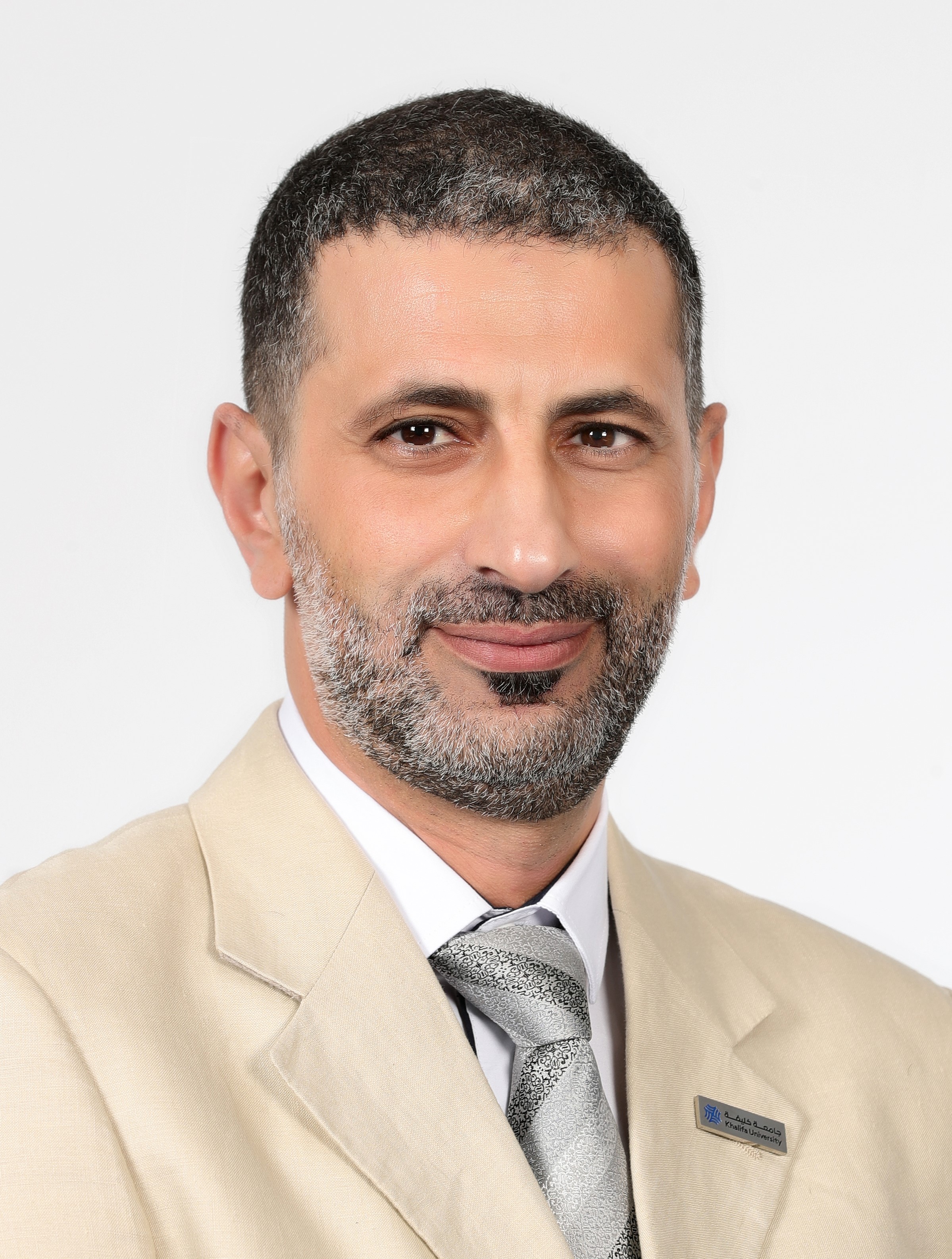
Dr. Yacine Addad serves as Associate Professor in the Mechanical and Nuclear Engineering Department at Khalifa University, UAE, and Deputy Director of the Emirates Nuclear Technology Center . With over 150 publications and $8.5 million in secured grants, he specializes in nuclear thermal-hydraulics, small modular reactors, and thermal energy storage for hybrid systems. Ph.D. in CFD and Turbulence Modeling (Manchester, 2004) M.Sc. in Thermal Power and Fluids Engineering (Manchester, 2000) Dip. Eng. in Marine Engineering (Oran, 1996) Research Focus: His work spans nuclear safety codes validation , molten corium-concrete interaction , and nanoscale surface modification for heat transfer . He leads projects on radionuclide dispersion , accident-tolerant cladding , and experimental thermal-hydraulics facilities . Recent Article Trends: 2022-2024 publications highlight deep learning for reactor safety , machine learning in condensation modeling , and multi-physics CFD for severe accidents . His work bridges thermal-hydraulic simulations with environmental radiation dispersion and nanomaterials in nuclear applications . Grants & Collaborations: Funded by FANR , ENEC , UK research councils, and ASPIRE , his projects address UAE nuclear program safety, decarbonization, and international standards through initiatives like OECD-ATLAS-III. Labs & Teams: Dr. Addad heads the Emirates Nuclear Technology Center's Theme-1 team and oversees experimental thermal-hydraulics facility development at Khalifa University. He mentors Ph.D. candidates in single/two-phase flow and radionuclide transport research.
Matteo Bucci is the Esther and Harold E. Edgerton Associate Professor of Nuclear Science and Engineering at the Massachusetts Institute of Technology (MIT), School of Engineering. His work bridges nuclear and aerospace applications, focusing on boiling heat transfer, advanced diagnostics, and surface engineering. He serves as Editor of Applied Thermal Engineering and Deputy Editor-in-Chief of AI Thermal Fluids . Role: Associate Professor, MIT School of Engineering Founding Editor: AI Thermal Fluids Founder: NSF Thermal Transport Café Co-Founder: Startup Ferveret (data center cooling) Research Interests : Bucci's group investigates boiling heat transfer mechanisms under extreme conditions, such as high-pressure environments in nuclear reactors and microgravity in space propulsion. They develop non-intrusive diagnostics like infrared thermography and phase-detection tools, combined with machine learning for real-time data processing. Key areas include: Cryogenic boiling for space systems Surface engineering to enhance critical heat flux (CHF) Machine learning algorithms for diagnostics Micro- and nano-structuring of reactor materials Accident Tolerant Fuel (ATF) coatings Autonomous experimental systems Article Trends : His publications highlight interdisciplinary approaches combining nuclear engineering, machine learning, and microfluidics. Recent work focuses on AI-driven diagnostics, surface optimization for CHF enhancement, and cryogenic/space applications. Scientific Awards : Ruth and Joel Spira Award for Excellence in Teaching (2020) DOE Distinguished Early Career Award (2022) ANS PAI Outstanding Faculty Award (2018, 2023) UIT-Fluent Award (2006) ANS THD Best Paper Award (2012) CFD4NRS Best Poster (2016) Labs & Teams : Bucci leads the MIT Red Lab, collaborating with institutions like the CANES Center for Advanced Nuclear Energy Systems and VIR2AL International Research Institute. His team includes researchers exploring boiling physics, diagnostics, and cooling technologies.
Dr. Adrien Couet is a Professor in the Department of Nuclear Engineering and Engineering Physics at the University of Wisconsin-Madison's College of Engineering, where he leads the Materials Degradation under Corrosion and Radiation (MaDCoR) laboratory. He also manages the UW Ion Beam Laboratory, a Nuclear Science User Facility. Prior to joining UW-Madison, he worked as a nuclear materials research engineer at EDF in France after earning his PhD from Penn State University in 2014. His research focuses on fundamental materials degradation in extreme environments, specializing in: Nuclear materials behavior under irradiation Corrosion mechanisms in light water and molten salt reactors Advanced characterization techniques and first-principles modeling High-throughput alloy design using machine learning Development of radiation-resistant compositionally complex alloys Publication analysis reveals strong emphasis on nuclear materials degradation, molten salt corrosion mechanisms, radiation damage in advanced alloys, and innovative characterization methods. His recent work increasingly incorporates machine learning for materials discovery and corrosion prediction. Major Awards: Schmidt Futures Innovation Fellow (2023) Journal of Nuclear Materials Rising Star Awards Shortlist (2022) Grainger Associate Professor (2021) Vilas Faculty Early-Career Investigator Award (2021) Multiple early-career recognitions from Grainger Institute and US NRC He leads significant research initiatives including the MaDCoR laboratory's programs on fuel cladding corrosion and molten salt reactor materials. As co-organizer of the Nuclear Innovation Bootcamp, he trains future nuclear entrepreneurs. His work involves extensive collaboration with national laboratories and industry partners.
Janelle Wharry is a Professor in the Department of Mechanical Science and Engineering at the University of Illinois, with a courtesy appointment in the Materials Research Laboratory since 2024. She previously held roles at Purdue University, including Associate Professor and Assistant Professor positions in Materials and Nuclear Engineering. Her research focuses on advanced materials for nuclear energy systems, corrosion mechanisms, and irradiation effects in structural materials. Education: Ph.D., M.S., and B.S. in Nuclear Engineering from the University of Michigan (2004–2012). Professional roles include editorial positions for Materials Today Communications and Materials Science & Engineering: A . Research interests span materials manufacturing, nuclear fuels, mechanical behavior under irradiation, and corrosion. Notable contributions include studies on FeCrAl alloys, stress corrosion cracking in austenitic steels, and pseudoelasticity in stainless steels. Awards include the NSF CAREER Award (2018), DOE Early Career Award (2019), and the TMS Brimacombe Medal (2025). Her Wharry Research Group emphasizes problem-solving and leadership development, with a focus on inclusivity and collaboration. Current projects address materials for decarbonization, nuclear fuel/clad interactions, and radiation-resistant alloys. She contributes to DOE initiatives through roles in the Nuclear Science User Facilities (NSUF) and roundtable panels.