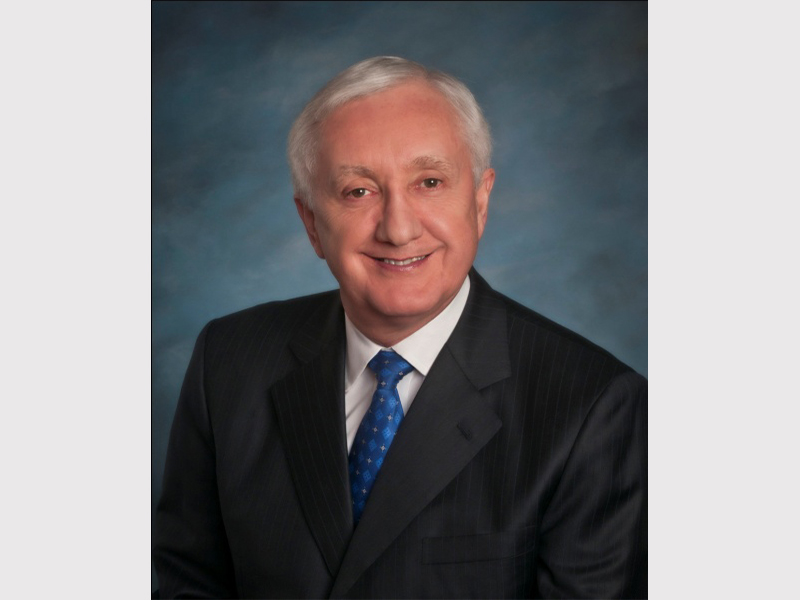
LUIS IBARRAمشاهده پروفایل
دانشیار
Luis Ibarra is an Associate Professor in the Department of Civil & Environmental Engineering at the University of Utah, where he has been employed since 2010. He was promoted to Associate Professor in July 2016 after serving as an Assistant Professor from 2010 to 2016. He earned his PhD in Civil and Environmental Engineering from Stanford University in 2004. Research Interests Dr. Ibarra's research spans multiple domains of civil engineering with particular emphasis on seismic performance of structures, nuclear safety, and material behavior. His work integrates computational mechanics, experimental testing, and probabilistic risk assessment to address challenges in structural resilience under extreme loading conditions. Primary research themes include: Seismic modeling of nuclear containment structures and fuel rod behavior Development of advanced hysteretic models for structural components Earthquake engineering applications for bridges and buildings Probabilistic risk assessment of structural systems Publications Overview Recent publications (2018-2025) demonstrate Dr. Ibarra's focus on computational mechanics applied to nuclear and structural safety, featuring advanced finite element modeling, probabilistic methods, and experimental validation. Recurring themes include seismic vulnerability of nuclear facilities, deterioration modeling of structural components, and innovative retrofitting techniques for earthquake resilience. The research consistently integrates material science fundamentals with structural engineering applications. Awards and Recognition Ben Jacobsen Kingfisher Bend Ranch Award for exceptional teaching effectiveness (2015) Teacher of the Year Award, CvEEN Department (2014) Teacher of the Year Award in the CvEEN Department (2013) Milek Fellowship Award, American Institute of Steel Construction (2013) Academic Activities Dr. Ibarra maintains an active research program supported by multiple grants including seismic modeling of nuclear structures, machine learning applications for collapse prediction, and performance of retrofitted bridges. He regularly advises graduate students in thesis research and teaches courses in structural dynamics, steel design, and structural analysis. His professional service includes editorial board membership for the Tall and Special Buildings Journal and community outreach through earthquake education programs for high school students.