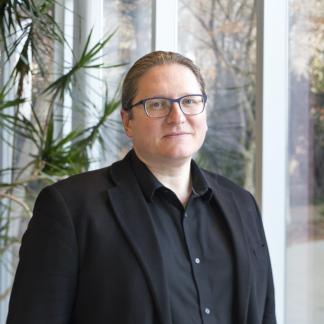
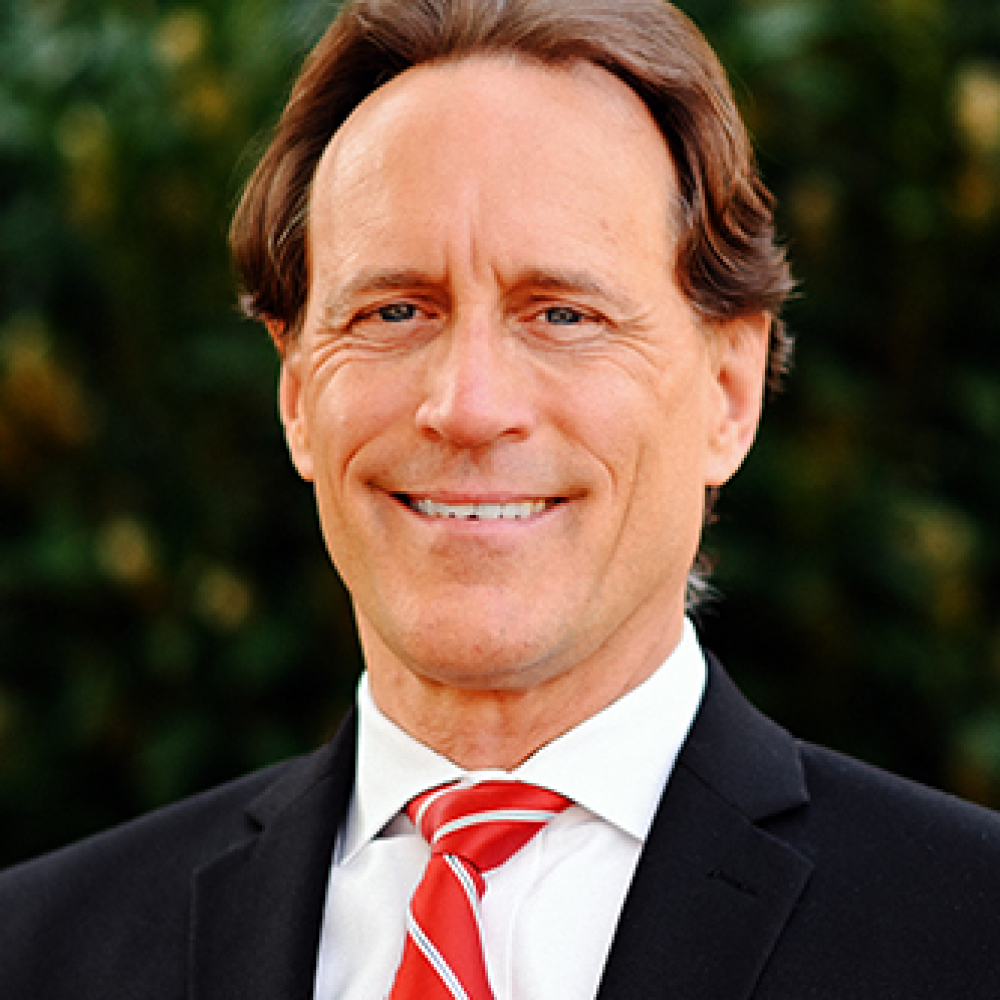
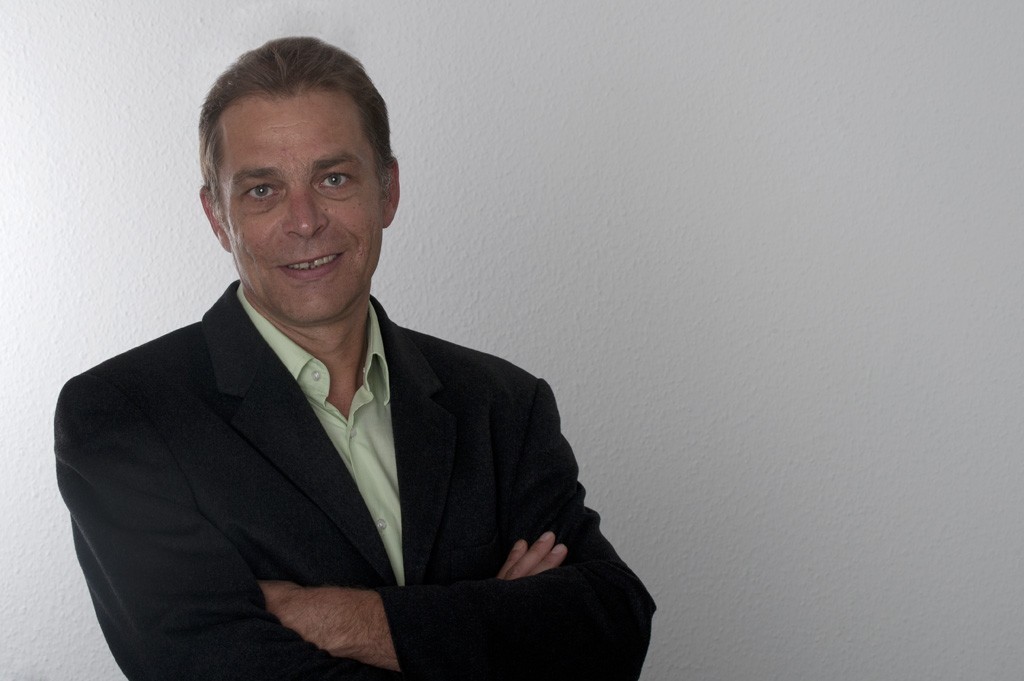
Joseph Kable is the Jean-Marie Kneeley President's Distinguished Professor of Psychology at the University of Pennsylvania's Department of Psychology within the School of Arts and Sciences. His research integrates experimental economics, cognitive neuroscience, and personality psychology to investigate the neural and psychological mechanisms underlying decision-making. He explores how subjective value is represented in the brain, deviations from rational choice theory, and individual differences in decision processes. His lab employs fMRI and interdisciplinary methods to study topics like risk tolerance, impulsivity, and neural plasticity. Education: BS in Chemistry from Emory University (undergraduate), PhD in Neuroscience from the University of Pennsylvania (doctoral). Research focuses on behavioral and cognitive neuroscience mechanisms of choice, including studies on temporal predictions, value signals, and brain structure-function relationships. His recent work examines how neural markers correlate with decision-making variability across individuals. He currently advises graduate students in Psychology and has post-doctoral researchers in his lab. Associated with MindCORE, Penn's hub for integrative mind research. Lab activities include undergraduate research programs and active studies exploring decision neuroscience and neuroeconomics.
Jeffrey Schall is a Full Professor of Biology and Program Director of the Visual Neurophysiology Centre at York University. He holds the Canada Research Chair in Translating Neuroscience. His research focuses on neural mechanisms underlying behavior, integrating neurophysiological and computational approaches across multiple scales. Schall is a core member of the Centre for Vision Research and the Canada First Research Excellence Fund Connected Minds initiative. Education: PhD in Anatomy (University of Utah School of Medicine, 1986), postdoctoral training at MIT. Awards include the Troland Research Award, Sloan Foundation Fellowship, and AAAS Fellowship. He served as Vision Science Society President in 2019. Research interests include visual attention, executive control, error monitoring, and translational neuroscience applications in law. His work bridges basic science with applied studies in clinical populations like schizophrenia patients. Collaborative projects involve EEG/MEG analysis, cortical microcircuitry modeling, and neuromodulation techniques. Teaching: YU_NRSC 2100 Systems, Behavioral, and Cognitive Neuroscience. Active in interdisciplinary initiatives linking neuroscience with legal systems through scholarship and policy engagement.
Martha Ann Bell is a University Distinguished Professor of Psychology and College of Science Faculty Fellow at Virginia Tech. She leads the Cognition, Affect, and Psychophysiology (CAP) Lab, focusing on developmental cognitive neuroscience and the integration of emotion and cognition in early development. Her work examines EEG/ECG biomarkers, executive function, temperament, and maternal-child interactions. Dr. Bell holds a PhD in Human Development from the University of Maryland (1992), an MS in Child and Family Studies from the University of Tennessee (1983), and a BS in Home Economics from Carson-Newman College (1978). She has held progressive roles from Assistant Professor (1996) to her current distinguished title. Her research interests include developmental changes in brain-behavior relations, neurophysiological correlates of emotion regulation, and longitudinal predictors of child development. Recent work explores maternal emotion coaching, EEG neuromarkers of ADHD, and the neurodevelopmental impacts of nutrition. Key awards include the Virginia Tech University Distinguished Professorship (2021) and College of Science Faculty Fellowship (2019–2025). Her publications span developmental psychobiology, neuroimaging methods, and temperament-behavior links. Dr. Bell’s advising and grants focus on interdisciplinary developmental science. The CAP Lab collaborates on projects involving infant neuroimaging, maternal-child physiology, and early childhood interventions.
Markus Heilig is a Professor of Psychiatry and Head of the Department of Biomedical and Clinical Sciences (BKV) at Linköping University. He serves as Director of the Center for Social and Affective Neuroscience (CSAN), integrating basic and clinical neuroscience to address addictive and affective disorders. His work bridges neuropharmacology, molecular psychiatry, and clinical trials. Linköping University (Current) Center for Social and Affective Neuroscience (CSAN) (Director) Wallenberg Center for Molecular Medicine (Collaborator) His research focuses on alcohol dependence mechanisms, stress-neurotransmitter interactions (e.g., CRF, substance P, endocannabinoids), and personalized medicine approaches. Using animal models and human neuroimaging (fMRI), his lab explores epigenetic changes in frontal lobe and amygdala neurons that drive compulsive alcohol use. Recent publications highlight his work on endocannabinoid modulation for PTSD treatment, neural correlates of reward choices, and pharmacological interventions targeting GABA and opioid receptors. His studies often combine brain imaging, behavioral analysis, and pharmacology. Scientific awards include the 2019 Wallenberg Clinical Scholar grant and 2017 CAN/Nordic Drugs prizes. Heilig's research is supported by Vetenskapsrådet (SEK 57 million center funding) and international donations like the Andrew J. Bock Memorial Fund.
Amitai Shenhav is an Associate Professor at the University of California, Berkeley, specializing in Cognitive Neuroscience. His research explores the neural and computational mechanisms underlying motivation, affect, decision-making, and cognitive control, as detailed on the Shenhav Lab website . Ph.D., Harvard University Key research themes include: Explaining motivated behavior through affective gradients Modeling decision-making with mutual inclusivity and value integration Investigating cognitive control allocation under varying motivational contexts Understanding neural dynamics in target-distractor interactions Recent publications (2025–2024) highlight his work on value-based decision-making, effort allocation, and computational models of cognitive control. These studies often bridge behavioral experiments with neural recordings and theoretical frameworks. Scientific contributions include: NSF CAREER Award (2021) for research on motivation in cognition He mentors students and collaborators in his lab, focusing on psychophysiological experiments, computational modeling, and neuroeconomic paradigms. His work intersects with psychology, neuroscience, and artificial intelligence, particularly in attention training applications.
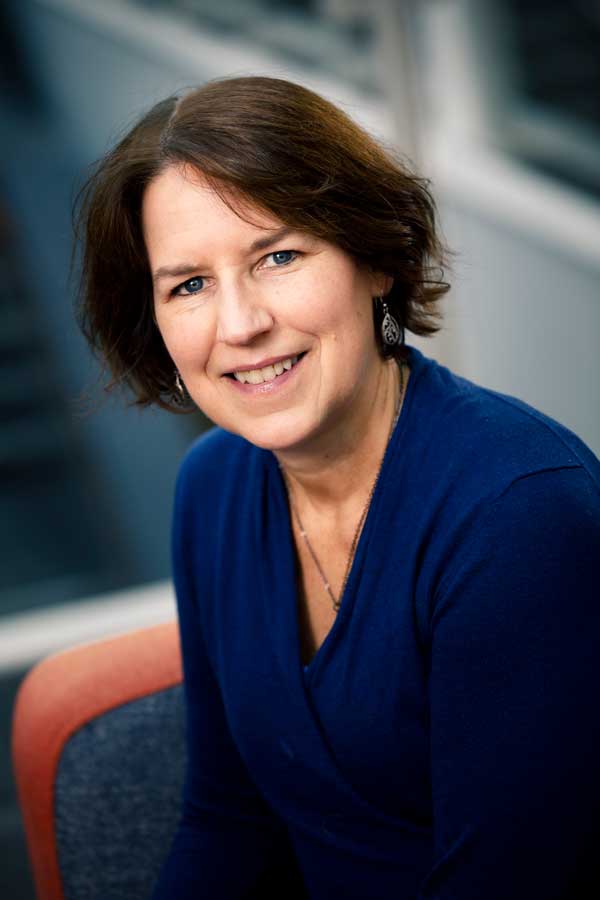
Denise Head is Professor of Psychological & Brain Sciences and Associate Chair at Washington University in St. Louis, with an additional appointment as Associate Professor in Radiology. Her research integrates cognitive neuroscience and neuroimaging to study cognitive aging and Alzheimer's disease. PhD, University of Memphis MS, University of Memphis BS, University of New Orleans Her research focuses on age-related cognitive changes and their neural underpinnings. Key areas include spatial navigation deficits in aging, the role of lifestyle factors (exercise, sleep, stress) in brain aging, and interventions to support cognitive function in older adults. She uses virtual reality, mobile eye-tracking, and neuroimaging techniques such as fMRI and DTI. The recent publications highlight a consistent trajectory in cognitive neuroscience and aging research, with emphasis on neuroimaging biomarkers, structural brain changes, and cognitive performance in normal and pathological aging. Her work bridges psychology, neurology, and radiology, contributing to early detection and understanding of Alzheimer's disease. Scientific Awards: No awards listed in the provided text. Dr. Head advises graduate students and leads a research lab focused on cognitive aging, though specific student names are not listed. Her lab investigates mediators of brain aging and develops methods to support spatial navigation in older adults. While specific grants are not mentioned, her ongoing research and recent publications suggest active external funding. She leads a research team in the Department of Psychological & Brain Sciences, utilizing advanced neuroimaging and behavioral methods to study aging and dementia. The lab integrates real-world and virtual experimental designs to understand spatial cognition and brain health in older populations.
Professor Rosalyn Moran is a Professor of Computational Neuroscience and Deputy Director of King's Institute for Artificial Intelligence at King's College London. She holds roles in the Department of Neuroimaging and School of Neuroscience within the Institute of Psychiatry, Psychology & Neuroscience. Her research focuses on computational neuroscience, computational psychiatry, and neurology, particularly integrating brain connectivity with algorithmic principles like the free energy principle. She explores neurotransmitter roles in decision-making and disease modeling, with applications in artificial intelligence and neurodegenerative disorders. Moran serves as an editor for Neuroimage and collaborates with leading institutions. Key projects include global neuroimaging initiatives (UNITY) and low-field MRI advancements in low-resource settings. Her work bridges Bayesian inference, AI, and neurobiology, with recent emphasis on pediatric neuroimaging and treatment-resistant psychosis. Education & Research Interests Rosalyn Moran's research spans computational psychiatry, neuroimaging techniques, and AI applications in healthcare. Her lab investigates serotonin and dopamine signaling, brain connectivity patterns, and predictive coding frameworks. Notable contributions include modeling NMDA receptor dysfunction in encephalitis and developing super-resolution MRI methods for global health contexts. Grants & Collaborations Funded projects include MRC Human Functional Genomics (2024-2028), NIHR Maudsley BRC (2022-2027), and Gates Foundation initiatives for low-field MRI enhancement. Collaborators include Karl Friston (UCL), Read Montague (Virginia Tech), and Klaas Enno Stephan (University of Zurich). Recent events include presenting the Free Energy Principle's role in generative AI (May 2023). Labs & Teams Her lab focuses on computational psychiatry and AI-driven neuroimaging solutions, collaborating with the King’s Global Health Institute to advance medical imaging accessibility in low-income regions.
Prof. Dr. Axel Mecklinger is a leading cognitive neuroscientist at Saarland University , specializing in the neurocognition of memory and language through spatiotemporal brain imaging (EEG/MEG/fMRI). His career spans over three decades, with significant contributions to understanding visual working memory , associative recognition , and memory development . Key research areas: Memory binding, ERP subsequent memory effects, novelty detection, and cognitive aging Major grants: DFG Research Groups, Collaborative Research Centers, and international collaborations with the Chinese Academy of Sciences Scientific leadership: Organized conferences, edited journals, and served as speaker for research training groups His recent work explores unitization in memory formation , cross-cultural differences in memory processing , and theta neurofeedback interventions . Awards include the Early Career Award of the German Psychophysiology Society (1992) and the European Federation of Psychophysiology Societies' Federation Prize (1994). Current projects investigate the neural mechanisms of semantic surprisal and memory plasticity in aging populations.
Nena Lejko serves as a Lecturer in the Department of Social Sciences at University College Groningen, University of Groningen. Her research focuses on neurocognitive mechanisms in psychiatric and neurodegenerative conditions, with particular expertise in neuroimaging techniques. Her primary research interests include Mild Cognitive Impairment , Functional Connectivity analysis, Dissociative Disorders , and application of Electroencephalography and fMRI in clinical populations. Current work examines biomarkers for acute dissociation and planning deficits in cognitive impairment. Lejko's publication portfolio demonstrates strong trends in neuroimaging methodology applied to cognitive decline, with significant emphasis on meta-analytic approaches and translational neuroscience. Her 2020 meta-analysis on alpha power connectivity has garnered substantial attention with 48 Scopus citations and Wikipedia references. Research collaborations span multiple institutions, with notable partnerships at University Medical Center Groningen. Her work shows consistent funding support evidenced by open-access publication status and research metrics indicating significant real-world impact through news coverage and social media engagement.
Xiaobo Li is a Professor in the Department of Bio-Medical Engineering at New Jersey Institute of Technology. Holding a Ph.D. in Computer Aided Geometric Design from the University of Birmingham and a B.S. in Automation from Nanjing University of Aeronautics, their research bridges computational methods with neuroimaging and psychiatric disorder analysis. Ph.D., University of Birmingham (Computer Aided Geometric Design, 2004) B.S., Nanjing University of Aeronautics (Automation, 1999) Dr. Li’s work focuses on applying machine learning and graph theory to understand brain network abnormalities in conditions like ADHD , schizophrenia , and traumatic brain injury . Their studies analyze structural-functional connectivity , reward processing , and gut-brain axis interactions using fMRI , fNIRS , and diffusion tensor imaging . Recent publications highlight their development of tools like the GAT-FD MATLAB toolbox for brain network analysis and their exploration of multimodal MRI in schizophrenia diagnosis. They also investigate the neurobiological effects of photobiomodulation and vision therapy interventions.
Edward F. Chang, MD is a distinguished Professor and Chair of the Department of Neurological Surgery at the University of California, San Francisco (UCSF) School of Medicine. He co-directs the Center for Neural Engineering and Prostheses, a collaborative enterprise between UCSF and UC Berkeley, and leads the Chang Lab focused on speech neuroscience and neural engineering. As a practicing neurosurgeon, he specializes in treating adults with difficult-to-control epilepsy, brain tumors, trigeminal neuralgia, hemifacial spasm, and movement disorders. Dr. Chang's educational background includes a B.A. in Chemistry from Amherst College (1997), an M.D. from UCSF (2004), a Neurological Surgery residency at UCSF (2010), and a postdoctoral fellowship in Cognitive Neuroscience at UC Berkeley (2009). His research focuses on the brain mechanisms for speech, movement, and learning, with particular emphasis on advanced brain mapping methods to preserve crucial areas for speech and motor functions. He has pioneered work in speech neuroprostheses, developing technology that allows patients with paralysis to communicate through brain signals. His work integrates engineering, neurology, and neurosurgery to develop state-of-the-art biomedical technology to restore function for patients with neurological disabilities such as paralysis and speech disorders. Analysis of his recent publications reveals a strong trend toward developing advanced neuroprosthetic technologies, particularly speech decoding systems, and exploring the neural basis of speech production across multiple languages. His research also spans epilepsy surgery optimization, deep brain stimulation for psychiatric conditions, and molecular profiling of brain tumors. Blavatnik National Laureate for Life Sciences (2015) Elected to the National Academy of Medicine (2020) Inaugural Bowes Biomedical Investigator at UCSF HHMI Faculty Scholar Dr. Chang leads multiple NIH-funded research projects totaling millions of dollars, including a pilot clinical trial for speech neuroprosthesis and studies on the neural coding of speech across human languages. He has mentored numerous researchers in the field of neural engineering and speech neuroscience, though specific student names aren't listed in the provided materials. His work has resulted in groundbreaking technologies that have helped restore communication abilities to individuals with paralysis. As co-director of the Center for Neural Engineering and Prostheses, Dr. Chang leads a multidisciplinary team of engineers, neurologists, and neurosurgeons working at the intersection of neuroscience and technology. His lab has been instrumental in developing brain-computer interfaces that translate neural activity into speech, with recent publications demonstrating streaming brain-to-voice neuroprostheses that restore naturalistic communication.
Dr. Heidi Baseler is a Senior Lecturer in Imaging Sciences at the Hull York Medical School and the Department of Psychology , University of York . She serves as INSPIRE Programme Lead for undergraduate research and contributes to research governance and public/patient involvement in research through committees like the York Neuroimaging Centre Research Governance Committee and Involvement@York . Education : AB in Biology/Psychology from Dartmouth College (1986), PhD in Vision Science from University of California, Berkeley (1995) Career : Research Fellow at Stanford, Smith-Kettlewell Eye Research Institute, and University of York; Lecturer in Imaging Sciences at Hull York Medical School (2012-2021) Her research focuses on neural mechanisms for central/peripheral vision processing, cortical responses to sensory loss (e.g., AMD, deafness), and neuroprotective strategies like photobiomodulation. Techniques include structural and functional MRI , magnetic resonance spectroscopy , multifocal EEG , and electroretinography . Key findings include cortical reorganization in macular degeneration and superior visual performance in deaf adults. Recent article trends highlight: Neuroimaging biomarkers for AMD progression Cross-modal plasticity in deaf individuals Long-term effects of sensory deprivation on brain structure Photobiomodulation for neurodegeneration Functional connectivity in face-selective regions Contrast perception dynamics across aging Scientific awards include: Exceptional Contribution to Student Experience Finalist , Hull York Medical School (2024) Pursuing Excellence Award , Hull York Medical School (2023) Vice-Chancellor's Teaching Award , University of York (2020) Multiple Teacher of Excellence Finalist recognitions (2016-2018) She teaches undergraduate medical students in Foundations of Medicine and Neurological Diseases , and supervises MSc Cognitive Neuroscience projects. Collaborations span institutions like University of Hull , University of Lille , and University of Regensburg . Current students include Sharyfah Alasiri (PhD, Biomedical Sciences) and Erin English (PhD, Psychology) at the University of York.
Professor Gesa Hartwigsen is a leading cognitive neuroscientist holding dual appointments as Professor for Cognitive and Biological Psychology at Leipzig University and Lise Meitner Research Group Leader at the Max Planck Institute for Human Cognitive and Brain Sciences (MPI CBS). She leads the Research Group Cognition and Plasticity, focusing on neural networks for higher cognitive functions, adaptive plasticity in cognition, and language network reorganization after stroke. Her educational background includes: Studies of Psychology (Dipl.-Psych., 2001-2006) at Kiel University PhD in Neurology (Dr. phil., 2007-2010) at Kiel University Habilitation in Psychology (2018) at University of Potsdam Hartwigsen's research spans cognitive neuroscience with particular emphasis on language processing, neural plasticity, and brain stimulation techniques. Her work investigates how brain networks support semantic cognition, how they adapt following neurological damage, and how they change across the lifespan. She employs advanced methodologies including transcranial magnetic stimulation (TMS), functional MRI, and concurrent TMS-fMRI to establish causal relationships in neural processing. Analysis of her recent publications reveals a strong focus on language networks, executive control mechanisms, and neural plasticity. Her work increasingly integrates advanced computational approaches with neurostimulation to understand semantic processing, speech comprehension in challenging environments, and recovery from language disorders. A significant trend is her development of methodological frameworks for concurrent TMS-fMRI, establishing new standards in the field. Her notable scientific recognition includes: ERC Consolidator Grant (2023-2027) for "The Flexible Brain: (Re-)shaping Adaptation in Semantic Cognition" NVIDIA GPU grant (Titan Xp Donation) Hartwigsen has secured substantial research funding, including multiple DFG projects as Principal Investigator. Her current DFG Research Unit (2023-2026) focuses on "Modulation of brain networks for memory and learning by transcranial electrical stimulation," where she serves as PI. She has successfully led multiple interdisciplinary projects examining language networks, neural plasticity, and brain stimulation effects. At the MPI CBS, she leads the Cognition and Plasticity research group, which investigates how brain networks support cognitive functions and adapt to challenges. Her team employs a multimodal approach combining neurostimulation, neuroimaging, and behavioral methods to understand the causal architecture of cognitive networks, particularly in language processing and semantic cognition.
Jing Wang is a Professor at NYU Grossman School of Medicine, affiliated with both the Department of Anesthesiology, Perioperative Care, and Pain Medicine and the Department of Neuroscience . She specializes in pain medicine, combining clinical practice with research on brain circuits and pain regulation. Dual MD-PhD training (Columbia University, 2004 and 2003 respectively) Leadership roles: Director of Interdisciplinary Pain Program and Vice Chair, Research, in Anesthesiology Her research interests focus on cortical pain mechanisms, computational neuroscience for pain decoding, and brain-machine interfaces. Key areas include: Glutamatergic projections in pain modulation Ketamine studies for postoperative pain Machine learning for neural biomarkers of chronic pain Psychedelics in pain treatment Current clinical trials include: Chronic Pain and Postoperative Cognitive Function in the Elderly EEG Biomarkers for Acute-to-Chronic Pain Transition Predictive Biomarkers in Chronic Pancreatitis Pain Her work bridges molecular neuroscience , clinical applications , and real-time neural engineering for pain management.
Vikaas Sohal, MD, PhD is a Professor in the Department of Psychiatry at the University of California, San Francisco (UCSF) School of Medicine and a member of the UCSF Weill Institute for Neurosciences. He directs a neuroscience laboratory investigating the brain circuits underlying fundamental aspects of cognition and emotion, with particular focus on gamma oscillations in normal cognition and schizophrenia, as well as how rhythmic brain activity encodes emotional states. Dr. Sohal is also a board-certified psychiatrist who supervises residents in the Early Psychosis (PATH) clinic. Dr. Sohal earned his A.B. and S.M. in Applied Mathematics from Harvard University in 1997, followed by an M.A.St. in Mathematics from the University of Cambridge in 1998. He completed his M.D./Ph.D. in Neuroscience at Stanford University in 2005, where he also completed his residency in adult psychiatry. During his residency, he conducted postdoctoral research with Dr. Karl Deisseroth, performing some of the first experiments using optogenetics to study information processing in brain circuits. Dr. Sohal's research has focused on neural circuit mechanisms underlying cognitive and emotional processes, with particular emphasis on gamma oscillations, prefrontal-hippocampal interactions, and the role of specific interneuron subtypes in information processing. His laboratory has made significant contributions to understanding how parvalbumin interneurons generate gamma oscillations that organize prefrontal networks to promote behavioral adaptation. His recent work has explored the circuit basis of emotional states, pain-related aversion, and neuropsychiatric disorders. His publication record shows a consistent trajectory of high-impact research, with recent publications spanning topics from psilocybin effects to thalamocortical organoids for neuropsychiatric disorder modeling. His work demonstrates a progression from fundamental circuit mechanisms to translational applications for psychiatric disorders, particularly focusing on schizophrenia and emotional processing abnormalities. Dr. Sohal has secured continuous NIH funding as Principal Investigator since 2009, including multiple R01 grants, an R56, DP2, R00, and K99 awards, demonstrating sustained research productivity and significance. His research program represents a sophisticated integration of molecular, cellular, circuit, and behavioral approaches to understand and potentially treat neuropsychiatric disorders.