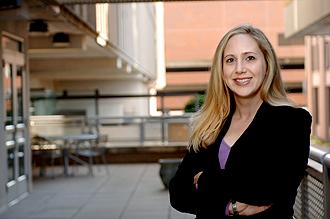
Jeffrey Schall is a Full Professor of Biology and Program Director of the Visual Neurophysiology Centre at York University. He holds the Canada Research Chair in Translating Neuroscience. His research focuses on neural mechanisms underlying behavior, integrating neurophysiological and computational approaches across multiple scales. Schall is a core member of the Centre for Vision Research and the Canada First Research Excellence Fund Connected Minds initiative. Education: PhD in Anatomy (University of Utah School of Medicine, 1986), postdoctoral training at MIT. Awards include the Troland Research Award, Sloan Foundation Fellowship, and AAAS Fellowship. He served as Vision Science Society President in 2019. Research interests include visual attention, executive control, error monitoring, and translational neuroscience applications in law. His work bridges basic science with applied studies in clinical populations like schizophrenia patients. Collaborative projects involve EEG/MEG analysis, cortical microcircuitry modeling, and neuromodulation techniques. Teaching: YU_NRSC 2100 Systems, Behavioral, and Cognitive Neuroscience. Active in interdisciplinary initiatives linking neuroscience with legal systems through scholarship and policy engagement.
Martha Ann Bell is a University Distinguished Professor of Psychology and College of Science Faculty Fellow at Virginia Tech. She leads the Cognition, Affect, and Psychophysiology (CAP) Lab, focusing on developmental cognitive neuroscience and the integration of emotion and cognition in early development. Her work examines EEG/ECG biomarkers, executive function, temperament, and maternal-child interactions. Dr. Bell holds a PhD in Human Development from the University of Maryland (1992), an MS in Child and Family Studies from the University of Tennessee (1983), and a BS in Home Economics from Carson-Newman College (1978). She has held progressive roles from Assistant Professor (1996) to her current distinguished title. Her research interests include developmental changes in brain-behavior relations, neurophysiological correlates of emotion regulation, and longitudinal predictors of child development. Recent work explores maternal emotion coaching, EEG neuromarkers of ADHD, and the neurodevelopmental impacts of nutrition. Key awards include the Virginia Tech University Distinguished Professorship (2021) and College of Science Faculty Fellowship (2019–2025). Her publications span developmental psychobiology, neuroimaging methods, and temperament-behavior links. Dr. Bell’s advising and grants focus on interdisciplinary developmental science. The CAP Lab collaborates on projects involving infant neuroimaging, maternal-child physiology, and early childhood interventions.
Denise Head is Professor of Psychological & Brain Sciences and Associate Chair at Washington University in St. Louis, with an additional appointment as Associate Professor in Radiology. Her research integrates cognitive neuroscience and neuroimaging to study cognitive aging and Alzheimer's disease. PhD, University of Memphis MS, University of Memphis BS, University of New Orleans Her research focuses on age-related cognitive changes and their neural underpinnings. Key areas include spatial navigation deficits in aging, the role of lifestyle factors (exercise, sleep, stress) in brain aging, and interventions to support cognitive function in older adults. She uses virtual reality, mobile eye-tracking, and neuroimaging techniques such as fMRI and DTI. The recent publications highlight a consistent trajectory in cognitive neuroscience and aging research, with emphasis on neuroimaging biomarkers, structural brain changes, and cognitive performance in normal and pathological aging. Her work bridges psychology, neurology, and radiology, contributing to early detection and understanding of Alzheimer's disease. Scientific Awards: No awards listed in the provided text. Dr. Head advises graduate students and leads a research lab focused on cognitive aging, though specific student names are not listed. Her lab investigates mediators of brain aging and develops methods to support spatial navigation in older adults. While specific grants are not mentioned, her ongoing research and recent publications suggest active external funding. She leads a research team in the Department of Psychological & Brain Sciences, utilizing advanced neuroimaging and behavioral methods to study aging and dementia. The lab integrates real-world and virtual experimental designs to understand spatial cognition and brain health in older populations.
Professor Rosalyn Moran is a Professor of Computational Neuroscience and Deputy Director of King's Institute for Artificial Intelligence at King's College London. She holds roles in the Department of Neuroimaging and School of Neuroscience within the Institute of Psychiatry, Psychology & Neuroscience. Her research focuses on computational neuroscience, computational psychiatry, and neurology, particularly integrating brain connectivity with algorithmic principles like the free energy principle. She explores neurotransmitter roles in decision-making and disease modeling, with applications in artificial intelligence and neurodegenerative disorders. Moran serves as an editor for Neuroimage and collaborates with leading institutions. Key projects include global neuroimaging initiatives (UNITY) and low-field MRI advancements in low-resource settings. Her work bridges Bayesian inference, AI, and neurobiology, with recent emphasis on pediatric neuroimaging and treatment-resistant psychosis. Education & Research Interests Rosalyn Moran's research spans computational psychiatry, neuroimaging techniques, and AI applications in healthcare. Her lab investigates serotonin and dopamine signaling, brain connectivity patterns, and predictive coding frameworks. Notable contributions include modeling NMDA receptor dysfunction in encephalitis and developing super-resolution MRI methods for global health contexts. Grants & Collaborations Funded projects include MRC Human Functional Genomics (2024-2028), NIHR Maudsley BRC (2022-2027), and Gates Foundation initiatives for low-field MRI enhancement. Collaborators include Karl Friston (UCL), Read Montague (Virginia Tech), and Klaas Enno Stephan (University of Zurich). Recent events include presenting the Free Energy Principle's role in generative AI (May 2023). Labs & Teams Her lab focuses on computational psychiatry and AI-driven neuroimaging solutions, collaborating with the King’s Global Health Institute to advance medical imaging accessibility in low-income regions.
Prof. Dr. Axel Mecklinger is a leading cognitive neuroscientist at Saarland University , specializing in the neurocognition of memory and language through spatiotemporal brain imaging (EEG/MEG/fMRI). His career spans over three decades, with significant contributions to understanding visual working memory , associative recognition , and memory development . Key research areas: Memory binding, ERP subsequent memory effects, novelty detection, and cognitive aging Major grants: DFG Research Groups, Collaborative Research Centers, and international collaborations with the Chinese Academy of Sciences Scientific leadership: Organized conferences, edited journals, and served as speaker for research training groups His recent work explores unitization in memory formation , cross-cultural differences in memory processing , and theta neurofeedback interventions . Awards include the Early Career Award of the German Psychophysiology Society (1992) and the European Federation of Psychophysiology Societies' Federation Prize (1994). Current projects investigate the neural mechanisms of semantic surprisal and memory plasticity in aging populations.
Nena Lejko serves as a Lecturer in the Department of Social Sciences at University College Groningen, University of Groningen. Her research focuses on neurocognitive mechanisms in psychiatric and neurodegenerative conditions, with particular expertise in neuroimaging techniques. Her primary research interests include Mild Cognitive Impairment , Functional Connectivity analysis, Dissociative Disorders , and application of Electroencephalography and fMRI in clinical populations. Current work examines biomarkers for acute dissociation and planning deficits in cognitive impairment. Lejko's publication portfolio demonstrates strong trends in neuroimaging methodology applied to cognitive decline, with significant emphasis on meta-analytic approaches and translational neuroscience. Her 2020 meta-analysis on alpha power connectivity has garnered substantial attention with 48 Scopus citations and Wikipedia references. Research collaborations span multiple institutions, with notable partnerships at University Medical Center Groningen. Her work shows consistent funding support evidenced by open-access publication status and research metrics indicating significant real-world impact through news coverage and social media engagement.
Edward F. Chang, MD is a distinguished Professor and Chair of the Department of Neurological Surgery at the University of California, San Francisco (UCSF) School of Medicine. He co-directs the Center for Neural Engineering and Prostheses, a collaborative enterprise between UCSF and UC Berkeley, and leads the Chang Lab focused on speech neuroscience and neural engineering. As a practicing neurosurgeon, he specializes in treating adults with difficult-to-control epilepsy, brain tumors, trigeminal neuralgia, hemifacial spasm, and movement disorders. Dr. Chang's educational background includes a B.A. in Chemistry from Amherst College (1997), an M.D. from UCSF (2004), a Neurological Surgery residency at UCSF (2010), and a postdoctoral fellowship in Cognitive Neuroscience at UC Berkeley (2009). His research focuses on the brain mechanisms for speech, movement, and learning, with particular emphasis on advanced brain mapping methods to preserve crucial areas for speech and motor functions. He has pioneered work in speech neuroprostheses, developing technology that allows patients with paralysis to communicate through brain signals. His work integrates engineering, neurology, and neurosurgery to develop state-of-the-art biomedical technology to restore function for patients with neurological disabilities such as paralysis and speech disorders. Analysis of his recent publications reveals a strong trend toward developing advanced neuroprosthetic technologies, particularly speech decoding systems, and exploring the neural basis of speech production across multiple languages. His research also spans epilepsy surgery optimization, deep brain stimulation for psychiatric conditions, and molecular profiling of brain tumors. Blavatnik National Laureate for Life Sciences (2015) Elected to the National Academy of Medicine (2020) Inaugural Bowes Biomedical Investigator at UCSF HHMI Faculty Scholar Dr. Chang leads multiple NIH-funded research projects totaling millions of dollars, including a pilot clinical trial for speech neuroprosthesis and studies on the neural coding of speech across human languages. He has mentored numerous researchers in the field of neural engineering and speech neuroscience, though specific student names aren't listed in the provided materials. His work has resulted in groundbreaking technologies that have helped restore communication abilities to individuals with paralysis. As co-director of the Center for Neural Engineering and Prostheses, Dr. Chang leads a multidisciplinary team of engineers, neurologists, and neurosurgeons working at the intersection of neuroscience and technology. His lab has been instrumental in developing brain-computer interfaces that translate neural activity into speech, with recent publications demonstrating streaming brain-to-voice neuroprostheses that restore naturalistic communication.
Professor Gesa Hartwigsen is a leading cognitive neuroscientist holding dual appointments as Professor for Cognitive and Biological Psychology at Leipzig University and Lise Meitner Research Group Leader at the Max Planck Institute for Human Cognitive and Brain Sciences (MPI CBS). She leads the Research Group Cognition and Plasticity, focusing on neural networks for higher cognitive functions, adaptive plasticity in cognition, and language network reorganization after stroke. Her educational background includes: Studies of Psychology (Dipl.-Psych., 2001-2006) at Kiel University PhD in Neurology (Dr. phil., 2007-2010) at Kiel University Habilitation in Psychology (2018) at University of Potsdam Hartwigsen's research spans cognitive neuroscience with particular emphasis on language processing, neural plasticity, and brain stimulation techniques. Her work investigates how brain networks support semantic cognition, how they adapt following neurological damage, and how they change across the lifespan. She employs advanced methodologies including transcranial magnetic stimulation (TMS), functional MRI, and concurrent TMS-fMRI to establish causal relationships in neural processing. Analysis of her recent publications reveals a strong focus on language networks, executive control mechanisms, and neural plasticity. Her work increasingly integrates advanced computational approaches with neurostimulation to understand semantic processing, speech comprehension in challenging environments, and recovery from language disorders. A significant trend is her development of methodological frameworks for concurrent TMS-fMRI, establishing new standards in the field. Her notable scientific recognition includes: ERC Consolidator Grant (2023-2027) for "The Flexible Brain: (Re-)shaping Adaptation in Semantic Cognition" NVIDIA GPU grant (Titan Xp Donation) Hartwigsen has secured substantial research funding, including multiple DFG projects as Principal Investigator. Her current DFG Research Unit (2023-2026) focuses on "Modulation of brain networks for memory and learning by transcranial electrical stimulation," where she serves as PI. She has successfully led multiple interdisciplinary projects examining language networks, neural plasticity, and brain stimulation effects. At the MPI CBS, she leads the Cognition and Plasticity research group, which investigates how brain networks support cognitive functions and adapt to challenges. Her team employs a multimodal approach combining neurostimulation, neuroimaging, and behavioral methods to understand the causal architecture of cognitive networks, particularly in language processing and semantic cognition.
Håkan Fischer is a Professor of Human Biological Psychology at Stockholm University, where he has served as Head of the Department of Psychobiology and Epidemiology since 2011. He also holds an associate professor position at Karolinska Institutet, is affiliated with the Aging Research Center and Stockholm University Brain Imaging Centre, and is a faculty member at Digital Futures at the Royal Institute of Technology. Since September 2025, he has additionally served as a visiting professor at Linköping University. Fischer has established himself as a leading researcher in emotional and cognitive processing, with particular expertise in socio-emotional aspects across the lifespan. Fischer earned his PhD in psychology from Uppsala University in 1998, followed by postdoctoral research at Harvard Medical School (1999-2001). He then worked at the Aging Research Center at Karolinska Institutet before joining Stockholm University in 2011. His academic journey includes a sabbatical year (2021-2022) at the University of Florida's Department of Psychology. Fischer is actively involved in university governance as a member of the Swedish Research Council's Subject Council for Humanities and Social Sciences (2023-present) and represents Stockholm University in multiple international collaborations. Håkan Fischer's research primarily focuses on investigating intra- and interindividual differences in affective, cognitive, social and perceptual processing, with special emphasis on age-related differences in adults. His laboratory employs advanced neuroimaging techniques including fMRI, PET, and fNIRS to examine brain function, while also utilizing structural imaging methods like T1-weighted imaging, DTI, and perfusion imaging to study brain structure. Fischer advocates for single-subject small-N designs to better understand emotional and cognitive mechanisms. His current research lines include socio-emotional perception and recognition, oxytocin effects on socio-emotional processing across the lifespan, and AI development for interpersonal communication analysis. Analysis of Fischer's recent publications reveals a strong focus on emotion recognition across populations, neurobiological mechanisms of socio-emotional processing, and methodological innovations. His work consistently integrates behavioral testing, neuroimaging, and genetic analysis to provide comprehensive insights. The increasing incorporation of AI approaches demonstrates his adaptation to emerging technological advances in psychological research. Fischer has published 136 peer-reviewed articles with over 12,200 citations and a Google Scholar h-index of 53. Fischer has received consistent funding since 2002 from prestigious sources including the Swedish Research Council, Wallenberg Foundation, STINT, Riksbankens Jubileumsfond, and Konung Gustav V och Drottning Victorias stiftelse. He currently leads nine funded research projects (two as principal investigator totaling 6.9 million SEK, seven as co-applicant totaling 24.8 million SEK) spanning multiple international collaborations in Sweden, Germany, and the USA. As an educator, Fischer leads the basic course in Cognitive Neuroscience and the master's course in Emotion Psychology and Affective Neuroscience. He regularly teaches at both undergraduate and advanced levels, primarily in biological psychology, cognitive neuroscience, and emotion psychology. Fischer currently supervises six doctoral students (one as main supervisor, four as assistant supervisor) and has mentored graduate students since 2002. Håkan Fischer leads a dynamic research laboratory that investigates emotional, social, perceptual, and cognitive processing. The lab examines how intraindividual variations across stimuli and time, as well as interindividual differences in age, gender, genetics, personality, and sleep deprivation affect these processes. His lab maintains active national and international collaborations with researchers at Stockholm University, Uppsala University, Karolinska Institutet, University of Florida, and University of Gothenburg, creating a robust interdisciplinary research environment focused on translating basic neuroscience into practical applications.
Michael Petrides is a Professor in the Department of Psychology at McGill University. His research focuses on neuropsychology and cognitive neuroscience, investigating the functions of the frontal, temporal, and parietal cortices through studies involving patients with brain lesions, animal models, and neuroimaging techniques like PET and fMRI. His work bridges human and non-human primate studies to understand cognitive mechanisms. Research Interests: Cognitive Neuroscience: Examines neural underpinnings of higher cognitive functions. Behavioral Neuroscience: Analyzes brain-behavior relationships via lesion studies and animal models. Neuroimaging: Utilizes PET and fMRI to map brain regions involved in memory, language, and decision-making. Publications Trends: His work emphasizes cross-species comparisons (human-macaque), functional connectivity analysis, and clinical applications of neuroimaging in neurosurgical planning. Advising & Grants: No student advisees listed. Grants and funding details not explicitly mentioned in provided materials. Labs/Teams: Affiliated with McGill's Psychology Department research groups studying cognitive neuroscience and brain architecture.
Professor Paul Fletcher serves as the Bernard Wolfe Professor of Health Neuroscience at the University of Cambridge Department of Psychiatry and Clinical Director of the Cambridge Neuroscience Interdisciplinary Research Centre. He holds concurrent appointments as a Wellcome Trust Investigator and Honorary Consultant Psychiatrist with the Cambridgeshire and Peterborough NHS Trust and Cambridge University Hospitals NHS Trust. His research centers on neurobiological mechanisms of psychosis , computational psychiatry , and appetite control in disordered eating . Fletcher pioneered influential theories linking prediction error signaling to psychotic symptoms, demonstrating how perturbations in frontal lobe responses explain hallucinations and delusions. His work integrates neuroimaging, psychopharmacology, and computational modeling to bridge clinical observations with neural mechanisms. Analysis of his recent publications reveals a dominant focus on prediction error computation in psychosis cortical structural changes in mental illness neurobiological correlates of eating disorders computational modeling of perceptual inference dopaminergic mechanisms in learning translational neuroscience approaches His work increasingly incorporates multimodal neuroimaging and real-world applications like the Hellblade: Senua's Sacrifice project. Key recognitions include: BAFTA Award for Games Beyond Entertainment (2017) James Bull Lectureship (2017) Election to Academy of Medical Sciences (2012) WFSP Research Award in Biological Psychiatry (2005) Fletcher maintains significant research funding through Wellcome Trust appointments spanning over two decades, including current status as a Wellcome Trust Investigator. His clinical neuroscience program bridges the Department of Psychiatry with NHS trusts, emphasizing translational pathways from basic mechanisms to clinical applications. The Fletcher Group operates within the Cambridge Neuroscience network, collaborating extensively across departments and healthcare systems.
Dr. Anna Rosenkranz is a researcher at the Institute for German Linguistics, specializing in Clinical Linguistics at Philipps-Universität Marburg. She holds a visiting professorship at the Department of Educational and Rehabilitation Sciences, University of Cologne (2024-2025), focusing on language disorders in neurologically impaired populations. Her career spans institutions including Ruhr-Universität Bochum and University of Reading, with a PhD in Linguistics (2015). Current affiliations: Philipps-Universität Marburg (since 2019), University of Cologne (2024-2025) Education: PhD Linguistics (Bochum), MA Speech Science (Marburg), BA Linguistics (Bochum) Rosenkranz's research bridges clinical linguistics and neuropsychology, focusing on: Executive function contributions to word retrieval in aphasia Complex semantic processing in cognitive communication disorders Diagnostic tools for subtle post-brain-injury communication deficits Psycholinguistic models of verbal fluency in psychiatric and neurological conditions Digital participation barriers for speech-language impaired individuals Her work emphasizes practical applications in speech therapy, including the development of the KomplexSem test and FAVRES-D assessment. Recent publications analyze digital accessibility challenges, semantic processing, and cognitive-linguistic interactions across conditions like schizophrenia and dementia. Professional activities include: Co-developer of cognitive-communication screening tools (CCCABI-DE, KomplexSem) Coordinator of continuing education programs (2022-2024) Keynote speaker at international workshops on language production and neurorehabilitation Contributor to BMBF-funded projects on 'small disciplines with high potential'
Dr. Julie A. Alvarez is a Teaching Professor and Director of Master's Programs in Behavioral Health and Psychological Science at Tulane University's Department of Psychology. A licensed clinical neuropsychologist, her research examines neurocognitive aspects of PTSD, executive functions, and psychological assessment methodologies. Alvarez's meta-analytic work on frontal lobe functions has been widely cited in neuropsychology literature. She has published extensively on neurobehavioral correlates of trauma and complementary approaches to pain management. Honors include the Weiss Presidential Fellowship for Teaching Excellence and recognition as one of New Orleans' top psychology educators. Her teaching spans neuropsychological assessment, health psychology, and psychological testing at both undergraduate and graduate levels.
Professor Matthias Schroeter is an Adjunct Professor and Group Leader in Cognitive Neuropsychiatry at the University of Leipzig, collaborating with the Max-Planck-Institute for Human Cognitive and Brain Sciences. He holds dual doctorates (Dr. med. and Dr. phil.) and an M.A. in Philosophy. His research focuses on psychiatric disorder foundations, frontal lobe functions, and cognitive neurodevelopment using techniques like fNIRS. He is affiliated with the Day Clinic of Cognitive Neurology and the Leipzig University Hospital (Universitätsklinikum Leipzig). Education: MD from Humboldt University Berlin (1994) M.A. in Philosophy from Technical University Berlin (1999) PhD (Dr. med.) in Molecular Biology (1998), Habilitation in Cognitive Neuropsychiatry (2006), and PhD (Dr. phil.) in Philosophy (2011) Research Interests: Combines neuroscience, psychiatry, and philosophy to explore cognitive mechanisms in psychiatric disorders. Key areas include astrocyte injury biomarkers, social cognition, and consciousness theory (e.g., 'Negative Phrenology'). Awards: 2013: ISMRM Magna Cum Laude Merit Award 2012: GNP Poster Award Roles & Grants: Serves on the Berlin-Brandenburg Academy’s 'Functions of Consciousness' council. Former roles include systemic therapy certification (2000) and cognitive behavioral therapy training (2002). Active in clinical psychiatry and academic leadership. Labs/Teams: Leads the Cognitive Neuropsychiatry research group, integrating clinical practice with neuroimaging and biochemical analyses.
Dr. Francisco Barceló Galindo is a Professor of Psychology at the University of the Balearic Islands , where he has held a position since 2010. He earned his PhD in Psychology from the University of Southampton (1993) and has been a leading figure in Cognitive Neuroscience, Neuropsychology, and Psychobiology. Education: Bachelor’s in Psychology (University of Murcia, 1989), PhD in Psychology (University of Southampton, 1993). His research focuses on human cognition using non-invasive brain activity recording techniques (EEG, MEG) combined with neuropsychological assessments to study attention, memory, and decision-making in healthy individuals and patients with brain damage. He has pioneered computational models based on information theory to quantify cognitive novelty across neural processing levels (sensory, motor, sensorimotor). Analysis of his 15 most recent publications reveals trends in cognitive control mechanisms, task-switching paradigms, prefrontal cortex function, gene-brain interactions (COMT, ANKK1, DAT1), and neuroplasticity in frontal lobe patients. His work spans Q1 journals like Neuron (IF=13.26) and Nature Neuroscience (IF=8.86). Dr. Barceló has secured significant grants, including a €199,065 project from Fundació La Marató de TV3 (2012–2014) and a €69,000 grant from MINECO (2014–2016). He supervises doctoral theses and has directed four completed ones.