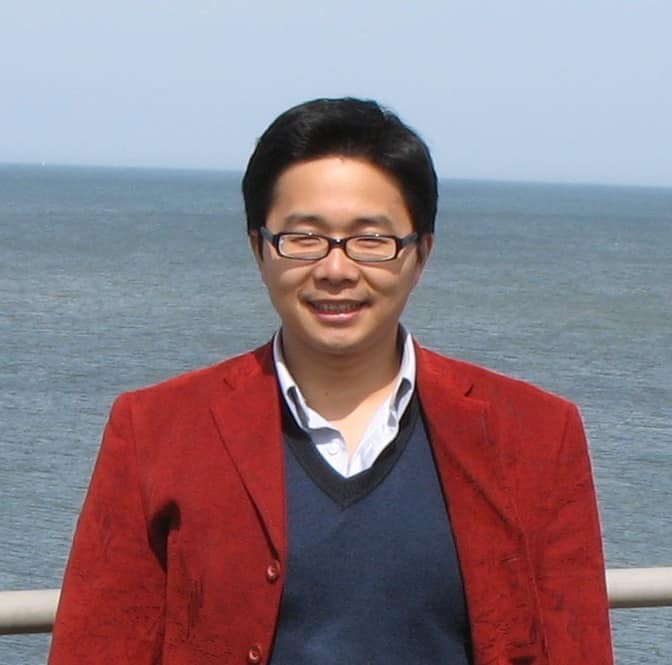
Dr. Hanqing Jin is an Associate Professor in the Mathematical Institute at the University of Oxford, specializing in Mathematical Finance and Applied Stochastic Analysis. His research focuses on investor decision-making under non-utility behavior, dynamic portfolio optimization, and stochastic control problems in financial markets. Prior to Oxford, he held an Assistant Professorship at the National University of Singapore. He has contributed to foundational work on mean-variance portfolio selection, behavioral finance, and the application of stochastic processes to financial modeling. His academic background includes extensive work on continuous-time portfolio optimization, risk management frameworks, and the intersection of behavioral economics with quantitative finance. Notable contributions include studies on optimal lockdown policies during pandemics, blockchain consensus algorithms analysis, and the development of novel biomarker detection techniques using Raman spectroscopy. Dr. Jin's research integrates advanced mathematical techniques with real-world financial challenges, bridging theoretical models with practical applications in areas such as robo-advising systems and cryptocurrency frameworks. His work on transaction cost analysis and dynamic mean-variance strategies has been widely cited in both academic and industry contexts.
Robert Boyd is a Professor of Optics and Physics at the University of Rochester and holds a Canada Excellence Research Chair at the University of Ottawa. He leads major research initiatives in nonlinear optics, quantum optics, and metamaterials. His work spans theoretical and applied optics, with focus on nonlinear optical interactions, epsilon-near-zero materials, and advanced imaging techniques. Education: BS in Physics from MIT (1977), PhD in Physics from UC Berkeley (1977), supervised by Charles Townes. He joined the University of Rochester faculty in 1977 and expanded his research to the University of Ottawa in 2010. His research group operates in both institutions, emphasizing interdisciplinary collaborations. Research interests include nonlinear optical properties of materials, quantum optics, nanophotonics, and metamaterials. His team explores applications like optical imaging, plasmonic devices, and high-efficiency nonlinear processes in novel materials. Awards include Fellowships from the Optical Society of America and American Physical Society. He authored seminal textbooks such as Nonlinear Optics (1992) and holds nine US patents. His group’s work has produced over 350 publications and trained 33 PhD students. Labs and teams: The Boyd Group operates at both universities, with teams focused on nonlinear optics, quantum photonics, and metamaterials. Active projects include epsilon-near-zero-based devices, high-harmonic generation, and turbulence-resilient optical communications.
Luca Schenato is a Full Professor in the Department of Information Engineering at the University of Padova. His research focuses on distributed control systems, federated learning, multi-agent optimization, and wireless communication protocols. He has extensive experience in developing algorithms for cyber-physical systems, with applications in robotics, smart grids, and sensor networks. Education and Appointments section lists his academic journey but lacks explicit details. He has held positions related to control systems and information engineering throughout his career. Research interests include: Design of resilient wireless control systems Federated learning architectures for edge computing Distributed optimization under communication constraints Robotics and multi-agent coordination Smart energy management systems His recent publications (2021–2025) demonstrate a strong focus on: Over-the-air federated learning innovations High-speed wireless control systems (e.g., 1 kHz Wi-Fi control) Resilient distributed optimization algorithms Human-centric building automation He has contributed to numerous projects related to networked control systems and has organized conferences like ECC13. His work emphasizes bridging theoretical control principles with practical industrial applications.
Sharon M Weiss is the Cornelius Vanderbilt Professor of Engineering and holds joint appointments in Electrical Engineering, Materials Science & Engineering, and Physics at Vanderbilt University's School of Engineering. She directs the Vanderbilt Institute of Nanoscale Science and Engineering. Her research focuses on light-matter interaction, silicon photonics, porous silicon biosensors, and nanotechnology. She earned a B.S., M.S., and Ph.D. in Optics from the University of Rochester. Her work spans advanced photonic crystal designs, ultra-sensitive biosensors, and radiation-tolerant optical components for aerospace applications. Recent projects include photonic metacrystals for high-Q cavities and porous silicon sensors for rapid diagnostics. She has pioneered integration of phase-change materials like VO₂ in silicon photonics for ultrafast optical switching. Publications emphasize subwavelength photonics, biosensing innovations, and space-qualified optoelectronics. Her lab develops hybrid waveguides, nanobeam cavities, and AI-enhanced sensing systems. Collaborations include NASA and industry partners for biomedical and defense applications.
James West is a Professor of Electrical and Computer Engineering and Mechanical Engineering at Johns Hopkins University's Whiting School of Engineering. He is renowned globally as co-inventor of the foil electret microphone, foundational to 90% of modern microphones. With over 60 U.S. patents and 200+ foreign patents, his career spans Bell Laboratories (1962–2001), where he pioneered polymer foil electret technologies. At Johns Hopkins since 2001, he focuses on teleconferencing acoustics, wearable health sensors, and energy harvesting. His research emphasizes biomedical applications like lung sound monitoring and telemedicine integration. Education: B.S. in Physics from Temple University (1957). Awards include National Inventors Hall of Fame Induction. He actively mentors students, advocating for diversity in STEM. Key research areas include medical device innovation, acoustic transducers, and sustainable energy systems. Key Contributions: Electret microphone technology, lung sound sensors, and hybrid energy harvesters. Recent Focus: Acoustic-based disease detection (e.g., COVID-19 screening) and telehealth sensor integration. Labs/Teams: Healthcare Acoustics Research Team (HART), collaborating on medical acoustics and sensor development. His work bridges academic and industrial innovation, emphasizing interdisciplinary collaboration. Current projects address noise suppression in clinical settings and wearable health monitoring systems.
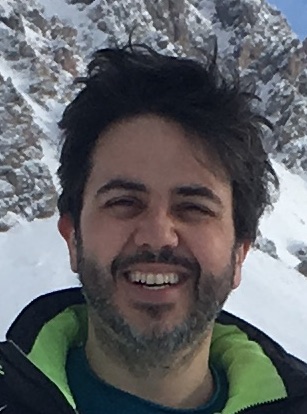
Dr. Javad Fattahi is an Assistant Professor at the School of Electrical Engineering and Computer Science, University of Ottawa. He holds roles as an IEEE Senior Member, Professional Engineer (P.Eng.), and member of the Standards Council of Canada. He leads the IEEE 2030.5 smart-grid interoperability verification initiative as its VP and chief editor. Dr. Fattahi earned his BSc in Electrical Engineering from Iran University of Science and Technology (IUT), followed by graduate studies at Sharif University of Technology (SUT). He completed his PhD and postdoctoral research at the University of Ottawa, specializing in energy systems and optimization. His research focuses on energy equity, distributed energy resources (DERs), software-defined nanogrids, game theory, smart mobility, and nonlinear systems. His recent work emphasizes data-driven digital twins for grid stability, V2G integration in residential complexes, and federated Byzantine agreement models for EV infrastructure. Key contributions include transactive energy systems under IEEE standards and energy disaggregation in institutional buildings. Dr. Fattahi has received accolades including IEEE Senior Membership and P.Eng. certification. His lab develops solutions for grid-edge technologies, smart mobility, and resilient energy systems. Graduate opportunities are available via his UniWeb page.
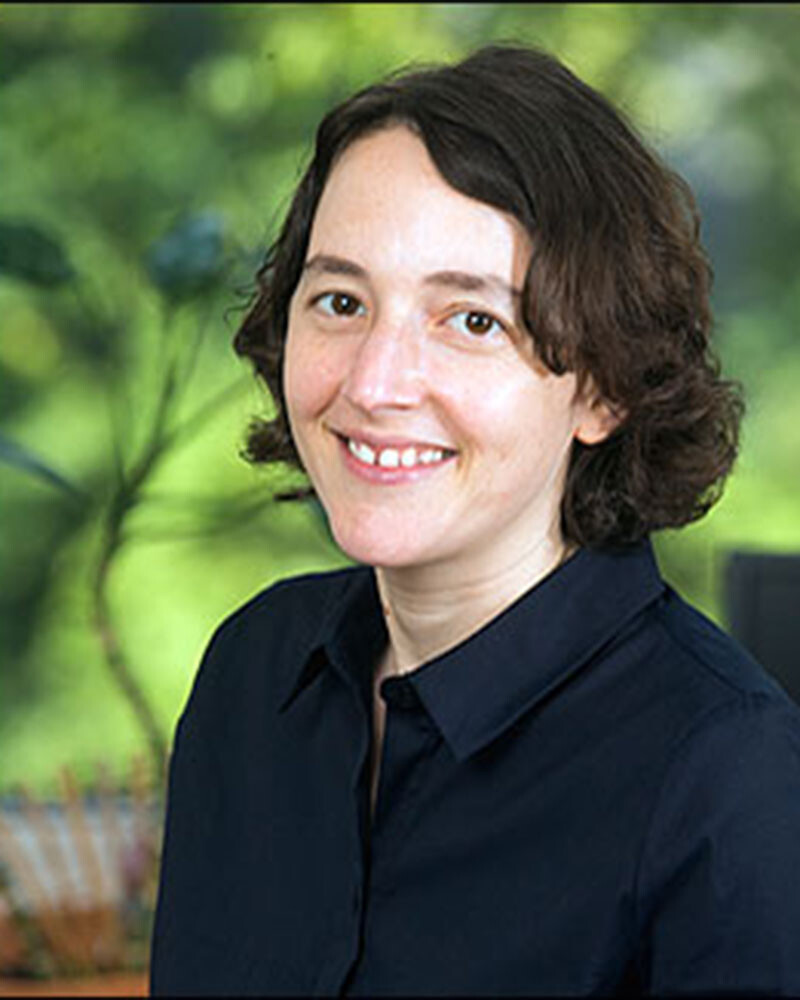
Masako Suzuki is an Assistant Professor in the Department of Nutrition at Texas A&M University, affiliated with the College of Agriculture & Life Sciences. She is a member of Texas A&M AgriLife Research and leads the Suzuki Lab (website: suzukilab.org ). Her work focuses on epigenetic mechanisms in developmental biology, nutrition, and disease, with a strong emphasis on DNA methylation dynamics, gene regulation, and cellular differentiation. Research interests include: Epigenetic impacts of vitamins (A/D) on developmental pathways Cancer epigenetics and tumor progression Kidney development and fibrosis Sex-specific neuroepigenetic responses to stress Genetic/epigenetic interactions in health disparities Recent work highlights novel findings in: Long-term epigenetic effects of prenatal vitamin deficiency Smoking-induced methylome changes in lung progenitor cells Role of MLL3 tumor suppressor in breast cancer Liver cell composition alterations from vitamin A deficiency Her research employs integrative approaches combining: Epigenomic profiling (DNA methylation, chromatin accessibility) Single-cell sequencing technologies Animal models for developmental studies Clinical samples from patient cohorts Current projects investigate: Mechanisms of epigenetic reprogramming in stem cells Epigenetic biomarkers for kidney diseases Intergenerational effects of maternal nutrition
Marina Papatriantafilou is an Associate Professor in the Department of Computer Science and Engineering at Chalmers University of Technology and University of Gothenburg. Her research focuses on distributed computing, fault-tolerance, parallel algorithms, and concurrency control. She has contributed to methods for fault-tolerant distributed systems, visualization tools for distributed algorithms, and scalable overlay networks. Her academic roles include teaching advanced courses on distributed systems, computer communication, and operating systems. She advises graduate students in areas like distributed algorithms and parallel computing. Key research interests include lock-free synchronization, memory reclamation, and self-stabilizing systems. She has authored over 100 publications in top-tier conferences and journals, with recent work on data streaming frameworks, energy-sharing optimization, and vehicular network processing. Professional involvement includes roles in program committees for conferences like OPODIS, SWAT, and SSS, plus membership in research evaluation boards for Swedish and European funding agencies. She pioneered educational tools like the Lydian environment for distributed algorithm visualization.
Hantao Cui is an Associate Professor in the Department of Electrical and Computer Engineering at NC State University. He previously served as an Assistant Professor at Oklahoma State University (2021–2024) and earned his Ph.D. in Electrical Engineering from the University of Tennessee, Knoxville (2018). His research focuses on applying mathematical and computational methods to model, simulate, and analyze modern power systems, particularly those dominated by renewable energy sources and inverter-based technologies. He is the author of the ANDES simulation tool and a recipient of the NSF CAREER Award (2024) and the 2020 R&D 100 Award for his work on the CURENT Large-Scale Testbed. His expertise spans power electronics, grid stability, and cyber-physical system integration. Education: Ph.D. in Electrical Engineering, University of Tennessee, Knoxville (2018) M.S. in Electrical Engineering, Southeast University, China (2013) B.S. in Electrical Engineering, Southeast University, China (2011) Research Interests: Large-scale power system simulation and modeling Inverter-based resource control and grid stability Renewable energy integration and optimization Cyber-physical system testbed development Open-source software tools for power systems analysis Key Contributions: Developed ANDES, an open-source framework for power systems modeling Advanced virtual inertia scheduling (VIS) techniques for microgrids Pioneered data-driven adaptive control strategies for grid-forming inverters Awards & Honors: NSF CAREER Award (2024) R&D 100 Award (2020) Best Paper Award at IEEE PES General Meeting (2022) Senior Member of IEEE (2020) Grants & Labs: Principal Investigator for NSF-funded research on inverter-based grid stability Core contributor to the CURENT Large-Scale Testbed project
Ozgur Ozdemir is an Associate Research Professor in the Department of Electrical and Computer Engineering at North Carolina State University's College of Engineering. He is affiliated with the university's primary faculty and works closely with platforms like AERPAW and AFAR Challenge. His research focuses on advanced wireless systems, including UAV networks, mmWave technology, spectrum analysis, and radar-communication integration. His work spans experimental testbed development, digital twin applications for AI research, and methodologies for improving coverage in rural and urban environments. Ozdemir has contributed to standards like 5G NR and non-standalone 5G systems, emphasizing practical implementation and environmental impact analysis. He leads efforts in signal processing for autonomous systems and has expertise in software-defined radio (SDR) technologies. Research interests include aerial threat detection, RF signal analysis, and robust localization techniques. He explores challenges in NLOS bias correction, antenna radiation patterns, and passive reflector-based coverage enhancement. His work often combines theoretical models with experimental validation using platforms like AERPAW. His articles highlight advancements in drone detection systems, channel modeling for mmWave, and the integration of radar and communication systems. Key trends show a focus on outdoor/indoor spectrum measurements, UAV navigation, and resilient network design. Ozdemir's contributions are characterized by empirical studies and cross-disciplinary approaches to wireless challenges.
Annette Stahl is a Professor at the Department of Engineering Cybernetics, NTNU, and an Onsager Fellow. She leads the Robot Vision Group and oversees the AILARON project, funded by the Research Council of Norway. Her expertise spans robotic vision, control theory, and autonomous systems. She holds a PhD in Applied Mathematics (Computer Vision) from Heidelberg University. Her research focuses on underwater robotics, autonomous vehicles, and aquaculture monitoring, with applications in fish health analysis and marine environmental sensing. Stahl has supervised numerous PhD and master’s students, including projects on autonomous ships (SFI AutoShip), underwater SLAM (AROS), and plankton identification. She collaborates with industry partners like Zebop AS and SINTEF Ocean. Notable projects include the robotic microplankton sniffer-dog and AI-driven fish welfare monitoring. Her work is published in top journals/conferences like IEEE Access and MIC Journal. She actively contributes to datasets like the VAROS Synthetic Underwater Data Set.
Ulrich Parlitz is an Adjunct Professor of Physics at Georg-August-University Göttingen and a Scientist leading the Biomedical Physics Group at the Max Planck Institute for Dynamics and Self-Organization. His research focuses on nonlinear dynamics, chaos theory, and biomedical applications, particularly in cardiac dynamics and excitable media. He has held visiting positions at institutions like UC San Diego and the Santa Fe Institute. Education: 1987 PhD in Physics, Georg-August-University Göttingen 1984 Diploma in Physics, Georg-August-University Göttingen Research Interests: Analysis of nonlinear systems (neurons, lasers, oscillators) Bifurcation and chaos phenomena Data-based modeling and synchronization control Wave dynamics in excitable media (e.g., cardiac arrhythmias) Fractal dimension estimation and reservoir computing Labs/Teams: Leads the Biomedical Physics Group at MPI-DS and contributes to the IMPRS Program in Physics of Biological and Complex Systems.
Dr. Agathoklis Giaralis is a Senior Lecturer in Structural Engineering within the Department of Civil Engineering at the School of Engineering and Mathematical Sciences, City, University of London. He earned his PhD in Civil & Environmental Engineering from Rice University, USA, in 2008, following an MSc and a 5-year Diploma (Ptychion) in Structural Engineering from Aristotle University of Thessaloniki, Greece. He is a Fellow of the Higher Education Academy, UK. PhD, Civil & Environmental Engineering, Rice University, USA (2008) MSc, Seismic Design of Structures, Aristotle University of Thessaloniki, Greece (2004) Ptychion (5 yr Diploma), Civil/Structural Engineering, Aristotle University of Thessaloniki, Greece (2003) Dr. Giaralis's research is centered on nonlinear stochastic dynamics and time-frequency signal analysis , applied to critical areas such as earthquake engineering , seismic structural design and assessment , structural health monitoring (SHM) , and passive vibration control . His work is pioneering in the development and application of inerter-based vibration control systems, such as the Tuned Mass-Damper-Inerter (TMDI), for enhancing the resilience of structures. He also explores compressive sensing and low-power wireless sensors for sustainable SHM, as well as digital twinning and machine learning in wind engineering. His recent research has significant implications for offshore wind turbines and urban wind comfort. An analysis of his 15 most recent publications reveals a consistent and cutting-edge research trajectory focused on the optimization and application of inerter-based devices for structural control. The work spans from developing analytical tuning formulas for TMDIs to conducting experimental validation on shaking tables and exploring novel applications in offshore wind turbines and composite floors. A strong emphasis is placed on performance-based design , uncertainty quantification , and practical implementation for real-world infrastructure. His scientific contributions have been recognized by prestigious awards, including the Fulbright Exchange Student Program scholarship for his PhD studies and a Fellowship from the Higher Education Academy . He is also a member of several leading professional organizations such as the American Society of Civil Engineers (ASCE) and the Society for Earthquake and Civil Engineering Dynamics (SECED). Dr. Giaralis is actively involved in research funding and academic mentorship. He has secured significant grants from Innovate UK and the EPSRC to support his work on machine learning-based design and optimal inerter configurations. He supervises a cohort of PhD students whose theses focus on advanced topics like adaptive control of bridge joints, inerter-based energy harvesting, and seismic assessment using digital twins. He also leads the Smart Structures and Structural Health Monitoring Research Unit , driving collaborative research in smart infrastructure technologies.
Zoltán Harman is a Leading Scientist at the Max Planck Institute for Nuclear Physics (MPIK) in Heidelberg, Germany, and is affiliated with Heidelberg University. He conducts cutting-edge research in atomic physics, quantum electrodynamics, and precision measurements, particularly using highly charged ions and Penning trap techniques. He holds a habilitation in physics from Heidelberg University and regularly lectures there on advanced topics such as quantum electrodynamics and theoretical physics. Research Interests: Quantum Electrodynamics (QED) in strong fields Precision spectroscopy of highly charged ions g-factor measurements and tests of fundamental physics Development of atomic clocks using highly charged ions Determination of fundamental constants (e.g., electron mass, fine-structure constant) Searches for new physics beyond the Standard Model, including fifth forces Neutrino mass determination via Penning trap measurements His recent publications (2024–2025) focus on high-precision g-factor measurements in ions like tin and beryllium, two-loop QED calculations, King plot analyses for new boson searches, and neutrino mass studies. These works appear in top journals such as Nature , Physical Review Letters , and Science , reflecting his leadership in precision atomic physics. Scientific Awards and Grants: Postdoctoral scholarship from the Max Planck Society (2005–2007) EMMI Visiting Professor Scholarship (2012, 2013) Erasmus student scholarship (1999–2000) Primary investigator of the ISOQUANT Collaborative Research Centre (SFB1225) Teaching and Advising: Harman has been a regular lecturer at Heidelberg University since 2008, teaching courses in quantum electrodynamics, theoretical physics, and experimental physics. He co-organizes advanced lecture series and supervises student research projects, including poster sessions and talks. He is also a lecturer in the International Max Planck Research School on Quantum Dynamics. Research Group and Collaborations: Harman is a key member of the quantum dynamics group at MPIK, led by Prof. Christoph H. Keitel. His work involves close collaboration with experimental teams at MPIK, GSI, and Heidelberg University, combining theoretical and experimental efforts in precision physics. He is actively involved in major projects such as PENTATRAP and ALPHATRAP, which aim to push the limits of atomic and nuclear measurements.
Richard Pates is a Senior Lecturer and researcher in the Department of Automatic Control at the Faculty of Engineering (LTH), Lund University. He is actively involved in research and teaching, contributing to key profile areas including the Energy Transition, AI and Digitalization, and Natural and Artificial Cognition at Lund University. His work is supported by multiple ongoing research projects and collaborations within ELLIIT, the Linköping-Lund initiative on IT and mobile communication. Research Interests: Control Theory and Engineering Electrical Power Systems and Grid Control Scalable and Decentralized Control Systems Optimal Control and Mathematical Foundations Applications in District Heating and Sustainable Energy Systems His recent research, published in top-tier journals and conferences such as Automatica , IEEE Control Systems , and the IEEE Conference on Decision and Control , demonstrates a strong focus on scalable control solutions, networked system dynamics, and performance optimization in complex physical systems. There is a clear trend toward mathematically rigorous approaches with practical applications in infrastructure and energy systems. Scientific Contributions and Activities: Active in 4 major research projects, including grid integration of second-life batteries and scalable control for power and heating networks. Organizer and host of seminar series on the Energy Transition at Lund University. Contributor to the Energy Transition retreat and academic workshops. Richard Pates advises students and supervises research work, though specific names are not listed. He has received research funding through national and multidisciplinary grants, particularly in sustainable energy and control systems. He also promotes accessible education through his YouTube channel and personal website, emphasizing both teaching and research dissemination. Laboratories and Research Groups: He is affiliated with the Department of Automatic Control at LTH and contributes to the ELLIIT research environment. His work is integrated into Lund University's strategic profile areas, particularly in energy and AI, suggesting strong collaboration within interdisciplinary teams focused on sustainable technological development.