Adam Khalifa is an Assistant Professor in the Department of Electrical & Computer Engineering at the University of Florida. His research focuses on low-power analog/RF/Mixed-mode ASIC design, miniaturization of biomedical devices, wireless powering solutions, and neural stimulation/recording techniques in animal models. He holds a PhD from Johns Hopkins University and degrees from The Hong Kong University of Science and Technology. His work emphasizes implant packaging, electrode microfabrication, and coil design for medical applications. Key research areas include developing energy-efficient wireless systems for implanted devices, such as magnetoelectric antennas and galvanic body-coupled powering. He has pioneered advancements in miniaturized implantable devices, including the 'Microbead' stimulator. His NIH T32 Fellowship (2019) and Ferdinand H. Fellowship (2018) reflect his impactful contributions. Publications highlight innovations in wireless power transfer, metamaterials for biomedical implants, and injectable microdevice fabrication. His work spans from circuit-level modeling to in vivo validation, emphasizing both technical and biological integration challenges. Collaborative efforts address challenges like implant migration tracking via MRI and energy harvesting for battery-free systems.
Carlos Fernandez-Granda is an Associate Professor of Mathematics and Data Science at New York University, holding joint appointments at the Courant Institute of Mathematical Science and the Center for Data Science. He currently serves as the Interim Director of the Center for Data Science. His academic career spans over a decade at NYU, where he has taught probability and statistics to data-science students. Dr. Fernandez-Granda's research focuses on designing and analyzing data-science methodology, with current emphasis on machine learning applications in medicine, climate science, and scientific imaging. His work bridges theoretical foundations with practical applications across multiple domains. His notable contributions include: Development of the COBRA (COnfidence-Based chaRacterization of Anomalies) score for automatic assessment of impairment and disease severity Applications of machine learning to improve climate projections through the M2LInES project Research on magnetic resonance fingerprinting for quantitative tissue parameter estimation Development of AI systems for medical diagnostics including Alzheimer's detection and breast cancer diagnosis Dr. Fernandez-Granda is the author of the book "Probability and Statistics for Data Science," published by Cambridge University Press. The book serves as a comprehensive guide to the two pillars of data science, featuring real-world datasets and addressing fundamental challenges like overfitting, the curse of dimensionality, and causal inference. His research has been supported by grants from the National Science Foundation (Division of Mathematical Sciences, grants 1616340 and 2009752) and the Alzheimer's Association (grant AARG-NTF-21-848627). Dr. Fernandez-Granda is actively involved in several collaborative projects: M2LInES project: An international collaboration focused on improving climate projections using machine learning to capture unaccounted physical processes at the air-sea-ice interface Math and Data group: Exploring the intersection of mathematical theory and data science applications
Dr. Richard E. Hayden is a Professor in the Department of Otolaryngology-Head and Neck Surgery at Mayo Clinic College of Medicine and Science, Mayo Clinic, Phoenix, Arizona. He holds leadership roles as Associate Dean at Mayo Clinic School of Health Sciences and Education Director at the Mayo Clinic Center for Regenerative Biotherapeutics. His clinical and academic work centers on head and neck oncology, reconstructive surgery, and regenerative medicine. Dr. Hayden earned his MDCM from McGill University in 1974 and completed fellowships in Head and Neck Surgery-Oncology at M.D. Anderson Hospital and Radiation Oncology at Princess Margaret Hospital. He also holds advanced training in facial plastic surgery. His research spans head and neck cancer, microvascular and reconstructive surgery, transoral laser microsurgery, and regenerative medicine. He has pioneered techniques in flap reconstruction and contributed significantly to understanding postoperative outcomes and surgical innovations. His work emphasizes oncologic safety, functional preservation, and minimally invasive approaches. His recent publications (2018–2024) reflect a strong focus on transoral surgery, flap reconstruction (including submental and free flaps), mucosal-sparing radiation, and regenerative medicine education. Themes include surgical outcomes, reconstructive innovation, and interdisciplinary training in emerging therapies like CAR-T cells and regenerative healthcare. Dean's Award, Mayo Clinic Graduate School of Biomedical Sciences (2022) Distinguished Educator Award, Mayo Clinic Arizona (2016) Distinguished Service Award, American Academy of Otolaryngology - Head and Neck Surgery (2006) Honorary Member, German Society of Laryngology-Head and Neck Surgery (2007) Multiple Visiting Professorships and Keynote Speaker invitations Dr. Hayden has mentored numerous trainees and led major educational initiatives, including regenerative medicine and CAR-T curricula. He has held leadership positions such as Chair of Otolaryngology (2002–2014) and active roles in national societies. His research is supported by institutional affiliations and collaborative grants, particularly in regenerative biotherapeutics. He is involved in multiple labs and teams focused on head and neck reconstruction, surgical innovation, and regenerative medicine translation.
Prof. Dr. med. Franz Lennard Ricklefs is a Senior Physician and Head of the Working Group at the Department of Neurosurgery, University of Hamburg Faculty of Medicine. He is a Medical Specialist in Neurosurgery with cross-disciplinary expertise in neuro-oncology, molecular pathology, and extracellular vesicle research. Affiliations: University Medical Center Hamburg-Eppendorf (UKE), European Liquid Biopsy Society (ELBS), International Consortium on Meningiomas (ICOM) Research Interests: His work focuses on neurosurgical oncology, particularly glioblastoma and meningioma pathobiology. He investigates DNA methylation patterns, extracellular vesicle biomarkers, and liquid biopsy implementation in clinical neuro-oncology. Additional interests include surgical outcomes for epilepsy and aneurysm management. Article Trends: Over the last decade, Dr. Ricklefs has published extensively on: Extracellular vesicle applications as liquid biopsy markers DNA methylation subclasses for glioblastoma and meningioma Multicenter surgical outcome benchmarking Immune evasion mechanisms in neuro-oncology Technological innovations in neurosurgical visualization Molecular characterization of rare CNS tumors Professional Contributions: He co-authored the MISEV2023 guidelines for extracellular vesicle studies and participates in international consensus reviews for meningioma classification. His collaborations span institutions across Europe and North America.
Chao Liu is a Research Scientist at CNRS (French National Center for Scientific Research) since 2008, affiliated with the DEXTER team and the Department of Robotics, LIRMM at University of Montpellier, France. He earned his Ph.D. in Electrical & Electronic Engineering from Nanyang Technological University, Singapore (2006). Current research focuses on surgical robotics , haptics , teleoperation , and nonlinear control theory with applications in computer vision. His work addresses challenges in robotic-assisted telesurgery, including: Stable and transparent human-robot interaction through wave variable compensators and passivity filters Physiological motion compensation using spatio-temporal LSTM and dual Kalman filters EMG-based motion recognition for surgical skill assessment 3D soft-tissue reconstruction with stereo-endoscopes and deep learning Dr. Liu leads European and French projects like: TS2RT (CNRS-funded): Safer teleoperation with motion compensation ROBACUS (ANR-funded): Needle positioning with MPC control HaTUMoCo (CNRS-funded): Haptic teleoperation with uncertainty handling ARAKNES (EU-funded): Microrobotic systems for endoluminal surgery Scientific honors include Senior Member of IEEE and Member of Sigma Xi . He supervises Ph.D. and Master's students working on topics such as concentric tube robot optimization, haptic teleoperation, and EMG-based force estimation. Dr. Liu serves on IEEE Technical Committees for Telerobotics and Haptics , and as Technical Editor of IEEE/ASME Transactions on Mechatronics.
Professor Matthew Simpson is a leading figure in applied mathematics at the School of Mathematical Sciences, Faculty of Science, Queensland University of Technology (QUT). He holds the position of Professor of Applied Mathematics and is an Australian Research Council (ARC) Future Fellow, reflecting his sustained research excellence. His work bridges mathematical theory and biological applications, particularly in cell migration, tissue invasion, and multiscale modeling. BE (Environmental) Honours 1, University of Newcastle (1995–1998) PhD (with Distinction), Environmental Engineering, University of Western Australia (2000–2003) Research Fellow, Department of Mathematics and Statistics, University of Melbourne (2003–2006) ARC Postdoctoral Fellow, University of Melbourne (2006–2009) Lecturer (2010–2011) and Senior Lecturer (2011–2013), QUT Associate Professor (2013–2014), QUT Professor and ARC Future Fellow (2014–present), QUT Matthew Simpson’s research focuses on mathematical and computational modeling of biological systems , particularly collective cell motion, diffusion processes, and reaction-diffusion dynamics. His interests span multiscale modeling , random walk processes , cell biology , and numerical and computational mathematics . He develops and analyzes models to understand phenomena such as wound healing, cancer progression, and tissue engineering. His recent publications (2023–2025) demonstrate a strong trend toward integrating data-driven modeling , likelihood-based inference , and equation learning with traditional mechanistic models. These works emphasize parameter identifiability , uncertainty quantification , and prediction robustness in biological contexts. Themes include sharp-fronted wave propagation, mechanical cell interactions, tumor spheroid formation, and generalized diffusivity in food drying, showcasing the breadth and depth of his modeling expertise. Among his key accolades are: J.H. Michell Medal (2012) – Awarded by ANZIAM for distinguished research by an early-career applied mathematician in Australia and New Zealand. ARC Future Fellowship (2013–2017) – For the project 'New data-driven mathematical models of collective cell motion' (FT130100148). Professor Simpson has also played significant editorial and leadership roles, including: Executive Associate Editor, Journal of Engineering Mathematics Academic Editor, PLoS ONE Editorial Board Member, ANZIAM Journal Co-chair of the 2015 ANZIAM meeting He has supervised PhD students on topics such as moving boundary problems, first-passage times, stochastic simulations, and curvature-dependent growth in biological systems. His research projects have been funded by competitive Australian grants (ARC DP and FT schemes), including studies on 3D cell migration, ghrelin’s role in cell invasion, and epithelial-to-mesenchymal transition in cancer and wound healing. He is actively involved in developing computational tools for biological modeling and promoting best practices in scientific publishing.
Prof. Dr. Sebastian Schlücker is a full professor in the Department of Physical Chemistry at the University of Duisburg-Essen , where he leads the Molecular Biophotonics and Nanodiagnostics research group within the Faculty of Chemistry. He is actively engaged in research, teaching, and academic leadership, with a strong focus on advanced spectroscopic techniques for biomedical and analytical applications. His research interests lie at the intersection of nanophotonics, plasmonics, and bioanalytical chemistry . Key areas include surface-enhanced Raman spectroscopy (SERS) , single-particle spectroscopy , laser diagnostics , and the design of functionalized metal colloids for biosensing and tumor diagnostics. He emphasizes a theory-guided approach combining simulation and experiment to tailor nanoparticle properties. His recent publications (2023–2025) reflect a strong trend toward quantitative, label-free molecular diagnostics , point-of-care testing , and in situ monitoring of catalytic and biological processes . The work spans fundamental plasmonics to clinical applications, particularly in cancer detection and immunoassays using SERS nanotags. International Raman Innovation Prize He mentors students and researchers, supervises theses, and collaborates widely across disciplines. His group develops advanced instrumentation, including portable SERS readers , fs-laser laboratories , and automated nanoparticle synthesis systems (e.g., BONAPARTE robot). He teaches master’s courses such as NanoBioPhotonics and Optical Spectroscopy , and is involved in STEM outreach.
Laura Sanchez is an Associate Professor in the Department of Chemistry and Biochemistry at the University of California, Santa Cruz (UCSC). She leads a research lab focused on imaging mass spectrometry and natural products discovery, with a particular emphasis on microbial interactions, metabolomics, and applications in women’s health. Previously, she was at the University of Illinois at Chicago (UIC) before relocating to UCSC in 2021. Education: B.A. in Chemistry from Whitman College (Walla Walla, WA) followed by a Ph.D. in Chemistry at UCSC under Professor Phil Crews. Postdoctoral training included work under Professors Roger Linington (UCSC) and Pieter Dorrestein (UC San Diego as an NIH IRACDA Fellow). Her research integrates advanced mass spectrometry techniques with biological systems to study small molecule communication in microbial communities and cancer metabolism. Research Interests : Specialization in imaging mass spectrometry (MALDI-TIMS-MS2), microbial metabolomics, and development of novel techniques like SICRIT (Soft Ionization by Chemical Reaction in-Transfer). Her lab investigates how microbial interactions influence metabolite production and explores metabolomic signatures in ovarian cancer progression. Recent work includes spatial quantification of signaling molecules (e.g., c-di-GMP in biofilms) and the role of neurotransmitters like norepinephrine in cancer cell survival. Awards : K12 BIRCWH Scholar (2016–2017) 2019 UIC Rising Star in the Life Sciences 2022 ACS Infectious Diseases Young Investigator Award 2022 American Society for Pharmacognosy Matt Suffness Young Investigator Award Grants & Collaboration : Developed the Natural Products Atlas (open-access knowledge base) and contributed to workflows like TIMSCONVERT. Collaborations span microbiology, oncology, and bioinformatics, with a focus on translational research in women’s health. Current projects include analyzing fallopian tube-ovary cross-talk in high-grade serous ovarian cancer and optimizing mass spectrometry for high-throughput screening. Labs & Teams : Directs an interdisciplinary lab at UCSC, emphasizing open-source method development and collaborative microbiome research. Her team includes graduate students and postdocs working on microbial communication, cancer metabolomics, and imaging technology innovation.
Dr. Jun Wu is an Assistant Professor in the Department of Molecular Biology at UT Southwestern Medical Center. He holds a PhD in Life Science from the University of Tennessee and completed postdoctoral training at the University of Southern California and the Salk Institute. His research focuses on stem cell biology, genome editing, and interspecies chimeras to advance regenerative medicine and developmental biology. Education: Bachelor of Medicine, Shandong University School of Medicine (China) PhD in Life Science, University of Tennessee (2013) Postdoctoral Fellowships: USC (2013-2015) and Salk Institute (2015-2017) Research Interests: Generation of pluripotent stem cells with distinct molecular/phenotypic features Development of interspecies blastocyst complementation systems Modeling peri-implantation human development using stem cell embryo models Study of species-specific developmental barriers and evolutionary biology Application of chimeras to study cancer resistance and organ size determination Lab Activities: The Wu Lab develops stem cell models to study mammalian development and create regenerative therapies. Key projects include: Creation of interspecies chimeras (human-monkey, rat-mouse) Development of blastoids and peri-gastruloids Analysis of species-specific cell competition mechanisms Engineering cross-species organogenesis systems Grant Activities: Focuses on NIH-funded projects related to stem cell biology, interspecies chimerism, and regenerative medicine applications. Collaborates with institutions like Salk Institute and University of California campuses. Lab Team: Includes postdoctoral researchers like Dr. Yi Ding and a multidisciplinary team of molecular biologists, bioengineers, and computational biologists.
Carolyn Mills is an Assistant Professor in the Department of Bioengineering at the University of California, Santa Barbara, specializing in molecular engineering of proteins for spatial organization in biological systems with applications in plastic remediation and oral vaccine delivery. Education: PhD, Chemical Engineering, Massachusetts Institute of Technology (MIT) BS, Chemical Engineering, UC Santa Barbara Her research integrates protein engineering, synthetic biology, and polymer science to manipulate spatial organization. Key focus areas include bacterial microcompartments for PET waste remediation, liquid-liquid phase separation characterization using cell-free systems, anaerobic platforms for lignin breakdown, and probiotic-based oral vaccine delivery using virus-like particles. The Mills Lab employs high-throughput screening and cell-free protein synthesis to develop closed-loop plastic degradation systems and low-cost vaccine scaffolds. Recent publications (2022-2025) demonstrate consistent innovation in protein self-assembly mechanisms, bacterial organelle engineering, and environmental/medical applications, with strong emphasis on scalable solutions for plastic pollution and global vaccine access. Scientific awards: Distinguished Postdoctoral Service Award, Northwestern University Dr. Mills leads collaborative projects with Prof. Michelle O'Malley and ExFAB (UCSB's NSF Biofoundry), focusing on anaerobic fungal pathways. Her lab bridges fundamental protein dynamics with real-world applications in environmental sustainability and biomedical engineering through engineered spatial organization strategies.
Iwijn De Vlaminck is an Associate Professor in the Meinig School of Biomedical Engineering at Cornell University. His research focuses on developing precision medicine technologies, including liquid biopsies for diagnosing infectious and immune-related diseases, and spatial profiling of microbiomes and host-microbiome interactions. He leads the De Vlaminck Lab, which integrates engineering, biophysics, and computational biology to advance diagnostics and therapeutics. Key affiliations include the College of Engineering and interdisciplinary graduate fields such as Biomedical and Biological Sciences and Computational Biology. Education: B.S., Electronic Engineering, Katholieke Universiteit Leuven (2000) M.S., Electronic Engineering, K.U. Leuven (2003) Ph.D., Science and Engineering, K.U. Leuven (2008) Research Interests: His lab develops high-throughput technologies for studying diseases like organ transplant rejection, urinary tract infections, and viral myocarditis. Innovations include spatial transcriptomics and methods to map microbial communities in tissues. Recent work addresses biomarkers for MIS-C in children and applications of cell-free DNA in spaceflight studies. Awards: NIH New Innovator Award (2017) Elected Fellow of the American Institute for Medical and Biological Engineering (2025) Rainin Foundation Synergy Award (2019) Teaching Excellence Awards (2017, 2022) Grants & Collaborations: Recipient of a $3M NSF grant for bio-inspired architecture and a $9.5M NIH grant for chronic fatigue syndrome research. Collaborates with institutions like Weill Cornell Medicine and NASA on spaceflight biology and clinical diagnostics. Labs & Teams: Directs the De Vlaminck Lab, which includes interdisciplinary researchers working on spatial omics, liquid biopsies, and microbiome technologies. Engaged in industry partnerships, including co-founding Kanvas Biosciences.
Dr. Weitao Wang serves as an Assistant Professor in the Department of Otolaryngology at the University of Rochester School of Medicine and Dentistry. Board-certified in both Otolaryngology-Head and Neck Surgery and Facial Plastic and Reconstructive Surgery, he practices clinically at UR Medicine and the Wilmot Cancer Institute in Rochester, NY, specializing in complex head and neck reconstruction and facial plastic procedures. Medical Degree: University of Virginia School of Medicine Residency: Otolaryngology-Head and Neck Surgery, University of Rochester Medical Center (2015-2019) Fellowship: Facial Plastic and Reconstructive Surgery, The Institute for Rehabilitation and Research (2019-2020) His research focuses on advancing head and neck reconstruction through tissue engineering (particularly bone/cartilage grafting) and optimizing surgical education via point-of-view video technology. Clinical investigations prioritize patient-reported outcomes in facial plastic surgery to enhance functional recovery and satisfaction metrics. Current work bridges engineering solutions with complex defect reconstruction. Recent publications (2020-2025) demonstrate concentrated expertise in microvascular free tissue transfer, virtual surgical planning for craniofacial defects, and innovative skull base/orbital reconstruction techniques. His work consistently addresses oncologic safety while improving functional outcomes in head and neck cancer patients, with increasing emphasis on cost-effective surgical training methodologies. Robert Joynt Kindness Award 2021 Leslie Bernstein Resident Research Grant: Optimizing bone allograft in craniofacial defect reconstruction Wallace K. Dyer Clinical Investigation Grant: Cost-effective surgeon POV video in otolaryngology training Dr. Wang secures competitive funding from the American Academy of Facial Plastic and Reconstructive Surgery to advance surgical education and reconstruction techniques. His clinical mentorship emphasizes multidisciplinary collaboration, particularly in head and neck oncology cases where tumor resection requires immediate reconstruction. Current projects integrate virtual planning with intraoperative navigation to optimize complex defect repair. He operates within the Facial Plastic and Reconstructive Surgery division at the University of Rochester, collaborating with Wilmot Cancer Institute's head and neck oncology team. His practice incorporates virtual surgical planning technology and microvascular reconstruction expertise, with active participation in multidisciplinary tumor boards for complex craniofacial cases.
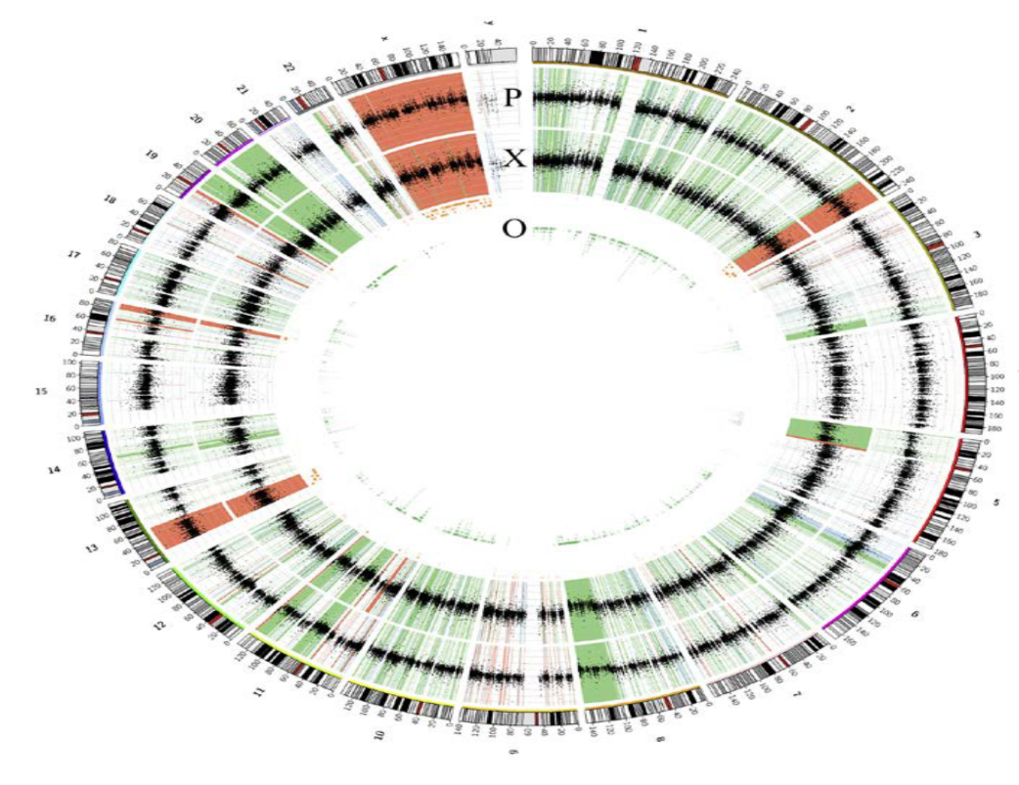
Dr. Xianghong Jasmine Zhou is a Professor in the Department of Pathology and Laboratory Medicine at the University of California, Los Angeles (UCLA) School of Medicine . Her work focuses on integrating genomic , epigenetic , and bioinformatic approaches for non-invasive cancer detection and monitoring through cell-free DNA analysis . Principal Investigator for multiple NIH grants (R01CA246329, U01CA230705, etc.) Developed software tools ( cfSNV , cfTools , CancerDetector ) for cell-free DNA mutation and methylation analysis Co-developed CancerLocator and HCC EV ECG score for tumor-of-origin prediction and hepatocellular carcinoma monitoring Research Interests: Specializes in 3D genome modeling , epigenetic regulation , and machine learning for liquid biopsy applications. Her work bridges computational biology with clinical translation , particularly in cancer diagnostics and treatment response assessment . Scientific Contributions: She has pioneered deep learning and population-based modeling approaches for cell-free DNA deconvolution , isoform-level functional annotation , and multi-omics integration . Her 2016 Cell paper on alternative splicing has been highly influential, with over 266 mentions.
Dr. Ralf Herwig is a computational biologist at the Max Planck Institute for Molecular Genetics in Berlin, Germany. His work focuses on statistical methods for integrative analysis of gene expression, proteomics, and metabolomics data to model biological processes in human diseases like cancer and diabetes. He develops tools such as ConsensusPathDB for molecular interaction networks and IsoTools for long-read RNA-seq analysis. Education: Diploma in mathematics (Free University of Berlin), PhD in mathematics/statistics (FU Berlin) on clustering algorithms and information-theoretic methods. Research Interests include computational network biology, multi-omics data integration, machine learning for cancer survival predictions, and alternative splicing analysis. His group pioneered network propagation frameworks to explain drug toxicity and black-box ML models. Key Publications cover deep learning in drug combinations, long-read sequencing for cancer isoforms, and systems biology approaches to metabolic disorders. Tools developed by Herwig's lab are widely cited (~2,500 citations for ConsensusPathDB). Labs & Collaborations: Leads the Herwig Lab, collaborating on projects involving cancer, diabetes, and cardiotoxicity. The lab maintains critical computational resources for the biomedical community.
Paul J. Kim is a Professor in the Departments of Plastic Surgery and Orthopaedic Surgery at UT Southwestern Medical Center . He serves as the Medical Director of the UTSW Wound Program , specializing in wound care and limb salvage surgery . A Fellow of the American College of Foot and Ankle Surgeons (FACFAS) , Dr. Kim has received intramural and extramural research grants focused on wound care , diabetic limb salvage , and tendon pathology . He has chaired numerous national and international committees on diabetic limb research and evidence-based medicine. Research Interests : Dr. Kim's work centers on diabetic foot ulcers , negative-pressure wound therapy (NPWT) , osteomyelitis diagnosis , and Charcot foot reconstruction . His studies explore innovative surgical techniques like hyperspectral imaging for perfusion assessment and neotendon constructs , alongside multidisciplinary wound care strategies to improve limb preservation and reduce recurrence rates. Publication Trends : His recent articles emphasize NPWT with and without instillation , diabetic limb salvage outcomes , and diagnostic tools for osteomyelitis . Key subtopics include Charcot reconstruction , plantar ulcer recurrence , free tissue transfer , and improved perfusion assessment using advanced imaging. Scientific Awards : Fellow of the American College of Foot and Ankle Surgeons (FACFAS) Leadership & Collaborations : Dr. Kim has led multidisciplinary teams in establishing hospital-based wound care centers and contributed to international consensus guidelines on NPWT. He has mentored PhD candidates and surgical residents and secured funding for diabetic foot ulcer research and Charcot foot studies . Labs & Teams : As Medical Director of the UTSW Wound Program , he collaborates with plastic surgeons, orthopaedic specialists , and endocrinologists to advance limb preservation and diabetic foot care through multidisciplinary approaches and clinical innovation .