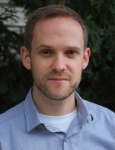
Cejna Anna Quist-Jensen is an Associate Professor at the Department of Chemistry and Bioscience, Aalborg University, affiliated with the Bioresources and Process Engineering Center and the Center for Membrane Technology. Her research focuses on membrane-based technologies for resource recovery, including minerals/metals and freshwater from unconventional sources like waste streams. She specializes in membrane distillation, membrane crystallization, electrodialysis, and forward osmosis. Education: PhD in Membrane Crystallization (Institute on Membrane Technology, ITM-CNR, 2016) and MSc in Chemical Engineering (2012). Key projects include BEYONDBATTREC (battery recycling), CORNERSTONE (water-energy-solute recovery), and EXBRINER (seawater brine resources). She teaches Integrated Process Modeling and supervises students across multiple semesters in water/wastewater treatment. Research interests span sustainable development goals (SDGs), particularly clean water (SDG 6), affordable energy (SDG 7), and responsible consumption (SDG 12). Her work addresses industrial wastewater treatment, produced water management, and circular economy strategies. Notable contributions include advancements in 3D-printed membranes, percrystallization for zero liquid discharge, and lithium/magnesium recovery from brines. She actively participates in conferences and collaborates internationally on membrane technology innovations.
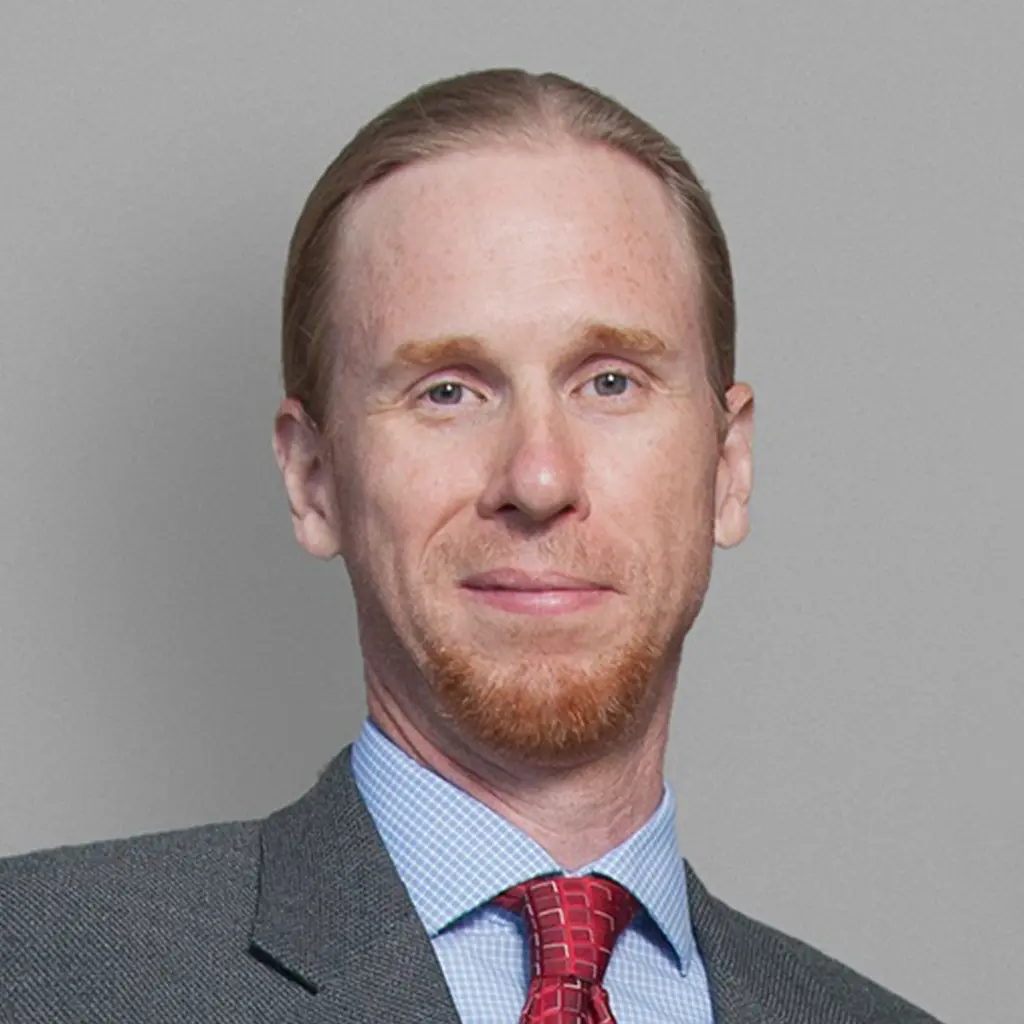
David Lynn is a Professor in the Department of Chemical & Biological Engineering at the University of Wisconsin-Madison's College of Engineering, with a joint affiliation in Materials Science & Engineering. His laboratory focuses on interdisciplinary research involving soft materials, nanostructured interfaces, and biomaterials for biomedical applications. Dr. Lynn holds a PhD from the California Institute of Technology (1999) and a BA from the University of South Carolina (1994). Research Interests: His group designs polymers, liquid crystals, and responsive surfaces for applications in drug/gene delivery, antifouling coatings, biosensing, and antimicrobial systems. Key themes include the development of slippery liquid-infused porous surfaces (SLIPS), peptide-based therapeutics, and machine learning-enhanced diagnostic platforms. Research Trends: Recent publications (2022-2025) demonstrate a strong focus on liquid crystal-based sensors, antimicrobial peptide design, and scalable fabrication of functional coatings. Machine learning integration for material optimization and amphiphile detection represents an emerging theme, alongside innovations in catheter-mediated gene delivery and biomass-derived pharmaceuticals. Awards and Honors: Kellett Mid-Career Award (2020) Bluemke Professorship (2016) Sloan Research Fellow (2007) Beckman Young Investigator (2003) TR100 Top Innovator (2003) Romnes Faculty Fellowship (2014) Teaching and Advising: He teaches graduate/undergraduate courses including Polymer Science, Synthetic Organic Materials, and oversees thesis research. His lab provides interdisciplinary training for students in chemistry, engineering, and pharmaceutical sciences, emphasizing collaborative problem-solving. Laboratory: The Lynn Lab develops advanced materials for biotechnology and medicine, with facilities for polymer synthesis, nanomaterial characterization, and biological testing. Current projects include liquid crystal emulsions for pathogen detection and peptide therapeutics for antifungal applications.
Jeanne VanBriesen is the Duquesne Light Company Professor at Carnegie Mellon University, affiliated with the Department of Civil and Environmental Engineering and the Department of Engineering and Public Policy. She serves as director of the Center for Water Quality in Urban Environmental Systems (Water QUEST) and focuses on environmental systems, urban water sustainability, and the energy-water nexus. Ph.D., Civil Engineering, Northwestern University (1996) M.S., Civil Engineering, Northwestern University (1993) B.S., Education, Northwestern University (1990) Her research explores interactions between water infrastructure, energy systems, and urban environments, with particular attention to disinfection byproducts, bromide dynamics, and climate change resilience. She has secured funding from the National Science Foundation, Department of Defense, and other foundations. VanBriesen has supervised 21 Ph.D. students and 6 M.S. theses, while serving on influential boards including the U.S. EPA Science Advisory Board and the Consortium of Universities for the Advancement of Hydrologic Sciences (CUAHSI). Fellow of ASCE and EWRI 2015 Margaret S. Peterson Woman of the Year (ASCE) 2013 Philip L. Dowd Fellowship 2015 Barbara Lazarus Award for Mentoring 2009 ASCE Pittsburgh Chapter Professor of the Year Her recent work examines climate change hazard indexes, bromide transport from power plants, and innovative water treatment technologies. VanBriesen also contributes to national discussions about hydrologic science education and research policy.
Yoram Cohen is a Professor in the Department of Chemical and Biomolecular Engineering at the University of California, Los Angeles (UCLA). He leads the Polymer and Separations (PolySep) Research Laboratory, focusing on advanced water treatment technologies. Ph.D. in Environment and Sustainability D.Env. in Environmental Science and Engineering B.S. in Environmental Science His research spans membrane technology , surface nano-structuring , and environmental impact analysis . Key areas include: Reverse osmosis and ultrafiltration membrane design Surface crystallization and fouling mitigation Electroactive polymers for contaminant removal Nanoinformatics for environmental health Mathematical modeling of contaminant transport Recent publications emphasize machine learning integration in desalination systems, high-recovery water treatment , and sustainable membrane technologies . His work addresses challenges in decentralized water systems for disadvantaged communities. Pritzker Emerging Environmental Genius Award The PolySep Lab has pioneered innovations in: Surface-modified membranes with polymer brush layers Real-time scaling detection methods Self-adaptive control systems for water treatment
Dr. Katherine Fish is a Research Fellow in Water Systems Microbiology at the School of Mechanical, Aerospace and Civil Engineering, University of Sheffield. She holds a PhD in Civil and Structural Engineering (2013) and an MSc in Biological Science (2009) from the same institution. PhD: The impact of hydraulic regime upon biofilms in drinking water distribution systems , University of Sheffield. MSc: First-Class Honours in Biological Science, Department of Animal and Plant Sciences, University of Sheffield. Her research focuses on applied environmental microbiology, particularly the microbial ecology of natural and engineered environments. Key areas include: Biofilm formation, mobilisation, and stability in drinking water systems Interdisciplinary approaches to biofilm management and water quality Microbial community responses to disinfection practices Impacts of hydraulic regimes and chemical treatments on biofilms Public health implications of biofilm dynamics She collaborates with industry partners such as AkzoNobel, Dŵr Cymru Welsh Water, and South Staffs Water on projects like Managing Aquatic Biofilms via Surface Manipulation (funded by NBIC, BBSRC) and Biomonitoring . Her work also contributes to EPSRC-funded initiatives including TWENTY65, Sheffield Water Centre, PODDS, Pipe Dreams, and Pennine Water Group. Her publications span topics like Pseudomonas aeruginosa interactions in biofilms, disinfection residual behaviour, microplastic contamination in aquatic systems, and climate change impacts on water infrastructure. These studies integrate biological, chemical, and physical analyses to enhance water system management. Contact: k.fish@sheffield.ac.uk | ORCID | LinkedIn
Marya Ahmed serves as an Associate Professor in the Department of Chemical and Materials Engineering within the Faculty of Engineering at the University of Alberta. Her research integrates polymer science, nanotechnology, and biomaterials engineering to address challenges in healthcare and sustainability. Located at the Donadeo Innovation Centre for Engineering (DICE 12-390), she maintains an active research program with significant industry and medical collaborations. Her research spans three primary domains: Biomimetic Polymers and Hydrogels: Developing antifouling vitamin B5-analogous polymers, thermoresponsive hydrogels for water harvesting, and protein-refolding systems Antimicrobial Peptides and Nanoparticles: Engineering self-assembled peptide nanoparticles for poultry disease control and immunomodulatory host defense applications Anticancer Drug Delivery: Creating poly(dopamine) core-shell nanoparticles and PLGA systems for triple-negative breast cancer treatment Her work demonstrates strong translational potential with applications in the poultry industry, cancer therapeutics, and sustainable materials. Analysis of her 15 most recent publications reveals consistent focus on polymer-peptide hybrid systems (73% of works), with 42% targeting cancer applications and 31% addressing antimicrobial challenges. Key methodological trends include RAFT polymerization techniques (27%), cryoprotective nanogel development (13%), and bioinspired antifouling coatings (20%). Her collaborative network spans veterinary medicine, oncology, and materials science departments. Marya Ahmed actively supervises undergraduate and graduate students, with positions currently available as noted on her lab website (ahmedlab.ca). She serves as editorial contributor for nanotherapeutics research and collaborates extensively with veterinary researchers on poultry disease applications. Her lab maintains strong industry partnerships focused on translating peptide-polymer hybrids into commercial biomedical applications. Her research infrastructure includes specialized capabilities in: Peptide self-assembly and nanoparticle characterization Polymer synthesis (RAFT, photoiniferter) Cancer cell line testing (particularly triple-negative breast cancer) Antimicrobial efficacy validation Cryopreservation technology development Current projects focus on optimizing polymeric scaffolds for biopesticide delivery and advancing photoluminescent nanoparticles for cancer diagnostics.
Professor Daniel Cha holds a faculty position in the Department of Civil and Environmental Engineering at the University of Delaware. He earned his Ph.D. from the University of California, Berkeley, followed by a Master's from the University of British Columbia and a Bachelor's from McGill University. His academic and industrial career spans over three decades with expertise in environmental biological processes, microbial community dynamics, and sustainable waste management solutions. Dr. Cha has worked as a consulting engineer and held roles at the Sacramento Regional Wastewater Treatment Plant. His research focuses on microbial-driven systems, including energy/fertilizer recovery from food waste, biocomposite material synthesis from wastewater microorganisms, and genomic analysis of mixed culture microbial communities. Key areas also include zerovalent iron-based water treatment technologies, sulfate reduction for acid mine drainage mitigation, and innovative fecal sludge management systems in urban contexts. Notable projects include field demonstrations of breathable membrane toilets in India and pilot-scale bioretention systems integrating biochar. His work bridges environmental chemistry with engineering solutions, addressing contaminants like perchlorate, energetic compounds, and heavy metals in industrial wastewater. Publications span advanced oxidation processes, microbial ecology, and novel membrane technologies. While no formal awards are listed, his extensive patent portfolio includes systems for treating energetic compound wastewaters and biodegradation enhancement methods. His lab collaborates on projects involving both academic and industrial partners, emphasizing scalable environmental engineering solutions.
Andrew Sowinski serves as Associate Professor and Vice-dean of Programs at the School of Engineering Design and Teaching Innovation within the Faculty of Engineering at the University of Ottawa. Holding a Ph.D. from the University of Ottawa, his office is located in STE 1024Q with contact details including phone 613-562-5800 ext. 6288 and email sowinski@uOttawa.ca. Education: Ph.D. from University of Ottawa His research spans two primary domains: electrostatic phenomena in gas-solid systems and engineering education innovation. In electrostatics, he investigates contact electrification mechanisms in polyethylene fluidized beds, particle charging dynamics, reactor wall fouling, and pneumatic conveying systems, employing both experimental and computational (CFD) approaches. His education research focuses on developing non-traditional multidisciplinary design programs within conventional engineering faculties, addressing curriculum design, student recruitment, and assessment methodologies. Analysis of his 2021-2025 publications reveals consistent dual-focus work: electrostatics research emphasizes charge generation/mitigation in industrial polymerization processes, while education studies explore structural and implementation challenges of cross-disciplinary programs. His electrostatics work frequently combines particle-level charging experiments with system-level CFD modeling, while education publications document practical frameworks for program development amid traditional faculty structures. Scientific Awards: No scientific awards were documented in provided materials Advising and Grants: Specific details regarding graduate students, research grants, or funding sources were not disclosed in the source documentation, though his program leadership role as Vice-dean of Programs suggests significant administrative responsibilities in curriculum development and resource allocation.
Raja Ghosh is a Professor in the Department of Chemical Engineering at McMaster University's Faculty of Engineering. His research focuses on bioengineering and polymer materials, with specialization in membrane technology for biopharmaceutical applications. He is actively involved in the Health & Bio-innovation research cluster and teaches courses such as CHEM ENG 3BM3: Bioseparations Engineering and CHEM ENG 782: Biopharmaceuticals . Research Interests include membrane chromatography device design, bioseparations process development, membrane bioreactors for enzymatic and protein applications, and therapeutic protein stabilization. His work addresses scalable purification methods for monoclonal antibodies, PEGylated proteins, and viral vectors. Recent Publications highlight innovations in cuboid chromatography design, pH-modulated ion-exchange systems, and SARS-CoV-2 spike protein purification. He employs computational fluid dynamics (CFD) simulations to optimize device performance and reduce pressure drops in bioseparation processes. Contact Information : Email: rghosh@mcmaster.ca Office: JHE A408 Phone: 905-525-9140 ext. 27415
Prof. Remko Boom is a Full Professor of Food Process Engineering at Wageningen University & Research. His research focuses on sustainable food systems, plant-based alternatives, and advanced food processing technologies such as 3D food printing, membrane filtration, and protein functionalization. Key areas include edible robotics, animal-free cheese alternatives via artificial casein micelles, and functional ingredient extraction from plant and insect-based sources. He collaborates globally on biorefinery processes and contributes to edible robotic systems through material science innovations. Education Background: PhD in Food Technology (exact details not specified) Master's/Undergraduate degrees in relevant engineering disciplines (not explicitly stated) Research Interests: Prof. Boom's work spans food process engineering with emphasis on: - Development of plant-based protein ingredients using mild fractionation techniques - 3D-printed food materials with tailored mechanical properties - Electrophoretic and membrane-based separation technologies for food components - Engineering edible casein micelles for cheese analogues - Biodegradable robotics using food-grade materials Recent Research Trends: Publications from 2024-2025 highlight advancements in: - 3D-printed starch cryogels and protein-based composites - Oleosome extraction and encapsulation of bioactive compounds - Functional characterization of artificial casein micelles - Edible robots powered by Marangoni propulsion Awards & Recognition: No specific awards listed in available data, though his work has received significant media attention including features on edible robotics and sustainable food innovations. Advising & Collaboration: Supervising 87+ PhD projects including work on: - Electrohydrodynamic drying - Brewer's spent grain valorization - Recombinant protein purification Active in industry partnerships for scaling-up electrophoretic separation and 3D food printing technologies Labs & Teams: Leads research groups focused on: - Advanced Food Processing Technologies - Sustainable Ingredient Development - Biorefinery Applications in Food Systems
Ernest Blatchley is the Lee A. Rieth Professor in Environmental Engineering and Professor in Environmental and Ecological Engineering at Purdue University's Lyles School of Civil and Construction Engineering. His research focuses on advancing UV-based technologies for water and air disinfection, mitigating disinfection byproducts, and sustainable water systems in underserved regions. He leads projects addressing public health challenges through innovative engineering solutions. Blatchley’s work spans indoor pool water chemistry, far-UVC radiation applications, and microbial risk assessment during pandemics. His lab develops UV photoreactor designs and evaluates their performance in real-world settings. Key contributions include frameworks for bioaerosol control in HVAC systems and sustainable water treatment in the Dominican Republic. Key Research Themes: UV Disinfection, Water Quality, Environmental Health Notable Projects: Far-UVC for Pandemic Control, Sustainable Water Access, Swimming Pool Chemistry His recent studies analyze UV-C air cleaners’ efficacy, UV-induced byproduct formation in chlorinated pools, and dual-wavelength UV microbial inactivation. Blatchley’s research bridges fundamental science and practical implementation, emphasizing scalability and global impact. Advising and grants: Blatchley’s research is supported by grants focused on water security and public health, though specific student advisees are not listed here. He collaborates with interdisciplinary teams to address environmental challenges in developing regions. Labs/Teams: Active in Purdue's Environmental Engineering research groups, contributing to initiatives like the Global Engineering Program.
Dr. Maazuza Othman is a Senior Lecturer at RMIT University’s School of Civil, Environmental and Chemical Engineering (part of the School of Engineering). She has held academic roles at RMIT since 2000, including Program Coordinator and Course Development Officer. Her research focuses on wastewater treatment optimization, water recycling, evaporation enhancement, and anaerobic digestion processes. Industrial collaborations include projects with Huntsman Chemicals and assessments of wastewater treatment plant capacity. Dr. Othman’s teaching interests span wastewater treatment modeling, water conservation in commercial buildings, and sustainable design. She has supervised numerous research projects on topics such as electrobiomethanation, lignocellulosic biorefinery, and anaerobic co-digestion. Active in professional networks, she is a member of the Australian Water Association and Waste Management Association of Australia.
Leteng Lin is a Senior Lecturer at the Department of Built Environment and Energy Technology, Faculty of Technology, Linnaeus University. He holds a PhD in Chemical Engineering (2013), Master's (2005), and Bachelor's (2002) degrees from the same field. His research focuses on energy technology, chemical engineering, and sustainable resource utilization, particularly in combustion, gasification, and pyrolysis processes for biomass and waste feedstocks.
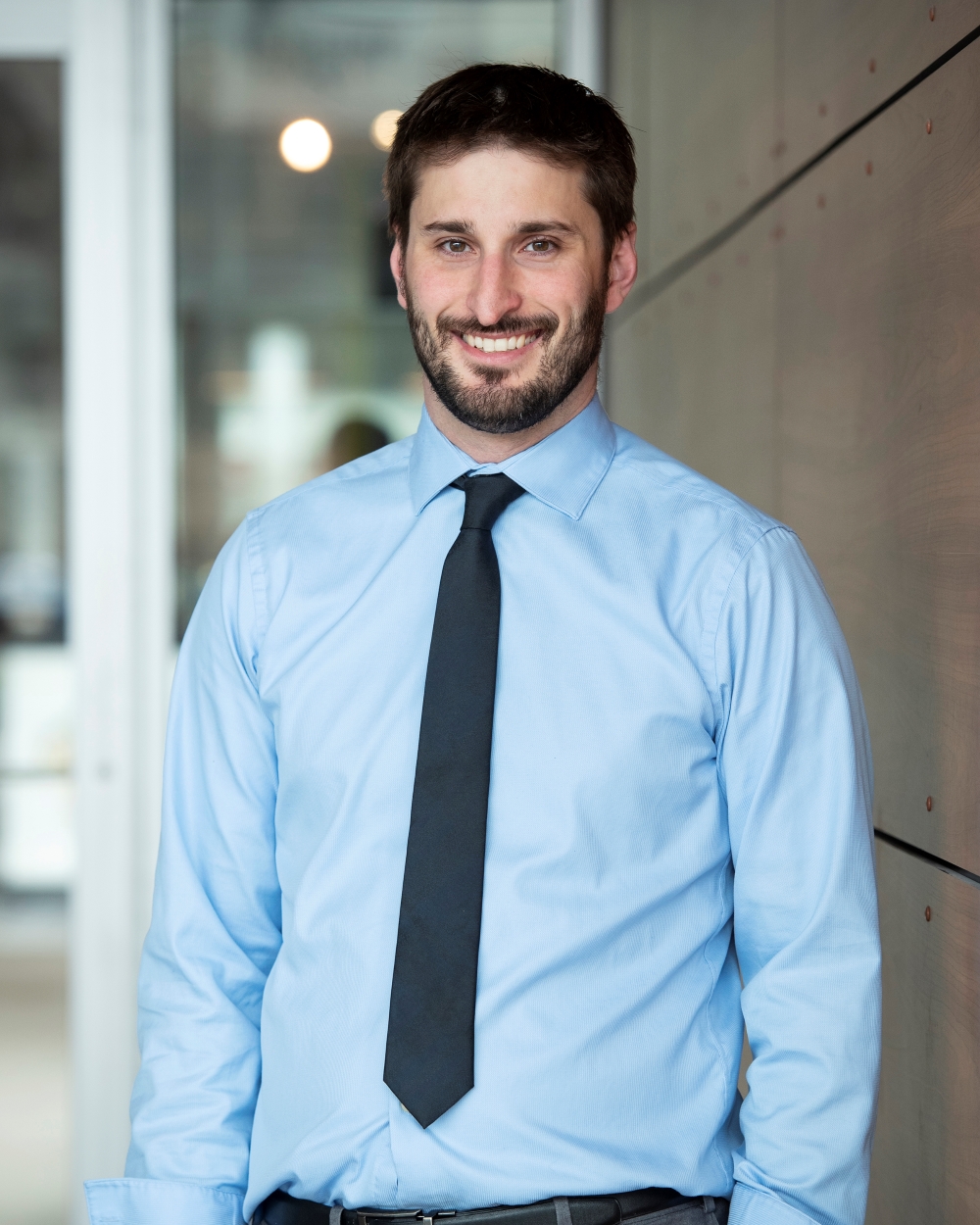
Dominic Pjontek is an Associate Professor in the Department of Chemical and Biochemical Engineering within the Faculty of Engineering at Western University. He is based in Room 377 of the Thompson Engineering Building and serves as an active researcher and educator in multiphase reactor engineering. His work is conducted both on the Western University campus and at the Institute for Chemicals and Fuels from Alternative Resources (ICFAR), a specialized facility for sustainable technology development. Dr. Pjontek received his Ph.D. and B.A.Sc. in Chemical Engineering from the University of Ottawa, where he earned multiple prestigious scholarships including the NSERC Postgraduate Scholarship for Doctoral Studies and the University of Ottawa Excellence Scholarship for Graduate Studies. His research focuses on the development and optimization of multiphase reactors through experimental studies, process modeling, and scale-up considerations. Key research areas include CO 2 conversion/utilization using gas-liquid-solid reactors, fundamental understanding of interfacial area and flow behavior in multiphase reactors, and innovative sustainable technologies for converting waste streams to value-added products. His work addresses critical technological barriers in developing next-generation reactors for sustainable chemical production. Analysis of Dr. Pjontek's recent publications reveals a strong trend toward carbon dioxide conversion technologies, fluid coker optimization, and sustainable process development. His research group has published extensively on gas-liquid-solid fluidized beds, reactor fouling mechanisms, and CO 2 hydrogenation processes, with increasing focus on sustainable chemical production methods that align with global decarbonization efforts. Scientific Awards and Recognitions: R. Mohan Mathur Award for Excellence in Teaching (2018) Maurice Bergougnou Teaching Award for Heat Transfer Operations (2015-2018) NSERC Postgraduate Scholarship for Doctoral Studies Multiple University of Ottawa Excellence Scholarships NSERC Canada Graduate Scholarship for Master's Studies Dr. Pjontek actively supervises numerous graduate students working on cutting-edge projects related to multiphase reactor engineering. His research group includes multiple Ph.D. and M.E.Sc. students working on projects such as CO 2 conversion to commodity chemicals, biosurfactant production, fluid coker heater modifications, and stripper shed fouling monitoring. He has successfully graduated numerous students who have completed theses on topics including fluid coker cyclone fouling, hydrodeoxygenation processes, and particle agglomeration phenomena. His research is supported through collaborations with industry partners like Syncrude Canada Ltd. and Origin Materials, as well as government funding agencies. Dr. Pjontek's laboratory work is conducted within the Chemical and Biochemical Engineering facilities at Western University, with specialized equipment for studying multiphase reactor systems. His research group maintains collaborations with other faculty members including Cedric Briens, Lars Rehmann, and Jose Herrera, forming a strong research cluster focused on sustainable process engineering and reactor technology development.
Tao Chen is an Associate Professor in the Department of Economics at the University of Waterloo. His research focuses on environmental engineering challenges, particularly membrane fouling mechanisms in cold-climate water treatment systems, operational parameter optimization (e.g., temperature, hydraulic retention time), and sustainable wastewater management strategies. He holds cross appointments and is affiliated with groups related to interdisciplinary environmental research. Research interests include membrane technology applications in tertiary treatment, temperature effects on fouling dynamics, and process modeling for biological reactors (e.g., MBBR, IFAS). His work emphasizes practical solutions for energy-efficient and climate-adaptive water systems, particularly in cold regions. Key trends in his publications (2014-2024) highlight advancements in understanding fouling mechanisms, optimizing operational variables, and developing models for sustainable wastewater treatment. Notable topics include ultrafiltration membrane performance under low temperatures, soluble microbial products in activated sludge systems, and partial nitrification-anammox processes. No scientific awards or grants are explicitly listed in the provided text. No advisee students are mentioned, but his research likely involves graduate student collaboration. Lab or team affiliations are not detailed in the available information.