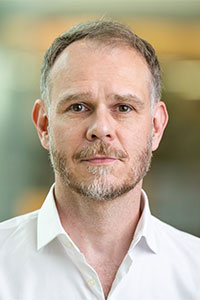
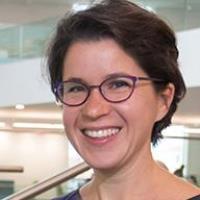
Olya Mandelshtam is an Assistant Professor in the Department of Combinatorics and Optimization at the University of Waterloo . Her research focuses on algebraic combinatorics, particularly symmetric and quasisymmetric functions, with connections to probability and interacting particle systems. Education: Ph.D. in Mathematics, University of California, Berkeley (2016), advised by Lauren Williams Presidential Postdoctoral Scholar at UCLA (2016–2017) Tamarkin Assistant Professor and NSF Postdoctoral Fellow, Brown University (2017–2021) Research Interests: Her work bridges algebraic structures (e.g., Macdonald polynomials, Koornwinder polynomials) and probabilistic models like the asymmetric simple exclusion process (ASEP) and zero-range processes (TAZRP). She explores combinatorial bijections, multiline queues, and integrable systems to study these connections. Recent Activities: She organizes the Combinatorics Seminar at Waterloo and participates in conferences such as ICERM workshops on Category Theory and Machine Learning, ICECA, and events on integrable systems in algebraic combinatorics. Advising: Current graduate students include Kartik Singh, Jerónimo Valencia Porras, Guilherme Zeus Dantas e Moura, and Harper Niergarth, with past advisee William Chan. Research collaborations include work on multiline queues, non-attacking fillings, and particle system dynamics.
David Whish-Wilson is a Senior Lecturer in Creative Writing at Curtin University's School of Media, Creative Arts and Social Inquiry, serving as Area Co-ordinator for Creative Writing. He holds a BA, MA, and PhD from Murdoch and UWA, focusing on English and Comparative Literature. His research spans Creative Writing, Screenwriting, Australian Literature, Indigenous narratives, and Community Development. Whish-Wilson has authored multiple acclaimed novels, including crime fiction series set in Perth (e.g., Line of Sight , True West , and Shore Leave ), historical fiction ( The Coves ), and the city memoir Perth (shortlisted for a WA Premier's Book Award). He has been awarded the Patricia Hackett Award (2015) and shortlisted for Ned Kelly Awards. His academic work includes essays on Australian fiction and creative writing pedagogy, such as Trance, Text & The Creative State (2009). He has also contributed to community projects like the Koombana Bay plaques with the Noongar community. Grants include ARTSWA, Australia Council, and Film Victoria funding. His upcoming works include Cutler (2024) and The Sawdust Factory (2022).
Kristin Danielsen Wolf is a Professor and Head of Department at the Department of Early Childhood Education, Faculty of Education and International Studies, Oslo Metropolitan University. She is a leading academic in early childhood education, with a strong focus on children's play, participation, aesthetic learning, drama education, and parental involvement. Her work bridges research, policy, and practice in the Norwegian ECEC (Early Childhood Education and Care) system. Her research interests include: Children's play and its pedagogical and ethical dimensions Children's right to participation and expression Aesthetic and drama-based learning processes Toddler education and inclusive practices Parental collaboration and communication in kindergartens Quality assessment and institutional development in ECEC Her recent publications (2022–2025) show a consistent focus on democratic values, sustainability, institutional partnerships, and pedagogical innovation in early childhood education. She frequently contributes to national conferences and policy dialogues, emphasizing the importance of listening to children, strengthening home-institution collaboration, and rethinking teacher education for the future. Her scientific contributions include numerous peer-reviewed articles, books, and research reports, particularly on quality in kindergartens and stakeholder perspectives. Notable publications include work on the mandate of kindergartens, play ethics, and inclusive aesthetic practices. She has been involved in major research initiatives such as 'Better Provision for Norway's Children in ECEC' and actively disseminates knowledge through academic and professional channels. While specific details about PhD students are not listed, her leadership role suggests mentorship and academic guidance within her department. She leads and participates in interdisciplinary teams focused on early childhood policy, teacher education reform, and sustainable pedagogy. Her work emphasizes collaborative research and practical application in educational institutions.
Mitch Herschbach is a Lecturer in the Department of Philosophy at California State University, Northridge (CSUN), where he has been teaching since 2011. He also teaches courses in the Department of Interdisciplinary Studies at CSUN, demonstrating his commitment to cross-disciplinary approaches to philosophical inquiry. Herschbach received his Ph.D. in Philosophy & Cognitive Science from the University of California, San Diego. This interdisciplinary training forms the foundation of his scholarly work, which bridges philosophical analysis with empirical findings from cognitive science and neuroscience. His research primarily focuses on the philosophy of mind and philosophy of science, with specific attention to cognitive science, psychology, and neuroscience. A significant portion of his work examines human social cognition—the capacity to understand others' mental states, commonly referred to as 'mentalizing,' 'mindreading,' or 'theory of mind.' From a philosophy of science perspective, Herschbach critically investigates explanatory frameworks in cognitive science, particularly the mechanistic approach and its relationship to more radical alternatives emphasizing the embodied, embedded, enactive, and extended nature of cognition. His scholarship consistently engages with simulation theory, folk psychology, and alternative accounts of how we understand other minds. Herschbach's publication record reveals a sustained engagement with foundational questions in social cognition. His most recent work, 'Revising Simulation Theory Beyond Recognition: A Reply to Yousefi Heris' (2025), demonstrates his active participation in contemporary debates. Over time, his research has evolved to address emerging frameworks like 4E cognition (embodied, embedded, enactive, extended) while maintaining critical engagement with traditional theories of social understanding. His work spans theoretical analysis of cognitive architecture, examination of neural mechanisms, and philosophical implications of empirical findings in cognitive science. As an educator, Herschbach has over a decade of experience teaching diverse philosophy courses including Ethics & Technology, Business Ethics and Public Policy, Philosophy and Biology, philosophy of mind, philosophy of science (covering cognitive sciences and biology), logic and critical thinking, socio-political philosophy, and various ethics courses. His Fall 2025 teaching schedule includes multiple sections of Business Ethics and Public Policy alongside Ethics & Technology. Herschbach is an active participant in the academic community, particularly through the Society for Philosophy and Neuroscience (SPAN). He has presented his research at events like SPAN2025, where he discussed his views on simulation theory and anti-localizationist accounts of brain function. He maintains professional profiles on academic platforms including Google Scholar, PhilPeople, ResearchGate, and ORCiD, facilitating scholarly connections in his field.
Laura Crosswell serves as Associate Professor of Health Communication and Director of the Center for Advanced Media Studies at the University of Nevada, Reno's Reynolds School of Journalism and Media Studies. She holds a joint appointment with the university's School of Medicine, reflecting her interdisciplinary approach to health communication research. Crosswell previously taught at the College of Charleston, Louisiana State University, and Arizona State University before joining UNR. Her research focuses on the intersection of consumerism, persuasive texts, and public health messaging, with particular attention to how commercial interests influence health communication. Crosswell frequently employs advanced eye-tracking technology to examine physiological and psychosocial responses to media content, especially in pharmaceutical advertising and public health campaigns. Her book Politics, Propaganda, and Public Health: A Case Study in Health Communication and Public Trust analyzes Merck's Gardasil vaccination campaign, exploring how corporate interests shape public health messaging. Crosswell's recent publications reveal consistent focus on contemporary health communication challenges, particularly surrounding the COVID-19 pandemic, vaccine hesitancy, and environmental health risks. Her work spans multiple disciplines including communication, public health, psychology, and medical education, often employing innovative methodologies like virtual reality simulations and biometric measurement. Recipient of Organizational Behavior Management (OBM) Innovative Research Award, 2023 Co-author of scholarly book on pharmaceutical marketing and public health trust Regular contributor to journals including Critical Public Health , Public Health Perspectives , and Journal of Environmental Studies and Sciences Crosswell has received recognition for her innovative research approaches that bridge communication theory with practical health applications. Her work examining virtual reality applications in healthcare education demonstrates her commitment to developing new methodologies for training healthcare professionals. With numerous forthcoming publications for 2025, she remains an active contributor to the field of health communication research.
Corey Brady is an Associate Professor at the Department of Teaching & Learning and Associate Dean for Research and Outreach at Southern Methodist University's Simmons School of Education and Human Development. He holds a Ph.D. in Mathematics Education from the University of Massachusetts, Dartmouth, alongside degrees in English Literature (MA) and Pure Mathematics (MS). Dr. Brady's research focuses on mathematical and computational modeling from a constructionist perspective, emphasizing collective learning and STEAM activity . His work includes design-based research on block-based programming environments and embodied participatory simulations. Recent publications (2023-2021) span journals like Frontiers in Education , Science Education , and Educational Studies in Mathematics , with sub-fields ranging from geometric transformations to disaster preparedness systems. He has received recognition including the Outstanding Paper Award at ICLS 2023 and Best Paper at ICLS 2020 . Previously, he held faculty roles at Vanderbilt and Northwestern Universities, led educational technology development at Texas Instruments, and taught at middle school to community college levels. His interdisciplinary approach bridges mathematics, computer science, and affective learning.
Gina Turrigiano is the Joseph Levitan Professor of Vision Science in the Department of Biology at Brandeis University. She is also affiliated with the Benjamin and Mae Volen National Center for Complex Systems and the Neuroscience Program. Her research focuses on understanding how neural circuits maintain stability while remaining adaptable through homeostatic plasticity mechanisms. Dr. Turrigiano earned her B.A. from Reed College and her Ph.D. from the University of California, San Diego. Her educational background provided the foundation for her pioneering work in neuroscience. Her research centers on homeostatic plasticity mechanisms that allow brain circuits to self-tune during learning and development. The Turrigiano lab studies how neurons adjust their excitability to maintain constant firing rates despite external perturbations. A major discovery from her lab was synaptic scaling, a fundamental homeostatic mechanism. More recently, her work has explored how homeostatic mechanisms interact with classical forms of synaptic plasticity like LTP/LTD, and how sleep and behavioral states gate these plasticity processes. Her research has significant implications for understanding neurological disorders like autism, where homeostatic mechanisms may be disrupted. Analysis of Dr. Turrigiano's recent publications reveals a continued focus on the molecular and circuit mechanisms of homeostatic plasticity. Her work spans multiple levels of analysis from cellular/molecular to systems neuroscience, with particular emphasis on visual cortex as a model system. Recent publications explore the role of Shank3 in autism-related circuit dysfunction, the relationship between sleep and homeostatic regulation, and the distinct contributions of synaptic versus intrinsic homeostatic mechanisms to circuit stability. MacArthur foundation 'genius' award McKnight Foundation Technological Innovation and Neurobiology of Disease awards NIH director's pioneer award HFSP Nakasone Award Member of the National Academy of Sciences American Academy of Arts and Sciences fellow AAAS Fellow Landis Award for Outstanding Mentorship Dr. Turrigiano has received substantial research funding including NIH Director's Pioneer Award, NINDS R35 MERIT Award, and multiple McKnight Foundation awards. She has served as President of the Society for Neuroscience and is a member of numerous scientific editorial and advisory boards. Her mentorship has been recognized with the Landis Award for Outstanding Mentorship from NINDS. The Turrigiano lab has trained numerous graduate students and postdoctoral fellows who have gone on to establish independent research careers. The Turrigiano lab operates within the Department of Biology at Brandeis University, with strong connections to the Neuroscience Program and the Volen Center for Complex Systems. The lab employs a multidisciplinary approach combining electrophysiology, imaging, molecular biology, and behavioral analysis to study homeostatic plasticity mechanisms. Current research directions include investigating how homeostatic mechanisms interact with experience-dependent plasticity during critical periods of development, and how disruptions in these mechanisms contribute to neurodevelopmental disorders like autism.
Jonatan Pettersson is an Associate Professor in Scandinavian languages at Stockholm University, working within the Department of Swedish Language and Multilingualism. His academic work focuses on medieval textual culture, Scandinavian philology, and historical linguistics, with particular emphasis on Bible translations and the evolution of Old Swedish language. He is actively involved in two key research groups: Scandinavian Philology and Language History, and Network Language and Power. Dr. Pettersson's research interests primarily center on medieval textual culture, with special focus on Bible translations in the Nordic region, vernacularization processes, and manuscript studies. His work examines how language evolved from Old Swedish to Early Modern Swedish, particularly through religious texts. He investigates the relationship between language, power structures, and cultural change in medieval Scandinavia, analyzing how translation practices reflected and shaped societal transformations. His research also explores the literary reception of courtly culture and romance literature in East Scandinavia. His recent publications (2021-2025) demonstrate a consistent focus on change in medieval textual culture, particularly examining how biblical texts were translated and adapted in the Nordic context. His work shows increasing attention to methodological approaches for studying textual change, with publications from 2023-2025 forming a cohesive exploration of models of change. The research spans from specific manuscript analyses to broader theoretical considerations of how we conceptualize textual evolution. Dr. Pettersson is actively involved in the Scandinavian philology and language history research group, which focuses on the study of language and literature from older periods, particularly runic, Old Swedish, Old Icelandic, and Early Modern periods. He also contributes to the Network Language and Power, which examines how language interacts with power structures - a field that has gained relevance with rising populism and societal polarization.
Dietram Scheufele is the John E. Ross Professor in Science Communication at the University of Wisconsin–Madison and co-director of the Science Communication Incubator Lab (SCI Lab) at the Morgridge Institute for Research. He holds the Taylor-Bascom Chair and directs Academic Programs for the Department of Life Sciences Communication within the College of Agricultural and Life Sciences. Scheufele is internationally recognized as a leading scholar examining public opinion dynamics surrounding controversial science, with expertise in the interplay among media, policy actors, and lay audiences. His educational background includes a PhD in Mass Communications (major) with a minor in Political Science, and an MA in Journalism and Mass Communication, both from the University of Wisconsin–Madison. Scheufele has established himself as a prominent voice in science communication theory and practice, bridging academic research with real-world applications through collaborations with organizations like the World Health Organization, the World Bank, and Porter Novelli. Scheufele's research focuses on understanding how public opinion forms around emerging scientific issues, particularly examining the role of media, values, and misinformation in shaping attitudes toward controversial science and technology. His work spans multiple domains including AI, genetic engineering, climate change, and vaccine communication, with particular attention to how digital platforms transform science communication dynamics and public understanding. He has pioneered research on the psychological mechanisms underlying science attitudes and the effectiveness of different communication strategies in polarized environments. His recent publications reveal a strong focus on contemporary challenges in science communication, including AI perceptions, vaccine misinformation, science credibility across demographic groups, and innovative communication formats like science comics. The work demonstrates increasing attention to intersectional issues of race, gender, and political ideology in science communication, as well as methodological innovations in measuring science literacy in digital environments. Member, German National Academy of Science and Engineering Fellow, American Association for the Advancement of Science Fellow, International Communication Association Fellow, Wisconsin Academy of Sciences, Arts & Letters 2024 American Academy of Political and Social Science Fellowship (Harold Lasswell Fellow) University of Wisconsin–Madison Hilldale Award Scheufele has mentored numerous PhD students who have gone on to academic positions, including Becca Beets at the University of Maryland and Shiyu Yang at the University of Tennessee. His SCI Lab serves as a unique test bed for science communication practitioners and researchers to collaborate, experiment with new ideas in public science engagement, and assess impact through rigorous social scientific approaches. The lab leverages Wisconsin's position as a political 'purple' state to develop scalable models for communicating science that incorporate diverse viewpoints. Scheufele emphasizes the importance of 'paying it forward' in academic mentorship and fostering the next generation of science communication leaders.
Dana Cobzas is an Associate Professor at the MacEwan University in the Department of Computer Science , with adjunct appointments at the University of Alberta. Her academic journey includes a PhD in Computer Science (University of Alberta, 2004) MSc in Mathematics (Babes-Bolyai University, 1998) BSc in Mathematics (Babes-Bolyai University, 1997) . Her research focuses on imaging and computer vision , particularly mathematical models for medical image processing . Key areas include Medical image segmentation and registration 3D modeling from uncalibrated images Sparse classification for population studies Dynamic vision (tracking and modeling) Medical applications in neuroimaging and oncology . She has developed advanced techniques like deep learning-integrated level set methods and FEM-based segmentation. Scientific recognition includes: NSERC Discovery Grant (2015, 2010) Best Vision Paper at IEEE ICRA 2005 Best Student Paper at Vision Interface 2003 . She is actively involved in teaching and mentoring , with experience supervising senior students’ independent studies and contributing to collaborative projects in robotics and biomedical engineering .
Professor Zoe Marriage is a leading scholar in the Department of Development Studies at SOAS University of London, specializing in the intersections of conflict, security, and development with particular expertise on African contexts including the Democratic Republic of Congo, Sierra Leone, Rwanda, and South Sudan. As a Principal Fellow of the Higher Education Academy, she maintains an active teaching and supervision profile alongside her research. Department of Development Studies, SOAS University of London Principal Fellow of the Higher Education Academy Active PhD supervisor with multiple recent completions Marriage's research trajectory began with humanitarian assistance studies in conflict zones, evolving into deeper investigations of security conceptualization in contexts of structural violence, and most recently exploring cultural resistance through unconventional frameworks like capoeira. Her work consistently centers on marginalized voices excluded from formal security debates, examining alternative pathways to security constructed from below. Her three major monographs trace this evolution: Not Breaking the Rules, Not Playing the Game (2006) on humanitarian assistance, Formal Peace and Informal War (2013) on Congolese security conceptualizations, and Cultural Resistance and Security from Below (2019) on capoeira as resistance. Analysis of Marriage's recent publications reveals a sustained focus on African political economies of conflict, with increasing attention to cultural and embodied forms of resistance. Her 2024 publications continue examining South Sudanese state formation while maintaining her Congo expertise, demonstrating remarkable longevity in regional specialization combined with methodological innovation through cultural analysis. As an active PhD supervisor, Marriage mentors students working on diverse security governance topics across Africa including South Sudanese displacement, Ghanaian land conflicts, Congolese judicial reform, and Sierra Leonean decentralization. Her supervision portfolio reflects her interdisciplinary approach bridging political science, anthropology, and development studies. Marriage leads the reDe research group (visible through her website URL), which appears to focus on reimagining development and security paradigms through critical and cultural lenses, though specific details about the group's structure require further investigation.
Fabian-Xosé Fernandez serves as Associate Professor in the Department of Psychology within the College of Science at the University of Arizona, where he directs the Circadian Trends Laboratory. His research program bridges neuroscience, clinical psychology, and public health through investigations of circadian biology and sleep-wake patterns. His primary research interests focus on circadian fluctuations in real-world data , psychology of nighttime wakefulness , and suicide risk mechanisms . Key investigations explore how nocturnal wakefulness correlates with suicidal ideation, homicide risk, and metabolic dysregulation. His work employs National Violent Death Reporting System analyses Controlled circadian phase-shifting experiments Population-level sleep surveys Translational rodent models Recent publications reveal strong temporal patterns in behavioral health outcomes, with suicide risk peaking during circadian night across diverse populations. His lab develops chronotherapeutic interventions including spectral filtering devices and lighting protocols to optimize circadian alignment. Current work examines how blue-light modifiers affect phase-shifting responses and how sleep disruption mediates psychiatric outcomes in bipolar disorder. Fernandez teaches graduate and undergraduate courses including PSY 350 (Sleep/Wake, Time Cycles, & Life) and PSY 578 (Sleep & Sleep Disorders), with recent instruction through 2025. His academic service includes editorial review for journals like Clocks & Sleep and Neuropsychopharmacology.
Laurence Claes is a Professor and Head of Clinical Psychology at KU Leuven's Faculty of Psychology and Educational Sciences. His academic career spans multiple research domains with a focus on psychopathology, particularly eating disorders and non-suicidal self-injury (NSSI), examined through the lens of identity formation processes. He maintains strong affiliations with the LC&Y - KU Leuven Institute for Child and Youth and serves on several important committees including the Faculty Doctoral Committee for Psychology and Educational Sciences as ombudswoman for KU Leuven staff. Professor Claes' research primarily investigates the complex relationship between identity development and various forms of psychopathology, with special attention to adolescents and emerging adults. His work consistently demonstrates how identity processes serve as both risk and protective factors across multiple clinical presentations. He employs diverse methodologies including longitudinal studies, ecological momentary assessment, and both community and clinical samples to examine these relationships. Analysis of his recent publications reveals consistent thematic patterns across his work. His research shows strong connections between identity functioning and eating disorders, non-suicidal self-injury, body image concerns, and personality pathology. He frequently examines how identity processes mediate relationships between other psychological constructs and clinical outcomes. His work spans multiple contexts including cancer survivorship, athletic performance, and digital environments. Professor Claes actively supervises numerous doctoral candidates and collaborates extensively with researchers both within KU Leuven (particularly with Koen Luyckx) and internationally. His work appears in high-impact journals across psychology, psychiatry, and related fields, demonstrating the transdisciplinary nature of his research. His teaching responsibilities include courses on clinical diagnostics for adults and the elderly (P0V88A, P0X60A), psychological interventions (P0W42A, P0N41B), single-case research (P0X93A), and clinical psychology practicum (P0Y05A, P0W57A, P0Y08A), indicating his commitment to both research and clinical training.
Krasimir Hristakiev is a Senior Lecturer at the Department of Romance Languages within the University of Veliko Tarnovo. His academic career spans over two decades, focusing on literature and theater studies with a particular emphasis on French and Bulgarian cultural intersections. Primary Affiliations: University of Veliko Tarnovo (Department of Romance Languages) Research Themes: French literature (Molière, Rabelais), Bulgarian literary theory, theater and visual studies, intertextuality, and philosophical discourse. His publications analyze the dialogue between classical and modern literary forms, with recurring themes of madness, labor, and cultural identity. Notable works include studies on Giuseppe Tornatore's cinema, Bakhtinian theory in Bulgarian contexts, and the adaptation of Molière's plays in regional festivals. Recent articles explore the blurring lines between theater and digital media , focusing on structural differences and audience engagement in virtual performances. His bibliography reflects a deep engagement with philological rigor and comparative cultural analysis. Key trends in his work include the reception of French classics in Bulgaria, stylistic evolution in literature, and the metaphorical representation of labor and death in contemporary narratives. He contributes regularly to journals like Visual Studies and Proglas .
Professor Li Hua is a faculty member at the School of Mechanical & Aerospace Engineering, Nanyang Technological University (NTU), Singapore. He holds a Ph.D. in Mechanical Engineering from the National University of Singapore (1999) and has been recognized as a Fellow of the American Society of Mechanical Engineers (ASME) since 2019. His academic journey includes postdoctoral research at the University of Illinois at Urbana-Champaign (2000-2001), a visiting scientist role at Johns Hopkins University (2005), and research scientist positions at A*STAR’s Institute of High Performance Computing (2001-2006). Research Interests: Professor Li specializes in multiphysics modeling of soft matters (e.g., smart hydrogels in BioMEMS and biological cell microscale dynamics), machine learning-based prediction for 3D printing process-microstructure-property correlation, numerical computational methodologies (meshless and multiscale algorithms), sustainable energy simulations (building efficiency and fuel cells), and structural dynamics of high-speed rotating shells and composites. His work bridges computational mechanics, materials science, and biomedical applications. Publications & Collaborations: With over 200 peer-reviewed journal articles, he has authored/co-authored monographs such as Smart Hydrogel Modelling (Springer) and Rotating Shell Dynamics (Elsevier). His research is funded by agencies like NRF, EDB, SMI, and industry partners including Rolls-Royce, Emerson, and ABB. Scientific Awards: Fellow of ASME (2019) ICCM Investigator Award (2018) SMI Top Project Winner (2015) IBM & IHPC Silver Award (2003) Advising & Grants: He has advised Ph.D. students like Meng Zhang (awarded Best Student Paper at ICMFM XIX, 2018) and secured grants for computational BioMEMS, sustainable buildings, and advanced manufacturing projects. His industrial collaborations span aerospace, maritime, and energy sectors. Labs & Teams: Professor Li leads a research group at NTU, focusing on interdisciplinary projects with institutions like Imperial College, Technische Universität Dresden, and Johns Hopkins University. He contributes to academic governance as an NTU Senator and active member of professional societies.