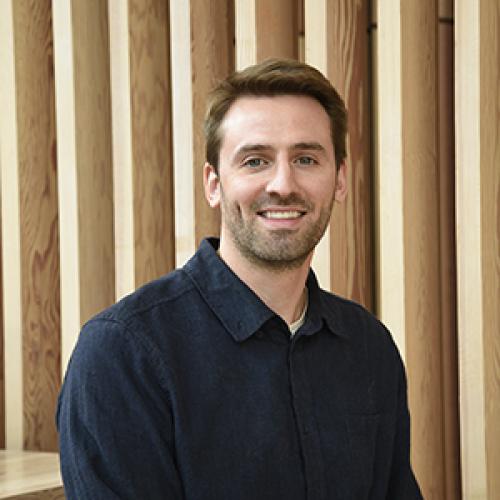
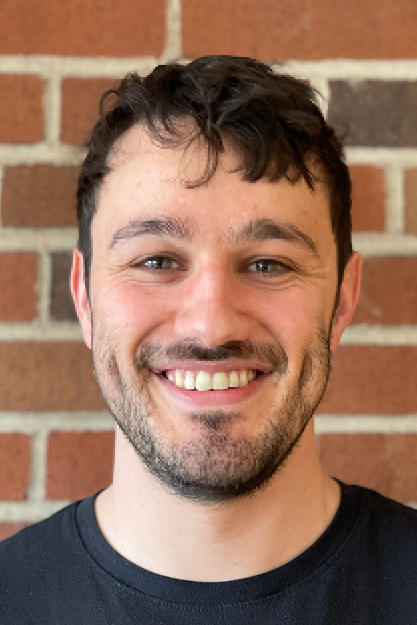
Jacob Bukoski is Assistant Professor and Director of the Forests and Climate Change graduate certificate at Oregon State University's College of Forestry. His research examines forest carbon dynamics, climate mitigation, and international forestry. Education includes: PhD in Environmental Science from UC Berkeley MS in Environmental Science from Yale University BA in Environmental Studies from UNC Chapel Hill Research focuses on carbon accumulation in forests, mangrove conservation, and climate policy integration. Teaches interdisciplinary courses on social-ecological systems and forest carbon analysis. Recent publications quantify carbon storage in global plantations and mangrove ecosystems. Current projects investigate albedo impacts on reforestation protocols and coastal conservation synergies. Directs graduate studies in Forests and Climate Change.
Hugo de Boer is a Professor at the Copernicus Institute of Sustainable Development , Faculty of Geosciences, Utrecht University. He serves as scientific lead for the Delta Climate Center in Vlissingen and coordinates MSc programs in Water Science and Management and Water Management for Climate Adaptation . His research explores climate-ecosystem interactions, focusing on plant ecophysiology, ecosystem dynamics, and nature-inclusive climate adaptation in deltas. Research Themes: Future Deltas, Pathways to Sustainability, Integrative Bioinformatics Projects: LEMONTREE, CloudRoots, 'From losers to winners' (ancient plant lineages under elevated CO2) Teaching Expertise: System thinking for sustainability, quantitative statistics, plant ecophysiology Research Trends emphasize interdisciplinary approaches to climate change impacts on ecosystems, with publications spanning plant-cloud processes, CO2 acclimation, and eco-evolutionary optimality models. His work bridges biogeochemistry, land-atmosphere interactions, and sustainable development frameworks. Projects & Collaborations include experimental studies on ancient plant lineages (Equisetum) and integrative field campaigns in Amazon and temperate forests. He contributes to modeling climate-vegetation feedbacks, pesticide emission scenarios, and social-ecological system transitions.
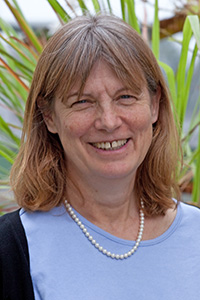
Noel Michele Holbrook is the Charles Bullard Professor of Forestry at Harvard University, affiliated with the Department of Organismic and Evolutionary Biology and the Harvard University Center for the Environment. She directs the Harvard Forest, a Long-Term Ecological Research site. Her work focuses on plant vascular transport mechanisms, particularly the physics and physiology of water and solute movement in plants. Affiliations: Harvard Forest, Harvard University Center for the Environment, Environmental Science & Engineering (affiliate). Research Areas: Plant hydraulics, xylem and phloem transport, wood anatomy, cavitation resistance, and plant ecological adaptations. Her lab investigates how constraints on vascular transport influence ecological and evolutionary processes. Key projects include studying embolism propagation, stomatal mechanics, and the role of vascular networks in plant survival. Recent work involves analyzing conifer needle transfusion tissues and the structural basis of Carlquist’s Law in xylem anatomy. Notable contributions include discoveries about moss vascular function and the impact of environmental factors on plant water dynamics. Her team has also explored crop responses to elevated CO2 and agricultural climate effects. Advising & Grants: Supervises undergraduate researchers (e.g., Nya Nicholson and Addison Harris) and postdoctoral fellows (e.g., Cade Kane). Research is supported by grants from the National Science Foundation and other institutions. Labs/Teams: Holbrook Lab at Harvard and Harvard Forest, collaborating with interdisciplinary teams in plant biology and ecology.
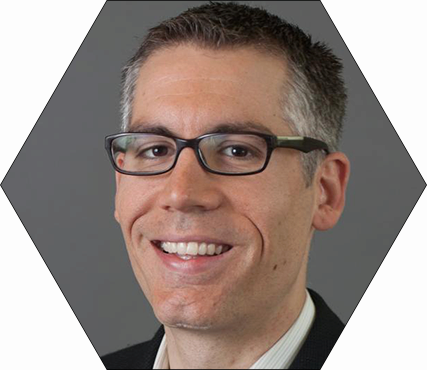
Professor Forest M. White is a faculty member at MIT's Department of Biological Engineering , where he holds the Ned C. and Janet Bemis Rice Professorship . He is affiliated with the Koch Institute for Integrative Cancer Research and the MIT Center for Precision Cancer Medicine . His research focuses on systems biology and computational modeling of signaling networks in cancer, particularly at the tumor-immune interface . Education: B.S. in Chemistry (Framingham State College, 1993), Ph.D. in Analytical Chemistry (Florida State University, 1997) Professional Journey: Postdoc at University of Virginia, Research Scientist at MDS Proteomics, Assistant Professor at MIT (2003), Mitsui Career Development Professor (2005-2008) White employs high-resolution mass spectrometry to analyze protein phosphorylation and antigen presentation in cancer models, complementing genomic/transcriptomic approaches. His lab has identified chronic stress response enzymes linking high-fat diets to metabolic dysfunction and discovered resistance mechanisms in cancer therapies through phosphoproteomics . Scientific Awards: Mitsui Career Development Professorship (2005-2008) Ruth and Joel Spira Award for Excellence in Teaching (2010) Fellowship from the Ludwig Center at MIT The White Lab actively recruits trainees (undergraduates, graduates, postdocs) through programs like MSRP , CSB , and HST . His work is supported by grants from Break Through Cancer and Ludwig Center , with collaborations spanning Cima Lab , Swanson Biotechnology Center , and MIT Koch Institute .
Dr. Craig R. Forest is a Professor at the Georgia Institute of Technology's Woodruff School of Mechanical Engineering, specializing in bioMEMS, neuroengineering, and high-throughput instrumentation. He leads the Precision Biosystems Laboratory, focusing on developing robotic tools for neuroscience and genomics. His research bridges mechanical engineering with biological systems, creating innovations like the PatcherBot for automated electrophysiology. Forest earned his Ph.D. (2007) and M.S. (2003) from MIT and B.S. (2001) from Georgia Tech. He has been recognized with awards including the 2013 Georgia Tech Class of 1940 W. Roane Beard Outstanding Teacher Award and Engineer of the Year (2013). His work emphasizes interdisciplinary collaboration, particularly through initiatives like CREATE-X and the Invention Studio, fostering student entrepreneurship and maker culture. Key contributions include ultra-high-throughput genomics tools, microfluidic systems, and acoustic reporter genes for medical imaging. Forest’s lab explores emerging fields like intracellular robotics in neuroscience and molecular communication networks, with applications in drug discovery and personalized medicine. Scientific awards highlight his impact in education and engineering innovation. His grants and collaborations span academic and industrial partnerships, advancing both theoretical and applied research in bioengineering and nanotechnology.
Gerda de Vries is a Professor in the Department of Mathematics & Statistical Sciences at the University of Alberta, Faculty of Science. Her research focuses on mathematical physiology, dynamical systems, and mathematical modeling, particularly in cellular biophysics, pattern formation, and systems biology. She has contributed extensively to understanding complex biological systems through interdisciplinary approaches combining mathematics and biology. Her work spans applications in radiation biology (e.g., cell cycle dynamics and low-dose radiation effects), biophysics (microtubule organization, motor proteins), ecology (predator-prey interactions, forest fire modeling), and education (adapting primary literature for STEM teaching). Recent research highlights include analyzing saddle-node bifurcations, bystander effects in radiation, and collective behavior in animal groups. De Vries has published over 50 peer-reviewed articles since 2000, with a focus on bridging abstract mathematical theory to concrete biological phenomena. Notable contributions include models of pancreatic β-cell dynamics, immune system versatility, and educational frameworks for mathematical biology. Her academic career includes leadership in curriculum development and interdisciplinary research, though no specific grants or awards are explicitly listed in the provided information.
Xuhui Lee is the Sara Shallenberger Brown Professor of Climate Science at Yale University's School of the Environment. He maintains offices at Kroon Hall (195 Prospect Street) and laboratory facilities at the Class of 1954 Environmental Science Center (21 Sachem Street, Room 300) in New Haven, Connecticut. Professor Lee is an active researcher and educator specializing in the interactions between the terrestrial biosphere, atmosphere, and anthropogenic drivers, with particular expertise in boundary-layer meteorology and climate science. He is currently on leave for the Fall 2025 semester but continues to accept doctoral students. Professor Lee received his B.S.C. and M.S.C. from Nanjing Institute of Meteorology in China, followed by a Ph.D. from the University of British Columbia. His academic journey has positioned him as a leading expert in climate science, particularly in the areas of land-atmosphere interactions and urban climate systems. Professor Lee's research focuses on boundary-layer meteorology, micrometeorological instrumentation, remote sensing, and carbon cycle science. His work examines biophysical effects of land use on the climate system, greenhouse gas fluxes in terrestrial environments (including forests, cropland, and lakes), isotopic tracers in carbon dioxide and water vapor cycling, and urban climate adaptation and mitigation strategies. His lab employs diverse methodologies including field observations (eddy covariance, optical isotope instruments, and greenhouse gas analyzers), mathematical models (land surface models, large-eddy simulation, WRF, and earth system models), and environmental remote sensing (satellites and drones). The Lee Lab investigates phenomena across multiple scales from micro (urban greenspaces) to global (land wet-bulb temperature, historical deforestation). Analysis of Professor Lee's recent publications reveals a strong focus on urban climate systems, greenhouse gas emissions, and land-atmosphere interactions. His 2024-2025 work demonstrates increasing application of advanced remote sensing technologies and machine learning approaches to climate problems, with significant attention to urban heat islands, methane and CO2 emissions monitoring, and the impacts of land use change on climate systems. His research shows a clear trajectory toward more sophisticated integration of observational data with modeling approaches to address critical climate challenges. Sara Shallenberger Brown Professor of Climate Science (named professorship) Professor Lee actively mentors doctoral students and has established the Lee Lab as a hub for climate research at Yale. His lab group conducts field observations, mathematical modeling, and remote sensing analysis to advance understanding of climate systems. The lab's research infrastructure supports investigations from micro-scale urban environments to global climate patterns, with particular emphasis on urban heat mitigation and greenhouse gas monitoring. The Lee Lab at Yale, located in Room 300 of the Class of 1954 Environmental Science Center, serves as the primary research facility for Professor Lee's team. The lab deploys an array of research methodologies including field observations with eddy covariance systems and optical isotope instruments, mathematical modeling using land surface models and earth system models, and environmental remote sensing with satellites and drones. The lab's research spans multiple spatial scales from micro (urban greenspaces) to global (land wet-bulb temperature patterns), addressing critical questions about climate change impacts and mitigation strategies.
Dr. Bikram Banerjee is a Lecturer in Remote Sensing and Geospatial Science at the University of Southern Queensland, affiliated with the School of Surveying and Built Environment. He holds a PhD from UNSW, MTech from IIRS NRSA, and BTech from West Bengal University of Technology. His research focuses on geospatial technologies, machine learning applications in environmental monitoring, and precision agriculture. He is associated with the Centre for Agricultural Engineering, Centre for Crop Health, and Centre for Sustainable Agricultural Systems. Key research interests include UAV-based remote sensing for mine spoil characterization, hyperspectral imaging for crop phenotyping, and integrating IoT/ML for agricultural solutions. His work bridges environmental science, geotechnical engineering, and agricultural technology. Recent publications explore coal spoil analysis, mine safety automation, and vegetation health monitoring using advanced sensor technologies. Dr. Banerjee has supervised doctoral research on mobile laser scanning for underground mines, UAV-LiDAR applications, and proximal sensing for crop phenotyping. His research outputs have garnered over 2,327 views and 1,160 downloads, reflecting significant impact in geospatial and agricultural domains. He actively contributes to interdisciplinary projects addressing environmental sustainability and resource management challenges.
Miguel Mahecha is Professor of Environmental Data Science and Remote Sensing at the University of Leipzig, where he serves as Institute Head of the Institute for Earth System Science and Remote Sensing. He is also affiliated with the Remote Sensing Centre for Earth System Research, a collaboration between Leipzig University and the Helmholtz Centre for Environmental Research (UFZ). Mahecha is a member of the German Centre for Integrative Biodiversity Research (iDiv) and serves as Principal Investigator in the Centre for Scalable Data Analytics and Artificial Intelligence. Additionally, he is a Fellow of the European Laboratory for Learning and Intelligent Systems and co-spokesperson for the National Research Data Infrastructure for Earth System Sciences (NFDI4Earth). Full Professor for Modelling Approaches in Remote Sensing, University of Leipzig (since 03/2020) Research Group Leader: Empirical Inference in the Earth System, Max Planck Institute for Biogeochemistry, Jena (12/2012 - 03/2020) PostDoc, Max Planck Institute for Biogeochemistry, Jena (10/2009 - 11/2012) PhD in Environmental Sciences, ETH Zürich (06/2006 - 09/2009) Diploma in Geoecology, Bayreuth University (10/2000 - 04/2006) Mahecha's research focuses on understanding ecosystem responses to climate extremes and human-environment relationships during these events. He investigates macro-ecological dynamics and ecosystem functioning using data-driven methods and high-dimensional Earth observations. A key contribution is his co-development of the Earth System Data Cube concept, which integrates empirical methods with theoretical understanding to analyze complex Earth system interactions. His work spans biogeography, ecosystem functioning, and advanced data science methodologies for environmental monitoring. His recent publications demonstrate a strong emphasis on analyzing compound climate extremes, particularly heatwaves and droughts, and their impacts on ecosystems. Mahecha has pioneered methods using Earth System Data Cubes to integrate diverse environmental datasets, enabling novel insights into biosphere-atmosphere interactions. His research increasingly incorporates artificial intelligence and machine learning approaches to understand spatiotemporal patterns in ecological systems, with applications in real-time forest monitoring and biodiversity assessment. Fellow of the European Laboratory for Learning and Intelligent Systems Co-spokesperson for NFDI4Earth (National Research Data Infrastructure for Earth System Sciences) Mahecha leads multiple significant research projects including Digital Forest (real-time forest monitoring), NFDI4BioDiversity, and XAIDA (extreme events: AI for Detection and Attribution). His work receives funding from diverse sources including EU, DFG, and Stiftungen Inland. He collaborates extensively with the German Centre for Integrative Biodiversity Research (iDiv) and the Centre for Scalable Data Analytics and Artificial Intelligence. His research group, Earth System Data Science (ESDS), focuses on developing methods to extract valuable information from long-term environmental observations to understand coupled Earth system dynamics. At the Remote Sensing Centre for Earth System Research, Mahecha's ESDS group investigates how ecosystem functions respond to climate extremes, societal vulnerability to environmental hazards, and nonlinear interactions in coupled Earth systems. The group leverages citizen science data, remote sensing observations, and advanced computational methods to address pressing environmental questions.
Gabriel Garbanzo León is an external researcher affiliated with the Centre for Crop Systems Analysis , focusing on biophysical and agricultural challenges in coastal West African ecosystems. His work primarily addresses soil salinity, water dynamics, and sustainable rice production in Guinea-Bissau's mangrove swamps . Research Interests : Soil salinity diagnosis and mitigation in mangrove environments Hydrological modeling for agricultural water efficiency Biophysical characterization of coastal rice production systems Integration of remote sensing in agricultural monitoring Article Trends : Recent publications emphasize interdisciplinary approaches (soil science, ecology, and remote sensing) to optimize resource use in mangrove rice systems, with a focus on Guinea-Bissau and regional collaborations. Network & Collaborations : Active in international agricultural research networks, collaborating with scholars in Portugal (e.g., do Rosário Cameira, Paredes ) and institutions studying Western Africa and Mangrove Forests .
Charles M. Bachmann is a Professor at the Chester F. Carlson Center for Imaging Science , part of the College of Science at Rochester Institute of Technology (RIT) . He also holds the Frederick and Anna B. Wiedman Chair and serves as the CIS Graduate Program Coordinator since 2016. His research focuses on hyperspectral remote sensing of coastal and desert environments, with expertise in BRDF and radiative transfer modeling, goniometer development, and manifold/graph algorithms for multi-sensor imagery analysis. Recent work emphasizes UAS-based soil moisture and carbon mapping for climate studies. Education : AB in Physics (Princeton, 1984), Sc.M. (1986) and Ph.D. (1990) in Physics (Brown University). Scientific Awards : U.S. Patents for hyperspectral remote sensing methods. Teaching : Radiometry, Radiative Transfer, Mathematical Methods of Imaging Science, and graduate thesis/research courses. Students : Mentored research on soil moisture, coastal biomass, and UAS applications.
PD Dr. Günter Hoch is a Senior Lecturer in the Department of Environmental Sciences – Botany at the University of Basel , Switzerland. His research centers on the ecophysiology of trees , with a particular emphasis on carbon storage dynamics , drought stress responses , and the resilience of forest ecosystems to climate change. Research Focus: Carbon allocation and storage in trees under carbon limitation Physiological controls of non-structural carbohydrate reserves (e.g., starch, lipids) Drought-induced tree mortality and recovery mechanisms Whole-tree carbon balance and growth under environmental stress Scaling from individual tree responses to ecosystem-level processes Approach: His team integrates field observations , experimental manipulations , and biophysical modeling to understand how trees regulate carbon reserves and water relations under stress. A key goal is to identify biomarkers (e.g., starch concentrations in sapwood) that reflect the carbon status and health of trees. Recent Work: His publications span high-impact journals like Nature Reviews Earth & Environment , New Phytologist , and Global Change Biology , addressing topics such as hydraulic failure, carbon starvation, and the impacts of extreme droughts (e.g., 2018 Central European drought) on forest ecosystems. Collaborations: He contributes to large-scale networks like TreeNet , a Swiss initiative monitoring drought and growth indicators in forests, and collaborates internationally on projects linking plant ecophysiology to biogeochemical cycles. Contact: guenter.hoch@unibas.ch | Tel: +41 (0)61 207 35 14
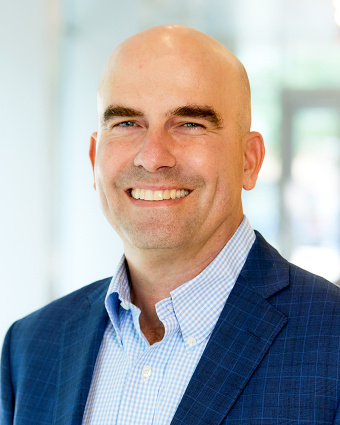
Michael Obersteiner is Professor and Director of the Environmental Change Institute (ECI) at the University of Oxford, where he leads interdisciplinary research on climate change, ecosystems, and sustainability. He previously served as Director of the Ecosystems Services and Management (ESM) Program at the International Institute for Applied Systems Analysis (IIASA), a position he held since 2011. His research focuses on biophysical and economic modeling of terrestrial ecosystems, forestry, agriculture, and integrated assessment, with strong applications in environmental policy. His work supports science-based decision-making for institutions including the European Commission, WWF, and OECD. He has published over 250 scientific papers and is recognized as a Highly Cited Researcher by Clarivate. The recent publications reflect a consistent focus on climate change mitigation, sustainable land use, carbon sequestration, and policy modeling. Key trends include the integration of economic and ecological models, scenario analysis for global change, and the role of land-based solutions in achieving climate targets. His work frequently bridges science and policy, emphasizing actionable insights. Highly Cited Researcher (Top 1% by citations, Clarivate) Professor Obersteiner has advised numerous national and international organizations, translating complex modeling outputs into policy recommendations. While specific grant details are not listed, his leadership of large-scale programs at IIASA and Oxford indicates substantial funding from public and international bodies. He has mentored researchers and led multidisciplinary teams, though formal student advisees are not named in the text. He has led major research units including the ESM Program at IIASA and now directs the Environmental Change Institute at Oxford, fostering collaborative, interdisciplinary teams focused on global environmental challenges.
Dr. Armando Marino is a Senior Lecturer in Earth Observation at the University of Stirling’s Department of Biological and Environmental Sciences since 2018. He holds an MSc in Telecommunication Engineering (2006, Universita’ di Napoli) and a PhD in Polarimetric SAR Interferometry (2011, University of Edinburgh). His research focuses on synthetic aperture radar (SAR) for environmental monitoring, including maritime pollution, forest degradation, agricultural productivity, and coastal erosion. Education: MSc Telecommunication Engineering, Universita’ di Napoli ‘Federico II’ (2006) PhD in Remote Sensing, University of Edinburgh (2011) Marino develops machine learning algorithms for SAR data analysis and conducts fieldwork with custom-built radar systems. He collaborates with institutions like ESA, JAXA, and NASA, leading projects such as PlasticSurf (microplastic detection) and MoLaDy (ALOS-4 land monitoring). His work integrates optical and SAR satellite data for flood mapping and vegetation analysis. He has received accolades including the RSPSoc Best PhD Thesis (2011) and University of Stirling’s Outstanding Collaborator award (2022). Current projects involve £180,000+ in funding for radar-based environmental solutions. Scientific Awards: Best PhD Thesis 2011 (RSPSoc) Outstanding PhD Thesis (Springer Verlag) Outstanding Collaborator 2022 (University of Stirling) Marino’s methodologies combine SAR polarimetry, computer vision, and environmental field measurements. He actively mentors interdisciplinary teams and contributes to global initiatives on climate hazard mitigation.
Dr. Michael Vermeuel is an Assistant Professor in the Department of Earth, Atmospheric, and Planetary Sciences at Purdue University. He leads the AIR CheM (Atmospheric Interdisciplinary Research in Chemistry and Meteorology) group, focusing on reactive atmospheric gases impacting air quality, climate, and ecosystems. His work combines field observations, chemical transport modeling, and laboratory studies. Education: PhD in Chemistry (2021), University of Wisconsin – Madison MS in Chemistry (2017), University of Wisconsin – Madison BS in Chemistry (2015), The College of New Jersey Research Interests: Dr. Vermeuel’s group investigates the sources and fates of atmospheric chemicals using advanced techniques such as chemical ionization mass spectrometry and micrometeorological flux measurements. Key areas include ozone deposition dynamics, VOC cycling in forests, and marine-abiotic VOC sources. His work bridges laboratory experiments, field campaigns (e.g., FROG-NY, FluCS), and model development to address environmental challenges. Awards: AGU James R. Holton Award (2024) His lab emphasizes interdisciplinary collaboration, with projects addressing urban pollution, wildfire impacts, and climate feedbacks. Current research includes the Fluxes of Reactive Organic Gases in New York (FROG-NY) and the Flux Closure Study (FluCS) at Manitou Experimental Forest.