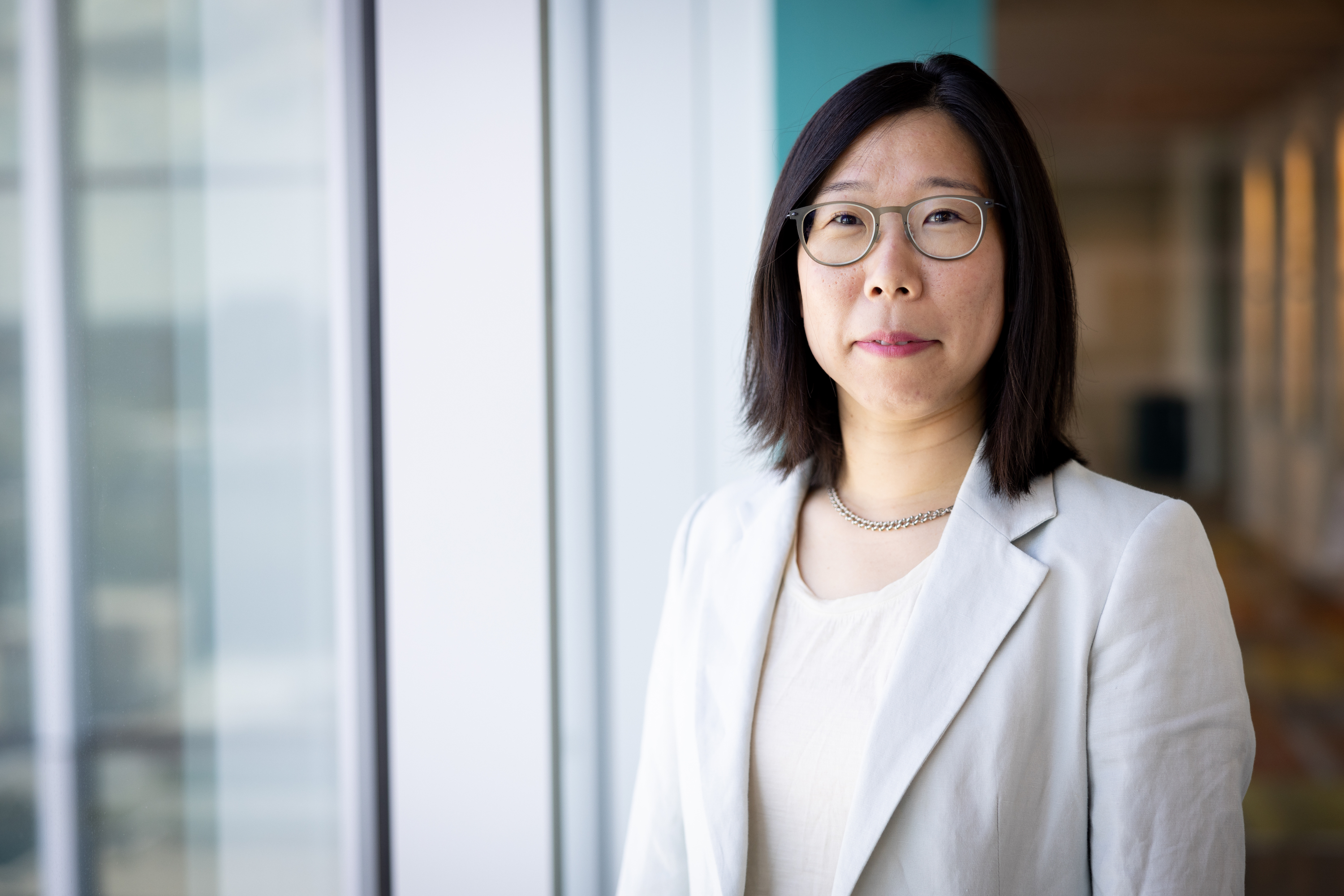
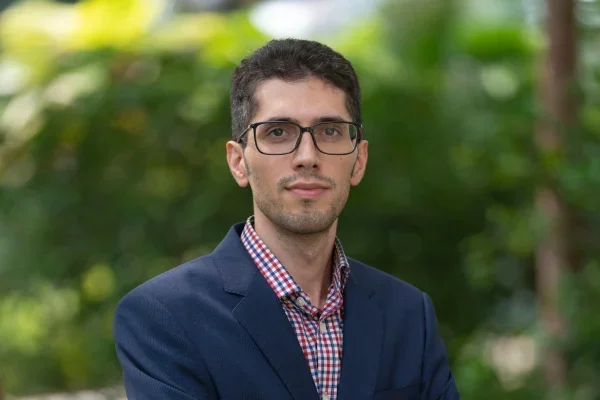
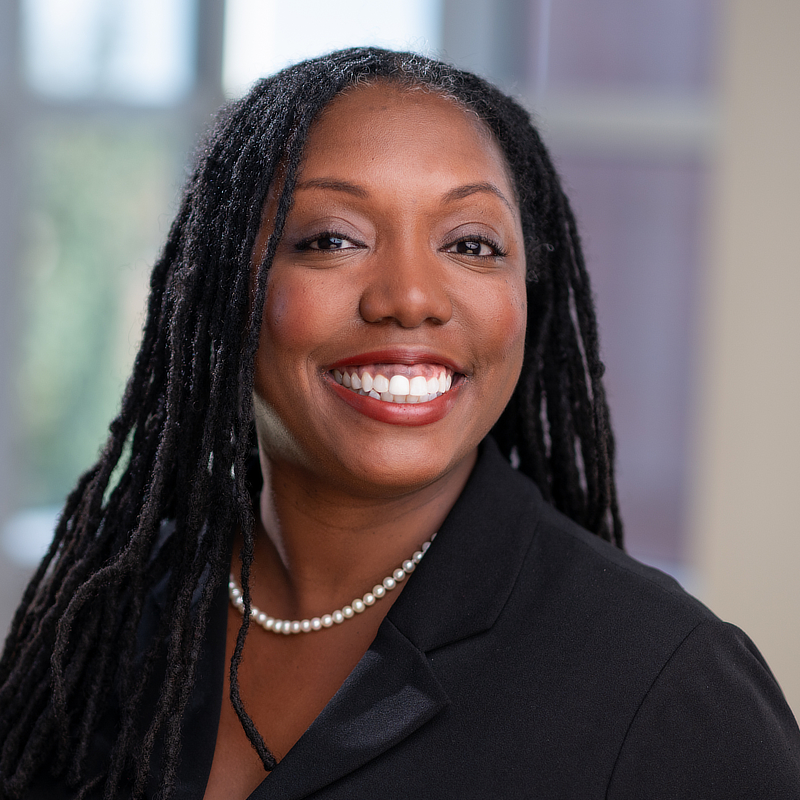
Sharese King is the Neubauer Family Assistant Professor of Linguistics at the University of Chicago, where she has taught since 2018. She earned her Ph.D. and Master's in Linguistics from Stanford University, focusing on language variation across African American communities. Her research bridges sociolinguistics, critical race theory, and phonetics to examine how African American speech is constructed, racialized, and socially evaluated. Education: Ph.D., Linguistics, Stanford University (2018) M.A., Linguistics, Stanford University Research Interests: Sociolinguistics Language Variation & Change African American Language Critical Race Theory Phonetic and experimental analysis Dialect and judicial systems Notable Contributions: Interdisciplinary studies on raciolinguistics and courtroom bias Analysis of /s/ articulation in intersectional contexts Reconceptualization of AAVE as AAL to emphasize linguistic diversity Fieldwork in Bakersfield, Rochester, and Chicago Publications in American Speech , Journal of Sociolinguistics , Language , and Nature Scientific Awards: Provost's Postdoctoral Fellowship Neubauer Family Assistant Professorship Labs & Projects: Co-founder of the Chicagoland Language Project
Wei Xu is an Associate Professor at Georgia Institute of Technology's College of Computing and School of Interactive Computing, with affiliations to the Machine Learning Center. Their research bridges machine learning, natural language processing, and social media with focus areas in large language models, cultural bias mitigation, multilingual capabilities, and human-AI collaboration in text evaluation. NSF CAREER and Google Academic Research Award recipient Director of NLP X Lab PhD from New York University, BSMS from Tsinghua University Research interests span: Multilingual Multicultural LLMs addressing representational gaps and cultural adaptation in language models (NAACL 2025, ACL 2024); Robustness and Reasoning through dynamic AGI evaluations (ACL 2024, EMNLP 2024); Interdisciplinary NLP applications in security, healthcare, and law (EMNLP 2024, ACL 2024). Recent publications focus on multilingual alignment (NAACL 2025), privacy risk estimation (arXiv 2025), cultural bias analysis (ACL 2024), and medical text simplification (EMNLP 2024). Key themes include bias mitigation, multimodal processing, and practical LLM evaluation. Scientific Awards : NSF CAREER, Google/Sony/Criteo research awards, ACL'24 Best Social Impact Award, COLING'18 Best Paper Advising 15 PhD/MS/BSMS students including Yao Dou (human-centered LLM evaluation), Tarek Naous (multilingual LLMs), and alumni like Chao Jiang (Apple AI/ML) and Yang Chen (NVIDIA research scientist). Teaches graduate courses on NLP and LLMs.
Ameil Joseph is an Associate Professor at McMaster University's School of Social Work, where they contribute to critical scholarship at the intersection of mental health, race, and social justice. Their work examines how ideas about difference, normalcy, sexuality, eugenics, race, ability and mental 'illness' cohere and perform within policy, law and practice, with over a decade of professional experience in mental health settings including supportive housing, settlement services, crisis respite, and forensic community treatment. Education: Ph.D in Social Work, York University (2009-2014) MSW, Wilfrid Laurier University (2005-2007) BA in Psychology, University of Waterloo (1998-2003) Dr. Joseph's research engages with critical mental health, postcolonial theory, critical race theory, and critical disability studies to examine the historical production of ideas about difference. Their scholarship particularly focuses on how these ideas manifest in mental health systems, immigration policy, and criminal justice, with attention to issues of social justice, violence, ethics, and confluence. Their work bridges theoretical frameworks with practical implications, addressing the complex interplay of colonialism, racism, sanism, and eugenics in contemporary social systems. Analysis of Dr. Joseph's recent publications reveals a sustained focus on colonial and eugenic violence within mental health, immigration, and criminal justice systems. Their scholarship consistently examines how racism, sanism, and ableism intersect to produce particular forms of state violence, particularly against racialized immigrants with mental health conditions. Recent work has expanded to address temporal dimensions of oppression, data colonialism, and community responses to grief and loss during the pandemic, demonstrating both theoretical sophistication and practical relevance to current social issues. Scientific Awards: University Scholar 2025 - Recognized for research leadership and impact among eight McMaster professors honored as University Scholars Dr. Joseph has secured significant research funding, including nearly $75,000 from the Social Sciences and Humanities Research Council (SSHRC) for community-engaged projects addressing social justice issues. Their teaching portfolio includes advanced courses on critical mental health perspectives, race and colonialism in Canadian society, and social justice theory. While specific graduate students aren't listed in available materials, their extensive co-author network suggests active mentorship and collaboration. Dr. Joseph contributes to community-based initiatives in Hamilton addressing racism in healthcare and mental health systems, connecting academic scholarship with practical community responses to systemic issues. Dr. Joseph maintains an active presence in community responses to contemporary challenges, particularly through initiatives addressing grief during the pandemic and systemic racism in healthcare. Their work exemplifies the integration of scholarly rigor with community engagement, demonstrating how academic research can inform and be informed by real-world social justice efforts.
Asaf Cidon is an Associate Professor at Columbia University, jointly affiliated with the Department of Electrical Engineering and Computer Science, and a member of the Data Science Institute. His research focuses on software systems , storage , large-scale machine learning , and cybersecurity . Stanford University - PhD in Electrical Engineering Stanford University - MS in Electrical Engineering Technion - BS in Computer and Software Engineering His work in distributed storage systems has been commercialized by companies such as Facebook, Tibco, and Rubrik. He has led projects like Sentinel and Forensics during his industry career. Recent publications highlight advancements in software-based radiation protection (ASPLOS'26), PCIe pooling with CXL (HotOS'25), and AI phishing detection (IMC'25). These reflect his expertise in system architecture , security , and networking . Scientific recognitions include best paper awards at OSDI, Usenix Security, CIDR, and ATC, along with NSF CAREER and ARO Young Investigator Awards . His papers Cookie Monster (SOSP'24) and Chablis (CIDR'24) received notable accolades. He has mentored numerous PhD and Master's students , including Edward Guo, Harry Wang, and Teng Jiang, many of whom now hold roles at Google, Meta, Amazon, and academic institutions. His lab at Columbia is actively recruiting CS and EE PhD students. Prior to Columbia, he founded and led the startup Sookasa to acquisition and served as Senior Vice President of Email Protection at Barracuda Networks , managing a $200M business with 100 engineers.
Dr. Janet Garcia-Hallett is an Associate Professor of Criminal Justice in the Henry C. Lee College of Criminal Justice and Forensic Sciences at the University of New Haven. She earned her Ph.D. in Criminal Justice from Rutgers University School of Criminal Justice and specializes in research examining the intersection of race, gender, and the criminal legal system, with particular focus on formerly incarcerated mothers of color. Dr. Garcia-Hallett's educational background includes: Ph.D., Criminal Justice, Rutgers University School of Criminal Justice M.A., Criminal Justice, Rutgers University School of Criminal Justice B.A., Cum Laude, Honors in Sociology and Psychology, CUNY Macaulay Honors College: Hunter College Her research interests focus on the detrimental impact of incarceration on communities of color and the intersectional obstacles women of color face throughout the criminal legal process. She examines how formerly incarcerated mothers navigate motherhood while confronting systemic barriers related to gender, race, and criminal record. Her work challenges traditional narratives about mass incarceration that have historically centered on men, instead highlighting the unique experiences of women of color who must perform motherwork under oppressive conditions of surveillance and marginalization. Analysis of Dr. Garcia-Hallett's publications reveals consistent themes across criminal justice, gender studies, and race theory. Her work demonstrates a strong focus on qualitative methodologies to center the voices of marginalized populations, particularly examining the intersection of motherhood and incarceration. Recent publications increasingly address public health issues within correctional settings and community reentry challenges. Her research consistently applies critical race and feminist frameworks to challenge systemic oppression within the criminal legal system. Dr. Garcia-Hallett has received significant recognition for her scholarship: 2023 ASA Ida B. Wells-Barnett Distinguished Book Award Multiple 2023 finalists and honorable mentions for book awards 2019 SAGE Junior Faculty Professional Development Teaching Award University of Missouri President's Award for Intercampus Collaboration Her grant funding demonstrates substantial research impact, including the Prison Research and Innovation Network ($200,000) and collaboration on a $2.8 million Arnold Ventures grant for the Missouri Prison Transformation Project. Dr. Garcia-Hallett actively engages in community partnerships, such as her work with Winning Ways Inc. to empower women in the community. Her media presence shows significant public engagement through op-eds in Ms. Magazine and Hartford Courant addressing critical issues like abortion rights for incarcerated women.
Maksym Andriushchenko is an incoming faculty member at the ELLIS Institute Tübingen and Max Planck Institute for Intelligent Systems , where he will lead the AI Safety and Alignment group as a principal investigator. Currently, he is a Doctoral Assistant at the Theory of Machine Learning Laboratory (TML) within the Department of Computer Science (IINFCOM) at Swiss Federal Institute of Technology in Lausanne (EPFL) . His work focuses on AI safety, adversarial robustness, and alignment of large language models (LLMs) with societal values.
Dr Borge Bakken is a Researcher affiliated with the ANU College of Arts and Social Sciences at The Australian National University. His work focuses on Chinese governance, criminology, and socio-legal systems with particular emphasis on corruption dynamics, criminal justice reforms, and socio-political structures in modern China. He has conducted extensive research on topics including wrongful convictions, rural criminal networks, and institutional corruption mechanisms. Research Interests: Dr Bakken's expertise spans Chinese legal frameworks, socio-political governance, and criminological studies. His work critically examines how social norms intersect with punitive measures in contemporary China, particularly in areas like anti-corruption policies and judicial transparency. Recent studies include analyses of 'criminal villages' and evolving corruption forms within state-owned enterprises. Publications: His 2021 article on corruption in China explores land management and state asset misappropriation. Earlier works address wrongful convictions and the socio-legal challenges in rural crime networks. His research demonstrates a focus on institutional accountability and systemic governance issues. Labs/Teams: Not explicitly mentioned, but his collaborative work with co-author Wang, J. (2021) suggests interdisciplinary engagements within ANU's China studies networks.
Dr. Mo Adda is a Principal Lecturer at the University of Portsmouth's School of Computing, part of the Faculty of Technology. He holds a PhD in Distributed Systems and Parallel Processing from the University of Surrey. His research focuses on network security, distributed systems, wireless networks, and cybercrime prevention. He leads projects in the Centre for Cybercrime and Economic Crime, exploring fault management in networks, blockchain applications, and IoT forensics. With 16 supervised theses, he advises on topics like energy-efficient cloud systems and machine learning for environmental modeling. His work bridges academia and industry, addressing challenges in software-defined networks, traffic control, and secure data sharing in social networks. Education: PhD in Distributed Systems (University of Surrey) Affiliations: Centre of Excellence in Defence, Risk & Resilience; Portsmouth Centre for Advanced Materials and Manufacturing Research Interests Dr. Adda's research spans: Network security and fault detection mechanisms Blockchain applications in IoT and forensics Energy-efficient cloud data center optimization Machine learning for climate modeling Self-organizing network protocols Grants & Collaborations His projects include collaborations with industry partners on secure data leakage detection in cloud systems and resilient wireless protocols for harsh environments. He has pioneered fault classification systems using clustering algorithms and fuzzy logic. Labs & Teams He contributes to the Centre for Cybercrime and Economic Crime, focusing on digital forensics and network intrusion analysis. His team develops frameworks for privacy management in social networks and proactive routing in software-defined networks.
Michele Zorzi is a Professor of Telecommunications at the School of Engineering, University of Padova, Italy, where he has held a faculty position since 2003. He leads the SIGNET (Signal processing and Networking) Research Group, focusing on cutting-edge wireless networking challenges including mmWave communications and underwater networks. His extensive publication record exceeds 600 papers in top-tier journals and conferences, reflecting significant contributions to the field through both theoretical and experimental work. He received his Laurea Degree (1990) and Ph.D. (1994) in Electrical Engineering from the University of Padova. Prior academic appointments include Politecnico di Milano (1993-1996), University of California San Diego (1995-1998), and University of Ferrara (1998-2003), where he progressed from Associate Professor to full Professor. His educational trajectory demonstrates deep roots in Italian academia with international exposure. Professor Zorzi's research spans wireless communications and networking, with current emphases on mmWave networking for vehicular systems, underwater acoustic/optical communications, non-terrestrial networks, and AI-driven networking solutions. His group conducts experimental validations including at-sea trials for underwater systems and testbeds for vehicular networks. Key projects include PRATA for predictive QoS in autonomous driving and IoT-based environmental monitoring of the Venice Lagoon, demonstrating practical applications of theoretical work. Analysis of his 2022-2025 publications reveals strong trends in applying artificial intelligence to networking challenges across diverse environments. There is significant emphasis on vehicular networks (predictive QoS, teleoperated driving), underwater systems (acoustic/optical communications, AUV swarms), and satellite networks (Starlink integration, NTN security). Experimental validation in real-world scenarios like the Venice Lagoon monitoring project and underwater sea trials characterizes his applied research approach. His scientific accolades include: IEEE Fellow (2007) IEEE Communications Society Best Tutorial Paper Award (2008, 2019) Stephen O. Rice Best Paper Award (2018) Multiple best paper awards at IEEE conferences (2005-2020) As principal investigator for numerous European and US research projects plus 20+ industry-funded initiatives, Professor Zorzi has mentored over 35 PhD students and post-docs. Graduates now hold prominent positions at institutions including Stanford, UCSD, CTTC, and Huawei. His SIGNET group maintains active international collaborations and contributes to open-source networking tools via GitHub, demonstrating commitment to community engagement. The SIGNET Research Group, housed within the Department of Information Engineering, operates specialized experimental facilities for mmWave and underwater communications. Current initiatives include AI-based predictive QoS frameworks for vehicular networks, underwater optical communication systems using ultraviolet light, and large-scale IoT deployments for environmental monitoring. The group's GitHub presence indicates strong open-science practices, while recent sea trials confirm hands-on experimental capabilities beyond theoretical work.
Reza Shokri is a Dean's Chair Associate Professor in the Department of Computer Science at the National University of Singapore (NUS), School of Computing. His research lies at the intersection of data privacy, security, and trustworthy machine learning, with a focus on quantifying privacy risks and developing robust, fair, and interpretable models. PhD in Computer Science, EPFL His research interests center on data privacy and trustworthy machine learning , particularly in the context of deep learning and federated systems. He investigates how machine learning models memorize training data, leading to privacy leakage, and designs frameworks to audit and mitigate such risks. His work bridges theoretical guarantees with practical applications, emphasizing the trade-offs among privacy, fairness, robustness, and utility. His recent publications (2023–2025) reveal a strong trend in analyzing privacy in large language models (LLMs), membership inference attacks, federated learning, and fairness. These works are published in top venues such as NeurIPS, ICML, ICLR, CCS, and FAccT, highlighting his leadership in both AI and security communities. Notable scientific awards include: Asian Young Scientist Fellowship (2023) Intel Outstanding Researcher Award (2023) Best Paper Award, ACM FAccT (2023) IEEE S&P Test-of-Time Award (2021) Caspar Bowden Award for Privacy Enhancing Technologies (2018) NUS Presidential Young Professorship (2019–2023) VMware Early Career Faculty Award (2021) He has advised numerous PhD and Master’s students, many of whom have contributed to high-impact publications. He has also received research grants from major industry partners including Meta, Google, Intel, and VMware. He leads the Data Privacy and Trustworthy Machine Learning Lab at NUS and has served on program committees for top conferences such as IEEE S&P, ACM CCS, and FAccT, including co-chairing roles at HotPETs and Shadow PC of IEEE S&P. He has delivered tutorials at ICML and CCS on privacy auditing in machine learning. His lab focuses on developing tools and frameworks—such as the ML Privacy Meter—for assessing and improving the privacy properties of machine learning models, with applications in regulatory compliance and secure AI deployment.
Peter A. Flach is Professor of Artificial Intelligence at the Intelligent Systems Laboratory, School of Computer Science, University of Bristol, where he has been faculty since 1997 and was promoted to Professor in 2003. He currently directs the UKRI AI Centre for Doctoral Training in Practice-Oriented Artificial Intelligence and serves as Vice-President of the European Association for Data Science (EuADS), having previously served as its President. His research centers on rigorous evaluation and improvement of machine learning systems, with seminal contributions to classifier calibration (including Beta Calibration and Precision-Recall-Gain curves), explainable AI frameworks, and data science methodology. He pioneered the extension of CRISP-DM to data science trajectories and developed Explainability Fact Sheets for systematic assessment of XAI approaches. His work bridges theoretical foundations with practical deployment in real-world systems. Analysis of his recent publications reveals a dominant focus on interpretable and reliable machine learning, with strong emphasis on performance evaluation metrics, model calibration techniques, and human-centered explainability. His research increasingly addresses healthcare applications through projects like SPHERE and clinical decision support systems, while maintaining core contributions to fundamental ML theory. His scientific recognition includes prestigious fellowships: Fellow of the European Lab for Learning and Intelligent Systems (ELLIS) Fellow of the European Association for Artificial Intelligence (EurAI) Professor Flach has secured major research funding including UKRI Centre for Doctoral Training grants and EU network funding (TAILOR). He leads extensive collaborations across Engineering, Population Health Science, and international institutions (Monash University, Polytechnic University of Valencia), plus over 20 industry partners in the Practice-Oriented AI CDT including LV= and QinetiQ. His work with the SPHERE project demonstrates successful translation of AI research into residential healthcare settings. He leads the Intelligent Systems Laboratory at Bristol, which develops influential open-source tools including the FAT Forensics Python toolbox for algorithmic fairness and the Explainability Fact Sheets framework. His lab maintains strong connections with the European AI community through ELLIS and EurAI, positioning Bristol as a hub for human-centered and methodologically rigorous AI research.
Danielle T. Cooper is an Associate Professor at the University of New Haven , affiliated with the Henry C. Lee College of Criminal Justice and Forensic Sciences and the Criminal Justice Department . She also serves as the Director of Research for the Tow Youth Justice Institute and Chair of the Criminal Justice Undergraduate Committee . Education Ph.D. in Criminology, Law, & Society, University of Florida, 2015 M.A. in Criminology, Law, & Society, University of Florida, 2011 B.S. in Justice Systems, Truman State University, 2009 Dr. Cooper’s research focuses on youths and young adults , juvenile justice policy reform , sex offender registration policies , and police-community dynamics . Her work emphasizes restorative justice , systemic equity , and prevention strategies for marginalized communities. Recent publications explore diversion programs , economic impacts of sex offender registries , and media narratives in criminal justice . Her awards highlight contributions to diversity, equity, and inclusion , as well as leadership development . Scientific Awards 2019 Faculty of the Year Award 2021 MO-KAN-NE TRIO Achiever Alumni Award 2021 Faculty Excellence in DEI 2022 Martin Luther King, Jr. Vision Faculty Award 2024 RAND Pardee Fellowship She has secured grants for diversionary services and youth-police relations , and her media commentary addresses youth violence , census participation , and social justice .
Lara Ferry is the Vice President of Research at Arizona State University (ASU), holding the title of President’s Professor. She is affiliated with the New College of Interdisciplinary Arts and Sciences, specifically the School of Mathematical and Natural Sciences, and serves as graduate faculty in the School of Life Sciences. Her roles include advancing research strategies, fostering interdisciplinary collaborations, and enhancing partnerships with institutions, communities, donors, and industry. Ferry is also a PLuS Alliance Fellow, a Senior Global Futures Scientist at the Global Institute of Sustainability and Innovation, and affiliated with the Biodesign Institute and Global Security Initiative. She holds honors faculty status in ASU’s Barrett Honors College. Her academic background includes a B.S. in Biology from Cal Poly State University, M.S. in Marine Science from San Francisco State University, Ph.D. in Ecology and Evolutionary Biology from UC Irvine, and postdoctoral work at UC Davis. Her research focuses on functional morphology, particularly the evolution of jaws and skeletal materials in aquatic organisms. She has contributed to understanding prey capture mechanisms in fish and the biomechanics of cartilage in elasmobranchs. Ferry’s awards include the 2016 Outstanding Faculty Mentor Award, 2014 Outstanding Research/Creative Activity Award, and the 2018 President’s Professor title. She has led initiatives in equity, diversity, and inclusion (JEDI) and served on boards of professional societies like the American Elasmobranch Society and Society for Integrative and Comparative Biology. Her editorial roles include Senior Executive Editor of Functional Ecology and editorial board memberships in journals like Integrative & Comparative Biology . Her research activity spans functional morphology, biomechanics, and marine physiology, with grants focused on interdisciplinary education and diversity in STEM. Notable projects include studies on cartilage strength in sharks and collaborations on cultural change in professional societies.
Joël Brugger is a Professor of Synchrotron Geosciences at Monash University, where he is affiliated with the School of Earth, Atmosphere and Environment. He earned his PhD from the University of Basel in 1996 and has held academic and research positions at the University of Adelaide and South Australian Museum before joining Monash in 2014. His research leverages advanced synchrotron techniques to investigate geochemical processes in natural and anthropogenic systems. His research interests include: Synchrotron-based geochemistry Formation of rare earth element deposits Biogeochemical cycling of critical and toxic elements (e.g., tellurium) Environmental behavior of radioactive particles (e.g., plutonium at Maralinga) Mineral-microbe-fluid interactions Sustainable mineral extraction technologies His recent publications highlight the use of high-energy X-rays to study ore formation, nanoparticle dynamics, and environmental contamination. These works demonstrate a strong trend toward interdisciplinary, experiment-driven geochemistry with implications for renewable energy and environmental safety. His research is frequently published in high-impact science communication platforms and peer-reviewed journals. Scientific awards and recognitions include: No specific awards listed in the source material. He actively engages in research supervision, consulting, and media outreach. His work is supported by the Australian Research Council and industry partners in the mining sector. He leads a multidisciplinary team and collaborates internationally, particularly in synchrotron science facilities in Europe. He has contributed to studies involving nanoscale imaging, environmental risk assessment, and clean technology development. He is involved in research teams and labs such as: Minerals, Microbes and Solutions research group (formerly at University of Adelaide) Monash Centre for Electron Microscopy Collaborations with Diamond Light Source (UK) and European Synchrotron Radiation Facility (France)
Dr. Euijin (Alley) Choo is an Assistant Professor in the Department of Computer Science at the University of Alberta, specializing in data-driven cybersecurity and big data analytics. Her research focuses on AI-based cybersecurity solutions, anomaly detection in network traffic, and adversarial attacks on federated learning systems. She holds a Ph.D. from North Carolina State University and has held roles at Qatar Computing Research Institute, Korea University, and the University of Missouri-Rolla. Education: Ph.D., Computer Science, North Carolina State University (2015) M.S., Computer Science & Engineering, Korea University (2008) B.S. Dual Degree in Computer Science & Mathematics, Korea University (2006) Research Interests: Security and big data analysis intersections Federated learning security and privacy Anomaly detection in network logs and enterprise systems Malware/phishing detection using graph inference AI-driven threat intelligence aggregation Recent Grants: Mitacs Accelerate Program Grant: Fraud Detection in Financial Graphs ($60,000, 2025) National CyberSecurity Consortium Grant: IntruderInsight ($2M, 2025-2027) NSERC Discovery Grant: Threat Detection Framework ($180,000, 2025-2031) Awards: Best Paper Award at DBSEC 2015 NSERC Early Career Researcher Award (2025) Provost Fellowship (NC State, 2009-2010) Labs/Teams: Leads the Data-driven Network and Cyber Security (DANS) Lab, focusing on federated learning defenses, compromised entity detection, and malicious domain analysis.