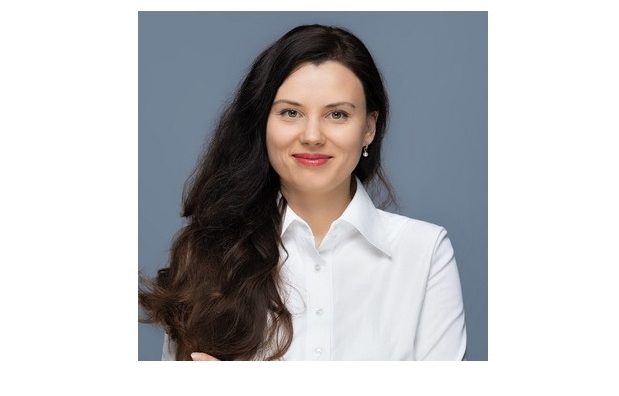
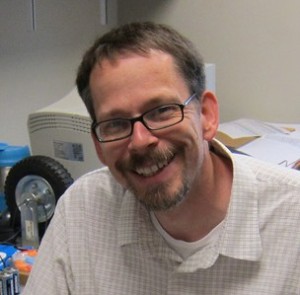
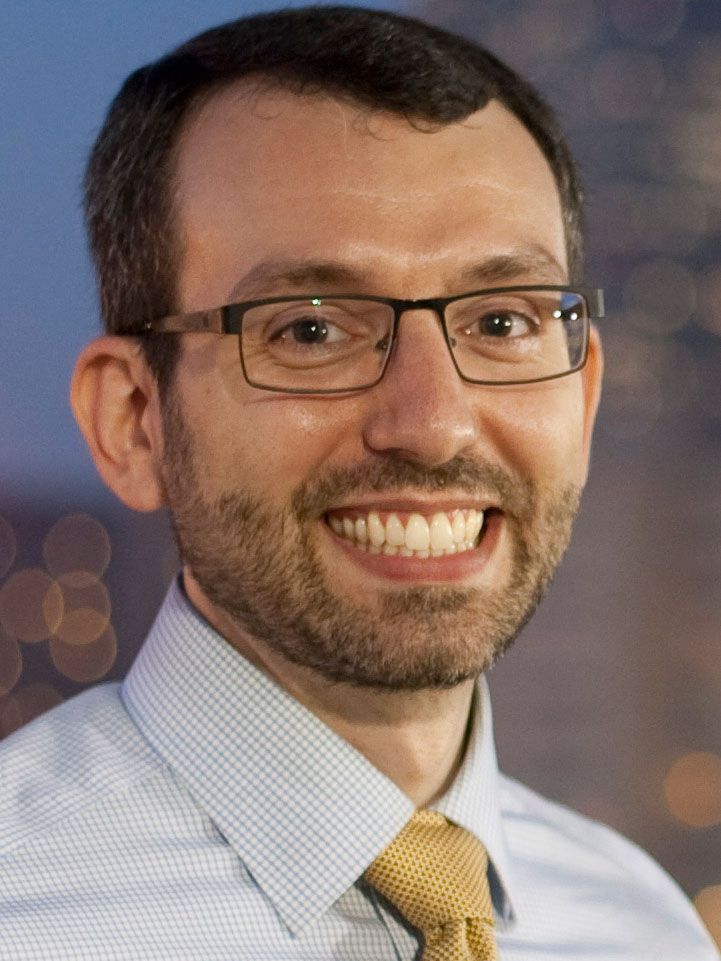
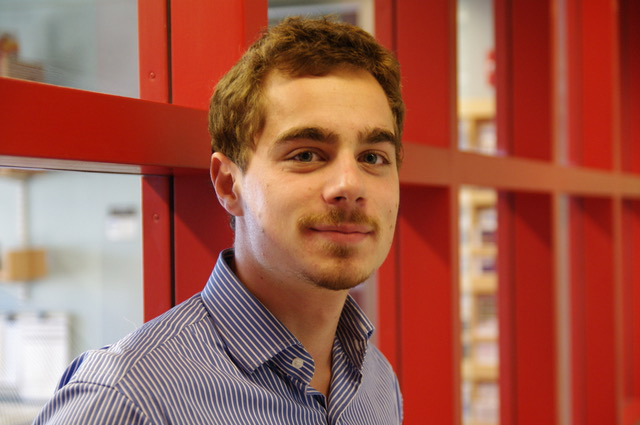
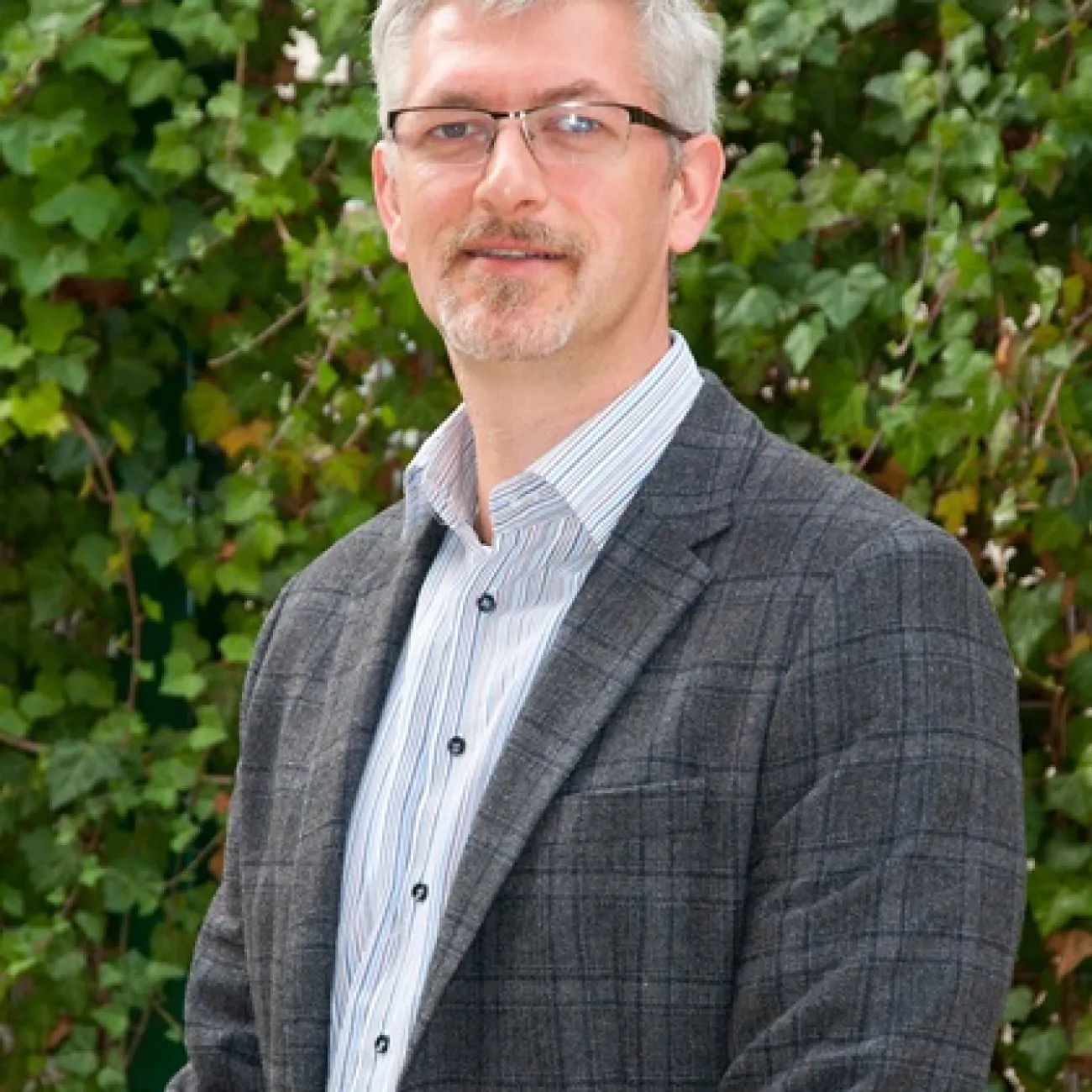
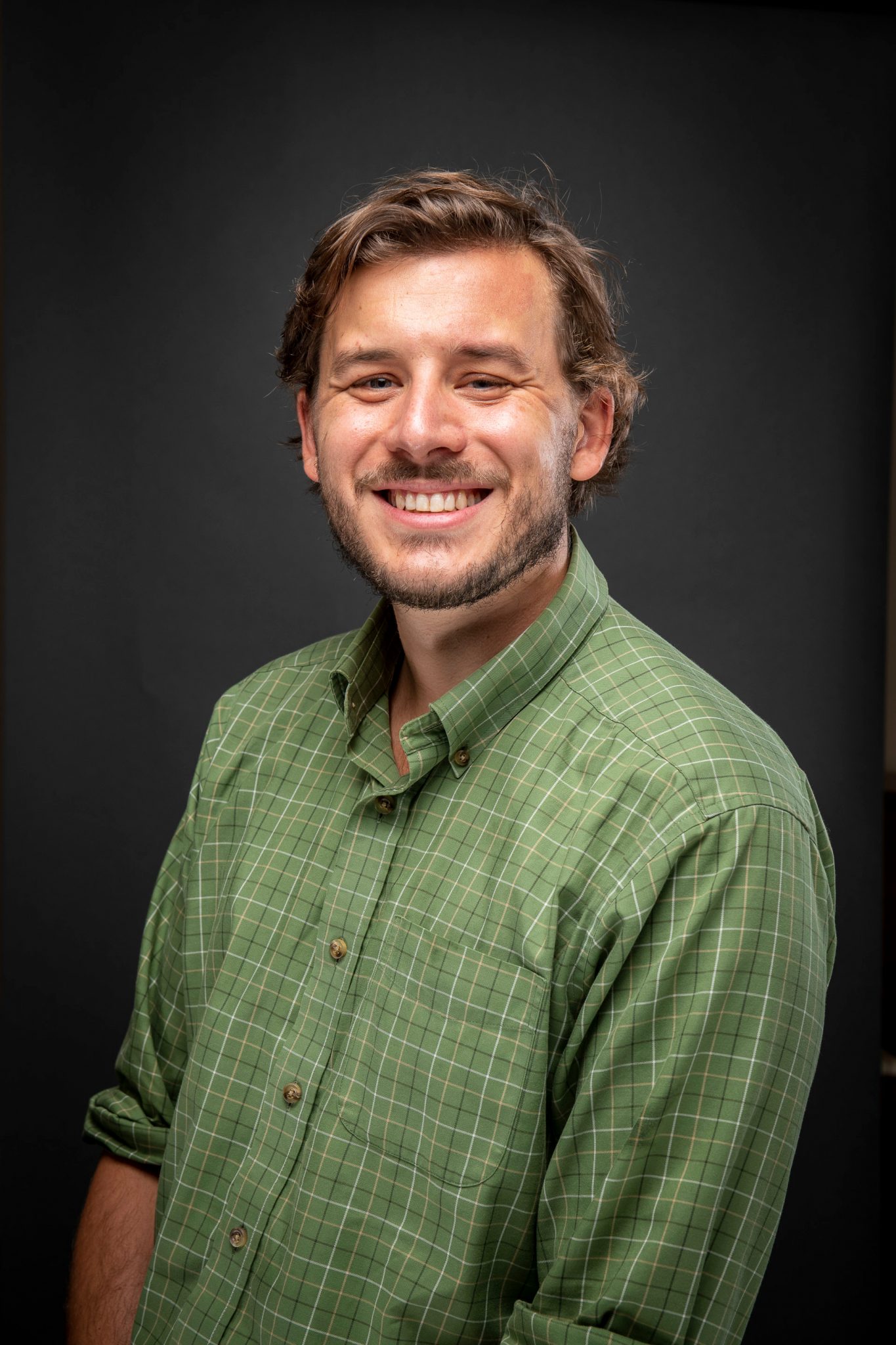
Katažyna Bogdzevič is a Professor at Mykolas Romeris University (MRU) Law School, specializing in Private International Law , European Law , Human Rights , and Environmental Law . She leads the MRU Human Rights LAB and contributes to the Environmental Management Research LAB, focusing on legal frameworks for ecosystem services, climate change mitigation, and stakeholder engagement. Key Research Themes: Integration of Private International Law with Environmental Law , analysis of legal conflicts in nature-based solutions, and name rights under international human rights conventions. Policy Engagement: Serves as advisor to Lithuania's Minister of Justice Ewelina Dobrowolska , emphasizing knowledge transfer to legislative and judicial practices. Email: roffice@mruni.eu
Dr Olatunji Johnson is a Lecturer in Statistics at The University of Manchester's Department of Mathematics. His research focuses on spatial and spatio-temporal statistics applied to global public health challenges, including tropical diseases like malaria and neglected tropical diseases (NTDs). He holds a PhD in Statistics and Epidemiology and has developed influential geostatistical methods and R packages (SDALGCP and MBGapp) for disease mapping and surveillance. Education: PhD in Statistics and Epidemiology (supervised by Prof. Peter Diggle). Research interests include model-based geostatistics, real-time health surveillance, and hybrid machine learning approaches for spatial data analysis. He is actively seeking PhD students interested in spatial statistics applications. Key Collaborations: Worked on projects in Kenya, Cameroon, Uganda, and Ethiopia, focusing on helminth control, air pollution impacts, and disease burden analyses. Part of the Statistical Advisory Unit and contributes to the UN Sustainable Development Goals through his work on health equity and disease elimination. Notable Projects: Developed methodologies for efficient survey design in NTD programs, air quality studies in African cities, and spatiotemporal modelling of pandemic risks. His work bridges statistical innovation with actionable public health policy.
Angelica Lim is an Assistant Professor of Professional Practice and Rajan Family Scholar in the School of Computing Science at Simon Fraser University. Her research focuses on Human Robot Interaction, Affective Computing, and Multimodal Perception with applications in healthcare and developmental robotics. She holds a PhD in Informatics from Kyoto University (2014), an M.Sc. from Kyoto University (2012), and a B.Sc. in Computing Science from SFU (2008). Her work bridges robotics and human-centered AI through projects like the ROSIE Lab, exploring emotion-aware systems, socially assistive robots, and VR programs for aging populations. Key contributions include benchmarking emotional speech recognition (BERSting), developing embodied emotion models for robots, and co-designing healthcare technologies with patient partners. Recent publications emphasize ethical AI, multimodal perception systems, and human-robot collaboration in dynamic environments. Teaching includes courses on software engineering, artificial intelligence, and introductory computer science. Her research has been applied in dementia care through VR programs, robotic companionship for older adults, and emotion-aware human-robot communication systems. Current initiatives focus on inclusive HRI design and sim2real methodologies for underrepresented data in affective computing.
Dr. Tim Oates is a Professor in the Department of Computer Science and Electrical Engineering at the University of Maryland, Baltimore County . His research spans machine learning, artificial intelligence, and brain-machine interfaces, with a focus on weakly supervised methods, human-in-the-loop reinforcement learning, and grounded policy development for robotics. Ph.D., Computer Science, University of Massachusetts, Amherst, 2000 M.S., Computer Science, University of Massachusetts, Amherst, 1997 B.S., Computer Science and Electrical Engineering, 1989 Current research threads include: Developing non-invasive brain injury severity assessment via medical time series Modeling human brain development through computational frameworks Designing algorithms for autonomous robotic learning Recent publications highlight AI security mechanisms (backdoor detection via tensor decomposition, matrix factorization) Medical applications (3D artery reconstruction, skin lesion diagnosis, EEG denoising) Neuro-symbolic integration (holographic representations, language-guided reinforcement learning) Mathematical reasoning (schema-based problem solving, subitizing algorithms) Contact: oates@cs.umbc.edu | Office: 336 Information Technology and Engineering (ITE) Building
Luigi Marattin is an Associate Professor in the Department of Economics at the University of Bologna. He holds a BA from the University of Ferrara (2001), a Master's from the University of Warwick (2002), and a Ph.D. in Economics from the University of Siena (2007). He was a Fulbright Scholar in New York (2005) and served as Economic Advisor to the Italian Prime Minister from 2014 to 2018. Currently on leave since March 2018. His research focuses on fiscal policy, public finance, and macroeconomics, with emphasis on sovereign debt, fiscal consolidations, and monetary union dynamics. Notable areas include the impact of fiscal rules in banking unions, pandemic fiscal responses, and municipal fiscal distress. His work bridges theoretical models (e.g., duopoly adjustments, delegation theory) with applied analyses of European integration and Italian economic policy. Marattin’s publications span over two decades, with recent contributions exploring post-pandemic fiscal strategies and sovereign bail-outs. He engages in policy debates through media interviews and political commentary, advocating for evidence-based economic frameworks. No scientific awards are explicitly listed, though his advisory roles highlight practical policy influence. His academic advising includes contributions to national economic policymaking, though formal student-mentor relationships are not detailed here. Grants and funding specifics are not documented in the provided materials.
David Fannon is an Associate Professor at Northeastern University, holding dual appointments in the School of Architecture and the Department of Civil and Environmental Engineering. He specializes in sustainable and high-performance building design, with a focus on persistent architecture, resilience, and human health in the built environment. Fannon earned his B-Arch from Rensselaer Polytechnic Institute (2005) and an MS in Building Science and Sustainability from UC Berkeley (2015). He is a licensed architect in New York and a LEED Accredited Professional. His research explores strategies for designing buildings that adapt to future needs, including grid-interactive efficient systems, climate-resilient infrastructure, and occupant-centric comfort models. Notable projects include DOE-funded studies on scalable building equipment performance and a Latrobe Prize-winning investigation into future-use architecture. Fannon also co-curated the 'DURABLE' exhibition on sustainable material innovations. Grants & Leadership: Co-PI on DOE grants for grid-interactive building technologies and Northeastern’s Building Resilience tools. Awards: Latrobe Prize (AIA College of Fellows). Professional Affiliations: American Institute of Architects, ASHRAE, SBSE, and BETES. Fannon advises students on sustainable building systems and co-op opportunities, mentoring graduates like Sowdamini Ponnada and Dane Brimmeier. His work bridges architecture, engineering, and policy to create resilient and adaptable built environments.
Daniel Aldrich is a Dean's Professor of Resilience and Director of the Resilience Studies Program at Northeastern University , affiliated with the College of Social Sciences and Humanities and Political Science Department . His career spans decades of research on disaster resilience , social capital , and post-crisis recovery , with fieldwork across Japan, India, and Africa. Education : PhD and MA in Political Science from Harvard University, MA from UC Berkeley, BA from UNC Chapel Hill. Leadership : Co-Director of Global Resilience Institute, Board member of journals Asian Politics and Policy and Risk Hazards and Crisis in Public Policy . Research Focus centers on social capital's role in disasters , controversial facility siting , and countering violent extremism . His work reveals how community networks enhance survival rates during tsunamis, hurricanes, and pandemics, and how decentralized decision-making improves recovery. Scientific Contributions include groundbreaking studies on Fukushima nuclear policy , social ties in evacuation behavior , and resilience through rainwater harvesting . His 2019 book Black Wave analyzes Japan's 3/11 disasters. Grants : NSF, Fulbright, Abe Foundation, Rasmussen Foundation, Japan Foundation. Awards : TIER 1 NEU Award, AAAS Fellowship, NSF Research Center Grant, University Faculty Scholar (Purdue). Media Engagement spans New York Times , CNN , AP , Reuters , and NPR , with over 50 media appearances in 2025 alone. He consults for the New England Aquarium and Louisiana Coastal Protection Authority .
Tom Beucler is a Conditional Pre-Tenure Assistant Professor in Geo-Environmental Data Science at the University of Lausanne’s Institute for Earth Surface Dynamics (IDYST). He holds a Master’s degree in Science and Mechanics from École Polytechnique (2014) and a PhD in Atmospheric Science from MIT (2019). Postdoctoral research at Columbia University and UC Irvine focused on machine learning applications in climate science under Professors Pierre Gentine and Michael Pritchard. Research Interests: Climate informatics, atmospheric physics, fluid dynamics, tropical meteorology, and integrating machine learning into climate models for extreme weather prediction and hydrological cycle modeling. Collaborations: Works with environmental scientists and computer engineers to improve climate models using neural networks and causal discovery methods. Initiatives: Organizes weekly brainstorming sessions to promote machine learning adoption in environmental sciences. Publications span climate-invariant machine learning, data-driven parameterizations, and hybrid AI-climate modeling frameworks like ClimSim. His work emphasizes causal consistency and generalizability across climate conditions.
Dr. Patrick Beullens is an Associate Professor in Operational Research and Management Science at the University of Southampton's Southampton Business School. He specializes in applied research across ocean shipping, retail supply chains, logistics, and inventory control. His work integrates mathematical techniques such as stochastic processes, optimization algorithms, and game theory to address real-world challenges like environmental performance in shipping and food waste reduction. Key roles include Principal Investigator on EC-funded projects (e.g., SEABILLA, LOGMAN) and supervision of PhD students like Fangsheng Ge. Current projects focus on maritime emission abatement and economic ship speed models. He teaches Supply Chain Management, Risk Management, and Optimization courses. Research Groups: CORMSIS, Southampton Marine and Maritime Institute, Supply Chain Excellence Centre. Grants: Over £200k from Shell and SMMI for PhD scholarships, MoD-funded inventory projects, and EU initiatives. His research spans maritime economics, reverse logistics, and decision-making under risk. Collaborations include BAE Systems, EDF Energy, and international institutions like the Joint Research Centre.
Hazem U. Abdelhady is a Postdoctoral Research Fellow at the University of Michigan's School for Environment and Sustainability (SEAS), jointly appointed with the Cooperative Institute for Great Lakes Research (CIGLR). He will join Texas A&M University's Department of Geography as an Assistant Professor in Fall 2025. His research focuses on coastal and hydrodynamic processes, leveraging machine learning, remote sensing, and physics-based modeling to address climate-driven challenges in lakes and coastal systems. Dr. Abdelhady holds a PhD from Purdue University in Hydraulics and Hydrology Engineering and Computational Engineering (2024), an MS in Irrigation and Hydraulics Engineering from Cairo University (2020), and a BS in Civil Engineering (2018). His postgraduate certificate in Geospatial Information Sciences underscores his expertise in spatial data analysis. His research interests include coastal hydrodynamics, physical limnology, and AI-driven environmental modeling. Key projects involve understanding shoreline changes in Lake Michigan, predicting ice cover dynamics, and developing tools for climate adaptation. The Aggie CIS Lab , launching at Texas A&M in Fall 2025, will further advance these efforts, bridging disciplines to enhance coastal resilience. Recent work highlights include studies on climate impacts on lake temperatures, machine learning applications for wave modeling, and automated shoreline detection algorithms. He actively recruits PhD students for Fall/Spring 2026 to investigate Great Lakes dynamics and resilience strategies. Collaborations span academic and governmental institutions, emphasizing interdisciplinary approaches to environmental challenges. His publications span high-impact journals and conferences, reflecting contributions to both theoretical and applied aspects of water resources engineering.
Jorge Garcia Vidal is a Professor in the Department of Computer Architecture at the School of Computer Science, Universitat Politècnica de Catalunya (UPC). He is a key member of the CNDS - Computer Networks and Distributed Systems research group, with a sustained record of research activity from the late 1980s to the present, including publications projected into 2025. His work bridges theoretical network performance analysis and applied IoT systems, particularly in environmental monitoring. His research interests center on Computer Networks , Internet of Things (IoT) , Sensor Networks , and Data Quality in IoT . He has made significant contributions to ATM network performance, medium access control, and traffic modeling. More recently, his focus has shifted to air quality monitoring using low-cost sensor networks, employing techniques in Graph Signal Processing , Machine Learning , and Anomaly Detection to improve data reliability and estimate pollutants like black carbon. The recent article trends show a strong emphasis on developing data-driven frameworks, virtual sensors, and robust models for environmental IoT platforms. His work integrates advanced signal processing and machine learning to address the challenges of heterogeneous, low-cost sensor data in urban settings. His scientific achievements have been recognized with awards including the Premio Extraordinario de Doctorado and the Premio Mejor Tesis Doctoral . He has advised several doctoral students, including Pau Ferrer-Cid, David Fusté Vilella, Steluta Iordache, and Julian David Morillo Pozo. He is actively involved in numerous competitive and non-competitive R&D projects, such as those related to digital twins, IoT platforms for smart cities, and nature-based urban solutions, often funded by state and regional programs. He collaborates extensively within UPC and with external partners. His research is conducted primarily within the CNDS research group at UPC, a collaborative environment focused on computer networks and distributed systems, with connections to broader initiatives in smart cities and environmental monitoring.
Yong Chen is a Professor at the School of Marine and Atmospheric Sciences (SoMAS), Stony Brook University. He specializes in fisheries ecology, stock assessment, and climate change impacts on marine ecosystems. His research focuses on optimizing monitoring programs, evaluating fisheries management strategies, and understanding ecosystem dynamics under climate change. Education: Ph.D. from the University of Toronto (1995) Research Interests: Dr. Chen’s work addresses critical challenges in fisheries management, including stock assessment methodologies, climate-driven shifts in species distribution, and the integration of ecological and socio-economic factors into conservation strategies. His studies often involve advanced modeling techniques such as Ecopath with Ecosim and habitat suitability analysis. Key Themes in Publications: Recent articles highlight his focus on hybrid management strategies for mixed fisheries, climate impacts on species phenology and connectivity, and the efficacy of marine protected areas. He emphasizes data integration challenges and the development of decision support tools for sustainable fisheries. Grants and Advising: No specific grants or advisees are listed here. However, his research has likely involved collaborations with international fisheries organizations and government agencies. Labs/Teams: A lab site is referenced in his profile, though the specific team structure or ongoing projects are not detailed in the provided text.
David Wanik is an Assistant Professor in the Department of Operations and Information Management and Associated Faculty in the Department of Civil and Environmental Engineering at the University of Connecticut. He serves as Academic Director for Business Data Analytics at the Stamford campus and conducts research in the Eversource Energy Center, focusing on data science, natural hazards, remote sensing, and IoT applications in utility systems. PhD, MS, and BS in Environmental Engineering from University of Connecticut His research bridges natural hazard prediction, power grid resilience, and environmental data science. Key themes include: Machine learning for power outage prediction Climate change impact on energy demand Remote sensing for population and environmental monitoring IoT-enabled infrastructure hardening Recent publications emphasize deep learning for nighttime light imagery analysis, hybrid physics-data-driven models for grid resilience, and climate-integrated demand forecasting. His work integrates satellite data, LiDAR, and utility infrastructure records for predictive analytics. Teaching includes courses in business analytics, Python-based data science, and deep learning for the MS Business Analytics and Project Management program.
Dr. Zoe Li is an Associate Professor in the Department of Civil Engineering at McMaster University, with an additional role as an Associate Member in the Department of Computing and Software. She specializes in developing modeling and decision-support tools to address challenges in water resources management, environmental systems analysis, and climate change impacts. Her research focuses on hydrological modeling, probabilistic forecasting, risk analysis, and environmental systems optimization. She holds a B.Eng. from China and M.A.Sc./Ph.D. degrees from the University of Regina. Her work spans interdisciplinary collaborations, including studies on dam safety under climate change, wastewater treatment plant optimization, and AI-driven environmental monitoring. She has been actively involved in projects such as CityDNA, a digital tool to model urban environments for decision-making during crises like the pandemic. Dr. Li teaches courses in environmental systems engineering and principles of environmental engineering, emphasizing uncertainty quantification and sustainable practices. Her research publications (15+ recent articles) address topics like machine learning applications in environmental systems, climate change impacts on water resources, and infrastructure resilience. She advises graduate students in environmental engineering and systems optimization. Notable grants include funding from Roche Canada for pandemic-related urban modeling. Her work is frequently published in high-impact journals like Journal of Environmental Management and Water Resources Research .
Pavlos S. Georgilakis is a Professor at the School of Electrical and Computer Engineering, National Technical University of Athens (NTUA), specializing in modern techniques for power system analysis, optimization, and renewable energy integration. He holds a Diploma (1990) and PhD (2000) in Electrical Engineering from NTUA. His career includes roles as Lecturer (2009) and Associate Professor (2018–2023) at NTUA, and Assistant Professor at the Technical University of Crete (2004–2009). Research focuses on power transmission/distribution systems, transformer design, and applying AI/optimization for grid efficiency. He led 10 research projects, including Horizon 2020 initiatives SHAR-Q, WiseGRID, and NobelGrid. He authored 3 books and over 230 publications (SCOPUS citations: >5,500). Editor of IET Smart Grid, Energies, and Electricity journals; senior IEEE member. He supervised 4 doctoral, 9 master’s, and 76 diploma theses. Awards include the 2013 Best Reviewer Award from Electric Power Systems Research. Active in energy storage, smart grids, and decentralized energy resource integration.