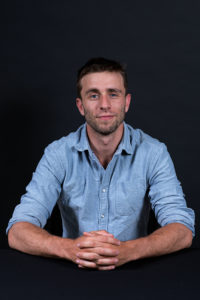
Gökhán Şen, currently serving as a Lecturer at the Faculty of Veterinary Medicine, specializes in animal nutrition and feed science. His research focuses on optimizing poultry and ruminant diets through additives like high-fructose corn syrup, probiotics, and plant-based supplements. Department of Animal Science and Nutrition Research Interests: Şen investigates dietary impacts on animal performance, gut health, antioxidant systems, and blood parameters. His work spans broiler chicken nutrition, ruminant feed optimization, and silage preservation techniques. Publication Trends: Recent articles emphasize dietary interventions to mitigate health challenges in poultry (e.g., gut pH, coccidiosis) and ruminants (e.g., rumen acidosis). He explores alternatives to antibiotics, such as Artemisia annua and kefir, alongside feed byproducts like grape pomace and molasses. Professional Contributions: Şen has contributed to studies on market strategies in broiler enterprises and fiber digestibility in ruminants, though no specific grants or patents are detailed in the provided text.
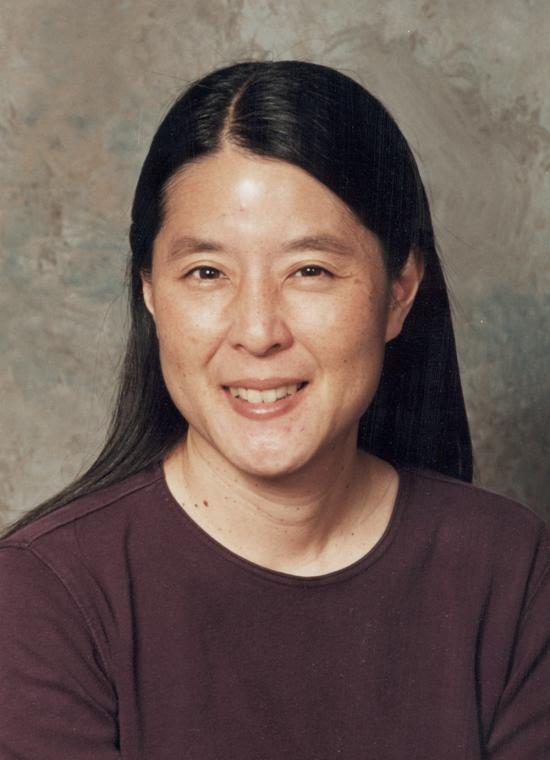
Frances M. Hanzawa is an Associate Professor of Biology at Pomona College since 1994. She focuses on evolution and ecology, particularly plant-animal interactions, seed dispersal mechanisms, and population genetics. Her research spans multiple decades of field and experimental studies. Education: PhD from Northwestern University and BA from Pomona College Her work investigates how seed and pollen dispersal affect genetic structures in plant populations, with key studies on Trillium grandiflorum and Corydalis aurea . She has secured multiple NSF grants to support undergraduate research experiences and population biology studies. Frances's publications highlight evolutionary trade-offs in seed dispersal strategies and ecological interactions between ants and plants. Her research integrates genetic, demographic, and behavioral approaches to understand plant population dynamics. National Science Foundation grants (1990-94, 1996-2003) Pew Faculty Development Award (1990) She teaches ecology and plant evolution courses and maintains an active research lab.
Dr. Abimbola Ikoyi serves as an Assistant Lecturer in the Department of Applied Science within the Faculty of Applied Sciences and Technology, focusing on advanced analytical methodologies for agricultural and biological applications. Research Expertise Her work pioneers the application of spectroscopic techniques in animal nutrition science, with particular emphasis on: Development of Near Infrared Reflectance Spectroscopy (NIRS) protocols for mineral and nutrient analysis Optimization of NIRS calibration for diverse feed matrices including haylage and equine diets Investigation of physical factors (particle size, moisture) affecting analytical accuracy Non-invasive monitoring of dietary components through fecal analysis Publication trends from 2019-2023 demonstrate an evolutionary trajectory from foundational mineral analysis in forages to sophisticated applications in equine nutritional monitoring. This progression highlights increasing sophistication in applying NIRS for real-time livestock management within precision farming frameworks, with significant implications for feed efficiency and animal health optimization.
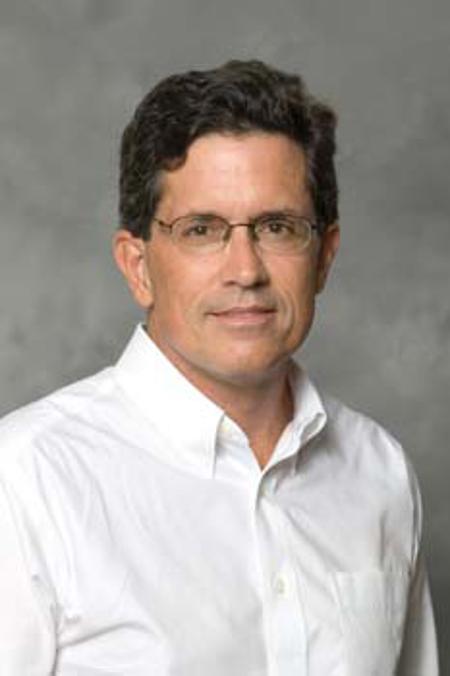
Olivier Duchene is an Associate Professor at ISARA, specializing in agronomic sciences within the Agroecology & Environment Unit. His research focuses on understanding agricultural herbaceous plants and communities to develop diversified, sustainable cropping systems with reduced external inputs, enhanced climate resilience, and improved soil fertility through agroecological principles. Academic Rank: Associate Professor Institution: ISARA Department: Agroecology & Environment Unit Research interests include: Perennial Grains , Cover Crops , Functional Trait Analysis , Agroecosystem Functioning , and Climate-Resilient Agriculture . His work emphasizes mimicking natural ecosystems to optimize resource use efficiency and reduce synthetic input dependency. Recent publications analyze Thinopyrum intermedium (intermediate wheatgrass/Kernza®), investigating nutrient allocation patterns, yield stability across stand ages, reproductive strategies, and integration into temperate farming systems. Studies span France, South America, and Europe, with methodological foci on NIRS analysis, phenological modeling, and biogeochemical cycle replication.
Fred C Dyer is a Professor in the Department of Integrative Biology and the Ecology, Evolution & Behavior Program at Michigan State University's College of Natural Science. His research focuses on animal behavior, particularly the decision-making processes in insects like honeybees and bumblebees. Research Interests: Dr. Dyer's work explores sensory integration, learning, and adaptive decision-making in social insects. Key areas include foraging strategies, spatial navigation, and the evolutionary origins of cognitive behaviors such as associative learning and exploration. Publications: His recent studies (2016–2022) analyze foraging dynamics across honeybee species, nocturnal behavior, exploitation-exploration trade-offs, and computational models of evolutionary creativity. These works span ecology, neuroscience, and artificial life research. Contact: Email fcdyer@msu.edu for correspondence. Visit dyerlab.wordpress.com for additional details on his research.
Michael L. Platt is the James S. Riepe University Professor at the University of Pennsylvania with appointments across three schools: the Perelman School of Medicine (Department of Neuroscience), The Wharton School (Department of Marketing), and the School of Arts & Sciences (Department of Psychology). His interdisciplinary work bridges neuroscience, business, and social behavior, focusing on how biological mechanisms underlie decision-making and social interactions with implications for health, welfare, and business worldwide. Dr. Platt received his academic training at: BA in Biomedical Anthropology from Yale University Ph.D. in Biological Anthropology from the University of Pennsylvania Platt's research focuses on the biological mechanisms of decision-making and social interaction, with particular interest in how brain science can inform business practices. His lab studies animal learning and behavior, control of action, decision processes, and individual differences in behavior genetics. A key area of investigation is how social connections shape brain structure and function, with research extending to neurological and neuropsychiatric disorders. His work applies insights from brain science to business domains including branding, marketing, management, finance, innovation, and elite performance, with sports serving as a key validation environment. Analysis of Platt's recent publications reveals a strong focus on social behavior in primates, particularly how social connections affect brain structure, immune function, and aging. His research increasingly integrates field studies with cutting-edge genomic and neural techniques, examining how environmental factors and social networks impact biological outcomes. A notable trend is the application of primate research to human conditions, with growing attention to the 'epidemic of despair' and declining human fertility, demonstrating the translational potential of his work. Dr. Platt has received numerous scientific honors: MERIT award from the National Institute of Mental Health (awarded and renewed) Alfred P. Sloan Foundation Fellow Master Teacher/Clinician Award from the Duke University School of Medicine Teaching Commitment and Curricular Innovation Award from the Wharton School Platt has advised numerous students and researchers, including Psychology graduate student Yufan Ye. His research has been generously supported by prestigious organizations including the National Institutes of Health, Klingenstein Foundation, McDonnell Foundation, EJLB Foundation, Simons Foundation, Kaufman Foundation, and the Department of Defense. Corporate partners have included Vanguard, Mars, Slalom, Glassview, Fox Media, and the Philadelphia Flyers. He directs the Platt Labs research group and the Wharton Neuroscience Initiative (WiN), which connects brain science with business applications through executive education courses like 'Neuroscience of Business.' The Platt Labs operate across multiple domains, studying decision-making ('How We Decide'), social connections ('How We Connect'), exploration and learning ('How We Explore & Learn'), business applications ('Business & Human Potential'), and health ('Health & Wellbeing'). His team conducts field research on Cayo Santiago ('Monkey Island') in Puerto Rico, studying free-ranging rhesus macaques, particularly following Hurricane Maria's impact. The lab has developed innovative methods including portable EEG technology for real-world brain monitoring and has co-founded the neurotechnology company Cogwear Technologies Inc., demonstrating the translational impact of his research.
Dr. Antonella Soro is a Researcher at the Institute of Biology (Zoology) within the Faculty of Natural Sciences I at Martin Luther University of Halle-Wittenberg, Germany. Her academic career spans institutions such as University of Tübingen, Queen’s University Belfast, and University of Uppsala. B.Sc. in Botany, University of Milan M.Sc. in Plant Ecology, University of Uppsala D.Phil. in Zoology, University of Tübingen Dr. Soro’s research focuses on the evolution of sociality and the impact of anthropogenic changes—such as urbanization and agricultural intensification—on bee population genetics and life history traits, particularly body size. Her work bridges behavioral and morphological plasticity through experimental and field-based studies integrated with molecular genetic analyses. Her recent articles highlight trends in urbanization effects on pollinator adaptation, social evolution in bees, and conservation genetics. Key collaborators include Prof. Dr. Robert Paxton and Dr. Peter Theodorou. Dr. Soro has contributed to journals like Science , Proceedings of the Royal Society B , and Molecular Ecology . As part of the General Zoology group at Martin Luther University, Dr. Soro contributes to multidisciplinary research on insect ecology and conservation.
Irena Januškaitienė, Associate Professor at Vytautas Magnus University's Department of Environmental Sciences (Faculty of Natural Sciences), specializes in plant ecophysiology and environmental stress responses. Her research focuses on antibiotic toxicity in agricultural systems, oxidative stress mechanisms, and climate change impacts on plant physiology. Education : Not explicitly mentioned in provided texts Research Highlights : Investigates pharmaceutical contaminants (tetracycline, sulfamethoxazole, ciprofloxacin) in soil-plant interactions, antibiotic-induced photosynthetic inhibition, and climate change synergies with environmental stressors. Studies include: Toxicity thresholds for barley under future climate scenarios Antibiotic effects on earthworm physiology and behavior Phytochemical responses in lettuce to cold plasma seed treatments Drought recovery mechanisms in forage crops Scientific Awards : Research Council of Lithuania grant recipient European Social Fund grant recipient
Carmen Bessa-Gomes is a Lecturer at AgroParisTech, Université Paris-Saclay, affiliated with the Ecological Processes and human Impact team at the Laboratoire Écologie, Société et Évolution (IDEEV) in Gif Sur Yvette. Her research bridges theoretical ecology and conservation applications, focusing on behavioral mechanisms underlying population dynamics. Her research centers on inter-individual interactions in changing environments , particularly examining how anthropogenic disturbances affect cooperation mechanisms like mating systems and social foraging. Key projects include RARE (investigating behavioral Allee effects in primates with Guy Cowlishaw) and Softpop (studying social foraging in scavenger raptors for vulture conservation with François Sarrazin). This work integrates evolutionary ecology with practical conservation strategies. Publications reveal consistent focus on Allee effects, population modeling, and conservation applications , with significant contributions to primate vulnerability assessment and scavenger ecology. Her 2016 collaborative paper in Trends in Ecology & Evolution established behavioral research priorities for conservation. Current work emphasizes translating ecological theory into conservation practice through international collaborations, particularly in primate population dynamics and vulture conservation programs.
Paul Ludden is an Associate Professor in Ruminant Nutrition at the Department of Animal Science , College of Agriculture, University of Wyoming. He focuses on nitrogen/protein metabolism in ruminant livestock fed forages, particularly nutritional manipulation of endogenous nitrogen recycling. Education: B.S., University of Nebraska, Lincoln M.S., Purdue University, West Lafayette Ph.D., University of Missouri-Columbia Research Interests Explore how ruminal protein degradability and supplementation frequency affect endogenous nitrogen recycling, urea transporter expression/distribution in the rumen, and the impact of nutritional manipulation on visceral organ mass and overall animal efficiency. Contact: Office: AS/MB 123B Email: ludden@uwyo.edu Phone: (307) 766-4213
Professor İsa COŞKUN is a distinguished academic in the Department of Animal Science at Ahi Evran University's Faculty of Agriculture, with extensive expertise in animal nutrition and feed technology. His career spans over two decades, beginning with his appointment as Assistant Professor at Ahi Evran University from 2012-2015, during which he also served as Deputy Director of a Vocational School in 2012-2013. His research focuses primarily on Feed Technology and Animal Nutrition , with particular emphasis on poultry and fish nutrition, herbal supplements in animal diets, gut health optimization, and alternative feed ingredients. Professor COŞKUN's work has significantly contributed to understanding how various feed additives—including herbs, probiotics, and plant extracts—affect growth performance, gut morphology, microbiota composition, and meat quality in poultry and aquaculture species. His publication record demonstrates consistent research productivity with 79 total publications including 41 articles, 34 presentations, and 4 book chapters. Recent work (2023-2025) shows a strong focus on herbal supplements in poultry diets, alternative protein sources for aquaculture, and gut health optimization across multiple animal species. His research often employs comprehensive methodologies examining performance metrics alongside physiological, histological, and microbiological parameters. Professor COŞKUN has successfully supervised 11 graduate students through their thesis research, demonstrating his commitment to academic mentorship. His research portfolio includes 21 funded projects, many as Principal Investigator, indicating strong recognition of his research capabilities by funding agencies. His work has earned him an h-index of 13 on Google Scholar with 564 total citations, reflecting significant impact in his field. His academic journey began with a Bachelor's degree from Ondokuz Mayıs University's Faculty of Agriculture (Department of Animal Science, 1997-2002), followed by a Master's degree in Animal Science from the same institution (2002-2005), and culminated with a PhD in Animal Science from Namık Kemal University (2009-2012).
Dr. Adam T. Ford is a Canada Research Chair in Wildlife Restoration Ecology at the University of British Columbia . His research focuses on understanding how human activity disrupts species interactions and ecological processes, particularly in large mammal food webs across Canada and East African savannas. Key Affiliations: UBC, Natural Sciences and Engineering Research Council (NSERC) Research Themes: Landscape restoration, human-wildlife coexistence, movement ecology, Indigenous-led conservation Research Interests Dr. Ford investigates the impacts of industrial activity, infrastructure, and human-wildlife conflict on predator-prey dynamics and ecosystem stability. His lab ( WiRE Lab ) combines field experiments, GPS tracking, and satellite imagery to inform environmental legislation and biodiversity conservation. Scientific Awards Canada Research Chair Tier 2 (2017, renewed 2021) Grants & Collaborations Supported by NSERC, Dr. Ford collaborates with Indigenous communities and policymakers to align restoration ecology with international biodiversity commitments and reconciliation efforts.
Anneke Janzen serves as a Postdoctoral Fellow at the Cotsen Institute of Archaeology, University of California, Los Angeles, specializing in zooarchaeological methods and stable isotope applications for reconstructing ancient human-animal relationships and subsistence economies across global contexts. Her academic foundation includes: Ph.D. in Anthropology from University of California, Santa Cruz (2015) Janzen's research program integrates Zooarchaeology, Stable Isotope Analysis, and Taphonomy to investigate Pastoralism, Mobility patterns, and Seasonality in prehistoric societies. Her African Archaeology focus examines the Origins of Food Production through case studies in Kenya and West Africa, while her methodological innovations in bone grease production analysis demonstrate cross-cultural applications. This interdisciplinary approach bridges archaeological science with anthropological theory to decode human adaptation strategies. Her 2013-2014 publications reveal a cohesive research trajectory centered on African pastoral mobility (using Kenya case studies) and West African historical archaeology (Dahomey Kingdom culinary politics), complemented by European Neolithic herding investigations. Methodologically, she consistently employs stable isotope analysis to reconstruct seasonal behaviors and mobility patterns, while her experimental zooarchaeological work on bone fragmentation provides new insights into energy-efficient resource processing. Recognition for her scholarship includes: UCLA Cotsen Institute Student Paper Award (2014) CenTREAD Tropical Research Award (2012) National Science Foundation Dissertation Improvement Grant ($19,370) Wenner Gren Foundation Fieldwork Grant ($6,727) Multiple UC Santa Cruz research awards totaling $8,400 Janzen's $29,097 NSF/Wenner Gren-funded dissertation research demonstrates exceptional grant-writing capability, with additional support from the Lewis and Clark Fund and departmental sources. Though no formal students are documented, her Postdoctoral Fellowship likely involves mentoring junior researchers at UCLA's Cotsen Institute. Her laboratory work necessitates collaboration with specialized facilities for stable isotope analysis and zooarchaeological processing, both at UCLA and international field sites in Africa and Europe.
Lisa Wasko DeVetter is an Associate Professor in the Department of Horticulture at Washington State University , based at the Northwestern Washington Research and Extension Center (Mount Vernon, WA). She leads WSU's Small Fruit Horticulture (SFH) program with a focus on optimizing productivity, fruit quality, and environmental sustainability for blueberry, raspberry, blackberry, and strawberry systems in the Pacific Northwest. Education: PhD in Horticulture (University of Wisconsin-Madison), MS in Horticulture and Soil Science, BS in Horticulture and Biology (all from Iowa State University) Her research spans pollination ecology , mulch technologies , nutrient management , and machine harvesting , with particular emphasis on balancing on-farm efficiency with adjacent natural resource health. Key innovations include developing MulcH20 biodegradable mulch systems and validating honey bee placement strategies for blueberry cultivation. Dr. DeVetter has authored ~200 publications and secured extensive USDA funding for her work. She has mentored 20 master's/PhD students and co-authored a proposal for a faculty position focused on plants of indigenous importance . Recent recognition includes the 2025 WSU Faculty Mid-career Award for her commitment to the land-grant mission. Scientific Awards 2025 WSU Faculty Mid-career Award Her program maintains strong ties to WSU's Agricultural Research & Technology Building and collaborates with USDA-ARS and AgWeatherNet through the CAHNRS college. Research outcomes have been shared via 300+ international conference presentations by her lab members.
Jeff Brawn is a Professor in the Department of Animal Biology at the University of Illinois, affiliated with the College of Liberal Arts & Sciences and the School of Integrative Biology . His research focuses on avian ecology, evolutionary biology, and conservation, with a particular emphasis on tropical and temperate birds. University affiliation: University of Illinois School: College of Liberal Arts & Sciences / School of Integrative Biology Academic rank: Professor Research Interests: Jeff Brawn investigates patterns in avian life history traits, hybrid zones, climate change impacts, and disease transmission dynamics. His work spans tropical forest ecosystems, urban ecology, and avian behavioral adaptations, including studies on nestling development, dispersal, and physiological responses to environmental stressors. Scientific Awards: No direct awards received by Jeff Brawn are listed in the provided text, though he has cited conservation awards given to others in his publications. Key Collaborations: His research often involves partnerships with institutions in tropical regions and urban centers like Chicago, focusing on biodiversity stewardship and vector-borne disease monitoring.