BEN FEKIH Ibtissemمشاهده پروفایل
پژوهشگر ارشد
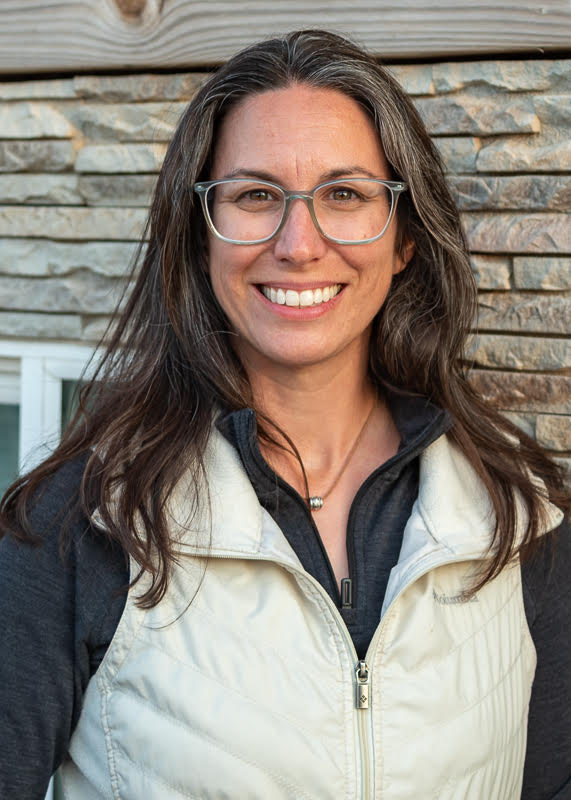
Ibtissem BEN FEKIH serves as a Postdoctoral Research Fellow at the University of Liège within the Gembloux Agro-Bio Tech faculty. She is embedded in the GxABT department and the Sustainable Management of Bio-aggressors research group, operating under the TERRA research unit—a specialized entity focused on biological engineering applications in agronomy, biotechnology, and environmental science. Her position falls under the academic rank of Research Fellow, reflecting her active role in advancing sustainable pest management solutions. Her research centers on biological control methodologies as alternatives to chemical pesticides, with particular emphasis on entomopathogenic fungi for managing aphids, fall armyworm, and other agricultural pests. She investigates integrated pest management (IPM) strategies to replace neonicotinoids in crops like sugar beet, examines multitrophic interactions involving natural enemies, and explores how biodiversity loss impacts pest regulation. Her work spans laboratory validation, field application techniques (including dropleg spraying), and ecological assessments across diverse agroecosystems. Analysis of her 15 most recent publications (2023–2025) reveals a cohesive research trajectory targeting vector-borne pathogen mitigation through biological control agents. Key themes include the efficacy of Beauveria bassiana isolates against aphids and fall armyworm, intraguild predator dynamics mediated by aphid honeydew, and global assessments of biological control shortfalls. Her field studies in the Democratic Republic of Congo highlight practical applications in resource-limited settings, while genomic analyses of resistant bacteria demonstrate interdisciplinary reach into environmental microbiology. Dr. BEN FEKIH contributes to the Sustainable Management of Bio-aggressors team based at Passage des déportés 2, Gembloux, where the group develops eco-friendly pest control frameworks aligned with TERRA's mission to guarantee high-quality agricultural production that respects environmental boundaries. Her work directly supports the University of Liège's strategic focus on sustainable food systems and biological engineering innovation.