Dr. Joshua Dijksman is a Visiting Professor at the Institute of Physics (IoP WZI) within the Faculty of Science at the University of Amsterdam. His research focuses on granular matter, soft matter physics, rheology, and tribology, with interdisciplinary applications in biophysics and ecology. He explores phenomena such as particle dynamics in complex fluids, frictional regimes in model systems, and phase separation mechanics in biomaterials. His work integrates advanced experimental techniques like MRI-based rheology and particle imaging to study microstructural behavior in materials ranging from food dispersions to hydrogel networks. Recent contributions include studies on predator-prey ecosystem dynamics and the rheological properties of feed materials relevant to agricultural engineering. Publications span topics from granular flow characterization to biomimetic fastener mechanics, demonstrating a strong emphasis on both fundamental physics and applied material science. His research often bridges macroscopic observations with microscopic mechanisms to explain emergent phenomena in complex systems.
Fabio Valoppi is a University Researcher and Associate Professor in Food Materials Science at the University of Helsinki, affiliated with the Helsinki Institute of Sustainability Science (HELSUS). He holds roles as a supervisor for the Doctoral Programmes in Materials Research and Nanosciences and Food Chain and Health. His research focuses on lipid-based materials, particularly oleogels and emulsions, with applications in food structure design, sustainability, and nutritional health. He leads projects like FIBER-OLEO and OleoFlow, addressing obesity through innovative food systems. Valoppi received the Young Scientist Award (2022) and actively collaborates internationally, with over 66 publications. His work integrates materials physics, acoustics, and computational modeling to advance functional food technologies. Research interests include: food nanotechnology, structured lipid systems, ultrasound-assisted processing, and sustainable food design. His group develops methods for oleogel crystallization using ultrasonic standing waves and explores bioactive compound delivery. Key equipment managed include an automatic titrator for digestion analysis and fiber optic oxygen meters. Recent projects emphasize industrial ultrasonic cleaning (SIUC) and imaging mass spectrometry (UIMAS). Valoppi has organized conferences like the Sustainability Science Days 2022 and delivered invited talks on oleogel advancements. His work bridges academic research with industry needs, focusing on scalable, oxidative-stable materials for healthier food products.
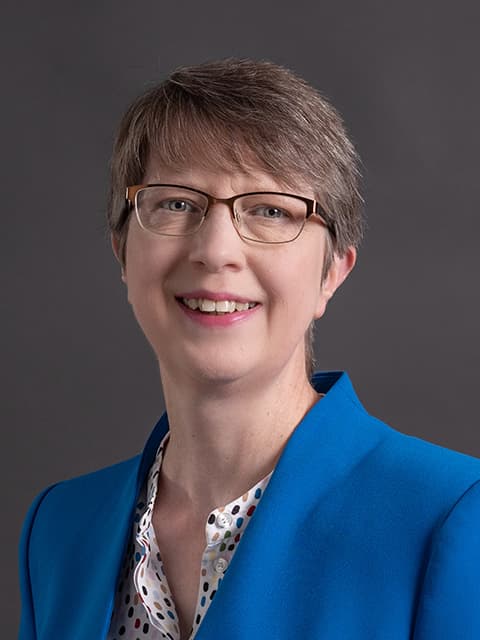
Professor Valerie Pinfield is a distinguished academic at Loughborough University, where she serves as Professor of Ultrasonics and Complex Materials and Associate Pro-Vice-Chancellor for the Doctoral College. She has held several leadership positions including Head of the Department of Chemical Engineering (2017-2020), Director of Student Experience for the School of Aeronautical, Automotive, Chemical and Materials Engineering (2023-2024), and Acting Dean for the School (Sept 2024-Aug 2025). Her academic journey began with postdoctoral research at the Universities of Leeds and Nottingham before joining Loughborough University as a Lecturer in 2012, where she was awarded a personal chair in 2023. Professor Pinfield's educational background includes: MA in Natural Sciences from the University of Cambridge PhD in Food Science from the University of Leeds With a mathematical physics background, Professor Pinfield has developed a broad spectrum of research interests focused on the intersection of physical acoustics, materials science, and digital technologies. Her work spans from fundamental investigations of wave propagation through complex media to applied research in sustainable energy systems. She is particularly known for her contributions to understanding multiple wave scattering in soft complex materials, which has applications in material characterization and metamaterial design. Her recent research has expanded into machine learning and digitalization for material design and process optimization, with a strong emphasis on electrochemical technologies for sustainable energy. Professor Pinfield leads significant infrastructure and facilities projects in hydrogen technologies, spanning from sustainable propulsion for transport through materials development and testing to production and storage technologies. This work positions her at the forefront of research addressing global challenges in energy transition and sustainability. An analysis of Professor Pinfield's recent publications reveals a clear trajectory toward integrating advanced computational methods with traditional physics-based approaches. Her work increasingly combines machine learning with multi-physics modeling to address complex problems in energy systems and materials science. The focus on CO2 reduction and capture technologies demonstrates her commitment to addressing pressing environmental challenges through innovative engineering solutions. Her research bridges fundamental physics with practical applications in sustainable technologies. Professor Pinfield has received significant recognition for her contributions to academia and science: Fellow of the Institute of Physics (FInstP) Chartered Physicist (CPhys) Fellow of the Higher Education Academy (FHEA) As Associate Pro-Vice-Chancellor for the Doctoral College, Professor Pinfield plays a pivotal role in shaping the doctoral education experience at Loughborough University. She is deeply committed to developing future professionals in engineering and beyond through teaching, research mentorship, and academic leadership. Her industry experience at the Welding Institute and Cadbury Ltd provides valuable practical perspective to her academic work and student development initiatives. Professor Pinfield's research group contributes significantly to the university's strategic focus areas including Net Zero, Digital Engineering, and Sustainable Manufacturing and Circular Economy. Professor Pinfield leads research groups focused on ultrasonics, complex materials, and sustainable energy technologies. Her work connects with several research centers at Loughborough University that focus on hydrogen technologies, sustainable manufacturing, and digital engineering. These interdisciplinary teams bring together expertise from physics, engineering, computer science, and materials science to tackle complex challenges in energy and sustainability.
Wendy E. Ward is a Professor in the Department of Kinesiology and cross-appointed in Health Sciences at Brock University, and serves as Interim Associate Dean (Research and Graduate Studies) in the Faculty of Applied Health Sciences. Her research focuses on dietary strategies to combat osteoporosis and enhance periodontal health, utilizing advanced imaging and biochemical analyses to study food components like flaxseed, tea polyphenols, and soy isoflavones. Funded by NSERC, CIHR, and CFI, her work also explores early-life nutritional programming of bone and muscle health. Ward holds a Canada Research Chair (Tier 2) and has received awards such as the Osteoporosis Canada Backbone Award (2021) and the Canadian Nutrition Society Volunteer Leadership Award (2020). She leads the Nutrition, Bone and Oral Health Research Group, emphasizing knowledge mobilization through media and professional education. Roles: Professor (Kinesiology/Health Sciences), Interim Associate Dean (Research & Graduate Studies), Senior Research Fellow Research Focus: Dietary interventions, bone health, periodontal healing, nutritional programming Affiliations: Editor-in-Chief, Applied Physiology, Nutrition, and Metabolism ; Chair, Osteoporosis Canada Dietary Recommendations Working Group Her research combines preclinical models with clinical studies, investigating sex-specific responses to dietary interventions. Key areas include tea polyphenols’ effects on osteoblast activity, probiotics in bone health, and maternal nutrition’s long-term skeletal impacts. Ward collaborates with dental professionals to link oral and systemic health, emphasizing translational research. Her awards highlight her leadership and contributions to osteoporosis prevention and nutrition science. Current grants include studies on dietary strategies for bone preservation and probiotic effects in rodent models. Ward mentors numerous graduate students and has published extensively in top journals, with a focus on bridging academic research and public health applications.
Chengpeng Wu is a Postdoctoral Researcher (Research Fellow) in the Department of Physics at the Technical University of Denmark (DTU), based at Fysikvej 307, Building 227, 2800 Kgs. Lyngby, Denmark. His research integrates materials physics with plant science to address sustainable agricultural challenges through advanced imaging methodologies. His primary research concentrations include: Nutrient transport dynamics in plant systems using nanotechnology Application of nanoparticles in foliar fertilization protocols Advanced imaging techniques including X-ray fluorescence and micro-computed tomography Analysis of plant microstructure and nanoparticle interactions Development of sustainable agricultural solutions aligned with UN Sustainable Development Goals Wu's work demonstrates how correlative X-ray imaging reveals critical mechanisms of nanoparticle dissolution and nutrient delivery in plant systems, directly contributing to innovations in precision agriculture and resource efficiency. His research bridges fundamental physics with practical agricultural applications to enhance food security. Scientific Recognition: No specific awards or fellowships documented in available sources Professional Activities: Current information does not indicate graduate student supervision or externally funded research grants. His collaborative work involves interdisciplinary teams focused on plant-nanoparticle interactions, though specific laboratory affiliations beyond DTU's Department of Physics are not detailed in the provided materials.
Nicola Cavallini is a Fixed-term Assistant Professor at the Department of Applied Science and Technology (DISAT) , Politecnico di Torino , and a member of the College of Chemical and Materials Engineering . He holds a Scientific Branch CHEM-06/A - Chemical Foundations of Technologies within Area 0003 - Chemical Sciences . Since 2020, he has been teaching Principles of Chemometrics and Practical Design of Experiments to PhD and undergraduate students in Chemical Engineering. 2025/26 : Course Lecturer for Principles of Chemometrics 2024/25 : Course Lecturer for Principles of Chemometrics 2023/24 : Course Lecturer for Principles of Chemometrics 2022/23 : Course Collaborator for Principles of Chemometrics 2021/22 : Course Collaborator for Principles of Chemometrics 2020/21 : Course Collaborator for Principles of Chemometrics His research focuses on Chemometrics , Analytical Chemistry , and Applied Spectroscopy , particularly in food authentication and materials characterization. He has developed methods for ethanol quantification in wine using NMR, rice variety classification via hyperspectral imaging, and fermentation monitoring with portable NIR sensors. Collaborative projects include polymer electrolyte optimization and textile waste valorization in biotechnological processes. Recent publications highlight his work on: Food Fraud Detection (Mechanically Separated Meat in processed products) Advanced Spectroscopic Techniques (NMR and NIR applications) Algorithm Development for FESEM image analysis Sustainable Material Processing (Polymer blends, textile waste) Plant-Microbe Interactions (β-ionone's role in mycorrhization)
Shai Barbut is a researcher specializing in food science and poultry meat systems. His work focuses on carcass imaging, protein integration in meat systems, and aroma compound formation in meat products. He collaborates on interdisciplinary projects involving genetics, material science, and food chemistry. Barbut supervises PhD candidates in areas such as meat quality, Tibetan pork flavor analysis, and extruded casing development. Research Interests: Cooking loss mechanisms, plant protein integration in meat, poultry genetics, aroma chemistry, and food texture analysis. Collaborations: Involves projects with institutions studying hybrid meat systems, Tibetan pork processing, and environmental impacts on meat casings. His recent publications (2024-2025) address turkey carcass imaging, soy protein effects on meat texture, and aroma compound dynamics under cooking methods. Projects include meat quality authentication and environmental adaptations in extruded casings.
Professor Norman A Fleck is Professor of Mechanics and Materials and founding Director of the Cambridge Centre for Micromechanics at the University of Cambridge Department of Engineering . A world-leading authority in the mechanics of materials, he has held visiting appointments at Harvard and NASA Langley and has been continuously on the Cambridge faculty since 1985. Education 1976–1979 Jesus College, Cambridge — BA Engineering (First Class with Distinction; Baker Prize, IMechE Project Prize, Keller Prize) 1980–1983 Pembroke College, Cambridge — PhD Engineering (Research Fellowship 1981–1984) Research Interests Professor Fleck’s research centres on the micro-mechanics of material behaviour , linking microstructural evolution to macroscopic performance. Key themes include: fatigue, fracture and creep of engineering solids; strain-gradient plasticity and size effects; cellular and lattice materials, metallic foams and sandwich structures; ferroelectric switching and multi-functional materials. Scientific Awards & Distinctions Fellow of the Royal Society (FRS, 2004) Fellow of the Royal Academy of Engineering (FREng, 2008) Foreign Member, US National Academy of Engineering (2014) Humboldt Research Award (2011) ASME Koiter Medal (2013) EUROMECH Solid Mechanics Prize (2015) AA Griffith Medal (2014) Member of Academia Europaea, European Academy of Sciences ISI Highly Cited Researcher in Engineering (2001) Leadership & Service He founded and directs the Cambridge Centre for Micromechanics , chairs the Rolls-Royce Scientific Advisory Board for Materials, Manufacturing & Structures, and has served on the Royal Society’s Awards, Research Grants and Industry Fellowship panels. He has organised numerous international conferences and sits on the editorial boards of Journal of the Mechanics and Physics of Solids , International Journal of Solids and Structures , and several other leading journals.
Dr. Thomas Kodger is an Associate Professor at Wageningen University & Research, leading the Physical Chemistry and Soft Matter laboratory. His research focuses on interdisciplinary material science, emphasizing applicable soft matter physics with a focus on sustainable biobased adhesives, photonic colorants, self-healing polymers, and nanomaterials for renewable energy. He joined WUR in 2017 and has collaborated on projects such as marine adhesive composites for ecological restoration and pest-resistant plant coatings. His work bridges fundamental and applied science, addressing environmental and agricultural challenges. Education & Teaching: He oversees MSc programs including internships and research practices in Physical Chemistry and Soft Matter, as well as courses on material design and research methods in soft matter. Research Interests: Kodger’s lab explores biobased materials, colloidal systems, and photonic structures. Key projects include developing biodegradable whitening agents as sustainable alternatives to titanium dioxide and creating adhesive solutions using plant-derived oils to combat pest insects. He also investigates the mechanical properties of meat analogues and 3D-printable polymer networks. Recent Grants: New NWO XS grant (2025): Seacrete project for oyster restoration MSCA ETN JDN Grant (2025): Sustainable agricultural materials Labs & Teams: His research group operates within the Physical Chemistry and Soft Matter subdivision, focusing on advanced characterization techniques like microfluidics and real-time imaging of material dynamics. Collaborations span institutions including Leiden University and industry partners.
David Mytton is a DPhil researcher at the Oxford e-Research Centre , affiliated with the Department of Engineering Science at the University of Oxford . His work spans energy sustainability, materials science, and environmental impact assessment.
Jonathan R. Brewer is a Professor at the University of Southern Denmark , affiliated with the Department of Biochemistry and Molecular Biology , SDU Climate Cluster , and ATLAS - Center for Functional Genomic Studies of Tissue Plasticity . His research spans lipid biophysics, epigenetics, and bioimaging. Key research areas: Lipid Biochemistry and Membrane Dynamics Epigenetic Mechanisms in Cancer Nanofiber and Plasmonic Engineering Environmental Impact of Nanoplastics Recent publications focus on melanoma modeling, epigenetic drug responses, and nanoplastic effects on aquatic organisms. He participates in major projects including Novo Nordisk Foundation Bioimaging Facility upgrades and NANOCHEM nanoscale characterization initiatives. Media engagement includes coverage of supermicroscope technology and environmental nanoplastic research in outlets like Environmental Science & Technology and Cell Metabolism .
Francesco Savorani is an Associate Professor at the Department of Applied Science and Technology (DISAT) within the College of Chemical and Materials Engineering at the Polytechnic University of Turin. With extensive experience in chemometrics and spectroscopic techniques, he leads research in food analysis, authentication, and quality control. His work bridges analytical chemistry with practical applications in food science and sustainability. Dr. Savorani's research spans multiple disciplines focused on chemometrics, including Near Infrared (NIR) spectroscopy, Nuclear Magnetic Resonance (NMR) spectroscopy, and multivariate data analysis. His primary interest lies in applying these techniques to food authentication, fraud detection, and quality assessment. He has developed innovative approaches for analyzing coffee, cheese, hazelnuts, rice, and other food products, with particular emphasis on geographical origin determination and detecting adulteration. His publication record demonstrates consistent contributions to the field of food analysis through spectroscopy and chemometrics. The research shows a clear trajectory from fundamental method development (like the icoshift algorithm for NMR spectra alignment) to practical applications in food industry settings. Recent work focuses on real-time monitoring, portable sensor applications, and data fusion techniques that combine multiple analytical methods for more robust food authentication systems. Full Member of The International Council for Near Infrared Spectroscopy (ICNIRS), United Kingdom (2017-2023) Full Member of Italian Society of NIR Spectroscopy (SISNIR), Italy (2016-2023) Program Committee Member, 18th Chemometrics in Analytical Chemistry Conference (CAC) (2022) As a dedicated educator and mentor, Dr. Savorani supervises multiple PhD students working on cutting-edge applications of chemometrics in food science and materials analysis. His research portfolio includes significant projects funded by competitive tenders, including DESPITE FRAUD (2024-2027) for food fraud detection and the IZS PLV 04/23 RC project (2023-2025) for developing safer meat and fish products. His work connects academic research with practical industry applications through numerous commercial research contracts focused on food quality and authentication. Dr. Savorani is actively involved in the Institute of Chemistry (DISAT) and contributes to the Sustainable Processes for Agribusiness research group. His laboratory work spans multiple facilities including the Compositional Analysis Laboratory and Environmental Catalysis Laboratories, where he applies advanced spectroscopic techniques to solve complex food science challenges.
Nafel Doğdu is a Lecturer at the Akdeniz University , affiliated with the Technical Sciences Vocational School and the Department of Electricity and Energy . Since 2003, he has focused on Mechanical Engineering , particularly in Additive Manufacturing , Nuclear Technology , and Radiation Safety . In 2023, he also served as a Misafir Araştırmacı (Visiting Researcher) at Gazi University's Additive Manufacturing Technologies Research and Application Center. His research interests span Materials Science , Mechanical Vibrations , and Biocompatibility Analysis . Recent studies include Numerical Optimization of Laser Powder Bed Fusion (2025) and Multi-Objective Optimization of AlSi10Mg Alloy (2024), reflecting his expertise in advanced manufacturing techniques and process optimization. Peer Review Activities: SCI Journal: Journal of Mechanical Science and Technology (2019-2024) SCI Journal: Journal of Brazilian Society of Mechanical Sciences and Engineering (2018, 2021) Professional Memberships: Antalya Bilirkişiler Derneği (2011-2021)
Professor Joanna Batstone serves as the inaugural Director of the Monash Data Futures Institute and holds a Professor position in the Faculty of Information Technology at Monash University. She is a recognized thought leader at the intersection of artificial intelligence, data science, and social impact, with a career spanning both technical research and strategic leadership roles. Her research portfolio demonstrates a remarkable evolution from foundational work in materials science during the 1980s-1990s to her current focus on AI applications for social good. Early in her career, she conducted significant research in semiconductor physics, crystallization processes, and thin film materials. More recently, her work has pivoted to applying AI technologies to address pressing societal challenges in healthcare, Indigenous community health, climate change, and ethical AI frameworks. Analysis of her publication history reveals two distinct but connected phases of her academic career. The early phase focused on materials science with numerous publications on semiconductor crystallization and silicide formation. The more recent phase demonstrates a strategic shift toward AI applications for social impact, with publications on AI-assisted clinical trial recruitment, Indigenous community health programs, and food security initiatives in remote Australian communities. Healthcare Innovation: Developing AI solutions for clinical trial recruitment and drug discovery Social Equity: Designing benchmarking systems for healthy food stores in Indigenous communities Environmental Applications: Using AI to monitor and address climate-related challenges like bushfire impacts Ethical Frameworks: Establishing governance models for responsible AI implementation As Director of the Monash Data Futures Institute, Professor Batstone leads interdisciplinary research that bridges technical innovation with real-world social impact. She emphasizes the importance of preparing future technologists to engage with AI responsibly, recognizing that 'AI is not going to go away' and that society must 'optimise for benefit' and 'optimise for social good' while addressing inevitable challenges.
Dr. Jesse Goliath is an Assistant Professor of Biological Anthropology in the Department of Anthropology and Middle Eastern Cultures at Mississippi State University. He is also a Senior Research Associate for the Cobb Institute of Archaeology and Founding Director of the Mississippi Repository for Missing and Unidentified Persons Project. His research integrates skeletal biology with social justice, focusing on forensic anthropology, bone biomechanics, and marginalization in medicolegal systems. Education: B.A. in Honors Anthropology from University of Notre Dame, M.A. and PhD in Anthropology from The Ohio State University Dr. Goliath’s work examines the intersection of bone functional adaptation theory with social determinants of missing persons, structural violence, and visibility of marginalized communities. He employs advanced imaging techniques like micro-CT for bone morphology analysis while advocating for diversity and inclusion in forensic sciences. His publications span journals such as Forensic Science International , Humans , and Journal of Forensic Sciences . Key projects include the Brush Arbor Cemetery community restorative efforts and cross-state missing persons data collaboration. Scientific Awards Fellow of the American Academy of Forensic Sciences Dr. Goliath serves as a consulting Forensic Anthropologist for Mississippi and has conducted fieldwork across North America, Europe, and Southeast Asia. His current initiatives focus on geospatial disparities, forensic advocacy, and inclusive educational frameworks.