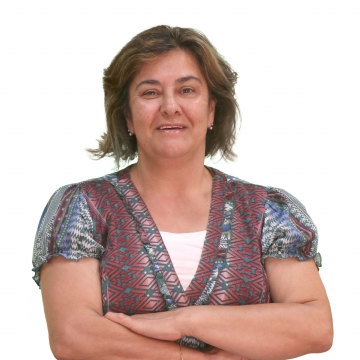
Maria Margarida Rolim Augusto Lima is an Assistant Professor at the Faculty of Science and Technology (Nova University Lisbon) in the Department of Materials Science. Her academic career focuses on ceramic and glass materials research. PhD in Materials Science (Ceramics and Glass), Nova University Lisbon (2003) MSc in Materials Engineering, Nova University Lisbon (1994) BSc in Physical and Materials Engineering, Nova University Lisbon (1989) Her scientific interests span mechanical recycling of electrical/electronic waste , ceramic-based industrial waste recycling , and glass-ceramic composites development. Research emphasizes synthesis techniques, crystallization kinetics, and dielectric properties evaluation. The article titles show consistent focus on borosilicate glass systems (2003-2014), with technical investigations into isothermal/non-isothermal sintering , oxide substitution effects , and microstructural evolution through dilatometry/XRD. Most recent publications (2012-2014) demonstrate continued work on glass-ceramic composites and dielectric behavior .
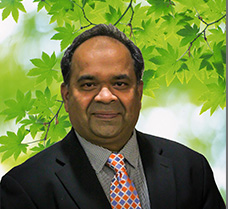
Professor Sankar Bhattacharya is a distinguished academic at Monash University's Department of Chemical & Biological Engineering within the Faculty of Engineering. His career spans industry roles in India, Thailand, Australia, and France, followed by an academic focus on advanced coal and biomass utilization, gasification, biofuels, and catalysis. He leads a research group of 16 PhD students and two research fellows, having supervised 12 PhD completions. His work contributes to UN SDGs related to affordable and clean energy, industry innovation, and climate action. Research focuses on gasification of coal/biomass/algae, liquid fuels from brown coal, and CO₂ utilization. He advises Japan's METI on clean coal and the IEA's Cleaner Fossil Fuels program. Awards include Fellow of the Australian Institute of Energy and membership in the American Chemical Society. Key projects include leadership in ARC Research Hubs for carbon waste valorization and battery recycling. His 240+ publications span catalysis, energy systems, and waste-to-value technologies. Research highlights include catalyst development for hydrogen production, critical metal recovery from coal ash, and ammonia fuel cell innovations. Teaching commitments include courses on energy-environmental systems and biorefinery processes. Collaborations span global institutions, emphasizing sustainable energy solutions and circular economies.
Prof. Ricardo Pereira Nogueira holds the position of University Professor at Grenoble INP/PHELMA, affiliated with the LEPMI laboratory. His research focuses on electrochemistry, corrosion science, and materials engineering, with particular emphasis on surface interactions, stochastic processes in electrochemical systems, and sustainable energy applications. He has significantly contributed to understanding corrosion mechanisms in various environments and developing advanced materials for energy storage and biomedical applications. His teaching activities include courses on electrochemistry, corrosion, and statistical analysis. With over 104 peer-reviewed articles and 6 book chapters, Prof. Nogueira has also supervised 25 doctoral theses and 19 Master's theses. His work spans topics such as electrocatalyst design for biofuel production, corrosion inhibition in CO₂ environments, and the electrochemical behavior of metals in aggressive media. He has delivered 12 invited lectures and participated in over 100 international conferences, showcasing his global academic impact. Prof. Nogueira's research group at LEPMI investigates interfaces in metal-electrolyte systems, stochastic modeling of electrochemical processes, and the development of durable materials for infrastructure and energy systems. His contributions to understanding hydrogen evolution reaction dynamics and material degradation mechanisms have advanced both fundamental science and industrial applications.
Professor Simon Pollard OBE DIC PhD DSc FREng FHEA is a Professor of Environmental Risk Management at Cranfield University's School of Water, Energy and Environment. With over 20 years of service at Cranfield, he has held numerous leadership positions including Pro-Vice Chancellor for the School of Water, Energy and Environment (2014-2021) and Pro-Vice-Chancellor International (2018-2024). He has served on the University's Executive for a decade and chaired key committees including Cranfield's Board for Energy and Environment, Health and Safety Committee, and International Committee. As an environmental engineer, Professor Pollard earned his PhD from Imperial College and his DSc from Cranfield University. His academic journey has positioned him as a leading authority in environmental risk governance, with significant contributions to government guidelines on environmental risk and leadership of risk centers for EPSRC and NERC. Professor Pollard's research focuses on environmental risk governance, preventative risk management, and regulatory design, with recent work exploring risk governance in the international water sector. His scholarship directly addresses the green economy, seeking to reconcile society's concerns about pollution with organizational responsibilities for safe management. His work spans carbon and climate risk, environmental policy, corporate sustainability, waste management, and resource efficiency. His extensive publication record demonstrates expertise across environmental engineering, risk assessment methodologies, water utility management, and sustainable waste practices, consistently bridging theoretical frameworks with practical applications. Professor Pollard has been honored with several prestigious awards including: Order of the British Empire (OBE) in 2020 Fellowship of the Royal Academy of Engineering (FREng) Fellowship of the Higher Education Academy (FHEA) Professor Pollard has served in numerous advisory capacities beyond academia, including membership on the Government's Interdepartmental Liaison Group on Risk Assessment, the joint engineering institutions' Hazards Forum, and BBSRC's Beringer Panel. As editor of Science of the Total Environment for 16 years, he has significantly influenced environmental research publication standards. His international engagement includes visiting professorships at the University of South Australia, Jiangsu University, and most recently, the University of Salerno (2024). Professor Pollard has led significant initiatives in responsible internationalization, resetting Cranfield's approach to academic partnerships amid changing geopolitical climates and renewing the university's approach to knowledge diplomacy. His work has directly influenced UUKi's commitment to international postgraduate education.
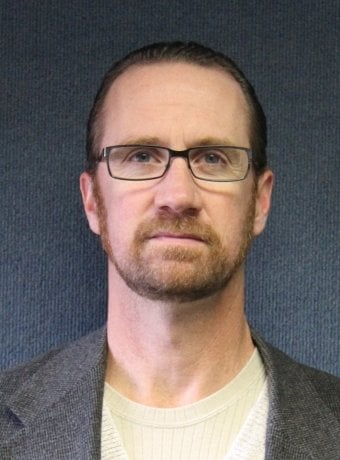
Associate Professor Kirk Vessalas is Head of School at the School of Civil and Environmental Engineering , University of Technology Sydney. He has led groundbreaking research on low-carbon concrete , supplementary cementitious materials (SCMs) , and alkali-silica reaction (ASR) mitigation since 1992. His work integrates industrial by-products like fly ash and slag into high-performance concrete systems, supporting Australia's transition to a net-zero economy . PhD in Civil Engineering (UTS, 2009) Bachelor of Applied Science in Materials Science (UTS, 1991) Research interests span: Concrete durability and decarbonisation Mechanisms of ASR and DEF (Delayed Ettringite Formation) Development of smart cement-based sensors with self-sensing and self-cleaning properties Application of nanotomography for microstructural analysis Regulatory reform in Australian and New Zealand concrete standards Recent publications highlight advancements in alkali-activated binders , DEF risk assessment , and SCM integration for sustainable infrastructure. His studies often combine chemical analysis , durability testing , and industry collaboration to address practical challenges. Supervision and grants include mentoring students like Johnson Mak and Nicholas Allan, with over $6M AUD secured from ARC Research Hub , SmartCrete CRC , and international partnerships . He actively collaborates with Cement Concrete & Aggregates Australia , Concrete New Zealand , and infrastructure agencies.
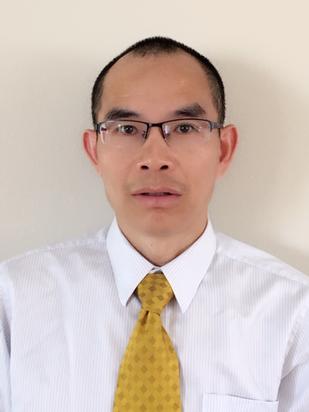
Dr. Sen Wang is a Postdoctoral Fellow in the School of Chemistry and Physics at Queensland University of Technology (QUT), Faculty of Science. His research focuses on mineralogy and mineral processing, with applications in building materials development and mineral-based catalysts. Dr. Wang earned his PhD from QUT in 2023. Prior to that, he completed his Master's degree from China University of Mining and Technology (Beijing) in 2018, and his Bachelor's degree from the same institution in 2014. Dr. Wang's research specializes in the structures and properties of minerals, with a focus on designing mineral-based materials for practical applications including sustainable concrete, clay bricks, fire-resistant gypsum boards, and high-performance catalysts. He has actively collaborated with Queensland's building materials industry for five years, implementing quality control strategies and facilitating technology transfer. His research outputs have been disseminated to 22 brickmaking factories worldwide, demonstrating significant practical impact. Dr. Wang's publication record shows expertise across mineral processing, materials science, and environmental applications. His work demonstrates consistent focus on clay minerals and their applications in construction materials, with significant contributions to understanding thermal behaviors during brick firing. More recently, his research has expanded into catalysis and nanomaterials for environmental applications, showing increasing interdisciplinary reach. Dr. Wang has secured over AUD $120k in grants and awards, including: QUT Early Career Researcher Ideas Scheme (Australia, 2024) The Clay Minerals Society Student Research Grant (USA, 2023) The Clay Minerals Society Student Travel Award (USA, 2022) Chinese Government Award for Outstanding Self-financed Students Abroad (China, 2022) Dr. Wang has authored 19 research articles in top-tier peer-reviewed journals since 2016, with one first-author paper achieving ESI's top 1% highly cited paper in Engineering. His work has accumulated over 700 citations on Google Scholar, with both h-index and i10-index standing at 17. He is currently accepting research students for Honours, Masters, and PhD study, indicating his active role in mentoring the next generation of researchers. Dr. Wang is affiliated with the Centre for Materials Science at QUT and serves on the Editorial Boards of Green and Smart Mining Engineering (KeAi, China) and the International Journal of Materials Science and Applications (Science PG, USA). His membership in The Clay Minerals Society (USA) demonstrates his standing in the mineralogy research community.
Dr. Aliakbar Gholampour is a Senior Lecturer in Civil and Structural Engineering at the College of Science and Engineering, Flinders University. He earned his PhD in Structural Engineering from the University of Adelaide in 2019 and served as a Postdoctoral Research Fellow at the University of Melbourne until July 2020. He currently serves as Sustainable Construction Materials and Technologies Lead at Flinders University. Dr. Gholampour's educational background includes: PhD in Structural Engineering, University of Adelaide (2019) MSc in Structural Engineering BSc in Civil Engineering (Honours) His research focuses on sustainable infrastructure development through innovative materials and technologies. Dr. Gholampour specializes in recycling waste materials, industrial by-products, and fibers to develop sustainable construction materials. His work encompasses cementitious composites containing nanomaterials, smart multifunctional construction materials, 3D printable concrete, and advanced modeling of fiber-reinforced concrete. In structural engineering, he investigates the behavior, performance, and design of civil infrastructure with emphasis on resilience, sustainability, and management of deteriorating assets. Analysis of his recent publications reveals a strong focus on sustainable construction materials, particularly in recycling waste streams (foundry sand, plastic, glass, lead slag) for concrete production. His work integrates advanced computational methods including machine learning for material property prediction. The research trends show increasing emphasis on life cycle assessment, carbon reduction technologies, and the development of high-performance sustainable concrete alternatives using industrial by-products and recycled materials. Dr. Gholampour's scientific recognition includes: World's top 2% scientist by Stanford University and Elsevier (2021-2023) Emerging Research Leader Award, Flinders University (2023) Vice-Chancellor's Award for Early Career Researchers, Flinders University (2022) Finalist, SA Climate Leaders Awards (2024) Dean's Commendation for Doctoral Thesis Excellence, University of Adelaide (2019) His research is supported by significant grants including the International Clean Innovation Researcher Networks for Decarbonising the Building Industry (2023-2027), multiple Research Investment Funds from Flinders University, and the CRC-P grant for Recycling Waste Plastics. Dr. Gholampour serves as Special Issue Editor for multiple journals including Materials, Fibers, and Frontiers in Built Environment, and as Associate Editor for Frontiers in Built Environment Journal. He is a Steering Committee Member of the International Researcher Network for Decarbonising the Building Industry and a member of the Concrete Institute of Australia.
Dr. Prasad Rao Rangaraju is a Professor of Civil Engineering at Clemson University's Glenn Department of Civil Engineering. His research focuses on sustainable materials engineering, decarbonization of cement production, and concrete durability. He holds a B.Tech from Jawaharlal Nehru Technical University (India), an M.S. from Iowa State University, and a Ph.D. from Purdue University. Professional affiliations include the American Society of Civil Engineers, American Concrete Institute, and Transportation Research Board. His work emphasizes eco-friendly material innovations like geopolymer alternatives, recycled glass utilization, and additive manufacturing with cementitious materials. He teaches courses on sustainable construction, advanced concrete technology, and materials characterization techniques. Key research contributions include developing rapid testing methods for alkali-silica reactivity, optimizing ternary blends for durability, and advancing full-depth reclamation techniques for pavements. His lab explores cutting-edge solutions for infrastructure rehabilitation and low-carbon construction practices.
Kegang Ling is an Associate Professor in the Department of Energy and Petroleum Engineering at the University of North Dakota (UND) College of Engineering & Mines. He is also the Undergraduate Program Director for Petroleum Engineering, teaching courses like Reservoir Rock Properties and Natural Gas Engineering. With over 25 years of industry experience, his work bridges academia and practical applications in unconventional reservoirs. Ph.D., Petroleum Engineering, Texas A&M University (2010) M.S., Petroleum Engineering, University of Louisiana at Lafayette (2006) B.S., Geology, China University of Petroleum at Beijing (1995) His research focuses on CO2/H2 storage, natural gas engineering, and production optimization. Recent work applies discrete element modeling to rock properties and machine learning to EOR screening. He leads projects on fly ash utilization for drilling fluids and leakage detection in pipelines, emphasizing sustainability and efficiency. The last five years of publications show expertise in unconventional reservoir geomechanics, CO2 storage, and solvent-based EOR. Collaborations with SPE conferences and NSF-funded projects highlight interdisciplinary and applied trends. Keywords span Petroleum Engineering , Rock Mechanics , and Machine Learning , with subfields like huff-n-puff EOR and wellbore flow assurance . Scientific Awards & Funding: SPE Faculty Enhancement Travel Grant (2013, 2014) NSF Grant ($585,405): Nano-scale hydrocarbon thermodynamics NDIC Grants ($6.7M total): CO2 EOR, geomechanics, drilling fluids Research North Dakota Grant ($178,000): Cell mechanics for cancer diagnosis He has advised 5 graduate students (Ph.D./M.S.) and contributed to 130+ publications. Current funding includes projects on produced water treatment and molecular thermodynamics in nano-scale pores.
John Sandell is an Associate Professor in the Department of Chemical Engineering at Michigan Technological University. His work focuses on fire protection, environmental engineering, and innovative teaching methods. He holds a PhD from Michigan Technological University. Education: PhD, Chemical Engineering, Michigan Technological University Research Interests: Fire suppression systems in chemical industries, advanced fire protection techniques, materials microscopy (electron beam analysis), and pedagogical strategies for engineering education. His fire safety research addresses modern manufacturing materials and process safety, while his educational work explores multimedia teaching tools and student behavior analysis. Publications Trends: His articles span environmental engineering (e.g., lead-bearing fly ash characterization) and educational topics (e.g., chemical engineering technician profiles). Key themes include material analysis, pollution control, and curriculum development. Awards/Grants: No awards or grants explicitly listed in the provided text. Advising & Labs: No student advisees or lab affiliations explicitly mentioned.
Prof. Dr. Abdullah Hilmi Lav is a faculty member at Istanbul Technical University in the Department of Civil Engineering . His research focuses on Transportation Planning , Bituminous Materials , and Transportation Structures Engineering . He can be contacted via email at lav@itu.edu.tr . PhD from University of Technology, Sydney (1993) Research interests include pavement engineering, sustainable highway materials, and transportation safety measures. His recent work has explored CO2 emission mitigation in highway systems and recycled waste applications in asphalt layers. Key article trends show expertise in: Flexible pavement optimization Environmental impact reduction Speed hump design and safety Alternative binder materials (sulphur, fly ash) Structural stabilization techniques With an h-index of 14 and over 595 Scopus citations, his work spans experimental testing, simulation modeling, and sustainability-focused infrastructure solutions.
Gerald Steiner is a full professor of organizational communication and innovation, dean of the Faculty of Business and Globalization, and chair of the Department for Knowledge and Communication Management at Danube University Krems in Austria. He is also a member of the Associate Faculty at the Complexity Science Hub Vienna since 2018, reflecting his deep engagement with systems and complexity science. His academic journey includes a PhD in management studies and social sciences from the University of Graz and a BSc in mechanical engineering, with training at UC Berkeley, UCLA, and the University of Oklahoma. His education includes: PhD in Management Studies and Social Sciences (Organizational and Innovation Management), University of Graz Bachelor of Science in Mechanical Engineering, Austria Training at UC Berkeley, UCLA, and University of Oklahoma at Norman Gerald Steiner's research is rooted in systemic and sustainability management, guided by a complexity science framework. His work explores sustainability-oriented innovation systems, knowledge integration, transdisciplinarity, and stakeholder collaboration. He investigates competences for solving complex problems and sustainable entrepreneurship, with recent focus on sustainable resource management, particularly the phosphorus supply chain and phosphate rock mining. His research emphasizes collaborative, science-practice co-creation and digital transformation in innovation systems. The recent publications reflect a strong interdisciplinary trend, bridging sustainability science, public health, mineral economics, and digital entrepreneurship. Articles frequently address systemic challenges during crises (e.g., COVID-19), transdisciplinary modeling, and resource security. Keywords span environmental science, behavioral science, policy, and systems thinking, indicating a holistic, integrative research approach. Scientific awards are not explicitly listed in the provided text. Gerald Steiner actively mentors students and early-career researchers, as evidenced by co-authorships with individuals such as L. Satalkina, L. Zenk, and J. Weitzer. He co-directs the PhD program in migration studies, indicating leadership in graduate education. While specific grants are not mentioned, his involvement in transdisciplinary labs and high-impact publications suggests successful funding acquisition. His work often involves international collaboration, especially with institutions in the D-A-CH region and the United States. He has co-founded four transdisciplinary labs at Danube University Krems: the Transdisciplinarity Laboratory Sustainable Digital Environments, the Transdisciplinary Laboratory for Sustainable Mineral Resources, GovLab Austria, and the Biodiversity Hub. These labs serve as platforms for integrating science, policy, and practice in sustainability transitions.
Assoc. Prof. Dr. Celalettin Duran is a Turkish geographer and associate professor at Kastamonu University's Faculty of Humanities and Social Sciences, Department of Geography. With a career spanning since 2005, his work connects physical geography, ecology, and GIS technologies. PhD in Physical Geography (Fırat University, 2011) MSc in Physical Geography (Fırat University, 2005) BSc in Forest Engineering (Istanbul University, 1999) Research spans three core areas: Ecology (soil contamination, radiological risks, forest health), Ecological Design/Planning (agroforestry systems, spatial suitability analysis), and Geographic Information Systems (GIS applications in environmental monitoring, climate-vegetation mapping). Recent work includes 2025 studies on chestnut forests and doline distribution, 2024 analyses of radiogenic heat in clay bricks, and 2023 assessments of radon risks in beverages. Collaborates with Şeref Turhan and Aslı Kurnaz on industrial pollution studies Worked with Halil Günek on Mersin region ecological research Part of 7 funded projects including Devrekani Plateau silvopastoral systems
Zeynep Başaran Bundur is an Associate Professor and Chair of Civil Engineering at Özyeğin University in Istanbul, Turkey. She leads the Sustainable and Adaptive Materials (SAM) Research Group and oversees the Construction Materials Laboratory at the university. Her academic journey began with a Bachelor's degree in Civil Engineering from Bogazici University in 2009, followed by Master's and Ph.D. degrees from The University of Texas at Austin in 2011 and 2013, respectively. Dr. Başaran Bundur's educational background is impressive and well-focused on her research interests: Bachelor's in Civil Engineering, Bogazici University, 2009 Master's in Civil Engineering, University of Texas at Austin, 2011 Doctorate in Civil Engineering, University of Texas at Austin, 2013 Dr. Başaran Bundur's research focuses on the development of sustainable and adaptive materials for civil engineering applications. Her work centers on understanding the relationship among processing, chemistry, properties, and performance of cement-based materials to develop novel, sustainable, and durable construction solutions. She is particularly known for her pioneering work in bio-based self-healing concrete technologies, where microorganisms are incorporated into cementitious materials to enable automatic crack repair. Her research spans several key areas: Advanced cementitious and mineral building materials (self-healing, self-cleaning) Effect of supplementary cementitious materials and geopolymers Additive manufacturing (3D printing) of cement-based composites Development of bio-based rheology modifying admixtures Use of end-of-life materials as alternative binders in concrete Her publication record demonstrates a consistent focus on sustainable construction materials, with over 40 publications and more than 500 citations as of 2022. The trend in her research shows a progression from fundamental studies on biomineralization in cement-based materials toward practical applications in construction technology, particularly in additive manufacturing and sustainable material development. Her work bridges the gap between biological processes and civil engineering materials, creating innovative solutions for the construction industry's environmental challenges. Dr. Başaran Bundur has received significant recognition for her research contributions: Patent for "CEMENT-BASED COMPOSITIONS WITH IMPROVED RHEOLOGICAL PROPERTIES AND METHODS FOR PRODUCTION THEREOF" (2016) Development of BioCrete, an eco-friendly cement-based mortar with adaptive performance Multiple research grants from TÜBİTAK (The Scientific and Technological Research Council of Turkey) Funding from industrial partners like ÇİMSA A.Ş. for applied research International collaborations with universities in Belgium, France, and the USA As an educator, Dr. Başaran Bundur has supervised numerous graduate and undergraduate students, many of whom have continued their academic careers at prestigious institutions worldwide. Her research group, SAM, actively works on cutting-edge projects that address global challenges in the construction sector, particularly focusing on reducing CO2 emissions and developing sustainable alternatives to traditional construction materials. The group's work aligns with the urgent need to transform the construction industry, which accounts for approximately 8% of global CO2 emissions. The SAM Research Group operates at the intersection of biology, material science, and civil engineering, developing innovative solutions such as: BioCrete: A sustainable and self-healing cement-based grout with improved rheology Geo-3D: Additive manufacturing using fiber-reinforced geopolymers Conc-3D: Additive manufacturing of fiber-reinforced cement-based composites ReCement: Regenerating end-of-life materials for reuse in cement/concrete
Omar Alsanusi Amer is a Lecturer in the Department of Civil Engineering at Clemson University , within the College of Engineering, Computing and Applied Sciences (CECAS) . He specializes in sustainable construction materials and is actively involved in teaching undergraduate courses and conducting research in the areas of geopolymer concrete, supplementary cementitious materials, and pavement recycling. Education: Bachelor of Science in Civil Engineering, Misurata University, 2006 Master of Science in Civil Engineering – Structural Engineering, San Diego State University, 2011 Ph.D. in Civil Engineering – Construction Materials, Clemson University, 2020 Research Interests: Dr. Amer's research is centered on the development and application of sustainable construction materials , particularly focusing on the use of supplementary cementitious materials such as fly ash and ground glass fibers. His work explores the potential of geopolymer concrete as an alternative to traditional Portland cement, aiming to reduce the environmental impact of construction. He also investigates the durability of concrete under various conditions and the recycling of asphalt pavements using innovative binders. His research contributes to the broader goals of sustainable infrastructure , waste material valorization , and resilient construction practices . Through experimental and analytical studies, he evaluates the performance of alternative materials in both laboratory and field conditions, aiming to bridge the gap between academic research and practical engineering applications. Scientific Contributions & Awards: Dr. Amer has authored and co-authored several peer-reviewed journal articles and conference papers. While no specific awards are mentioned, his consistent publication record and active participation in professional societies such as the American Concrete Institute highlight his commitment to advancing the field of civil engineering. Teaching & Advising: As a lecturer, Dr. Amer teaches a range of undergraduate courses including: CE2010 Statics CE2200 Introduction to Civil Engineering Design CE3510 Civil Engineering Materials CE3511 Civil Engineering Materials Laboratory He is actively involved in mentoring students through coursework and research, fostering a learning environment that emphasizes sustainability and innovation in civil engineering.