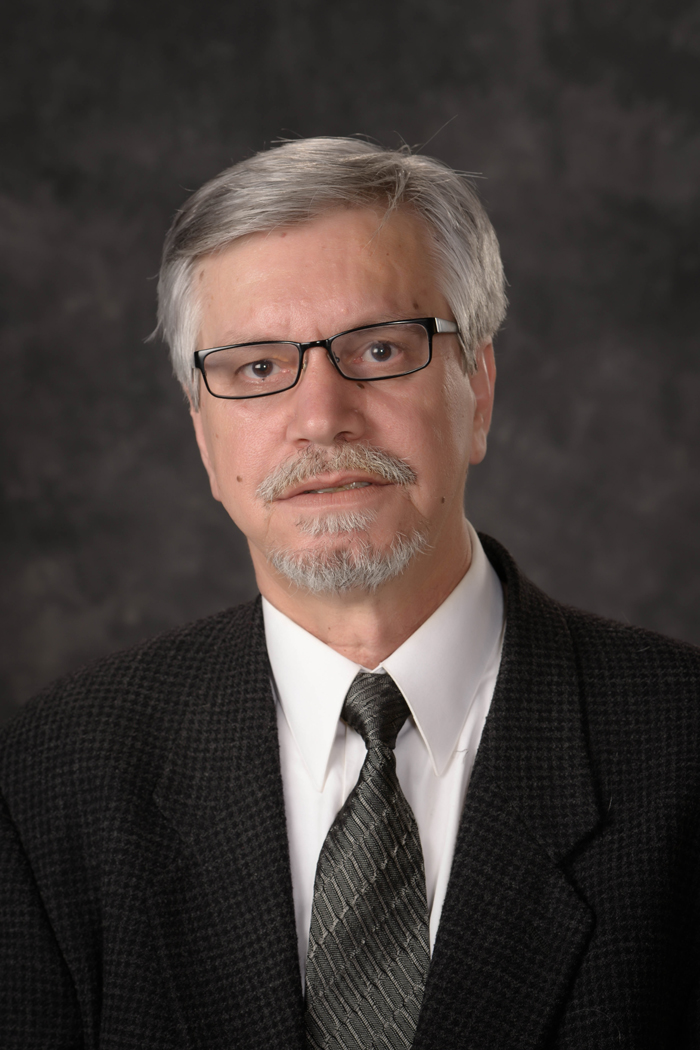
Paul Selvin is a Professor in the Department of Physics at the University of Illinois Urbana-Champaign, where he has been a faculty member since 1997. His research focuses on developing and applying advanced fluorescence microscopy techniques to study biological systems at the molecular level. Professor Selvin earned his Ph.D. in Physics from the University of California, Berkeley in 1990, though his work was primarily in biophysics. His research spans multiple disciplines including biophysics, neuroscience, and biomedical imaging, with a particular focus on single molecule fluorescence techniques and their applications to understanding molecular motors and cellular processes. His most significant contribution is the development of FIONA (Fluorescence Imaging with One-Nanometer Accuracy), which enabled the first direct observation that molecular motors move in a hand-over-hand walking fashion. This discovery was recognized as one of the ten most significant advances in science for 2003 by Science magazine. His research has evolved from in vitro studies to in vivo investigations of molecular motors within living cells, and now extends to measurements in situ using model organisms. His recent publications demonstrate continued innovation in super-resolution microscopy, label-free imaging techniques, and applications to understanding cellular dynamics, particularly in neuroscience and cancer research related to hormone-induced cancers and associated proteins. Scientific Awards: National Science Foundation CAREER Award (2000) The International Raymond and Beverly Sackler Prize in Biophysics (2006) Fellow, American Physical Society (2004-present) Biophysical Society Michael and Kate Barany Award for Young Investigators (2004) Multiple teaching excellence awards from the University of Illinois Professor Selvin has advised numerous students, including Ahmet Yildiz whose Ph.D. thesis won Science's grand prize. His research has been supported by various fellowships including Grass Imaging Fellowship, Nikon Fellowship, and Beckman Fellowship. He is currently a Faculty Member of the Precision Proteomics Research Theme at the Institute for Genomic Biology and continues to develop new imaging techniques for biological applications.