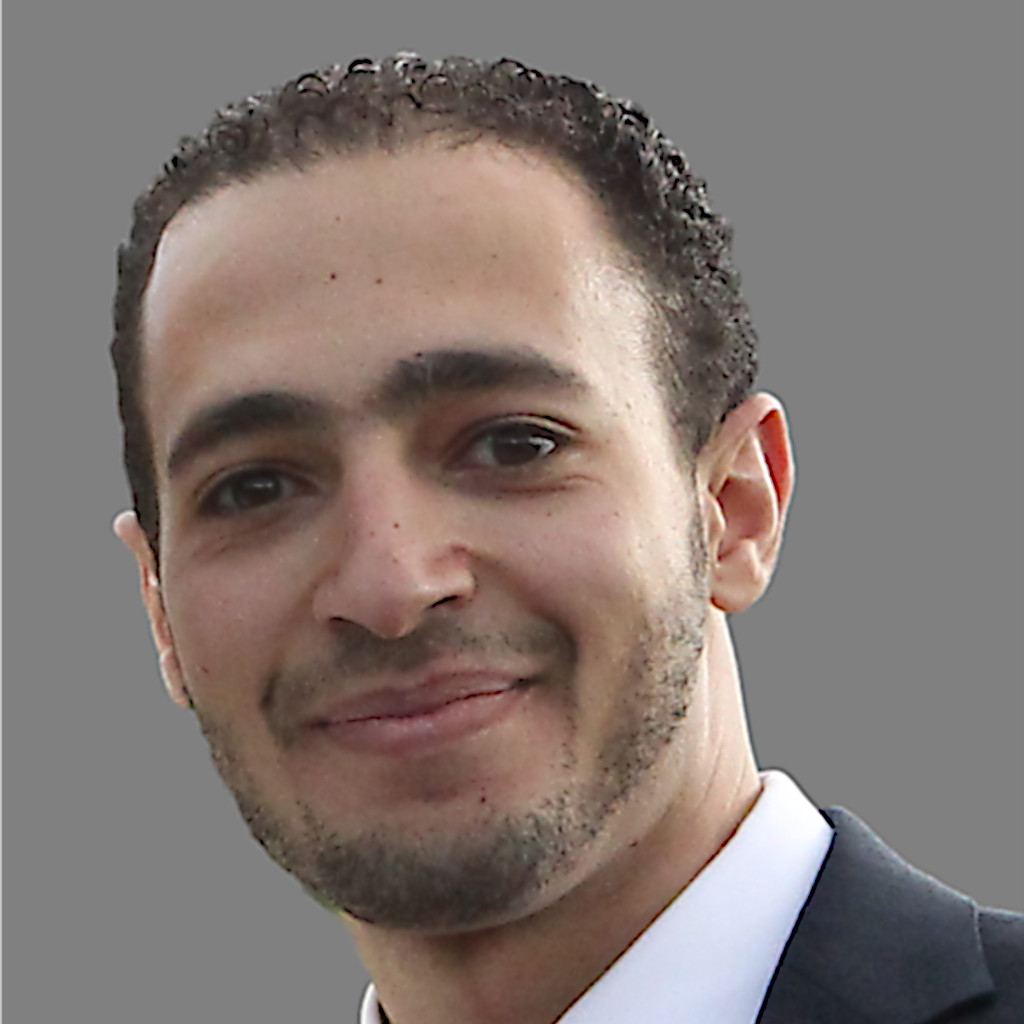
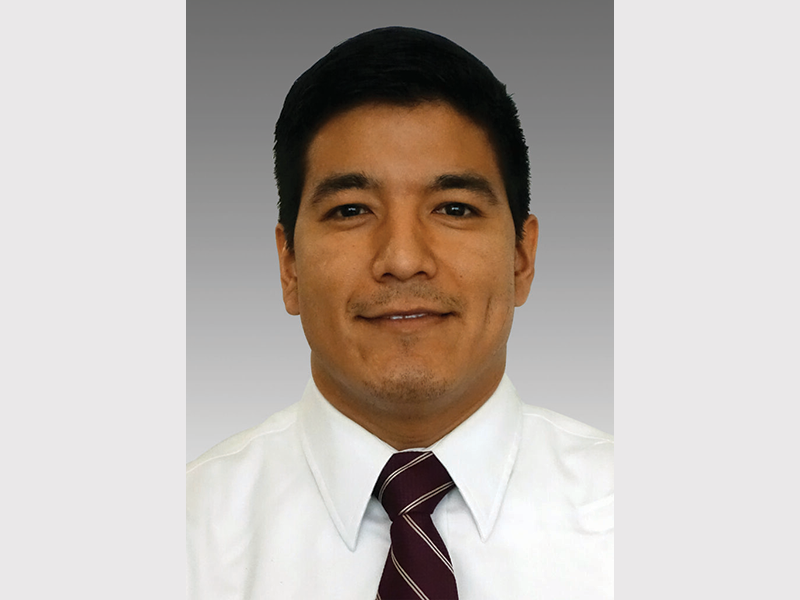
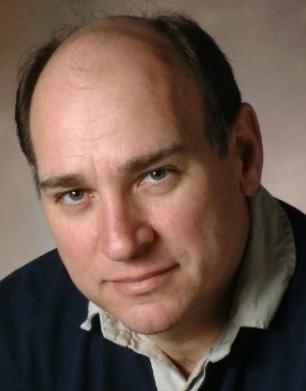
Mathias Burisch is an Associate Professor in the Department of Geology and Geological Engineering at the Colorado School of Mines. His research focuses on economic geology, hydrothermal mineral systems, and crustal fluid processes. He holds a Dr. rer. nat. from the University of Tübingen (2016) and an M.Sc. from the University of Freiburg (2012). His work emphasizes critical mineral resources (e.g., Li, Co, Ni, U) and precious/base metals, with field studies in Germany, Mexico, and Indonesia. Education: Dr. rer. nat., Geoscience, University of Tübingen (2016) Education: M.Sc., Geology, University of Freiburg (2012) Research interests include ore-forming processes in hydrothermal systems, fluid inclusion analysis, and the origin of mineral resources in magmatic-hydrothermal settings. He has extensively studied the Erzgebirge/Krušné Hory ore provinces and the Gorno MVT district in Italy. Recent studies focus on lithium enrichment in greisen deposits and the timing of skarn mineralization in Mexico and Germany. Publishing in Economic Geology and Mineralium Deposita, his work integrates field data with LA-ICP-MS geochronology and fluid inclusion studies. Notable contributions include linking Sadisdorf mineralization to caldera collapse and elucidating uranium-arsenide systems in Schlema-Alberoda.
Amy Wagoner Johnson is a Professor in the Department of Biomedical and Translational Sciences at the Carle Illinois College of Medicine, University of Illinois Urbana-Champaign, with secondary appointments in Mechanical Science and Engineering. She leads the Applied Biomaterials and Biomechanics Lab (ABBL), conducting interdisciplinary research spanning bone tissue engineering, women's reproductive health, and coral reef restoration. Her educational background includes: Ph.D. in Materials Science from Brown University (2002) M.S. in Materials Science from Brown University (1998) B.S. in Materials Science and Engineering from The Ohio State University (1996) Professor Wagoner Johnson's research focuses on biomaterials and biomechanics, particularly: Developing multiscale bone scaffolds for trauma repair Investigating cervical biomechanics in pregnancy and preterm birth Creating coral settlement substrates for reef restoration Designing hydroxyapatite-based systems for stem cell delivery Her work integrates materials science, mechanical engineering, and clinical medicine to address critical challenges in tissue regeneration. Analysis of her recent publications reveals strong trends in translational biomaterials development, with increasing emphasis on women's health applications and marine ecosystem restoration. Her bone scaffold research has evolved toward multi-material systems with spatially graded architectures, while her reproductive health work increasingly employs advanced imaging techniques like second-harmonic generation microscopy. Her scientific honors include: Fellow of the American Institute for Medical and Biological Engineering (2021) Grainger College DEI Award (2022) Andersen Faculty Scholar (2020) Dean's Research Excellence Award (2018) As an educator, she has received multiple teaching awards including the Society of Women Engineers Outstanding Engineering Educator Award (2020) and multiple 'Teachers Ranked as Excellent' recognitions. She serves as MechSE Pre-Med Advisor and actively mentors undergraduate researchers, receiving the Campus Award for Guiding Undergraduate Research (2013). Her lab has secured significant funding for projects including NSF's 'Collaborative Research: ECO-CBET' and NIH-supported work on preterm birth mechanisms. The Applied Biomaterials and Biomechanics Lab maintains strong collaborations with veterinary medicine, surgery departments, and international partners including the NanoSciences Foundation in Grenoble, France. Current projects focus on developing tools to track inflammation in human tissue as Chan Zuckerberg Biohub Chicago Investigators.
Dr. Aleona Swegen is an ARC DECRA Fellow at the School of Environmental and Life Sciences, University of Newcastle, Australia. A veterinarian and research fellow specializing in animal fertility, she applies cutting-edge reproductive biology techniques to benefit both endangered species and livestock. Her work focuses on developing novel approaches to preserve fertility, particularly through proteomic and molecular analyses of reproductive processes. Bachelor of Veterinary Science, University of Sydney (2010) PhD in Reproductive Science, University of Newcastle, Australia (completed under Laureate Professor John Aitken) Dr. Swegen's research spans multiple interconnected areas of reproductive biology. Her primary focus is on equine reproduction, particularly stallion sperm biology and fertility. She investigates how environmental factors like heat stress impact male fertility and offspring health. Her work also extends to endangered species conservation, notably her contributions to the Rhino Fertility Project aimed at rescuing the Northern White Rhino from extinction. Through proteomic, lipidomic, and molecular approaches, she explores embryo-maternal interactions, sperm metabolism, and novel fertility preservation techniques. Analysis of Dr. Swegen's recent publications reveals a strong emphasis on applying advanced 'omics technologies to reproductive challenges. Her work consistently bridges basic science with practical applications in both livestock breeding and endangered species conservation. A notable trend is her exploration of how environmental stressors, particularly heat stress, affect reproductive outcomes across species. Her research demonstrates increasing integration of multi-omics approaches (proteomics, lipidomics) to identify biomarkers and develop diagnostic tools for fertility assessment. ARC DECRA Fellowship (2022-2024) for research on heat stress effects on male fertility Dr. Swegen actively supervises multiple PhD and Masters students, focusing on topics related to equine reproduction, heat stress effects, and fertility preservation. She has secured significant research funding, including multiple ARC grants and AgriFutures Australia projects totaling over $3 million. Her current projects include 'Early pregnancy in the mare: mechanisms of immune recognition and novel assays for pregnancy testing' and 'Pioneering reproductive biotechnology innovations for equine breeding,' reflecting her dual focus on fundamental research and practical applications. As part of the Priority Research Centre for Reproductive Science at the University of Newcastle, Dr. Swegen collaborates with interdisciplinary teams working on reproductive challenges across species. Her work connects with conservation efforts globally, particularly through collaborations with institutions like the Smithsonian Conservation Biology Institute and the University of Oxford's Rhino Fertility Project.
Tal Cohen is an Associate Professor in the Department of Civil and Environmental Engineering at the Massachusetts Institute of Technology (MIT), School of Engineering. He joined MIT as an assistant professor in November 2016 after working at Harvard's School of Engineering and Applied Sciences, and was granted tenure in May 2023. He leads the Cohen's Mechanics Group, which focuses on understanding material behavior under extreme conditions including large deformations, dynamic loading, and growth. His educational background includes a Ph.D. (2014), M.Sc. (2011), and B.Sc. (2007) from the Faculty of Aerospace Engineering at the Technion, Israel. Professor Cohen's research centers on nonlinear solid mechanics, material growth, and material instabilities. His work combines theoretical modeling with experimental approaches to explore how materials behave at their extremes. Key research areas include understanding material instabilities (what triggers them, how they can be harnessed or avoided), extreme dynamic loading (shock wave propagation, energy dissipation), and material growth with chemical coupling (how growth leads to residual stresses and morphological changes). His research has significant implications for protective structures, understanding planetary impacts, and biological systems. Analysis of his recent publications (2015-2025) reveals a consistent focus on nonlinear mechanics of soft materials, with increasing emphasis on biological applications in recent years. His work spans theoretical frameworks for material growth, experimental characterization of soft material properties, and computational modeling of complex material behaviors. Key themes include cavitation phenomena, fracture mechanics in soft materials, and the mechanics of biological growth processes. MIT Arthur C. Smith Award, 2024 Eshelby Mechanics Award for Young Faculty, 2023 NSF CAREER Award, 2020 ONR Young Investigator Award, 2020 ARO Young Investigator Award, 2019 MIT-Technion Post-Doctoral Fellowship, 2013-2014 Zonta International Amelia Earhart Fellowship, 2011-2012 Professor Cohen has advised numerous students through their PhD, Master's, and undergraduate research projects. His group includes current PhD candidates working on topics related to material growth, biological mechanics, and extreme loading conditions. He has successfully placed former postdocs in faculty positions at institutions including Harvard, UNH, and Central South University in China. His research has been supported by significant grants including the NSF CAREER Award and Young Investigator Awards from ONR and ARO. The Cohen Mechanics Group maintains an active research program with connections to multiple disciplines including civil engineering, mechanical engineering, materials science, and biomechanics.
Dr Ronojoy Adhikari is a Lecturer in the Department of Applied Mathematics and Theoretical Physics (DAMTP) at the University of Cambridge, affiliated with the Faculty of Mathematics. His research focuses on statistical physics, soft matter, stochastic processes, Bayesian inference, and machine learning. He has taught Mathematical Biology (2018–2021) and Electrodynamics (2021–2023). His work bridges theoretical frameworks with experimental insights, addressing phenomena such as active matter dynamics, non-equilibrium thermodynamics, and stochastic modeling of biological systems. Key contributions include studies on autophoretic particles, path probabilities in stochastic systems, and Bayesian approaches to epidemiological modeling. His research group, part of the Soft Matter program at DAMTP, explores interdisciplinary topics like colloidal crystallization and enzymatic network kinetics. Notable publications highlight investigations into fluctuating hydrodynamics, entropy production measurements, and the mechanics of rigid inclusions on curved surfaces. His interdisciplinary approach integrates computational methods (e.g., lattice Boltzmann simulations) with mathematical rigor to understand complex systems. While no awards are explicitly listed, his extensive publication record underscores sustained academic impact. Ongoing research includes projects on path probabilities, active particle dynamics, and the interplay between geometry and material behavior in Cosserat solids. Advising and grants are not explicitly detailed in the provided texts, but his role as a faculty member suggests involvement in student supervision and collaborative projects. His work frequently appears in top journals like Physical Review Letters , Journal of Fluid Mechanics , and Science Advances , reflecting high-quality contributions to theoretical and applied physics.
Christoph Schrank is an Associate Professor at QUT's School of Earth and Atmospheric Sciences, specializing in structural geology and rock physics. His research combines field studies with synchrotron-based experimental techniques to investigate deformation processes in tectonic settings. Research focuses on: Synchrotron analysis of rock deformation Tectonic modeling of fault systems Geothermal energy applications Pattern formation in porous media Publication analysis shows emphasis on experimental rock physics (40%), microstructural analysis (30%), and Precambrian tectonics (20%). His work frequently integrates advanced imaging techniques with mechanical modeling. Funded projects include ARC DP170104550 (pressure waves in earthquake mechanics) and DP140103015 (finite strain modeling). Coordinates Honours program for Earth Science and teaches structural geology field methods.
Anne Simone Dederichs is an Associate Professor in the Department of Civil and Mechanical Engineering at the Technical University of Denmark (DTU), specializing in Structures and Safety. She is actively engaged in research and teaching in fire safety engineering, combustion dynamics, and evacuation modeling. Her work spans academic, industrial, and policy-relevant domains, with strong collaborations across Scandinavia. Doctoral Degree, Dept. of Fire Safety Engineering, Lund University (1998–2004) Master of Science, Niels Bohr Institute, University of Copenhagen (1991–1997) Bachelor of Science, Niels Bohr Institute and Department of Mathematical Sciences, University of Copenhagen (1991–1996, 1991–1995) Her research focuses on fire safety engineering , evacuation dynamics , universal design in safety systems , and sustainable construction materials . She has led seminars and EU meetings on computational fluid dynamics in combustion and turbulent combustion, and she teaches in fire chemistry, fire dynamics, and risk management. Her work contributes to UN Sustainable Development Goals related to sustainable cities and inclusive design. Recent publications show a trend toward integrating digital tools like Building Information Modeling (BIM) into fire safety, analyzing evacuation inclusivity (e.g., on ships), and evaluating fire risks of new sustainable materials. Her research bridges experimental analysis, modeling, and real-world application in buildings and industrial settings. She has held external positions as a Senior Research Scientist at RISE (Research Institutes of Sweden) and as a Researcher at Lund University. She has supervised PhD projects on composite material aging and fire safety compliance through BIM. Anne is actively involved in project leadership and collaboration, particularly in Nordic research networks. She has organized post-graduate courses and authored teaching materials in fire safety and chemical kinetics.
Prof. Can Dincer is a Professor of Sensors and Wearables for Healthcare at the TUM School of Computation, Information and Technology, Technische Universität München (TUM). His research focuses on bioanalytical materials, wearable sensors, and AI-driven diagnostics for One-Health applications, integrating disposable sensor technology with data science. He holds a doctorate from the University of Freiburg (summa cum laude, 2016) and worked as a visiting scientist at Imperial College London before joining TUM in 2024. He is a member of the Munich Institute of Biomedical Engineering (MIBE). Key research interests include: Development of wearable biosensors for real-time health monitoring CRISPR-based diagnostics for nucleic acids and proteins AI integration for therapeutic drug monitoring in sepsis and other critical conditions Environmental health connections via point-of-need diagnostics Notable achievements include the 2021 Biosensors & Bioelectronics Best Paper Award and inclusion in Stanford's World's Top 2% Scientists since 2022. His work spans clinical applications, microfluidic platforms, and nanotechnology-based solutions for healthcare challenges. Publications highlight innovations like optogenetic bioassays (Science Advances, 2024), CRISPR-powered multiplexed biosensors, and wearable systems for continuous biomarker monitoring. His research bridges material science, electrical engineering, and biomedicine to create practical diagnostic tools. Prof. Dincer collaborates across disciplines, focusing on translating lab innovations into clinical and commercial applications through advanced sensor technologies.
Dorrit Jacob is a Professor and Director of the Research School of Earth Sciences at the Australian National University (ANU), within the College of Science. She holds a Dr. rer. nat. from Georg-August University in Göttingen, with her master's and PhD research conducted at the Max-Planck Institute for Chemistry in Mainz. Recognized nationally, she was awarded the DFG Heisenberg Chair in Biomineralisation in 2012, becoming the first female recipient of this honor in Rhineland-Palatinate and at Johannes Gutenberg University Mainz. In 2013, she relocated to Australia, taking up an ARC Future Fellowship at Macquarie University before being promoted to full Professor in 2016. Since November 2020, she has served as the first female School Director of the Research School of Earth Sciences. Her research focuses on biomineralization, diamond formation, Earth's mantle geochemistry, and advanced analytical techniques like laser ablation ICP-MS and vibrational spectroscopy. She leads interdisciplinary projects, including collaborations on carbon sequestration, material science, and environmental applications. Notable awards include the DFG Heisenberg Professorship and contributions to understanding mantle dynamics through diamond inclusions and mantle xenolith studies. Dr. Jacob's work spans geology, geochemistry, and biomineralization, with over 150 publications. Her research teams investigate topics like nacre growth mechanisms, sulfide-rich continental roots, and deep carbon cycles. She supervises students in these areas and collaborates on grants related to microanalysis, climate proxies, and mantle processes. Her labs and teams at ANU and international institutions advance understanding of Earth's materials and environmental systems.
Jane Wang is a Professor in the Department of Food Science at the University of Arkansas , where she has served since 1999, progressing from Assistant to Full Professor. She also holds the title of Director of the Experiment Station in the Department of Food Science. Her research focuses on starch structure-functionality relationships , rice quality , and biomaterial utilization , with over 120 refereed publications and 5 patents. Education: B.S. in Agricultural Chemistry (1986) from National Taiwan University , M.S. in Food Science (1989) from the University of Minnesota , and Ph.D. in Food Science (1992) from Iowa State University . Postdoctoral research in starch chemistry at Iowa State University (1993-1994). Research Interests: Jane Wang's work explores starch chemistry, rice processing optimization, and value-added applications of agricultural byproducts. She investigates how starch modifications affect food and pharmaceutical properties, with a particular focus on parboiling, germination, and enzymatic treatments. Her research also examines the impact of environmental factors on rice starch development and quality. Scientific Awards: Outstanding Departmental Research Award (2008) Outstanding Volunteer, IFT Carbohydrate Division (2007) Outstanding Mentor, University of Arkansas (2005) Grants & Professional Service: She has secured over $3M in research funding, including USDA-NIFA grants and industry contracts with more than 50 food companies. Jane has served on numerous academic committees (Patent, Promotion & Tenure, Curriculum) and held leadership roles in professional organizations like IFT and AACC. She has also acted as associate editor for Cereal Chemistry and Carbohydrate Polymers , and reviewed for multiple journals and agencies. Labs & Teams: Dr. Wang leads the Carbohydrate Research Program at the University of Arkansas, focusing on starch structure-functionality, rice fortification, and biomaterial development. Her lab collaborates with industry partners and academic institutions to advance food science applications.
Osama Bilal is an Assistant Professor at the University of Connecticut (UConn), leading the We-Xite Lab focused on Wave Engineering through Extreme & Intelligent Materials. His research explores metamaterials for programmable wave control, combining mechanics, materials science, and advanced manufacturing. He holds a multidisciplinary background in aerospace engineering, computer science, and condensed matter physics from institutions including Caltech, ETH Zurich, and Cairo University. Prof. Bilal’s work bridges theory, simulations, and experiments to design multifunctional structures with unprecedented properties. Key areas include acoustic metamaterials, soft robotics, and topology optimization. His lab has developed 3D-printed ferroelectric programmable metamaterials and bistable systems for selective wave filtering. Notable recognitions include the ARL Postdoctoral Fellowship, ETH Zurich Postdoctoral Fellowship, and inclusion in the World’s Top 2% Scientists list. Research Groups: Active Faculty Member, Applied Mechanics & Advanced Materials Processing Lab Activities: Supervises students like Roshdy M., Samak M.M., and Evan, who have won multiple top awards in competitions. Recent publications highlight breakthroughs in flat band phononic metamaterials, auxetic metamaterial dynamics, and self-assembly of magnetic lattices. His team has presented at ASME IMECE and won best presentation awards at conferences like Phononics in Manchester. Ongoing projects aim to advance programmable materials for energy localization, flow control, and biomedical applications.
Dr. Adrian Rodriguez is a full-time Lecturer in the Walker Department of Mechanical Engineering at The University of Texas at Austin. He also works as an Engineering Content Developer for zyBooks (a Wiley brand), focusing on interactive textbook development. Research Focus Multibody Dynamics and Contact Mechanics Nonlinear Dynamics of Mechanical Systems Electro-Mechanical System Modeling Innovative Engineering Education Methods Accessibility in STEM Materials His publications reveal a strong emphasis on educational technology, with 12/15 articles addressing interactive learning tools, DEI initiatives, and accessibility solutions for EFL and visually impaired students. This aligns with his professional development work in modern teaching practices. Academic Journey B.S. in Mechanical Engineering from UT Austin M.S. and Ph.D. in Mechanical Engineering from UT Arlington Prior teaching roles at University of Texas at Arlington (2014-), Austin Community College (Adjunct Professor), and outreach programs Specialized Expertise Dr. Rodriguez bridges mechanical engineering research (notably in frictional contact dynamics) with educational innovation through his dual roles in academia and zyBooks content development.
Dr. Carl Spandler is an Adjunct Associate Professor at James Cook University, specializing in geochemistry and petrology. His research focuses on Earth’s mantle evolution, basaltic magma formation, subduction zone processes, and the tectonic significance of rare earth element (REE) deposits. Current projects include studies on REE mobility in the crust, crustal evolution of NE Australia, and high-pressure metamorphic rocks. Key research themes include: Geochemical cycling of REEs and critical minerals Magmatic processes in continental arcs and ophiolites Ore genesis in volcanic and carbonatite systems He has led projects such as the 'Jurassic Arc' reconstruction of eastern Gondwana and investigations into the Rukwa Rift Basin’s magmatic history. His work combines field studies, isotopic analysis (U-Pb, Nd), and experimental petrology. Teaching involvement includes mentorship in geology, particularly in analytical techniques and mineral systems. Collaborations span institutions globally, including studies in Tanzania, Peru, and China. His publications emphasize methodological advancements in laser ablation ICP-MS and the application of detrital zircon data to tectonic reconstructions. Laboratory contributions include work on the Gifford Creek Carbonatite Complex and the Tommy Creek Domain, highlighting his focus on interdisciplinary approaches to crustal evolution and mineral resource exploration.
Dr. Sami Mikhail is a Reader in Earth Sciences at the University of St Andrews, School of Earth and Environmental Sciences. His research focuses on understanding the interplay between planetary interiors and surface composition, particularly how volcanic degassing influences long-term habitability. He holds roles such as Treasurer of the Volcanic and Magmatic Studies Group and Board Member of the St Andrews Centre for Exoplanet Science. He completed his PhD at University College London (2011) and has held positions including Postdoctoral Researcher at the Carnegie Institution of Washington (2011–2013). His expertise spans geochemistry, petrology, and planetary science, contributing to UN Sustainable Development Goals related to climate action and sustainable cities. Key research interests include the deep carbon and nitrogen cycles, mantle metasomatism, diamond formation, and planetary habitability. His work has been recognized with awards such as the Distinguished Lecturer from the Mineralogical Society (2020) and the Murchison Fund (2017). Dr. Mikhail supervises PhD students (e.g., Fawn Holland, Frederik Märker) and has led major grants like the NERC-funded project on Earth’s nitrogen flux. His lab focuses on experimental and theoretical approaches to trace volatile elements in Earth’s history.
Septimiu (Tim) E. Salcudean is a Professor in the Department of Electrical and Computer Engineering at the University of British Columbia (UBC), holding both the Laszlo Chair in Biomedical Engineering and a Canada Research Chair. He earned his BEng and MEng from McGill University and his PhD from UC Berkeley in Electrical Engineering. From 1986 to 1989, he was a Research Staff Member at IBM T.J. Watson Research Center's robotics group before joining UBC. Education: BEng (McGill University, 1979) MEng (McGill University, 1981) PhD (University of California at Berkeley, 1986) Dr. Salcudean's research focuses on Medical Robotics , Image-Guided Interventions , and Elastography applications . He develops systems for robot-assisted surgery with da Vinci integration and ultrasound vibro-elastography for tissue parameter identification. His work spans prostate brachytherapy guidance , needle insertion simulation , and haptic interfaces for virtual environments. His research projects include Medical robotics with da Vinci system integration Ultrasound vibro-elastography for tissue analysis Needle insertion simulation in deformable tissue Prostate brachytherapy treatment planning His publications demonstrate expertise in Robotics and control systems Medical imaging and segmentation Teleoperation and haptics Scientific Awards: NSERC Synergy Award (2009) IEEE Fellowship (2004) UBC Killam Research Prize (2004) PRECARN Research Excellence Award (2008) Best Paper Awards (2004, 2003, 1999) As Technical/Editorial Board member of IEEE Transactions on Robotics and steering committee member at IPCAI , he contributes to academic leadership. He has supervised numerous graduate students in projects ranging from medical ultrasound to needle steering systems , with funding from NSERC, CIHR, and NIH. The Robotics and Control Laboratory at UBC, which he co-leads, houses advanced equipment including 5-DOF haptic interfaces, ultrasound machines, and motion simulators for medical and industrial applications.