Hugo de Lasa is a Full Professor at the Department of Chemical and Biochemical Engineering, Faculty of Engineering, University of Western Ontario. He holds a Bachelor in Chemical Engineering (1968) from Universidad Nacional del Sur, Argentina, and a Doctoral degree (1971) from Université de Nancy, France. Research Focus: Catalysis, Photocatalysis, Chemical Reactor Engineering, Fluidization, Biomass Gasification Awards: Research Excellence Prize (1998), Fellow of the Chemical Institute of Canada (2000), Medal of Research and Development (2000), Doctor Honoris Causa (2004, 2018) His work spans chemical reactor design , photocatalytic hydrogen production , and fluidized bed technologies . Recent publications highlight machine learning applications in chemical equilibrium modeling and CO2 capture using microalgae. He founded the Chemical Reactor Engineering Centre (CREC) and Recat Technologies Inc. , a university spin-off commercializing reactor innovations. Awards include the Vanguard Award (2019) and Commemorative Issue in Catalysts Journal (2020). His research has generated 389 peer-reviewed publications , 14 patents , and over 10,000 citations .
Ian Frigaard is a Professor in the Department of Mechanical Engineering at the University of British Columbia (UBC), affiliated with the Faculty of Applied Science. He also holds an appointment in the Department of Mathematics. His research group operates in UBC's Complex Fluids Lab, focusing on interdisciplinary studies combining mathematical, experimental, and computational approaches. Education: B.Sc. (University of Wales) M.Sc. (University of Oxford) D.Phil. (University of Oxford) C.Math. (Certificate in Mathematics) Research Interests: Professor Frigaard specializes in non-Newtonian fluid mechanics, particularly the mechanics of visco-plastic (yield stress) fluids. His work addresses industrial challenges in petroleum engineering, including well cementing, leakage prevention, and abandonment techniques related to GHG emission control and environmental protection. Research methodologies span theoretical modeling, experimental validation, and computational simulations. Publication Trends: Recent work (2021–2023) emphasizes bubble dynamics in complex fluids, displacement flows in annular geometries, wellbore integrity modeling, and stochastic risk assessment for oil/gas operations. Publications frequently appear in top-tier journals like the Journal of Fluid Mechanics and Journal of Non-Newtonian Fluid Mechanics . Awards & Honors: CSME Fluid Mechanics Medal (2024) Stanley G. Mason Award, Canadian Society of Rheology (2022) Killam Research Prize, UBC (2019) Academic Leadership: Leads a research group of 10+ graduate students and postdocs. Provides summer internships and collaborates extensively with the petroleum industry. Research is supported by industrial partnerships and institutional grants. Facilities: Conducts experiments in UBC's Complex Fluids Lab, equipped for advanced rheological measurements and flow visualization.
Dr. Jean-Christophe Nave is an Associate Professor in the Department of Mathematics and Statistics at McGill University, specializing in applied mathematics, numerical analysis, and computational methods. His research focuses on numerical methods for partial differential equations, fluid mechanics, interface problems, and computer graphics. He holds a PhD from UCSB (2004) and has held academic positions at MIT and McGill since 2005. Currently, he serves on committees such as the Steering Committee of the Institut des Sciences Mathematiques and the CRM Applied Mathematics Lab. His educational background includes a PhD under Professors Xu-Dong Liu and Sanjoy Banerjee. Key research areas include level set methods, fluid-structure interaction, and invariant numerical methods. Notable works include the Correction Function Method for interface problems and the Characteristic Mapping Method for advection problems. Nave’s publications span topics like Poisson equations with discontinuous coefficients, fluid dynamics simulations, and high-order numerical schemes. He has advised numerous graduate and undergraduate students, contributing to their research in applied mathematics and computational science. His work bridges theoretical rigor and practical applications in engineering and physics. He teaches advanced courses such as Numerical Analysis I/II and Computational Methods in Applied Mathematics. His research group collaborates on projects involving fluid dynamics, elasticity, and geometric algorithms, with a focus on developing robust numerical tools for complex systems.
Xianguo Li is a Professor in the Department of Mechanical and Mechatronics Engineering at the University of Waterloo, Canada. He holds prestigious fellowships including Fellow of the Canadian Academy of Engineering (FCAE), Fellow of the Engineering Institute of Canada (FEIC), and Fellow of the Canadian Society for Mechanical Engineering (CSME). His primary research focuses on thermal fluid science, energy systems, and fuel cell technology, with a strong emphasis on green energy solutions. **Education**: 1989: Doctorate in Mechanical Engineering, Northwestern University, USA 1986: Master's in Mechanical Engineering, Northwestern University, USA 1982: Bachelor's in Thermal Energy Engineering, Tianjin University, China **Research Interests**: His work spans fuel cells, spray dynamics, fluid dynamics, heat and mass transfer, power generation, and renewable energy systems. He leads the Fuel Cell and Green Energy Lab, advancing innovations in energy storage, propulsion systems, and sustainable technologies. **Awards**: Outstanding Performance Award (University of Waterloo, 2007) Frank Walk Service Award (2001) Best Paper Award (2003) Recipient of the Simpson Fellowship (1988) **Advising & Grants**: He supervises graduate students and research associates in projects funded by NSERC, Auto 21, CFI, and industry partners. His lab collaborates on fuel cell durability, thermal management, and green energy policy initiatives. **Editorial Roles**: Founding Editor-in-Chief of the International Journal of Green Energy , Field Chief Editor of Frontiers in Thermal Engineering , and serves on dozens of editorial boards. He chairs major conferences like the International Green Energy Conference and the World Fuel Cell Conference series.
Xiaozhe Wang is an Associate Professor in the Department of Electrical and Computer Engineering at McGill University, holding the Canada Research Chair (Tier II) in Resilient and Stable Zero-Emission Electric Power Grids and the Rubin & So Foundation Faculty Scholar. He joined McGill in 2016 after a postdoctoral fellowship at MIT under Prof. Konstantin Turitsyn. He earned his Ph.D. from Cornell University (2015), with a minor in Applied Mathematics, and holds degrees from Zhejiang University (B.S., 2010) and Cornell (M.Eng., 2011). His research focuses on resilient power grids, data-driven methodologies, and cybersecurity in energy systems. Key areas include electric vehicle integration, stability assessment, and control strategies for renewable energy systems. He develops advanced techniques for uncertainty quantification, wide-area monitoring, and adversarial attack detection. Notable achievements include pioneering work on polynomial chaos expansion for probabilistic assessment and sparse identification for nonlinear dynamics. His articles explore topics like microgrid control, false data injection attacks, and decentralized energy trading. Awards: Canada Research Chair (Tier II), Rubin & So Foundation Scholar Grants/Projects: Focus on resilience, cybersecurity, and renewable integration funded via NSERC, Mitacs, and industry partnerships. He advises students through fellowships like Mitacs Elevate and Banting Postdoctoral Fellowships. His lab emphasizes interdisciplinary approaches to modern grid challenges, including lab experiments and field trials.
Richard Simon is an Associate Professor in the Department of Civil, Geological and Mining Engineering at Polytechnique Montréal. He holds leadership roles as Publications Director of his department and Administrative Director of the Institute for Research in Mining and Environment (IRME) UQAT-Polytechnique. His educational background includes a B.Eng. and M.Sc.A. from Polytechnique Montréal and a Ph.D. from McGill University. Dr. Simon teaches courses including Introduction to Mine Operations, Underground Mining, and Rock Mechanics I. His research focuses on rock mechanics, numerical modeling, mining engineering, and geotechnical applications in mining environments. His extensive publication record demonstrates consistent focus on numerical modeling of rock behavior, mine stability analysis, and backfill mechanics. Recent work emphasizes computational geomechanics applications in mining operations, including stress analysis in backfilled stopes, slope stability in open pits, and optimization of mining layouts. Environmental aspects of mining, particularly contaminant transport in fractured rock, also feature prominently. Dr. Simon has supervised 6 doctoral and 8 master's students working on topics ranging from numerical seismic assessment in mines to rock fracture mechanics. He secured significant research funding including $900,000 (2017) for a metals circular economy project and led three new IRME research initiatives (2015). He directs research activities at IRME UQAT-Polytechnique and collaborates extensively within the mining geomechanics research community. His expertise is regularly featured in media outlets including La Presse+ and Les Affaires.
Claudio Canizares is a University Professor and Hydro One Endowed Chair in the Department of Electrical and Computer Engineering at the University of Waterloo. He also serves as Executive Director of the Waterloo Institute for Sustainable Energy (WISE). With a career spanning over 30 years, his research focuses on power systems stability, smart grids, microgrids, and renewable energy integration. He has secured nearly $118 million in grants and supervised 180+ researchers/students. Education: PhD (1991) and MSc (1988) in Electrical Engineering from University of Wisconsin-Madison; Electrical Engineering Diploma (1984) from Escuela Politécnica Nacional, Ecuador. Research Interests : Nonlinear systems theory, FACTS/HVDC applications, energy storage systems, microgrid stability/control, renewable integration in remote communities, and smart grid analytics. His work emphasizes bridging academic research with industrial applications through collaborations with utilities and tech firms. Key Achievements : IEEE Transactions on Smart Grid Editor-In-Chief; multiple IEEE Fellowships (IEEE, Royal Society of Canada, Canadian Academy of Engineering); 2017 IEEE PES Outstanding Educator Award; 2016 IEEE Canada Electric Power Medal. His publications (370+) include landmark papers on microgrid stability definitions and control frameworks, cited over 29,000 times. Teaching: Recently taught ECE 140 (Linear Circuits), ECE 467 (Power Systems Analysis), and graduate courses ECE 6601PD/ECE 6613PD on power systems modeling and analysis.
Sanaa Ahmed is an Assistant Professor at the Faculty of Law, University of Calgary, where she joined in 2021. Prior to her current position, she was a Killam Postdoctoral Fellow at Dalhousie University. Her academic journey spans across multiple institutions and countries, reflecting her international perspective on legal issues. Her educational background includes: PhD from York University (2019) LLM from University of Warwick (2005) LLB from S.M. Law College, University of Karachi (2002) BA from University of Karachi (1998) Sanaa Ahmed's research focuses on the intersection of financial systems and criminal activity, with particular emphasis on money laundering , financial crime , and financial regulation . Her work also extends to criminal law , human rights , and surveillance practices. She examines how regulatory frameworks function in practice, particularly in the Canadian context, while also investigating transnational dimensions of financial crime and regulation in countries like Pakistan. Her approach combines legal analysis with political economy perspectives to understand the complex relationships between state institutions, capital flows, and crime prevention mechanisms. Her recent publications demonstrate a consistent focus on money laundering and financial regulation, with increasing attention to Canadian contexts in her most recent work (2023). She has also maintained a strong interest in Pakistan's regulatory environment and has explored connections between financial crime, human rights, and development in African contexts. Her work appears in diverse venues including academic journals, book chapters, and conference proceedings, reflecting her interdisciplinary approach to these complex legal issues. Her notable awards include: Killam Postdoctoral Fellowship, Dalhousie University (2019) Harley D. Hallet Graduate Scholarship, Osgoode Hall Law School (2018) Peter W. Hogg Graduate Award (2016) Before her academic career, Sanaa Ahmed had significant professional experience in journalism, working as an editor, writer, producer and reporter for several media outlets in Pakistan. This background informs her approach to legal scholarship, particularly in examining the practical implementation of regulatory frameworks and the relationship between law, media, and public understanding of financial crime. Her teaching includes courses on Crime (LAW 410) and Money Laundering (LAW 693), directly connecting her research expertise with her pedagogical responsibilities. While specific information about research labs or teams is not provided in the available materials, her collaborative work on publications like "Presence through absence? Understanding the role of capital in the African Human Rights Action Plan" suggests active engagement with international research networks focused on financial crime, human rights, and development.
Mariana Resener is an Assistant Professor in the School of Sustainable Energy Engineering at Simon Fraser University (SFU). She holds a Ph.D. in Electrical Engineering (2016) from the Federal University of Rio Grande do Sul, Brazil, alongside M.Sc. (2011) and B.Sc. (2008) degrees in the same field. Her research focuses on optimizing power systems, particularly in distributed energy resources, energy storage, and volt/var control. She teaches courses like Power Electronics and Power Systems Analysis & Design. Her work emphasizes sustainable development in grid planning and energy infrastructure. As a Senior Member of IEEE and an Associate Editor for the Energy Systems Journal (Springer), she contributes to advancing smart grid technologies and renewable integration. Her research spans metaheuristic optimization, stochastic modeling, and grid resilience strategies for distributed systems. Recent projects include hybrid renewable energy systems for substations, EV charging station optimization, and fault analysis in unbalanced grids. She collaborates with industry on practical solutions for grid modernization and reliability enhancement.
Diana Allen is a Professor in the Department of Earth Sciences at Simon Fraser University, where she leads the Groundwater Resources Research Group (GRRG). Her research focuses on hydrogeology with particular emphasis on groundwater resource evaluation and hydrogeological modeling, with current research on climate change impacts on groundwater systems, groundwater resources in mountainous and coastal regions, and low temperature geothermal systems. Education: B.Sc. Honours, Carleton University, 1986 M.Sc., Carleton University, 1988 Ph.D., Carleton University, 1996 Dr. Allen's research spans several key areas of hydrogeology and water resources. Her work on climate change impacts examines how extreme climate events affect groundwater systems, particularly in mountainous regions. She has developed methodologies for reconstructing historical groundwater levels using tree ring widths to understand long-term drought patterns. Her research on coastal aquifers assesses vulnerability to salinization, while her work in Northeast British Columbia evaluates water security risks associated with shale gas development. She also investigates aquifer-stream connectivity and the impacts of pumping on streamflow. Dr. Allen's publication record shows a strong focus on applied hydrogeology with significant contributions to understanding groundwater responses to climate extremes, drought assessment methodologies, and coastal aquifer vulnerability. Her research combines field studies with numerical modeling across diverse environments from mountainous regions to coastal deltas. Dr. Allen has successfully secured funding from major agencies including NSERC, the Canadian Mountain Network, the Pacific Institute for Climate Solutions, and various BC government ministries. Her research has practical applications for water resource management under climate change. As a dedicated educator and mentor, Dr. Allen supervises numerous graduate students working on cutting-edge hydrogeological research projects across British Columbia and beyond. Her students pursue careers in hydrogeology and environmental geoscience, applying GIS methods and computational hydrogeology to analyze field data.
Yakov Shlapentokh-Rothman is an Assistant Professor jointly appointed in the Department of Mathematics at the University of Toronto St. George and the Department of Mathematical and Computational Sciences at the University of Toronto Mississauga. His research focuses on the intersection of partial differential equations, general relativity, and geometric analysis, with particular emphasis on black hole physics and the Einstein field equations. Education: PhD: Massachusetts Institute of Technology (2015) BS with Honors: Stanford University (2010) Research Interests: Shlapentokh-Rothman's work explores fundamental problems in mathematical relativity, including black hole stability, singularity formation, wave propagation in curved spacetimes, and the asymptotic behavior of solutions to Einstein's equations. His research combines rigorous PDE analysis with deep geometric insights. Publications focus on: black hole dynamics, scattering theory in curved spacetimes, stability analysis of Kerr and Reissner-Nordström solutions, cosmic censorship conjectures, and self-similar solutions to Einstein's equations. Recent work examines the structure of naked singularities and decay properties of fields in black hole backgrounds. Awards and Recognition: Alfred P. Sloan Fellowship in Mathematics Advising and Grants: Currently advising PhD student: Avyay Venkat Viswanath Research supported by NSERC Discovery Grants (RGPIN-2021-02562, DGECR-2021-00093)
Dr. Joshua Brinkerhoff is an Associate Professor in Mechanical Engineering at the University of British Columbia Okanagan Campus. He serves as the Associate Director for Research & Industrial Partnerships in the School of Engineering and leads the UBC-Okanagan Computational Fluid Dynamics Laboratory. His research spans computational fluid dynamics, turbomachinery, multiphase flows, hydrogen safety, wind energy, and biofluid mechanics. He teaches courses in mechanics of materials, alternative energy systems, turbulence, computational fluid dynamics, and aircraft design. PhD, Aerospace Engineering (Carleton University, Ottawa, ON) BEng, Aerospace Engineering (Carleton University) Dr. Brinkerhoff’s research interests include: Computational Fluid Dynamics (CFD) for laminar-to-turbulent transition and instability analysis Wind energy systems and turbine aerodynamics Hydrogen storage and safety protocols for transportation Biofluid mechanics for respiratory diseases and aneurysm modeling Multiphase flows in industrial and environmental contexts His publications focus on CFD simulations for: Aerosol dispersion and mitigation in indoor environments Wind farm interactions and atmospheric gravity waves Cavitation and phase transitions in cryogenic and LNG systems Heat transfer optimization in industrial and thermal systems Instability dynamics in buoyancy-driven and swept flows Turbulent structures in fluidized beds and reactors Dr. Brinkerhoff has no listed scientific awards in the provided data but has extensive contributions to renewable energy, hydrogen safety, and medical fluid dynamics. His laboratory develops open-source tools like TOSCA for large-eddy simulations and investigates practical applications in urban air quality, dental aerosol control, and turbine wake modeling.
Simone D. Castellarin is a Professor in the Department of Applied Biology at the University of British Columbia's Faculty of Land and Food Systems, and holds the Canada Research Chair Tier 2 in Viticulture. His research focuses on the molecular and physiological mechanisms governing berry ripening and composition in grapes, blueberries, and raspberries, with emphasis on genomic regulation under environmental stressors like heatwaves and drought. PhD in Plant Biology from the University of Udine (2007) Postdoctoral training at Hochschule Geisenheim University and University of California Davis Research areas include terpene biosynthesis, jasmonate signaling, cuticular wax dynamics, and agronomic strategies for climate change mitigation. Key projects involve remote sensing for vineyard zoning , hormone application effects , and genetic studies of berry quality traits . His work spans collaborations with industry bodies like the BC Wine and Grape Council and academic partners including the Cantu Lab at UC Davis. Recent publications highlight genomic analyses of terpene synthases, water deficit impacts on metabolites, and postharvest quality assessments. Awards include the 2009 Rudolf Hermanns Prize for viticultural research. He supervises numerous PhD and Master's students, and leads the Castellarin Lab at UBC's Wine Research Centre.
Abhijit Sarkar is a Professor in the Department of Civil and Environmental Engineering at Carleton University, Ottawa. His work centers on computational dynamics and probabilistic modeling, with office MC 3076 in the Minto Centre for Advanced Studies in Engineering and contact details including phone (613) 520-2600 x6320 and email abhijit_sarkar@carleton.ca . Education: D.Phil. from University of Oxford M.Sc. from Indian Institute of Science (IISc) B.E. from Calcutta University Professional Engineer (P.Eng.) designation His research drives innovation in uncertainty quantification for complex engineering systems. Core interests include dynamics of nonlinear structures, probabilistic mechanics for stochastic finite element methods, and Bayesian inference frameworks for parameter estimation. He pioneers scalable high-performance computing solvers for large-scale systems and sparse learning algorithms to address overfitting in statistical modeling. Recent publications (2022-2024) reveal three dominant trends: (1) Bayesian model calibration for stochastic compartmental systems applied to epidemiology and aerospace, (2) domain decomposition techniques for scalable uncertainty quantification in stochastic PDEs, and (3) sparse learning methods for nonlinear aerodynamic encoding. Key applications span wind turbine vibration analysis, flutter margin prediction, MEMS resonator optimization, and geospatial pandemic modeling. Scientific awards: No awards, fellowships, or medals listed in the source material Graduate supervision includes 6 current students (Ajay Kumar, John Clarabut, Nastaran Dabiran, Sakhi Mittal, Michael Pantano, Brandon Robinson) and 18 graduated students across 17 years (2006-2023). His research leverages high-performance computing for projects in structural dynamics, aeroelasticity, and computational epidemiology, frequently co-supervised with Dominique Poirel and Chris Pettit. Notable grants focus on wind tunnel validation for nonlinear systems and pandemic spread modeling. Based in the Minto Centre for Advanced Studies in Engineering, his computational mechanics group develops algorithms for stochastic dynamics using Carleton University's high-performance computing infrastructure. Collaborations span aerospace engineering (flutter analysis), civil infrastructure (seismic wave propagation), and public health (Covid-19 modeling).
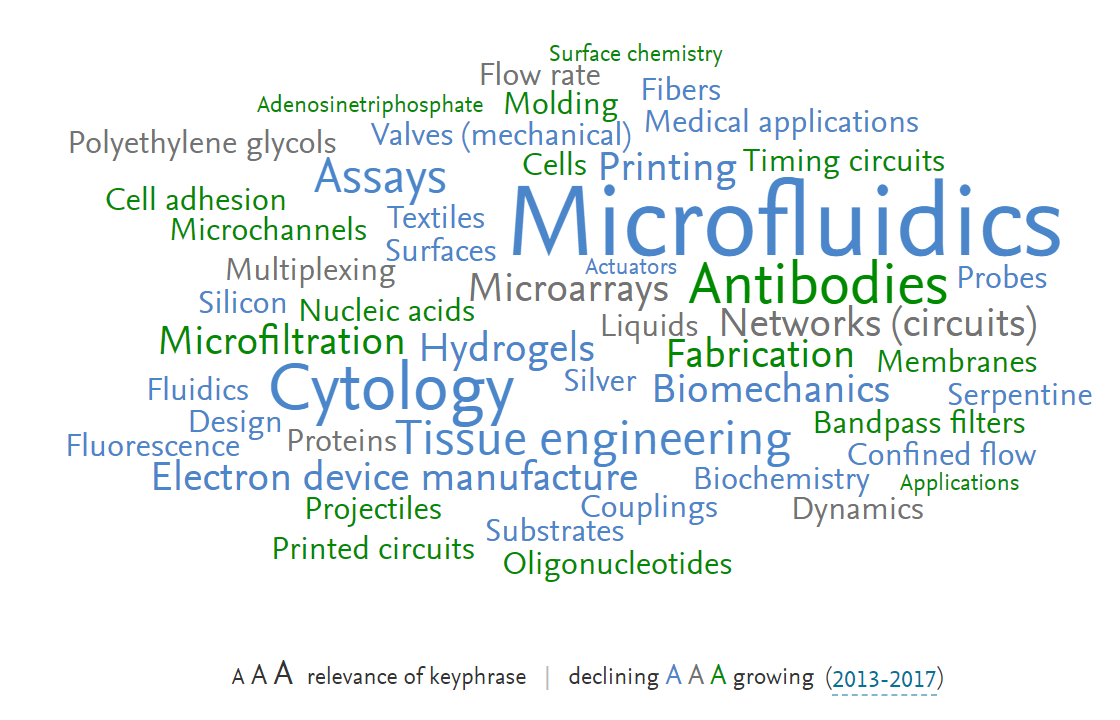
David Juncker is a Professor and Department Chair of the Department of Biomedical Engineering at McGill University. He serves as a Principal Investigator at the McGill University & Genome Quebec Innovation Centre and holds associate memberships in the Department of Neurology and Neurosurgery, Department of Electrical and Computer Engineering, Division of Experimental Medicine, Department of Surgery, and Goodman Cancer Research Centre. His research focuses on micro- and nano-bioengineering technologies for bioanalysis, precision medicine, and organs-on-chips. Key areas include microfluidics, lab-on-a-chip devices, biomedical sensors, medical diagnostics, biomaterials, tissue engineering, and cancer biomarker discovery. His lab develops scalable antibody microarrays, self-powered diagnostic platforms, microfluidic probes for brain tissue perfusion, and nanogradients for neuronal navigation, with applications in cancer diagnostics, global health, and neuroscience. Recent publications (2023-2025) reveal strong emphasis on extracellular vesicle analysis, single-cell proteomics, 3D-printed microfluidic/organ-on-a-chip systems, and capillary-driven circuits. Key trends include low-cost point-of-care diagnostics, advanced circulating tumor cell isolation methods, and biomimetic synthetic vesicles for drug delivery, demonstrating translational potential in early disease detection. Dr. Juncker leads a highly interdisciplinary team comprising undergraduate and graduate students, post-doctoral fellows, and staff from diverse scientific, engineering, and cultural backgrounds. His lab actively recruits Canadian/permanent resident graduate students for projects on single extracellular vesicle and protein detection in cancer and infectious diseases, leveraging microfluidics and wearables for biomarker discovery. The Juncker Lab operates from the McGill University & Genome Quebec Innovation Centre (740 Dr. Penfield Avenue, Room 6206). It maintains a collaborative, multicultural environment focused on developing transformative micro- and nano-bioengineering technologies with significant potential impact on human health diagnostics and treatment.