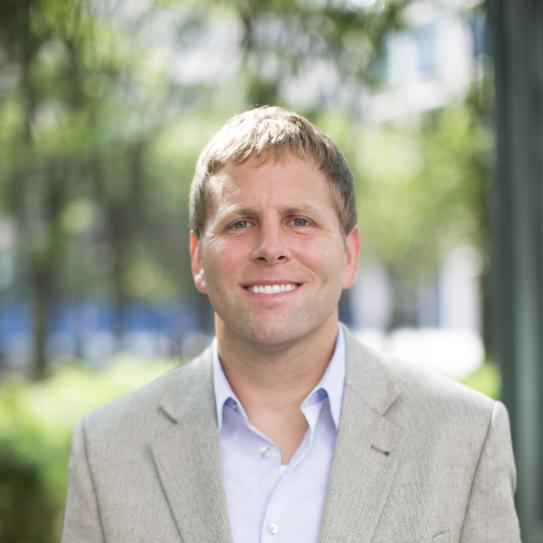
Jayashree Ranga is a Professor in the Department of Chemistry and Physics at Salem State University. She specializes in innovative teaching methods, including technology-infused education, semi-flipped classrooms, and active/collaborative learning models. Her work extends to STEM outreach through collaborations with the Northeastern Section of the American Chemical Society and the Museum of Science, Boston. PhD: Bangalore University Postdoctoral Research: University of Illinois, Urbana-Champaign Her research focuses on low-cost, high-impact interventions to improve student success, particularly in general chemistry courses. Publications emphasize educational technology (e.g., YouTube videos, iPad apps), HyFlex teaching, and pandemic-era adaptations. Earlier works (2007-2010) explored laminar flow fuel cell design and electrochemical engineering. Faculty inductee, 2021 Salem State Civic Engagement Hall of Fame ACS Outreach Volunteer of the Year (2019) ACS ChemLuminary awards for community involvement (2019) and event excellence (2018) ACS Chemistry Ambassador Award (2014) She has taught courses in general chemistry, inorganic chemistry, and advanced seminars. Her advisory role includes mentoring students in STEM outreach initiatives.
Stephen Leffler Buchwald is the Camille Dreyfus Professor of Chemistry at the Massachusetts Institute of Technology (MIT), where he has held this position since 1997. His research focuses on organic synthesis, physical organic chemistry, and organometallic chemistry, with an emphasis on developing catalytic methods for solving fundamental chemical problems. He has pioneered advancements in ligand design, carbon-nitrogen bond formation, and continuous flow chemistry using microreactors. His work has led to impactful applications in medicinal chemistry and PET imaging. Notable awards include the ACS Arthur C. Cope Award (2013), BBVA Foundation Frontiers of Knowledge Award (2014), and the Wolf Prize in Chemistry (2019). Buchwald has co-authored over 550 publications and holds 55 patents. He has mentored numerous students and postdoctoral researchers, contributing to a legacy of innovation in catalytic methodologies. His research group’s recent work explores automated flow synthesis of artificial heme enzymes, kinetic modeling of catalytic reactions, and mild copper-catalyzed amination processes. These studies highlight his commitment to advancing sustainable, efficient synthetic strategies.
Xavier Casadevall i Solvas is a Senior Lecturer at the Faculty of Bioscience Engineering, KU Leuven, with active roles in the Mechatronics, Biostatistics and Sensors (MeBioS) unit and leadership of the MeBioS Technologies-XCS subdivision. He contributes to Leuven One Health Institute and the KU Leuven Institute for Integration of Micro- and Nano-scale Technologies (LIMNI), while serving on the Faculty Council and Departmental Council for Biosystems. His research focuses on microfluidic systems for biomedical applications, including artificial cell engineering, cystic fibrosis therapies, and organ-on-chip platforms. 2024 Senior Lecturer in Physical Biology and Biomachines 2023-2025 Promotor/Co-promotor for 10+ advanced microfluidics projects 2010-2025 30+ publications in microfluidic manipulation and artificial cells His recent publications demonstrate expertise in droplet-based biological systems, with emphasis on artificial cell creation (biomimetic red blood cell vesicles, synthetic dendritic cells), disease modeling (lung fibrosis, vasculature inflammation), and advanced screening technologies. Collaborations span gene therapy (CFTR correction), cancer immunotherapy (artificial T-cells), and biomedical device development. Key techniques include acoustophoresis, droplet stabilization, and programmable microfluidic platforms.
Professor Dr. Michael R. Buchmeiser serves as Chair of Macromolecular Materials and Fiber Chemistry at the Institute of Polymer Chemistry, University of Stuttgart. His research focuses on advanced polymer synthesis and catalytic processes. University of Stuttgart, Institute of Polymer Chemistry Chair of Macromolecular Materials and Fiber Chemistry Active in multiple collaborative research projects Professor Buchmeiser's research interests center on polymer chemistry with particular emphasis on olefin metathesis , catalyst development , and macromolecular materials . His work explores the regioselectivity in polymerization processes, development of functionality-tolerant catalysts, and the creation of advanced fiber-reinforced materials. His research bridges fundamental chemical processes with practical applications in materials science. Professor Buchmeiser currently leads the Collaborative Research Center SFB 1333: 'Molecular heterogeneous catalysis in defined, directing geometries' and manages multiple sub-projects within this framework. His research portfolio includes ongoing investigations into continuous-flow microreactors, catalytic reaction kinetics, and cooperative asymmetric catalysis. Professor Buchmeiser has successfully led numerous completed research projects including investigations into regio- and stereoselective cyclopolymerization, monolithic-supported metal nanoclusters, photoactive transition metal catalysts, and highly rigid C/C-SiC fiber-reinforced ceramics. He has also overseen significant equipment acquisition including a 400 MHz NMR spectrometer for the institute.
Joaquín Rodríguez-López is a Professor in the Department of Chemistry at the University of Illinois, with additional appointments at the Materials Research Lab and as a Theme Lead at the Beckman Institute for Advanced Science and Technology. His research group combines interests in electroanalytical chemistry and energy materials, developing chemically-sensitive methods for studying ionic and electronic reactivity at electrode/electrolyte interfaces, highly-localized surface features, and individual particles relevant to energy storage, electrocatalysis, sensors, and environmental electrochemistry. Dr. Rodríguez-López completed his undergraduate studies at Tecnológico de Monterrey (2005), earned his Ph.D. from the University of Texas at Austin under Prof. Allen J. Bard (2010), and conducted postdoctoral research with Prof. Hector D. Abruña at Cornell University (2012). His research focuses on characterizing heterogeneous electrode materials to advance electrochemical energy technologies and sensing, pioneering methods of analysis at the nano- and micro-scale to understand how electrode structure, shape, size, and chemical intermediates impact performance in batteries, electrocatalysts, and photoelectrocatalysts. His analytical research employs novel electrochemical and chemical probes for quantifying the impact of surface chemical and structural heterogeneities on reaction kinetics under relevant reacting conditions ( in situ and operando schemes), pushing the boundaries of state-of-the-art electrochemical analysis in challenging environments. On the materials side, his group explores how nano-scale interactions can control electrode reactivity, advancing redox flow batteries based on size-exclusion and investigating graphene ultra-thin electrodes for energy storage applications. Recent work has established automated, robotic systems for high-throughput electrochemical characterization. Analysis of his recent publications reveals strong trends in scanning electrochemical microscopy, automated electrochemistry, and energy storage applications, with particular emphasis on redox flow batteries, graphene electrodes, electrocatalysis, and reactive oxygen species detection. His work increasingly integrates automation, computational methods, and Bayesian optimization into electrochemical analysis, creating a distinctive research profile at the intersection of analytical chemistry and materials science for energy applications. 2024 University Scholar by the University of Illinois System 2023 School of Chemical Sciences Faculty Teaching Award 2022 The Analytical Scientist Top 40 Under 40 Power List 2021 Zhaowu Tian Prize for Energy Electrochemistry 2021 IAspire Leadership Academy Fellow 2020 Arthur F. Findeis Award for Achievements by a Young Analytical Scientist 2018 Science News SN 10: Scientists to Watch 2017 Scialog Fellow 2017 Royce W. Murray Young Investigator Award 2016 ECS-Toyota Young Investigator Fellowship 2016 Sloan Research Fellow Dr. Rodríguez-López has been consistently listed as a Teacher Ranked Excellent by Students for multiple courses including Chem 524-Electrochemical methods, Chem 420-Instrumental Characterization, and Chem 588-Physical Methods for Materials Chemistry across multiple years (2016, 2021-2024). His research group has secured significant funding from organizations including the Joint Center for Energy Research Storage (JCESR), Society of Analytical Chemists of Pittsburgh (SACP), Energy Materials Center at Cornell, and the American Chemical Society Division of Analytical Chemistry. The group has established the Electrolab, an open-source, modular platform for automated characterization of redox-active electrolytes. The Rodríguez-López group operates at the cutting edge of electrochemical research, with facilities for electrochemical, spectroscopic, chemomechanical, and clean-room fabrication methods. They value creativity, diversity, and innovative approaches to electrochemical reactivity, maintaining a dynamic environment that generates original concepts in electrochemistry while developing the careers of aspiring scientists. Their work spans fundamental electrochemical mechanisms to practical applications in energy storage, environmental monitoring, and sustainable synthesis.
Professor Marc Pera Titus is the Chair in Sustainable Catalytic Chemistry and Director of the School of Chemistry at Cardiff University. His research program focuses on developing sustainable catalytic processes with particular emphasis on interfacial phenomena, biomass conversion, and green chemistry applications. Professor Pera Titus's research interests span heterogeneous catalysis, sustainable chemistry, biomass conversion, interfacial catalysis, Pickering emulsions, gas-liquid-solid reactions, alcohol amination, and furfural conversion. His work bridges fundamental chemical engineering principles with practical applications in sustainable chemistry, developing innovative catalytic systems for green chemical synthesis. He has pioneered approaches in interfacial catalysis using Pickering emulsions and foams, creating novel platforms for sustainable chemical transformations. His recent publications demonstrate a strong focus on microstructured interfaces for sustainable synthesis, metal-free catalysis using nanoceria, and innovative approaches to biomass conversion. His work on amphiphilic Janus particles for aerobic oxidation and ethanol foams stabilized by dual-particle assemblies represents cutting-edge developments in interfacial catalysis. The research trends show increasing emphasis on sustainable catalytic platforms that minimize energy consumption and waste generation. Professor Pera Titus has made significant contributions to the field through his extensive publication record in high-impact journals including Science Advances, Nature Communications, ACS Catalysis, and Journal of the American Chemical Society. His research group actively collaborates with industry partners to translate fundamental discoveries into practical applications, with particular focus on sustainable chemical processes and green synthesis methodologies.
Yugang Sun is a Professor in the Department of Chemistry at Temple University's College of Science and Technology. His research focuses on nanomaterials synthesis, nanofabrication, in-situ characterization, plasmonics, nanophotonics, photocatalysis, electrochemical catalysis, and energy storage technologies. The Sun group develops novel nanomaterial systems for applications in energy conversion and storage. His research interests encompass the synthesis of metallic high-entropy alloy nanoparticles, plasmonic nanomaterials for photocatalytic CO 2 reduction, and advanced characterization techniques including in-situ synchrotron methods. The group maintains active investigations into nanoscale materials for energy applications and sensing technologies. Dr. Sun holds a B.S. (1996) and Ph.D. (2001) from the University of Science and Technology of China. He conducted postdoctoral research at the University of Washington, Seattle (2001-2003) and University of Illinois at Urbana-Champaign (2004-2006). His laboratory is located in the Science Education and Research Center (SERC 654).
Edmond Magner is a Professor at the University of Limerick, affiliated with the Department of Chemical Sciences, Bernal Institute, and SSPC – the SFI Research Centre for Pharmaceuticals. His academic career includes roles such as Director of the Materials and Surface Science Institute (2003–2010) and industry experience as a Scientist/Senior Scientist at MediSense, Inc. (1994–1997). He holds a PhD in Electrochemical and Photochemical Studies of Cytochrome c and Hemoglobin from the University of Rochester (1988), following MSc and BSc degrees from the same institution and University College Cork. Research interests span electrochemistry, bioelectrochemistry, biocatalysis, biofuel cells, and enzyme immobilization technologies. His teaching focuses on physical chemistry, environmental chemistry, and environmental science. Magner is an active member of professional bodies including the International Society of Electrochemistry and the Irish Society of Chemistry. His work contributes to UN Sustainable Development Goals related to clean energy and environmental sustainability. Over 146 peer-reviewed publications and 8 professional activities highlight his research in nanoporous materials, enzymatic biofuel cells, and electrochemical sensor development. His recent work emphasizes flexible biosensors, MOF-based catalytic systems, and sustainable enzymatic reactors.
Dr. Emma Coyle is a Lecturer in Organic and Medicinal Chemistry at Dublin City University (DCU)'s School of Chemical Sciences since 2014. She holds a BSc in Chemical and Pharmaceutical Sciences and a PhD in Organic Photochemistry from DCU. Previously, she conducted postdoctoral research at the University of Nottingham (2008–2011) and DCU's National Centre for Sensor Research (NCSR) under Dr. Chris O’Brien. Her research focuses on catalysis for organic synthesis, including organocatalysis, biocatalysis, and photocatalysis, with applications in pharmaceuticals and sustainable chemistry. Research Interests: New methodologies for catalysis Green chemistry and flow chemistry Synthesis of high-value molecules (e.g., pharmaceuticals) Immobilization of catalysts on polymeric supports/microreactors Development of macrocyclic molecules for water purification No specific grants, awards, or advised students are listed in the provided text. She is affiliated with the NCSR and contributes to advancing sustainable chemical synthesis processes.
Prof Tijmen Euser is a Professor at the University of Cambridge's Cavendish Laboratory, affiliated with the Physics of Soft Matter and NanoSystems group in the School of Physical Sciences. He leads the Optofluidics laboratory in the Maxwell Centre, focusing on nanoscale light-matter interactions, optothermal manipulation, and photocatalytic systems. His work integrates optical, thermal, and fluidic forces using novel optofluidic waveguides and spatial light modulators. Before Cambridge, he held a postdoctoral fellowship at the Max-Planck Institute for the Science of Light and completed his PhD at the University of Twente (Netherlands). His research spans optically propelled nanoparticles, hollow-core photonic crystal fiber microreactors, and applications in solar fuel generation, battery chemistry, and flow chemistry. Key innovations include label-free protein sensors, attomole-sensitivity spectrofluorimetry, and in-situ monitoring of catalytic reactions. His methods enable ultra-low volume photochemical analysis (five orders of magnitude smaller than conventional methods), leveraging well-defined waveguide modes for absorption and Raman spectroscopy. Current efforts emphasize optical manipulation of biomolecules, nanoparticle photocatalysts, and interdisciplinary collaborations across photonics, chemistry, and materials science. His lab's work bridges fundamental optics with applied challenges in energy storage and sustainable chemistry. Notable contributions include developing fiber-based sensors for Li-ion battery electrolytes, Rydberg atom interactions in hollow-core fibers, and optomechanical systems for particle trapping. His research is highly collaborative, leveraging expertise in microfluidics, nanoparticle spectroscopy, and catalysis both within the Cavendish Laboratory and across the School of Physical Sciences.
Dr. Volkert van Steijn is an Associate Professor in the Department of Chemical Engineering at Delft University of Technology, affiliated with the Product and Product Engineering group. His research focuses on advancing microfluidic technologies to address challenges in life sciences and healthcare. Key themes include droplet microfluidics, interface dynamics, cardiovascular disease modeling, and diagnostic tools for early disease detection. His group collaborates extensively with medical centers such as Erasmus Medical Center (EMC) and Leiden University Medical Center (LUMC) to develop in vitro arterial models and diagnostic platforms. They are part of interdisciplinary institutes like the Human Disease Model Technology Institute and Delft Process & Product Technology Institute (Pro2Tech). Research highlights include engineering microfluidic systems for high-throughput screening, studying lipid transport in coronary arteries, and developing exosome-based prostate cancer diagnostics. His work combines experimental and numerical approaches, with notable contributions to droplet breakup dynamics and surface functionalization techniques. Publications span interdisciplinary journals like Nature Communications, Physical Review Letters, and Journal of the American Chemical Society, reflecting expertise in fluid dynamics, biomaterials, and biomedical applications.
Ryan L. Hartman is a Full Professor in the Department of Chemical and Biomolecular Engineering at the NYU Tandon School of Engineering. He holds leadership roles, including Chairman of NYU's Tenured/Tenure-Track Faculty Senators Council and Chair of the CBE Doctoral Recruiting Committee. His academic journey includes a Ph.D. from the University of Michigan, postdoctoral research at MIT, and prior positions at the University of Alabama and Schlumberger. Hartman’s research focuses on sustainable chemical processes using microfluidics, machine learning, and reaction engineering to advance energy, materials, and environmental applications. Education: Ph.D., Chemical Engineering, University of Michigan (2006) M.S., Chemical Engineering, University of Michigan (2003) B.S., Chemical Engineering, Michigan Technological University (2001) Postdoctoral Research, MIT Chemical Engineering (2010) Research Interests: His work combines microfluidics with AI to optimize chemical reactions, reduce environmental impact, and enable high-throughput experimentation. Key areas include laser-induced nucleation, CO2 sequestration, and plasma-driven methane conversion. Recent projects explore mechanisms of crystal formation and sustainable manufacturing. Publications: Over 50 peer-reviewed articles highlight his contributions to microfluidic systems, hydrate crystallization, and AI-driven catalysis. Notable work includes NSF-funded studies on laser-induced nucleation mechanisms and CO2 capture. His research bridges academia and industry, emphasizing practical applications. Awards: NSF CAREER Award, National Academy of Inventors membership, and Schlumberger Inventor Award reflect his impactful contributions. He leads the Hartman Research Lab, collaborating with institutions like Columbia University and Anadarko Petroleum. Grants & Leadership: Principal investigator on NSF grants, senior personnel in MRSEC and CBET projects. Serves on editorial boards and professional societies (AIChE, ISCRE). Thrust lead in DC-MUSE (decarbonizing chemical manufacturing). Labs & Teams: Directs the Hartman Lab, focusing on sustainable chemical processes. Collaborates with NYU Tandon Future Labs and industry partners to translate innovations into real-world solutions.
Sourav Chatterjee is a Lecturer in Chemical Engineering at the University of Bath, leading the AI/ML-guided Automated Flow Synthesis Laboratory. His research integrates flow chemistry, microfluidics, machine learning, and robotics to advance chemical synthesis and materials discovery. He holds a Ph.D. in Chemical Engineering from Queen's University Belfast. Chatterjee's work focuses on automating complex chemical processes, including API synthesis and glycosylation reactions. His publications feature innovations in modular reactors, catalyst optimization, and predictive machine learning models for stereoselective synthesis. Prior roles include Team Leader in Catalysis at ETH Zürich and postdoctoral research at Max-Planck-Institute. Projects include AI-guided catalyst discovery and sustainable chemical manufacturing.
Thomas Abadie is an Assistant Professor at the University of Birmingham's School of Chemical Engineering. His research focuses on fluid mechanics, multiphase flows, and interfacial phenomena with applications in environmental and industrial challenges. He employs experimental techniques (e.g., Particle Imaging Velocimetry) and numerical methods (e.g., interface capturing/tracking) to study bubble dynamics, complex fluids, and mass transfer processes. His work spans scales from microreactors to industrial aeration systems. Abadie holds a PhD in Fluid Mechanics (2013) and an MSc in Fluid Mechanics, Energy, and Transport Phenomena from the University of Toulouse (2010). He teaches courses on transport phenomena and supervises undergraduate and graduate research projects. His research explores topics such as viscoelastic fluid dynamics, Richtmyer-Meshkov instabilities, and graphene synthesis. Recent studies emphasize machine learning integration with multiphase flow modeling and data-driven approaches to drop size distributions. His work bridges computational methodologies with real-world applications in energy and environmental systems. Abadie serves as a reviewer for journals like Chemical Engineering Science and Journal of Fluid Mechanics , and consults on CFD and multiphase systems. His collaborations span academia and industry, addressing challenges in wastewater treatment and renewable energy systems.
Professor Volker Hessel is a leading academic in Sustainable Chemical Engineering at the University of Adelaide, Australia. He holds a PhD from Mainz University and has held roles including Deputy Dean (Research) at the ECMS Faculty (until 2022) and part-time/full-time professorships at Eindhoven University of Technology and guest professorships in China. His work focuses on process intensification, microreactor technology, plasma catalysis, and space agriculture. Affiliations: School of Chemical Engineering, Faculty of Sciences, Engineering and Technology Global Experience: Leadership roles at Institut für Mikrotechnik Mainz GmbH (IMM), honorary professorships in Germany, and advisory roles in Germany’s chemical industry policy. His research interests span sustainable chemical processes, decentralized production systems, and innovative technologies for space applications. Notable achievements include over 600 peer-reviewed publications (h-index 83), ERC grants, and industry partnerships like the ARC Centre of Excellence 'Plants for Space'. Professor Hessel’s articles highlight breakthroughs in plasma-driven ammonia synthesis, CO2 conversion, and space-based horticulture systems. His work emphasizes ESG integration in chemical supply chains and novel fertilization techniques. Awards: AIChE Process Development Award, ERC Advanced Grant, IUPAC ThalesNano Prize Grants: ARC Discovery, LIEF, and Centre of Excellence grants; EU FET/Open funding He is actively involved in labs advancing microfluidic systems, nanomaterials, and space resource utilization. His interdisciplinary approach bridges chemical engineering with astrobiology and environmental policy.