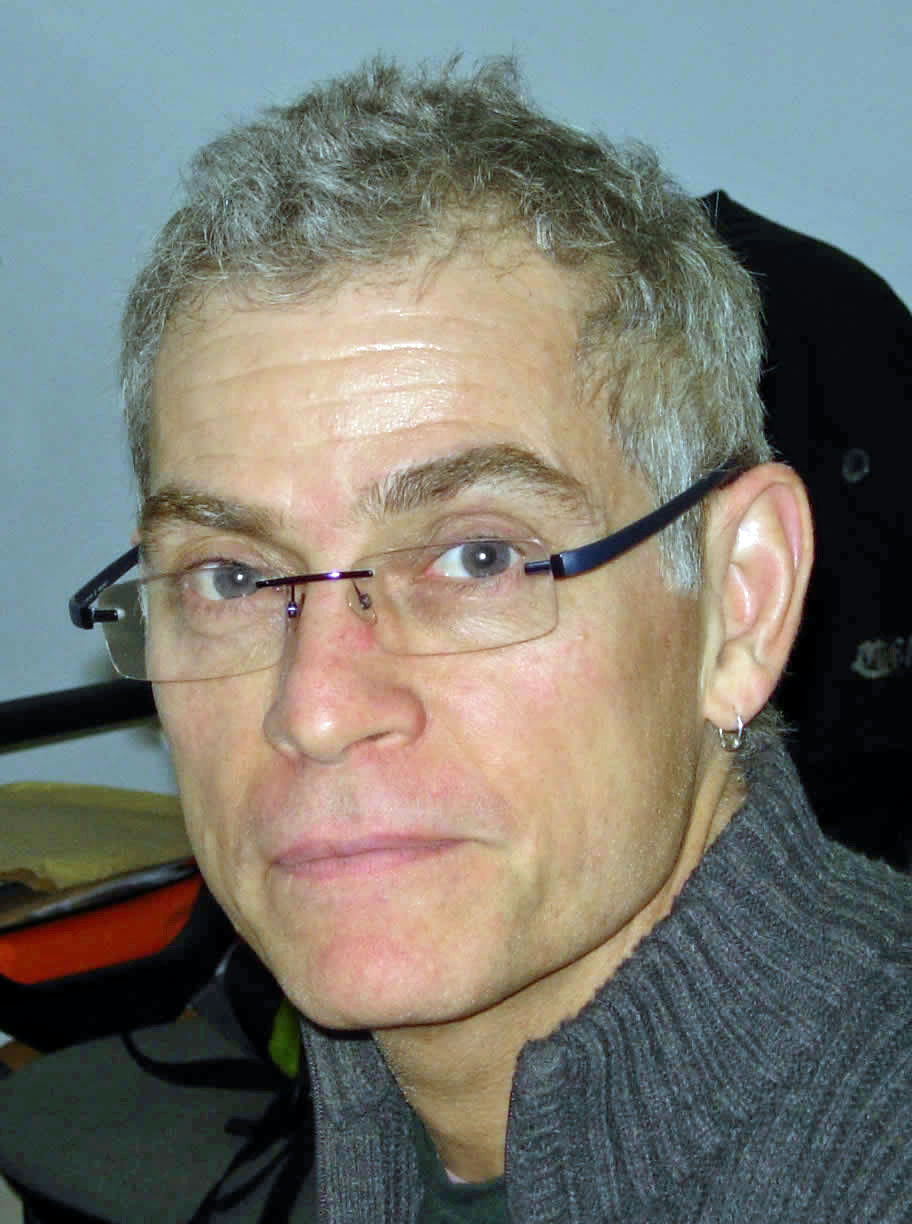
Nour-Eddine Sabiri is a Senior Lecturer at the University Institute of Technology of Saint-Nazaire (University of Nantes) and researcher at GEPEA Laboratory. With a PhD in Process Engineering (1995) and Habilitation (2018), he has held academic positions in France and the Czech Republic since 1994. He established the chemical engineering department at IUT Lorient before joining Saint-Nazaire in 2008. Research Focus: Dr. Sabiri's work spans two core areas: Fluid dynamics of non-Newtonian materials (particle hydrodynamics, fluidized beds) Transport in porous media with applications in water filtration and geotextile engineering His current projects include: Microalgae harvesting optimization via flocculation/flotation Emerging pollutant removal using hybrid adsorption-biodegradation systems Pretreatment methods for microalgae biorefining Laboratory: At GEPEA (UMR 6144), he collaborates with the Processes for Bioresources (BAM) and Ecotechnology (TEAM) research groups.
José Kovensky is a Professor and Director of the Laboratory of Glycochemistry and Agro-Resources (LG2A UR 7378) at the University of Picardie Jules Verne. His research integrates synthetic chemistry, biomaterials science, and environmental technology, with a focus on carbohydrate-derived compounds for biomedical and industrial applications. His primary research interests include: Glycochemistry : Synthesis of sulfated oligosaccharides, glycosaminoglycan mimetics, and multivalent ligands to modulate biological processes like inflammation and wound healing. Environmental Remediation : Development of glycoside-based surfactants for metal flotation to decontaminate soil and water. Waste Valorization : Extraction of bioactive oligosaccharides from agrofood wastes (e.g., orange peel, apple pomace) for use as plant elicitors or prebiotics. Drug Delivery : Functionalization of nanocarriers (e.g., liposomes) with defined oligosaccharides for targeted cancer therapy. Recent publications (2019–2024) reveal a strong emphasis on translating fundamental carbohydrate chemistry into applied solutions: Wound healing accelerators from marine algae sulfated galactans. Heparanase/TLR4 inhibitors for inflammatory diseases. Sustainable production of oligosaccharides from biomass. Osteoblast-mineralizing carbohydrate derivatives for bone repair. His laboratory leverages advanced techniques including NMR, MALDI-TOF-MS, and enzymatic assays to characterize novel glycoconjugates and validate their biological activity. Collaborative projects span multiple countries, underscoring the global impact of his work in glycobiology and green chemistry.
Professor Jan Rosenkranz serves as Professor and Head of Subject in Mineral Processing at Luleå University of Technology, where he is affiliated with the Minerals and Metallurgical Engineering division within the Department of Civil, Environmental and Natural Resources Engineering. His research focuses on sustainable mineral processing technologies with applications in resource recovery and recycling. Professor Rosenkranz's research interests span multiple critical areas in mineral processing including hydrometallurgy, flotation technologies, comminution processes, and battery recycling. His work on crown ether-based potassium extraction, Unity3D gamified flotation training tools, and thermal pre-treatment of spent lithium-ion batteries demonstrates his commitment to developing innovative solutions for sustainable resource management. Analysis of Professor Rosenkranz's recent publications reveals a strong focus on addressing contemporary challenges in mineral processing, particularly those related to the green energy transition. His research portfolio shows expertise in both fundamental process understanding and practical application development, with significant contributions to potassium recovery, battery recycling technologies, and advanced mineral processing education tools. Professor Rosenkranz maintains an active research profile with multiple publications in high-impact journals such as Hydrometallurgy and Minerals Engineering. His work frequently addresses critical sustainability challenges in resource processing, demonstrating his commitment to developing environmentally responsible technologies for mineral extraction and recycling. As an educator, Professor Rosenkranz has pioneered innovative approaches to mineral processing education, most notably through his development of a Unity3D-based gamified training tool for froth flotation. This virtual training platform enhances student learning while improving safety in process engineering education. His leadership as Head of Subject in Mineral Processing positions him at the forefront of advancing both research and education in this critical field.
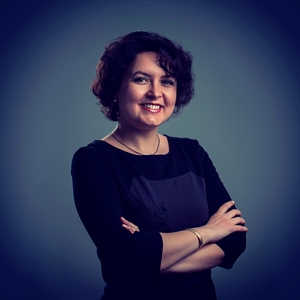
Prof. Dr. Gabrijela Popović serves as Full Professor and Vice-Dean for Research at the Faculty of Applied Management, Economics and Finance, University of Economics Academy in Novi Sad (Belgrade campus), a position held since February 2023 following her promotion from Associate Professor (March 2020-February 2023). Her academic credentials include a Doctorate (2014), Master's degree (2009), and Diploma (2007) from the Faculty of Management Zaječar at John Nesbitt University Belgrade (formerly Megatrend University Belgrade), preceded by secondary education at Zaječar's Economic and Technical School. Specializing in Multi-criteria Decision-making , she co-developed the WISP and PIPRECIA-S methodologies and their extensions, driving research in Quantitative Management and E-commerce Systems . Her scholarly impact spans over 100 publications in SCI/SSCI-indexed international journals and domestic MPNTR-listed publications. Research initiatives include environmental awareness projects for Novi Sad's City Administration (2021-2023), waste management system development (2021/22), and environmental fee regulation analysis (2020/21) as project manager. She also contributed to Serbia's Ministry-funded TR 33023 project (2018-2020) on copper ore flotation technologies and regional economic studies for Eastern Serbian municipalities. As a continuous member of the International Society for Multi-Criteria Decision Making since 2016, her work bridges theoretical frameworks with practical environmental and economic policy applications.