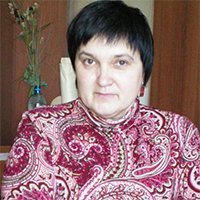
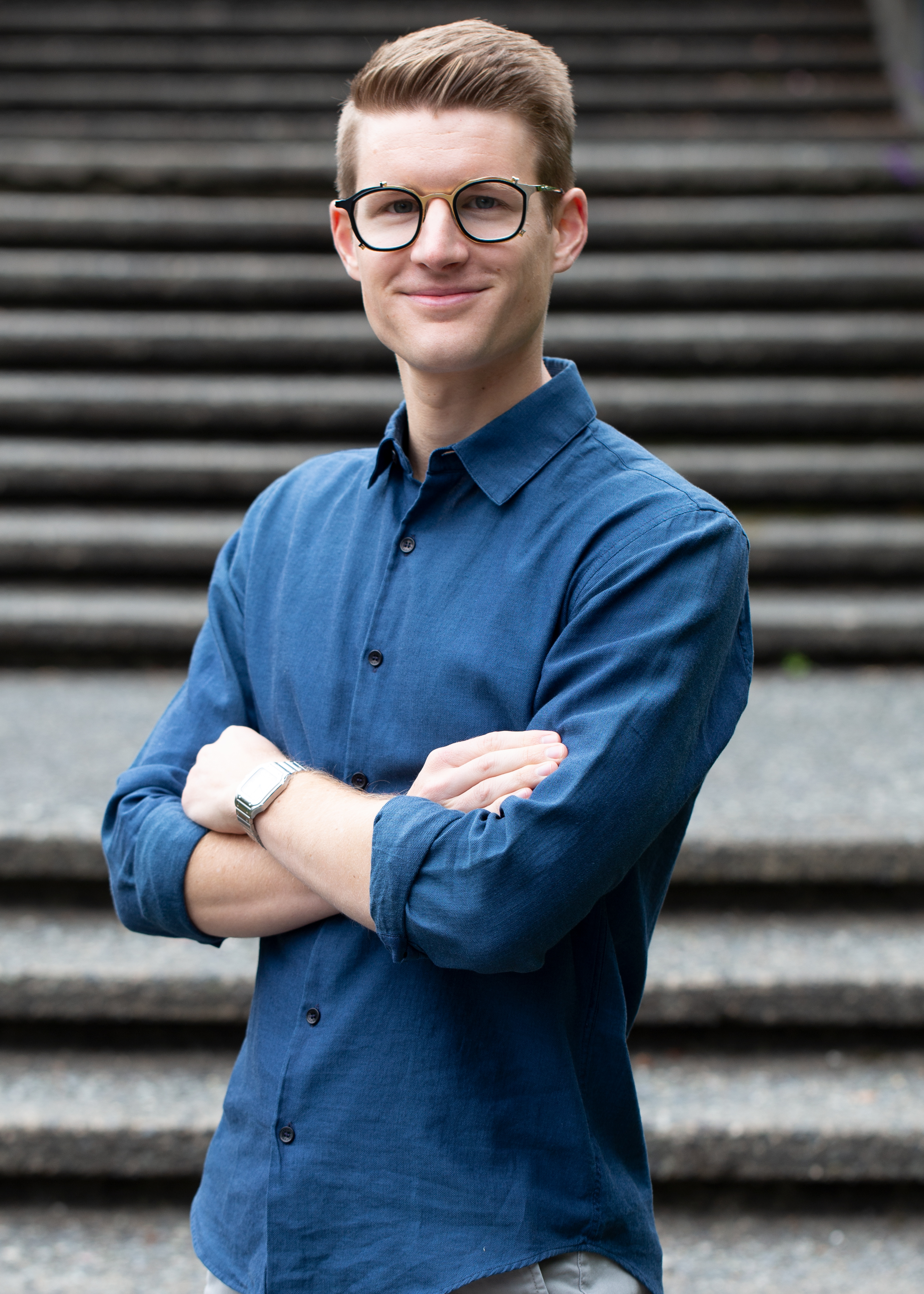
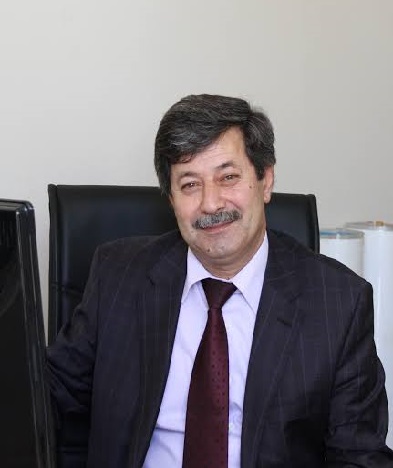
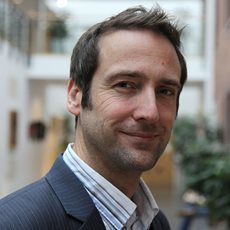
Nur Yazdani is a Professor of Civil Engineering at the University of Texas at Arlington , affiliated with the College of Engineering. Her research focuses on structural engineering, non-destructive evaluation (NDE), fiber-reinforced polymer (FRP) composites for infrastructure, and hazard mitigation in coastal and wind/flood-prone regions. Bridge Engineering Concrete Durability Fire and Corrosion Resilience Machine Learning for Structural Prediction Her recent work emphasizes machine learning models for concrete strength prediction, flood mitigation in residential coastal buildings, and hybrid applications of CFRP/GFRP laminates for retrofitting bridges and concrete components. She leads the NSRI Lab , addressing infrastructure resilience through experimental and numerical studies. Scientific Awards : NSF RET Program Evaluation She integrates interdisciplinary education into her research, including collaborations with biology and architecture in classroom implementations for bridge deck evaluation and coastal resilience.
Professor Galina Yuryevna Yamskikh is a distinguished academic serving as Head and Professor at the Department of Geography within the School of Ecology and Geography at Siberian Federal University. With over 43 years of professional experience and 45 years of advanced training, she is a leading expert in paleoenvironmental research of Siberian regions, specializing in Holocene climate and vegetation reconstructions. Her scientific expertise spans palynology, paleogeography, paleoclimatology, paleolandscape science, soil geography, exogenous geomorphology, and quaternary geology. Professor Yamskikh teaches comprehensive courses including geology, geography, landscape-geoecological systems, paleogeography, and modern problems of ecology and nature management. She heads postgraduate studies in Geoecology (1.6.21) and Geomorphology and paleogeography (1.6.14), demonstrating her leadership in academic training. Professor Yamskikh's recent research (2023-2025) reveals a strong focus on paleoenvironmental reconstructions, recreational resource management in the Krasnoyarsk Basin, snow cover composition analysis, and paleogeographic tourism. Her work bridges historical environmental studies with contemporary ecological challenges, particularly examining how Holocene climate and vegetation changes inform current environmental management practices in Siberia. She has published extensively on mollusk assemblages, floodplain soils, and climate change prediction in the Krasnoyarsk forest-steppe region. Her scientific achievements have been recognized with prestigious awards: Honorary Worker of Higher Professional Education Certificate of honor of the Ministry of Education and Science of the Russian Federation Laureate of the Krasnoyarsk City Head's Prize in the field of science and education – professor's prize Professor Yamskikh actively participates in the Russian Palynological Society and Russian Geographical Society. She has completed numerous advanced training programs from 2018-2023, focusing on digital teaching methods, climate project development, and modern educational technologies. Her research collaborations span multiple Siberian institutions, with significant contributions to understanding the environmental history of the Krasnoyarsk Basin and surrounding regions through interdisciplinary approaches combining palynological, malacofaunistic, and geomorphological analyses.
Ethan J. Raker is an Assistant Professor of Sociology at the University of British Columbia , located in the Faculty of Arts and the Department of Sociology . He is a social demographer whose research sits at the intersection of environmental sociology, medical sociology, and social stratification , with a particular focus on the health and demographic consequences of climate-related disasters. Education Ph.D. in Sociology, Harvard University A.M. in Sociology, Harvard University B.A. in Sociology, Columbia University Research Interests Dr. Raker specializes in understanding how extreme weather events —such as floods, wildfires, hurricanes, and tornadoes—affect population health and community well-being . Central to his work is the examination of social inequalities across racial and socioeconomic lines in the context of climate change. He integrates novel data sources (e.g., administrative records, spatial datasets, longitudinal surveys) and applies advanced quantitative methods to produce rigorous empirical evidence on disaster impacts. His scholarship contributes to three primary subfields: sociology of health, sociology of population, and environmental sociology . Recent Publication Trends Across his most recent work (2019–2025), Dr. Raker has emphasized longitudinal analyses of disaster effects on mental and physical health , housing stability , and community recovery . His 2025 articles focus on flood-related health risks in British Columbia and Houston , while earlier work dissects policy feedbacks of federal disaster aid and intergenerational health consequences of events such as Hurricane Katrina. Collectively, his publications highlight the persistent and stratified impacts of environmental shocks on marginalized populations. Awards & Honors Ana Aguado Prize (Harvard Environmental Economics Program) Best Student Paper Award, Political Sociology Section (American Sociological Association) Collaboration & Mentorship Dr. Raker is an active member of the Centre for Climate Justice Research and is explicitly available for collaborations , including cluster grants and interdisciplinary projects. He welcomes inquiries from prospective Master’s and PhD students in Sociology and expresses interest in supervising undergraduate research projects . His supervision enquiry portal is open, and he is listed as a member of the Graduate and Postdoctoral Studies (G+PS) network at UBC. Labs & Teams While no named laboratory is explicitly listed, Dr. Raker’s affiliation with the Centre for Climate Justice Research indicates collaborative engagement with a multidisciplinary network of scholars focused on climate equity and policy solutions.
Kristopher Karnauskas is an Associate Professor at the Cooperative Institute for Research in Environmental Sciences (CIRES) and the Department of Atmospheric and Oceanic Sciences at the University of Colorado Boulder. His research spans climate dynamics, ocean circulation, and interdisciplinary climate-human system interactions, with a focus on tropical ocean-atmosphere coupling and climate change impacts. Education: PhD in Atmospheric and Oceanic Sciences (University of Maryland, 2007), Postdoc at Lamont-Doherty Earth Observatory (2008-09) Research Areas: Climate dynamics, ocean circulation, climate impacts on ecosystems and human health, tropical variability, coupled modeling His work leverages big data approaches combining satellite observations, climate models, and in-situ measurements. Recent publications examine Atlantic-Pacific climate linkages, sea level changes, tropical cyclone dynamics, and climate bias correction techniques. Scientific Awards: 2024 AGU Turco Lecture CIRES IRP Awards (2024, 2019, 2017) As Editor-in-Chief of Geophysical Research Letters , he advocates for open science and global research inclusivity. His lab explores the intersection of climate science with marine ecosystems and human health, emphasizing interdisciplinary collaboration.
ÖKKEŞ KESİCİ is a Professor in the Department of Physical Geography at Gaziantep University's Faculty of Arts and Sciences. His academic career spans over three decades, including positions at Atatürk University (Research Assistant), Yüzüncü Yıl University (Assistant Professor), Siirt University (Associate Professor), and Mehmet Akif Ersoy University (Associate Professor). He holds a PhD in Human and Economic Geography from Atatürk University (1988–1992). His research focuses on glacial geomorphology , climate change impacts , and regional urbanization . Key projects include studies on Mount Süphan glaciers, Van Lake water levels, and flood disasters in Kilis. He has taught graduate courses like General Climatology and Fluvial Geomorphology , and undergraduate modules including Physical Geography of Türkiye . Administrative roles include Department Head (Yüzüncü Yıl University), Dean's Assistant (Kilis 7 Aralık University), and Institute Director (Siirt University). He serves on scientific committees for international geography conferences and is a member of the Turkish Geographical Society.
Professor Robert Elliott is a Professor of Economics and Director of Research in the Department of Economics at the University of Birmingham's Birmingham Business School. His work spans international economics, development economics, environmental and energy economics, and international business, with particular expertise in the Chinese economy, firm behavior, natural disasters, and globalization's environmental impacts. Professor Elliott holds a BA in Economics from the University of Leicester, an MA in Economics from the University of Essex, and completed his PhD at the University of Nottingham under the supervision of Professor David Greenaway, Dr Peter Wright, and Robert Hine. His research focuses on empirical environmental, international trade, development, energy, and labor economics. Key areas include the economics of China and East Asia, empirical environmental economics, economic geography, globalization and environment, natural disasters (floods, typhoons, earthquakes), biodiversity and deforestation, trade and environment, FDI and industrial restructuring, and energy economics. His interdisciplinary approach often combines large dataset manipulation with advanced econometric techniques. Analysis of his recent publications reveals a strong focus on environmental economics, particularly examining the intersection of climate change, natural disasters, and economic outcomes. His work spans historical environmental events in China, contemporary energy and transportation economics, air quality policy evaluation, and the economic impacts of natural disasters across different regions and time periods. A significant portion of his research applies advanced statistical and machine learning methods to environmental policy questions. Professor Elliott serves as an editor for the Sustainable Future Policy Lab and Director of the Trade, Environment, Development and Energy (TEDE) research group. He is also a Co-Investigator on ReLIB as part of the Faraday Institute, a member of Water Challenges in a Changing World IGI, and an Affiliate of the Lloyds Bank Centre for Responsible Business. He actively supervises PhD students across international and development economics and environmental and energy economics. His current projects include the "Brexit Uncertainty Index" and Leverhulme Trust research projects in "Globalisation and the Environment" with Matthew Cole. He has received significant funding including an ESRC grant for "China-UK energy issues" worth approximately £1 million. Professor Elliott is a key member of the Birmingham Plastics Network, an interdisciplinary team of over 40 academics addressing the global plastics problem. This network brings together experts from diverse fields including chemistry, environmental science, engineering, philosophy, linguistics, economics, and law to develop holistic solutions for plastics sustainability.
Sophia School Corporation encompasses Sophia University , where Professor Takahiro Tsuge is affiliated with the Graduate School of Global Environmental Studies under the Master's (Doctoral) Program in Global Environmental Studies. His research focuses on Environmental Economics , Cost-Benefit Analysis , and Environmental Assessment , leveraging econometric models and behavioral science to address climate change adaptation and sustainable policy design. Research Trends from 2021–2025 reveal interdisciplinary work combining Environmental Economics Behavioral Modeling Climate Risk Management Policy Evaluation with methodologies like choice experiments and latent class analysis. Notable awards include the 2006 Best Paper Award from the Japan Society of Waste Management. His projects, supported by MEXT Grants-in-Aid for Scientific Research , emphasize green infrastructure, consumer behavior in biodiversity conservation, and socio-economic responses to regulatory policies.
Jose Manuel Dominguez Alonso is a researcher at the University of Vigo , affiliated with the Faculty of Sciences and the Marine Research Center . His work focuses on Earth Physics and Smoothed Particle Hydrodynamics (SPH) applications in marine and renewable energy systems. He is part of the FA9 EphysLab research group at the Ourense campus. Education: PhD in Applied Physics from the University of Vigo (2014) under advisors Dr. Moncho Gómez Gesteira and Dr. Alejandro Jacobo Cabrera Crespo. His research explores fluid dynamics , off-shore wind turbines , wave energy converters , and fluid-structure interaction . He has developed DualSPHPhysics for high-performance computing in marine environments. His recent articles (2024-2025) emphasize teaching numerical modeling to students, 3D hydrodynamic analysis , and coupled simulation techniques . His work bridges computational methods with real-world marine engineering challenges like coastal protection and renewable energy optimization.
DIEGO FERNANDEZ NOVOA is a postdoctoral researcher affiliated with the Department of Applied Physics at the Faculty of Sciences , University of Vigo. He is associated with the Marine Research Center of the University of Vigo in Ourense campus, working within the research group FA9 EphysLab (Earth Physics Laboratory). Research interests focus on hydrology , climate change impact modeling , and remote sensing for coastal and riverine systems. His work includes: Flood risk management using numerical simulations Machine learning applications for river flow forecasting Climate change projections for extreme hydrological events Salinity dynamics in estuaries under extreme precipitation Hydrodynamic modeling of historical catastrophic floods Publications reveal expertise in MODIS satellite data applications for turbid plume characterization (Iberian Peninsula, French Atlantic) and interdisciplinary collaborations in oceanography education . His work spans from 2013 to 2025, covering multiscale analyses and knowledge transfer initiatives.
Dr. David S. Biedenharn is an Adjunct Professor at Tulane University's School of Science & Engineering and a Research Hydraulic Engineer with the U.S. Army Engineer Research and Development Center (ERDC). With over 40 years of experience in hydraulics, river engineering, and fluvial geomorphology, he has led numerous projects on the Mississippi River system, including the development of the Sediment Impact Analysis Method (SIAM) model. His work spans flood control design, channel restoration, and sediment management frameworks. BS in Wood Science, Mississippi State University (1978) BS in Civil Engineering, Louisiana Tech University (1979) MS in Civil Engineering, Colorado State University (1983) PhD in Civil Engineering, Colorado State University (1995) Dr. Biedenharn's research focuses on hydraulic engineering , fluvial geomorphology , and sediment transport dynamics . His expertise includes the analysis of large river systems, regional sediment management strategies, and the development of engineering tools for channel stabilization and restoration. Recent work emphasizes probabilistic geomorphic modeling for long-term river evolution. The selected publications reflect his specialization in Mississippi River hydrology , sediment load quantification , and river infrastructure impacts . Key themes include channel geometry trends, bed material analysis, and floodplain management techniques. Dr. Biedenharn has developed and taught training programs on streambank stabilization and channel restoration for the U.S. Army Corps of Engineers. His current role involves mentoring young engineers and scientists at ERDC while advancing innovative geomorphic modeling approaches. He leads a multidisciplinary team at ERDC, focusing on river engineering research and applied geomorphology for national waterway projects. His career includes service as Channel Improvement Coordinator for the Mississippi River Channel Improvement Project, managing an annual $100M+ budget.
Adriana Zuniga serves as an Assistant Research Scientist at the Udall Center for Studies in Public Policy and faculty at the University of Arizona's College of Architecture, Planning and Landscape Architecture (CAPLA), conducting interdisciplinary research at the nexus of built environments, environmental policy, and social justice. Her academic credentials include: PhD in Arid Lands Resource Sciences with minor in Global Change (University of Arizona, 2015) MS in Architecture with concentration in Design and Energy Conservation (University of Arizona, 2010) Zuniga's research centers on human-landscape interactions through urban greenspace analysis, integrating urban design, water security, public health, and environmental justice frameworks. She employs participatory methodologies with diverse stakeholders across the urban-rural continuum, emphasizing community-driven solutions for resilient and equitable environments. Her work consistently bridges theoretical knowledge with actionable policy outcomes. Her publication portfolio reveals dominant themes in environmental justice within arid-region water systems, socio-ecological urban resilience, and transborder governance. Recent work demonstrates sophisticated integration of earth observation data with community engagement practices, particularly in U.S.-Mexico border contexts. She advances methodological innovations in vulnerability mapping while maintaining strong focus on marginalized communities' lived experiences. Zuniga actively mentors students through hands-on research initiatives like Tucson Verde para Todos, providing real-world learning in green infrastructure planning. She cultivates cross-institutional collaborations with Geography, Public Health, and Natural Resources departments to secure research funding and implement community-centered projects addressing systemic inequities. As core faculty in Udall Center's Environmental Policy Program, she develops decision-maker engagement frameworks that integrate built environment perspectives into water governance. Her team facilitates multi-stakeholder dialogues across the urban-rural spectrum, connecting local projects in Ambos Nogales and Las Cruces to national policy discussions on climate adaptation.
Samuel Rufat is a Professor of Geography at École Polytechnique and a Permanent Member of CREST (Centre de Recherche en Économie et Statistique). He leads the ERC Consolidator project FiBeGa (Filling the Behavioral Gap in Disaster Risk Reduction and Climate Change Adaptation). As a Disaster Resilient Societies expert for the European Commission's CERIS, he focuses on social vulnerability, urban resilience, and environmental justice. He previously held professorships at CY Cergy Paris University and has been an invited professor at the Vrije Universiteit Amsterdam, the University of Iowa, and the United Nations University. His research spans Urban Studies , Environmental Geography , GIS , and Computational Social Sciences , with a focus on spatial inequalities in disaster risk, climate adaptation, and evacuation behavior. Articles highlight trends in risk perception frameworks, multi-hazard vulnerability modeling, and critiques of resilience theory. Scientific Awards : ERC Consolidator Grant (FiBeGa), Honorary Fellow at the Institut Universitaire de France (IUF) As Principal Investigator for the ERC FiBeGa project, Rufat develops high-resolution GIS-based models for flood risk perception and evacuation behavior in urban areas like Paris. His work bridges theory and policy, emphasizing the importance of location and social context in disaster management.
Georg Stauch is a Professor at the University of Würzburg, holding the Chair of Geomorphology within the Institute of Geography and Geology, Faculty of Philosophy. His research spans multiple continents with particular focus on the Tibetan Plateau, Gobi Desert, and Central European reservoir systems. He employs advanced remote sensing techniques including Google Earth Engine and UAV photogrammetry to investigate landscape evolution and human-environment interactions. Stauch's research focuses on geomorphological processes in arid and high-mountain environments, with particular emphasis on sediment dynamics, climate change impacts, and anthropogenic influences. His work integrates field observations , remote sensing data , and sediment analysis to understand landscape evolution across various temporal scales. Recent research has increasingly incorporated microplastic analysis as a novel tool for dating sedimentary archives and understanding pollution history. His publication record reveals strong trends in utilizing multi-decadal satellite imagery to track dune migration rates across the Tibetan Plateau and Gobi Desert regions, while simultaneously investigating reservoir sedimentation as archives of human industrial activity in Central Europe. The integration of traditional geomorphological methods with modern cloud computing approaches represents a distinctive methodological signature across his recent work. Stauch actively contributes to educational innovation through projects like smartphone-based 3D landform mapping and XR technologies for geographical spatial analysis. His research group participates in multiple collaborative projects examining disaster risk, resilience, and environmental change across diverse global settings.
Hayriye Eşbah Tunçay is Professor and former Head (2011–2019) of the Department of Landscape Architecture at Istanbul Technical University (ITU), Faculty of Architecture , where she also serves as Vice-Dean for Research & Development. A Fulbright Visiting Scholar at Harvard Graduate School of Design and founding director of HET Landscape & Urban Design Ltd. , she is a leading voice in ecological landscape planning, climate-resilient urbanism and digital design technologies. Education PhD, Environmental Design & Planning – University of Arizona, USA (2001) Master of Landscape Architecture – University of Arizona, USA (1996) Bachelor of Landscape Architecture – Çukurova University, Turkey (1990) Research focus Her work integrates landscape ecology, sustainability science and advanced geospatial modelling to create nature-based solutions for cities facing climate change. Key themes include: Sponge cities & water-sensitive urban design: storm-water mitigation, blue-green infrastructure, urban river restoration. Climate adaptation & resilience: scenario-driven urban growth modelling (SLEUTH), risk mapping, ecological networks. Digital landscape architecture: AI-driven generative design (GANs, diffusion models), remote sensing & GIS-based decision support. Heritage landscapes & inclusive design: historic urban parks, sensory accessibility, urban agriculture in cultural settings. Publications & impact With 150+ refereed articles and an h-index of 9 (Scopus), her 2021-2024 outputs reveal a methodological shift toward AI-assisted design and post-pandemic healthy city paradigms, while earlier works laid the foundation for large-scale ecological planning in protected areas of Turkey. Scientific awards XV. National Landscape Architecture Awards 2024 – 1st Prize (Urban Design) Ribas-Pierra Honour Award, Barcelona Landscape Biennale 2023 National Landscape Architecture Awards 2016–2021 – multiple 1st & 2nd prizes Over 25 national & international design competition accolades since 2010 Research leadership & funding Principal investigator of 7 active/completed projects funded by TÜBİTAK, EU-COST, ITU-BAP (>€2 million), supervising 22 graduate theses. Recent projects include: Green infrastructure for climate-resilient cities (2022) SLEUTH-based urban growth & landscape change analysis, Istanbul (2015-2021) Ecological restoration of Istanbul rivers and historic water systems (2016-ongoing) Laboratories & teams She directs the TETA Lab at ITU for landscape research infrastructure and leads interdisciplinary teams within the Environmental and Urban Research Centre , collaborating with Harvard, Seoul National University, University of Arizona and multiple EU institutions.
Tushar Apurv serves as an Assistant Professor in the Department of Civil Engineering at the Indian Institute of Technology Kanpur (IIT Kanpur), specializing in Hydraulics and Water Resources Engineering. His academic credentials include a PhD from the University of Illinois Urbana-Champaign (2020), an M.Tech from IIT Kanpur (2015), and a B.Tech from IIT Guwahati (2013). Dr. Apurv's research program addresses critical challenges in water resource management under changing climatic conditions. His work spans drought risk management, hydro-climatology, water resources systems analysis, and hydrologic modeling, with publications appearing in high-impact journals such as Water Resources Research, Journal of Hydrometeorology, and Geophysical Research Letters. His scholarly contributions demonstrate a consistent focus on understanding drought patterns, severity, and propagation across different geographical regions including the United States and China. His research integrates climate science with hydrological principles to develop more robust water resource management strategies that account for climate variability and change. Dr. Apurv has received recognition for his scholarly work through the Water Resources Research Editor's Choice Award (2017) from the American Geophysical Union and an Academic Excellence Award from IIT Kanpur (2015). As an educator at one of India's premier technical institutions, he contributes to developing the next generation of water resource specialists through teaching and mentorship in civil engineering.