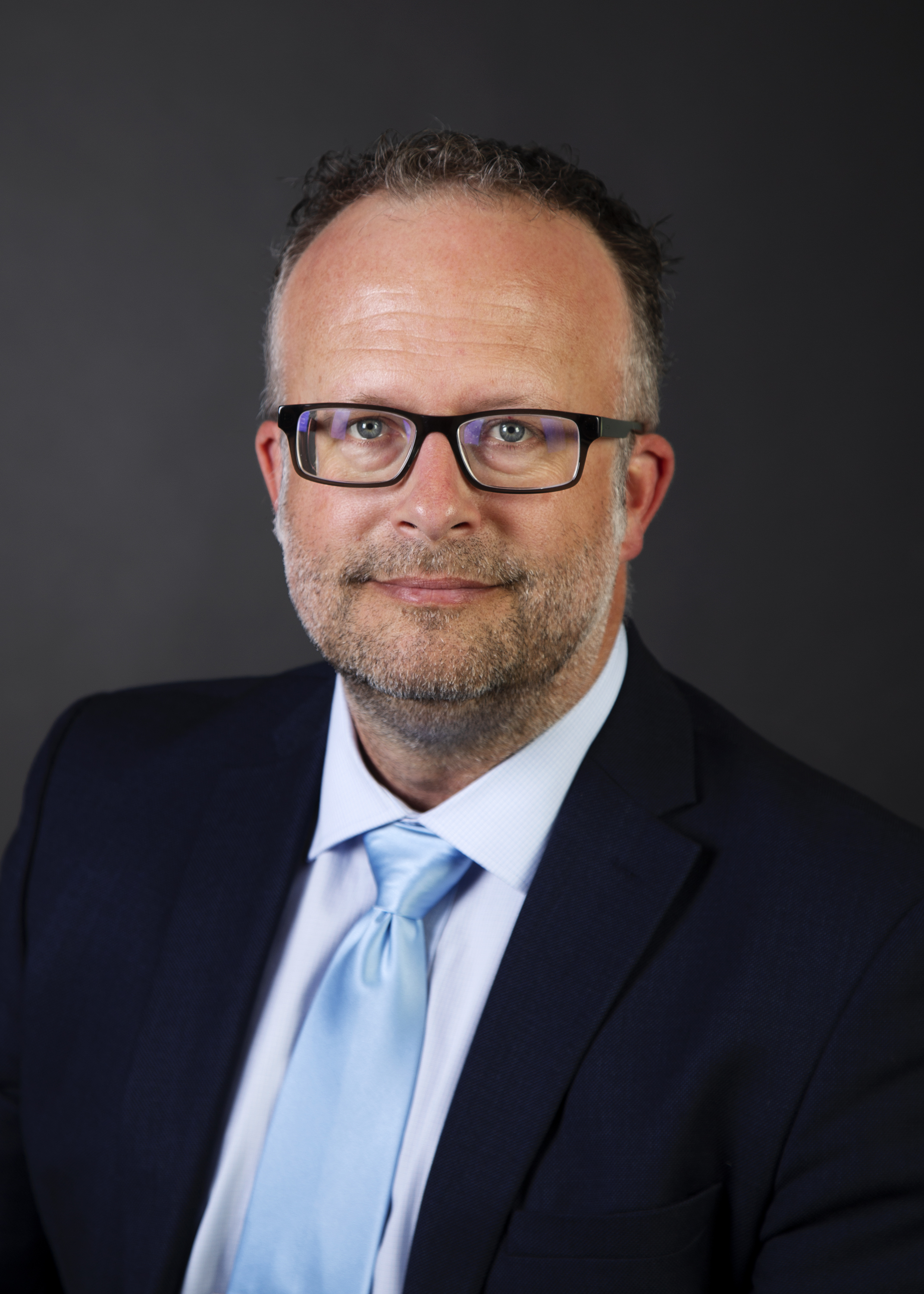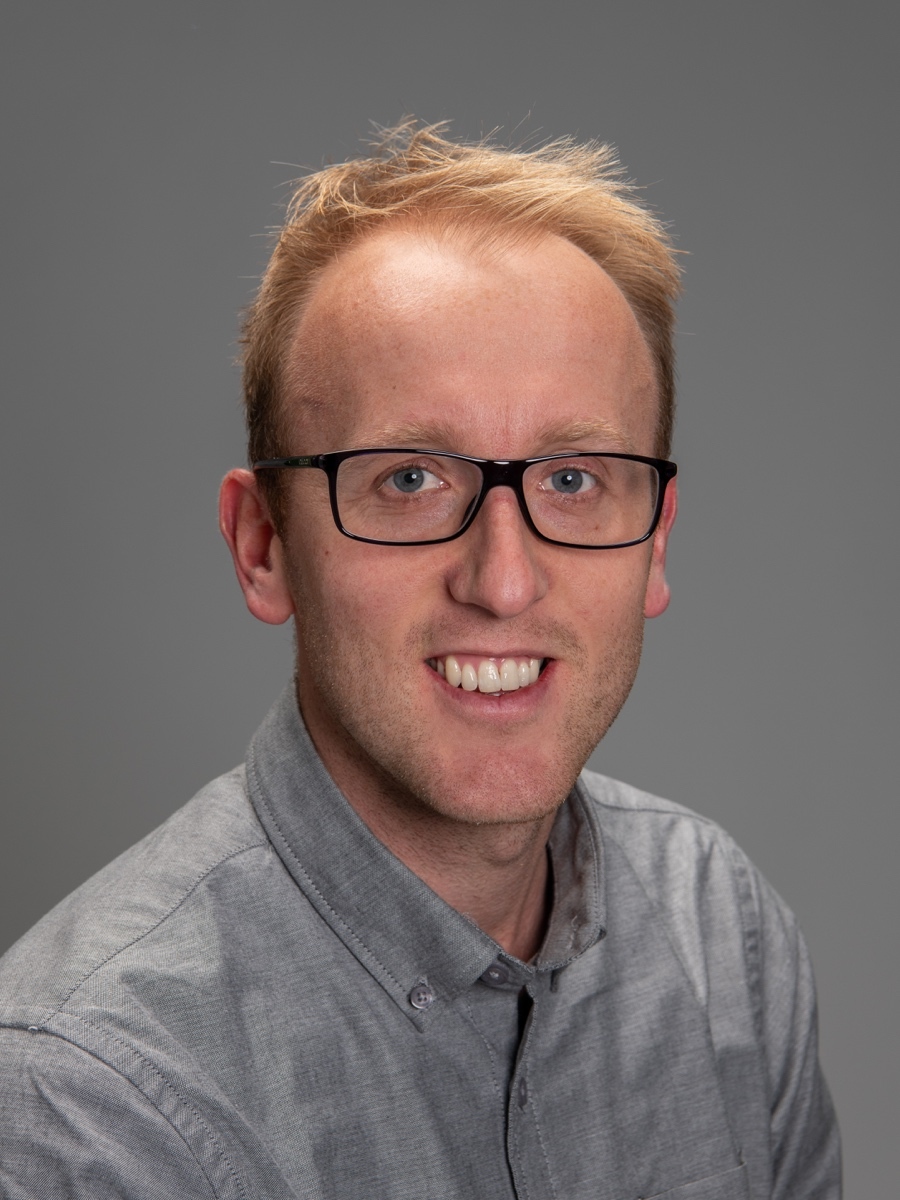
Wietse van de Lageweg is a researcher at HZ University of Applied Sciences, specializing in fluvial, estuarine, and coastal systems. His expertise includes sediment dynamics, numerical modeling, and field observations to predict environmental impacts on society. He holds a PhD from Utrecht University (2013), with postdoctoral research at the University of Hull, UK, focusing on climate change adaptation in coastal systems. Prior roles include a coastal morphology expert at AnteaGroup Belgium (2018), where he applied UNIBEST-CL+ models for shoreline change simulations. His research integrates biophysical processes and human dimensions, addressing challenges like flood protection through projects such as C-SCAPE and 'No Sea Too High.' Education: PhD in Earth Sciences, Utrecht University, 2013 Postdoctoral Research, University of Hull, UK (Climate Change & Coastal Systems) Research Interests: His work spans sediment transport modeling, managed realignment, sand nourishment efficacy, and ecosystem service valuation. Key areas include tidal bar sedimentology, biofilm effects on substrate stability, and the socio-technical feasibility of nature-based solutions. He employs tools like Delft3D and UNIBEST-CL+ to simulate morphodynamic processes in dynamic coastal environments. Projects: C-SCAPE : Optimizing sand nourishments for multifunctional coastal resilience No Sea Too High : Spatial strategies for water safety beyond traditional dikes Underwater Laboratory : Experimental studies at NIOZ Yerseke Awards & Grants: Though no specific awards are listed, his involvement in EU Hydralab+ highlights collaborative research excellence. His work has informed policy through projects like Perkpolder managed realignment and Belgian coastal nourishment strategies. Labs & Collaborations: Associated with HZ's Water research spearhead and Joint Research Center Zeeland. Engages in interdisciplinary teams addressing climate adaptation and ecosystem dynamics.