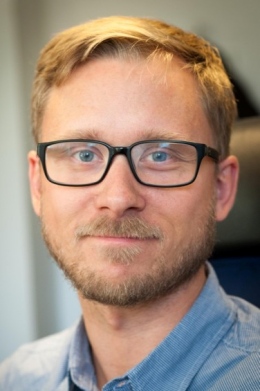
Johan Eklöf is a Professor at Stockholm University within the Department of Ecology, Environment and Plant Sciences . His research emphasizes marine ecology , focusing on interactions between marine biodiversity, environmental conditions (including climate), and societal impacts . He teaches courses such as Management of Aquatic Resources in the Tropics , Marine Ecology for the Biogeo Program , and Ecology II . Research Focus: Causal relationships between biodiversity and ecosystem resilience Foundation species as drivers of ecosystem services Optimizing resource management under climate change Projects: Principal Investigator for FORCE (2023-present), a transdisciplinary Baltic Sea recovery project Contributor to NordSalt (climate impacts on Nordic salt marshes) and PlantFish (Baltic Sea vegetation-fish interactions) Scientific Leadership : Supervises 2 current PhD students and co-supervises 6 additional PhD/postdocs Formerly mentored 4 PhD graduates and >40 MSc students Environmental Context: His work spans Baltic Sea and Western Indian Ocean ecosystems, using seagrass beds , mussel beds , and coastal benthic systems as primary models. Recent publications highlight climate change impacts on trophic cascades , habitat connectivity , and policy frameworks for marine conservation .
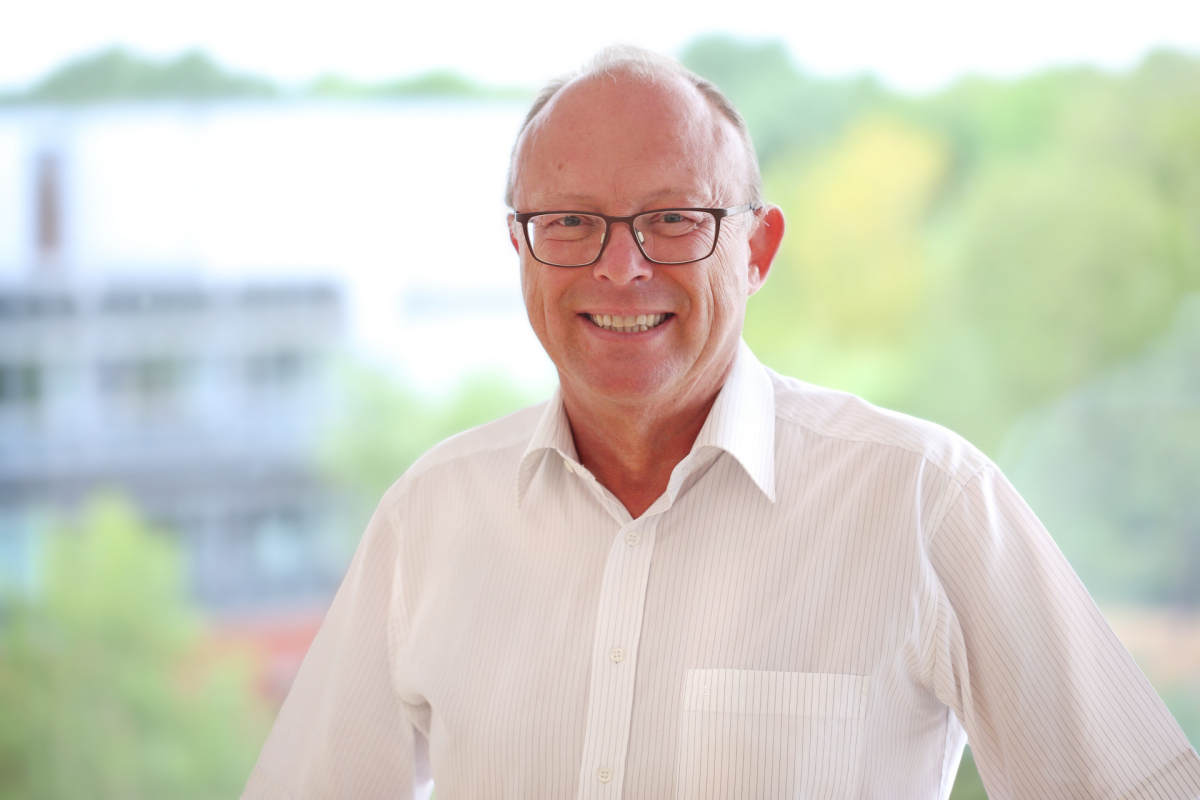
Dr. Peter Bartsch serves as curator of the fish collection and construction project officer at the Museum für Naturkunde (MfN), Leibniz Institute for Evolution and Biodiversity Science, which is affiliated with Humboldt University Berlin. With expertise in ichthyology, embryology, and comparative anatomy, Dr. Bartsch has been instrumental in the museum's collection management and building renovation projects since joining the institution as a research associate before becoming curator in 2000. Dr. Bartsch received his academic training in ichthyology, embryology, and comparative anatomy at the University of Cologne. His academic career includes positions as a research assistant at the University of Tübingen and a postdoctoral fellowship at the Natural History Museum in Stockholm before joining the Museum für Naturkunde. Dr. Bartsch's primary research focuses on the evolution and systematics of major groups of bony fishes (Osteichthyes), with particular emphasis on primitive ray-finned fish lineages. His work integrates morphological analysis of both fossil and extant species to understand evolutionary relationships. A significant portion of his research centers on the developmental biology of ancient fish groups, especially the Polypteridae (bichirs), examining embryonic development, skeletal formation, and sensory systems. More recently, his interests have expanded to include the logistics and optimal management of research collections, reflecting his administrative responsibilities at the museum. Analysis of Dr. Bartsch's recent publications reveals a consistent focus on fish morphology, evolution, and development, with particular attention to primitive actinopterygian lineages. His work spans both systematic taxonomy and functional morphology, with increasing attention to museum collection management challenges. The publications demonstrate expertise in comparative anatomy across diverse fish groups including chondrichthyans (sharks, rays, and chimaeras) and basal actinopterygians. Recent work shows integration of molecular phylogenetic approaches with traditional morphological analysis. Dr. Bartsch has held significant administrative roles at the Museum für Naturkunde, serving as head of the collections department from 2011 to 2013. He was responsible for the museum's construction program for the east wing reconstruction, completed in 2010, which created modern facilities for the storage and scientific processing of the museum's wet collections. Currently, he manages the second phase of the building's renovation that began in 2011 and participates in planning for the future development of the museum's facilities. The Museum für Naturkunde houses extensive ichthyological collections that form the basis for Dr. Bartsch's research. His work involves close collaboration with various research teams within the museum, particularly in the areas of molecular phylogenetics, collection preservation, and paleontological research. The museum's facilities include specialized laboratories for morphological analysis, molecular studies, and collection management that support his research activities.
Professor Jason Hall-Spencer is a globally recognized marine biologist at the University of Plymouth and a full professor at the University of Tsukuba (Japan), with an adjunct role at Xiamen University. His research focuses on ocean acidification, invasive species (e.g., lionfish), and climate change impacts on marine ecosystems. He pioneered the use of underwater CO2 seeps as natural analogues for climate change studies, a methodology now adopted globally. His work has influenced policies to protect deep-water corals and Arctic reefs, and he leads projects like RELIONMED to combat lionfish invasions in the Mediterranean. Education: Studied Applied Marine Biology at Heriot-Watt University, completed a PhD on coralline algae at Millport Marine Station, and conducted fieldwork across Europe, Asia, and the Pacific. His career includes discovering UK deep-water coral reefs and Arctic reefs, leading to their legal protection. Research Interests: Ocean acidification effects on marine organisms, invasive species management, CO2 seep dynamics, coral reef ecology, and marine conservation. His work combines field experiments, policy advocacy, and community engagement to address global marine challenges. Grants and Collaborations: Secured €1.7M from the EU Life Programme for lionfish control and a $400K grant on plankton dynamics. Collaborates with organizations like the Marine Biological Association and international researchers on projects such as the Ocean Organ to visualize CO2 impacts. Labs/Teams: Leads the Marine Conservation Research Group at Plymouth, coordinating initiatives like RELIONMED and influencing global marine policies through partnerships with governments and NGOs.
Sophie Dove is an Honorary Associate Professor at the School of Biological Sciences , University of Queensland, and an Affiliate Associate Professor at the Global Change Institute . Her research focuses on coral reef photobiology, climate change impacts, and symbiotic relationships in marine ecosystems. PhD in Biological Sciences, University of Sydney MA in Philosophy, University of Southern California MA (Hons) in Mathematics and Philosophy, University of Edinburgh Her work examines coral-dinoflagellate symbiosis , particularly how host and symbiont interactions maintain reef productivity under climate stress. Key questions include the role of symbiont parasitism, coral heterotrophy, and reef accretion-erosion balance under ocean acidification and warming. She collaborates with institutions like the Great Barrier Reef Marine Park Authority and CSIRO Publishing. Recent publications span coral bleaching mechanisms , ocean acidification effects , and biochemical adaptations in symbiotic organisms. Her studies integrate molecular biology, biogeochemistry, and ecophysiology to predict reef futures under climate stress. She has contributed to scientific consensus reports on the Great Barrier Reef and developed methodologies for analyzing coral and sponge physiology. Her interdisciplinary approach bridges marine ecology, protein biochemistry, and climate science.
Prof. Dr. Rudolf Amann serves as Managing Director at the Max Planck Institute for Marine Microbiology in Bremen, Germany, and leads the Department of Molecular Ecology. His work pioneers molecular methods for studying marine microorganisms, with a focus on fluorescence in situ hybridization (FISH) to identify and quantify microbial cells. Managing Director, Max Planck Institute for Marine Microbiology (since 2018) Department Head, Molecular Ecology Research Center, Bremen, Germany Research Interests: Marine microbial diversity and ecology Carbon cycle dynamics in coastal and deep-sea environments Phytoplankton-bacterioplankton interactions Microbial taxonomy and phylogenetics Single-cell identification techniques (FISH, CARD-FISH) Integration of metagenomics and proteomics Publication Trends: Recent work focuses on microbial interactions in extreme environments (hydrothermal vents, Arctic waters), carbohydrate cycling in oceanic systems, and ecological differentiation of bacterial populations through advanced imaging and omics technologies. Contact: ramann@mpi-bremen.de
Curtis Suttle is a Professor in the Department of Botany at the University of British Columbia's Faculty of Science. He also holds affiliations with Earth and Ocean Sciences, Microbiology and Immunology, and the Institute for Oceans and Fisheries. His research focuses on marine virology and the ecological roles of viruses in aquatic ecosystems, particularly their impact on phytoplankton and microbial communities. Dr. Suttle received his B.Sc. and Ph.D. from UBC, was a Coastal Marine Scholar at SUNY StonyBrook (1987-88), and served as Assistant/Associate Professor at the University of Texas at Austin (1988-96) before returning to UBC. His research program investigates the biology and ecology of viruses that infect microalgae and cyanobacteria. Key areas include discerning viral effects on primary productivity, isolating novel marine viruses, developing molecular identification methods, and studying viral distribution patterns. His work has revealed that viruses can occur in seawater at concentrations exceeding 10 5 ml -1 , with cyanophage concentrations reaching 10 6 infectious units ml -1 in coastal waters. Dr. Suttle's team has developed PCR primers specific for viral DNA polymerase genes, showing these viruses belong to a single family related to herpes viruses. Recent publications show a strong focus on marine viral ecology, with particular attention to oyster microbiomes, viral taxonomy, and the role of viruses in marine ecosystems. His research spans from coastal environments to the deepest ocean trenches, examining viral diversity across environmental gradients and investigating viral impacts on carbon cycling and marine food webs. Dr. Suttle leads an active research group with several post-doctoral associates, research scientists, and graduate students. His team conducts field work at multiple locations including the Naica Mine in Mexico, Pavilion Lake in British Columbia, Saanich Inlet, and the Strait of Georgia. Current projects include collaborations with the Hakai Institute, Line P Research Cruise, and CASES (Canadian Arctic Shelf Exchange Study). His laboratory has made significant contributions to understanding viral roles in marine ecosystems, particularly through expeditions to extreme environments like the Naica crystal caves and deep ocean trenches. Ongoing research explores viral impacts on microbial community structure, carbon cycling, and ecosystem function across diverse marine habitats.
Philip Pugh is a Senior Lecturer in the Faculty of Science and Engineering at Anglia Ruskin University, specializing in Life Sciences. He has extensive experience in Antarctic biogeography, cladistics, and multivariate analysis, with a focus on biodiversity and environmental biology. His teaching includes the BSc (Hons) Marine Biology with Biodiversity and Conservation course. BSc Zoology, University of Wales Swansea, 1980 PhD Marine Biology, University of Wales Swansea, 1985 PGCE Biology with Integrated Science, University of Cambridge, 1988 Philip's research spans Antarctic biogeography, cladistics, and multivariate analysis. He investigates the origins of Antarctic fauna, human impacts on ecosystems, and develops computational methods for biogeography. His work integrates ecological modeling, taxonomy, and conservation biology. Recent research trends include Antarctic ecology, biodiversity analysis using multivariate techniques, and the ecological consequences of climate change and tourism. His publications address topics like tardigrade population dynamics, seabird entanglement, and land snail evolution in sub-Antarctic regions. Fellow, Linnean Society of London Fellow, Zoological Society of London Fellow, Royal Entomological Society of London Philip supervises graduate students in Antarctic ecology, taxonomy, and microbial environmental interactions. He is affiliated with the Applied Ecology Research Group and collaborates on projects involving seabirds, fungal pathogens, and conservation strategies.
Dr. Henry Streby is an Associate Professor of Ecology in the Department of Environmental Sciences at the University of Toledo, where he leads the Streby Lab. He also holds an appointment as Adjunct Assistant Professor and is recognized as a Fellow of the American Ornithological Society. Education: Ph.D. in Ecology from University of Minnesota Research Focus: Dr. Streby's research spans avian ecology , wildlife ecology , evolutionary biology , and quantitative science . His work particularly emphasizes organismal ecology with applications to conservation and management of migratory songbirds. Key research areas include: Migratory connectivity and seasonal interactions Conservation biology of declining songbird populations Behavioral ecology of breeding and migratory birds Quantitative methods in wildlife research Effects of environmental change on bird populations Research Impact: Dr. Streby's work has significantly advanced understanding of songbird migration, particularly in Vermivora warblers and golden-winged warblers. His 2015 Current Biology paper on tornado avoidance behavior in songbirds received extensive international media coverage and reached the 99th percentile of all articles tracked by Altmetric. His recent research continues to explore migratory connectivity, hybridization patterns, and conservation strategies for North American migratory birds. Awards and Recognition: 2021 President's Award for Excellence in Scholarly Activity (University of Toledo) Elected Fellow of the American Ornithological Society (2021) 2013 Cooper Ornithological Society Young Professional Award Multiple best presentation awards at professional conferences Student Mentorship and Lab: Dr. Streby has successfully mentored numerous graduate students who have gone on to prestigious positions. Notable former students include: Gunnar Kramer (PhD 2021) - now Assistant Professor at Iowa State University Silas Fischer - recipient of multiple awards and fellowships Sean Peterson - pursued PhD at UC Berkeley Kyle Pagel - Environmental Scientist with California Department of Fish and Wildlife Annie Lindsay - active in migration research The Streby Lab continues to be highly productive, with ongoing research on Gray Vireos, migration ecology, and conservation applications. The lab maintains active field sites and collaborates extensively with other institutions and agencies.
Daniel Rabosky is a Professor in the Department of Ecology and Evolutionary Biology at the University of Michigan, where he also serves as Curator at the Museum of Zoology. His research program spans macroevolution, speciation dynamics, and phylogenetic comparative methods, with particular expertise in Australian reptiles and squamate evolution. Rabosky maintains an active laboratory and is currently seeking new graduate students and postdoctoral fellows to join his research team. Rabosky's research interests focus on macroevolutionary patterns and processes, particularly the connections between microevolutionary dynamics and large-scale biodiversity patterns. His work integrates phylogenetic comparative methods with ecological and morphological data to understand speciation processes, adaptive radiations, and the evolutionary dynamics of reptile communities, especially Australian skinks. He has made significant contributions to methodological developments in evolutionary biology through software tools like BAMM (Bayesian Analysis of Macroevolutionary Mixtures) and BAMMtools for analyzing evolutionary rate heterogeneity across phylogenetic trees. Analysis of Rabosky's recent publication record reveals a strong focus on evolutionary theory, methodological development, and empirical studies of reptile diversification. His work spans theoretical macroevolution, phylogenetic comparative methods, Australian herpetology, and the connections between population-level processes and macroevolutionary patterns. The research demonstrates increasing integration of genomic data with traditional morphological and ecological approaches, reflecting broader trends in evolutionary biology. Rabosky actively mentors graduate students including Matheus Januário and Tristan Schramer, and supervises postdoctoral fellows Michael Harvey, Jonathan Mitchell, Sonal Singhal, and Rudolf von May. His laboratory receives research funding supporting multiple projects in macroevolutionary dynamics, with recent grants likely supporting work on the connections between metapopulation ecology and speciation rates, as evidenced by his 2025 Ecology Letters paper. The Rabosky Lab maintains a strong presence in both theoretical and empirical evolutionary biology, with particular strengths in phylogenetic methods development, squamate reptile evolution, and the interface between micro- and macroevolution. The lab actively collaborates with researchers across institutions and contributes to major initiatives like the openVertebrate project for 3D imaging of museum specimens.
Jouni Taskinen is a Professor in the Department of Biological and Environmental Science at the University of Jyväskylä, affiliated with the School of Resource Wisdom. His research focuses on aquatic parasites and diseases, particularly their impacts on fisheries and conservation of endangered species like the freshwater pearl mussel (Margaritifera margaritifera). He leads projects addressing mussel population conservation, habitat restoration, and parasite dynamics in aquatic ecosystems. Taskinen's work integrates ecological, evolutionary, and applied approaches to understand host-parasite interactions, parasite virulence evolution, and conservation strategies for threatened species. His projects include captive breeding programs for freshwater mussels, studies on juvenile habitat requirements, and assessments of environmental stressors like nutrient enrichment and invasive species. He has secured funding from the Ministry of the Environment, the European Commission, and foundations for initiatives such as the LIFE Revives project, which aims to revive freshwater pearl mussel populations. Taskinen also collaborates on international projects, including studies in Lake Prespa (N. Macedonia) and European lake systems to explore parasite prevalence and host specificity. His research activities include lectures and presentations on topics like trematode parasitism, mussel growth dynamics, and the effects of environmental parameters (e.g., pH, temperature) on endangered species survival. Taskinen’s contributions bridge fundamental science and conservation practice, emphasizing the role of parasites in ecosystem health and biodiversity preservation.
Professor Vincent Savolainen is a Professor of Organismic Biology at Imperial College London's Department of Life Sciences (Silwood Park Campus), part of the Faculty of Natural Sciences. He serves as Director of the Georgina Mace Centre for the Living Planet, focusing on interdisciplinary environmental challenges. Previously, he was Deputy Head of the Department of Life Sciences (2013–2016) and Deputy Head of Molecular Systematics at the Royal Botanic Gardens, Kew (2007–2016). His research integrates field ecology, molecular phylogenetics, and population genomics to address biodiversity preservation, evolutionary biology, and societal challenges like pandemic monitoring. Key areas include ecological speciation in palms, same-sex behavior in animals, and zoonotic disease surveillance in bats. He has pioneered environmental DNA (eDNA) techniques for biodiversity assessment and led studies on the genetic basis of traits like sexual orientation in primates. Professor Savolainen holds prestigious awards, including the Linnean Society’s Bicentenary Medal (2006), European Research Council Advanced Grant (2008), and Coincy Medal for Botany (2014). He sits on UK Natural Environment Research Council panels and Royal Society committees. His group includes researchers like Dr Marco Balducci and Dr Louis Bell-Roberts, and collaborates with institutions like the Zoological Society of London and Royal Society of Biology. Current projects explore plant-insect coevolution, conservation genetics of deer species, and the evolution of endothermy in fish.
Dr. Oliver Hampe serves as Scientific Director of the Vertebrate Paleontology and Geology Collections at the Museum für Naturkunde (Museum of Natural History), Leibniz Institute for Evolution and Biodiversity Research in Berlin, Germany. He also holds the position of Head of the Paleontological Preparation Laboratory. His expertise spans extinct aquatic vertebrates, paleopathology, and geoarchaeology, with significant contributions to cetacean evolution research. Hampe completed his studies in Chemistry and Geology-Paleontology from 1981-1987 at universities in Düsseldorf and Mainz, earning his Diploma in 1987. He received his PhD from Johannes Gutenberg University Mainz in 1991 and completed his habilitation for Palaeobiology and Zoology at Humboldt University Berlin in 2003, qualifying him as a Privatdozent. His research focuses on cetacean evolution, particularly Miocene whale fossils from German sites like Groß Pampau, with significant work on periotic bone anatomy. Hampe integrates traditional morphological analysis with advanced imaging techniques including CT scanning to study fossil specimens non-destructively. His paleopathological research examines diseases in fossils, such as osteomyelitis in Tyrannosaurus rex and bone tumors in whale specimens. He also maintains scholarly interest in the history of paleontology, particularly Werner Janensch's work and German expeditions to Tendaguru, Tanzania. Analysis of Hampe's recent publications reveals consistent focus on cetacean evolution, especially baleen whales from the Miocene epoch. His methodological approach frequently combines detailed morphological analysis with geological context to understand evolutionary patterns. He has made significant taxonomic contributions through studies of whale ear bone anatomy and has extended his research to pathological conditions in diverse fossil vertebrates. His interdisciplinary work bridges paleontology with medical imaging techniques and historical studies. As Head of the Paleontological Preparation Laboratory, Hampe oversees the curation and preparation of vertebrate fossil collections. His current research projects include cetacean studies from Groß Pampau, pathology research on dinosaurs and mammals, and investigations into aquatic adaptation in Cetartiodactyla supervised with PhD student Apolline Alfsen. His collaborative approach is evident in numerous publications with international researchers across Europe.
Dr. Gordon O'Brien serves as a Senior Fellow in Water at the Gulbali Institute, Charles Sturt University (Australia), bringing over 20 years of expertise in African freshwater systems since 2004. A South African Council for Natural Scientific Professionals registered scientist and NRF (C2) rated researcher, he bridges academic research with practical water management solutions across continental scales. Education: Doctor of Philosophy (Ph.D.) from University of Johannesburg (2012) His research integrates sustainable water resource management, freshwater ecology, and fish/ fisheries sciences through probabilistic modeling of multiple stressors at regional scales. Specializing in environmental flows, ecosystem services, and ecotoxicology, he develops holistic frameworks for vulnerable socio-ecological systems facing climate change and anthropogenic pressures. Current work emphasizes digital innovation in water security through real-time monitoring and risk assessment. Recent publications reveal a strategic shift toward digital water management, featuring tools like FISHTRAC for fish monitoring and PROBFLO for environmental flow implementation. His research increasingly focuses on African river basins (particularly Limpopo and Incomati), addressing invasive species impacts, fish community dynamics, and AI-driven decision support systems while maintaining strong policy relevance for water-scarce regions. Scientific Recognition: South African National Research Foundation (C2) rating Dr. O'Brien has supervised over 12 PhD and 20 MSc students to completion while securing more than US$2.5 million in research funding from governmental, NGO, and international sources. His projects directly inform water policy development across Africa, with documented contributions to legislation and management frameworks. Current grant portfolios emphasize digital water security tools and transboundary river basin management. As leader of the Rivers of Life applied research program in South Africa and member of CSU's Inland Freshwater Fisheries Research Group, he directs field teams across Kruger National Park and the Limpopo Basin. His collaborative network spans 12 African nations and includes partnerships with the International Water Management Institute for basin-scale digital twin development.
Dr. Martin Taylor is an Associate Professor in Molecular Ecology at the University of East Anglia's School of Biological Sciences. He has held academic positions since 2013, including Senior Lecturer roles at Bangor University and postdoctoral research experience in Belgium. His primary research focuses on molecular ecology, evolution, and conservation of marine and freshwater fishes, with an emphasis on genetic methods like microsatellite markers and next-generation sequencing. Key interests include polyploidy in Corydoras catfishes, fisheries-induced evolution, and traceability of fish populations. Taylor leads projects on lobster ageing via DNA methylation and collaborates internationally on studies of biodiversity and conservation genetics. Education: BSc (Animal and Plant Biology) from the University of Leeds (1990–1993) and PhD from the University of Aberdeen/Southampton (1993–1996), studying speciation in African cichlids. Research projects include Woodland impacts on pollinator diversity Genetic basis of catfish venoms Development of novel ageing methods for European lobsters His work bridges fundamental and applied research, addressing challenges in fisheries management, conservation, and ecological sustainability. Taylor serves as an Associate Editor for Marine Biology and maintains an active lab group at UEA. Key contributions include advancing DNA-based methods for ecological and conservation applications, such as detecting jellyfish predation and tracking fish populations via genetic markers.
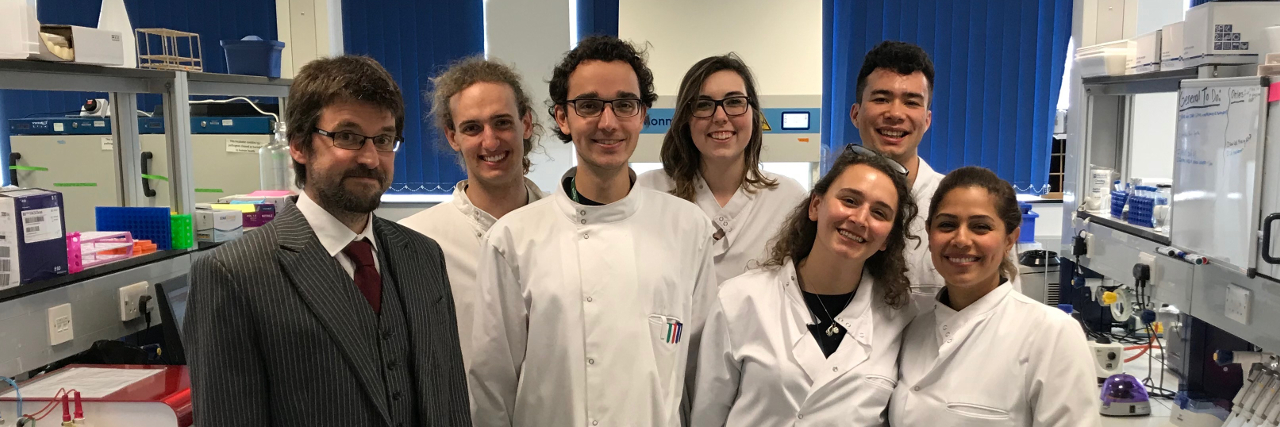
Dr. Ben Temperton is an Associate Professor of Microbiology at the University of Exeter, where he leads the Temperton Lab within the School of Biosciences. His research focuses on understanding host-virus interactions in both environmental and clinical settings, with particular emphasis on bacteriophages and their applications in addressing antimicrobial resistance. During the COVID-19 pandemic, he led the SouthWest hub of the UK's genomic surveillance network (COG-UK), coordinating efforts that shaped government policy through real-time data. Dr. Temperton has an unconventional academic path, having first worked as a software engineer for several years before retraining as a microbiologist. His educational background includes: PhD in Microbiology from Queen's University Belfast (2009-2011) MSc in Information Technology (Software Engineering) from University of Nottingham (1998-1999) BSc in Chemistry from University of Birmingham (1995-1998) His research interests span multiple disciplines, focusing primarily on interactions between bacteriophages and their hosts. He has developed novel methods for long-read sequencing of viromes from marine and soil microbial communities, identifying previously unknown viral species. His work also includes high-throughput isolation of ecologically and clinically important viruses. A significant portion of his recent research involves the Citizen Phage Library, which he established as a national capability for providing characterized phages for compassionate use in treating drug-resistant bacterial infections. He leads a consortium developing the first multi-site AGILE clinical trial of phage therapy for chronic obstructive pulmonary diseases in the UK. Dr. Temperton's publication record shows a strong focus on viral ecology, host-virus interactions, and applications of phage therapy. His recent work demonstrates increasing emphasis on translating basic research into clinical applications, particularly for antimicrobial resistance. He has also made significant contributions to genomic surveillance methods, especially during the COVID-19 pandemic. As a mentor, Dr. Temperton leads a diverse research group with multiple PhD students, postdoctoral researchers, and MbyRes students working on various aspects of viral ecology and phage therapy. His lab operates under a "Pirate Code" that emphasizes inclusivity, responsibility, professionalism, meticulousness, positivity, supportiveness, honesty, digital resilience, and inspiration. He collaborates with four industrial partners to help bring phage therapeutics to market and works closely with clinicians at the Royal Devon and Exeter Hospital. Dr. Temperton's lab is part of several Exeter research networks including Exeter Marine, Health Technologies @Exeter, and Microbes and Society @Exeter, reflecting the interdisciplinary nature of his work that bridges environmental microbiology, clinical applications, and technological innovation.