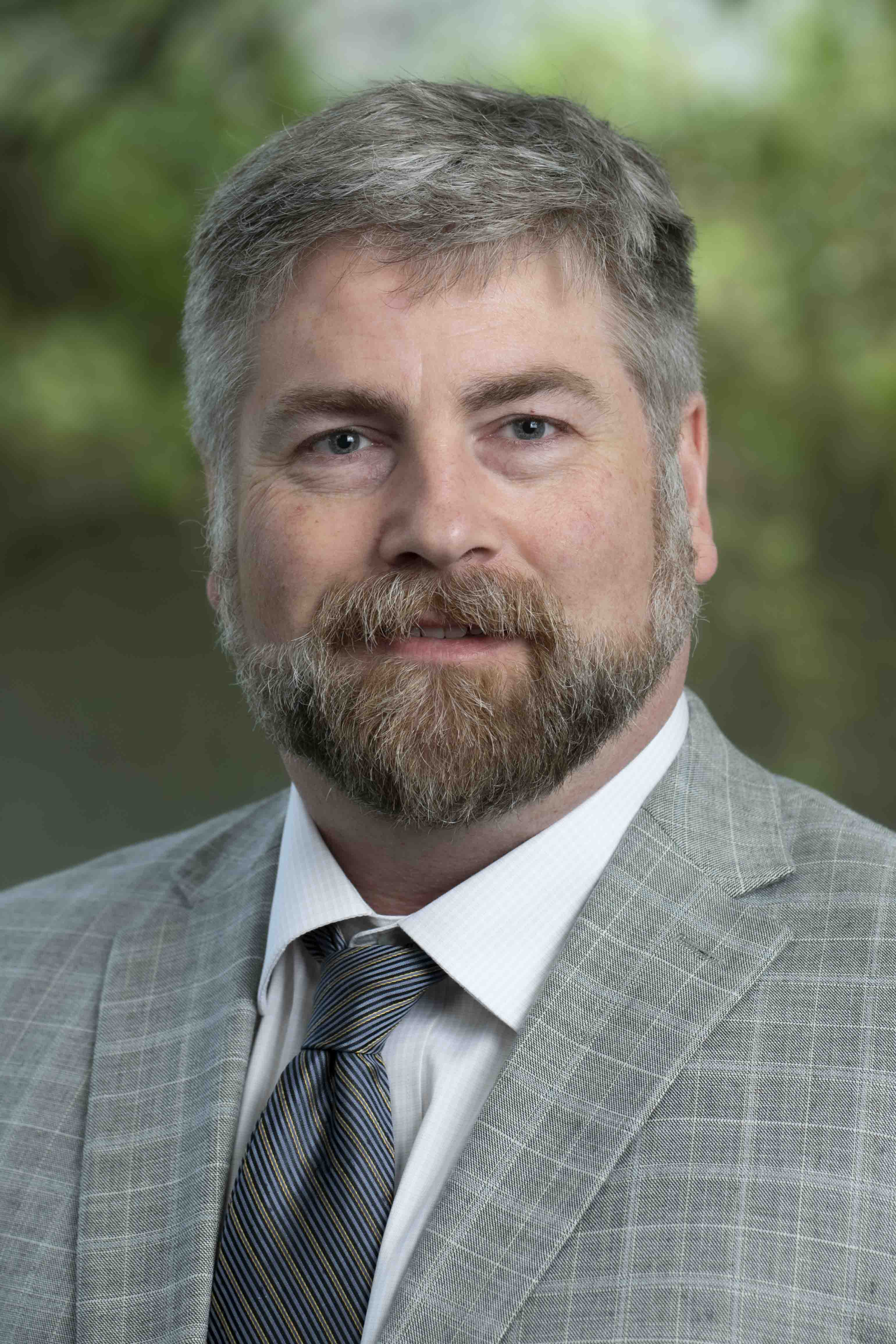
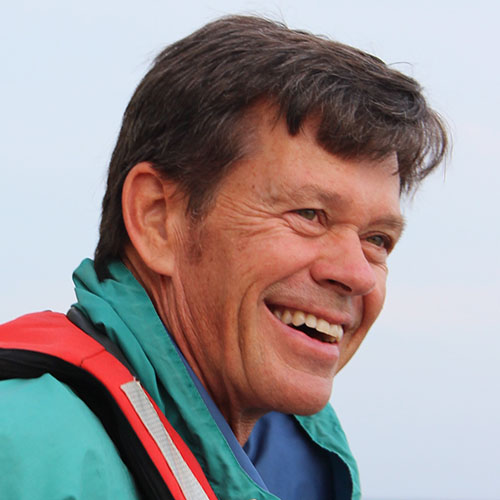
Dr. Colin Garroway is an Associate Professor in the Department of Biological Sciences at the University of Manitoba, Faculty of Science. His research focuses on understanding how population-level processes influence biodiversity at genetic, population, and species levels. He employs interdisciplinary approaches, including genomics, ecological modeling, and data synthesis, to address challenges in conservation and climate change impacts. His work often targets systems undergoing significant environmental changes, such as urbanized areas and Arctic ecosystems. Dr. Garroway teaches advanced courses in Evolutionary Genetics and Evolutionary Biology. His research emphasizes the interplay between human-driven environmental changes—such as urbanization and climate warming—and their effects on genetic diversity, species distribution, and adaptation. He leads the Garroway Lab, which collaborates on global projects like biodiversity assessments in protected areas and epigenetic studies in wildlife. Key research themes include: biodiversity conservation, climate adaptation genetics, urban evolution, and the genetic consequences of human activities. His work integrates field studies, genomic analyses, and computational models to provide actionable insights for conservation strategies.
Yong Chen is a Professor at the School of Marine and Atmospheric Sciences (SoMAS), Stony Brook University. He specializes in fisheries ecology, stock assessment, and climate change impacts on marine ecosystems. His research focuses on optimizing monitoring programs, evaluating fisheries management strategies, and understanding ecosystem dynamics under climate change. Education: Ph.D. from the University of Toronto (1995) Research Interests: Dr. Chen’s work addresses critical challenges in fisheries management, including stock assessment methodologies, climate-driven shifts in species distribution, and the integration of ecological and socio-economic factors into conservation strategies. His studies often involve advanced modeling techniques such as Ecopath with Ecosim and habitat suitability analysis. Key Themes in Publications: Recent articles highlight his focus on hybrid management strategies for mixed fisheries, climate impacts on species phenology and connectivity, and the efficacy of marine protected areas. He emphasizes data integration challenges and the development of decision support tools for sustainable fisheries. Grants and Advising: No specific grants or advisees are listed here. However, his research has likely involved collaborations with international fisheries organizations and government agencies. Labs/Teams: A lab site is referenced in his profile, though the specific team structure or ongoing projects are not detailed in the provided text.
Justin Leidwanger is an Associate Professor of Classics at Stanford University with a courtesy appointment in Oceans at the Doerr School of Sustainability, specializing in Mediterranean maritime archaeology through fieldwork in southeast Sicily and southwest Turkey. His educational background includes: Ph.D. in Art and Archaeology of the Mediterranean World from the University of Pennsylvania (2011) M.A. in Nautical Archaeology and Anthropology from Texas A&M University B.A. in History & Classical Studies from Loyola University Chicago Leidwanger's research centers on Mediterranean mobilities, maritime communities, and exchange systems from the Roman period through late antiquity, using shipwrecks and port sites to analyze socioeconomic dynamics. His work integrates ceramic analysis, port network studies, and digital heritage methods to explore ancient technologies of distribution and long-term maritime interactions. Recent publications reveal consistent focus on Roman/late antique maritime economies with growing emphasis on digital documentation (3D modeling, GIS) and contemporary relevance through migration studies. Key trends include transport amphorae standardization, underwater survey methodologies, and the intersection of ancient maritime heritage with modern migration patterns in the central Mediterranean. Leidwanger actively advises students in classical archaeology while leading major field projects including the Marzamemi 'church wreck' investigation (2013-2019) and ongoing 'U Mari research in Sicily. His work combines underwater survey, community-based archaeology, and heritage activism addressing both ancient tuna fishing traditions (mattanza) and contemporary migration routes. He directs the Maritime Archaeology and Digital Heritage Lab (MEDLab) at Stanford's Archaeology Center, which supports advanced digital modeling (photogrammetry, laser scanning, network analysis) and ceramic analysis (petrography, pXRF, computational morphometrics) for field research and museum collaborations.
Professor Douglas Guilfoyle is a Professor at UNSW Canberra within the School of Humanities & Social Sciences, where he joined in 2018. He is a 2022-2025 Australian Research Council Future Fellow working on "Small States' use of law of the sea litigation against greater powers" (FT210100186). He is also a non-resident fellow at the Sea Power Centre - Australia and was a Visiting Legal Fellow at the Department of Foreign Affairs and Trade (2018-2019). Professor Guilfoyle's educational background includes: Doctor of Philosophy (International Law), University of Cambridge, 2007 Master of Laws (International Law), University of Cambridge, 2004 Bachelor of Arts (Hons I) and Bachelor of Laws (Hons I) Australian National University, 2000 Professor Guilfoyle's research focuses on maritime security, the international law of the sea, and international and transnational criminal law. His particular areas of specialism include maritime law-enforcement, the law of naval warfare, international courts and tribunals, and the history of international law. His work examines how small States use UN Convention on the Law of the Sea (UNCLOS) dispute settlement mechanisms to gain political advantages in conflicts with greater powers. His research crosses over from the maritime domain to international criminal law generally, including questions of the effectiveness of international criminal tribunals and the law of superior responsibility. He has made significant contributions to understanding counter-piracy efforts, maritime interdiction operations, and the protection of submarine cables in the context of modern security challenges. Professor Guilfoyle's recent publications demonstrate a clear trend toward examining the intersection of emerging technologies and maritime law, particularly regarding autonomous vessels. His work also shows a deep engagement with the strategic use of international law by small states, maritime security challenges in the Indo-Pacific region, and the evolving role of international courts and tribunals in resolving complex maritime disputes. His scholarship consistently bridges theoretical legal frameworks with practical security concerns. Professor Guilfoyle has received several prestigious awards and fellowships: 2022-2025 Australian Research Council Future Fellow Gates Cambridge Scholar, 2004-2007 British Council Chevening Scholar, 2003-2004 British Academy Mid-Career Fellowship, 2012-2013 Professor Guilfoyle has secured significant research funding including an Australian Research Council Future Fellowship ($948,000, 2022-2025) for his project on "The use of strategic law of the sea litigation by small States against greater powers," and an Australian Research Council Discovery Project ($158,000, 2020-2023) on "Legal Regulation of Marine Autonomous Vehicles." His research is informed by extensive consultancy work with various government and international organizations. Prior to joining UNSW Canberra, he held academic positions at Monash University and University College London, and has practical legal experience as a judicial associate in the Australian Federal Court and as a commercial litigation solicitor in Sydney. Professor Guilfoyle is a frequent contributor to leading international law blogs such as EJIL:talk and Opinio Juris, demonstrating his active engagement with the international legal community and current developments in the field.
Dr Luca Follis is an Associate Professor in Criminology within the Department of Sociology and Criminology at the School of Law, Politics and Sociology, University of Sussex. His interdisciplinary research explores the intersections of law, power, technology, and resistance, with a focus on penal systems, surveillance, and digital activism. His education includes a PhD in Sociology (with Honours) from the New School for Social Research, where his dissertation won the Albert Solomon Memorial Award. He also holds a B.A. in English Textual Studies from Syracuse University and a B.A. in Sociology and Mass Communication from the University of New Mexico. Political Sociology Criminology and Penal Governance Hacktivism and State Hacking Surveillance and Networked Technology Carceral Logistics and Prison (Im)mobilities Migration, Health Systems, and (Im)mobilities His recent publications reflect a strong trend in analyzing how digital technologies reshape state power and resistance, from state hacking and cyberwar to healthcare access during pandemics. He frequently collaborates with scholars like Anna Fish and engages in critical legal and historical analyses of punishment and control. Albert Solomon Memorial Award in Sociology, New School for Social Research Senior Fellow of the Higher Education Academy Luca Follis advises students and contributes to academic discourse through editorial work, collaborative research, and public engagement. While specific grant details are not listed, his extensive publication record and interdisciplinary projects suggest active research funding. He is involved in critical studies of justice infrastructures, carceral systems, and digital governance. His work bridges historical and contemporary issues, from 19th-century penal governance to modern cyber conflicts, often situating technological change within broader political and cultural dynamics. He contributes to both academic and public understanding of power, resistance, and justice in digital and carceral contexts.
Professor Richard Kingsford is a distinguished river ecologist and conservation biologist at the University of New South Wales (UNSW), serving as Director of the Centre for Ecosystem Science within the School of Biological, Earth & Environmental Sciences. With a career spanning over three decades since earning his PhD from the University of Sydney in 1986, he has established himself as a leading expert on Australian river systems. His research focuses on river ecology and conservation biology, particularly in the wetlands and rivers of the Murray-Darling Basin and Lake Eyre Basin. Kingsford's work integrates field ecology with policy development, having previously worked for the NSW Government Environment agency from 1986-2004 before transitioning to academia. He has made significant contributions to understanding how river regulation impacts ecosystems and biodiversity. Kingsford's recent publications demonstrate his expertise in freshwater ecosystem science, adaptive management approaches, and conservation interventions. His research spans from fundamental ecological studies of river systems to applied conservation projects including the Wild Deserts rewilding initiative in Sturt National Park and the Platypus Conservation Initiative. He has developed expertise in using emerging technologies like drone imagery and remote sensing for ecosystem monitoring. As an influential researcher, Kingsford has served on numerous state and federal advisory committees, helping translate scientific findings into river policy and management practices across Australia. His work bridges the gap between academic research and practical conservation outcomes through community engagement and strategic adaptive management approaches. Director of the Centre for Ecosystem Science, UNSW Leader of Wild Deserts rewilding project Expert in Murray-Darling Basin and Lake Eyre Basin ecosystems Specialist in freshwater conservation and adaptive management
Nik Luka is an Associate Professor at the School of Architecture, McGill University, with a joint appointment in Urban Planning. He holds a Ph.D. from the University of Toronto, an M.Arch. from Laval University, and a B.A.A. from Toronto Metropolitan University. His roles include Associate Director of the Centre for Interdisciplinary Research on Montréal and associate memberships in the Department of Equity, Ethics, and Policy and the Bieler School of Environment. Ph.D. (Toronto) M.Arch. (Laval) B.A.A. (Toronto Met.) Luka specializes in ethnography, landscape studies, and critical design/planning research, focusing on REURBANISM—the transformation of (sub)urban landscapes through collaborative design and participatory governance. His work bridges natural processes and human culture, emphasizing narrative, discourse, and policy-led urbanism. His recent publications highlight trends in recreational mobilities, densification, transit-oriented development, and periurban landscape dynamics. Themes span urban walkability, public space design, and transdisciplinary approaches to sustainability. SSHRC Partnership Grant with Canada Mortgage and Housing Corporation Collaborative projects in Sweden and continental Europe Champ des Possibles partnership in Montreal Luka engages with community organizations such as the Montreal Urban Ecology Centre, Convercité, and Suspicious Fish, blending academic research with civic practice. His affiliations include the Trottier Institute for Sustainability in Engineering and Design and international collaborations on landscape connectivity.
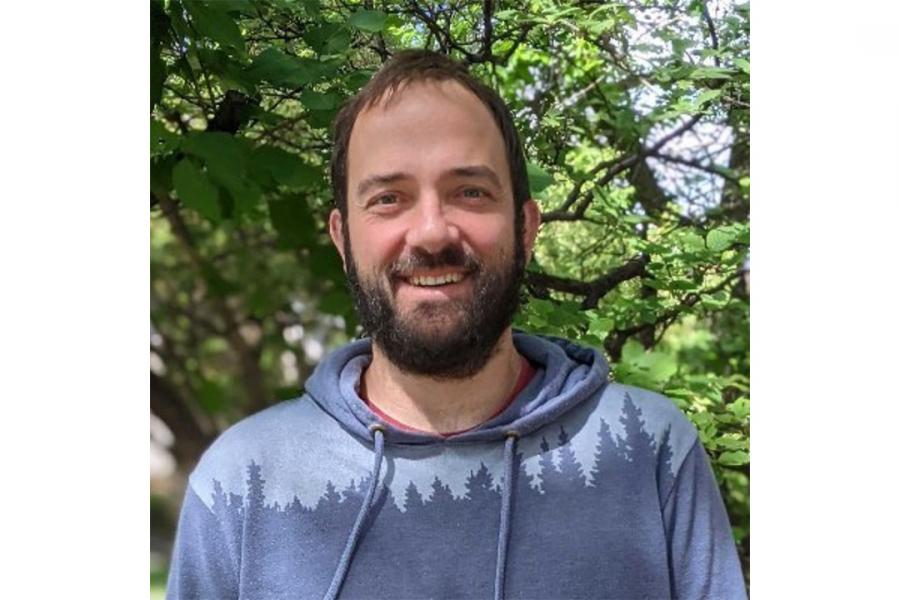
Leif Andersson is a Professor at Uppsala University's Department of Medical Biochemistry and Microbiology, leading a research group focused on functional genomics in domestic animals and fish. His work bridges genetics, ecology, and evolutionary biology to explore phenotypic variation and adaptation. His research includes comparative genomics of domesticated species, identifying mutations linked to traits like horse gaits , chicken comb morphology , and herring ecological adaptation . Recent studies highlight genetic mechanisms in species such as corn snakes , Grey horses , and Darwin's finches , emphasizing environmental interactions and molecular pathways. Key article trends include supergenes in herring adaptation, RNA-binding proteins in cancer and development, and mutation-discovery in domesticated animals. His group's work spans genetic variation , ecological pressures , and evolutionary genetics . Students in his group include Arianna Cocco Ryan Joseph Daniels Jake Goodall Zheng Li Cheng Ma Giulia Maestri Fahime Mohamadnejad Sangdehi Mats Pettersson Matteo Sebastianelli Leyi Su Dandan Wang His contact details include the email Leif.Andersson@imbim.uu.se and phone number 070-425 02 33 , with an office at BMC, Husargatan 3, Uppsala.
Eric Saillant is an Associate Professor at the University of Southern Mississippi's Gulf Coast Research Laboratory, specializing in marine genetics and aquaculture. He earned his PhD in fish genetics from the Ecole Nationale Superieure Agronomique de Montpellier in France and conducted postdoctoral research at Texas A&M University before joining USM in 2008. His research integrates genomic and experimental approaches to advance marine conservation and aquaculture. Research interests focus on conservation genetics of tropical marine fishes, aquaculture breeding programs, and reproduction control in warmwater marine species. His work employs cutting-edge genomic tools to study population structures, develop genetic resources, and improve hatchery techniques for economically important species. Recent publications demonstrate a strong focus on genomic resource development for marine species (2023-2025), with studies on snappers, tunas, and oysters predominating. Research trends show increasing application of SNP arrays and genome-wide analyses for fisheries management and conservation. Article keywords frequently include genomics, population structure, aquaculture, and conservation genetics. Dr. Saillant leads a research group applying genomic approaches to marine species conservation and aquaculture enhancement. The laboratory focuses on experimental aquaculture systems and genetic analysis techniques to support sustainable marine resource management.
Elvis Genbo Xu is an Associate Professor at the Department of Biology, University of Southern Denmark. His research focuses on environmental toxicology, particularly micro/nanoplastics and crude oil pollutants. He employs transcriptomics and bioinformatics to study marine ecosystems and embryonic model systems. University of Southern Denmark Department of Biology Active since at least 2018 Research Interests: Micro/Nanoplastics Crumb Rubber Marine Protected Areas Endocrine Disruptors Transcriptomics Bioinformatics Article Trends (2018-2019): Focus on nanoplastics and microplastics Environmental impact assessment Toxicity mechanisms in aquatic organisms Methodological innovations in plastic analysis Interdisciplinary approaches combining toxicology, materials science, and molecular biology Scientific Recognition: 2024 World's Top 2% Scientists 2023 Undervisningsprisen på Naturvidenskab 2021 Faculty Research Dissemination Prize 2020 Best ES&T Letters Paper Advising & Editorial Roles: Active PhD/Postdoc supervision Junior Editor at Journal of Hazardous Materials (2020) Editorial Board member for Environment International (2022)
Cameron Ainsworth is a Professor at the University of South Florida’s College of Marine Science , specializing in biological oceanography and fisheries ecosystem modeling . His research focuses on how human activities and climate change affect marine ecosystems, with an emphasis on developing tools for ecosystem-based management. He leads the Fisheries and Ecosystem Ecology Lab , where he and his students use advanced modeling techniques to assess marine food webs, population dynamics, and environmental policy outcomes. Education: Ph.D. in Oceanography, University of British Columbia (2006) Research Interests: Dr. Ainsworth’s work integrates ecosystem modeling , fisheries management , and climate impact assessment . His lab uses statistical and numerical models to simulate marine ecosystems, evaluate the effects of oil spills, and inform marine protected area design. A major focus is the Gulf of Mexico , where he collaborates with NOAA and regional agencies to support Integrated Ecosystem Assessments . Scientific Awards: Sloan Research Fellowship (2013) – awarded for outstanding early-career contributions to marine science Lab and Team: Dr. Ainsworth leads the Fisheries and Ecosystem Ecology Lab at USF, which includes graduate students and postdocs working on projects related to oil spill recovery, marine restoration, and fisheries management. The lab is actively involved in NOAA-funded initiatives and Gulf-wide ecosystem assessments.
Dr. Bok Sowell is a Professor in the Department of Animal & Range Sciences at Montana State University, affiliated with the College of Agriculture. His expertise spans rangeland ecology, wildlife habitat conservation, and livestock nutrition. He holds a Ph.D. in Range Nutrition from New Mexico State University (1989), an M.S. in Mule Deer Nutrition from Texas Tech University (1981), and a B.S. in Wildlife Management from New Mexico State University (1978). Research focuses on sagebrush ecosystems, sage-grouse conservation, grizzly bear behavior, and livestock grazing management. Notable projects include studies on fence modifications for sage-grouse nest survival, stable isotope analysis of army cutworm moths, and dormant season grazing strategies for beef cattle. Teaching includes courses like Natural Resource Conservation and Wildlife-Livestock Nutrition . Over 35 peer-reviewed articles highlight contributions to rangeland ecology and wildlife management. Awards include the 2024 Founder's Day Award for Excellence and recognition for academic advising. Grants include funding from the US Fish and Wildlife Service for sagebrush landscape management. Professional service includes roles with the Society for Range Management and Ecosphere journal. He leads efforts to restore aspen ecosystems and mitigate human-wildlife conflicts in the Greater Yellowstone Ecosystem.
Dr. David Eggleston is an Alumni Distinguished Undergraduate Professor and Director of the Center for Marine Sciences and Technology (CMAST) at NC State University. He leads the Marine Ecology and Conservation program, focusing on fisheries ecology, habitat restoration, and deep-sea biology. His research integrates field observations, modeling, and molecular tools to address ecological theory and sustainable resource management. Eggleston holds affiliations with the Department of Marine, Earth & Atmospheric Sciences and serves on national/international advisory boards. His academic roles include teaching courses like Introduction to Oceanography and Marine Benthic Ecology . Eggleston’s research spans tropical to temperate marine systems, emphasizing interdisciplinary approaches linking biology, physics, and economics. Awards include NSF’s Early Career Award and recognition in teaching/outreach. Current students focus on topics like oyster reef acoustics, coral reef soundscapes, and blue crab habitat dynamics. Eggleston’s lab emphasizes graduate mentorship, fostering future leaders in academia and resource management. Outreach initiatives include Ecological Synergism and educational tools like The Blue Crab in NC . Collaborative projects involve NOAA, The Nature Conservancy, and international marine organizations.
Dr. Boris Worm is a Full Professor in the Department of Biology at Dalhousie University, affiliated with the Faculty of Science. His academic journey includes a MSc (University of Kiel, 1996) and PhD (University of Kiel, 2000), followed by postdoctoral research at Dalhousie University and the Leibniz Institute for Marine Science. He specializes in marine conservation biology, biodiversity science, community ecology, and macroecology. His research focuses on global marine biodiversity trends, ecosystem functioning, and conservation solutions. He teaches Biology 2060: Introductory Ecology and BIOL 3065: Conservation Biology , emphasizing quantitative methods and policy implications. His lab (wormlab.biology.dal.ca) explores topics like phytoplankton dynamics, fisheries impacts, and climate adaptation. Recent work addresses bycatch mitigation, climate risk indices, and fisheries governance. Collaborations include Ocean School (oceanschool.nfb.ca), promoting ocean literacy. He advises PhD and MSc students researching fish population dynamics, elasmobranch bycatch, and open-ocean ecosystems. Education: MSc, University of Kiel, Germany (1996) PhD, University of Kiel, Germany (2000) Postdoc, Dalhousie University (2000–2003) Postdoc, Leibniz Institute (2003–2004) Labs & Teams: Worm Lab (marine conservation and biodiversity)
Prateep Nayak is a Professor at the School of Environment, Enterprise and Development within the University of Waterloo. His academic focus combines political science, environmental studies, and international development through transdisciplinary research on human-environment connections. With expertise in commons governance, social-ecological resilience, environmental justice, and political ecology, he has taught courses like INDEV 100: Introduction to International Development SUSM 675: Governing the Commons INDEV 617: Environmental Change and Governance He has received prestigious awards including the Trudeau Scholarship, Harvard Giorgio Ruffolo Fellowship, Canada's Governor General Academic Gold Medal, and SSHRC Banting Fellowship. Professor Nayak's research explores social-ecological systems, emphasizing vulnerability-to-viability transitions in small-scale fisheries, gender dynamics in dried fish value chains, and multidimensional justice in coastal governance. His Google Scholar publications since 2017 highlight Asia-Africa comparative studies, marine protected areas, and policy frameworks for adaptive management. Article keywords reveal engagement with climate resilience, equity in resource access, and institutional pluralism in governance systems. Scientific awards include Trudeau Scholar Harvard Giorgio Ruffolo Fellow in Sustainability Science Canada's Governor General Academic Gold Medal SSHRC Banting Fellow His fieldwork experience includes development projects in India focusing on community-based governance of land, water, and forests at the research-implementation-policy interface. Current teaching aligns with his expertise in international development and environmental governance, while historical publications show long-term engagement with coastal systems analysis and regime shifts.



 grupp.webp)