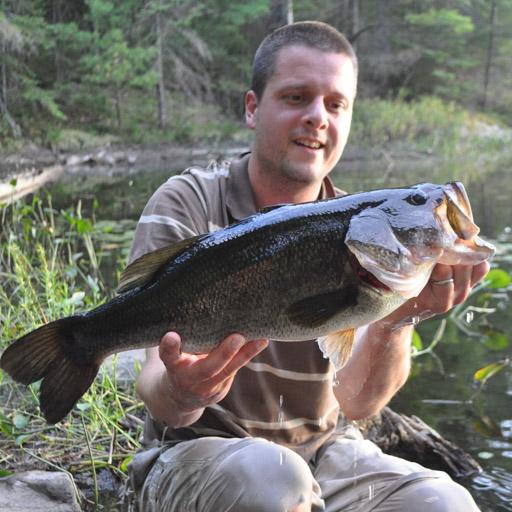
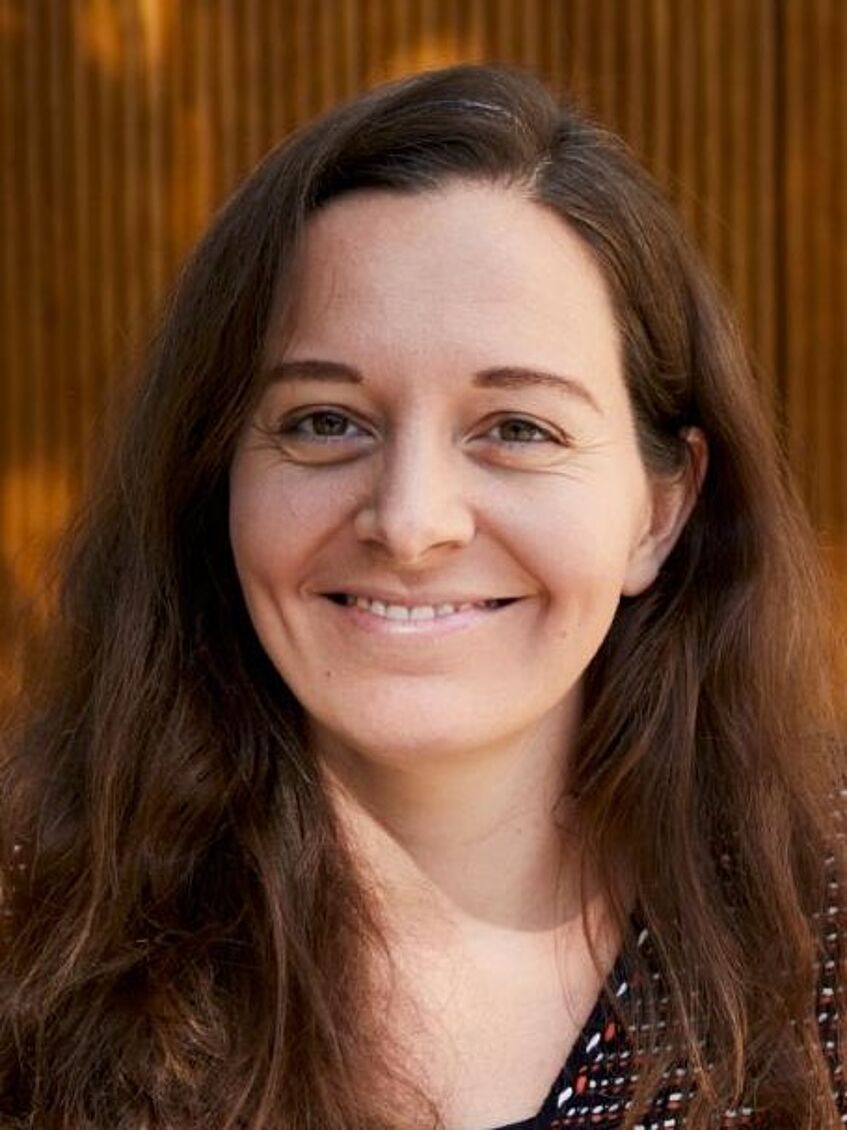
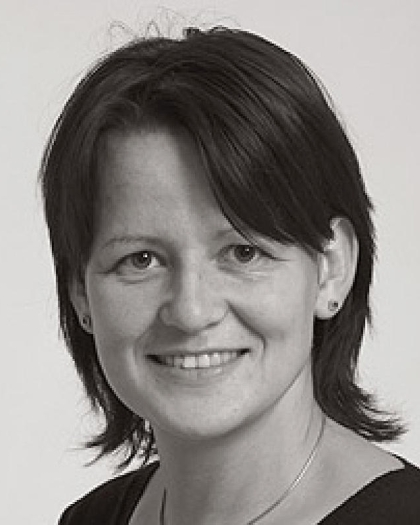
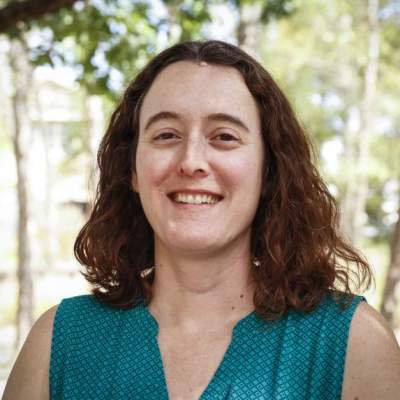
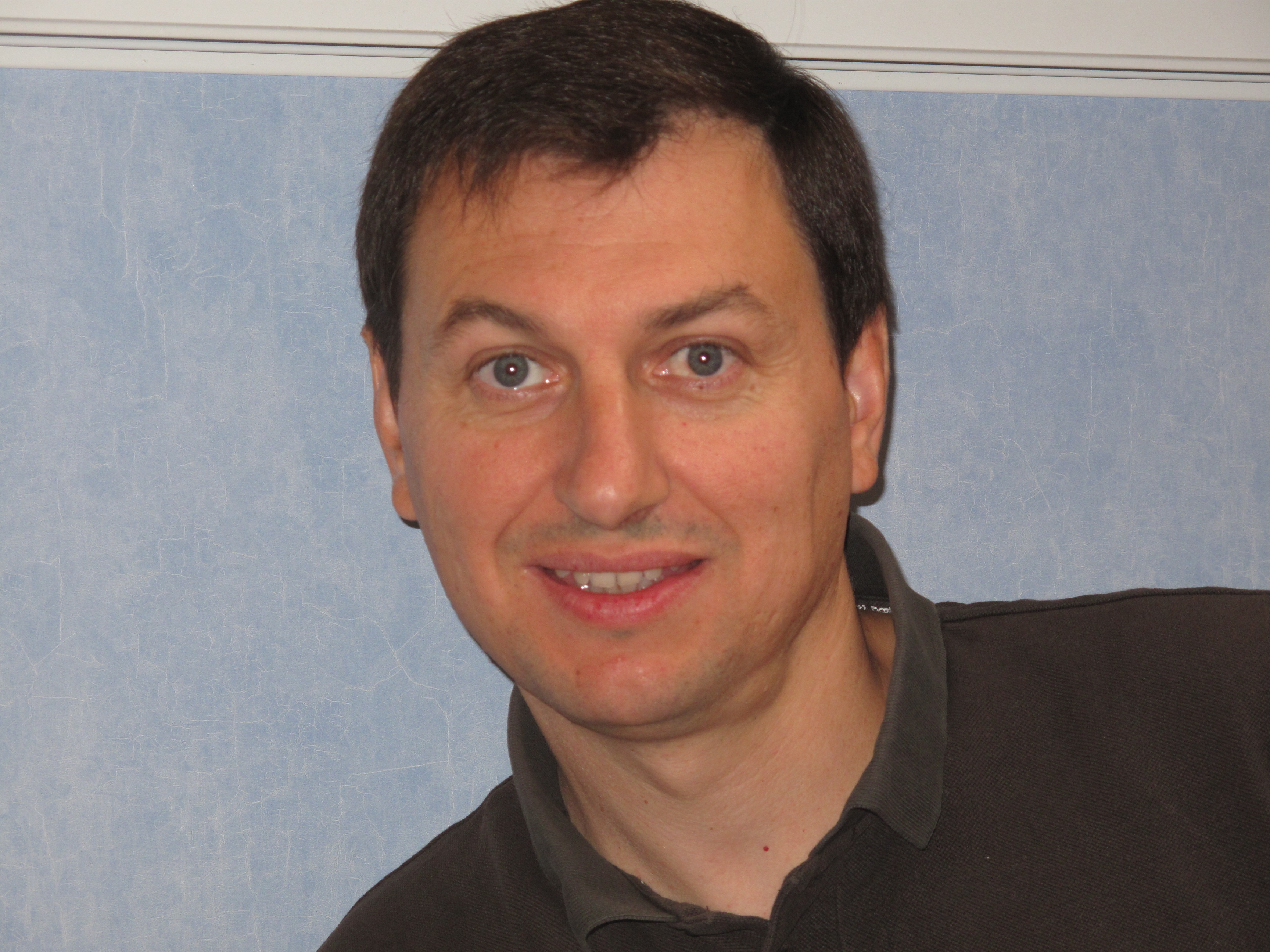
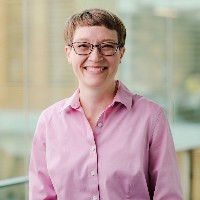
Bryce J. Brylawski is an Associate Professor of Biology at Albright College, specializing in marine biology, limnology, and animal ecophysiology. He holds a Ph.D. from the Virginia Institute of Marine Science, The College of William and Mary, an M.S. from the University of Maryland Center for Ecological Science, and a B.A. from St. Mary’s College of Maryland. His research focuses on benthic ecology, bioenergetics, and the effects of environmental stressors like hypoxia on marine organisms, particularly in Chesapeake Bay ecosystems. Dr. Brylawski has collaborated with students on studies involving toxicology, aquaculture nutrition, and amphibian health. He teaches courses such as Ecophysiology, Marine and Aquatic Science, and Toxicology. His publications span topics including bivalve behavior under hypoxia, water quality monitoring in Brazilian rivers, and bioenergetic modeling of crustaceans. Education: Ph.D., Marine Science, Virginia Institute of Marine Science, The College of William and Mary M.S., Marine Ecological Estuarine Sciences, University of Maryland Center for Ecological Science B.A., Biology, St. Mary’s College of Maryland Research Interests: Marine and limnological ecosystems Ecophysiological responses to environmental stressors Benthic community dynamics Toxicology and chemical impacts on aquatic life Student Collaborations: Advised research on topics such as essential fatty acid effects on goldfish, aquaculture nutrition, and graffiti remover toxicity on frogs. Labs/Teams: Active in Albright’s Biology Department, contributing to marine and freshwater ecosystem studies.
Christel Lefrançois is a Lecturer at the University of La Rochelle , France, affiliated with the CNRS scientific institute INEE. She conducts research in fish eco-physiology, bioenergetics, and predator-prey interaction kinematics, focusing on physiological and behavioral responses to environmental stressors like temperature shifts, oxygen variation, and pollutant exposure. Academic Rank: Lecturer Institution: University of La Rochelle Research Affiliation: CNRS INEE Laboratory: AMARE Team Her work spans marine environmental toxicology, climate change impacts on aquatic organisms, and nutritional ecology, particularly omega-3 fatty acid availability. She explores how environmental modifications affect fish metabolism, locomotion, and microbial communities, with recent studies on sunscreen pollution and heatwaves. Analysis of her 15 most recent articles reveals trends in marine pollution , climate adaptation , and nutritional constraints affecting fish physiology. Topics include UV filter contamination, omega-3 deficiency impacts, and microbiota disruption from chemical exposure. Her full portfolio includes collaborations across France and international institutions, with publications in journals like Marine Environmental Research , Aquatic Toxicology , and Journal of Experimental Biology , emphasizing interdisciplinary approaches to environmental challenges.
Dr. Franz Hölker is a Senior Scientist and Research Group Leader at the Leibniz-Institute of Freshwater Ecology and Inland Fisheries (IGB Berlin) and holds the position of Associate Professor (Privatdozent) in Zoology at the Department of Biology, Chemistry and Pharmacy, Freie Universität Berlin. Since 2022, he has served as Programme Area Speaker for 'Aquatic Biodiversity in the Anthropocene' at IGB Berlin, leading research on ecological responses to anthropogenic pressures. Leibniz-Institute of Freshwater Ecology and Inland Fisheries (IGB Berlin): Senior Scientist, Research Group Leader since 2008 Freie Universität Berlin: Associate Professor (Privatdozent) for Zoology since 2009 2012-2017: Deputy Head of Department Ecohydrology, IGB Dr. Hölker earned his Diploma in Biology from the University of Hamburg in 1992, completed his doctorate there in 1999 on fish bioenergetics in eutrophic lakes, and achieved his Habilitation at Humboldt-Universität zu Berlin in 2007 with research bridging ecology, behavior, physiology, and modeling in aquatic food webs. Dr. Hölker's research primarily focuses on freshwater ecology with particular expertise in light pollution, ecophysiology, night ecology, ecological modeling, and citizen science. His work investigates how artificial light at night (ALAN) affects aquatic ecosystems, including impacts on fish physiology, insect behavior, and broader ecological community dynamics. He has pioneered research on the ecological consequences of skyglow and developed methodologies for measuring and assessing ecological light pollution. His research group at IGB Berlin employs a combination of field measurements, laboratory experiments, and modeling approaches to understand how light pollution alters species interactions, community composition, and ecosystem functioning in aquatic environments. His extensive publication record demonstrates a consistent focus on understanding anthropogenic impacts on freshwater systems. Recent work shows increasing emphasis on interdisciplinary approaches, combining ecological field studies with modeling techniques to address complex environmental challenges. His research spans from organism-level physiological responses to ecosystem-level consequences of light pollution, with growing attention to conservation applications and citizen science engagement. The trend in his publications reveals expanding scope from fish ecology to broader ecosystem impacts, with increasing international collaboration and policy relevance. Dr. Hölker has led significant research projects examining the impacts of artificial light at night on freshwater ecosystems, often involving international collaborations across Europe. His work has contributed to policy discussions on sustainable lighting practices through participation in projects like the 'White Paper Citizen Science Strategy 2030 for Germany' and collaborations with lighting professionals to develop ecologically sustainable outdoor lighting guidelines. He leads a research team investigating the ecological impacts of light pollution, with particular focus on how artificial lighting affects nocturnal processes in freshwater ecosystems. His group has developed innovative methodologies for measuring ecological light pollution and has conducted extensive field and laboratory studies to document the impacts of different light spectra and intensities on aquatic organisms. The team's work has significant implications for conservation biology, particularly regarding the protection of nocturnal biodiversity in increasingly illuminated landscapes.
Kyle Hartman is a Professor of Ecology in the Wildlife and Fisheries Resources program at West Virginia University , where he has worked since 1996. He also serves as the Associate Director for Academics of the Division of Forestry and Natural Resources. Education : A.S. in Natural Resources Law Enforcement from Hocking College; B.S. and M.S. in Fish Management and Environmental Biology from The Ohio State University; Ph.D. in Marine Ecology from the University of Maryland at Chesapeake Biological Laboratory. Research Interests : Kyle focuses on the ecology and management of aquatic systems and biota. His work integrates thermal adaptation, bioenergetics, population dynamics, human dimensions, and technology applications to address fisheries management challenges. He has published over 100 peer-reviewed articles and contributed to several book chapters. Publications Trends : His recent research spans harmful algal blooms in the Ohio River, responsible inland fisheries policies, bioenergetics modeling for climate change impacts, and ecological effects of riparian disturbances on brook trout. These works emphasize aquatic ecosystem health, conservation strategies, and sustainable management practices. Advising and Mentorship : Kyle has served as a major advisor to over 40 graduate students and mentors the Student Subunit of the West Virginia Chapter of the American Fisheries Society. His teaching includes courses in Fisheries Summer Camp, Wildlife Ecosystem Ecology, Marine Ecology, and Fish Ecology. Personal Interests : Outside academia, he enjoys hunting pheasants and waterfowl with his wife Donna, who breeds and shows Labrador retrievers.
Dylan Fraser is an Associate Professor in the Department of Biology at Concordia University. His research focuses on evolutionary biology, conservation genetics, and the impact of environmental change on freshwater fish populations, particularly salmonids like brook trout and Atlantic salmon. He integrates fieldwork, molecular ecology, and meta-analysis to address biodiversity conservation challenges. PhD, NSERC Scholar (Université Laval) Postdoc, NSERC Scholar (Dalhousie University) Fraser’s research examines how ecological, evolutionary, and genetic factors generate and sustain biodiversity, with applications to fisheries management, habitat fragmentation, and genomic conservation. His work often involves interdisciplinary approaches, combining traditional ecological knowledge and modern genomics. His recent publications highlight studies on chromosome-level genome assembly, eDNA abundance estimation, mixed-stock analysis, and meta-analyses of density-dependent growth and gene flow in salmonids. These articles reflect his commitment to advancing conservation strategies through cutting-edge methodologies. NSERC Scholar (PhD) NSERC Scholar (Postdoc) Fraser has mentored numerous graduate students, including PhD and MSc candidates, on projects related to population genetics, thermal tolerance, and habitat fragmentation. His laboratory collaborates with Indigenous communities and employs genomic tools to address northern fisheries monitoring and climate change impacts.
Barbara Fischer is an Elise Richter Fellow and Lecturer at the University of Vienna, Department of Evolutionary Biology. Her research investigates the evolutionary biomechanics of human childbirth, combining geometric morphometrics, comparative anatomy, and evolutionary modeling to resolve the 'obstetric dilemma'. Key contributions include the cliff-edge model of obstetric selection explaining rising Caesarean rates, analyses of sexual dimorphism in hominin pelves, and methods for skeletal age estimation using pubic symphysis morphology. Comparative work extends to Darwin's finches' self-medication behaviors and stickleback adaptation plasticity. She develops statistical approaches for morphological integration studies and teaches biostatistics, mathematical biology, and evolutionary medicine. Recognized with an Elise Richter Fellowship and science communication awards.
Eli Renate Grüner is a Professor at the University of Bergen's Department of Physics and Technology, with joint affiliations at Haukeland University Hospital. Her research focuses on advancing medical imaging techniques, particularly MRI-based methods for studying brain function, perfusion dynamics, and neurodegenerative disorders. She collaborates extensively with clinical researchers to translate imaging innovations into diagnostic applications. Grüner's interdisciplinary work bridges physics, neuroscience, and clinical medicine, developing analytical tools to quantify cerebral blood flow, neurotransmitter systems, and metabolic processes. Her neuroimaging research examines brain network dynamics, alcohol's effects on cognition, and pathological mechanisms in conditions like dementia and Tourette syndrome. Her publications demonstrate expertise in perfusion imaging algorithms, fMRI analysis, and spectroscopic methods. Recent work includes developing visualization tools for spectroscopy data and investigating network switching during cognitive processing.
Kelly Filer Robinson is an Associate Professor and Assistant Unit Leader at the University of Georgia's Georgia Cooperative Fish and Wildlife Unit. She holds a Ph.D. in Forest Resources (Fisheries Science) from the University of Georgia (2011), an M.S. in Marine Biology from the College of Charleston (2006), and a B.A. in Biology and Spanish from the University of Virginia (2001). Her research focuses on fisheries and aquatic sciences, emphasizing invasive species management, structured decision-making frameworks, and ecological modeling. Key areas include controlling invasive Asian carps and sea lampreys in the Great Lakes, analyzing round goby invasions' impacts on native species, and addressing climate change challenges in aquatic ecosystems. She also explores interdisciplinary approaches to integrate social and ecological sciences in natural resource management. Her work bridges theoretical and applied ecology, with contributions to decision support tools for barrier removal prioritization, watershed restoration, and collaborative management strategies. She leads research on the adaptive capacity of benthic ecosystems and has published extensively on population dynamics and species interactions. Her lab affiliations include the Georgia Cooperative Fish and Wildlife Unit, a collaborative hub for fisheries and wildlife research.
Bror Jonsson is a Professor at the Norwegian Institute for Nature Research in the Department of Natural History. His research focuses on fisheries science, life history strategies, and ecology of salmonid fishes. Key research areas include: Fisheries Life History Fish Ecology Fish Behavior Fish Bioenergetics Aquatic Biology Recent publications highlight his work on climate change impacts, mitochondrial DNA dynamics, and niche adaptation in brown trout and salmonids. Collaborators include Magdalena Andersson, Larry Greenberg, and Eva Bergman. Current affiliations and projects involve studying freshwater-saltwater transitions via otolith microchemistry and thermal stress effects on embryonic development.
Olivier Buriez is a CNRS Research Director at École Normale Supérieure (ENS) in Paris, where he leads research in the Department of Chemistry. His work bridges electrochemistry with biological applications, focusing on understanding the metabolism and transport of therapeutic molecules through lipid membranes. As an active researcher since the 1990s, he has established himself as a leading figure in molecular electrochemistry with over 130 publications spanning more than two decades. Buriez obtained his PhD from ENS under the supervision of Drs. Christian Amatore and Jean-Noël Verpeaux, followed by postdoctoral work at the Berkeley Lab with JB Kerr and RH Fish. His career path includes a CNRS position at LECSO lab from 1999-2005 before returning to ENS in 2006. Since 2015, he has served as Officer of the Molecular Electrochemistry Division of the International Society of Electrochemistry (ISE), demonstrating his leadership in the field. His research program centers on developing innovative electrochemical approaches to study biological systems, particularly the chemical transformations (metabolism) and transmembrane passages of therapeutic molecules. Buriez's lab is known for pioneering the combination of electrochemistry with fluorescence microscopy, creating powerful tools for observing molecular behavior at membrane interfaces. His work has significant implications for drug development, particularly in understanding how therapeutic compounds interact with cellular membranes and undergo metabolic transformations. Analysis of his recent publications reveals a strong trajectory in developing electrochemical imaging techniques for studying liposome dynamics, membrane permeability, and cellular processes. His work increasingly integrates electrochemistry with fluorescence-based methods to create multimodal analytical platforms that provide unprecedented spatial and temporal resolution of molecular events at biointerfaces. This approach has proven particularly valuable for studying drug-membrane interactions and the metabolic activation of therapeutic compounds. Buriez maintains an active research program with numerous collaborations across France and internationally, as evidenced by his consistent publication record through 2024. His work demonstrates the critical role of electrochemistry in advancing our understanding of biological processes and developing new analytical methodologies for biomedical applications.
Allison McDonald is a Professor in the Department of Biology at Wilfrid Laurier University's Faculty of Science. Her research spans biochemical processes in plants and animals, focusing on mitochondrial and chloroplast bioenergetics, alternative oxidase pathways, and comparative physiology. She is a vocal advocate for science communication, women in STEM, and disabled scientists. Her academic background includes a PhD in Cell and Systems Biology from the University of Toronto Scarborough (2007) and an MSc in Biology from Queen’s University (2000). Her research lab investigates electron transport systems in photosynthesis and respiration, with applications in environmental science and metabolic diversity. The trends in her publications revolve around mitochondrial alternative oxidase, niclosamide toxicity, and metabolic flexibility across species. She employs techniques like gene expression analysis, enzyme characterization, and stress response assays. Notably, she emphasizes inclusive teaching practices and equity in academic settings. Allison also supervises undergraduate thesis students and contributes to graduate/postdoctoral professional development. She actively addresses systemic issues in academia, including conference accessibility and safety for women and disabled individuals, which she discusses in her blog posts and teaching materials.
Christopher Goodchild, Ph.D., serves as Associate Professor in the Biology Department at the University of Central Oklahoma, where he joined in 2020 following a postdoctoral position at Virginia Tech. His research integrates molecular physiology with whole-organism ecology to assess environmental contaminant impacts. His educational background: Ph.D. in Integrative Biology, Oklahoma State University (2019) M.S. in Marine Sciences, University of New England (2014) B.S. in Zoology and Biomedical Sciences, University of Oklahoma (2011) As an ecotoxicologist and ecological physiologist, Dr. Goodchild investigates links between molecular stress responses and fitness-related traits using interdisciplinary approaches spanning cellular physiology, bioenergetics, immunology, and behavior. His work primarily focuses on avian and aquatic systems exposed to contaminants like crude oil, triclosan, and lead, with emphasis on developing biomarkers for ecological hazard assessment. Analysis of his 2015-2020 publications reveals consistent investigation of contaminant effects across taxa, with strong emphasis on avian models (particularly zebra finches) and freshwater mussels. Key themes include biomarker development for oxidative stress, disruption of immune function by petroleum compounds, and behavioral-physiological trade-offs in energy allocation under environmental stress. Dr. Goodchild's scientific awards are not specified in the provided information. He maintains an active undergraduate mentoring program with demonstrable success: Jeff Krall: Accepted into University of Colorado Biochemistry PhD program Taryn Smith: Presented research at Society of Integrative and Comparative Biology conference K. Grisham & L.M. Schmidt: Published as undergraduate co-authors on multiple papers His mentees have transitioned successfully into molecular biology, veterinary medicine, and healthcare graduate programs. While specific grants aren't detailed, his active research program on contaminants suggests ongoing external funding. Dr. Goodchild leads the Ecotoxicology and Wildlife Physiology lab, which employs integrative methodologies to study how environmental stressors impact wildlife physiology and behavior across multiple biological scales.
Dr. Ian Fleming is a Professor of Evolutionary Ecology in the Department of Ocean Sciences at Memorial University of Newfoundland . He leads the Fish Evolutionary Ecology Lab, focusing on how environmental variability and human activities shape fish reproductive strategies and conservation. His work spans laboratory experiments, field studies, and theoretical modeling. Education : PhD in Biology (University of Toronto), MSc in Marine Biology (Simon Fraser University), BSc in Biology (Queen’s University) Research Interests center on evolutionary and behavioral ecology of fishes, particularly Atlantic salmon and Arctic char. Key themes include hybridization between wild and aquaculture populations, climate change adaptation, reproductive allocation, and the ecological impacts of invasive species. His lab investigates gene-environment interactions and their consequences for conservation. Collaborations involve partnerships with the Nunatsiavut Government, Department of Fisheries and Oceans Canada (DFO), Torngat Secretariat, and local communities. Current advisees include PhD candidates Victoria Heath (Atlantic salmon climate adaptation) and Caroline Ofosu (Arctic char thermal ecology), along with MSc students studying wild-farmed salmon interactions and thermal tolerance.
Dr. Matthew Taylor is an Adjunct Professor at the University of New South Wales (UNSW) and Senior Principal Research Scientist & Program Leader for Recreational Fisheries Research at the New South Wales Department of Primary Industries and Regional Development. His work focuses on applied ecological research to support fisheries enhancement and restoration, specializing in recreational fisheries science. He leads a team of 6 Senior Research Scientists and has authored over 223 peer-reviewed publications, securing $27 million in competitive grants and supervising 22 PhD students. Taylor’s research spans fisheries management, PFAS contamination impacts, and the ecological role of coastal habitats like mangroves and saltmarshes. His current program underpins evidence-based management of recreational fisheries in NSW. Research interests include marine fisheries ecology, stock enhancement strategies, habitat restoration, and the socio-ecological dynamics of urban fisheries. His work integrates telemetry, bioenergetics modeling, and environmental monitoring to address contemporary challenges such as climate change effects on fisheries and contaminant bioaccumulation. Taylor collaborates broadly, with studies extending from species-specific behavior (e.g., blue swimmer crab, giant mud crab) to large-scale ecosystem services valuation. Key achievements include pioneering the economic valuation of estuarine habitats for fisheries, advancing stock enhancement practices (e.g., fish and crustacean stocking), and developing methods to assess PFAS exposure risks in aquatic species. His team’s work contributes to policy frameworks for sustainable fisheries management, balancing ecological integrity with recreational and economic benefits. Advisees include 22 PhD students across fisheries biology, ecology, and environmental science. Grant funding supports projects like mangrove-fisheries linkages, acoustic telemetry networks for species tracking, and PFAS depuration studies in wild-caught seafood. Taylor’s operational base is the Port Stephens Fisheries Institute, where his team applies cutting-edge techniques to address real-world fisheries challenges.
Henry Astley is an Assistant Professor of Biology and Polymer Science at the University of Akron, with joint affiliation to the Biomimicry Research & Innovation Center (BRIC). His research integrates biology and physics to study locomotion biomechanics across diverse organisms including snakes, frogs, and early tetrapods. Dr. Astley employs motion capture, robotics, and computational modeling to investigate how morphology, neuromuscular control, and environmental interactions enable movement. His work has significant applications in biomimetic robotics, particularly for extraterrestrial exploration and underwater mobility. Recent publications demonstrate advances in understanding undulatory motion, muscle-tendon dynamics, and terrain adaptation strategies. His laboratory develops innovative instrumentation like underwater force plates and utilizes robotics to test biological hypotheses. Funded by NSF CAREER and other grants, his research program trains students in interdisciplinary approaches to organismal biomechanics.