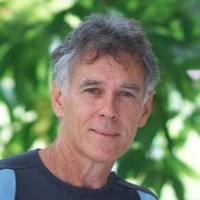
Geoff P. Jones is a Professor and Chief Investigator at James Cook University's Department of Marine Biology, affiliated with the ARC Centre of Excellence for Coral Reef Studies (2005–2022). His academic roles include Professor (since 2006), Reader (1999–2005), and Senior Lecturer (1994–1998). He holds a BSc and PhD from the University of Auckland. Research Interests: Ecology of coral reef fish populations and communities Marine conservation biology and environmental impact assessment Marine animal behavior, particularly homing mechanisms and habitat specialization Key contributions focus on coral reef resilience, larval connectivity, and the impacts of human and natural disturbances. His work spans Australia, Oceania, and Papua New Guinea. Over 100 students have been supervised, with recent topics including disturbance effects on reef fish communities and habitat architecture impacts. Publications emphasize connectivity, marine reserves, and behavioral adaptations, with articles in PLoS ONE , Molecular Ecology , and Marine Ecology Progress Series . His teaching includes Marine Ecology, Conservation Biology, and Experimental Design, and he directs the Tropical Marine Biology Master’s Program.
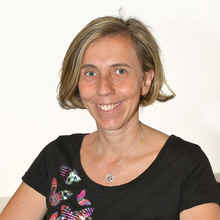
Jordan Casey is a researcher affiliated with the ARC Centre of Excellence for Coral Reef Studies at James Cook University. Their work focuses on coral reef ecosystems, including trophic dynamics, climate change impacts, and microbial ecology. They completed a PhD in 2015 at James Cook University, exploring coral reef trophic interactions and ecosystem functioning. Casey’s research integrates field studies, molecular tools like metabarcoding, and experimental approaches to address challenges in reef resilience and biodiversity conservation. Education: PhD in Marine Biology, James Cook University (2015); Honors Theses in Ecology and Ecofeminism from Sewanee: The University of the South (2009). Research interests include coral reef ecosystem functioning, trophic guilds, climate change effects on corals, and the role of biodiversity in maintaining reef health. Their studies often bridge ecological theory with applied conservation, emphasizing the interplay between human societies and reef ecosystems. Publications highlight advancements in understanding coral reef dynamics, including gut content analysis, niche partitioning, and coral resilience to environmental stressors. Casey’s work contributes to global efforts to predict and mitigate climate impacts on marine ecosystems.
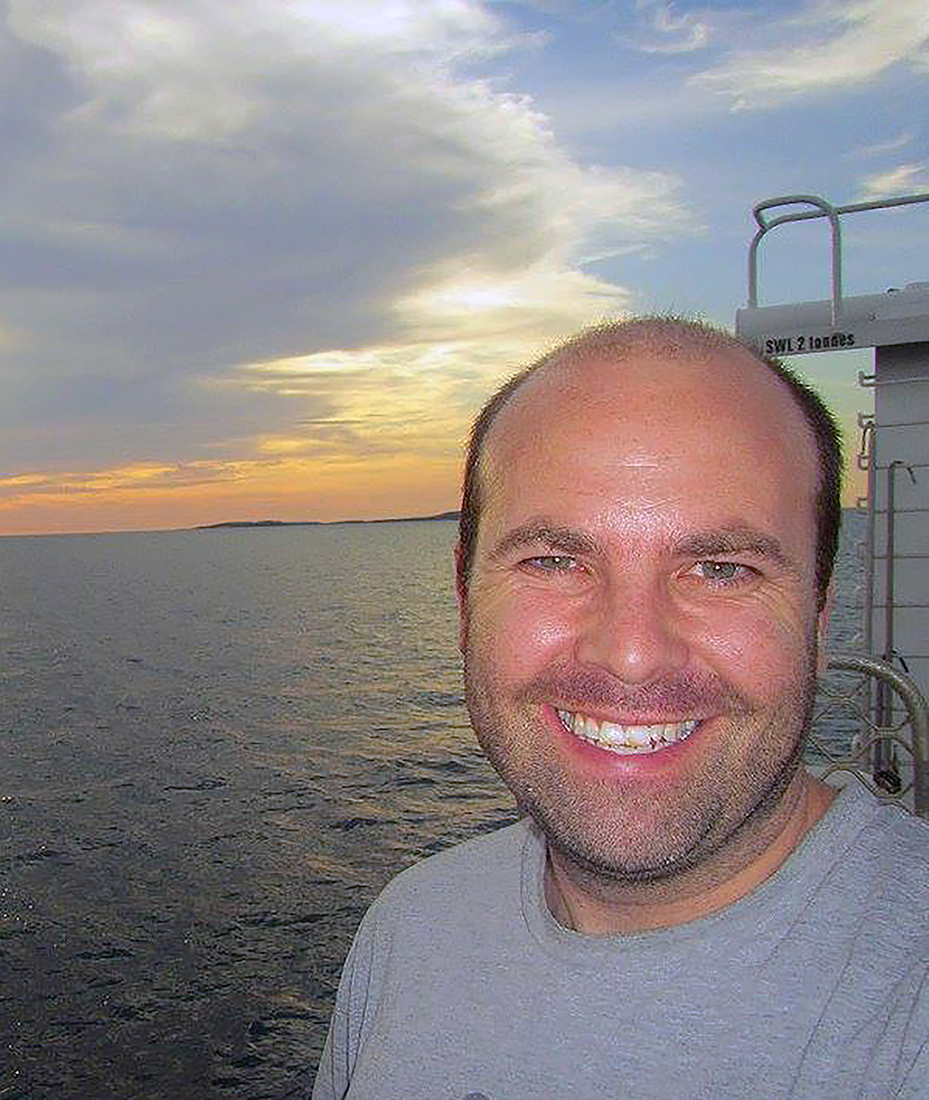
Alexander G. Carton is affiliated with James Cook University (JCU), contributing significantly to marine biology, aquaculture, and fish physiology research. His work spans topics such as parasite biology, aquaculture sustainability, fish nutrition, and environmental impacts on marine species. Notable research includes studies on temperature effects on ectoparasites, sea cucumber roles in multitrophic systems, and dietary strategies for improving fish quality. Key areas of focus include optimizing barramundi farming through nutritional enhancements, investigating hypoxia tolerance in tropical fish, and developing natural treatments for aquaculture parasites. Carton has collaborated widely, publishing in journals like International Journal for Parasitology , Reviews in Aquaculture , and Marine and Freshwater Research . His research often bridges applied aquaculture practices with fundamental biological insights, addressing challenges in food production and ecosystem health. While no explicit awards or grants are listed, his prolific publication record underscores his expertise in tropical marine systems and aquaculture innovation.
Dr. Ewa Krzyszczyk is a Lecturer in Zoology at Bangor University's School of Environmental and Natural Sciences. She serves as the Director of Student Engagement and Director of the BSc/MSc Zoology with Marine Zoology program, while also co-managing the BSc Zoology with Foundation Year. Her academic journey began at Bangor University where she earned her BSc in Zoology with Marine Zoology (2003) and MSc in Marine Mammal Science (2005), followed by a PhD in behavioral ecology from Georgetown University (2013). Her educational background includes: PhD in Age determination, life history and juvenile behavior in bottlenose dolphins (Tursiops sp.) in Shark Bay, Australia, Georgetown University (2013) MSc in Marine Mammal Science, Bangor University (2005) BSc in Zoology with Marine Zoology, Bangor University (2003) Dr. Krzyszczyk's research is centered in behavioral ecology, with a focus on understanding how behavior changes with environment, age, disease, and anthropogenic effects. She applies novel approaches to quantify these interactions and their consequences within and between ecosystems. Her work spans marine mammal behavior, particularly bottlenose dolphins at Shark Bay and St. Johns River, as well as reef health assessment in the Turks and Caicos Islands where she studied fishing pressure, Black Spot Syndrome effects, and lionfish culling management. Her recent publications demonstrate consistent focus on bottlenose dolphin social behavior, disease transmission, and conservation. The articles reveal strong patterns in studying social networks, mortality risks, and behavioral adaptations across different environmental conditions. Her work bridges theoretical behavioral ecology with practical conservation applications, particularly in marine ecosystems. Among her scientific recognitions is a Teaching Fellowship awarded in 2023. She has published extensively on bottlenose dolphin behavior, social structures, and conservation issues. As an educator, Dr. Krzyszczyk teaches across multiple modules including Practical Skills, Field Trips, Invertebrates, and Dissertation in Biological Sciences. She is module organizer for Science Communication and Essential Biology. Her teaching philosophy emphasizes student engagement and experiential learning, believing that 'involve them and they will understand.' She has also taught Marine Resource Management, Directed Research, Tropical Marine Ecosystems, and Marine Megafauna Ecology while working with The School for Field Studies. Dr. Krzyszczyk maintains active research collaborations across institutions and her work contributes to UN Sustainable Development Goals related to marine conservation and environmental protection.
Alessandra RAFFAETA' serves as Associate Professor in the Department of Environmental Sciences, Informatics and Statistics at Ca' Foscari University of Venice, where her research bridges computer science with environmental applications through advanced mobility data analytics. Her research expertise spans several interconnected domains: Mobility Data Analytics and Trajectory Pattern Recognition Semantic Trajectories and Spatiotemporal Modeling Big Data Processing for Environmental Monitoring Marine Noise Pollution and Fisheries Management Privacy-Preserving Data Mining and Ethical Considerations Urban Mobility and Tourist Behavior Analysis Dr. RAFFAETA's scholarly output demonstrates a clear evolution from theoretical foundations in constraint logic programming to practical environmental applications. Her recent work (2021-2025) shows increasing focus on marine environmental challenges, particularly underwater noise characterization through semantic trajectories and analysis of fishing activities in the Adriatic Sea. A notable trend is her growing attention to ethical dimensions of mobility data usage, reflecting the field's maturation and societal implications. Her research methodology combines advanced trajectory data warehousing techniques with machine learning to extract meaningful patterns from complex spatiotemporal datasets. She has developed specialized frameworks for visual OLAP analysis on trajectory data and semantic enrichment of mobility information, with applications ranging from marine conservation to urban planning. Dr. RAFFAETA' actively contributes to the mobility data analytics community through workshops like the International Workshop on Big Mobility Data Analytics (BMDA) and collaborative research addressing real-world environmental challenges. Her work with marine scientists on fishing vessel tracking and with urban planners on Venice tourism patterns demonstrates strong interdisciplinary collaboration. Her laboratory work likely involves trajectory data management systems, semantic enrichment tools, and spatiotemporal analysis frameworks that enable both theoretical exploration and practical environmental monitoring applications.
Katharine A. Marske is an Associate Professor in the School of Biological Sciences at the University of Oklahoma. Her research focuses on understanding the drivers of biological diversity across geographic scales, with expertise in phylogeography and macrogenetics. She holds a PhD from the University of Auckland (2010), an MS from Montana State University (2004), and a BA from Luther College (2001). Her work investigates how past environmental changes influence genetic and species diversity, particularly in insects and New Zealand forest beetles. Key interests include spatial patterns of genetic variation, climate change impacts, and leveraging large datasets to explore multi-species patterns. Recent studies address invasive species dynamics in urban environments and Pleistocene refugia effects on biota. Dr. Marske's lab integrates fieldwork and comparative approaches, emphasizing collaboration across taxa and scales. She actively mentors students in phylogeographic, biogeographic, and macroecological research. Current projects explore New Zealand's unique biogeography and global insect diversity gradients. No scientific awards are explicitly listed in the provided materials. Her research portfolio includes over 30 peer-reviewed articles, with recent work published in top journals like Proceedings of the National Academy of Sciences and Science .
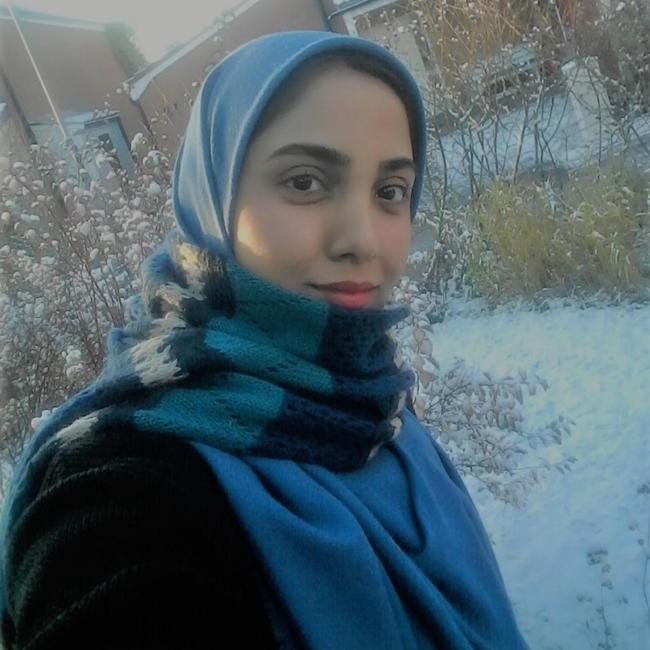
Mahboobeh Hajiesmaeili is a Researcher at Karlstad University's River Ecology and Management Research Group (RivEM). She holds a PhD in River Engineering from Tarbiat Modares University, Tehran, Iran, and specializes in ecological modeling and river habitat assessment for freshwater fish using individual-based modeling (IBM) and bioenergetics approaches. Her current research focuses on hydropeaking effects on salmonid populations in regulated rivers under climate change scenarios. Education: PhD in River Engineering (Tarbiat Modares University, 2019) M.Sc. in Hydraulic Structures (Focus: Ecohydraulics and PHABSIM modeling) Research Interests: Individual-based modeling (IBM/ABM) of fish populations Hydropeaking impacts on fish behavior and survival Climate change effects on freshwater ecosystems Ecological flow assessments and river management Collaborations: Chair of the Ecohydraulics Committee at the Iranian Hydraulic Association. Active in projects like the KK Eflows initiative and Gullspång River studies. Collaborates with John Piccolo, Johan Watz, and Louis Addo on salmonid population modeling. Publications: Over 15 peer-reviewed articles focusing on IBM applications, hydropeaking mitigation, and habitat suitability modeling. Recent work includes studies on Atlantic salmon and brown trout under fluctuating flows and climate change. Grants & Advising: No formal advisees listed, but contributes to interdisciplinary projects involving river regulation and conservation strategies. Labs/Teams: Core member of the RivEM group, contributing to the inSTREAM model development and field studies in regulated river systems.
Karin Isler is a Senior Lecturer in the Department of Biology at the University of Zurich. She specializes in evolutionary biology with a focus on brain size evolution, primate locomotion, and the ecological and energetic constraints shaping species' adaptations. Her work integrates comparative analyses across mammals and primates, emphasizing the interplay between brain size, reproductive strategies, and environmental factors. Dr. Isler's research explores how brain evolution is influenced by factors like energy budgets, cooperative breeding, and seasonality. She has contributed to pivotal studies on the 'fat-brain trade-off' in mammals and the role of manipulation complexity in primate cognitive evolution. Her teaching includes courses like BIO 207: Comparative Systematics and Evolution of Primates. Her publications span over two decades, with notable contributions to journals like Current Biology , Journal of Human Evolution , and Proceedings of the Royal Society B . Key themes include the evolutionary origins of human hyper-cooperation and the adaptive strategies mitigating energetic constraints on large brains.
Dr. Iain Parnum is an Adjunct Research Fellow at Curtin University’s School of Earth and Planetary Sciences, within the Faculty of Science and Engineering. His primary research focuses on acoustic remote sensing of marine environments, including seafloor mapping, water column analysis, and marine mammal detection. He is actively involved in developing acoustic technologies for habitat characterization and has contributed to projects like the AUSSEABED national seabed mapping initiative. Research Interests: Seafloor mapping using multibeam, sidescan, and single-beam sonar systems Acoustic data processing and software development Marine mammal monitoring via passive and active acoustic techniques Seagrass and sediment property analysis through acoustic backscatter Underwater photogrammetry and novel imaging device workflows Publications Trends: His recent work emphasizes fish chorus acoustics, beaked whale presence detection, and the integration of acoustic methods with environmental variables. Key contributions include advancing underwater noise monitoring tools and improving seabed classification techniques. Affiliations: Chair of the WA Division of the Australian Acoustical Society; Federal Councillor of the Australian Acoustical Society. Technical Contributions: Developed open-source data-logging devices and calibration frameworks for marine surveys. Collaborated on projects like the Perth Canyon soundscape analysis and coral reef evolution studies in the Kimberley region.
Dr. Pavel Kratina is a Senior Lecturer in Ecology at Queen Mary University of London (School of Biological and Behavioural Sciences) and a member of the Centre for Biodiversity and Sustainability. His research focuses on climate warming, biodiversity loss, food web dynamics, and aquatic-terrestrial linkages, examining how environmental perturbations affect ecosystem structure and function. He uses experimental approaches in microcosms, mesocosms, and natural systems like tropical rainforests and freshwater ecosystems. Key contributions include studies on microplastic impacts, trophic plasticity in omnivorous fish, and the consequences of human land use on biodiversity. Dr. Kratina has secured grants totaling £2.3 million from NERC, EU Interreg, DEFRA, and the Royal Society. He supervises PhD students including Emma Deeks and Danielle Marchant, and collaborates with global researchers across Brazil, Australia, and Southeast Asia. His work bridges ecological theory and applied conservation, emphasizing mechanistic understanding of species diversity and ecosystem services. Research interests emphasize eco-evolutionary processes, with a focus on: 1) Climate impacts on food web structure, 2) Plasticity in predator-prey interactions, 3) Microplastic pollution effects on freshwater communities, and 4) Trophic linkages between aquatic and terrestrial ecosystems. His recent articles highlight novel findings on human-driven biodiversity erosion, plastic-induced dietary shifts, and tropical forest ecosystem resilience. Collaborations include the River Communities Group and global projects like the 'Preventing Plastic Pollution' initiative. Grants include leading the £390k NERC-funded 'Predicting Impacts of Global Environmental Change on Ecological Networks' and co-PI in a £1.8M EU project addressing plastic pollution. Awards include a Royal Society £74k Advanced Fellowship for studying tropical stream food webs. His work has been published in top journals like Nature Ecology & Evolution , Science , and Global Change Biology , with over 100 peer-reviewed articles since 2007.
Melis Muz Massei is a postdoctoral researcher at the Helmholtz Centre for Environmental Research – UFZ in Leipzig, Germany. She works within the Department of Effect-Directed Analysis, focusing on environmental contaminant identification and toxicity driver analysis using zebrafish embryos and advanced analytical tools. Education: PhD in Natural Sciences from RWTH Aachen University (2018), MSc in Environmental Engineering (2012), BSc in Environmental Engineering (2009) Research Areas: Effect-Directed Analysis, chemical exposure science, neurotoxicity profiling, multi-residue screening via LC/GC-HRMS, and passive sampling techniques Publications: Active contributor to 2025-2021 studies on tire rubber contaminants, urban water quality, and HT-EDA (high-throughput effect-directed analysis) workflows. Her work spans chemical fate in aquatic systems, biotransformation dynamics, and FAIR data infrastructure for toxicology. Scientific Recognition: Received the SETAC Young Scientist Award (2016) for neurotoxic contaminant research. Collaborations: Coordinated the SOURCES project under NORMAN network; part of DFG-GACR AromaTEX collaboration.
Alvaro Lopez Caicoya is a Research Fellow at the Research Institute for Farm Animal Biology (FBN) in Germany since 2023. His work focuses on animal cognition, behavior, and welfare, particularly in ungulates and primates. Research Interests: Understanding social cooperation and helping behaviors in pigs Investigating cognitive abilities across ungulate species Studying neophobia and problem-solving in wild Barbary macaques Exploring gaze-following and attention mechanisms in domesticated and non-domesticated species Research Trends: His recent publications emphasize comparative cognition, quantity discrimination, optical illusions perception, and dominance-style impacts on behavior across ungulates and macaques. Studies include European bison, giraffes, and primates. Labs & Teams: Alvaro is affiliated with the Psychophysiology Working Group at FBN, conducting research on animal cognition in both wild and captive settings.
Eli Thoré is an Assistant Professor at the University of Namur (Belgium), leading the laboratory of Adaptive Biodynamics within the Research Unit of Environmental and Evolutionary Biology (Institute of Life, Earth, and Environment). He also holds external positions at TRANSfarm (KU Leuven) and the Swedish University of Agricultural Sciences (Department of Wildlife, Fish, and Environmental Studies). Research Interests : Integrative biology focusing on environmental impacts on aquatic wildlife behavior and ecology, with an emphasis on mitigating ecological stressors like pharmaceutical pollution, synthetic chemicals, and climate change. His work aligns with UN Sustainable Development Goals, particularly environmental protection and inclusive science. Scientific Awards : Fonds Adrien Bauchau - Membership of learned society (2025) Young academics support grant - Fellowship awarded competitively (2025) External Responsibilities : Ecotoxicologist in the EU-funded One Health drugs against parasitic vector-borne diseases (COST Action CA21111). Editorial roles at Proceedings of the Royal Society B (Zoology section lead) and Aquatic Toxicology . Advocacy for open science via CRediT roles and the Swedish Reproducibility Network .
Gaston Amzati Sefu is a Researcher affiliated with the University of Namur, specializing in veterinary parasitology, fish ecology, and tropical disease epidemiology. His work bridges tick-borne pathogens, livestock reproduction, and freshwater biodiversity. Doctor of Veterinary Sciences (2020), thesis on East Coast fever in the African Great Lakes region. Key collaborations in Democratic Republic of Congo, Cameroon, and Burundi. Research Interests: Focuses on tick population genetics, cattle immunization programs, and hormonal treatments in goats, with secondary work in freshwater fish-environment interactions. Article Trends: Recent publications analyze gene drives for malaria control, progestagen therapy in goats, and Cyprinidae biodiversity in the Congo River basin. Keywords span epidemiology, molecular biology, and environmental science. Activities: Active in workshops and oral presentations, including topics on Theileria parva antigen polymorphism and tick vector variability.
Tianfei Xue is a Research Fellow at the GEOMAR Helmholtz-Zentrum für Ozeanforschung Kiel, Germany, specializing in biogeochemical modeling and marine ecosystem dynamics. He works in the FB2 Biogeochemical Modelling department, focusing on understanding plankton dynamics, physical-biological interactions, and climate change impacts on marine systems. Education: Ph.D. (2018-2022) and M.Res. (2014-2015) from GEOMAR and University of Southampton, B.Sc. from Nanjing University of Information Science & Technology. Research: Utilizes biogeochemical models to study trophic transfer, seasonal ecosystem regulation, and climate-induced changes in Southern Ocean and upwelling systems. Publications: Peer-reviewed works in Environmental Research Letters , Biogeosciences , and Ecological Modelling , with ongoing projects on extreme event impacts and trophic amplification.