Wei Luo is a Researcher at the Department of Physics and Astronomy, Materials Theory at Uppsala University. His work focuses on computational materials science under extreme conditions, particularly high-pressure environments, with applications in superconductivity, hydrogen storage, and nanomaterials for energy and environmental technologies. Key research sub-fields include phonon-mediated superconductivity , 2D material design , and density functional theory (DFT) simulations . Major Research Areas : Superconductivity under pressure, hydrogen-rich material synthesis, MXene applications, and environmental pollutant detection using boron nitride systems. Recent Trends : Analysis of clathrate superhydrides, strain-engineered photocatalysts, and thermodynamic stability of actinide-doped compounds. Collaborations : Active in international teams, particularly with researchers in Thailand, China, and Sweden.
Dr. Denis Artiukhin is a researcher at the Institute of Chemistry and Biochemistry within Freie Universität Berlin , where he leads the Artiukhin Group. His work focuses on theoretical chemistry, quantum chemical methods, and computational modeling of molecular systems. Research Areas: Theoretical Chemistry, Quantum Chemistry, Computational Chemistry, Physical Chemistry, Photochemistry, and Chemical Physics. Key Contributions: Development of quantum chemical software (gmx2qmmm), subsystem density functional theory, frozen-density embedding methods, and studies on proton-coupled electron transfer and potential energy surfaces. Publications: Recent work includes method development for quantum simulations, spin-density calculations in photosynthetic systems, and applications to hydrogen bonding and catalytic processes. Contact: denis.artiukhin@fu-berlin.de
Aditya Wibawa Sakti is an Associate Professor at the School of Advanced Science and Engineering, Waseda University, with affiliations to the Global Center for Science and Engineering. He holds a Doctor of Science from Waseda University (2018) and previously worked at Universitas Pertamina (2018-2020) and Kyoto University's Element Strategy Initiative for Catalysts and Batteries (2018-2020). Doctor of Science (2018) - Waseda University Master of Science (2012) - Institut Teknologi Bandung Bachelor of Science (2011) - Institut Teknologi Bandung His research spans Computational Chemistry and Physical Chemistry with a focus on Battery Technology , Carbon Capture , Drug Discovery , and Catalysis . Key trends in his recent publications include quantum mechanical simulations of CO 2 adsorption in metal-organic frameworks, lithium/sodium battery electrolyte design, nickel/palladium catalyst performance, and biomass-derived chemical processes. Scholar Award (2017, Society of Computer Chemistry of Japan) Gold Medal (2010, National Chemistry Olympiad, Indonesia) International Bronze Medal (2009, Iran) He teaches courses such as Inorganic and Analytical Chemistry Laboratory , Physical Chemistry , and Research Design and Analysis . His work involves collaborations across Japan, Indonesia, and international institutions.
Keivan Esfarjani is an Associate Professor at the University of Virginia in the Department of Mechanical and Aerospace Engineering . He holds a Ph.D. in Condensed Matter Theory from the University of Delaware (1991) and conducts research in Computational Materials Science , focusing on thermoelectricity and heat/charge transport modeling using first-principles DFT calculations. Education : Ph.D., 1991, University of Delaware His work spans materials like carbon, silicon, germanium , and 2D transition metal dichalcogenides (TMDCs) , with recent advancements in thermoelectric transport, anharmonic lattice dynamics, and thermal management of 2D heterostructures. He develops novel computational tools like ALATDYN and ELEMENTS for analyzing thermal conduction and phase changes at atomic scales. Contact: ke4c@virginia.edu
Sergey Prosandeev is a Research Professor at the Department of Physics within the College of Arts & Sciences at the University of Arkansas . He has held this position since 2005 and is actively collaborating with the Dr. Laurent Bellaiche group , focusing on thermodynamic properties of ferroelectrics and magnets using first-principles and Effective Hamiltonian methods. Graduated with a PhD in Physics and Mathematics from Rostov State University (1980) on X-Ray photoelectronic spectra and electron transitions. Earned a Full Professor degree after habilitation defense in Riga (1990) on alternating crystal structures. Worked as a guest Professor at universities in Poland, Germany, and France (1990–2000). Served as a guest researcher at the National Institute of Standards and Technology (2000–2003). Research Interests : High-performance computing for physical properties of piezoelectrics, ferroelectrics, and magnets through Molecular Dynamics , Monte-Carlo methods , and quantum-mechanical calculations. His work bridges thermodynamics and computational modeling in physics. Teaching : At the University of Arkansas, he teaches Modern Physics , Electronics for physicists , and advanced Quantum Mechanics courses. Previously, he taught specialized classes at Rostov State University, including Tensor Analysis and Qualitative Methods in Theoretical Physics . Collaboration : Currently works in the computational physics group of Dr. Laurent Bellaiche, applying Effective Hamiltonian methods to predict material behavior from atomic principles.
Paul Drude Institute for Solid State ElectronicsGermany
Chris Mundy is a Lab Fellow and Physicist at Pacific Northwest National Laboratory (PNNL), specializing in theoretical and computational approaches to complex interfacial systems. His research integrates statistical mechanics and molecular simulations to address fundamental challenges in electrolyte behavior, solvation phenomena, and energy-related materials science under the Department of Energy's Basic Energy Sciences portfolio. His educational background includes a PhD in Chemistry from the University of California, Berkeley (1992) and a BS in Chemistry from Montana State University (1988). Mundy has held significant leadership roles including Chair of the Gordon Research Conference on 'Chemistry and Physics of Liquids' (2025), Chair of the Theoretical Chemistry Subdivision of the American Chemical Society (2022), and Vice Chair (2020-2021). Mundy's research focuses on bridging molecular-scale phenomena to macroscopic outcomes in electrolytes and interfacial systems. His work spans computational modeling of ion hydration, solvation dynamics, and nanoscale assembly processes relevant to energy storage and environmental systems. Recent publications demonstrate strong emphasis on advanced simulation techniques applied to battery electrolytes, biomimetic materials, and aqueous interfaces. His 15 most recent publications reveal consistent focus on computational chemistry methods applied to interfacial phenomena, with growing integration of machine learning and advanced spectroscopy techniques. Key themes include ion-specific effects at interfaces, solvation structure characterization, and predictive modeling of electrolyte behavior across concentration regimes. American Physical Society Fellow (2014) Mundy actively contributes to professional service through leadership in Gordon Research Conferences and ACS subdivisions. His work at PNNL connects fundamental theoretical chemistry to Department of Energy mission areas including energy storage, environmental remediation, and materials science. Current research leverages high-performance computing resources to develop predictive frameworks for complex fluid systems. As a senior researcher at PNNL, Mundy collaborates extensively across national laboratory teams and academic institutions, focusing on theoretical development that informs experimental design in interfacial science and electrochemistry. His group utilizes advanced molecular simulation techniques to probe systems ranging from battery electrolytes to biological interfaces.
Marcus E. Raichle, MD, is the Alan A. and Edith L. Wolff Distinguished Professor of Medicine at Washington University School of Medicine, where he also holds professorships in Radiology, Neurology, Neuroscience, Biomedical Engineering, and Psychological & Brain Sciences. As a pioneering neurologist and researcher at the Mallinckrodt Institute of Radiology, Raichle has spent over 50 years at Washington University, making fundamental contributions to our understanding of human brain function through advanced imaging techniques. Dr. Raichle's research interests focus on functional brain imaging with positron emission tomography (PET) and magnetic resonance imaging (fMRI), with particular emphasis on studying human brain organization and function in health and disease. His work can be divided into two main categories: studies of normal human brain function and investigations into the biological origins of functional brain imaging signals obtained with MRI and PET. He uses fMRI to determine brain systems involved in cognitive and emotional functions, studies patients with psychiatric diseases like depression and anxiety, and relates changes in blood flow and brain metabolism to underlying cellular activity. Raichle's most significant contributions include developing the first integrated strategy for functional brain imaging, discovering that blood flow and glucose utilization change more than oxygen consumption in active brain regions, and pioneering the concept of the brain's default mode network - a unique fronto-parietal network active when the brain is not engaged in specific tasks. His 2001 paper on the default mode network revolutionized neuroscience and is now central to studies of brain function worldwide. Throughout his distinguished career, Raichle has received numerous prestigious awards including the 2014 Kavli Prize in Neuroscience, the Ralph W. Gerard Prize in Neuroscience, and the George A. Miller Prize. He is a member of the National Academy of Sciences, the American Academy of Arts and Sciences, and the American Neurological Association, and serves on the Editorial Board of the Proceedings of the National Academy of Sciences. Raichle's recent research continues to explore the relationship between the default mode network, glycolysis, and neurodegenerative diseases like Alzheimer's. He collaborates with researchers including Andrei Vlassenko and Manu Goyal to investigate how brain glucose metabolism relates to aging and cognitive decline, with implications for understanding why diabetes is linked to Alzheimer's disease.
Matthew Neurock is a Professor in the Department of Chemical Engineering and Materials Science (CEMS) at the University of Minnesota's College of Science and Engineering. His office is located in Amundson Hall on the Minneapolis campus, where he leads the Materials Theory research group, also known as the Computational Catalysis Group. Professor Neurock's research focuses on the development and application of computational tools to simulate heterogeneous catalytic systems for sustainable production of fuels, chemicals, and materials. His work employs a multi-scale approach combining first-principle quantum chemical methods, molecular dynamics simulations, and microkinetic models to understand catalyst structure-performance relationships. Key research areas include: Electrocatalysis (Heterogeneous and Homogeneous) Nanoporous Catalysts Biomass and Plastics Pyrolysis Solvent Effects in Electrochemical systems Metal and Metal Oxide Catalysts Development and Application of Kinetic Monte Carlo simulations Analysis of his recent publications (2021-2024) reveals a strong focus on sustainable catalytic processes, particularly for energy conversion and environmental applications. His work frequently bridges computational predictions with experimental validation through extensive collaborations. The publications demonstrate expertise in understanding reaction mechanisms at the atomic level while connecting these insights to macroscopic catalytic performance. Professor Neurock has received recognition for his work, including the Kokes Award mentioned in group news. His research program appears well-funded based on the consistent publication output and student support. He has advised numerous PhD students, many of whom have gone on to academic positions at institutions like University of Massachusetts-Amherst, Truman State University, and Louisiana State University, while others have pursued careers in industry at companies including Lam Research and engineering firms. Professor Neurock maintains an active research group with new students joining annually, indicating ongoing research funding and program vitality.
Catalan Institute of Nanoscience and Nanotechnology (ICN2)Spain
Stephan Roche is an ICREA Research Professor and Group Leader at the Institut Català de Nanociència i Nanotecnologia (ICN2), specializing in Theoretical and Computational Nanoscience. His research bridges fundamental physics with potential applications in next-generation electronics and quantum technologies. Primary Affiliation: Institut Català de Nanociència i Nanotecnologia (ICN2) Research Position: ICREA Research Professor Research Group: Theoretical and Computational Nanoscience Professor Roche's research focuses on quantum transport phenomena in nanoscale systems, particularly two-dimensional materials and van der Waals heterostructures. His work combines advanced computational techniques including first-principles calculations, quantum transport simulations, and analysis of topological properties. Key research areas include spintronics, graphene-based systems, topological materials, and quantum effects in disordered systems. His recent work has made significant contributions to understanding spin-orbit torques, quantum transport in twisted bilayer graphene, and topological phases in disordered systems. Analysis of his recent publications (2020-2025) reveals a strong focus on emerging phenomena in 2D materials, with particular emphasis on spin transport mechanisms, topological properties, and quantum effects. His work often combines theoretical modeling with practical implications for next-generation electronic and spintronic devices. The interdisciplinary nature of his research spans condensed matter physics, materials science, and quantum information. Key Research Themes: Quantum transport, Spintronics, Topological materials, 2D materials, Computational nanoscience Methodologies: First-principles calculations, Quantum transport simulations, Machine learning for materials Professor Roche maintains extensive international collaborations, with co-authors from institutions across Europe, Asia, and North America. His research group provides opportunities for students and postdocs interested in computational approaches to nanoscale physics and materials science. The group's work has significant implications for the development of next-generation electronic devices, quantum technologies, and advanced materials.
Kent Zheng is an Assistant Professor in the McKetta Department of Chemical Engineering at the University of Texas at Austin, officially joining in Spring 2024 after serving as an Affiliate PI since May 2023. His research focuses on electrochemical synthesis of crystalline materials for energy and sustainability applications, with particular emphasis on next-generation batteries and quantum materials. He leads the Crystalline Materials for Energy & Sustainability (CMES) research group within the Cockrell School of Engineering. Dr. Zheng earned his B.S. in Materials Science & Engineering and History from Shanghai Jiao Tong University (2017), followed by a Ph.D. in Materials Science & Engineering from Cornell University (2020), and completed postdoctoral research at MIT in Physics (2021-2023). His educational background reflects the interdisciplinary nature of his current research program. His research interests center around understanding and controlling electrochemical synthesis of crystalline materials for energy & sustainability. This unifying theme spans multiple disciplines including electrochemistry, materials science, chemical engineering, and condensed matter physics. His group's work encompasses next-generation batteries, atomically-precise additive manufacturing, exotic quantum phases, and fundamental electrochemistry. The research aims to accelerate the realization of next-generation materials that underpin 'electrification of everything' for energy security and sustainability. Analysis of his recent publications reveals a strong trend toward understanding dynamic electrochemical interfaces in battery systems, with particular focus on metal anodes. His work bridges fundamental materials science with practical energy storage applications, often incorporating computational guidance with experimental efforts. The publications span multiple subfields including electrodeposition control, interfacial phenomena, crystal growth mechanisms, and novel electrolyte design. Forbes 30 Under 30 in Science, 2025 ACS National Chemistry Olympiad Coach (USNCO), 2025 Associate editor, ECS Advances, 2024-present ECS Electrodeposition Division Early Career Investigator Award, 2021 Neware Research Excellence Award, 2021 Top Prize in National Competition of Science Innovations, 2017 Dr. Zheng actively mentors both graduate and undergraduate students through his i-REU (Independent Research Experiences for Undergraduates) program, which emphasizes early research experiences leading to first-author publications. His lab functions as a 'crucible' that fosters active exchange of ideas and fruitful collaboration. The group has secured competitive fellowships for students including the DoD NDSEG Fellowship, NSF GRF, and Bard CEC Fellowship. Dr. Zheng also serves as a coach for the American Chemical Society US Chemistry Olympiad. The CMES research group operates with strong values of individual opportunity and team synergy, bringing together members from diverse backgrounds united by the shared goal of pursuing world-class interdisciplinary research. The lab is structured to encourage members at all education levels to identify distinctive career paths and develop independent research projects that maximize their potential.
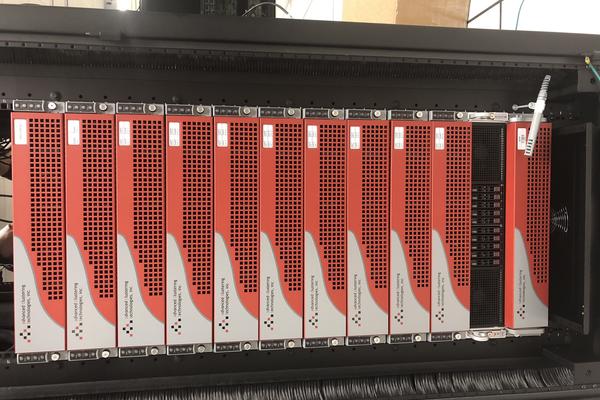
Amit Raj Sharma is an Associate Professor and Chair of the Department of Physics at Wright State University, where he also serves as the IASM Program Director and Interim Chair of the Department of Math and Statistics. He holds office at Fawcett Hall 241, 3640 Colonel Glenn Hwy, Dayton, OH. His educational background includes a PhD in Computational Physics (2008) from Max-Planck-Institut für Plasmaphysik, Germany, an M.S. in Physics from Pt. Ravishankar Shukla University, India (1997), and a B.S. in Physics and Mathematics from St. Thomas College, India (1995). His research focuses on: Theoretical and computational atomic/molecular physics Atomic and molecular chemical kinetics Computational molecular ro-vibrational spectroscopy Spectral line shapes First-principles computational material research Modeling non-linear processes in ionospheric plasmas (collaboration with Air Force Research Laboratory) His publications demonstrate strong focus on quantum dynamics, molecular spectroscopy, plasma physics, and computational material science, with recent work emphasizing ionospheric phenomena and interatomic potential modeling. Awards: Best Poster Award at the 7th International Conference on Chemical Kinetics (2011) Student Advising: He has supervised 12+ graduate students on topics including plasma turbulence modeling, material crystallization, atomic potentials, and ionospheric simulations. Current advisees include Nathan Zechar (PhD), James Serna, Sudip Acharya (MS), and Richard Vanderburg (MS). Infrastructure: Manages an NSF-funded high-performance computing cluster featuring 34 compute nodes, GPU acceleration, and FDR InfiniBand networking for scientific computation.
Professor Shuji Ogata serves in the Department of Physical Engineering, Applied Physics Field at Nagoya Institute of Technology's Graduate School of Engineering. His research spans nanomaterials, composite interfaces, and computational materials science with focus on molecular dynamics simulations of ferroelectric systems and polymer-metal adhesion. His educational background includes a Doctor of Science from The University of Tokyo (1991), preceded by undergraduate studies in Physics at the same institution. Key research interests include: Nanomaterials and composite interfaces Ferroelectric domain dynamics in materials like BaTiO 3 Moisture effects on polymer-metal adhesion Hybrid quantum-classical simulation methods Multiscale modeling from electronic to continuum levels Recent publications (2023-2024) demonstrate consistent focus on molecular dynamics simulations of ferroelectric materials and interfacial phenomena, particularly examining domain wall behavior in barium titanate and protonation mechanisms in epoxy resins under wet conditions. His work integrates machine learning potentials and first-principles calculations to address multiscale challenges. Award highlights include: Editors' Pick in Applied Physics Letters (2024) Featured Article in Journal of Applied Physics (2023) Best Technical Paper at Supercomputing 2001 Excellent Achievement Research Project from RIST (2015) His research program includes significant grants from JSPS, MEXT, and NEDO, particularly the "Super-fast development of super-materials" project (2016-2021) and current MEXT initiatives using the Fugaku supercomputer. He advises multiple doctoral students including Hikaru Azuma and Ryo Kobayashi who frequently co-author his recent publications. His Opto-Biotechnology Research Center affiliation enables cross-disciplinary collaborations in materials simulation.
Hirotaka Maeda is a Professor in the Department of Life and Applied Chemistry, Environmental Ceramics at Nagoya Institute of Technology's College of Engineering. His research focuses on environmental ceramics, inorganic materials, and nanotechnology with applications in water purification, energy storage, and biomaterials. Dr. Maeda received his Doctor of Engineering from Nagoya Institute of Technology in March 2006. His professional affiliations include the Society of Inorganic Materials (since 2006), Japanese Society of Inorganic Phosphorus Chemistry (since 2001), and The Ceramic Society of Japan (since 2000). His research interests span multiple domains including environmental ceramics for water purification, solid-state electrolytes for batteries, glass surface engineering, and conversion of biomass into functional materials. His work combines structural science with mimetic approaches to develop novel functional materials. His recent publications demonstrate strong activity in developing materials for environmental applications, particularly in water purification using garnet-based materials and conversion of agricultural waste into carbon materials. His research also extends to solid-state electrolytes for batteries and surface modification of glasses. 65th Society of Inorganic Materials Academic Award (2024) Poster prize winner, International Symposium on Inorganic and Environmental Materials 2018 57th Society of Inorganic Materials Nagai Memorial Encouragement Award (2016) 23rd Japanese Society of Inorganic Phosphorus Chemistry Encouragement Award (2014) 68th Ceramic Society of Japan Progress Award (2013) Dr. Maeda actively mentors graduate students across multiple projects, including research on rice husk conversion, humic acid removal, and solid-state battery materials. He serves on various academic committees including as General Affairs Director for the Japanese Society of Inorganic Phosphorus Chemistry and on the Editorial Committee of the Society of Inorganic Materials. His teaching includes Advanced Materials Creation Seminar, Ceramics Physical Chemistry, and Environmental Materials Special Lecture. His laboratory focuses on capturing phenomena at material surfaces and interfaces to create new functional materials, with particular emphasis on environmental applications and sustainable material solutions.