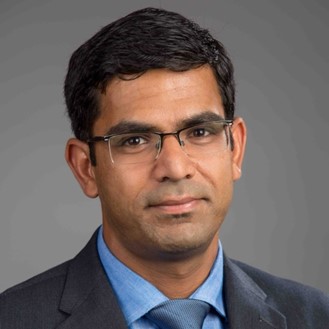
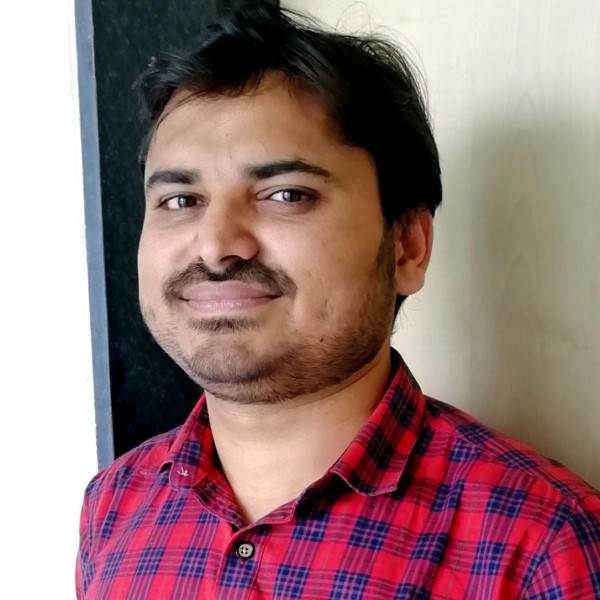
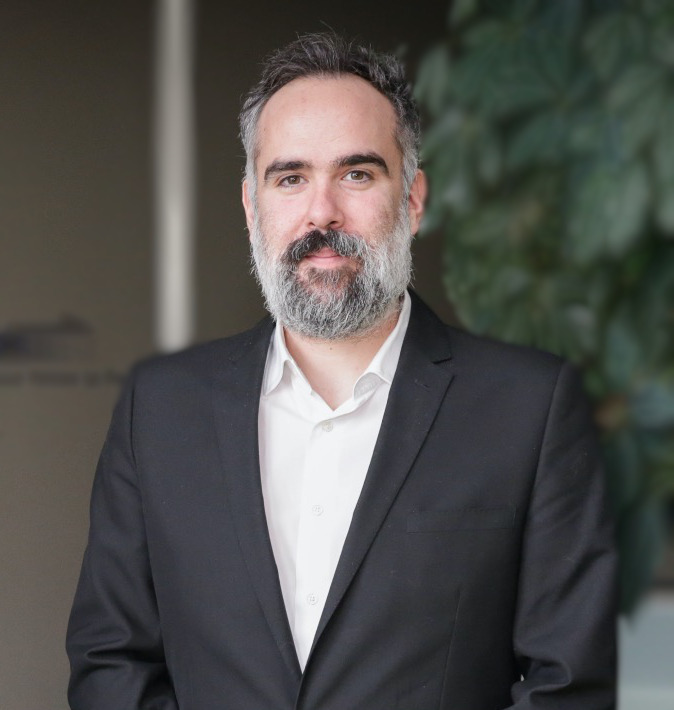
Aleksandr Luštšik is a Professor of Solid State Physics at the Institute of Physics, Faculty of Science and Technology, University of Tartu, Estonia. He has been associated with the University of Tartu since 1969, progressing from student to professor. His research focuses on solid state physics, radiation physics of wide bandgap materials, and synchrotron spectroscopy of luminescent crystals. He has held leadership positions including Head of the Laboratory of Physics of Ionic Crystals since 1994. Luštšik received his education at the University of Tartu, where he graduated cum laude in Solid State Physics in 1974. He completed his PhD studies there from 1976-1979. He earned two Doctor's Degrees from the Institute of Physics, Latvian Academy of Sciences - in 1980 for research on "Electronic excitations and radiation defects in CsBr, RbBr and KCl crystals" and in 1991 for work on "Decay of electronic excitations with defect creation in alkali halides". Professor Luštšik's research interests center on understanding radiation effects in wide bandgap materials, particularly focusing on defect formation, electronic excitations, and luminescent properties. His work has significant applications in dosimetry, scintillation materials, and nuclear energy technologies. He has made substantial contributions to understanding how radiation creates defects in materials like MgO, Al2O3, and various spinels, and how these defects evolve through thermal processes. His research combines experimental approaches including synchrotron radiation studies with theoretical modeling. Professor Luštšik has received numerous honors including the Estonian State Prize in Science (1987), a Soros Foundation Grant from the American Physical Society (1992), the Tartu University Medal (2012), and was elected as a Foreign Member of the Latvian Academy of Sciences (2012). In 2022, he was named Honorary Professor of the K. Zubanov Aktobe Regional University in Kazakhstan. Throughout his career, Luštšik has supervised 21 doctoral theses and three postdoctoral projects. He has been principal investigator for numerous research projects funded by the Estonian Science Foundation and other organizations, with a focus on radiation phenomena in wide-gap materials. His work has been supported by international collaborations, particularly with MAX-Lab in Lund and HASYLAB in Hamburg. Professor Luštšik is actively involved in the international scientific community, serving on editorial boards including the Elsevier journal "Physics of the Solid State" and participating in International Advisory Committees for major conferences such as ICDIM, EURODIM, and LUMDETR. His laboratory at the University of Tartu focuses on radiation effects in ionic crystals and wide bandgap materials, with strong international collaborations across Europe and Asia.