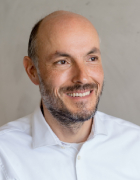
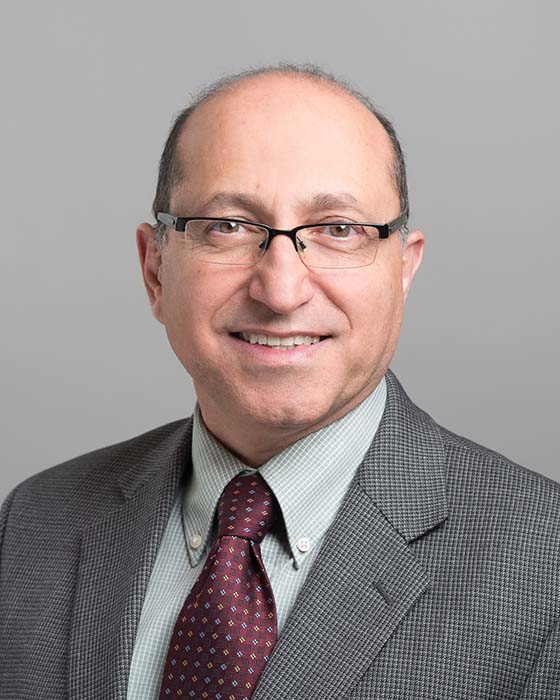
Louis Collins is a Professor in the Department of Biomedical Engineering and Department of Neurology and Neurosurgery at McGill University, with associate membership at the Center for Intelligent Machines. His work focuses on advanced medical imaging techniques for neurological applications. Key Expertise: Non-linear image registration, model-based segmentation, neuroimaging, MRI analysis Applications: Alzheimer's disease, Parkinson's disease, multiple sclerosis, epilepsy, schizophrenia Methodology: Development of computer vision algorithms for image-guided neurosurgery (IGNS), automated atlasing, and biomarker quantification Collins' research combines computational neuroanatomy with clinical translation, particularly in: Quantifying brain atrophy and anatomical variability across populations Optimizing MRI templates for improved diagnostic accuracy Developing tools like SEEGAtlas for surgical electrode classification Exploring neurophysiological fingerprints of neurodegenerative diseases His lab (NIST-Lab) actively pursues CIHR-funded projects on ultrasound-based image-guided neurosurgery and machine learning applications in clinical trials.
Professor Stephan A. Sieber is a leading researcher in bioorganic chemistry at the Technical University of Munich (TUM), where he holds the Chair of Organic Chemistry II within the TUM School of Natural Sciences. His research program focuses on developing new drugs against multidrug-resistant bacteria through a multi-disciplinary approach that integrates synthetic chemistry, functional proteomics, microbiology, and protein biochemistry. His laboratory has made significant contributions to identifying unprecedented antibacterial targets beyond the scope of current antibiotics and exploiting these for chemical manipulation. Recent work has increasingly incorporated machine learning approaches to accelerate antibiotic discovery, with notable publications on AI-guided pipelines, drug-target interaction prediction, and high-throughput screening optimization. Sieber's research has resulted in the discovery of new active substances, some of which are currently being optimized for medical applications. His group's publications reveal a strong focus on chemical proteome mining, natural product mode of action studies, and novel antibacterial target identification. The lab has published extensively in top journals including Nature Chemistry, Nature Communications, and ACS Central Science. Inhoffen Medal (2024) Max Bergmann Medal (2023) ERC Advanced Grant (2023) Merck Future Insight Prize (2020) Klaus Grohe Prize (2020) ERC Consolidator Grant (2016) Professor Sieber leads an active research group that maintains a strong presence in the scientific community through regular publications, conference presentations, and collaborations. His laboratory website and BlueSky presence (@sieberlab.bsky.social) demonstrate ongoing research activities and engagement with the broader scientific community. He has successfully secured significant research funding including multiple ERC grants that have supported his innovative work in antibiotic discovery.
Michael Parzer is an Associate Professor in the Department of Sociology at the Faculty of Social Sciences. His academic work focuses on migration studies, refugee integration, and the intersection of artistic practice with social integration processes. He maintains an active research profile with extensive publication output and ongoing research projects that address contemporary migration challenges. Parzer's research interests encompass Migration Studies, Refugee Integration, Cultural Production, Social Inequality, Artistic Practice, and Transdisciplinary Research . His work often examines how migrants, particularly refugees, navigate social structures and cultural landscapes through artistic expression and musical activities. A significant portion of his recent research has focused on Ukrainian refugees and their integration processes in Austria. His publication record shows substantial scholarly output with 91 publications documented, including numerous articles in 2023 and 2024. His recent work demonstrates a strong focus on refugee experiences, particularly examining how artistic practices facilitate integration and shape social identities in post-migrant societies. The publications reveal a consistent engagement with methodological innovation, often employing transdisciplinary and participatory approaches. Parzer is currently leading or participating in multiple research projects including: MUsikCOnnect (MU_CO) (2023-2025): Developing an online platform for inclusive music education The Art of Arriving (2021-2024): Reframing refugee integration through artistic practices Migration Ties (2020-2022): Examining transnational connections based on migrants' social milieu His academic contributions connect with UN Sustainable Development Goals, particularly those addressing social inequality and inclusive societies. Parzer actively engages with public discourse through media contributions and academic presentations, demonstrating commitment to translating research into practical insights for policymakers and practitioners working in migration and integration fields.
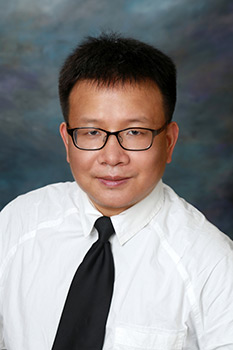
Prof. Andrew Zhang is a Professor at the School of Electrical and Data Engineering, University of Technology Sydney (UTS). He leads the UTS Radio Sensing and Pattern Analysis (RaSPA) Lab and serves as Technical Director of the UTS-TPG Network Sensing Lab. His research focuses on integrated sensing and communications (ISAC), wireless signal processing, and autonomous vehicular networks. He holds a PhD from the Australian National University and has over 15 years of industry experience, including roles at CSIRO and ZTE Corp. Education: B.S. (Xi’an Jiaotong University), M.Sc. (Nanjing University of Posts and Telecommunications), Ph.D. (Australian National University). Research Interests: ISAC, radio sensing, machine learning for communications, and 6G waveform design. Key projects include developing perceptive mobile networks and flood/storm sensing via ISAC. Publications: Over 290 papers, 5 patents, and notable works on ISAC frameworks, joint communication-sensing systems, and mmWave technologies. Recent trends emphasize ISAC, 6G waveforms, and IoT integration with federated learning. Awards: CSIRO Chairman’s Medal, Australian Engineering Innovation Award, and multiple best paper awards. Active in IEEE leadership roles, including Editor-in-Chief of ISAC-Focus. Grants: ~$8M in research funding. Advises on ISAC-ETI initiatives and collaborates with industry partners like TPG Telecom. Labs: RaSPA Lab (radio sensing analytics) and UTS-TPG Lab (ISAC industrial solutions).
Dr. Neal Bangerter is a Visiting Professor in the Department of Bioengineering at Imperial College London's Faculty of Engineering. He specializes in medical imaging (MRI), artificial intelligence, machine learning, and signal processing. Dr. Bangerter holds adjunct appointments at INSEAD, the University of Utah, and Brigham Young University. His research focuses on ultra-high field MRI, AI applications in healthcare, and data-driven bioscience technologies. He leads the London Collaborative Ultra-High Field Scanner (LOCUS) project and advises companies on AI and innovation strategies. Education: B.S. in Physics (UC Berkeley), M.S. and Ph.D. in Electrical Engineering (Stanford University). Career highlights include roles at McKinsey & Company, Microsoft, and Reactrix, as well as founding BYU's Medical Imaging Research Center. He has pioneered cross-faculty initiatives like the Crocker Innovation Fellowship Program. Research interests include novel MRI pulse sequences, AI in medical imaging, and large-scale health data analysis. His work spans collaborations with Stanford, Oxford, Cambridge, and Siemens Healthcare. He teaches executive education at INSEAD, focusing on bridging technical concepts with business strategies. Key awards include the David Evans Chair at Brigham Young University. His contributions to the UK Biobank Neuroimaging study and development of MRI techniques like RAFO-4 highlight his impact on advancing imaging technologies and AI applications in healthcare.
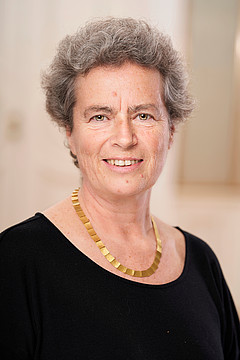
Prof. Ellen Kandeler is a leading academic in soil biology and microbial ecology at the University of Hohenheim , heading the Department of Soil Biology within the Institute of Soil Science and Site Science. Her work focuses on microbial interactions, soil organic matter dynamics, and the impacts of land use and climate change on soil systems. She actively contributes to interdisciplinary projects funded by the German Research Foundation (DFG), including studies on mineral-organic matter associations, pesticide degradation, and agroecosystem resilience. Research interests include rhizosphere dynamics, biogeochemical cycles, and the ecological functions of soil microorganisms, with applications in sustainable agriculture and environmental protection. She is also involved in institutional roles as a Deputy Ombudsperson for Scientific Integrity and member of committees overseeing large-scale research infrastructure. Her recent publications emphasize climate-soil feedbacks, microbial community assembly, and the biodegradation of agrochemicals. Projects like the DFG-FOR 1695 on agricultural landscapes under climate change highlight her commitment to addressing global environmental challenges through soil science. Prof. Kandeler’s work bridges fundamental and applied research, with a focus on translating soil microbial processes into strategies for sustainable land management and mitigating anthropogenic impacts on soil health.
Fabrício Benevenuto is an Associate Professor in the Computer Science Department at Federal University of Minas Gerais (UFMG), where he conducts interdisciplinary research at the intersection of social media analysis, data science, and computational journalism. His work spans complex networks, machine learning, and natural language processing with strong societal impact. His research focuses on social media dynamics, particularly in Brazilian contexts, with major contributions to hate speech detection, fake news analysis, and political discourse monitoring. He leads large-scale projects against misinformation, including development of systems like WhatsApp Monitor, Media Bias Monitor, and Purple Feed. His work combines technical innovation with real-world applications for election transparency and public discourse integrity. Benevenuto's recent publications demonstrate strong trends in multilingual NLP for social media analysis, with emphasis on Brazilian Portuguese contexts. His team produces both theoretical contributions and practical systems addressing hate speech, misinformation, and media bias. Notable methodological approaches include combining network analysis with linguistic features, developing culturally-aware detection systems, and creating large annotated datasets for understudied languages. CAPES award for best Brazilian computer science thesis (2010) Humboldt Foundation scholarship recipient (2017-2018) Member of TikTok Safety Advisory Council WWW'20 Best Paper Nominee & CNIL-INRIA Privacy Protection Prize winner Multiple best paper awards at CEAS, WBC, and ICWSM conferences Test-of-Time Award at ICWSM'20 Benevenuto actively mentors PhD and MSc students, with numerous advisees securing academic positions at Brazilian universities and research roles at institutions like Max Planck Institute. His projects often receive funding supporting interdisciplinary collaborations across computer science and social sciences. Current work includes large-scale analysis of Telegram political groups, real-time election monitoring systems, and developing culturally-aware NLP tools for Portuguese. He leads research teams working on social media analysis systems with societal impact, particularly focused on Brazilian digital ecosystems. Projects involve cross-institutional collaborations with researchers from MPI-SWS, Max Planck Institute, and various Brazilian universities, emphasizing practical applications for public discourse integrity.
Yingying (Jennifer) Chen is a Distinguished Professor and Department Chair in the Department of Electrical and Computer Engineering at Rutgers University, affiliated with the Wireless Information Network Laboratory (WINLAB) and the DAISY Lab. She holds a PhD in Computer Science from Rutgers University (2007). Her research focuses on Smart Healthcare, IoT, Cyber Security, Machine Learning, and AR/VR Security, with over 300 publications and multiple patents. Key roles include Associate Director of WINLAB, Fellow of ACM, IEEE, and AAIA, and recipient of the NSF CAREER Award (2010), Henry Morton Teaching Award (2017), and ACM Distinguished Scientist distinction. Awards also include the 2024 ACM Fellow and NAI Fellow (2022). Her work emphasizes interdisciplinary applications, such as AR/VR privacy attacks, adversarial machine learning defenses, and edge computing. Notable grants include NSF projects on AI on edge devices, NextG-enabled manufacturing, and healthcare system design. She advises Ph.D. students and collaborates with industry on testbeds like the Community-based Edge Sensing Testbed (NSF CCRI). Current research explores AI-driven sensing, privacy in immersive technologies, and robust multi-model analytics. Publications span top venues like ACM MobiCom, IEEE INFOCOM, and IEEE S&P. Labs include DAISY Lab (data analysis & security) and collaborations with WINLAB for wireless innovation. She serves on editorial boards of IEEE/ACM Transactions and organizes conferences like ACM MobiCom and IEEE ICDCS.
Rongxing Lu is an Adjunct Professor at the Faculty of Computer Science, University of New Brunswick (UNB), Canada, since August 2016. Previously, he held positions at Nanyang Technological University (NTU), Singapore (2012–2016) and the University of Waterloo, Canada (PhD in 2012). His research focuses on applied cryptography, privacy enhancing technologies, and IoT-big data security. He has over 7,500 citations and received prestigious awards like the Governor General’s Gold Medal (2012) and the IEEE ComSoc Asia Pacific Outstanding Young Researcher Award (2013). He is an IEEE senior member and serves on editorial boards of journals like IEEE Network. **Education**: PhD in Electrical & Computer Engineering, University of Waterloo (2012), awarded Governor General’s Gold Medal Postdoctoral Fellow at University of Waterloo (2012–2013) **Research Interests**: Developing cryptographic protocols for IoT and big data systems Privacy-preserving techniques for distributed systems Secure communication in 5G/6G networks and vehicular systems **Awards and Recognition**: Recipient of multiple best paper awards in IEEE conferences 2016–2017 Excellence in Teaching Award at UNB **Editorial and Leadership Roles**: Symposium co-chair at IEEE Globecom’16 Secretary of IEEE ComSoc CIS-TC Organized special issues on fog computing security (Elsevier) and big data security (IEEE IoT Journal) **Key Contributions**: Pioneered privacy-aware data reporting schemes for vehicular networks Designed lightweight IoT authentication protocols Advanced secure machine learning frameworks with privacy guarantees
Dr. Brett J. Borghetti is a Professor of Computer Science in the Department of Electrical and Computer Engineering at the Air Force Institute of Technology (AFIT), Graduate School of Engineering and Management, Wright-Patterson AFB, OH. He was promoted to Professor in July 2022, following prior appointments as Associate Professor (2017) and Assistant Professor (2008/2013). His expertise lies in artificial intelligence, machine learning, deep learning, cybersecurity, and human-machine teaming. Education: Ph.D. in Computer Science, University of Minnesota, Twin Cities (2008) M.S. in Computer Systems, Air Force Institute of Technology (1996) B.S. in Electrical Engineering, Worcester Polytechnic Institute (1992) Dr. Borghetti's research focuses on applying machine learning to physical science sensors (hyperspectral, seismic, RF), cybersecurity, and enhancing human-machine team performance. He teaches graduate courses in machine learning, AI, data security, and algorithm design, and advises numerous MS and PhD students in areas such as sensor exploitation, cognitive workload, and cyber situational awareness. His recent publications demonstrate strong trends in deep learning for multimodal sensor fusion, nuclear security, and neuroergonomics. Scientific Awards: AETC Educator of the Year (2021, Civilian) AFIT Ezra Kotcher Teaching Award (2021) AFIT Teaching Excellence Award (2019) AF STEM Outstanding Science and Educator Award (2015) Multiple Eta Kappa Nu Outstanding Instructor Awards Air Force Meritorious Service Medal and other military honors Dr. Borghetti has advised numerous graduate students and led research projects with significant funding and applications in defense and national security. He has directed research in AI-driven sensor analysis, cyber defense systems, and adaptive automation. His work often involves collaboration with national labs and DoD agencies. He has contributed to major research initiatives in human factors, cyber intruder detection, and machine learning for operational environments. Labs and Research Teams: His work is associated with AFIT's research in cyber security, sensor exploitation, and human-machine systems. He collaborates with teams working on the Cyber Intruder Alert Testbed (CIAT), neuroergonomic modeling, and machine learning for defense applications.
Dr. Ben Harvey is an Associate Professor (with Ius Promovendi) in the Perception Group of the Department of Experimental Psychology at Utrecht University, Netherlands, within the Faculty of Social and Behavioural Sciences. He is based at the Helmholtz Institute and can be contacted at b.m.harvey@uu.nl. Harvey completed his DPhil at Oxford University with Professor Oliver Braddick in 2009, followed by postdoctoral work with Professor Serge Dumoulin at Utrecht. In 2015, he moved to Coimbra on a starter grant from the Portuguese Foundation for Science and Technology before returning to Utrecht in 2016 as an Assistant Professor. He was promoted to Associate Professor in 2019 and has led his own research group since 2015. Harvey's research focuses on characterizing sensory and cognitive systems in the human brain, particularly neural responses and computations within these systems. His work combines cutting-edge neuroimaging approaches with computational modeling and behavioral experiments. Initially studying the early visual system as a model of neural processing, he extended invasive animal neurophysiological approaches to non-invasive human neuroimaging. His recent work investigates neural responses underlying cognition in the human association cortex, examining how visual space and number processing differs between cultures and in clinical disorders. His fingerprint reveals expertise in Functional Magnetic Resonance Imaging, Numerosity, Receptive Field, Visual Cortex, Population Receptive Field, Nerve Potential, Early Visual Cortex, and Topographic Maps. His publication record demonstrates significant impact, with works like 'Topographic representation of numerosity in the human parietal cortex' (2013) receiving over 360 citations. His research spans visual neuroscience, with emphasis on how the brain processes visual information, attention mechanisms, and numerical cognition, revealing generalized quantity processing systems in the human brain. Award for highest-rated abstract (2013) Brain Centre Rudolph Magnus Research Award (Best Paper of the Year) (2014) Causal link between cortical organization and conscious perception: human fMRI and electrophysiology (2009, 2010) Harvey has been actively engaged in knowledge dissemination, with multiple invited talks at institutions including INSERM in Paris (2016) and the University of Parma (2015). His research has received significant media attention, with interviews on National Public Radio (NPR) USA, Livescience.com, and Science Magazine in 2013. Beyond academic publications, he writes popular science articles exploring the relationship between visual neuroscience and visual arts. As part of the Helmholtz Institute Experimental Psychology research program, Harvey collaborates widely to investigate visual space and number processing across different populations, contributing to our understanding of how these cognitive functions vary between cultures and in clinical disorders.
Giovanni Petri is a Professor in the Network Science Institute at Northeastern University London, where he joined in June 2023. Previously, he held positions at CENTAI as a Principal Researcher and at IMT Lucca as a Guest Scholar, with earlier affiliations at ISI Foundation and Imperial College London. His educational background includes a PhD in Complex Networks from Imperial College London (2012), an MSc in Theoretical Physics from the University of Pisa (2008), and a BSc in Physics from the University of Pisa (2005). Petri's research spans the analysis of neuroimaging data and AI systems with topological techniques, the formalization of cognitive control models with tools of statistical mechanics and network theory, and the study of the predictability of socio-technical systems. His work in Topological Neuroscience explores brain architecture using algebraic topology, while his research in Cognitive Neuroscience focuses on neural mechanisms underlying human cognition. He is particularly known for his work on higher-order networks, using mathematical frameworks like hypergraphs and simplicial complexes to model systems with multi-way interactions. His recent publications (2023-2025) demonstrate a strong focus on higher-order network theory applied to neuroscience, with particular emphasis on topological approaches to brain connectivity, social contagion models, and the physics of complex systems. These works reveal consistent themes in understanding how multi-body interactions shape system dynamics across biological, social, and technological domains. European Research Council Consolidator Grant (RUNES: Reconstruction and unification of neural and ecological systems, 2024) As Principal Investigator of the NPLab, Petri advises numerous PhD and postdoctoral researchers including Marilyn Gatica, Andrea Santoro, and Simone Poetto. His RUNES project, funded by the ERC Consolidator Grant, represents a significant research initiative. The lab maintains active collaborations with CENTAI, Project CETI (Cetacean Translation Initiative), and various international institutions. The NPLab investigates the role of topology and geometry in the collective dynamics of complex systems, ranging from neuroscience to society, using statistical mechanics, algebraic topology, and innovative computational approaches. Current projects include Topological Neuroscience, Cognitive Neuroscience, Higher-order Networks, Project CETI, and RUNES.
Magdy Mahmoud Abdelquader is a Research Fellow at the School of Pharmacy, specializing in therapeutic deep eutectic solvents (THEDES) for pharmaceutical applications. His work focuses on optimizing drug delivery systems through thermal analysis and formulation science. His primary research interests center on Deep Eutectic Solvents , particularly their application in drug delivery for non-steroidal anti-inflammatory drugs (NSAIDs) and lidocaine. Key areas include solvent stability, thermodynamics, microstructure analysis, and thermal processing of thermally labile active ingredients. His fingerprint reveals dominant expertise in Material Science (100% Deep Eutectic Solvent) and Pharmacology (66% NSAIDs, 50% Lidocaine). Analysis of his five publications (2022-2025) shows consistent focus on THEDES systems, with significant citation impact (76 citations for his 2023 review article). Research trends emphasize polymer selection for stability, lidocaine-NSAID interactions, and melt-extrusion processing techniques. Abdelquader's collaborative network includes international researchers like S. Li, G.P. Andrews, and D.S. Jones, with publications in high-impact journals including European Journal of Pharmaceutics and Biopharmaceutics . His work has garnered substantial academic attention with 139 Mendeley readers for his review article and multiple news mentions.
Dr Yvo Pokern is an Associate Professor in Statistics at University College London since 2018. His research focuses on computational statistics and machine learning, with expertise in diffusion processes and Bayesian methodology. He earned his PhD in mathematics under Andrew Stuart, a Masters at Paris XI with a dissertation at the Max-Planck-Institute in Leipzig, and was a postdoctoral researcher at Warwick University with Gareth Roberts and Wilfrid Kendall. His primary research interests include statistical inference for diffusion processes (particularly hypoelliptic diffusions and diffusions on manifolds), Bayesian methods such as Markov chain Monte Carlo, and statistical applications in spectroscopy (ENDOR). His work combines theoretical rigor with practical applications in diverse scientific domains. Analysis of his recent publications reveals a consistent theme of developing and applying advanced statistical techniques to complex real-world problems, including traffic flow, fingerprint analysis, and magnetic resonance spectroscopy. Dr Pokern has supervised numerous PhD students, several of whom have gone on to academic careers. Notable former students include Mai Ngoc Bui (now lecturer at the British University Vietnam) and Tjun Yee Hoh (now lecturer at UCL School of Management).
Shahrokh Valaee is a Professor and Associate Chair for Undergraduate Studies in the Edward S. Rogers Sr. Department of Electrical and Computer Engineering at the University of Toronto, part of the Faculty of Applied Science and Engineering. He founded and directs the Wireless and Internet Research Laboratory (WIRLab). Education: BSc and MSc in Electrical Engineering from University of Tehran PhD in Electrical Engineering from McGill University Research Interests: Focuses on wireless networks (vehicular/sensor networks, B5G/6G), signal processing (indoor localization, machine learning for medical imaging), and integrated sensing/communication. His work spans: Localization in GPS-denied environments Machine learning for healthcare with limited/imbalanced data Reconfigurable Intelligent Surfaces (RIS) and drone networks Publications: Recent articles (2014-2016) show strong focus on indoor localization techniques, vehicular network protocols, and network coding, with emerging trends in machine learning applications for wireless systems and healthcare. Awards: Connaught Award (2012, 2013) NSERC Discovery Accelerator Award (2010) MaRS Innovations cPOP Award (2012) IEEE Fellow (FIEEE) Engineering Institute of Canada Fellow (FEIC) Leadership: Advises graduate students at WIRLab, where research combines theory with practical implementation (GPU-based ML, Android localization). Manages projects in integrated sensing/communication, ML for health, and B5G networks. Labs/Teams: Directs WIRLab with focus on wireless signal processing, networking, and ML implementations. Current team includes postdocs and PhD students working on localization, B5G networks, and medical ML applications.