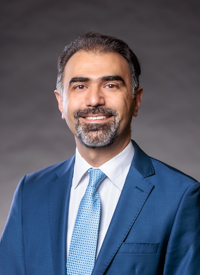
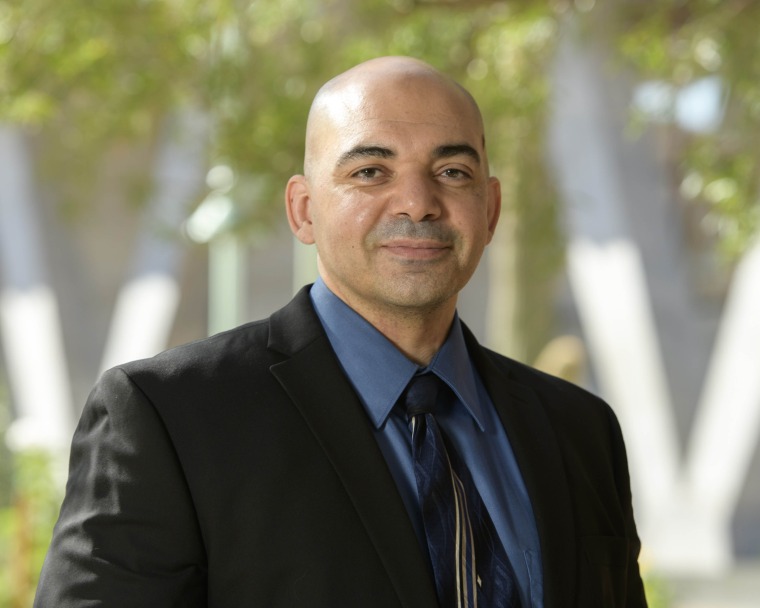
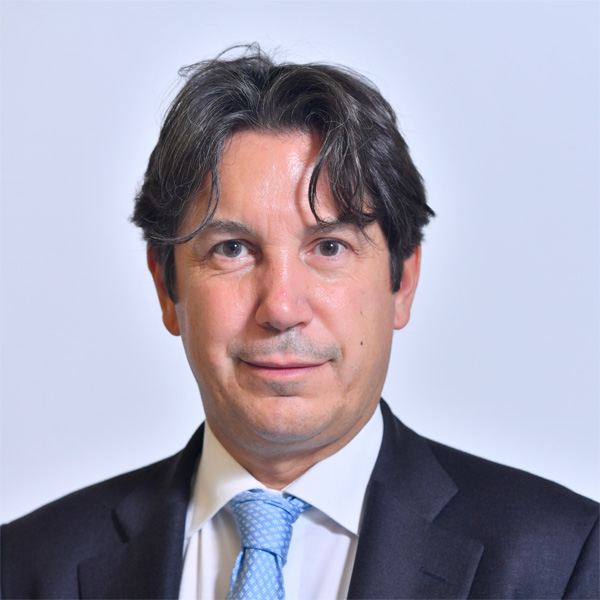
Mark Friedman is an Associate Professor in the Accounting Department at the Miami Herbert Business School , University of Miami. His academic focus spans interdisciplinary applications of information technology and process improvement in healthcare and corporate finance.
Manuel Santos is a Professor of Economics at the Miami Herbert Business School, University of Miami. He holds a faculty position in the Economics department and can be reached at m.santos2@miami.edu or (305)284-3984. Professor Santos's research spans multiple domains within economics, with a particular focus on macroeconomic modeling, asset pricing, and business applications of data analytics. His work bridges theoretical economic frameworks with practical applications in healthcare, sports marketing, and business intelligence. He has developed computational methods for simulating dynamic equilibrium models and has examined investment patterns across countries through neoclassical growth theory. His publication record from 2012-2019 reveals a distinctive interdisciplinary approach, connecting economic theory with healthcare systems analysis, sports consumer behavior, and data-driven business decision making. Santos frequently applies mathematical economics to real-world problems, particularly in healthcare settings where he has published on infection control and maternity care triage systems using data mining techniques. Professor Santos collaborates extensively across disciplines, working with researchers in business, healthcare, and sports management fields. His research demonstrates how economic principles can inform practical business decisions while advancing theoretical understanding of macroeconomic phenomena. Though specific grant information isn't provided in the available text, his sustained publication record suggests active research funding.
Can Dogan is an Associate Professor of Economics and a Special Sworn Status Researcher at the Center for Economic Studies, focusing on Industrial Organization , International Economics , and Business Forecasting . His work combines technical rigor from his engineering background with economic analysis, particularly examining the impact of AI on business ecosystems and human-algorithm interactions. Research Areas : Industrial Organization, International Economics, Business Forecasting, AI in Business Publications : Published in high-reputation journals like Management Science and International Review of Economics and Finance . Teaching : Emphasizes lively discussions and activating student potential, connecting Economics to everyday life. Community Involvement : Senior Fellow at the American Leadership Forum and board member in Houston-based non-profits. Personal : Married with three children, enjoys fishing, math puzzles, and European soccer leagues.
Mohab Ibrahim is a tenured Professor in the Department of Anesthesiology at the University of Arizona College of Medicine – Tucson, with joint appointments in Pharmacology and Neurosurgery. He serves as the Medical Director of the Comprehensive Center for Pain & Addiction, Director of the Chronic Pain Clinic and Pain Fellowship at Banner – University Medical Center, and practices as a pain physician at the Southern Arizona Veteran Affairs Health Care System. Education Bachelor of Science in Biochemistry, University of Arizona Master’s and Doctorate in Pharmacology and Toxicology, University of Arizona Doctor of Medicine (MD), University of Arizona College of Medicine – Tucson Internship in Surgery, U of A College of Medicine – Tucson Residency in Anesthesiology, Perioperative and Pain Medicine, Brigham and Women’s Hospital Fellowship in Chronic Pain Management, Massachusetts General Hospital Research and Clinical Focus Dr. Ibrahim’s research addresses gaps in chronic pain understanding, emphasizing photobiomodulation, neurodegenerative diseases, and translational approaches. His work spans green light therapy , spinal cord stimulation (SCS) , opioid-free analgesia , and pain-mental health comorbidities , with funding from the NIH, Department of Defense, and Veteran Affairs Administration. Article Trends His recent publications highlight innovations in phototherapy and SCS for pain, AI-driven patient monitoring, and the intersection of chronic pain with mental health disparities , family impact , and neuroimmune mechanisms . Collaborative themes include neurotensin receptor pathways , exercise and pain reversal , and digital health ecosystems .
Cezary Woźniak is an Assistant Professor at the Department of Public Economic Law and Economic Policy within the Faculty of Administration and Social Sciences at Warsaw University of Technology. He holds dual master's degrees in Law and Canon Law from the University of Warsaw and Academy of Catholic Theology in Warsaw, and a Ph.D. in Legal Sciences from the University of Warsaw. His academic career spans over two decades, including roles as Vice-Dean (2008-2016) and contributions to drafting Poland's Aviation Law. He has published 46 works and promoted 87 theses, focusing on intersections between public and private law, particularly civil, intellectual property, and construction law. His international experience includes study visits to Exeter and Plymouth, UK. 1996: Master's in Law, Faculty of Law and Administration, University of Warsaw 1997: Master's in Canon Law, Faculty of Canon Law, Academy of Catholic Theology in Warsaw 2005: Doctoral degree in Legal Sciences, University of Warsaw Woźniak's research bridges public and private law, emphasizing civil law mechanisms to address administrative challenges. His work spans intellectual property law , construction and investment law , cultural heritage dialectics , and philosophical underpinnings of legal systems . He explores Heideggerian phenomenology in legal contexts, Derrida's deconstruction of justice, and Žižek's ideology critiques applied to legal philosophy. His scholarship also addresses perpetual property rights , electronic declarations , and international municipal cooperation . Woźniak has participated in six professional activities and co-organized three conferences, though specific awards aren't documented. He has contributed to one project and maintains an ORCID iD (0000-0002-6128-8672). His work reflects a deep engagement with postmodern legal theory , metaphysical jurisprudence , and interdisciplinary philosophical analysis .
Fabio Michele Amatucci serves as an Affiliate Professor of Business Government Relations at SDA Bocconi School of Management and Associate Professor at the University of Sannio's Department of Law, Economics, Management and Quantitative Methods (DEMM). Collaborating with SDA Bocconi since 1994, he also holds a Research Fellow position at CERGAS (Center for Research on Healthcare Management), focusing on public sector management and public-private partnerships within healthcare and public services. Education: Degree in Business Administration, Università Bocconi Ph.D. in Public Administration Research Interests: Professor Amatucci's work centers on Public-Private Partnerships , Government Procurement , and Public Management Reform , with specialized expertise in project finance, public sector modernization, policy coordination, and corporate governance of public institutions. His research critically examines process reengineering, financing strategies for local authorities, and healthcare system applications, emphasizing practical implementation in decentralized government structures. Publication Trends: Recent 2023-2024 publications reveal concentrated analysis of Italian National Health Service (SSN) procurement dynamics, value-based healthcare purchasing models, and public-private partnership frameworks. Key themes include operating room efficiency innovations, tumor diagnostic service procurement, rural tourism development, and economic rebalancing mechanisms in concession agreements, demonstrating consistent focus on bridging theoretical governance models with operational healthcare and public service challenges. Grants and Projects: He has coordinated major internationally funded research initiatives for public and private entities while contributing to project teams across healthcare systems, public services, and public-private partnership frameworks. His executive education leadership includes designing and delivering specialized programs for Italy's leading healthcare corporations and public sector organizations. Research Infrastructure: As a CERGAS Research Fellow, he operates within Bocconi University's dedicated healthcare management research center, leveraging institutional resources for empirical studies on public sector procurement and governance modernization.
Klimenko Andrey Vitalievich is a Tenured Professor (since 2014) and Head of the Department of Politics and Management at the Faculty of Social Sciences, National Research University Higher School of Economics (HSE). He serves as Scientific Supervisor of the Institute of State and Municipal Management and is a member of HSE's Academic Council. With 38+ years of academic experience, he joined HSE in 2002 and has held leadership roles including founding Dean of the Faculty of State and Municipal Administration (2002–2004) and University Vice-Rector. Education: Specialist in National Economy Planning from Lomonosov Moscow State University (1977), Candidate of Economic Sciences (1981), Associate Professor title (1993). Research Focus: Klimenko's work centers on modernizing public administration systems. Key areas include: Governance Innovations: New Public Administration, open government frameworks, and e-governance regulation. Policy Efficiency: Results-based management, public administration cost optimization, and strategic planning. Digital Transformation: Data-driven governance models and regulatory policy in digital economies. His research bridges theoretical frameworks with practical policy applications across Russian federal and regional contexts. Publication Trends: Recent works emphasize empirical analysis of public service motivation, anti-corruption mechanisms, and adaptive governance in turbulent socio-economic environments. Collaborative studies frequently address BRICS governance comparisons and OECD regulatory standards. Awards & Honors: Order of Friendship (2010), Order of Academic Palms (France, 2007) Honored Worker of Higher Education of the Russian Federation (2025) Multiple HSE medals for institutional contributions (2013–2024) Gratitudes from Russian Ministers of Finance/Economic Development Leadership & Advising: Directs the Institute of State and Municipal Management and advises PhD/Master’s students. Supervised 3+ dissertations and oversees research projects on regulatory policy optimization. Coordinates international partnerships (e.g., OECD, University of Cardiff). Institutional Roles: Key contributor to Russia's administrative reform initiatives; expert for governmental bodies including the Ministry of Economic Development. Active in editorial boards (e.g., journal 'Voprosy gosudarstvennogo i munitsipalnogo upravleniya').
Timofey Aleksandrovich Berezner is a Lecturer and Junior Research Fellow at the National Research University Higher School of Economics (HSE), affiliated with the Faculty of Social Sciences and Department of Psychology. He serves as Deputy Head of the Department for student-related affairs and conducts research at the Laboratory for Cognitive Psychology of Digital Interface Users (HSE UX Lab). Since joining HSE in 2019, he has developed expertise in cognitive psychology, metacognition, and human-computer interaction. Education includes: Master's in Psychology (HSE, 2023) Bachelor's in Psychology (HSE, 2021) Professional retraining in Psychotherapy (2023-2024) Multiple professional development courses including Cognitive Science (Sofia, 2021), AI fundamentals (2024), and Schema Therapy (2023) Research focuses on: Cognitive processes in digital interfaces and learning environments Metacognitive regulation in decision-making and executive control Perceptual factors (disfluency effects, font psychology) AI-human cognition interactions His work bridges cognitive neuroscience with practical applications in UX design and education. Publication analysis reveals strong emphasis on: Metacognitive regulation mechanisms Perceptual influences on cognition Cognitive load measurement (NASA-TLX adaptation) Empirical studies of disfluency effects Human-AI interaction challenges Awards and Recognition: Best Teacher (2025) HSE High Professional Potential Group - New Researchers (2022-2023) Departmental commendation (2022) Winner of HSE Science Battles (2022) Professional activities include: Doctoral research on perceptual factors in metacognition Teaching cognitive psychology courses Membership in HSE UX Lab researching digital interface cognition External roles as AI-trainer at YandexGPT and lecturer at RANEPA
David Moore is an Associate Professor in the College of Applied Health Sciences at the University of Birmingham, specializing in health research methodology and economic evaluation. With over 121 research outputs and 29 projects throughout his career, he has established himself as a prominent researcher in systematic reviews, meta-analysis, and cost-effectiveness analysis within healthcare. ORCID: 0000-0002-4163-4080 Active researcher with outputs extending through 2025 Principal or Co-Investigator on multiple NIHR and Wellcome Trust projects Dr. Moore's research spans several important healthcare domains, with particular expertise in systematic review methodology, economic evaluation of healthcare interventions, and clinical trial analysis. His work bridges the gap between clinical practice and health policy decision-making through rigorous evidence synthesis and economic analysis. He has developed significant expertise in applying these methods across diverse therapeutic areas including diabetes, obesity, allergies, and medical devices. His recent publication trends show a strong focus on systematic reviews and meta-analyses addressing critical healthcare questions. Moore has published extensively on cost-effectiveness of medical interventions, particularly in diabetes care, obesity treatments, and allergy management. His 2024-2025 publications demonstrate increasing interest in emerging areas like AI medical device safety and advanced statistical methods for healthcare evaluation. Active Principal Investigator on the Endoscopic treatments for obesity project (NIHR, 2021-2025) Co-Investigator on the Type 1 diabetes beta cell preservation study (JDRF, 2024-2027) Researcher on the NIHR Birmingham Keele Warwick RSS consortium (2023-2028) Co-Investigator on head and neck cancer surveillance project (NIHR, 2020-2026) Researcher on allergy burden study (Wellcome Trust, 2020-2025) Moore collaborates extensively across multiple institutions and research teams, often working with clinical academics and methodologists to address complex healthcare evaluation questions. His research has significant implications for healthcare policy and clinical practice guidelines, particularly in the UK National Health Service context.
Dr. Mukesh Prasad is an Associate Professor at the School of Computer Science , University of Technology Sydney (UTS). With expertise in Machine Learning , Artificial Intelligence , and Computer Vision , his research addresses applications in healthcare, biomedical science, and smart infrastructure. He holds a Ph.D. in Computer Science from National Chiao Tung University, Taiwan, and an M.S. in Computer and Systems Sciences from Jawaharlal Nehru University, India. Key research areas: Machine Learning, AI, Brain-Computer Interfaces, IoT, and Evolutionary Computation Industry experience: Principal Engineer at TSMC (2016-2017), Postdoctoral Researcher at National Chiao Tung University Dr. Prasad has secured competitive grants for AI applications in disaster response, conversational agents, and medical diagnostics. His work has been published in high-impact venues like IEEE , ACM Transactions , and Springer Nature , with over 200 peer-reviewed papers. He serves on editorial boards for journals including Frontiers in Neurorobotics and ACM Computing Surveys . Scientific Awards: Vice Chancellor Teaching and Learning Citation Award (2019) Alumni Fellowship for Ph.D. (2014) Golden Bamboo NCTU Fellowship (2010) Professional Members: IEEE (2011), ACM (2019)
Michael A. Johnson is an Associate Professor and Ourso Professor in Management at Louisiana State University's E.J. Ourso College of Business, where he researches workplace inclusion, marginalized identities, and business ethics. His work examines how obesity, social class, gender, and criminal histories impact career trajectories and organizational dynamics. Education PhD Management, University of Central Florida, 2017 MBA Management, Rider University, 2012 BBA Music Business, Belmont University, 2007 Dr. Johnson's research bridges organizational behavior and social psychology to address systemic workplace inequities. His seminal work on obesity stigma reveals how body fat impacts long-term career success through mediating mechanisms like hiring discrimination and self-objectification. Recent studies explore virtual leadership disparities rooted in socioeconomic environments and gender bias in entrepreneurial funding. This research program uniquely integrates marginalized identity frameworks with business ethics to develop actionable inclusion strategies. Scientific Recognition Olinde Professorship in Management Outstanding Untenured Professor Teaching Award Dean's Award for Excellence in Teaching Undergraduate Students Dr. Johnson serves on editorial boards of Journal of Applied Psychology and Personnel Psychology , guiding field-wide scholarship. His research program, supported by competitive grants, produces high-impact publications while mentoring the next generation of organizational scholars. Students benefit from his interdisciplinary approach that connects theoretical rigor to real-world business challenges through collaborations spanning North America and Europe. Though not leading a named laboratory, Dr. Johnson cultivates a dynamic research ecosystem through international partnerships and editorial leadership. His work on virtual teams and remote work equity has gained particular relevance in post-pandemic organizational landscapes.
Yabo Octave Niamié is an Associate Professor in the Department of Mathematics and Industrial Engineering at Polytechnique Montréal. With a Doctorate in Administration from ESG UQAM and dual MBA degrees from ESG UQAM and Paris-Dauphine University, he brings extensive academic credentials and practical experience to his role. His international background, with education from institutions in Canada, France, and Ivory Coast, informs his global perspective on entrepreneurship. Professor Niamié's research focuses on entrepreneurial support systems, particularly business accelerators and incubators. His work examines entrepreneurial finance, legitimacy building in new ventures, liminality in entrepreneurship, and process-oriented approaches to entrepreneurial development. He investigates how entrepreneurs navigate legitimacy challenges across cultural boundaries and how accelerators function as liminal spaces preparing entrepreneurs for investor interactions. His recent publications demonstrate a growing interest in how emerging technologies like the Metaverse impact new venture creation, while maintaining his core focus on entrepreneurial processes. His research employs primarily qualitative methods, including case studies of specific entrepreneurial ventures and accelerator programs. Professor Niamié is actively involved in Quebec's entrepreneurial ecosystem, having contributed to launching several Fintech companies and business incubators both in Quebec and internationally. He teaches 'SSH3201: The Economics of the Engineer' and has published on integrating qualitative approaches and creativity into engineering education. His scholarly contributions include over 20 publications spanning journal articles, conference papers, book chapters, and technical reports from 2015 to 2025. His affiliations include the Entrepreneurship, Society and Transformations Group (GEST) and the Research Group on Management and Globalization of Technology (GMT). Professor Niamié has supervised at least two master's theses recently, demonstrating his commitment to student development. His work connecting theoretical entrepreneurship research with practical application in the entrepreneurial ecosystem makes him a valuable bridge between academia and industry.
Dr. Andrew Costa is an Associate Professor in the Department of Health Research Methods, Evidence, and Impact at McMaster University, where he holds a Tier 2 Canada Research Chair in Integrated Care for Seniors. He serves as Research Director of the St. Joseph’s Health System Centre for Integrated Care and Associate Scientific Director of the Canadian Longitudinal Study on Aging. A Fellow of interRAI, he contributes to international standards for vulnerable sector care and participates in McMaster’s School of Computational Science and Engineering and MacDATA Institute Scientific Advisory Committee. His research focuses on geriatrics, integrated care systems, frailty assessment, chronic disease management, and AI applications in healthcare. Key areas include pandemic response optimization, health services innovation, and aging-related policy development. His translational work has influenced national guidelines and international health policies. Costa's recent publications demonstrate a strong emphasis on COVID-19 outcomes in aging populations, frailty interventions, healthcare system efficiency, and dementia risk factors. Methodological themes include large cohort studies, digital health solutions, and predictive modeling across acute care, long-term care, and community settings. Awards & Honors: Tier 2 Canada Research Chair in Integrated Care for Seniors He has secured over $70 million in research funding, co-founded OnSPARK (Canada's AI-enabled long-term care data platform), and co-leads CanSPARK, a national learning health system for long-term care. His work involves collaborations with paramedic services, integrated care networks, and international aging studies.
Prof. Dr. Oliver Fehren is a Professor for the theory and practice of social work with a focus on community work at the Alice Salomon University of Applied Sciences in Berlin (ASH Berlin). He has held this position since 2011 and is currently on a research semester until April 2026. His work bridges academic research and practical community development, focusing on how social work can effectively engage with communities and spaces. His educational background includes a Diploma in Educational Science with a specialization in Social Work/Social Pedagogy from the University of Bielefeld (1999), followed by community work experience in North Rhine-Westphalia (1999-2004). He completed his dissertation titled "Who organizes the community?" (Dr. phil.) in 2008 under Prof. Dr. Dr.hc H.-U. Otto, Faculty of Education, University of Bielefeld, and worked as a Research Associate/Academic Councillor at the Institute for Urban Development, Social Space-Oriented Work and Counselling (ISSAB) at the University of Duisburg-Essen from 2004 to 2011. Current position: Professor for theory and practice of social work with focus on community work at ASH Berlin (since 2011) Research semester: Until April 2026 Academic background: Doctorate from University of Bielefeld (2008) Professional experience: Community worker (1999-2004), Research Associate (2004-2011) Education: Diploma in Educational Science (1999) Professor Fehren's research primarily focuses on community work and social space orientation. His work explores how community work functions as an intermediary practice, enabling civil society realization and examining financing models for community work. He investigates practical research methods like activating surveys and social space analysis, and studies integrated approaches to action in municipalities, particularly neighborhood management as an organizational structure for developing disadvantaged areas. A recent research interest examines empowerment perspectives for marginalized communities through artificial intelligence, exploring how AI technologies can expand collective action options for marginalized social groups and facilitate access to knowledge and resources. His publication record shows a consistent focus on community work, social space orientation, and neighborhood management, with numerous articles from 2016 to 2025. His research projects include "Community Spaces – for a democratic everyday culture" (2024-2027), "Gemeinwesenarbeit im deutschsprachigen Raum" (2015-2023), and "Empowerment perspectives for marginalized local communities through the use of artificial intelligence" (2025-2026). His work often involves collaborative research with colleagues like Edi Martin and Maren Schreier. Professor Fehren is actively involved in the academic community through memberships in the Section Community Work of the DGSA, the Berlin GWA Working Group, and FOCO e.V. He serves as spokesperson for the selection committee for the Master's program in Social Work "Critical Diversity and Community Studies," module coordinator for the MA Social Work KriDiCo program, and chairman of the W Commission at ASH Berlin. His approach to teaching emphasizes practical application, with notes for theses highlighting the importance of initial topic ideas developed through brainstorming. He requires students to review specific information documents before consultation hours and stresses the importance of understanding AI use guidelines for bachelor's theses. His office is located in Room H 11 at ASH Berlin, and consultation hours must be booked online through a Moodle course.
Thomas Ahrens is a Professor in the Department of Accounting at United Arab Emirates University in Al Ain. With 62 publications and over 5,400 citations, his work bridges management accounting theory with practical applications in both private and public sector organizations. His research has established him as a leading scholar in management control systems and practice theory approaches to accounting. Dr. Ahrens' research interests center on the roles of management control systems (MCS) in managerial practices. After initial work on the links between MCS, culture, and accountability, he has focused on how MCS are embedded in everyday organizational interactions, heavily influenced by Schatzki's practice theory. This work has produced significant concepts including enabling MCS, situated functionality of MCS, and management control anchor practices. His second major research stream applies MCS theory to public sector contexts, particularly examining budgeting, accountability, and the hybridization of financial and service expertise in local government. He has also made important contributions to research methodology for qualitative field research in organizations. Analysis of his recent publications (2020-2025) reveals several key trends: a deepening focus on public sector accounting challenges during crises (particularly the COVID-19 pandemic), increasing attention to social equity budgeting and fairness practices, growing interest in sustainability accounting and waste management, and sophisticated applications of Foucault's governmentality theory to understand accounting's role in governance. His work increasingly examines how accounting practices can simultaneously serve multiple institutional logics and value systems in complex organizational environments. Dr. Ahrens frequently collaborates with Laurence Ferry and other researchers in public sector accounting, demonstrating a strong commitment to collaborative scholarship. His work in the Jan Pfister's Lab at UAE University shows particular interest in how qualitative research methods can better capture the richness of organizational contexts. His contributions to special issues and workshops indicate active engagement in developing the methodological foundations of accounting research.