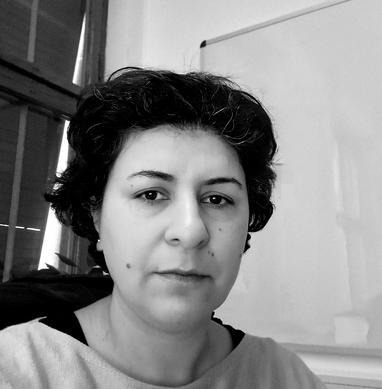
Professor François Béguin serves as a full Professor at the Institute of Chemistry and Technical Electrochemistry within the Faculty of Chemical Technology at Poznań University of Technology. His distinguished career spans fundamental electrochemistry to commercial energy storage applications, with consistent leadership in capacitor and hybrid energy storage research since at least 2013 when he co-edited the seminal Wiley monograph Supercapacitors: Materials, Systems, and Applications . His research program centers on three interconnected pillars: Advanced Electrode Engineering : Development of carbon/MXene architectures and pre-metalation techniques for sodium/lithium-ion capacitors Novel Electrolyte Systems : Binary ionogels for low-temperature operation and ionic liquid formulations for extreme environments Operando Characterization : Electrochemical dilatometry and real-time analysis of charge storage mechanisms Recent publication trends (2023-2024) reveal accelerating innovation in sustainable energy storage, with 5 high-impact papers in 2024 alone addressing critical barriers in sodium-ion capacitors, flexible Li-CO 2 batteries, and solid-state electrolytes. This output demonstrates exceptional translational impact through 10 patent filings and active industry collaborations. Professor Béguin maintains robust doctoral supervision with 8 completed dissertations including recent works on sodium-ion capacitors (2021) and low-temperature EDLCs (2021). His research group operates through multiple funded projects evidenced by technical reports from 2018-2020 on lithium-ion capacitor optimization. International engagement is demonstrated through co-authorship with researchers across Europe and Asia, and participation in major conferences including the International Society of Electrochemistry meetings. Prospective collaborators and students should note his direct accessibility through university email channels and strong preference for experimentally rigorous approaches to energy storage challenges. The group's focus on practical device realization offers clear pathways from laboratory innovation to commercial implementation.