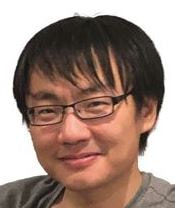
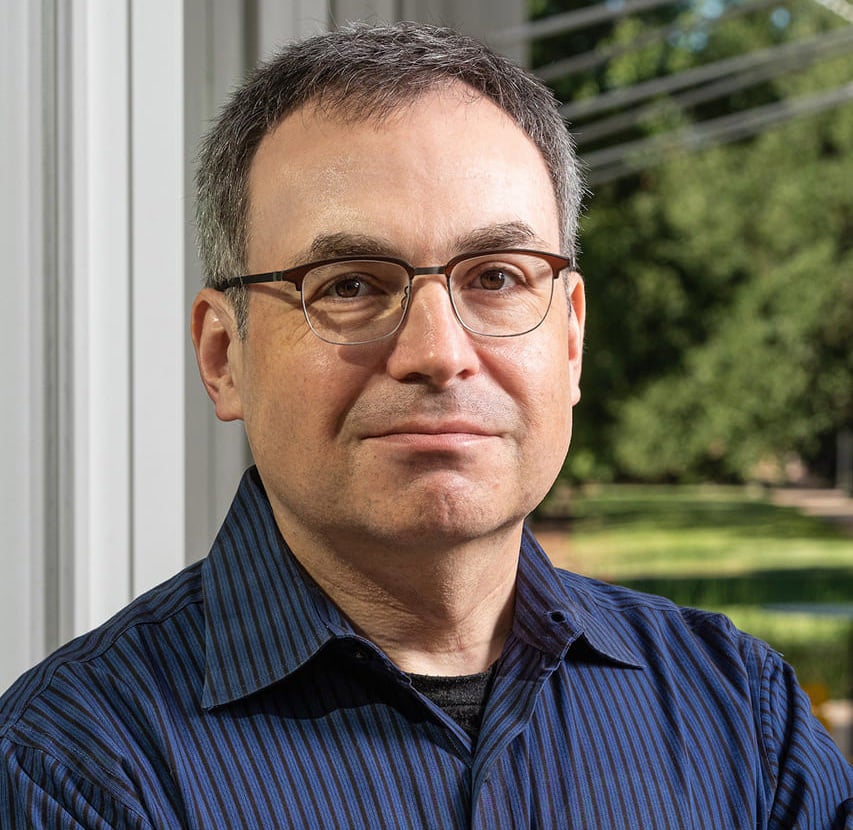
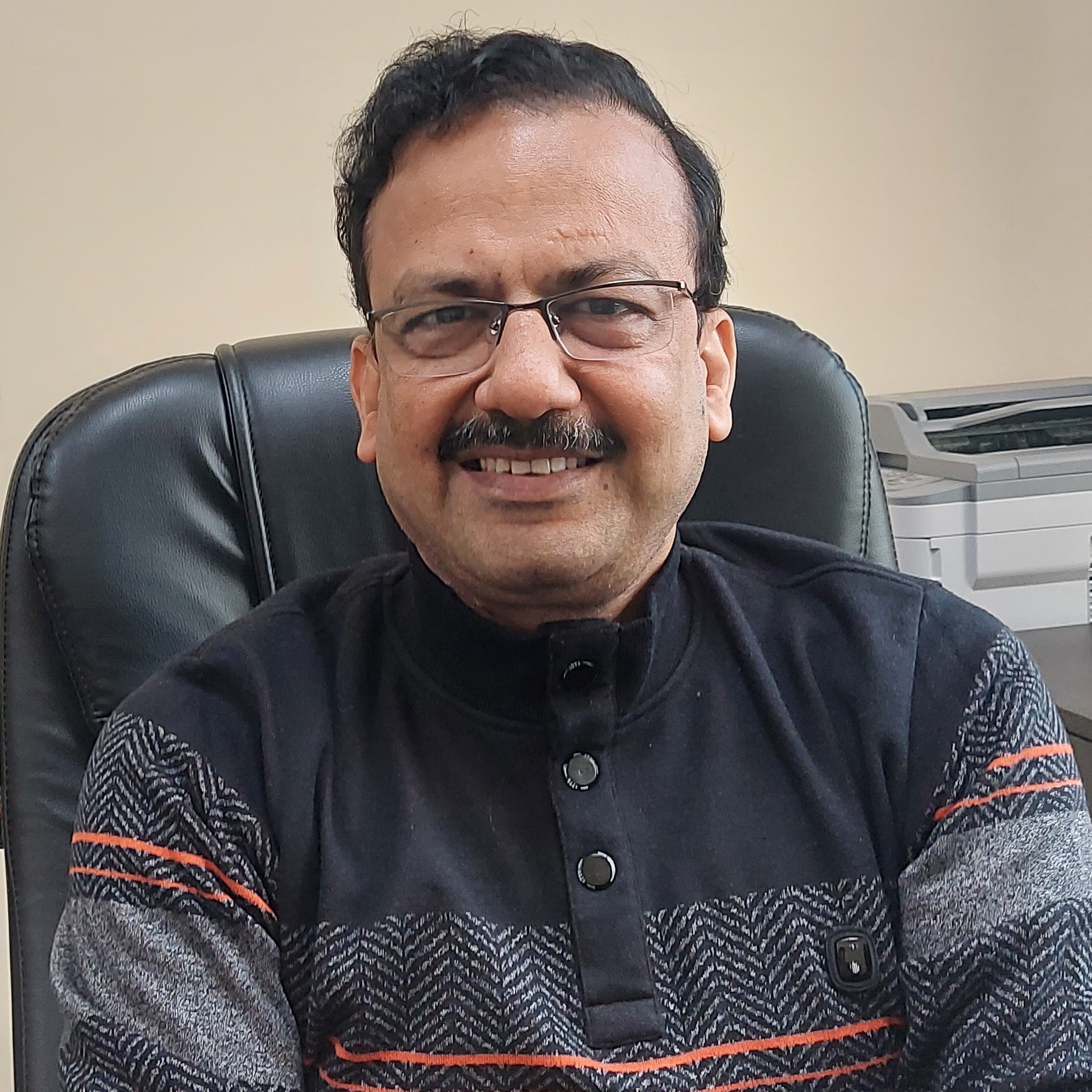
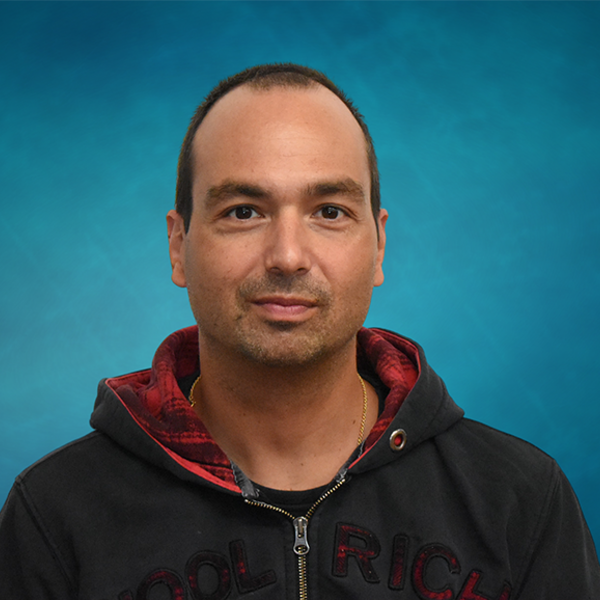
Xiaojun Ruan is an Associate Professor in the Department of Computer Science at California State University, East Bay. He holds a Ph.D. in Computer Science from Auburn University (2011) and a B.E. in Computer Science and Technology from Shandong University (2005). His primary research focuses on energy-efficient systems, cloud computing optimization, storage systems, and security-aware resource management. He has extensive experience in thermal modeling, parallel I/O performance, and distributed deep learning frameworks. Dr. Ruan’s work emphasizes balancing energy efficiency, reliability, and performance in storage and cloud environments. Notable projects include DuoFS (hybrid storage system), energy-aware VM allocation strategies, and securing cloud infrastructure against co-residence attacks. His research bridges hardware-software co-design principles with practical system optimizations. His publications span topics from NVMe SSD performance optimization to text augmentation for spam detection, reflecting a blend of storage systems and machine learning applications. He has actively contributed to improving Shuffle I/O in big data processing, thermal management in clusters, and secure virtualization techniques. Dr. Ruan collaborates on interdisciplinary projects involving distributed computing, cybersecurity, and real-time systems. His lab focuses on deploying energy-efficient solutions while maintaining robust reliability, evidenced by over 50 peer-reviewed articles and ongoing contributions to academic conferences.
Aleksandar Jevremović is a Full Professor at the Faculty of Informatics and Computing, Singidunum University (Belgrade, Serbia), and holds multiple academic and professional roles. He is the Serbian representative at the UNESCO IFIP Technical Committee on Human-Computer Interaction since 2018. He has served as Vice-Dean of his faculty (2015–2018) and held visiting professorships at institutions like Ss. Cyril and Methodius University (North Macedonia) and Tallinn University (Estonia). His research focuses on cybersecurity, IoT, AI, and e-learning innovation. Education and Affiliations: External Researcher at the Mathematical Institute of the Serbian Academy of Sciences and Arts Visiting Scholar at Cyprus Interaction Lab (Cyprus University of Technology) Alumni/Postdoc Researcher at Tallinn University's HCI Group Member of IEEE and the Informatics Association of Serbia Research Interests: Jevremović’s work spans cybersecurity (e.g., intrusion detection, secure IoT protocols), human-computer interaction (HCI), AI-driven education tools, and neurotechnological applications like EEG-based assessment systems. He emphasizes practical solutions for digital safety, such as children’s online protection and cryptographic key generation from biometric data. Grants and Projects: Member of the External Advisory Committee for the EU-funded ONTOCHAIN project (2022–2023) Mentor for training schools like AAPELE Training School and NET4Age-Friendly initiatives Trainer in IoT, cybersecurity, and health promotion programs across Europe Labs and Teams: He collaborates with interdisciplinary teams on projects like CASPER (Children Agents for Secure and Privacy Enhanced Reaction) and led the development of WIDE, a collaborative web development education platform.
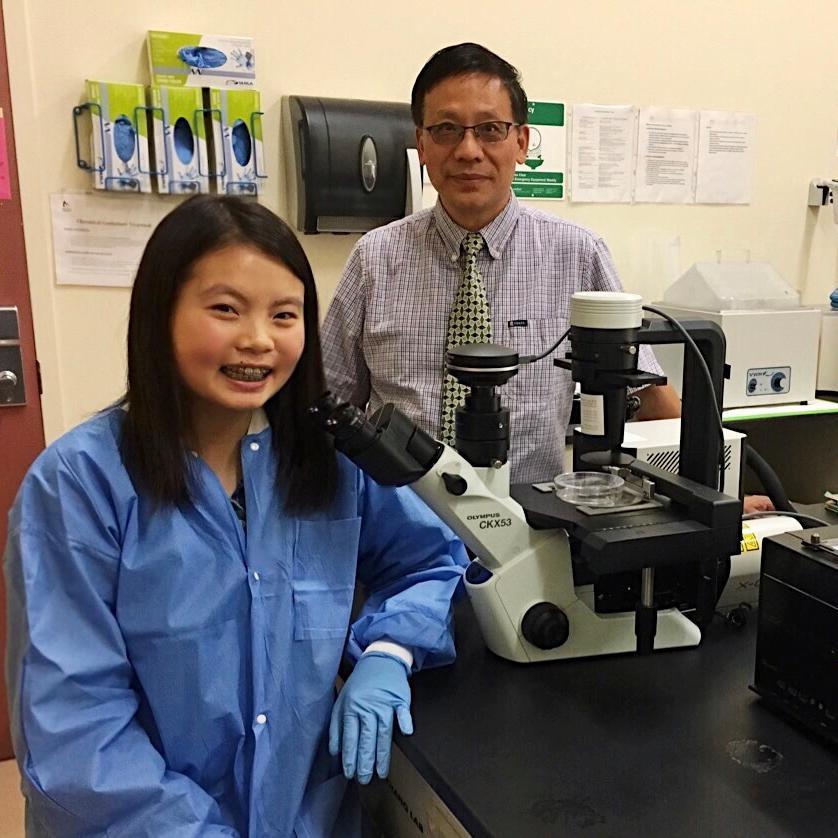
Bill Lu is an Assistant Professor at Santa Clara University's School of Engineering, Department of Bioengineering. With dual expertise in medicine (MD from Shanghai Medical University) and Biochemistry and Human Genetics (PhD from University of Manitoba), he focuses on developing genetic tools for treating complex diseases. MD: Shanghai Medical University, Clinical Medicine PhD: University of Manitoba, Biochemistry and Medical Genetics BS: University of Manitoba, Computer Sciences His research spans Nanomedicine (genetic disease, Alzheimer's, cancer), Targeted Drug Delivery (exosome-based systems), Gene Therapy (viral/non-viral delivery), and Molecular Imaging (fluorescence/bioluminescence probes). Recent publications highlight trends in exosome engineering, genome editing, and therapeutic vesicle design. 2023 Teaching Excellence Award 2021 Research Excellence Award 2013 Technology Innovation Award 2004 Distinguished PhD Dissertation Award He has filed 4 patents, served on editorial boards, and advised students through courses like Molecular and Cell Biology and Genome Engineering. His work bridges academic research and industry applications in biotechnology.
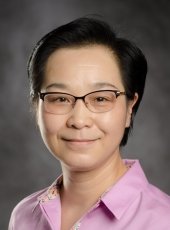
Bo Chen is a Professor in the Department of Mechanical Engineering – Engineering Mechanics and the Department of Electrical & Computer Engineering at Michigan Technological University. She directs the Intelligent Mechatronics and Embedded Systems (IMES) Laboratory, focusing on advanced controls, optimization, and artificial intelligence for connected and autonomous vehicles, electric vehicle–smart grid integration, and smart mobility. PhD in Mechanical and Aeronautical Engineering from the University of California, Davis (2005) Visiting Professor at Argonne National Laboratory (2014–2015, 2016) Sabbatical at Oak Ridge National Laboratory (2022–2023) Dr. Chen's research spans Mechatronics , Embedded Systems , Hybrid Electric Vehicles , and Cyber-Physical Systems . Her work includes vehicle-to-grid integration , battery control systems , and cybersecurity for automotive systems . Recent publications highlight advancements in predictive control algorithms for hybrid vehicles, consensus-based frequency regulation , and plausibly deniable encryption systems for mobile devices. Funded by the National Science Foundation, Department of Energy, and industry partners, her research has secured over $10 million in grants. ASME Fellow Best Paper Award (2008 IEEE/ASME MESA Conference) Top Cited Article Award (Journal of Computers & Graphics) Best Survey Paper Award (IEEE Transactions on ITS) Co-recipient of four Best Student Paper Awards Dr. Chen has held leadership roles as Chair of the Technical Committee on Mechatronics and Embedded Systems (IEEE ITS Society), Chair of the ASME Design Engineering Division's Technical Committee, and Associate Editor for IEEE Transactions on Intelligent Transportation Systems (2012–2019). She organized multiple international conferences and co-edited special issues on intelligent transportation systems.
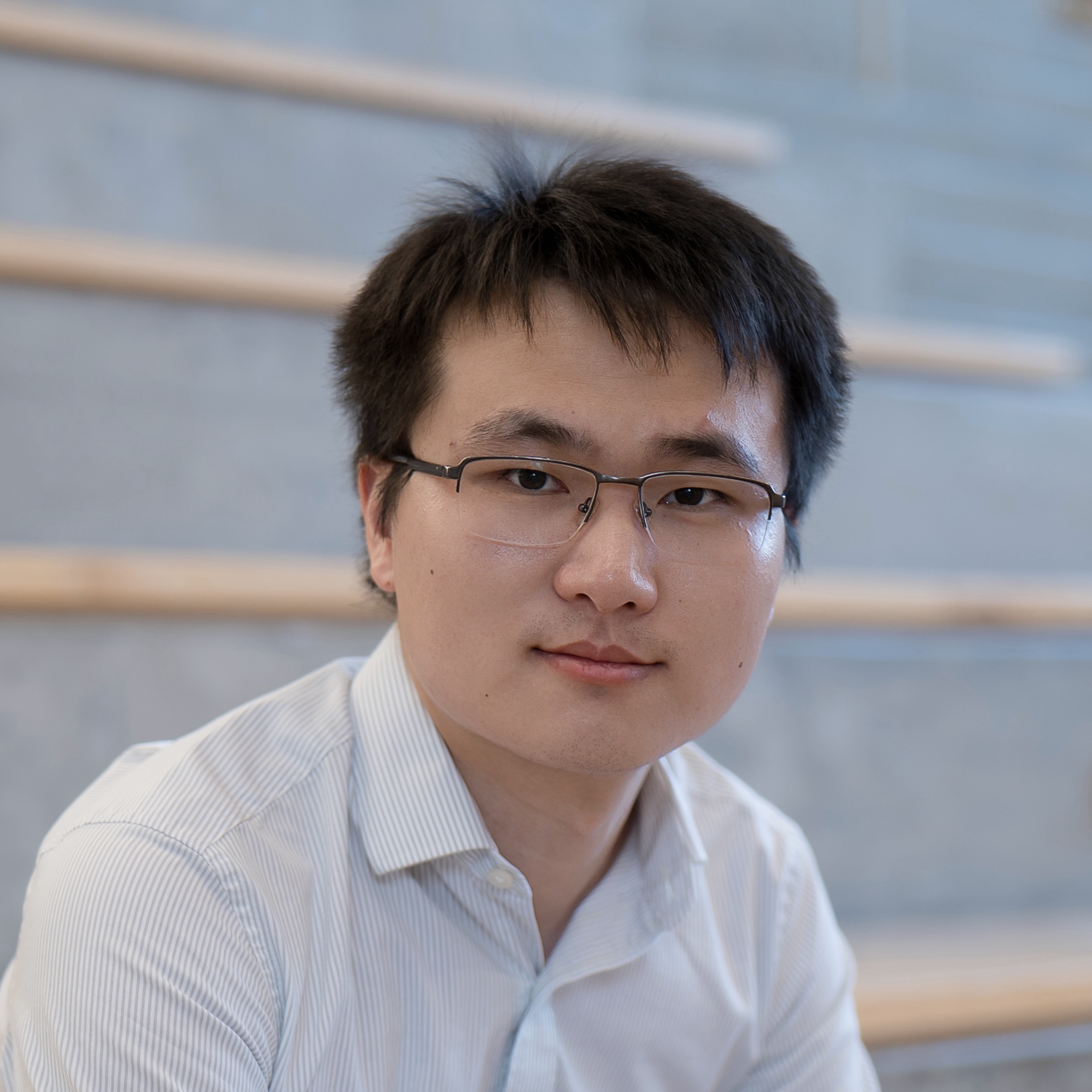
Dr. Xiao Li is an Assistant Professor in the Department of Computer Science and Engineering at Santa Clara University, School of Engineering. His research focuses on blockchain technology applications in distributed systems (Edge Computing, IoT, Federated Learning), machine learning, and privacy-preserving frameworks. He has a Ph.D. in Computer Science from The University of Texas at Dallas (2024) and was awarded the Jan P. Van der Ziel Engineering Fellowship there. Education: Ph.D. in Computer Science, The University of Texas at Dallas, 2024 Research interests include: Blockchain architecture optimization in resource-constrained environments Machine learning model development for cryptocurrency analysis Cybersecurity disclosure sentiment analysis using unsupervised techniques Low-resource data challenges in psychiatric clinics Professional activities: Program Committee Member, IEEE International Workshop on Blockchain and Smart Contracts (IEEE BSC 2024) Recruitment of PhD/Master’s students specializing in blockchain, distributed machine learning, and edge computing Office Location: Bergin 206 Office Hours: Mon/Wed 4pm-5pm (Winter 2025)
James Tuck is a Professor and Senior Associate Department Head for Undergraduate Affairs in the Department of Electrical and Computer Engineering at NC State University. He holds a BE from Vanderbilt University, and MS and PhD from the University of Illinois at Urbana-Champaign. His research focuses on computer architecture, compiler design, and DNA-based data storage, with notable contributions to chip multiprocessors and speculative execution. He has been recognized with two IEEE Micro Top Picks Paper Awards and the William F. Lane Outstanding Teaching Award. Education: Ph.D. in Computer Science, University of Illinois at Urbana-Champaign (2007) MS in Electrical and Computer Engineering, University of Illinois at Urbana-Champaign (2003) BE in Computer Engineering, Vanderbilt University (1999) Research Interests: Computer Architecture and Systems Compiler Design for Multiprocessors Hardware Support for Speculative Execution Advances in DNA Data Storage Non-Volatile Memory Systems Recent work emphasizes DNA storage scalability and security, including frameworks like FrameD and innovations in nanopore decoding. His articles span hardware optimization, persistent memory security, and biochemical storage solutions. Awards highlight both technical and pedagogical excellence. Advising and Grants: Leadership in Undergraduate Engineering Affairs NSF grants for DNA storage and memory systems Labs/Teams: Member of Undergraduate Affairs Team in NC State ECE Collaborations with Chemical and Biomolecular Engineering
Dan S. Wallach is a Professor of Computer Science and Electrical and Computer Engineering at Rice University, and a Program Manager at DARPA's Information Innovation Office since June 2023. He holds a PhD (1999) and MA (1995) from Princeton University, and a BS (1993) from UC Berkeley. His research focuses on cybersecurity, electronic voting systems, and mobile security. He directed the NSF-funded ACCURATE Center (2005-2011), led the STAR-Vote project, and advised U.S. election security policies including testifying before state and federal committees. He also served on the Air Force Science Advisory Board (2011-2015), USENIX Board (2011-2013), and IEEE Technical Guidelines Committee (2019-2023). Recent work includes developing ElectionGuard cryptographic tools for verifiable elections and analyzing cyber warfare in Ukraine. His 15+ years of teaching include courses like Introduction to Program Design and Election Systems Technologies. Publications span secure voting protocols, smartphone security, and election auditing. Collaborations include Microsoft and VotingWorks on cryptographic voting systems like ElectionGuard and Arlo-CVR-Encryption.
Dr. Rajeev Jindal is a Professor of Practice in the Department of Sustainable Energy Engineering at IIT Kanpur. With over 20 years of experience in the technology industry, he has held leadership roles at C&S Electric Ltd., NTL Electronics, and Moser Baer India Ltd. He earned his PhD in Physics from IIT Delhi and completed post-doctoral research at Université de Nice (France) and Michigan State University. PhD in Physics, IIT Delhi (1998) MSc in Physics (Gold Medalist), IIT Roorkee (1993) BSc (Gold Medalist), Rohilkhand University (1991) His research spans renewable energy systems , flexible electronics , and optical engineering . Recent work focuses on solar power economics, carbon footprint accounting in institutions, and electric vehicle charging infrastructure. Prior publications include sol-gel fiber sensors, organic solar cells, and photonic devices. Recent publications (2023-2025) emphasize solar energy deployment , policy analysis , and sustainable mobility , while earlier works (2002-2015) highlight optical sensor development , sol-gel processing , and photonic device modeling . Scientific Honors: Gold Medalist, IIT Roorkee (MSc Physics) Gold Medalist, Rohilkhand University (BSc) Dr. Jindal led the establishment of IIT Kanpur's Flexible Electronics Center (2014), secured >$20M in government funding, and managed R&D teams that filed 20 patents across solar, LED lighting, and optical fiber technologies.
Willy Zwaenepoel is a Professor and Dean of the Faculty of Engineering at the University of Sydney. He holds a B.S. from the University of Gent and M.S./Ph.D. from Stanford University. Previously, he served as Dean of the School of Computer and Communication Sciences at EPFL and was a faculty member at Rice University. His expertise spans operating systems, distributed systems, and high-performance computing. Education: B.S., University of Ghent, Belgium (1979) M.S., Stanford University (1980) Ph.D., Stanford University (1984) Research Interests: Dr. Zwaenepoel focuses on distributed systems, operating systems, and their applications in database replication, virtual machine performance, and software update mechanisms. His work includes foundational contributions to distributed shared memory (e.g., Treadmarks) and startups like iMimic Networking. Awards: ACM Fellow (2000) IEEE Fellow (1998) Fellow of the Australian Academy of Technical Sciences and Engineering (2020) Recipient of the IEEE Tsutomu Kanai Award (2007) Key Contributions: His research addresses challenges in distributed systems performance, such as latency reduction in key-value stores and efficient graph processing. Current projects explore I/O optimization in virtualized environments and causal consistency for geo-replicated systems. Students/Advising: Advises Ph.D. students and postdocs, including William in database replication. His mentorship led to the Rice University Teaching Award (2000).
Giorgio Scorzelli is a researcher at the University of Utah, serving as Director of Software Development for the Center for Extreme Data Management, Analysis, and Visualization (CEDMAV) and the National Science Data Fabric (NSDF) . He specializes in extreme data management, scientific visualization, and computational topology, with a focus on scalable solutions for climate science, materials science, and neuroscience datasets. His work emphasizes democratizing data access through platforms like OpenVisus , enabling efficient analysis of petascale and exascale data. Key contributions include orchestrating cyberinfrastructure, optimizing parallel I/O, and developing real-time visualization systems for heterogeneous resources. Notable scientific contributions include the NSF Grant #2127548 for NSDF development . His projects integrate cloud computing, geo-distributed storage, and FAIR digital objects to lower barriers to data democratization. Giorgio's research spans multi-resolution algorithms , computational topology , and 3D geometric modeling , with applications in infrastructure security, archaeological reconstruction, and biomedical imaging. His work bridges abstract mathematical frameworks (e.g., Boolean algebras, chain complexes) with practical software solutions.
Nicholas Wright serves as the NERSC Chief Architect and Advanced Technologies Group Lead at Lawrence Berkeley National Laboratory's National Energy Research Scientific Computing Center (NERSC) since 2009. He holds a PhD in Chemistry from the University of Durham, United Kingdom. Role: Focuses on evaluating emerging technologies for scientific computing Key Contributions: Chief architect for NERSC-10 procurement (2026), optimized Perlmutter machine architecture His research explores performance analysis of HPC applications and architectural evaluation for future technologies. Recent publications address: GPU frequency optimization using DNN-based models FPGA acceleration for HPC workloads Quantum computing cost scaling Disaggregated memory system evaluation Scientific workflow characterization Scientific awards include: Co-investigator on SDCI HPC Improvement grant (2007-2012) His work bridges computer architecture and energy-efficient computing through rigorous performance modeling and technology evaluation for NERSC's diverse scientific users.
Ehat Ercanli is an Associate Teaching Professor at Syracuse University, serving as the Associate Chair of Education and Operations. He holds a Ph.D. in Computer Engineering from Case Western Reserve University. His research focuses on optimizing embedded systems, computer architecture, system verification, and VLSI design automation. He has contributed to advancements in memory management, compiler optimization, and energy-efficient computing. Key research interests include embedded system design, task recomputation techniques for memory utilization, and database systems optimization. His work emphasizes practical applications in multi-core systems, low-power electronics, and compiler-driven performance improvements. His publications highlight trends in system-on-chip (SoC) optimization, shared private memory management, and energy consumption reduction strategies. Notably, his 2007 paper was ranked #3 in the ACM Digital Library’s Most Popular Papers. Dr. Ercanli’s contributions also extend to automated code generation for database applications and custom processor synthesis for image processing.
Mike Feeley is an Associate Professor in the Department of Computer Science at the University of British Columbia (UBC), located in Vancouver, Canada. He is a member of the Distributed Systems Group and has held this academic position since at least 2014. His work is centered on operating systems and distributed systems, with a focus on scalable and reliable file systems, cloud storage, mobile computing, and system software for clusters. He has been actively involved in teaching courses such as CPSC_V 416 (Distributed Systems) and CPSC_V 213/313 (Computer Systems and Hardware) across multiple terms from 2014 to 2025. Feeley has received several teaching awards, including the 2014 UBC Computer Science Undergraduate Team Award and multiple CS Department Teaching Awards. His research projects include Elephant (a file system), NetVM (user-mode RDMA), and GMS (global memory for PC clusters), along with work on peer-to-peer file systems and mobile ad hoc networks. He is affiliated with UBC’s Department of Computer Science, located in the ICICS/CS Building. His office is in room 393 (CISR 393), and he maintains a personal webpage and Google Scholar profile. Beyond academia, he shares his family life, including two children and residential addresses in Vancouver.
David Huitink is an Associate Professor and Twenty-First Century Professor in the Department of Mechanical Engineering at the University of Arkansas College of Engineering. His research spans the intersection of materials and thermal sciences, with a focus on leveraging fundamental thermophysical material behaviors for engineered applications. He directs the EMPIRE Laboratory (Engineered Multi-Physical Interactions & Reliability Evaluation), which focuses on reliability engineering for next-generation electronic packaging solutions. Dr. Huitink received his educational foundation at Texas A&M University, earning a Bachelor of Science (2006), Master of Science (2007), and Doctor of Philosophy (2011), all in Mechanical Engineering. As an NSF Graduate Research Fellow during his doctoral studies, he specialized in complex nano-scale interactions at material interfaces under chemical and mechanical influence. His research interests encompass materials science, thermal sciences, and reliability engineering, with particular focus on thermophysical material behaviors, energy sciences, and thermally active functional materials. The Huitink lab works closely with Electrical Engineering collaborators to develop next-generation high-density power electronics for electrified transportation and power conversion systems. Recent efforts include additive manufacturing for hot-spot thermal management, transient temperature abatement, and interconnect fabrication technology development for enhanced electronic packaging lifetimes through thermal cycling events. Analyzing his recent publication record reveals a clear trend toward advanced thermal management solutions for power electronics, with increasing focus on phase change materials, nanowire-enhanced interconnects, and reliability modeling under combined stress conditions. His work bridges fundamental materials science with practical engineering applications in high-power systems, particularly for electric vehicle technologies and aerospace applications. NSF Graduate Research Fellow (2007-2011) Texas A&M Graduate Diversity Fellow (2008-2011) Texas A&M Graduate Merit Fellow (2006-2007) National Merit Scholar (2002-2006) BSA Eagle Scout (2001) Dr. Huitink brings significant industry experience to his academic role, having spent over five years at Intel Corporation as Quality & Reliability Engineering Program Manager for Intel's Custom Foundry Division. There he pioneered advanced reliability prediction methods for silicon-based flip chip microelectronic packages and developed testing protocols and FEA methods for Design for Reliability guidance. He currently serves as Associate Editor of Microelectronics Reliability Journal and has patent applications filed in Low Z-height Electronic System design and thermal optimization of space-limited electronic systems. The EMPIRE Laboratory maintains strong connections with Arkansas's multi-disciplinary power electronics program, which includes 14 faculty members across 4 departments, approximately 100 graduate students, and nearly $10 million in annual research expenditures. The lab collaborates with several centers of excellence including GRAPES, POETS, and SEEDS, utilizing state-of-the-art facilities such as NANO, HiDEC, and NCREPT.
Christopher M. Moretti is a Senior Lecturer in the Department of Computer Science at Princeton University's School of Engineering and Applied Science. He has taught foundational courses including COS126 (Introduction to Computer Science), COS217 (Systems Programming), COS326 (Functional Programming), and COS333 (Software Engineering) since joining Princeton in 2010. He serves as academic advisor for computer science majors (classes of 2017, 2021, 2024) and freshman engineering students (classes of 2016, 2017), and holds the role of department placement officer. His educational background includes: Ph.D. in Computer Science and Engineering, University of Notre Dame (2010) M.S. in Computer Science and Engineering, University of Notre Dame (2007) B.S. in Computer Science, College of William and Mary (2004) Dr. Moretti's research centers on Computer Science Education and Distributed Computing and Storage . In education, he develops advanced K-12 professional development content and innovative teaching methodologies. His distributed systems work focuses on scalable frameworks for campus grids, cloud computing, and storage solutions like the Chirp filesystem. He directs undergraduate independent work projects across distributed computing, sports analytics, and software engineering. His publication history reveals consistent contributions to practical distributed systems infrastructure, with recent emphasis on educational applications and bioinformatics scalability. Key themes include abstraction layers for heterogeneous computing environments and pedagogical approaches for complex CS concepts. He has received significant recognition for teaching excellence: SEAS Excellence in Teaching Award (2024) SEAS Excellence in Teaching Award (2023) Dr. Moretti actively mentors undergraduate researchers through independent work projects, though specific student names are not documented. His grant activities likely support distributed systems research and educational initiatives, though explicit funding details are absent from the source material. He maintains strong connections to the Cooperative Computing Lab from his Notre Dame doctoral work under Professor Doug Thain. Outside academia, he participates in Princeton sports culture (particularly hockey), enjoys tennis and trivia competitions, and travels with a focus on zoological institutions. A Notre Dame athletics enthusiast, he previously contributed to sports statistics and media relations during graduate studies.