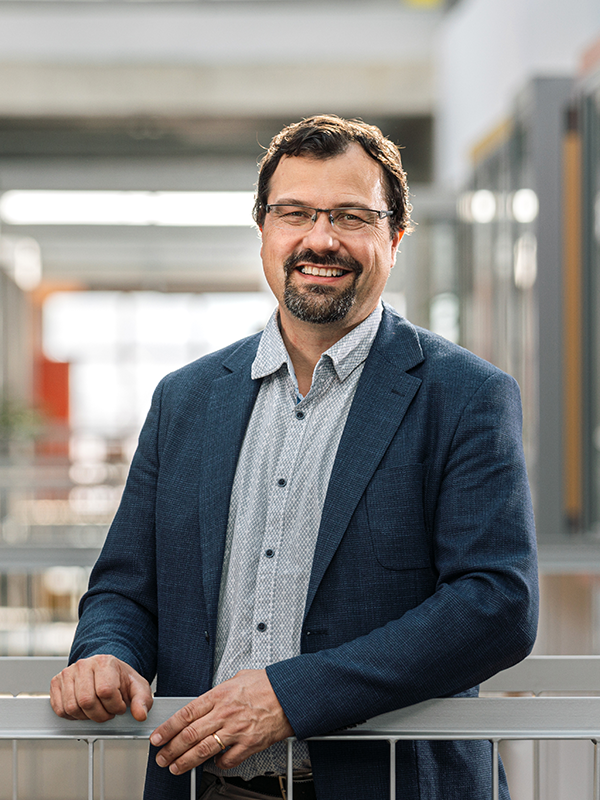
Adam Cain is a Lecturer at School of Digital Arts (SODA) , Manchester Metropolitan University , specializing in Interdisciplinary Digital Arts and Games Art . With 17+ years of experience in arts education across KS2 to postgraduate levels, he has held significant roles including Programme Leader for Games Art at Nottingham Trent University and currently leads modules on Concept Art, Games for Good, and transdisciplinary collaboration. Current resident artist at Centre for Art, Science and Sustainability Collaborator in Independents Biennial 2025 and Archipelago Arts projects His practice-based research explores intergenerational memory , synthetic media , and generative processes to create experimental audio-visual works. Recent projects like Time Pops Like Chewing Gum and PATIENCE XI examine themes of singularity, transhumanism, and the intersection of nature, technology, and human identity. Scientific Awards & Recognition : Nominated for Aesthetica Art Prize 2025 Shortlisted for multiple teaching awards Adam's work integrates generative AI into transdisciplinary teaching through initiatives like the Future Spaces pilot program, fostering student agency while critically examining ethical implications of emerging technologies.
Ronan Farrell is a Professor in the Department of Electronic Engineering at Maynooth University’s Faculty of Science & Engineering and currently serves as Vice President Academic and Registrar. He earned a BE and PhD from University College Dublin (1993, 1998) and previously worked at ICI/Zeneca Chemicals (1993–1995) and Parthus Technologies (1998–2001) as a mixed-signal ASIC designer. His academic career at Maynooth spans from Lecturer to Professor (2016), with leadership roles as Head of Department (2012–2019) and Director of the Callan Institute (2008–2015). He leads SFI research initiatives in radio frequency electronics and sensor networks. Education: BE (1993), PhD (1998) – University College Dublin Leadership: Head of Electronic Engineering (2012–2019), Director of Callan Institute (2008–2015) Research Focus: Wireless system design, RF/mixed-signal electronics, technology transfer, and innovation. His work bridges theoretical advancements (e.g., MIMO capacity optimization) with practical applications (e.g., 5G transmitters, digital predistortion techniques). Publication Trends: Recent articles emphasize 5G wireless systems, power amplifier linearization, OFDM signal processing, and behavioral modeling. Collaborations span institutions in Ireland, Europe, and Asia, with a focus on hardware implementation and system optimization. Students & Collaborations: Mentions co-authors in publications but no explicit student list provided. Collaborates with researchers in Ireland, Germany, and China.
Borut Batagelj is Assistant Professor at the University of Ljubljana, Faculty of Computer and Information Science, and an active member of the Image-Based Biometry Group in the Computer Vision Laboratory. His expertise lies in pattern recognition, computer vision, and machine learning, with a strong focus on biometric forensics, face recognition, and deepfake detection. Education: Ph.D. in Computer Science, University of Ljubljana, Faculty of Computer and Information Science, 2007 M.Sc. thesis: Iskanje obrazov na osnovi barv s pomočjo statističnih metod razpoznavanja vzorcev , 2004 Research Interests revolve around forensic methods for detecting deepfakes and face-morphing attacks, biometrics from surveillance imagery, and interactive computer-vision systems for education and art. He employs anomaly-detection techniques, deep generative models, and real-time image analysis to advance these fields. His publication trend over the past decade shows a steady output spanning from theoretical pattern-recognition studies to practical forensic applications and multimedia art preservation. Notable themes include biometric security, educational technology, and augmented-reality visualization. Research Grants & Projects : Principal investigator: ARRS project J2-50065 “DeepFake DAD” (Deepfake Detection via Anomaly Detection), 2023–2026 Co-investigator: ARRS research programme P2-0214 “Computer Vision”, 2019–2024 Co-investigator: ARRS project J2-1734 “FaceGEN” (Face De-identification with Deep Generative Models), 2019–2022 Co-investigator: ARRS project J7-3158 “Sustainable digital preservation of the Slovenian new-media art”, 2021–2024 Earlier: ARRS projects on superquadric segmentation, interactive installations, and educational games. Laboratory & Team : He collaborates closely within the Computer Vision Laboratory , particularly the Image-Based Biometry Group, fostering interdisciplinary work between security applications and interactive media.
Professor Mara Cercignani is Professor and Head of MRI within the School of Psychology at Cardiff University . Internationally recognised for developing and applying quantitative MRI techniques, she leads a multidisciplinary programme that links non-invasive microstructural imaging to brain function and pathology, with particular emphasis on Multiple Sclerosis, dementia and depression. Education & Career: Current appointment: Professor and Head of MRI, School of Psychology, Cardiff University. Previous roles and institutional affiliations have included collaborative posts across Europe and the UK, though full biographical dates are not given in the provided text. Research Interests: Prof Cercignani’s work exploits quantitative MRI —diffusion imaging, magnetisation-transfer imaging, and multi-parametric relaxometry—to map tissue microstructure in vivo. She integrates these data with EEG/MEG, TMS and behavioural paradigms to relate anatomy to function. A major strand investigates myelin density and axonal conduction velocity as determinants of cognitive and motor performance in health and disease. She has pioneered the use of VERDICT-MRI and diffusion-weighted MR spectroscopy to probe cellular and vascular micro-environment, and applies these tools to understand neuroinflammation, fatigue, and neurodegeneration. Publication landscape: Over the past five years her output (> 60 papers) has concentrated on three overlapping themes: (i) neuroimmune interactions —how peripheral inflammation and cytokine challenges remodel reward and punishment circuits; (ii) neurodegeneration and glymphatic dysfunction —early microstructural changes in Alzheimer’s disease, MS and ALS detected by diffusion and sodium MRI; and (iii) network-level plasticity —how cognitive reserve, sleep and memory reactivation alter structural connectivity. Scientific Awards & Recognition: Continuous major-project funding from UKRI (MRC, EPSRC), EU-FP7/H2020, Wellcome Trust and industry partners. Invited keynote speaker at International Society for Magnetic Resonance in Medicine (ISMRM) and Organisation for Human Brain Mapping (OHBM). Serves on editorial boards of NeuroImage , Human Brain Mapping and Multiple Sclerosis Journal . Supervision & Team Leadership: Prof Cercignani heads the Cardiff Neuroimaging Group , currently supervising 8 PhD students and 4 post-doctoral researchers working on projects spanning MR physics, computational modelling, and translational neurology. Recent major grants include a Wellcome Trust collaborative award on “Neuroimmune Imaging in Depression” and an MRC programme grant on “Quantitative Imaging of Myelin in MS”. Laboratory & Core Facilities: She directs the Cardiff University Brain Research Imaging Centre (CUBRIC) 3 T MRI Physics programme , managing state-of-the-art Siemens Prisma and Connectom systems, and co-leads the low-field 64 mT UNITY consortium aimed at deploying portable neuroimaging in low- and middle-income settings.
Steven Wilton is a Professor in the Department of Electrical & Computer Engineering at the University of British Columbia , where he also serves as Department Head (2019–2023, reappointed in 2024). He holds a BASc from the University of Victoria , and MASc and PhD from the University of Toronto . Education BASc (Victoria) MASc (Toronto) PhD (Toronto) His research focuses on Field-Programmable Gate Arrays (FPGAs) and Computer-Aided Design (CAD) algorithms . He explores FPGA architectures, post-silicon debugging, and programmable logic for System-on-a-Chip (SoC) design , aiming to enhance FPGA efficiency and accessibility for small/medium electronics companies. As part of the UBC SoC Research Group and ICICS , he contributes to advanced computing systems. He is also a Professional Engineer (BC) and IEEE Fellow , recognized for his work in electrical and computer engineering. Scientific Awards IEEE Fellow Dr. Wilton supervises graduate students like Andrew David Gunter (PhD in Electrical and Computer Engineering) and teaches courses including ELEC 402 , CPEN 311 , and CPEN 513 . His affiliations include the Institute for Computing, Information and Cognitive Systems (ICICS) and the Quantum Computing Research Cluster .
Christopher V. Gabel is an Associate Professor at Boston University, specializing in Neural Regeneration and Anesthesia. He conducts in vivo research at the intersection of engineering, biophysics, and neuroscience using C. elegans as a model organism. His work focuses on neuronal damage response, calcium signaling, and biophotonic technology development. Education : B.A. from Princeton University, Ph.D. from Harvard University Research Interests : Dr. Gabel investigates how neuronal activity and calcium signaling influence regeneration after cellular damage. His lab leverages C. elegans for its mapped nervous system and genetic tractability, developing novel biophotonic tools like femtosecond laser microsurgery and advanced calcium imaging techniques. Key themes include: Regenerative neurobiology and axon repair mechanisms Anesthetic effects on neural network dynamics Development of open-source toolboxes for neural data analysis Age-related changes in neuronal excitatory/inhibitory balance High-speed volumetric imaging technologies Scientific Contributions : His articles demonstrate expertise in combining C. elegans genetics with cutting-edge imaging modalities to study fundamental questions about neuronal repair, anesthetic mechanisms, and network-level information processing. The lab's work bridges basic research with translational applications in neuroregeneration and anesthesiology. Technical Expertise : The lab develops and applies advanced imaging systems including: Mesoscopic oblique plane microscopy Programmable LED array reflectance microscopy Event camera-integrated Fourier light field microscopy Femtosecond laser microsurgery platforms CaNetiCs dimensionality reduction toolbox
Dr. Gary Atkinson is an Associate Professor in the Department of Engineering, Design and Mathematics at the University of the West of England (UWE). As a member of the Bristol Robotics Laboratory's Machine Vision group, his research focuses on polarization imaging, photometric stereo, and composite materials analysis. He has extensive experience in industrial inspection, security imaging, and 3D reconstruction techniques. Education: MSci in Physics, University of Nottingham (2003) PhD in Computer Science, University of York (2007) Postgraduate Certificate in Teaching and Learning in Higher Education, UWE His research explores polarization properties for surface reconstruction, with applications in composite material inspection, medical imaging, and underwater vision. Recent projects include deep learning-based defect detection in carbon fibre and polarization-driven surface normal estimation for seafloor imaging. Scientific Contributions: Fellow of the Higher Education Academy Principal Investigator for £189k DETI project (2020-2022) Co-investigator on multiple EPSRC/InnovateUK grants Delivered computer vision programs in China (University of Qiqihar) Co-convener of Biometrics Technology Conference (2010) As Programme Leader for BEng Robotics since 2023, he teaches computer vision, component inspection, and engineering mechanics. His work bridges academic research with industrial applications through partnerships like the National Composites Centre.
Jemma Bezant is a Senior Lecturer and landscape archaeologist at Aberystwyth University's Department of Lifelong Learning, with over 20 years of experience in academia, third-sector organizations, and commercial archaeology across the UK and Europe. She holds a PhD in landscape reconstruction (University of Wales, 2007) and is a Fellow of the Higher Education Academy, Chartered Institute for Archaeologists, and Royal Society of Arts. Education: AHRC-funded PhD in landscape reconstruction (2007, University of Wales) Her research focuses on the intersection of modern land-use, heritage, and landscape management, particularly in post-Brexit Wales. She has led the Strata Florida Abbey Research Project since 2004 and contributed to the NERC/UKRI Landscape Decisions Programme, including a DEFRA Zero Carbon policy paper. Her work spans Cistercian landscapes, building conservation, and GIS applications in archaeology. Recent publications highlight her expertise in monastic landscapes , 3D modeling for ship timber analysis , and policy development for sustainable land management . She has supervised doctoral research on topics including late Saxon castles, 18th-century tourism, and Iberian estate management. Scientific Awards: Member of the Chartered Institute for Archaeologists (MCIfA) Fellow of the Higher Education Academy (FHEA) Fellow of the Royal Society of Arts (FRSA) Bezant has collaborated internationally with institutions in Estonia, Germany, Australia, Greece, Spain, Bulgaria, Finland, and Cyprus. She currently works as a GIS developer and trainer for Ordnance Survey and environmental organizations, integrating historic data with modern spatial technologies.
Minttu Havu is a Postdoctoral Researcher at the Center for Atmospheric Sciences (INAR), Faculty of Science, University of Helsinki, and serves as Supervisor in the Doctoral Programme in Atmospheric Sciences. Her research integrates land surface modeling and field measurements to study urban carbon cycles and meteorology across Nordic cities and international sites like Zurich. Havu specializes in urban meteorology with focus on carbon sequestration mechanisms in urban vegetation. She investigates biogenic CO2 fluxes in parks and forests, quantifying how green infrastructure mitigates climate change through carbon storage and cooling effects. Her work combines atmospheric physics, ecology, and urban planning to develop data-driven sustainability strategies for cities. Recent publications reveal trends in urban carbon cycle research, demonstrating how vegetation types in Nordic cities capture CO2 under warming conditions and evaluating EU policy impacts on urban ecosystems. Her studies emphasize the dual role of green spaces in carbon sequestration and biodiversity conservation, providing critical insights for climate-resilient urban design. Havu actively participates in major research initiatives including the Academy of Finland-funded "CO CARBON" project (2023-2026) examining city-scale carbon storage, and the City of Helsinki's "CoolGreen" project (2025-2027) on urban cooling strategies. These collaborations secure substantial grant funding for her climate mitigation research. Based at INAR, she operates within the Institute for Atmospheric and Earth System Research's international network, contributing to global understanding of urban biogenic carbon exchange through interdisciplinary teams focused on atmospheric modeling and environmental monitoring.
Lawrence Snyder, MD, PhD is a Professor of Neuroscience at Washington University School of Medicine with extensive research in cognitive neuroscience using non-human primate models. His work focuses on the neural basis of cognition, particularly examining how spatial information is processed and transformed into motor commands. Dr. Snyder received his AB in English from Princeton University in 1982, followed by both his MD and PhD (in Physiology) from the University of Rochester in 1992. His academic journey reflects a unique interdisciplinary approach combining humanities with advanced medical and scientific training. His research interests center on understanding small neural circuits underlying cognition, with specific emphasis on spatial representation, memory systems, eye-hand coordination, and functional connectivity. The Snyder laboratory investigates how sensory spatial information is transformed into motor commands, examining neural representations of space in parietal and frontal cortices. His work has contributed significantly to understanding effector-specific versus effector-general memory systems, bimanual coordination mechanisms, and the neural correlates of functional connectivity observed in fMRI studies. Analysis of his recent publications reveals a consistent focus on neural mechanisms of spatial cognition, memory processing, and motor control. His work bridges electrophysiological recordings with functional imaging techniques, demonstrating how slow rhythmic mechanisms underlie functional connectivity and how spatial memory representations evolve over time. His research increasingly incorporates sensorimotor integration aspects into perceptual decision-making frameworks. 1998-1999 Washington University/Howard Hughes Medical Institute Award 1998-2000 Sloan Foundation Research Fellowship 2001 Klingenstein Fellow 2000-2024 National Eye Institute Investigator 2004 EJLB Foundation Scholar Research Programme Award Recipient 2009-2019 National Mental Heath Institute Investigator 2012-2017 Co-Director, Washington University Neuroscience Program 2014-2019 Editorial Board, Journal of Neurophysiology 2015-2018 Program Committee, Society for Neuroscience Dr. Snyder has maintained continuous NIH funding throughout his career, serving as Principal Investigator on National Eye Institute grants from 2000-2024 and National Institute of Mental Health grants from 2009-2019. His laboratory has trained numerous graduate students and postdoctoral fellows who have gone on to establish independent research careers. The Snyder lab has developed innovative techniques including oxygen polarography to simultaneously record oxygen levels across brain networks alongside LFP and spiking activity. The Snyder laboratory maintains a strong presence in the neuroscience community through regular participation in the Society for Neuroscience meetings and editorial service on prominent journals. His research continues to push boundaries in understanding how neural circuits support complex cognitive functions, with recent work exploring how sensorimotor faculties bias perceptual decision-making and choice behavior.
Dr. Miron Kłosowski serves as an Assistant Professor at the Department of Microelectronic Systems within the Faculty of Electronics Telecommunications and Informatics at Gdańsk University of Technology. His primary workplace is located in Building A of the Faculty, room 309, where he conducts research and teaching activities in microelectronic systems and image sensor technologies. Dr. Kłosowski obtained his "dr inż." (Doctor of Engineering) degree on January 23, 2001, in the field of Electronics (Technology) from the Faculty of Electronics Telecommunications and Informatics. His academic journey has focused on the intersection of analog circuit design and digital image processing. His research program centers on advanced microelectronic systems with particular emphasis on image sensors and analog-to-digital conversion architectures. Dr. Kłosowski's work bridges theoretical circuit design with practical applications in imaging technology through: CMOS image sensor architecture and optimization for reduced noise Innovative analog-to-digital converters with embedded processing capabilities Low-power circuit design techniques for sensor interfaces Digital correction methods for image sensor non-uniformities Field-programmable gate array implementations for real-time signal processing Massively parallel imaging array architectures Analysis of Dr. Kłosowski's publication record (2017-2024) reveals a consistent research trajectory toward more integrated, efficient solutions for digital pixel sensors. His most recent work demonstrates significant advancements in on-the-ramp processing techniques that enable simultaneous image acquisition and filtering. The research spans both theoretical circuit innovations and practical implementations with applications in biomedical imaging and general-purpose camera technology. His educational contributions include adapting hardware teaching methodologies to remote environments during the pandemic, as documented in his IEEE Transactions on Education publication. Dr. Kłosowski maintains an extensive teaching portfolio across multiple engineering disciplines, regularly instructing courses in programmable circuits, FPGA applications, and digital signal processing. His teaching responsibilities span undergraduate and graduate programs in Electronics and Telecommunications, Informatics, and Biomedical Engineering, with consistent course offerings through the 2024/25 academic year. He participates in research initiatives including the HAPADS project (Highly Accurate and Autonomous Programmable Platform for Providing Air Pollution Data Services to Drivers and Public), which is funded through Norwegian and EEA funds under the Applied Research Program. This project is realized through the Department of Microelectronic Systems under agreement NOR/POLNOR/HAPADS/0049/2019-00.
Joost Batenburg is a Professor at Universiteit Leiden and a Scientific Staff Member at Centrum Wiskunde & Informatica (CWI) in Amsterdam, where he leads the Computational Imaging department. He is responsible for the FleX-Ray lab, which houses a custom-designed CT system linked to advanced data processing and reconstruction algorithms. His work bridges theoretical mathematics with practical applications across diverse fields including cultural heritage, agriculture, and industrial inspection. Batenburg has pioneered the field of discrete tomography, developing the first large-scale reconstruction methods. His research spans tomographic image processing, X-ray tomography, and real-time imaging systems. He is particularly focused on creating a real-time tomography pipeline funded by an NWO Vici grant. His work integrates classical algorithms with modern computational approaches like auto-differentiation to improve CT workflows, and applies these techniques to diverse domains from agricultural quality control to industrial inspection systems. His publication record shows a consistent focus on advancing tomographic reconstruction techniques while addressing practical challenges in diverse application domains. Recent work demonstrates strong integration of machine learning with traditional tomographic methods, particularly in optimizing real-time performance for industrial applications. His research shows particular strength in developing methods that work with limited data or challenging physical constraints. Dutch Award for ICT research 2018 C.J. Kok Prize (2007) Philips Mathematics Prize (2006) Batenburg has secured significant research funding including an NWO Vici Innovational Research Grant for Real-Time 3D Tomography (2016) and an NWO Vidi Grant (2010). He currently leads two major externally funded projects: CORTEX (Center for Optimal, Real-Time Machine Studies of the Explosive Universe) and UTOPIA (Universal Three-dimensiOnal Passport for process Individualization in Agriculture). He chairs the International Association for Pattern Recognition's Technical Committee on Discrete Geometry and previously chaired the EU COST Action EXTREMA on advanced X-ray tomography (2013-2017). As director of the FleX-Ray lab at CWI, Batenburg oversees a highly flexible, programmable custom-built X-ray CT scanner developed by TESCAN-XRE NV. This facility enables cutting-edge research in computational tomography across multiple disciplines. He serves on scientific advisory councils for the Netherlands Institute for Conservation + Art + Science (NICAS) and the Hemlholtz Imaging Platform, demonstrating his interdisciplinary impact.
Dong Wang is an Associate Professor at Tianjin University, China, specializing in software engineering research with a focus on empirical methods and AI applications in software development. His primary research interests include: Empirical Software Engineering Mining Software Repositories AI for Software Engineering (AI4SE) Professor Wang has established himself as a significant contributor to the software engineering research community through numerous publications at top conferences. His work spans software testing, programming tools, developer productivity, and open source software development, with particular emphasis on applying AI techniques to software engineering problems. His recent publications demonstrate expertise in unit test generation, JVM fuzzing, equivalent mutant detection, and studies of developer tools like GitHub Copilot. His contributions have been recognized through publications at premier software engineering venues including ASE, ICSE, FSE, and ICSME across multiple years from 2023-2025. Professor Wang is actively engaged in the research community, serving on program committees for numerous conferences and participating in New Ideas and Emerging Results tracks, demonstrating his commitment to advancing the field and supporting emerging research directions.
Fernando Almeida, PhD, is a Professor at the Polytechnic Higher Institute of Gaya (ISPGaya) in the School of Science and Technology (ESCT), where he teaches computer science, management, innovation systems, and statistics. He also serves as Director of the School of Science and Technology since 2020 and Vice President of the Scientific Council since 2019 at ISPGaya. Additionally, he holds multiple academic positions including Visiting Professor at Central European University, Professor at Global Humanistic University, and Senior Research Fellow at Corvinus University of Budapest. His educational background includes a PhD in Electrical and Computer Engineering from the University of Porto (2006-2010), an MSc in Innovation and Technological Entrepreneurship from the same institution (2004-2006), and a BSc/MSc in Engineering Computer Science and Computation from the Faculty of Engineering, University of Porto (1998-2003). He also completed a Post-Doc at the Centre for Innovation, Technology and Entrepreneurship (CITE) from 2015-2018. Almeida's research spans innovation, entrepreneurship, software development, information systems, and sustainable development. His work explores innovation models, university spinoffs, software engineering, and digital transformation across various sectors including ports, urban planning, and small businesses. He has developed frameworks for responsible innovation, sustainable software development in agile environments, and innovation management in urban ecosystems. His recent publications (2024-2025) demonstrate a strong focus on the intersection of digital technologies and sustainability, with particular emphasis on responsible research and innovation, port management, urban development, and cybersecurity. His work often examines how digital transformation impacts business performance, particularly in small and medium enterprises, and how innovation can be harnessed for sustainable development goals. Almeida has received notable recognition including an Honourable Mention in Engineering & Technology field (PROSE Award) in 2015 and first prize in the 2005 Ideas Competition (Projeto Mingle) from Agência Nacional de Inovação SA e NET-SA. As an academic advisor, he serves as PhD Advisor and Supervisor at KMU Akademie und Management AG and previously at Swiss Management Centre University. His research is supported by significant funding including Horizon Europe Framework Programme contracts, the "la Caixa" Foundation, and European Commission grants for projects like FIRE-RES, Demo4Green, and FLIBGY. At INESC TEC, Almeida is an Affiliated Researcher at the Centre for Innovation, Technology and Entrepreneurship (CITE), where he contributes to research on innovation models and entrepreneurship. His work often involves international collaborations across Europe, Africa, and Asia, reflecting his global perspective on innovation and sustainable development.
Begoña Espiña Barbeitos serves as Research Scientist and Group Leader of the Water Quality Research Group at the International Iberian Nanotechnology Laboratory (INL) since October 2016, directing cutting-edge research in water contaminant detection and nanomaterials safety assessment. She earned her Bachelor's (2003) and PhD (2009) in Biology from the University of Santiago de Compostela (USC), Spain, where her doctoral work focused on biotoxins toxicity and biological detection methods. Following her PhD, she held the Isabel Barreto grant and served as a researcher in USC's Department of Pharmacology (2009-2011) managing trans-national projects ATLANTOX and PHARMATLANTIC under the Atlantic Area Operational Programme. Her research integrates environmental nanotechnology with practical water quality solutions, specializing in portable biosensors for chemical/biological contaminants and safety-by-design frameworks for nanomaterials. Current work addresses critical gaps in microcystin detection, nanoparticle toxicity assessment, and pharmaceutical removal from aquatic systems using advanced materials like covalent organic frameworks. Recent publications (2019-2021) demonstrate consistent innovation in environmental nanosafety, with emphasis on field-deployable detection systems and structure-function relationships of nanomaterials in complex water matrices across marine, estuary, and freshwater environments. Scientific recognition includes the Isabel Barreto grant and two filed patents, supported by over 60 peer-reviewed publications achieving an h-index of 23 (Scopus). As principal investigator, she leads multiple EU projects (LABPLAS, D4RUNOFF, SbD4Nano, AIHABs, DIGIRAS) and coordinates the EEA grant OPTIRAS, while contributing to Water Europe working groups and the Society of Environmental Toxicology and Chemistry (SETAC). Her Water Quality Research Group develops next-generation analytical solutions for real-world water contamination challenges through interdisciplinary nanotechnology approaches.