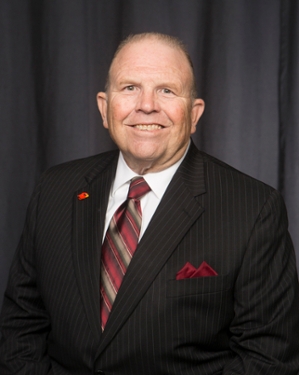
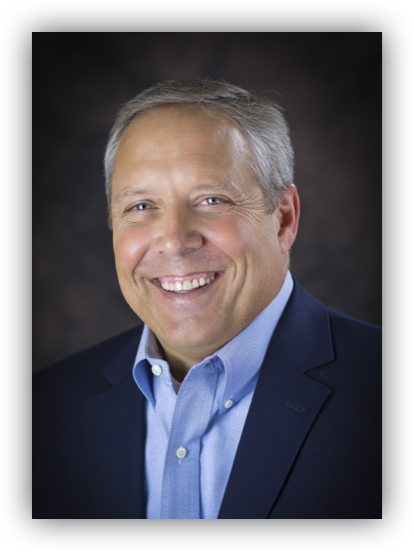
Dr. Juan María Gisbert Gallego serves as a Professor in the Department of Biology and Geology at the School of Engineering, University of Almería, specializing in External Geodynamics. He is affiliated with the Water Resources and Environmental Geology Research Group (RNM189). His research focuses on: Hydrology and groundwater systems Environmental geology applications External geodynamics processes Mineralogy and crystallography For the 2025-26 academic year, Professor Gisbert Gallego teaches Hydrology and Groundwater in the Environmental Sciences degree, Crystallography and Mineralogy in Chemistry, and supervises field practicums and external internships. His office hours are Mondays and Wednesdays from 11:00-12:00 in Office 530 (1st Floor, Higher School of Engineering), with advance contact recommended via +34 615 60 36 92. The research group RNM189 provides institutional framework for his work on water resources and environmental geological issues, though specific funding details or lab infrastructure are not documented in the source material.
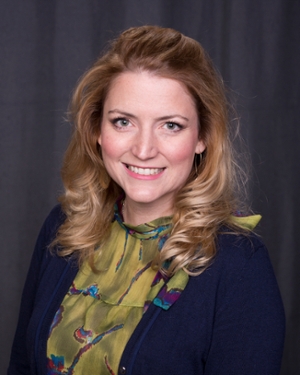
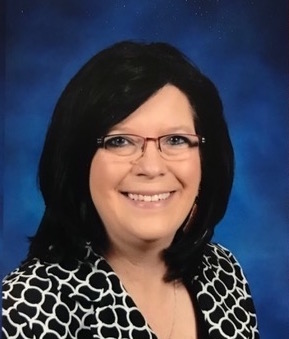
Marie-Eve Descôteaux serves as a PartTime Lecturer and Internship Supervisor at the School of Psychoeducation within the University of Montreal's Faculty of Arts and Science, where she instructs courses and oversees student practicum placements in psychoeducational settings. Her professional expertise centers on foundational psychoeducation disciplines, specifically: Psychoeducation Counseling Psychology Educational Psychology Mental Health interventions Child and Adolescent Development Behavioral Intervention Programs In her supervisory role, she provides direct mentorship during field placements, bridging theoretical knowledge with clinical practice for students. Contact is available via email: marie-eve.descoteaux@umontreal.ca.
Gabrielle Forest is a Lecturer and Internship Supervisor at the École de psychoéducation within Université de Montréal's Faculty of Arts and Sciences. She specializes in psychoeducation training, focusing on the development and supervision of student practicum experiences in applied settings. Her role involves guiding students through field placements to develop clinical and educational intervention skills. With affiliation to Canada's leading psychoeducation program, her work likely encompasses child and adolescent development, behavioral assessment, and therapeutic intervention strategies. While specific research activities aren't detailed, her academic focus aligns with the school's mission of training practitioners in evidence-based approaches to support vulnerable populations.
Valérie Ross serves as a Lecturer and Internship Supervisor at the School of Psychoeducation within the Faculty of Arts and Sciences at the University of Montreal, where she delivers course instruction and oversees student practicum placements in psychoeducational settings. Her academic focus centers on critical domains of psychological practice: Psychoeducation: Developing educational interventions for mental health promotion Mental Health: Assessment and support strategies in community contexts Educational Psychology: Learning process applications in academic environments Clinical Psychology: Evidence-based behavioral intervention techniques Child Psychology: Developmental approaches to youth behavioral challenges Professor Ross provides direct mentorship during field placements, emphasizing practical skill development in psychoeducational assessment and client management. Students may contact her via university email at valerie.ross@umontreal.ca for supervision inquiries.
Dr. Karin Larkin serves as Associate Professor and Curator in the Department of Anthropology at the University of Colorado Colorado Springs (UCCS), within the College of Letters, Arts, and Sciences. She additionally directs the Museum Studies program and leads the Cultural Heritage and Environmental Studies MA program, with cross-appointment in Humanities. With 25 years of field experience across the US West, Southwest, Chihuahua, and Colorado sites including Ludlow and Pikes Peak, her work bridges academic research and community engagement. Her educational foundation includes: PhD in Anthropology, University of Colorado Boulder (2006) MA in Museum Studies, University of Colorado Boulder (1998) Dual BA in Art History and Comparative Literature, UC Santa Cruz (1993) Dr. Larkin's research centers on community collaboration, labor history, health humanities, and material culture analysis , with signature projects at the Ludlow Massacre Site and Cragmor Sanatorium. Her approach emphasizes participatory methodologies that empower communities in heritage interpretation, as evidenced by her co-edited volume Communities of Ludlow (2022) and award-nominated work on tuberculosis archaeology. Recent publications (2017-2024) reveal three interconnected trajectories: 1) Labor conflict archaeology (Ludlow-focused work), 2) Health humanities through institutional archaeology (sanatorium studies), and 3) Collaborative public scholarship frameworks. These strands consistently examine how material culture mediates social discord and community resilience, with increasing emphasis on decolonial approaches since her 2019 article 'Decolonizing Ludlow'. Scientific recognition: No formal awards listed in source materials Editorial leadership for University Press of Colorado volumes Peer-reviewed publications in top historical archaeology journals As Graduate Director for the CHESS MA program and instructor of courses from Archaeological Lab Methods to Exhibit Design, Dr. Larkin integrates students into active research through field practicums and curation projects. Her Colorado Coalfield War Archaeology Project provides sustained grant-supported opportunities for student involvement in community-based fieldwork and public scholarship initiatives. The anthropology curation facility she oversees serves as a living laboratory where students gain hands-on experience in collections management, exhibit development, and archaeological analysis, directly supporting her mission to connect academic training with professional museum and heritage practice.
Dr. Alissa Butts is an Associate Professor in the Department of Neurology, Division of Neuropsychology at the Medical College of Wisconsin. She is also a member of both the Neuroscience Research Center and the Wisconsin Institute of NeuroScience (WINS) at MCW. Her academic appointment reflects her dual expertise in clinical neuropsychology and neuroscience research. Dr. Butts' research interests span several critical areas in cognitive neuroscience and clinical neuropsychology. She focuses extensively on Alzheimer's Disease and Mild Cognitive Impairment, investigating structural brain changes like cortical thickness and hippocampal volumes in relation to cognitive performance. Her work also addresses the neurocognitive effects of cancer treatments , examining how chemotherapy and radiation therapy impact cognitive function in cancer patients and survivors. Additionally, she has made significant contributions to understanding Primary Progressive Aphasia and related speech and language disorders. Analysis of Dr. Butts' publication record reveals a strong emphasis on both clinical research and training in neuropsychology. Her recent work shows increasing focus on training standards and practicum education, highlighted by her co-founding of the North American Association of Practicum Sites in Neuropsychology (NAPSN). She has conducted important surveys on trainee experiences during the pandemic, demonstrating responsiveness to current challenges in clinical training. Dr. Butts has established herself as a leader in neuropsychology training and education. Her involvement with student competitions through the American Academy of Clinical Neuropsychology (AACN) and her development of NAPSN demonstrate her commitment to advancing the field through high-quality training experiences. Her collaborative approach is evident in her numerous multi-institutional publications, particularly those involving researchers from Mayo Clinic (evidenced by co-authors like Jack CR Jr, Petersen RC, and others). This suggests strong connections within the broader neuropsychology research community.
Dr. Lauren Cogswell serves as a Visiting Assistant Professor in the Department of Counseling at Lamar University, where she has been employed since 2015. She also functions as the Field Experience Coordinator for the Clinical Mental Health program, overseeing practicum and internship placements since 2017. Her academic journey began with a bachelor's degree in interdisciplinary studies (math, business, and GIS) from Delta State University in 2006, followed by a master's in counseling from the same institution in 2009, culminating in a Ph.D. in counselor education and supervision from the University of Tennessee in 2015. Her educational background includes: Bachelor of Interdisciplinary Studies (Math, Business, GIS), Delta State University, 2006 Master of Counseling, Delta State University, 2009 Ph.D. in Counselor Education and Supervision, University of Tennessee, 2015 Dr. Cogswell's research centers on applied mental health counseling with emphasis on crisis intervention, career development, and specialized populations. She investigates mental health challenges in high-risk communities, particularly among pregnant women, first responders, and individuals with intellectual disabilities. Her work bridges clinical practice and community outreach, addressing grief counseling, domestic violence intervention, and geriatric mental health through both research and direct service. Her scholarly output features a peer-reviewed article on early intervention for pregnant women in high-risk areas and numerous conference presentations demonstrating consistent focus on practical counseling applications. The research trajectory reveals strong commitment to vulnerable populations and community-based mental health solutions across diverse settings including schools, domestic violence centers, and geriatric programs. Professional recognitions include: National Certified Counselor (NCC 251358) Martha Garrett Research Award, Mississippi Counseling Association (2009) In her teaching role, Dr. Cogswell delivers courses spanning crisis intervention, career development, group counseling, and mental health foundations. As Field Experience Coordinator, she connects students with clinical training opportunities while maintaining active involvement in professional service through conference reviewing, committee work, and counseling association activities. Her clinical background in domestic violence centers, youth services, and geriatric programs informs her practical approach to counselor education. Though not leading a formal research laboratory, Dr. Cogswell actively supervises students through practicum and internship placements, fostering clinical skills development in real-world mental health settings across the Beaumont community.
Dr. Shelly Allen serves as Clinical Instructor and Field Supervisor in Lamar University's Department of Educational Leadership, teaching core courses including Fundamentals of Leadership, School Law, and Human Resource Development. With 25+ years of K-12 administrative experience across Texas school districts, she specializes in translating practical leadership challenges into structured practicum experiences for aspiring campus administrators. Her educational credentials include: B.S. in Elementary Education from West Texas State (1987) M.Ed. in Administration from West Texas A&M (2002) Ed.D. in Administration from Lamar University (2014) Dr. Allen's expertise centers on preparing future educational leaders through evidence-based practices in school law compliance, accountability systems, and human resource management. Her practitioner-scholar approach bridges theoretical frameworks with real-world campus leadership challenges, particularly in special education program administration and instructional leadership development. Professional recognition includes membership in Phi Kappa Phi Honor Society. Phi Kappa Phi Honor Society, Lamar University In her supervisory role, Dr. Allen provides intensive guidance during practicum placements, using co-developed video observation protocols to assess leadership competencies. She serves on dissertation committees and contributes to program innovation through curriculum development committees, focusing on creating authentic assessment systems aligned with Texas principal certification standards. Her committee work includes rewriting core courses and establishing document monitoring systems for program compliance.
Dr. Jimmy Creel serves as Assistant Professor at Lamar University since 2007, teaching core courses in the Educational Leadership program including School Law (EDLD 5344), Superintendent Practicum (EDLD 5396), and Capstone (EDLD 5399). His professional background spans five superintendent appointments across Texas districts (College Station ISD 2005; Port Neches-Groves ISD 1999-2004), complemented by ongoing TASA New Superintendent Mentor service since 2005. Dr. Creel's research examines practical leadership development through superintendent certification programs, online course design, and school safety protocols. His work prioritizes actionable insights for K-12 administrators, focusing on student perceptions in practicum settings and technology integration for staff development. Key contributions include redesigning online leadership courses and developing Region III Service Center safety training. His publications from 2011-2016 reveal consistent applied research trends: analyzing leadership traits through conference evaluations (2016), assessing practicum experiences (2014), and creating technology training modules (2013). This output directly supports Texas school leadership development with emphasis on certification program effectiveness. Professional recognition includes: TASA lifetime membership (2014) Co-authorship of EDLD 5344: School Law (2016) Dr. Creel actively mentors through dissertation committees (9 served 2013-2017) and TASA's new superintendent program. His grant-related work includes HCDE safety consulting (2012) and Region III Service Center training development, demonstrating practical funding applications for educational administration research. Though not leading a formal laboratory, he shapes leadership development through Lamar University's certification programs and district partnerships, focusing on translating research into actionable administrative strategies for Texas schools.
Glen Harrison, Ed.D., is a Clinical Instructor in the Department of Educational Leadership at Lamar University. With 31 years of experience in K-12 education—spanning roles as a teacher, coach, technology specialist, and assistant principal—he specializes in leveraging technology to enhance learning and leadership. His academic credentials include a B.S. in Education (Stephen F. Austin, 1986), an M.Ed. in Educational Technology Leadership (Lamar, 2010), and an Ed.D. in Educational Leadership (Lamar, 2016). Harrison's research focuses on: Educational technology integration and web 2.0 tools Instructional leadership and school accountability Human resource development in educational settings Psychology of learning and motivation School law and community relations He received the Outstanding Doctoral Student Award from Lamar University in 2016. As a Field Supervisor, he mentors educators in practicum experiences and has contributed to curriculum redesign for leadership courses. Harrison frequently presents at conferences, including the Online Learning Consortium and ISTE.
Professor Tanja Brandl-Götz serves as Professor of General Pedagogy with a focus on Early Childhood Education and Program Director for the Bachelor's program in Early Childhood Education at Protestant University of Applied Sciences Nuremberg. A member of the Social Science Institute for Research and Transfer (SWIFT), she brings over two decades of combined academic and practical experience in social pedagogy, having previously led the Fachakademie for Social Pedagogy Hensoltshöhe and coordinated the Familienzentrum Sonnenhof project. Her educational background includes a PhD in Philosophy from Friedrich-Alexander-Universität Erlangen-Nürnberg (2016), Diploma in Educational Sciences from Philipps-Universität Marburg (2007-2009), Diploma in Social Work from Evangelische Fachhochschule Nürnberg (2003-2007), and certification as a state-recognized educator (1998-2001). Additional qualifications include systemic counseling training (2016) and Social Business Administration studies (2007-2008). Brandl-Götz's research centers on early childhood education dynamics, with expertise in play pedagogy, resilience development, and qualitative social research methodologies. She investigates pedagogical processes through the lens of children's perspectives, examining how educational partnerships function during crises like the pandemic and addressing emerging issues such as gender diversity in childhood development. Her work consistently bridges theoretical frameworks with practical applications in kindergarten settings. Analysis of her 15 most recent publications (2011-2025) reveals evolving research trajectories: early work focused on foundational pedagogical theories and play-based learning, transitioning to resilience frameworks during the pandemic, and most recently addressing children's agency in educational design and gender diversity. The publications demonstrate strong interdisciplinary connections between educational theory, child psychology, and social policy implementation. Outstanding Teaching Award 2014 (recognized in Forum der Lehre proceedings) As Program Director, Brandl-Götz oversees curriculum development and student supervision for the Early Childhood Education program, emphasizing reflective practice and theory-practice integration. Her leadership in projects like the Familienzentrum Sonnenhof and 'Kita als sicherer Ort' safety initiative demonstrates successful grant acquisition and implementation. Current research focuses on participatory educational design informed by children's perspectives. Through her membership in SWIFT, Brandl-Götz contributes to interdisciplinary research transfer initiatives that connect academic scholarship with practical applications in social pedagogy and early childhood education settings across Bavaria.
Ellen Armbruster serves as Professor and School Counseling Program Coordinator within the Department of Counseling, Educational Leadership and Higher Education at Central Michigan University's College of Education and Human Services. A dual-licensed professional counselor (Michigan and New Mexico), she holds national certifications including National Certified Counselor, Approved Clinical Supervisor, and Board Certified Telemental Health Provider. Her academic credentials include: Doctor of Philosophy in Counselor Education (University of New Mexico) Master of Arts in Counseling (University of New Mexico) Master of Arts in Spanish and French (University of New Mexico) Bachelor of Arts in Biology and Spanish (University of Colorado) Dr. Armbruster's research bridges clinical practice and multicultural contexts, with particular emphasis on attachment theory applications, Latinx student success in higher education, and innovative training methods like virtual international awareness groups. Her work consistently addresses cultural adaptation of counseling interventions across diverse settings. Recent publications reveal a strategic focus on global mental health challenges, particularly through her Sub-Saharan Africa collaborations examining mental wellness frameworks and suicidal ideation prevention. This international work complements her domestic research on postsecondary access for underrepresented students. Her professional recognition includes: Counseling Vision & Innovation Award (2024) from the Association of Counselor Education & Supervision As Program Coordinator, Dr. Armbruster oversees curriculum development and student training while teaching core courses from ethics to crisis counseling. Her active membership in 10+ professional organizations—including American Counseling Association, Association for Counselor Education and Supervision, and Michigan School Counselor Association—demonstrates sustained field engagement. Current teaching responsibilities span 11 graduate courses including practicum supervision and specialized topics in multicultural counseling.
Bethany Womack is an Associate Professor in the Department of Social Work at the University of Tennessee at Chattanooga (UTC), holding a PhD from the University of Alabama (2017) and bringing over a decade of state child welfare experience to her academic role. Education: PhD, University of Alabama, 2017 Her research centers on child welfare systems, program evaluation, and social work education, with recent investigations into adverse childhood experiences among foster parents and pandemic impacts on graduate outcomes. She examines policy-practice evaluation strategies, organizational assessment, and evolving social trends affecting professional education. Scholarly trends reveal strong qualitative and mixed-methods approaches focused on resilience in child welfare contexts and ethical challenges in digital misinformation landscapes. Her work is regularly presented at national forums including the Council on Social Work Education and International Congress of Qualitative Inquiry. Scientific Awards: No awards listed. Dr. Womack serves as field instructor and supervisor for social work students while leading community initiatives like the RAM Clinic and Poverty Simulation. Administrative duties include backup MSW Program Director and committee roles on Faculty Senate, Assessment, and Undergraduate Curriculum. She actively collaborates with community entities including the CAPTA Citizens Review Panel, TN Society for Health Care Social Work, and United Way of Greater Chattanooga on child welfare and poverty initiatives.
Dr. Josée-Anne Gouin is a Full Professor in the Department of Teaching and Learning Studies at the Faculty of Education (FSÉ) of Laval University in Quebec City, Canada. Her academic career is dedicated to advancing teacher education through rigorous research on practical training, mentoring practices, and the integration of theory and practice in teacher preparation programs. Dr. Gouin's educational background includes: Doctorate in Educational Psychology from Laval University (2017) Master's degree in Educational Psychology from Laval University (2008) Bachelor of Education in Secondary Education (History/French) from the University of Quebec at Trois-Rivières (2002) Her research focuses on practical training in teaching, with particular emphasis on mobilization of student-trainees' professional skills, mentoring practices for trainers, and the integration of theory and practice in teacher education. She also investigates pedagogical intervention and participatory classroom management, exploring learning communities and models of reflective practice. Her work bridges educational theory with practical classroom applications, contributing significantly to the field of teacher education. Dr. Gouin's recent publications demonstrate a consistent focus on teacher training, professional development, and the assessment of teaching competencies. Her work spans various educational contexts from secondary teacher education to vocational training for adults with intellectual disabilities, showing her ability to apply educational psychology principles across diverse settings. The articles reveal a methodological approach that combines qualitative and quantitative research to understand the complex dynamics of teacher education and motivation. Dr. Gouin has secured significant research funding including: SSHRC Knowledge Development Grant ($39,000) for research on motivation to teach among secondary school trainees (2021-2024) FRQSC Next Generation of Professors Grant ($44,000) for studying perceptions of teaching trainees regarding their trainers' practices (2021-2024) SSHRC Partnership Engagement Grant ($24,996) for supporting the motivation of young adults with intellectual disabilities (2024) As an educator, Dr. Gouin teaches multiple courses in the teacher education program at Laval University, covering classroom management, teaching practicums at various stages, and the concept of competence in education. Her teaching approach reflects her research interests, emphasizing the integration of theory and practice in teacher preparation. Dr. Gouin is actively involved with the Interuniversity Research Centre on Teacher Training and the Teaching Profession (CRIFPE-Laval), contributing to collaborative research efforts in the field of teacher education. Her work with partner organizations like Coup de Pouce Lac-Mégantic demonstrates her commitment to applying research findings to real-world educational challenges.
Assoc. Prof. Dr. Yulia Yordanova Pulova-Ganeva is an active faculty member at the Department of Organization and Methodology of Social Activities within the Faculty of Economics at St. Cyril and St. Methodius University of Veliko Tarnovo. With a career spanning several decades, she has established herself as a prominent scholar in social work, particularly focusing on disability studies, minority groups, and healthcare quality. Her research interests encompass social work with persons with disabilities, social work with minority groups (particularly Roma communities), hygiene of childhood and adolescence, and quality of health care. She has developed expertise in integrated care approaches, social inclusion policies, and innovative models for social services delivery. Dr. Pulova-Ganeva's scholarly output demonstrates a consistent trajectory from anatomical and physiological studies toward increasingly specialized social work research. Her recent publications (2020-2023) focus on contemporary challenges in social services, including care for elderly populations in rural areas, migration-related social work, integrated approaches to disability care, and quality assessment of social services within the Bulgarian context. She actively participates in significant research projects addressing social innovation, social security, and support systems for students with special educational needs. Her work bridges academic research with practical applications in social service delivery and policy development. Her teaching and research activities center on preparing future social workers through practical training materials, including multiple editions of "Practicum on Social Work with Elderly People" and "Practicum on Anatomy and Physiology," reflecting her commitment to both theoretical knowledge and practical application in social work education.