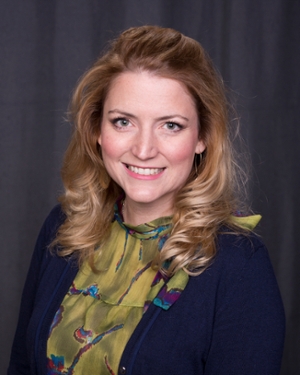
Marie Christine Flibotte Dauphin serves as a Lecturer at the School of Psychoeducation within the Faculty of Arts and Sciences at the University of Montreal, where she specializes in supervising student internships for the psychoeducation program. Her role bridges academic theory with clinical practice through structured field placements. Her professional focus centers on applied psychoeducation, particularly in child and adolescent mental health contexts. She emphasizes evidence-based therapeutic interventions, behavioral assessment techniques, and ethical clinical practice, preparing students for real-world challenges in psychological support settings. Her work integrates developmental psychology principles with practical counseling methodologies. As an internship supervisor, Professor Dauphin provides comprehensive guidance on case management, client assessment protocols, and intervention strategies. She maintains active connections with clinical partners across Quebec's healthcare system to facilitate diverse placement opportunities for students transitioning from academic study to professional practice.
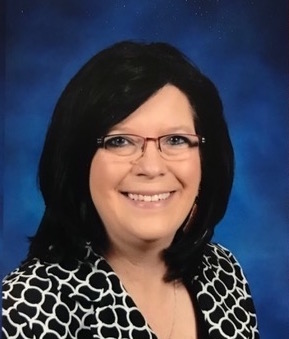
Gabrielle Forest is a Lecturer and Internship Supervisor at the École de psychoéducation within Université de Montréal's Faculty of Arts and Sciences. She specializes in psychoeducation training, focusing on the development and supervision of student practicum experiences in applied settings. Her role involves guiding students through field placements to develop clinical and educational intervention skills. With affiliation to Canada's leading psychoeducation program, her work likely encompasses child and adolescent development, behavioral assessment, and therapeutic intervention strategies. While specific research activities aren't detailed, her academic focus aligns with the school's mission of training practitioners in evidence-based approaches to support vulnerable populations.
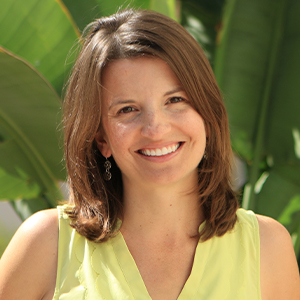
Julie Jackson serves as a Lecturer and Internship Supervisor at the School of Psychoeducation within the Faculty of Arts and Sciences at the University of Montreal. Her primary responsibilities involve teaching coursework and supervising student clinical placements in psychoeducational practice. Her academic focus centers on core psychoeducation disciplines: Psychoeducation methodology and intervention strategies Educational psychology applications in school settings Counseling techniques for behavioral disorders Mental health assessment frameworks Developmental psychology across childhood and adolescence Learning disability interventions As an active teaching faculty member, she contributes to training future psychoeducators through curriculum delivery and field supervision. Her work emphasizes practical application of theoretical knowledge in educational and clinical environments. Contact is available via j.jackson@umontreal.ca for academic inquiries related to psychoeducation programs.
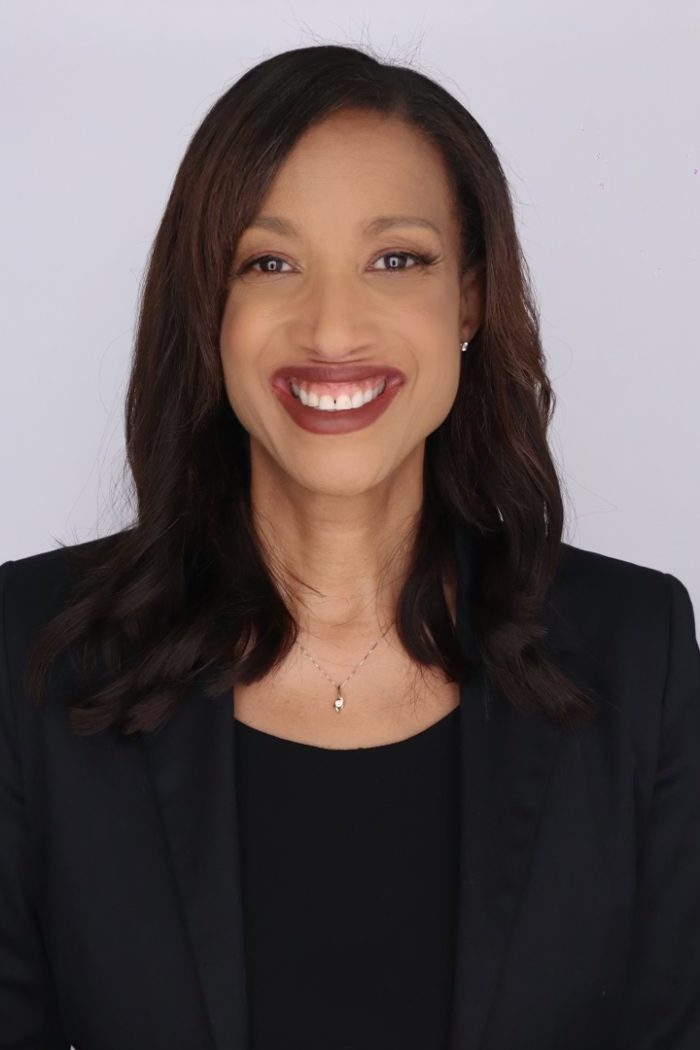
Gabrielle Paquette-Bigras serves as a Lecturer and Internship Supervisor at the School of Psychoeducation within the Faculty of Arts and Sciences at the University of Montreal. Her role focuses on guiding students through practical clinical training components of the psychoeducation program. Her professional expertise centers on psychoeducation – an interdisciplinary field integrating psychological science with educational practice to address learning and behavioral challenges. Key research interests include mental health interventions in educational settings, developmental psychology for children and adolescents, preventive strategies for at-risk youth, and clinical supervision methodologies. The School of Psychoeducation at the University of Montreal specializes in training professionals to assess and intervene in learning/behavioral difficulties through evidence-based approaches. As an Internship Supervisor, she provides critical mentorship during students' field placements, ensuring competency development in real-world settings. While specific grant details aren't publicly documented, her work directly supports the university's mission to produce qualified psychoeducators for Quebec's education and healthcare systems. The School maintains strong connections with school boards, health centers, and community organizations across the province.
Julie Rioux serves as a PartTime Lecturer and Supervisor of internships at the School of Psychoeducation within the Faculty of Arts and Sciences at the University of Montreal . Her academic role centers on practical instruction and field supervision across diverse health and social science disciplines. Her teaching spans 19 distinct programs, including: Bachelor's in Psychoeducation (Social Sciences: intervention) Bachelor's in Social Work (Montréal and Laval campuses) Doctorate in Dental Medicine, Medicine, Optometry, and Pharmacy Bachelor's in Nutrition, Kinesiology, Ergotherapy, and Physiotherapy Nursing programs (multiple formats and campuses) Qualification Program in Ergotherapy Master's in Audiology (listed twice in directory) and Speech-Language Pathology Her expertise focuses on intervention techniques and interdisciplinary collaboration in health care settings, reflected in courses like CSS3900 (Collaboration in Health Sciences) and the intervention internship series (PSE32501/PSE32502). As a Supervisor of internships, she provides critical guidance during students' field placements, emphasizing real-world application of psychoeducational principles. While no research grants or publications are documented, her teaching portfolio demonstrates significant contribution to professional training in health and social sciences.
Dr. Harold H. Harsch is a Professor in the Department of Psychiatry and Behavioral Medicine at the Medical College of Wisconsin. He is actively affiliated with the Neuroscience Research Center and the Wisconsin Institute of NeuroScience (WINS), and participates in the Behavioral Health and Sub-Specialty Clinics program. His academic career spans over four decades with publications dating from 1973 to 2013. Dr. Harsch's research interests center on the intersection of neuroscience and psychiatry, with particular focus on depression treatment through cortical stimulation techniques, neuroimaging applications in psychiatric conditions, and the integration of medical and psychiatric care. His work has explored the effects of nicotine on brain activation, treatment approaches for refractory depression, and the relationship between substance use disorders and psychiatric conditions. Analysis of Dr. Harsch's publication record shows a strong emphasis on clinical neuroscience applications, particularly in depression treatment and neurostimulation. His work demonstrates consistent contributions to understanding brain circuitry involved in mood disorders and the development of neuromodulation techniques. The publications span from basic neuroscience to clinical applications, showing an integrated approach to psychiatric research. Dr. Harsch has made significant contributions to the field of integrated medical-psychiatric care, with multiple publications addressing the organization and quality assurance of combined medical and psychiatric units. His work has helped shape understanding of how to effectively treat patients with complex comorbid medical and psychiatric conditions. In terms of academic supervision and funding, Dr. Harsch's extensive publication record suggests experience mentoring students and securing research support, though specific details about current students or active grants are not available in the provided information. His collaborations with researchers across multiple institutions indicate an established network within the neuroscience and psychiatry communities.
Dr. Lauren Cogswell serves as a Visiting Assistant Professor in the Department of Counseling at Lamar University, where she has been employed since 2015. She also functions as the Field Experience Coordinator for the Clinical Mental Health program, overseeing practicum and internship placements since 2017. Her academic journey began with a bachelor's degree in interdisciplinary studies (math, business, and GIS) from Delta State University in 2006, followed by a master's in counseling from the same institution in 2009, culminating in a Ph.D. in counselor education and supervision from the University of Tennessee in 2015. Her educational background includes: Bachelor of Interdisciplinary Studies (Math, Business, GIS), Delta State University, 2006 Master of Counseling, Delta State University, 2009 Ph.D. in Counselor Education and Supervision, University of Tennessee, 2015 Dr. Cogswell's research centers on applied mental health counseling with emphasis on crisis intervention, career development, and specialized populations. She investigates mental health challenges in high-risk communities, particularly among pregnant women, first responders, and individuals with intellectual disabilities. Her work bridges clinical practice and community outreach, addressing grief counseling, domestic violence intervention, and geriatric mental health through both research and direct service. Her scholarly output features a peer-reviewed article on early intervention for pregnant women in high-risk areas and numerous conference presentations demonstrating consistent focus on practical counseling applications. The research trajectory reveals strong commitment to vulnerable populations and community-based mental health solutions across diverse settings including schools, domestic violence centers, and geriatric programs. Professional recognitions include: National Certified Counselor (NCC 251358) Martha Garrett Research Award, Mississippi Counseling Association (2009) In her teaching role, Dr. Cogswell delivers courses spanning crisis intervention, career development, group counseling, and mental health foundations. As Field Experience Coordinator, she connects students with clinical training opportunities while maintaining active involvement in professional service through conference reviewing, committee work, and counseling association activities. Her clinical background in domestic violence centers, youth services, and geriatric programs informs her practical approach to counselor education. Though not leading a formal research laboratory, Dr. Cogswell actively supervises students through practicum and internship placements, fostering clinical skills development in real-world mental health settings across the Beaumont community.
Dr. Shelly Allen serves as Clinical Instructor and Field Supervisor in Lamar University's Department of Educational Leadership, teaching core courses including Fundamentals of Leadership, School Law, and Human Resource Development. With 25+ years of K-12 administrative experience across Texas school districts, she specializes in translating practical leadership challenges into structured practicum experiences for aspiring campus administrators. Her educational credentials include: B.S. in Elementary Education from West Texas State (1987) M.Ed. in Administration from West Texas A&M (2002) Ed.D. in Administration from Lamar University (2014) Dr. Allen's expertise centers on preparing future educational leaders through evidence-based practices in school law compliance, accountability systems, and human resource management. Her practitioner-scholar approach bridges theoretical frameworks with real-world campus leadership challenges, particularly in special education program administration and instructional leadership development. Professional recognition includes membership in Phi Kappa Phi Honor Society. Phi Kappa Phi Honor Society, Lamar University In her supervisory role, Dr. Allen provides intensive guidance during practicum placements, using co-developed video observation protocols to assess leadership competencies. She serves on dissertation committees and contributes to program innovation through curriculum development committees, focusing on creating authentic assessment systems aligned with Texas principal certification standards. Her committee work includes rewriting core courses and establishing document monitoring systems for program compliance.
Professor Tanja Brandl-Götz serves as Professor of General Pedagogy with a focus on Early Childhood Education and Program Director for the Bachelor's program in Early Childhood Education at Protestant University of Applied Sciences Nuremberg. A member of the Social Science Institute for Research and Transfer (SWIFT), she brings over two decades of combined academic and practical experience in social pedagogy, having previously led the Fachakademie for Social Pedagogy Hensoltshöhe and coordinated the Familienzentrum Sonnenhof project. Her educational background includes a PhD in Philosophy from Friedrich-Alexander-Universität Erlangen-Nürnberg (2016), Diploma in Educational Sciences from Philipps-Universität Marburg (2007-2009), Diploma in Social Work from Evangelische Fachhochschule Nürnberg (2003-2007), and certification as a state-recognized educator (1998-2001). Additional qualifications include systemic counseling training (2016) and Social Business Administration studies (2007-2008). Brandl-Götz's research centers on early childhood education dynamics, with expertise in play pedagogy, resilience development, and qualitative social research methodologies. She investigates pedagogical processes through the lens of children's perspectives, examining how educational partnerships function during crises like the pandemic and addressing emerging issues such as gender diversity in childhood development. Her work consistently bridges theoretical frameworks with practical applications in kindergarten settings. Analysis of her 15 most recent publications (2011-2025) reveals evolving research trajectories: early work focused on foundational pedagogical theories and play-based learning, transitioning to resilience frameworks during the pandemic, and most recently addressing children's agency in educational design and gender diversity. The publications demonstrate strong interdisciplinary connections between educational theory, child psychology, and social policy implementation. Outstanding Teaching Award 2014 (recognized in Forum der Lehre proceedings) As Program Director, Brandl-Götz oversees curriculum development and student supervision for the Early Childhood Education program, emphasizing reflective practice and theory-practice integration. Her leadership in projects like the Familienzentrum Sonnenhof and 'Kita als sicherer Ort' safety initiative demonstrates successful grant acquisition and implementation. Current research focuses on participatory educational design informed by children's perspectives. Through her membership in SWIFT, Brandl-Götz contributes to interdisciplinary research transfer initiatives that connect academic scholarship with practical applications in social pedagogy and early childhood education settings across Bavaria.
Dr. Sarah Rieth is an Associate Professor in the Department of Child and Family Development at San Diego State University, specializing in autism spectrum disorders research and intervention. Her work bridges academic research with community practice through evidence-based approaches. Her educational foundation includes: Ph.D. in Experimental Psychology, UC San Diego M.A. in Experimental Psychology, UC San Diego B.S. in Psychology, UC San Diego B.A. in Linguistics, UC San Diego Dr. Rieth's research centers on early social communication intervention for autism, with emphasis on parent-mediated strategies and implementation science. Her work systematically addresses the critical gap between research-proven interventions and real-world application through teacher training adaptations, fidelity assessment, and community partnership development. This translational focus targets sustainable implementation of evidence-based practices in natural settings. Analysis of her 11 publications (2010-2025) reveals consistent contributions to pivotal response teaching methodology, with growing emphasis on implementation challenges after 2012. Her work spans behavioral analysis, special education, and implementation science, demonstrating increasing collaboration with community stakeholders to adapt interventions for classroom and home settings. As an active educator, Dr. Rieth teaches Clinical Field Experience (CFD 792) and previously instructed courses in positive behavior support, eco-behavioral assessment, and applied behavior analysis. Her mentorship involves guiding graduate students through clinical placements while advancing research on autism intervention fidelity. Though no formal lab structure is documented, her research program operates through SDSU's Department of Child and Family Development with strong ties to UC San Diego collaborators. Her work maintains continuous publication output indicating active research funding streams focused on autism intervention implementation.
Reggie Washington serves as a Lecturer in the Department of Counseling and School Psychology at San Diego State University, specializing in School Counseling program instruction. His academic role focuses on training future counselors for educational settings through evidence-based pedagogy and practical supervision. Research interests center on school-based mental health systems with emphasis on: Developmentally appropriate counseling interventions for K-12 students Social-emotional learning curriculum design Crisis response protocols in educational environments Culturally responsive counseling practices Teacher-counselor collaboration models Adolescent mental health screening frameworks The Department of Counseling and School Psychology at SDSU maintains strong partnerships with local school districts for field placements and research initiatives. While specific grant details aren't provided, faculty typically secure funding through California's Pupil Personnel Services Credentialing programs and federal mental health grants targeting underserved student populations. Current advising includes master's candidates in school counseling programs with emphasis on practical skill development through supervised field experiences.
Erin Vitale serves as Professor and Department Chair of Civil Engineering Technology at Alfred State College (State University of New York), leveraging 15+ years of industry experience to bridge academic theory with practical construction management applications. As an institutionally designated industry expert, she teaches on-campus and online courses while maintaining strong employer connections for student placement. Her educational foundation includes: Certified Professional Constructor (2003) from Stanford University M.S. in Civil Engineering - Construction Engineering and Management (University of California, Riverside) B.S. in Economics with Philosophy minor Undergraduate Civil Engineering coursework (California State University, Chico) Professor Vitale's expertise centers on Construction Engineering and Management, with specialized knowledge in project scheduling systems, construction cost estimating methodologies, and field engineering coordination. Her research interests emerge directly from industry practice, focusing on optimizing construction project delivery through advanced scheduling techniques and practical resource management. This practitioner-scholar approach ensures curriculum relevance to current industry demands. Her professional recognition includes the Certified Professional Constructor credential: Certified Professional Constructor (2003) As Department Chair, she actively mentors students toward career success in construction management, emphasizing her satisfaction in 'getting to know them and... when they get jobs they're excited about.' Her industry network facilitates direct placement opportunities, while her leadership shapes program development to meet evolving workforce needs in civil engineering technology.
Paul Grieser serves as a Lecturer at ASH Berlin within the BA Social Work program. He holds a Bachelor of Arts degree and is listed as external personnel in the university system. His academic focus centers on Social Work and Social Services, contributing to the educational framework of the BA Social Work program at ASH Berlin. As an external lecturer, he brings practical field experience to the academic environment. While specific details about his research methodology and theoretical approaches aren't provided in the available information, his position within the Social Work program suggests expertise in social service delivery, client assessment, and community intervention strategies. Regarding student supervision, as a lecturer in the BA Social Work program, he likely teaches foundational courses and may provide guidance on practical field placements, though specific details about his advising practices aren't available in the current documentation.
Torrey Kulow is an Associate Professor in the Department of Curriculum & Instruction at the College of Education, Portland State University, serving as cohort leader in the Graduate Teacher Education Program with specialization in secondary mathematics education. Education: PhD in Curriculum and Instruction (Mathematics Education), University of Wisconsin–Madison Master's degree in Curriculum and Instruction, University of Wisconsin–Madison Research Focus: Dr. Kulow investigates teacher candidate learning dynamics during field placements and develops frameworks for integrating social justice principles into mathematics pedagogy. Her work emphasizes equity-centered teacher preparation and examines how educators implement critical mathematics instruction in diverse classrooms. Prior to her current role, she contributed to the National Science Foundation-funded Investigating Proportional Relationships from Two Perspectives (InPReP2) project as a postdoctoral researcher. She actively mentors secondary mathematics teacher candidates through cohort leadership and field supervision. Her collaborative research on proportional reasoning frameworks continues to influence mathematics teacher education curricula, particularly in bridging theoretical perspectives with practical classroom implementation.
Keri A. McCoy serves as Assistant Dean for Field Placement and Professorial Lecturer in Law at The George Washington University Law School, overseeing one of the nation's largest legal externship programs that connects students with judges and attorneys across government, judicial, and nonprofit sectors while teaching Advanced Field Placement. Her academic credentials include: BA from the University of Pittsburgh JD from Georgetown University Law Center Dean McCoy's professional expertise bridges legal education administration and practical litigation experience, with research interests centered on externship program development, career advancement strategies in law, and communication ethics within legal practice. Her decade-long background as a trial attorney specializing in high-stakes litigation informs her approach to preparing students for real-world legal challenges. She has received significant recognition including: Faculty Member of the Year (2023) from GW Law Black Law Students Association Faculty Member of the Year (2024) from GW Law Black Law Students Association Throughout her GW Law tenure, Dean McCoy has guided thousands of students and alumni through employment placement, developed multiple fellowship programs, and led career development initiatives spanning workshops, alumni mentorship, and recruitment events while previously directing the Office of Alumni Career Development and Mentorship.