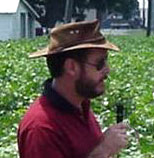
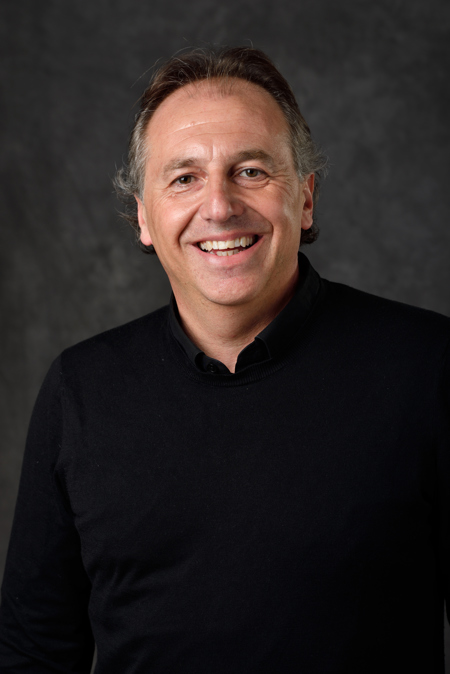
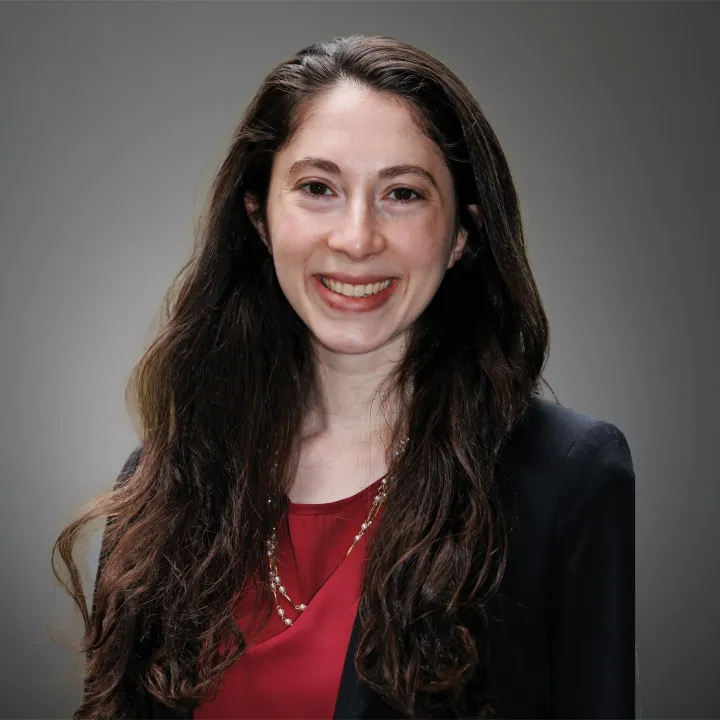
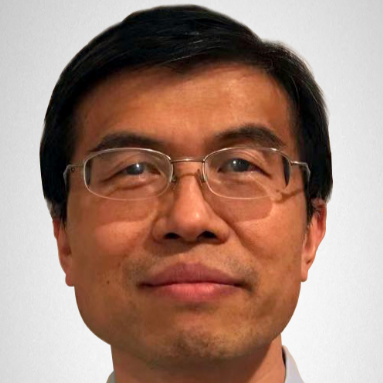
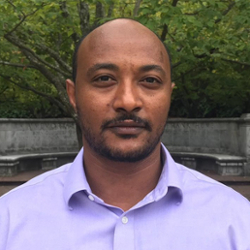
Keith Edmisten is a Professor in the Department of Crop and Soil Sciences at NC State University, serving as Extension Cotton Specialist and Director of Undergraduate Programs. He holds a BS, MS from NC State University, and a PhD in Crop Physiology from Virginia Tech (1987). His career includes faculty roles at Mississippi State University and Auburn University before joining NCSU in 1992. His research focuses on cotton and industrial hemp agronomy, germplasm evaluation, and regulatory science in agriculture. Notable awards include Extension Cotton Specialist of the Year (1997) and Cotton Physiologist of the Year (2015). He teaches courses on biotechnology, seed science, and regulatory frameworks, and advises students in the Plant and Soil Science biotechnology concentration. Edmisten's program integrates applied research with extension efforts, emphasizing sustainable input management, variety trials, and on-farm experimentation. Collaborations span departments like Entomology, Plant Pathology, and Agricultural Economics. Publications highlight fertilizer management, weed science, and crop modeling in cotton and hemp systems.
Dr. Jannah Baker is a Research Fellow at the Sydney School of Public Health, University of Sydney. She holds a PhD in Statistics specializing in Bayesian spatiotemporal modelling of chronic diseases, alongside dual postgraduate diplomas in Public Health and Statistics. Her clinical background includes five years as a practicing physician. Her research focuses on cancer prevention (breast, endometrial, melanoma), spatiotemporal disease modeling, health economics, and clinical trial design. She has led projects on sepsis detection systems, diabetes management, and surgical outcomes analysis. Notable contributions include a seminal systematic review on fertility-sparing endometrial cancer treatments referenced in international guidelines. Jannah has attracted $6M+ in collaborative funding and oversees grants such as the 2023 NHMRC-funded ROADMAP trial and a Department of Health-funded study on pediatric sepsis management. Her work spans 50+ peer-reviewed articles across journals like Journal of Medical Internet Research and PLOS One . Professional activities include clinical trials statistics, health economics analysis, and implementation science lectures. She has mentored multiple research teams and maintains an ORCID profile (0000-0002-2208-6584).
Olli Dahl is a Professor at Aalto University's Department of Forest Products Technology, specializing in Clean Technologies and Environmental Management. His work focuses on waste valorization, biorefinery processes, and sustainable resource utilization. Key areas include microplastic dynamics in composting systems, biochar applications for heavy metal decontamination, and optimization of mineral processing with recycled water. Research highlights include an international award for biorefinery innovation and groundbreaking studies on nickel recovery in flotation processes. He leads interdisciplinary projects addressing water quality impacts on ore processing and thermochemical conversion of agricultural residues into bioenergy. Dahl's recent work emphasizes closing material loops through circular bioeconomy strategies and advancing sustainable industrial practices. Awards: 2015 International Biorefinery Competition 2nd Place (Ministry of Employment & Economy, Finland) Key Themes: Waste-to-resource systems, industrial water management, bio-based materials, and metallurgical sustainability
Søren Munch Kristiansen is an Associate Professor in the Department of Geoscience at Aarhus University, Faculty of Natural Sciences. His interdisciplinary research bridges geoscience and archaeology, focusing on the complex interactions between soil, water, and human societies across time. He is actively engaged in transdisciplinary projects involving geoarchaeology, groundwater, and public health. Research Interests: His work centers on how soil and groundwater have shaped human prehistory and continue to influence modern life. Key areas include safe drinking water from a lifelong perspective, geoarchaeological prospection, Viking Age settlements, and the application of geophysical and geochemical methods in archaeological contexts. He is particularly interested in novel, interdisciplinary methodologies. Recent Research Trends: His recent publications reveal a strong focus on integrating geophysical data (e.g., GPR, borehole databases) with archaeological interpretation, especially in 3D urban modeling and landscape change. Themes include Viking Age sites, interglacial deposits, and anthropogenic soil modifications. His work increasingly employs machine learning and large-scale data synthesis. Scientific Awards: No awards mentioned in the provided text. Advising and Grants: While specific students are not listed, he leads and participates in multiple funded research projects, indicating an active supervisory role. His grants span from 2016 to 2024, including projects like TITAN, SAGA, and 'Fingerprinting displaced molecular substances,' highlighting sustained funding and leadership in interdisciplinary geoscience-archaeology research. Labs and Teams: He is involved in collaborative networks such as the Soil Science & Archaeo-geophysics Alliance (SAGA), suggesting leadership in interdisciplinary research teams. His work often involves multi-proxy analyses and international collaborations, particularly in Scandinavian archaeological geophysics.
Dr. Renske Hijbeek is an Associate Professor at the Plant Production Systems group of Wageningen University & Research. Her research focuses on nutrient management in arable farming systems, emphasizing soil fertility improvement through organic waste recycling, legume cultivation, and minimizing environmental impacts like greenhouse gas emissions. She teaches courses including 'The Carbon Dilemma - A Soil Perspective' and 'Analysing Sustainability of Farming Systems'. Key projects include the GRA Benchmarking Nutrient Circularity and EDF Soil Carbon Sequestration initiatives. Her work integrates agronomy with ecological principles to achieve sustainable agricultural practices globally. Research Contributions: Dr. Hijbeek's projects address nutrient circularity, soil carbon dynamics, and organic amendment efficiency across temperate and tropical regions. Recent work explores dietary impacts on nitrogen fertilizer dependency and systemic redesign of food production systems. Collaborations: Active in international collaborations like the Global Crop Nutrient Removal Database and the CATCH-C Legumes project in Tanzania. Her interdisciplinary approach bridges crop science, environmental management, and policy analysis.
Alfons Oude Lansink is a Professor and Chairholder in Business Economics at Wageningen University, Netherlands. He holds adjunct professorships at Universitas Padjadjaran (Indonesia) and the University of Florida (USA), and serves on the Dutch Ministry of Agriculture's CDM committee and Rabobank's scientific advisory board. His academic career spans roles as director of Wageningen School of Social Sciences (WASS) and Secretary-General of the European Association of Agricultural Economists. Education: MSc and PhD in Agricultural Economics from Wageningen University Leadership: Head of Business Economics group since 2003 His research focuses on dynamic technical and economic efficiency , sustainable performance of food supply chains , and economics of plant health . Recent work examines climate adaptation strategies, circular economy applications, and cross-border agri-food innovation dynamics using advanced econometric models. Key projects include MINDSTEP (modeling farm decisions), Closing the Loop (insect-based agriculture), and Food Pro-tec-ts (transboundary food technologies). Publications address topics like: Technical efficiency in dairy and arable farming Economic impacts of climate change on agriculture Corporate social responsibility in food manufacturing Policy evaluation for biogas and organic farming He serves as: Secretary/Treasurer of agricultural economics journal foundation Advisor to Universitas Padjadjaran (Indonesia) on policy and PhD supervision Editorial board member of Agronomy Journal and European Review of Agricultural Economics
Bruno Basso serves as the Hannah Distinguished Professor in the Department of Earth & Environmental Sciences at Michigan State University, based in 307A Natural Science Building. He teaches GLG 446: Water and Food and maintains active research in sustainable agricultural systems, with contact via 517-353-9009 or basso@msu.edu. His work bridges academic research with practical farm applications across the US Midwest. His core research interests include: Food Security and Plant Resilience mechanisms Soil Science with emphasis on organic carbon dynamics Precision Agriculture technologies (drones, remote sensing) Climate-Smart Agriculture practices Nitrogen and phosphorus use efficiency Yield stability analysis through spatial-temporal modeling Regenerative agriculture impacts on greenhouse gas emissions Ecosystem services valuation in crop-livestock systems Analysis of his 2023-2025 publications reveals a dominant focus on quantifying climate benefits from regenerative practices using multi-model ensembles. His work consistently addresses scalability for farmer adoption, with strong emphasis on N₂O emissions mapping, soil carbon durability, and yield stability zones. Key methodological innovations include hybrid SAR-remote sensing integration and AI-driven nutrient prescription systems, primarily applied across Midwest corn-soybean systems. No scientific awards were documented in the provided materials. While specific advising details are absent, his leadership in the LTAR cropland common experiment and Soil Inventory Project indicates active mentorship of graduate researchers. His research likely attracts significant USDA and NSF funding given the scale of field experiments and modeling initiatives focused on decarbonizing agriculture. Dr. Basso co-leads the Soil Inventory Project at Kellogg Biological Station, developing integrated sampling, data repository, and modeling frameworks for regenerative agriculture. His team combines ground observations, remote sensing, and biophysical modeling to quantify soil carbon and greenhouse gas fluxes, collaborating with farmers, industry partners, and international researchers to translate science into on-farm practices.
David Newburn is an Associate Professor in the Department of Agricultural and Resource Economics at the University of Maryland, College of Agriculture and Natural Resources. His research focuses on environmental and resource economics, particularly land-use regulations for farmland and forest preservation, and water quality in the Chesapeake Bay. He develops spatial models to manage urban sprawl and evaluates incentive-based programs for conservation practices. Research Areas: Land-Use Change and Urban Sprawl Water Quality Trading and Conservation Spatial Economic Modeling Payment for Ecosystem Services (PES) Collaborations: NSF-funded Baltimore Ecosystem Study (BES) National Center for Smart Growth Chesapeake Bay Program Scientific and Technical Advisory Committee Recent Publications: Highlight trends in household behavior, land-use policy effectiveness, and coastal adaptation to climate impacts. Articles span environmental economics, urban ecology, and interdisciplinary sustainability research. Education: B.S., University of Maryland, College Park (1991) Ph.D., University of California, Berkeley (2002)
Muhammad Muddasar is a Researcher at the University of Limerick's School of Engineering, affiliated with the Bernal Institute. His primary research focuses on developing sustainable materials derived from lignin for energy harvesting and storage applications. Under the supervision of Professor Maurice Collins, he investigates advanced materials such as hydrogels, ionic conducting membranes, and carbon nanomaterials to enhance renewable energy systems. His work emphasizes reducing environmental impact through innovative synthesis techniques and lifecycle analysis. Key research areas include thermoelectric materials, bioenergy production, microbial electrolysis cells, and lignin valorization. Collaborations span topics like low-grade thermal energy recovery, supercapacitor optimization, and carbon fiber production improvements. Despite no explicit awards listed, his contributions include over 17 peer-reviewed publications between 2021-2025, showcasing impactful work in Materials Today Sustainability, Advanced Functional Materials, and ACS Applied Polymer Materials. His articles highlight trends in lignin-derived materials for energy applications, sustainable manufacturing, and nanomaterial-driven bioenergy systems. Active in international networks, his research bridges material science and renewable energy engineering, addressing global sustainability challenges.
Lea R. Winter is an Assistant Professor in the Department of Chemical and Environmental Engineering at Yale University's School of Engineering & Applied Science. Her research focuses on electrified processes at the nexus of food, energy, water, and climate, with emphasis on sustainable CO 2 conversion, green nitrogen fixation, wastewater valorization, and plasma-electrochemical systems. She leads an active research group and mentors multiple PhD students, postdocs, and undergraduates. Ph.D., Columbia University B.S., Yale University Dr. Winter's research interests lie at the intersection of sustainability and chemical engineering. She pioneers electrified membrane technologies, plasma-activated reactions, and catalytic processes for converting waste streams (CO 2 , nitrates, wastewater) into valuable fuels, chemicals, and fertilizers. Her work integrates electrochemistry, plasma chemistry, and heterogeneous catalysis to develop distributed, circular solutions for environmental challenges. Key themes include green ammonia production , on-demand fertilizer synthesis , and electrified water treatment with resource recovery. Analysis of her recent publications reveals a strong focus on electrified membranes for nitrate and CO 2 conversion, plasma-activated co-processing of N 2 and C 1 gases, and single-atom catalysis for environmental applications. Her research spans fundamental reaction mechanisms to scalable engineering solutions, often published in high-impact journals such as Nature Water , PNAS , and Joule . The work demonstrates a consistent trajectory toward enabling a distributed hydrogen and nitrogen economy through sustainable electrochemical and plasma-driven technologies. Scientific Awards: Beckman Young Investigator Award (2024) Department of Energy Early Career Award (2024) Caltech Young Investigators Lecture Series Award (2022) NEWT Distinguished Postdoctoral Fellowship (2020) NSF Graduate Research Fellowship (2015) North American Catalysis Society Kokes Award (2019) Dr. Winter actively mentors students and has advised several who have gone on to PhD programs and faculty positions. Her lab receives significant research funding, as evidenced by her early-career awards from DOE and NSF. She leads projects on mining nontraditional water sources for hydrogen, plasma-based fertilizer synthesis, and electrified membrane systems. The Winter Lab fosters a collaborative, creative, and safe research environment centered on the principles of CRISP: Creativity, Respect, Investment, Safety, and Partnership. She also contributes to scientific discourse through invited viewpoints on climate education and critiques of emerging technologies like seawater electrolysis. Her lab collaborates widely, including with researchers at Columbia, Caltech, and international institutions.
Professor Brendan Choat is a leading plant physiologist and Professor at the Hawkesbury Institute for the Environment, Western Sydney University. With a distinguished career in plant hydraulics and water relations research, he has established himself as a global expert in understanding how plants respond to drought stress. His work spans both natural ecosystems and agricultural systems, with particular emphasis on Australian native forests and crop species. Choat's research focuses on the intricate relationship between plant water transport systems and environmental stressors, particularly drought. His work examines how the xylem tissue functions as a hydraulic system that must balance water delivery to leaves while avoiding cavitation (embolism) that can lead to plant mortality. His groundbreaking research has demonstrated that many woody plant species operate close to their physiological safety margins with respect to drought, making them vulnerable to future climate changes. His laboratory employs cutting-edge non-invasive imaging techniques, including X-ray Micro Computed Tomography (microCT) and Magnetic Resonance Imaging (MRI), to directly visualize xylem function in living plants. This approach has allowed his team to address fundamental questions about how cavitation forms and spreads through plant vascular systems during drought stress. Analysis of Professor Choat's extensive publication record reveals a consistent focus on plant drought responses, with particular emphasis on Eucalyptus species and mangrove ecosystems. His research has increasingly incorporated large-scale monitoring approaches, remote sensing data, and trait databases to understand vegetation responses to climate extremes across broader spatial scales. Clarivate Highly Cited Researcher (2018-2024) ARC Future Fellowship (2013) Humboldt Fellowship for Experienced Researchers (2010) Thomson Reuters Citation and Innovation Award (2015) Professor Choat leads multiple significant research projects examining tree dieback in Australian forests, particularly focusing on Eucalyptus species. His work with citizen scientists through the 'Dead Tree Detective' project has provided valuable data on drought impacts across diverse forest biomes. He maintains active collaborations with researchers across Australia and internationally, contributing to large-scale initiatives like the AusTraits plant trait database. His research has direct implications for forest management, conservation strategies, and predicting ecosystem responses to climate change.
Mustafa TAN is a Professor at Havsa Vocational School of Trakya University and currently serves as Vice Rector of Trakya University since August 2024. He has held various administrative roles, including Director of Edirne Rose and Red Application and Research Center (August 2024–October 2024) and Director of Havsa Vocational School (2020–2024). Previously, he was a Professor and academic leader at Atatürk University's Faculty of Agriculture from 1995 to 2019, serving as Vice Dean (2008–2012) and Department Head. His research focuses on forage crops, quinoa genetics, and agricultural sustainability. Notable projects include studying genetic diversity in forage pea and developing herbicide-resistant quinoa varieties. He has authored/co-authored over 100 publications, including articles on crop improvement, silage quality, and climate-resilient agriculture. Dr. TAN has supervised numerous PhD and MSc students and contributed to books like Alternatif Yem Kaynakları . His work emphasizes practical applications, such as optimizing forage production and enhancing crop resilience in Turkey's high-altitude regions. He has led projects funded by TÜBİTAK and university grants, addressing challenges like quinoa adaptation to arid conditions and nitrogen use efficiency. His contributions extend to editing educational materials and promoting sustainable agricultural practices through publications and conferences.
Dr. Liang Yu is an Adjunct Professor at Washington State University (WSU) within the College of Agricultural, Human, and Natural Resource Sciences (CAHNRS), Department of Biological Systems Engineering. He holds roles as a Guest Editor for the Journal of Fermentation (Energy Converter-Anaerobic Digestion), Faculty Senator for Non-Tenure Track Faculty, Anti-Hazing Advisory Committee member, and Review Committee member for undergraduate research scholarships at WSU. His research focuses on biorefinery-based industrial symbiosis and the circular economy, employing multi-scale mathematical modeling (molecular simulation, CFD, bioprocess control, machine learning) to optimize anaerobic digestion systems. His work aims to convert organic waste (animal manure, food waste) into renewable natural gas, fertilizers, and bioproducts. He has secured funding from the DOE and USDA, with over 60 peer-reviewed publications and five patents. Key research themes include hydrothermal pretreatment, ammonia recovery, microbial community dynamics, and techno-economic analysis. Recent articles emphasize anaerobic digestion innovation, biodesulfurization, and biohydrogen production. His contributions bridge environmental engineering, biotechnology, and sustainable systems design. Dr. Yu’s grants and patents reflect a commitment to applied sustainability solutions, with projects addressing agricultural waste valorization and energy recovery. Collaborative efforts drive his work, integrating computational modeling with experimental validation for scalable bioenergy systems.
Hannah van Zanten is a Full Professor in Earth Systems and Global Change at Wageningen University & Research, specializing in sustainable food systems, regenerative agriculture, and biodiversity conservation. Her work emphasizes circular food systems, livestock production optimization, and environmental impact mitigation. She has received multiple awards, including the Storm-van der Chijs award (2015) and several Best Oral Presentation accolades at academic conferences. Her research spans topics like protein upcycling, soil biodiversity, and the environmental implications of livestock feed. She supervises PhD projects on regenerative agriculture, circular food transitions, and ecosystem services in South American grasslands. Recent projects include redesigning European food systems to enhance food security under climate change and modeling circularity impacts. Key research interests include: sustainable diets, land-use efficiency, and the integration of biodiversity conservation with agricultural practices. She has published extensively on topics like earthworm farming, circular protein systems, and the compatibility of animal-sourced foods with circular principles. Awards: 5 major prizes for academic contributions, including innovation in animal sciences and sustainability. Grants/Projects: Leading 19 active projects, including EU-funded initiatives on sustainable livestock and circular food system modeling. Labs/Teams: Collaborates with interdisciplinary teams on projects like SUSFANS (Sustainable Food Systems) and Re-Livestock (resilient livestock systems).
Hundanol Kebede is an Assistant Professor of Economics at Southern Illinois University, Carbondale . His research focuses on International Trade , Development Economics , and Applied Microeconomics , with a particular emphasis on low-income countries. Ph.D. in Economics from the University of Virginia (2020) Key research themes: Trade and infrastructure impacts on economic activities, structural transformation, household responses to shocks, and gender disparities in technology adoption Research trends from his five published articles (2013–2024) include analyses of rural road construction’s welfare gains, market integration effects on agricultural households, commodity price shock transmission, and gender-based risk aversion in technology adoption. His work often leverages Ethiopian case studies with high-resolution micro data. Contact : hundanol.kebede@siu.edu | Faner Hall, Room 4138 | (618) 453-5072