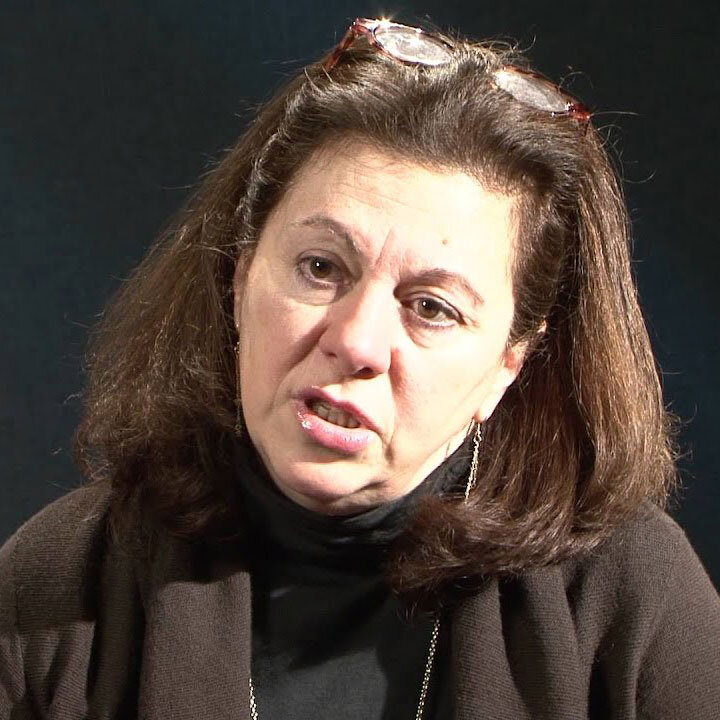
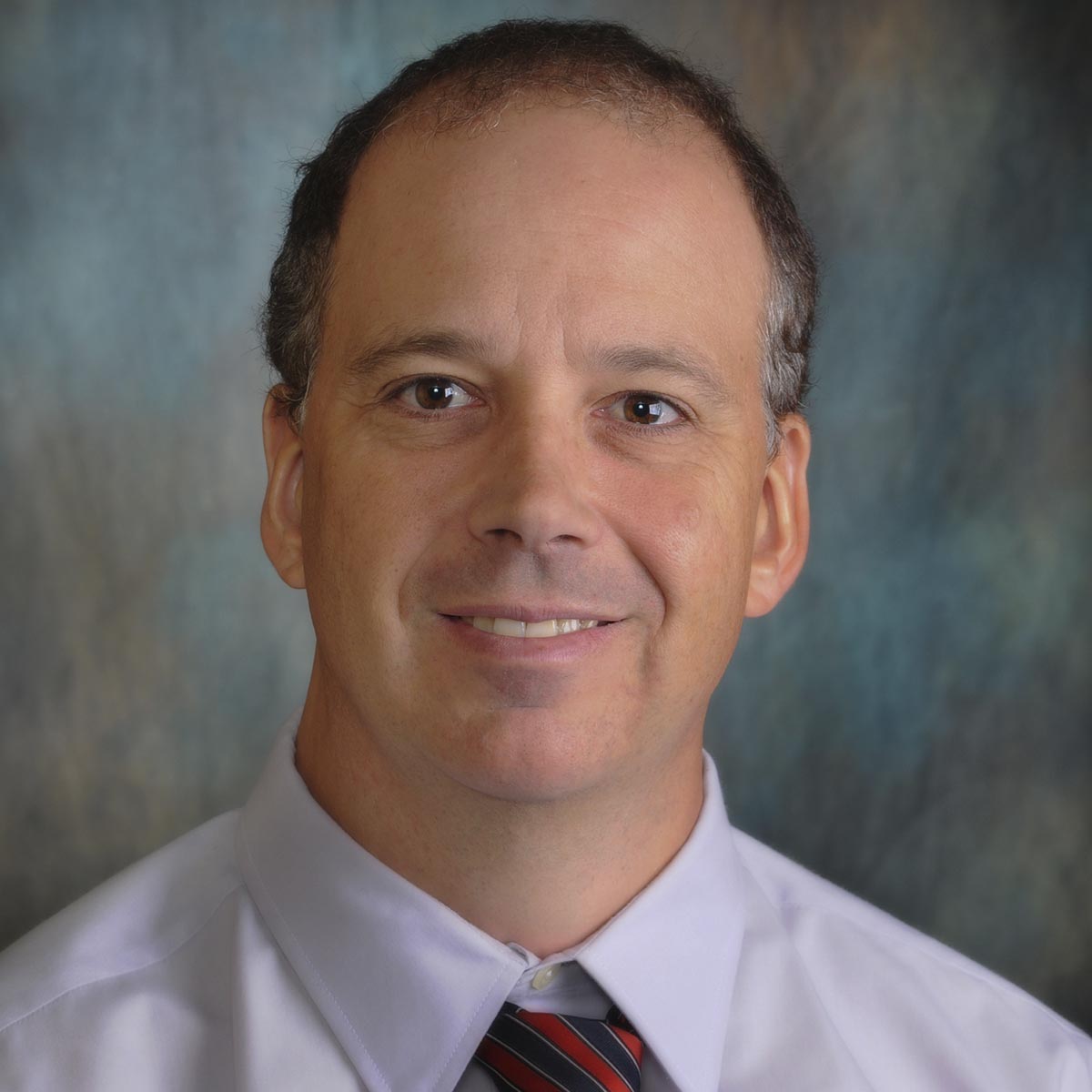
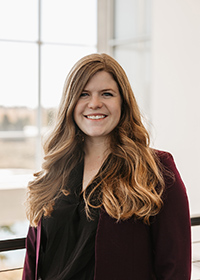
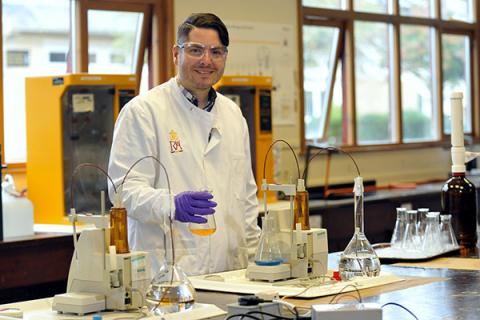
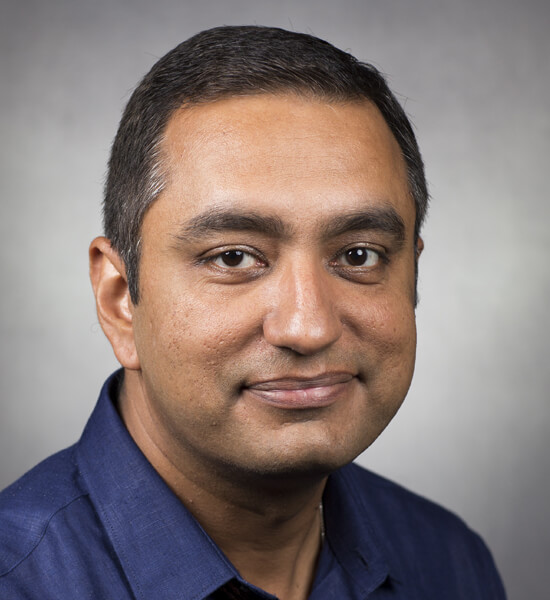
Lilyan Fulginiti is a Roy Frederick Professor of Agricultural Economics at the University of Nebraska-Lincoln. Her work focuses on agricultural productivity, climate change impacts, irrigation policies, and sustainable resource management, particularly in regions like the Ogallala Aquifer and South America. Research areas include agricultural economics, environmental economics, and climate policy. Her recent publications address gene-edited crops, carbon farming, and productivity disparities linked to trade and climate. Her scholarly output spans topics such as irrigation efficiency, biofuel economics, and conflict impacts on agriculture, reflecting a commitment to integrating economic theory with pressing environmental challenges. While no specific awards or student advisement details are listed, her extensive publication record underscores her contributions to advancing sustainable agricultural practices and policy analysis.
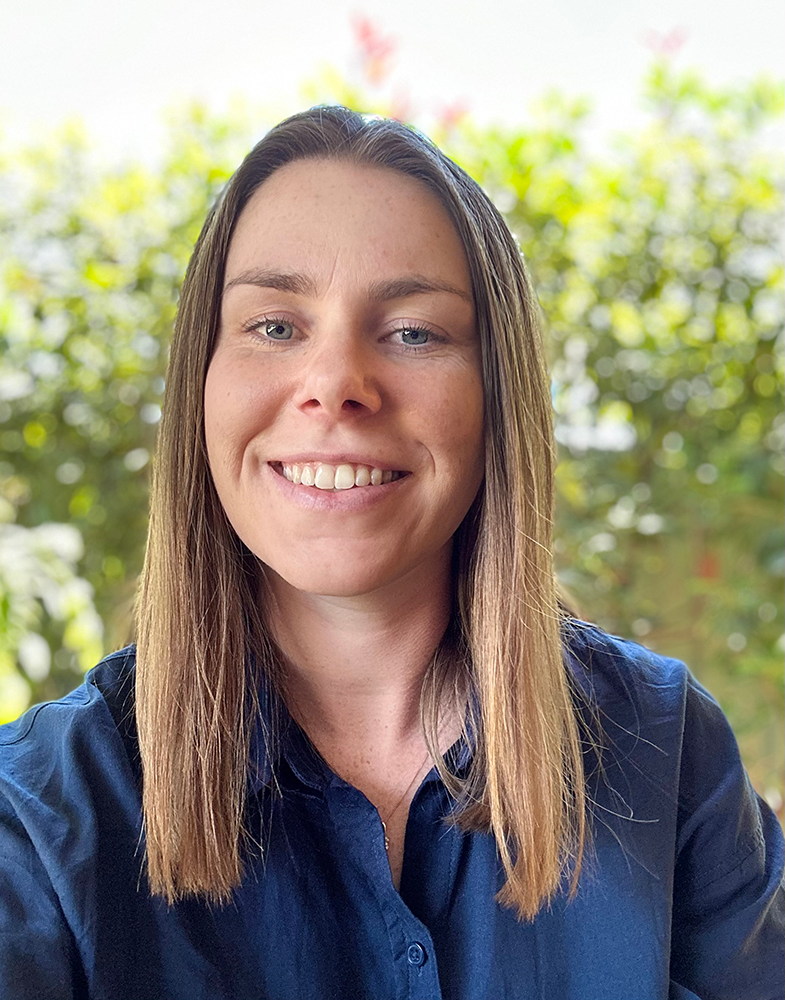
Dr. Emma Lynch is a Lecturer in Ruminant Production at the School of Environmental and Rural Science , University of New England. Her research focuses on evaluating novel feedstuffs and their impacts on ruminant production, meat quality, and sensory attributes. Education PhD in Ruminant Nutrition, Charles Sturt University Bachelor of Animal Science (Hons), Charles Sturt University Research Interests encompass meat science , ruminant nutrition , protein supplementation , and alternative feed sources . Her work investigates how feed composition affects animal performance, nutrient digestibility, and meat quality, with a notable emphasis on canola meal and hemp biomass in ruminant diets. Recent publications highlight trends in feedstuff evaluation , rumen physiology , and meat quality assessment . She employs comparative methodologies (in vivo, in sacco, in vitro) to study digestibility and uses sensory panels to evaluate consumer preferences. Scientific Memberships NSW Branch Secretary, Australian Association of Animal Sciences (AAAS) Australian Intercollegiate Meat Judging Association Contact : elynch20@une.edu.au
John Newbold is a Professor of Dairy Nutrition at Scotland's Rural College (SRUC), specializing in dairy nutrition science with a focus on connecting scientific research to practical applications. His research interests include mammary physiology, rumen metabolism, methane and manure management, feedstuff analysis, and calf development. He leads projects on optimizing amino acid nutrition in dairy cows and exploring novel feed additives to reduce methane emissions. Newbold holds a PhD in Dairy Science from the University of Nottingham. Education: PhD in Dairy Science (University of Nottingham, 1987), BSc in Agricultural Biochemistry and Nutrition (University of Newcastle-upon-Tyne, 1981). Research Interests: Mammary Physiology: Milk component synthesis rates Rumen Physiology: Cell wall digestion and protein synthesis Methane Mitigation: Feed additives and rumen management Feedstuff Evaluation: Nutrient composition analysis Calf Development: Growth and health optimization Grants & Projects: Over £2.5M in competitive funding, including DEFRA and EU projects on greenhouse gas mitigation, rumen microbiology, and sustainable livestock systems. Recent initiatives include the Daffodil-enabled Climate-Friendly Ruminant Production project and Re-Livestock for resilient farming systems. Labs & Teams: Collaborates with interdisciplinary teams on rumen microbiology, biorefinery applications, and methane reduction technologies. Active in industry partnerships for feed additive development and climate-smart agriculture.
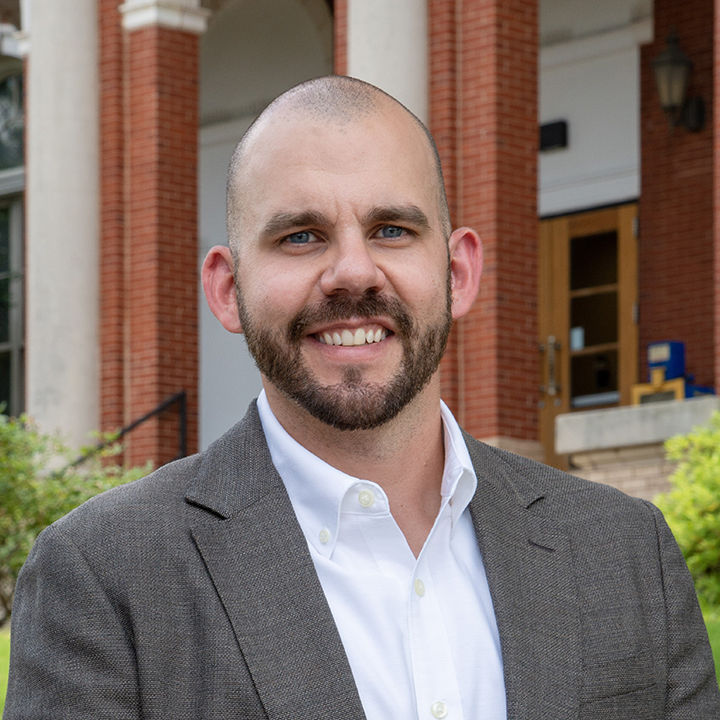
Benjamin W Parsons serves as Assistant Professor and Director of the Experiment Station (DREX) in the Department of Poultry Science at the University of Arkansas. He holds a Ph.D. in Poultry Science (2023) from the University of Arkansas, complemented by M.S. (2021) and B.S. (2019) degrees in Animal Sciences from the University of Illinois Urbana/Champaign. His research program centers on nutrient availability evaluation through digestibility, retention, and bioavailability studies in poultry feedstuffs. He investigates feed additive efficacy for improving nutrient utilization and examines dietary impacts on intestinal secretions and endogenous nutrient losses. Key methodologies include precision-fed rooster assays and in vitro prediction models for feed ingredient quality assessment. Recent publications (2022-2024) demonstrate concentrated expertise in mineral nutrition (zinc, phosphorus) and amino acid metabolism, with significant contributions to understanding ethanol co-products, protein sources, and anti-nutrient factors in poultry diets. His work bridges fundamental nutrient science with practical feed formulation applications. Dr. Parsons maintains active professional engagement through memberships in the World's Poultry Science Association and Poultry Science Association. While no specific awards or advisees are documented in the source material, his research program indicates substantial collaborative activity within the poultry science community.
Marta Rodriguez Illera is a Researcher at Wageningen University & Research, specializing in Food Technology . Her work focuses on Food Loss and Waste , Food Science , and Food Systems , with an emphasis on sustainability and circular economy applications. Active in food waste valorization and sustainable processing Contributed to multi-criteria assessment frameworks for plant-based meat replacers Supervised PhD research on feed processing and functional molecule separation Research Trends : Her recent publications (2025-2024) address sustainability in food systems, including studies on French fries preservation, protein choice impacts, and decision-making in waste valorization. Earlier work (2023-2015) spans food waste mapping, consumer behavior analysis, and process engineering for nutrient recovery. Labs & Projects : Collaborated on the "Uitgekookt" project for feed processing optimization and developed micro-structured carrier systems for separating functional oligosaccharides/peptides during her PhD (2009-2014).
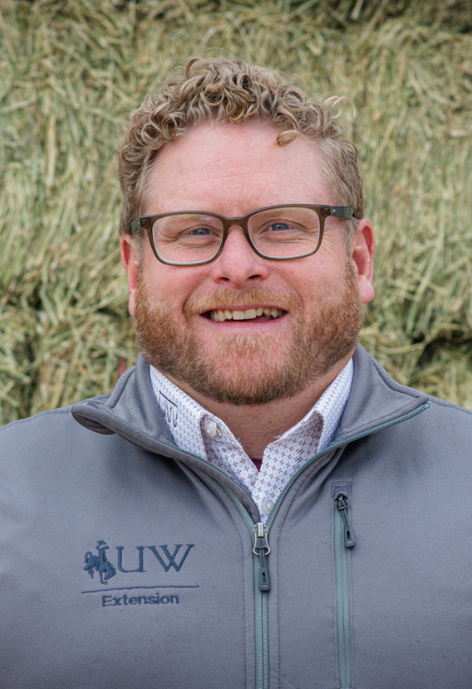
Dr. Whit Stewart is an Associate Professor and Extension Sheep Specialist at the University of Wyoming , affiliated with the Department of Animal Science . His work integrates research, teaching, and extension to enhance the sustainability, productivity, and resilience of the U.S. sheep industry. Education: B.S. in Agriculture Education, Brigham Young University - Idaho M.S. in Animal Science, Oregon State University Ph.D. in Animal Science, New Mexico State University Research Interests focus on alternative feedstuffs, mineral supplementation, range sheep crossbreeding, and the role of plant secondary compounds in sheep production systems. His teaching portfolio includes advanced sheep production, wool evaluation, and lamb feeding systems. Extension Interests emphasize adopting emerging technologies, on-farm research, and decision-making tools for producers. He also serves as faculty advisor to the UW Collegiate Wool Growers and coach of the UW Intercollegiate Wool Judging Team. Professional Experience spans roles at the University of Wyoming (2017–present), Montana State University (2015–2017), and prior positions in research and extension.
Samuel Rochell is an Associate Professor in Poultry Science at Auburn University's College of Agriculture, specializing in poultry nutrition and avian health. His work focuses on optimizing feed formulations, amino acid metabolism, and mitigating challenges such as enteric infections and heat stress in broiler production. He holds a Ph.D. in Poultry Science and has extensive industry collaboration experience. Research interests include precision nutrition strategies for broilers, phosphorus digestibility in feedstuffs, and the role of functional ingredients like Spirulina and probiotics in improving gut health and meat quality. He evaluates nutritional interventions to enhance production efficiency while addressing welfare and sustainability concerns. Recent publications highlight advancements in understanding nutrient interactions under disease and environmental stressors, with a focus on Cobb 700 and other commercial broiler strains. His studies contribute to evidence-based guidelines for feed formulation and disease management in poultry systems. Labs/Teams: Collaborates with the Auburn Poultry Nutrition Lab and the Alabama Agricultural Experiment Station. Active in interdisciplinary projects with the College of Veterinary Medicine and industry partners.
Kun-Jun Han is an Associate Professor at the Louisiana State University Agricultural Center, affiliated with the School of Plant, Environmental and Soil Sciences within the College of Agriculture. His research focuses on forage crop improvement, biofuel feedstock development, and soil health enhancement. He leads the Forage Quality Lab, which provides analytical support for forage nutritional value assessment. Education: Han holds a Ph.D. in Agronomy from the University of Wisconsin-Madison (2001) and multiple degrees in Animal Sciences from Seoul National University, including a Ph.D. (1995), M.S. (1989), and B.S. (1987). Research Interests: His work emphasizes sustainable agricultural practices, including nondestructive forage analysis using NIRS, cover crop impacts on soil health, and optimization of biofuel feedstock production. Key areas include legume integration in pastures, silage quality evaluation, and climate-resilient forage systems. Grants & Funding: Han has secured over $1.2 million in grants from USDA programs, the United Sorghum Checkoff, and others, supporting projects on soil health, forage radish benefits, and biofuel crop management. Labs/Teams: The Forage Quality Lab collaborates with extension programs and industry stakeholders to improve forage utilization and livestock productivity. Recent efforts include developing machine learning tools for weed identification and evaluating biochar effects on crop productivity.
Mario de Haro Martí is an Extension Educator at the University of Idaho Extension, serving Gooding County and the broader Magic Valley region. He is affiliated with the College of Agricultural and Life Sciences and works within the University of Idaho Extension department, delivering applied research and educational programs focused on sustainable agriculture and environmental stewardship. Education: Ph.D. in Environmental Science, University of Idaho, 2018 M.S. in Environmental Science, University of Idaho, 2007 B.S. in Environmental Studies, National University of Comahue, Argentina, 1996 Mario de Haro Martí's research and extension interests center on improving the sustainability of dairy and livestock operations. His work emphasizes agricultural nutrient and waste management , air and water quality , dairy and livestock sustainability , and bilingual workforce education . He develops practical solutions for reducing environmental impacts while enhancing productivity. His programs cover manure and compost management, vermicomposting, cover crops, and community environmental science education. His recent publications reflect a strong focus on sustainable livestock systems, including nutrient utilization, air emissions reduction (especially ammonia), alternative feedstuffs, climate resilience in agriculture, and the socio-economic challenges facing small dairy farms. The research integrates environmental science, animal nutrition, and community engagement, particularly with Hispanic dairy workers. Scientific Awards and Honors: National Association of County Agricultural Agents Distinguished Service Award (National Winner, 2022) Health Heroes Award (Hispanic Coalition and EXCITE program, 2022) University of Idaho Extension Diversity Award (2020) Xi Sigma Pi (International Natural Resources Honor Society, 2018) Gamma Sigma Delta (Honor Society of Agriculture, 2009) National Finalist, Communication Award (2009) Western Region Extension Education Poster Winner (2009) Golden Key International Honour Society (Top 15% of 2007 graduates) Mario de Haro Martí actively advises and trains dairy producers and their workforce, developing bilingual educational materials on farm safety, immunization, and dairy management. His work is supported by extension grants and collaborative programs like the EXCITE initiative, which integrates farm safety with immunization education. He has been with the University of Idaho Extension since 2007, conducting on-farm research and outreach. He leads and participates in multidisciplinary teams focused on agricultural sustainability, environmental quality, and community health. His work includes stakeholder-driven projects on climate change adaptation and rural development in the Upper Snake River Basin.
Haley Larson, Ph.D., serves as a Teaching Assistant Professor in Animal Health at Kansas State University's Olathe campus. Her career bridges academia and industry, with prior roles as a Senior Scientist at Cargill Animal Nutrition and Health where she developed the first fully automated dual-flow continuous culture system for cattle rumen simulation. Education: Ph.D. in Ruminant Nutrition from University of Minnesota (2019) B.S. in Animal Science from University of Minnesota (2014) Research Interests focus on ruminal fermentation patterns, in vitro culture systems, biological modeling, and on-farm rapid assays. She specializes in nutritional strategies to optimize cattle performance and reduce environmental impacts through feed additive evaluation and microbial analytics. Academic Contributions include designing graduate programs like the M.S. in Applied Biosciences and Regulatory Affairs in Animal Health Graduate Certificate. Her teaching spans topics such as product development research strategies, EPA regulatory affairs, and zoonotic pathogens in the food chain. Professional Affiliations include American Registry of Professional Animal Scientists, Plains Nutrition Council, American Society of Animal Science, and American Dairy Science Association.
Dr. Simon Daniels is an Associate Professor of Equine Science at the Royal Agricultural University (RAU), where he leads the BSc (Hons) Equine Science and Business programme and oversees academic teaching, learning, and assessment. He holds a PhD in Veterinary Medicine and Science from the University of Surrey and has 35 years of equine industry experience, including roles as a nutritionist and academic researcher. His research focuses on equine gastrointestinal health, microbiome analysis, parasitology, and nutritional strategies. Education: BSc (Hons) Equine Science (University of Lincoln) PhD Veterinary Medicine and Science (University of Surrey) CMI Diploma in Management and Leadership PG Cert Teaching and Learning in Higher Education (UWE) Research Interests: Simon’s work explores the health of the equine gastrointestinal tract, including microbiome dynamics, feedstuff effects on oral pH, and sustainable worm control. His current projects include developing in vitro digestion models and studying the gut-brain axis in horses. His research has led to advancements in haylage quality assessment and equine nutrition resources. Publications: His articles span topics like feed pH impacts, hay microbiome characterization, and anthelmintic efficacy. Recent work includes studies on oral pH regulation and haylage feeding practices. Awards: Senior Fellow of the Higher Education Academy (SFHEA) Advising & Grants: Simon supervises multiple PhD and MScR students focusing on equine nutrition, digestion models, and forage quality. He also serves as an external examiner for veterinary and animal nutrition programs at Universities of Nottingham and Glasgow. External Engagement: He chairs the BSAS Undergraduate Thesis Committee and contributes to initiatives like the CANTER research group addressing anthelmintic resistance. He is an editor for Microbiology Spectrum and actively collaborates with industry partners on diagnostic and educational projects.
Tom Bastiaansen is a Researcher affiliated with the Animal Nutrition department at Wageningen University & Research. He holds a PhD in Animal Science from the same institution. His work focuses on optimizing feed pelleting processes, particularly in integrating coproducts into livestock diets to enhance sustainability and efficiency. He specializes in understanding the physical and rheological properties of feed materials, including lipid effects on lubrication and agglomerate formation during extrusion. Education: PhD, Wageningen University (2024) Research interests revolve around circular agriculture, advancing technologies for pellet manufacturing through computational modeling and experimental analysis. He investigates how feed composition and processing variables influence pellet quality and energy consumption, aiming to reduce reliance on conventional feedstuffs. His articles highlight advancements in hammer mill applications, coproduct utilization, and lipid mechanics in extrusion. Media contributions include expert commentary on fibrous co-products and challenges in circular agriculture. Advising and grants: As a PhD candidate (2020–2024), his research was supervised by Prof. Dr. W.H. Hendriks and co-supervised by Dr. G. Bosch and Dr. S. de Vries under the project Pelleting feed in the circular agriculture . Labs/Teams: Active in the Pelleting feed in the circular agriculture research group, collaborating on projects with interdisciplinary teams focused on rheology and feed manufacturing innovations.
Dr. Wendy Liermann is a researcher at the Research Institute for Farm Animal Biology (FBN), focusing on metabolic health in farm animals. Her work primarily investigates gastrointestinal physiology, immune system development, and nutritional programming effects in neonatal calves and poultry. Key affiliations: Research Institute for Farm Animal Biology (FBN), Leibniz Association Research areas: Maternal nutrition, intestinal mucosa transcriptomics, fatty acid supplementation, microbiome-immune interactions Recent research highlights include studies on Cryptosporidium parvum infections in calves, colostrum quality, and feed processing techniques in broilers. She frequently collaborates with Harald Michael Hammon and other veterinary scientists. Publications span 2017-2024 Active in experimental animal facilities Her work contributes to neonatal calf nutrition, antimicrobial resistance research, and optimized feeding strategies for poultry.
Dr. Eugene Felton is an Associate Professor in the Department of Animal and Nutritional Sciences at West Virginia University. He holds a B.S. in Animal Science from The Ohio State University and a Ph.D. in Ruminant Nutrition from the University of Missouri, followed by postdoctoral research in pasture systems at West Virginia University. His research focuses on: Forage system optimization for livestock nutrition Ruminant production efficiency metrics Feedstuff quality assessment methodologies Biomass conversion for bioenergy applications Organic production systems integration Publication analysis reveals concentrated research in sustainable livestock systems, with thematic focus on: Grass-fed beef production optimization Winter forage management strategies Alternative feed resource utilization Agroecological approaches to ruminant nutrition No awards, student advising relationships, or grant information are documented in available materials.
Dr. Diwakar Vyas is an Associate Professor in the Animal Sciences Department at the University of Florida . His research focuses on improving livestock productivity through sustainable practices, with a strong emphasis on ruminant nutrition, rumen microbiology, and methane mitigation strategies. He has extensive expertise in feed formulation, silage management, and the development of natural alternatives to conventional anthelmintics and antimicrobials. Dr. Vyas' work spans multiple disciplines, including animal health , climate-smart agriculture , and global food security . His recent studies investigate the effects of dietary additives (e.g., probiotics, enzymes, and plant extracts) on rumen fermentation dynamics, milk production, and greenhouse gas emissions. He also explores innovative methods to quantify methane emissions in livestock systems and improve forage crop yields in tropical climates. Publications highlight his contributions to understanding the impacts of aflatoxins and mycotoxins on livestock health, as well as strategies to enhance nutrient digestibility and reduce environmental footprints. His research often bridges fundamental biology and applied agricultural practices, with applications for both smallholder farmers and industrial-scale dairy operations. Dr. Vyas is affiliated with the University of Florida's Gainesville campus and collaborates with international organizations to address global challenges in livestock sustainability. Despite no explicit grants or awards listed, his prolific publication record reflects sustained research excellence in his field.