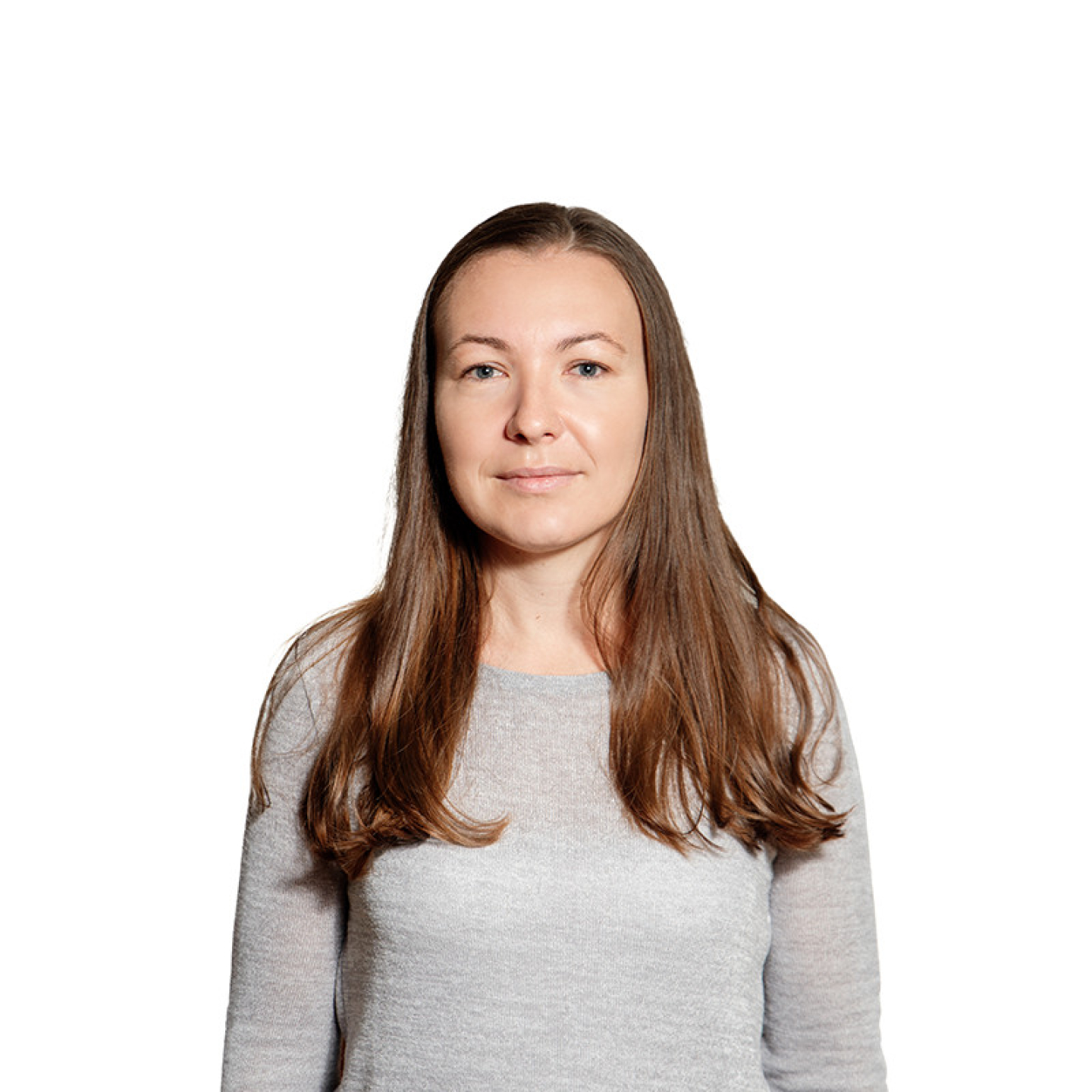
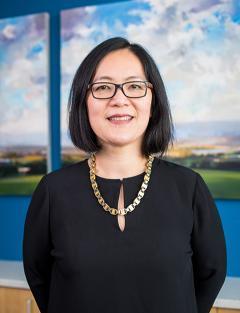
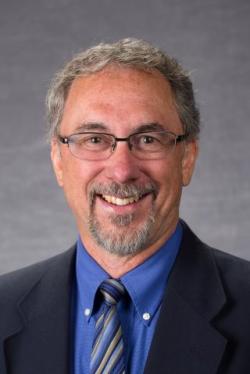
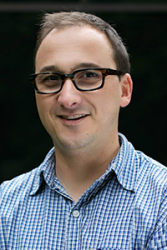
Natacha Trudeau is a Full Professor at the School of Speech-Language Pathology and Audiology, University of Montreal. Her research focuses on language acquisition, bilingualism in children with developmental disabilities, augmentative and alternative communication (AAC), and feeding-swallowing disorders. Doctorate in Biomedical Sciences (Speech Therapy specialization) Master's and Bachelor's in Speech Therapy, all from the University of Montreal Her research themes include: Language assessment and intervention for children with disabilities Development of clinical tools for pragmatic skills and inferencing Impact of bilingualism on communication disorders Graphic symbol use in AAC systems Feeding-swallowing difficulties in children with language impairments Recent publications highlight trends in: Evaluating syntactic development in French-speaking children Word-finding behaviors and narrative skills Interactive reading interventions for preschoolers Neurodevelopmental outcomes in congenital heart disease
Ivana Budinski is a Senior Research Associate at the Department of Genetic Research within the Institute for Biological Research "Siniša Stanković" (IBISS), a national institute of the University of Belgrade . Her work focuses on bat conservation genetics, population dynamics, and bioacoustic monitoring. Research Interests Biodiversity and population genetics Conservation biology of bats Metabarcoding and ecological monitoring Terrestrial ecology and environmental protection Publications highlight her contributions to bat echolocation plasticity, parasitology, and genomic studies in European bat species. Her research spans climate change impacts, acoustic identification methodologies, and zoonotic pathogen surveillance.
Cheen Loo is a Professor and Chair of Pediatric Dentistry at Tufts University School of Dental Medicine (TUSDM). She directs the Postdoctoral Program in Pediatric Dentistry and holds multiple advanced degrees: a Bachelor of Dental Surgery (1988) and PhD in Oral Biology (1995) from the University of Sydney, a Master of Public Health in Epidemiology (2004) from Boston University, and a Doctor of Dental Medicine (2010) from Tufts University. Biographical Highlights: Diplomate of the American Board of Pediatric Dentistry, Fellow of the American Academy of Pediatric Dentistry, and active in professional organizations like the Massachusetts Academy of Pediatric Dentistry. Research Focus: Pediatric oral health, caries prevention, dental materials, telehealth integration, and public health interventions. Leadership: Served on the Examination Subcommittee of ABPD and Executive Committee of Massachusetts AAPD. Publication Trends: Recent work emphasizes silver diamine fluoride applications, telehealth in dental education, and clinical outcomes for zirconia/stainless steel crowns. Her research combines clinical trials, epidemiological studies, and material science advancements. Scientific Recognition: Diplomate, American Board of Pediatric Dentistry Fellow, American Academy of Pediatric Dentistry Advising & Grants: Directed postdoctoral training programs funded by HRSA grants (2010-2020) and participated in clinical trials with Colgate-Palmolive and WIllo 32, Inc. focusing on caries prevention, plaque removal, and dental composites safety.
Professor Huiru (Jane) Zheng is a Professor of Computer Science at the School of Computing, Ulster University. She serves as Theme Leader of Data Analytics and Systems in the AI Research Centre and is a full member of the Computer Science Research Institute. As a Fellow of the UK Higher Education Academy and Senior Member of IEEE, she has established herself as a leading researcher with significant contributions to bioinformatics and healthcare informatics. Her educational background includes: PhD in Bioinformatics (2003) from Ulster University Postgraduate Certificate in Teaching in Higher Education (2005) from Ulster University Professor Zheng's research spans multiple domains of data science with applications in healthcare, agriculture, and environmental monitoring. Her primary interests include integrative data analytics in systems biology, machine learning for healthcare decision support, and assistive technology development. She has particular expertise in applying advanced data mining techniques to complex biological datasets, with a focus on improving healthcare outcomes and supporting independent living through technology. Her extensive publication record demonstrates a clear trend toward interdisciplinary research that bridges computer science with practical applications. Recent work shows increasing focus on real-world implementations of AI in digital health, precision agriculture, and environmental monitoring systems. The breadth of her research interests is evident in publications ranging from gait analysis using smart insoles to methane prediction in dairy farming and wildfire monitoring using UAVs. Professor Zheng has received notable recognition for her contributions: Fellow of the UK Higher Education Academy Senior Member of IEEE As a principal investigator, Professor Zheng has successfully secured substantial research funding from diverse sources including EPSRC, TSB, DEL, NHS, Invest NI, Innovation UK, and the European Commission. Her leadership extends to editorial roles for international journals and organizing major conferences such as the UK Workshop on Computational Intelligence. She has supervised numerous research students through her various projects. Professor Zheng leads several active research initiatives including the AI Research Centre's Data Analytics and Systems theme. Her current projects involve developing digital twin technology for personalized healthcare, AI-assisted systems for post-stroke rehabilitation, methane prediction models for sustainable dairy farming, and age-friendly built environment assessment systems. These projects often involve multidisciplinary collaboration across computer science, healthcare, agriculture, and environmental science domains.
Professor Jo Harrold is Dean for the Department of Psychology at the University of Liverpool. A leading behavioural neuroendocrinologist, her work focuses on appetite regulation, obesity treatment, and the psychological mechanisms underlying eating behavior. Her research spans from neurobiological factors in energy balance to maternal mental health impacts on infant feeding. Principal investigator in industry-funded SWITCH trial (American Beverage Association) Key collaborator in European cohort studies (SWEET project) Active contributor to environmental lifecycle assessments of sweetener-containing products Research interests center on: Appetite regulation - Neurobiological and psychological mechanisms Obesity treatment - Pharmacological and behavioral interventions Infant feeding practices - Early life nutrition impacts Food advertising effects - On children's dietary behaviors Recent publications demonstrate strong focus on sweetener impacts on metabolism (5/15 articles), maternal health research (4/15), and appetite measurement methodologies (6/15). Current industry collaborations emphasize weight management solutions while maintaining strict conflict-of-interest declarations. Grants include projects funded by: European Commission (2018-2024) American Beverage Association (2014-2028) UK Department of Health (2022) Science and Technology Facilities Council (2019)
Professor Chris Chuck leads the Department of Chemical Engineering at the University of Bath. His multidisciplinary research focuses on renewable alternative fuels and bioproducts, particularly through sustainable biorefineries using photo-, mixo-, and heterotrophic microbes for lipid and higher-value product generation. He investigates biomass upgrading via chemical methods, lignin depolymerization, and applications in transportation and aviation biofuels, collaborating with Mechanical Engineering academics and industry leaders like EADS and Ford Motor Company. Research Interests: Chris's work addresses sustainability challenges by developing economically viable processes for fuels, chemicals, and animal feed without compromising food or water resources. Current projects explore microbial lipid production from non-food biomass, mechanochemical protein extraction, and SDG-aligned innovations in chemical technologies. Article Trends: His recent publications emphasize 2025: Protein and lipid production from grass using Metschnikowia pulcherrima 2025: Microwave-assisted levulinate synthesis 2024: Probiotic yeast applications in animal feed 2024: Seaweed-based hydrothermal processing for plant growth 2023: Zirconium catalysts for bioplastics 2022: Sawdust valorization via microwave and fermentation These span chemical engineering, biofuels, and sustainable food ingredients. Awards: Whorrod Research Fellowship in Sustainable Chemical Technologies (2011) Collaborations: His funded projects include partnerships with Biotechnology and Biological Sciences Research Council (BBSRC), Engineering and Physical Sciences Research Council (EPSRC), and Innovate UK, focusing on life cycle engineering, farm sustainability, and yeast technology scale-up.
Dr. Winncy Y Du is a Professor in the Department of Mechanical Engineering at San José State University (SJSU) and directs the Robotics, Sensors, and Machine Intelligence Laboratory . She previously served as an assistant professor at Georgia Southern University and held a visiting professorship at MIT (2014-2015). PhD in Mechanical Engineering, Georgia Institute of Technology (1999) MS in Mechanical Engineering, West Virginia University (1994) MS in Electrical Engineering, Georgia Institute of Technology (1999) BS in Mechanical Engineering, Jilin University (1983) Her research focuses on sensors , robotics , and mechatronics applied to biomedical systems, automation, and control. Key projects include stroke rehabilitation robotics , pipeline leak detection , and spacecraft testbed control . Her publications span sensor technologies, medical robotics, and industrial automation. Notable scientific awards include: Fellow, American Society of Mechanical Engineers (ASME) (2010) ASME Diversity & Outreach Award (2004) Newman Brothers Award for Faculty Excellence (2014) She has led over 23 research grants and 20 industry-sponsored projects, including collaborations with NASA, Boston Scientific, and KWJ Engineering, Inc.
Merlin Lindemann is a Professor in the Department of Animal and Food Sciences at the University of Kentucky’s College of Agriculture, Food and Environment. As a 2022-23 University Research Professor, he has demonstrated excellence in addressing scientific challenges in swine nutrition and management. His work spans global impacts through collaborations, presentations in 35 countries, and research influencing FDA and NRC guidelines. Education B.S. in Animal Science, University of Minnesota (1977) Ph.D. in Animal Science, University of Minnesota (1981) Lindemann’s research focuses on dietary modifications to improve swine performance and waste management, trace mineral supplementation, organic chromium effects, omega-6/omega-3 fatty acid ratios, and equipment impacts on swine productivity. His work has resulted in 135 refereed publications and over 500 total publications. He received the University Research Professorship (2022-23) for his contributions. Lindemann has guided 36 graduate students from eight countries and collaborated with over 60 agricultural companies. His program includes hosting visiting professors and delivering over 70 international presentations to 3,500 people in 14 years.
Vasilis Valdramidis is an Associate Professor of Food Chemistry at the Department of Chemistry, National and Kapodistrian University of Athens. His research focuses on food safety, sustainable technologies, and the impact of climate change on microbial dynamics in food systems. Affiliation: Department of Chemistry, National and Kapodistrian University of Athens Research Areas: Food chemistry, microbial inactivation, predictive modeling, climate change adaptation Valdramidis utilizes advanced technologies like high-power ultrasound, hydrodynamic cavitation, and cold atmospheric plasma to enhance food preservation while minimizing environmental impact. His work addresses critical challenges in microbial safety, including pathogen adaptation mechanisms and stress response. Recent publications highlight his leadership in quantitative microbial risk assessment (Q4MRA), life cycle analysis of non-thermal technologies, and climate change interactions with dairy safety. He explores astaxanthin stability in food matrices and ultrasonic decontamination efficacy. Key trends in his research include: (1) Non-thermal processing for food safety, (2) Climate change-induced microbial risks, (3) Data-driven modeling for spoilage prediction, and (4) Sustainable innovation in dairy and seafood preservation.
Motoshi Hiratsuka is a Professor at Waseda University's School of Human Sciences, Faculty of Human Sciences, with expertise in forest environmental science. His academic journey began with undergraduate studies at Waseda University (1996-2000), followed by master's (2001-2003) and doctoral studies (2003-2006) in Human Sciences. Academic Background: Ph.D. in Human Sciences, Waseda University (2003.04-2006.03) Master's in Human Sciences, Waseda University (2001.04-2003.03) Bachelor's in Human Sciences, Waseda University (1996.04-2000.03) Hiratsuka's research focuses on social-ecological systems and forest science, with particular emphasis on REDD+ projects, biomass assessment, sustainable forest management, and the relationship between forest resources and local communities across Japan, Laos, Myanmar, and Indonesia. His work bridges ecological science with social science perspectives to develop effective conservation approaches. His recent publications examine frog assemblages in traditional rice paddies, socioeconomic aspects of non-timber forest product utilization, and REDD+ impacts on greenhouse gas emissions. With 19 Scopus-indexed papers and a Google Scholar h-index of 8, his research has significant impact in forest environmental science. Scientific Recognition: Journal of Forest Research Award (2023) Inoue Research Encouragement Award (2007) Azusa Ono Memorial Award (2003) Hiratsuka serves on multiple environmental committees including the Tokorozawa City Green Council and Forestry Agency committees. He actively contributes to social initiatives like the Tokorozawa City Card Game "2050 Carbon Neutral" and teaches various forest environmental science courses at Waseda University.
Dr. Uzeme Precious Aluta serves as a Lecturer II in the Faculty of Science at the University of Lagos, Nigeria, where she advances sustainable aquaculture through innovative research in fish health management and natural immunostimulants derived from marine resources. Her academic credentials include: B.Sc. in Fisheries from University of Lagos (2014) M.Sc. in Fisheries (Aquaculture) from University of Lagos (2017) Ph.D. in Fisheries from University of Lagos (2023) Her research spans Aquaculture, Fish Health and Disease Management, Immunostimulants, Natural Products, Sustainable Aquaculture, Functional Feeds, and Antibiotic Resistance. She pioneers science-based solutions for aquatic animal health through molecular biology and immunology, focusing on seaweed-derived compounds to replace antibiotics in aquaculture systems while enhancing growth performance and disease resilience. Analysis of her 2021-2025 publications reveals a cohesive trajectory in evaluating marine polysaccharides (particularly from Dictyota ciliolata, Centroceras clavulatum, and Chaetomorpha antennina) for immunomodulation in African catfish and common carp. Her work bridges marine biology, biochemistry, and aquaculture nutrition to address antibiotic resistance through natural feed additives. Dr. Aluta has secured competitive recognition including: European Aquaculture Society (EAS) Travel Grant Award (2024) Drug Discovery Africa (DDA) 2022 Conference Scholarship Association of Commonwealth Universities (ACU) Trainee Scholarship (2022) TETFund Nigeria Doctoral Grant (2021) She leverages international collaborations with University of Huddersfield (UK) and University of Porto (Portugal) researchers while serving as peer reviewer for Aquaculture Research and Bioresource Technology Reports. Her postdoctoral fellowship at Huddersfield (2023-2024) expanded her drug discovery capabilities, positioning her at the forefront of translational aquaculture science. Embedded in the European Aquaculture Society network, Dr. Aluta's current work integrates UK-Portugal-Nigeria research pipelines to develop commercially viable immunostimulants that could revolutionize global aquaculture sustainability practices.
Marissa Burgermaster, Ph.D., is an Assistant Professor jointly appointed in The University of Texas at Austin's Department of Nutritional Sciences in the College of Natural Sciences and the Department of Population Health at Dell Medical School. Her innovative work bridges behavioral nutrition science and biomedical informatics to address critical health challenges. Education: Ph.D. in Behavioral Nutrition, Columbia University Master's in Biomedical Informatics, Columbia University Irving Medical Center M.S. in Nutrition and Food Science, Montclair State University M.Ed. in Curriculum and Instruction, William & Mary Postdoctoral Fellowship in Biomedical Informatics, Columbia University Irving Medical Center Dr. Burgermaster's research applies biomedical informatics methods to improve nutrition and community health, with a focus on leveraging patient-generated data to personalize nutrition interventions for chronic disease prevention and management. She specializes in developing technologies for underserved populations who are often excluded from digital health innovations. Her work on psychosocial-behavioral phenotyping has established a novel framework for precision behavioral nutrition, enabling tailored interventions based on individual behavioral, psychological, and social profiles. She has led significant projects including Platano, a motivationally tailored app for diabetes management among underserved populations, and 'Taming Type 2 Diabetes Together,' a voice application that was a finalist in major technology competitions. Her recent publications demonstrate a clear trajectory toward personalized, data-driven nutrition interventions that address health equity. The research spans school-based nutrition programs, digital health tools for chronic disease management, and innovative approaches to understanding how food processing levels impact health outcomes in diverse populations. Her work particularly emphasizes interventions for African American and Latinx communities, addressing critical gaps in culturally appropriate digital health solutions. Awards and Recognition: 16th NIH Matilda White Riley Behavioral & Social Sciences Honors Early Stage Investigator Paper Award (2023) Outstanding Faculty Researcher of the Year, Department of Population Health (2020) Early Career Award from the New York Academy of Sciences Nutrition Program As principal investigator of an Agency for Healthcare Research and Quality-funded project, Dr. Burgermaster leads an interdisciplinary team developing clinical software for personalized diet goal-setting in primary care. She also serves as a Director at Large on the Society for Nutrition Education and Behavior's board of directors and has held leadership roles in multiple professional organizations focused on nutrition education and digital health innovation. Her background as a former teacher and school administrator uniquely positions her to develop practical, implementable solutions that bridge academic research and real-world healthcare settings.
Federico Rey serves as an Associate Professor in the Department of Bacteriology at the University of Wisconsin-Madison, conducting research at the Wisconsin Institute for Discovery (330 N. Orchard Street, Madison). His work centers on gut bacterial metabolism's role in human disease pathogenesis, with significant contributions to understanding microbiome-host interactions in cardiovascular and neurodegenerative disorders. His primary research interests include gut microbiome composition and function, bacterial metabolism of dietary components, and microbial metabolite impacts on host physiology. Key investigation areas involve trimethylamine N-oxide (TMAO) in atherosclerosis, imidazole propionate in Alzheimer's disease, and dietary influences on microbiome-driven metabolic conditions like MASH. His laboratory employs gnotobiotic mouse models, human cohort studies, and systems genetics to elucidate causal mechanisms. Analysis of his recent publications reveals dominant themes: gut microbiome associations with Alzheimer's pathology biomarkers (e.g., amyloid burden), microbial mediation of dietary effects on cardiovascular disease, and spatial characterization of gut microbiota in response to nutritional interventions. His work consistently identifies specific bacterial metabolites as mechanistic drivers of disease processes across multiple organ systems. No scientific awards were mentioned in the source material Student advising details and grant information were not provided His research operates within the Wisconsin Institute for Discovery's collaborative ecosystem, utilizing advanced genomic, metabolomic, and imaging techniques
Erkal Ersoy is an Assistant Professor of Economics at Heriot-Watt University , based in the Department of Economics under Edinburgh Business School and the School of Social Sciences. He co-leads a research team in an industry collaboration with BP, focusing on energy economics and spatio-temporal modeling. Education: BA in Economics and Linguistics (2009) MSc in Economics (2011) PhD in Economics (2018) Research Interests include energy economics, applied econometrics, macroeconomic impacts of energy prices, inequality, and health economics. His work often intersects with UN Sustainable Development Goals, particularly affordable and clean energy (SDG 7) and climate action (SDG 13). Publication Trends reflect his focus on renewable energy policy in Europe, econometric methods (e.g., stacking regression for forecasting GDP), oil market dynamics, and education economics. He has contributed to policy discussions on energy security during geopolitical crises like the Ukraine war. Scientific Awards: Fellow of the Higher Education Academy (2017) He has been referenced in four media articles, including analyses of energy use post-pandemic and climate futures. Collaborative Work with BP highlights his role in bridging academic research and industry applications for energy market challenges.
Dr. Darlene Brooks Hedstrom, the Myra and Robert Kraft and Jacob Hiatt Associate Professor of Christian Studies at Brandeis University, is a leading archaeologist and historian specializing in late antique and early Byzantine Christianity in the eastern Mediterranean (300-1000 CE). She holds joint appointments in the Department of Near Eastern and Judaic Studies and Classical Studies, combining textual analysis, material culture studies, and theoretical frameworks to examine monastic communities. Senior Archaeological Consultant for the Yale Monastic Archaeology Project-North in Wadi Natrun, Egypt Speaker for the Archaeological Institute of America Focuses on monastic settlements, household archaeology, and spatial analysis Her groundbreaking 2017 monograph The Monastic Landscape of Late Antique Egypt: An Archaeological Reconstruction (Cambridge University Press) redefined Egyptian monastic archaeology through ecohistorical and theoretical lenses. Current work includes excavation monographs on Byzantine kitchens at the Monastery of John the Little and Coptic legal document analysis. Recent Publications & Research Trends Her 2024-2023 work explores theoretical frameworks in North American Byzantine archaeology, monastic food practices, and ascetic spatial concepts. Earlier studies (2017-2020) systematically documented Coptic monastic material culture through household archaeology approaches, analyzing settlements at White Monastery (Sohag) and John the Little (Wadi Natrun). Scientific Recognition 2019: Biblical Archaeology Society's Best Popular Book in Archaeology award for her monograph 2007: Dumbarton Oaks fellow for "Feeding Asceticism in Byzantine Monasteries" project Academic Contributions Pioneered integrated approaches combining documentary evidence with material remains, challenging traditional perceptions of monastic isolation. Her work reveals complex urbanized monastic landscapes and the socioeconomic dynamics between monastic and nonmonastic communities.