
Prof. Dr. Deniz Tasdemir is a Full Professor (W3) of Marine Natural Products Chemistry at GEOMAR Helmholtz-Zentrum für Ozeanforschung Kiel and serves as Director of the GEOMAR-Biotech center and Head of the Marine Natural Product Chemistry Research Unit. Her career spans institutions including the National University of Ireland Galway and UCL School of Pharmacy. PhD in Pharmacy, ETH Zurich (1997) Post-doctoral work, University of Utah (2001) Dr. Helmut Legerlotz Fellowship, University of Zurich (2002-2025) Her research focuses on marine chemical ecology , metabolomics , and bioprospecting for bioactive compounds from sponges, algae, and marine microbiomes. Recent work explores seagrass pathogen reduction, microbiome interactions, and aquafeed applications. Scientific awards include: Waters Award for Natural Products Innovation (2016) Egon Stahl Silver Medal (2005) Pierre Fabre Prize (2004) ETH Zurich Medal (1997) She leads collaborative projects on ocean sustainability and marine drug discovery, with editorial roles in Marine Drugs , Planta Medica , and Phytochemistry Letters .
جستوجوی استاد و پژوهشگر
استاد راهنما، استاد دانشگاه یا پژوهشگر مناسب برای مسیر پژوهشیتان را پیدا کنید و با او ارتباط بگیرید.
نمایش ۱۶-۳۰ از ۴٬۷۳۷ استاد راهنما
اطلاعات این پروفایلها از صفحات عمومی دانشگاهها جمعآوری شده و ممکن است بهروز نباشد.
- Livestock production & optimization
- Meat processing: healthy & functionality
- Establishment of environmentally friendly animal production
- +۶ مورد دیگر
Sungkwon Park is a Professor in the Department of Food Science and Biotechnology at Sejong University, specializing in advanced food science and biotechnology research with a focus on meat science, cultured meat production, and sustainable food systems. His research integrates molecular biology, food biotechnology, and systems biology to develop innovative food solutions. His educational background includes a Ph.D. from Purdue University (2008), M.S. from Yeungnam University (2001), and B.S. from Yeungnam University (1999). Prior to his current position, he worked as a Postdoctoral Fellow at Virginia Tech (2008-2012) and as a Research Officer at the National Institute of Animal Science, RDA (2012-2015). Professor Park's research interests focus on livestock production optimization, meat processing for health functionality, environmentally friendly animal production systems, and in vitro meat production. His work has led to significant achievements including the identification of calcium and glucose interaction mechanisms in muscle metabolism, development of oleogel-based meat processing techniques, optimization of feed ingredients for sustainable livestock, and establishment of in vitro meat production systems. His recent publications (2023-2025) demonstrate a strong focus on cultured meat technology, meat science, and sustainable food production. The research spans cellular mechanisms for cultured meat production, safety and regulatory aspects of alternative proteins, comparative analysis of muscle satellite cells, and optimization of meat processing techniques. His work shows a clear trend toward developing practical applications for next-generation meat products with emphasis on health functionality and environmental sustainability. Professor Park actively serves as a reviewer for Frontiers in Veterinary Science and is an Editorial Board Member of the Korean Society of Animal Science. His laboratory, the M&M'a lab (Functional Food Lab), conducts research on high-value-added, health-functional BioFood and future foods using bio-convergence technologies.
Habib Ullahمشاهده پروفایل
دانشیار
- Computer Vision
- Machine Learning
- Deep Learning
- +۷ مورد دیگر
Habib Ullah is an Associate Professor in Data Science at the Norwegian University of Life Sciences (NMBU), Norway, where he conducts research at the intersection of computer vision and machine learning. He is affiliated with the Institute of Data Science under the Faculty of Science and Technology. He has previously held academic positions at COMSATS University Islamabad, Pakistan, and the University of Ha'il, Saudi Arabia, and served as a postdoctoral researcher at The Arctic University of Norway. Educational Background: PhD in Information and Communication Technology (Computer Vision), University of Trento, Italy (2011–2015) MSc in Electronics and Computer Engineering, Hanyang University, South Korea (2007–2009) BSc in Computer Systems Engineering, NWFP University of Engineering and Technology, Pakistan (2002–2006) Habib Ullah's research is primarily focused on computer vision and machine learning, with applications in aquaculture, agriculture, and human behavior analysis. He investigates underwater fish feeding sounds using audio classification, develops zero-shot learning models for recognizing unseen classes, and applies deep learning to detect stress in salmon via skin dot patterns. He also explores AI-driven controlled environment agriculture, leveraging sensors and automation for optimal crop growth. His work emphasizes practical AI solutions for real-world challenges in environmental and biological domains. The recent publications highlight a strong trend in leveraging deep learning for zero-shot and semi-supervised learning, particularly in computer vision tasks such as sea ice classification, crowd anomaly detection, and agricultural monitoring. His research spans remote sensing, biomedical signal processing, and human activity recognition, demonstrating interdisciplinary versatility. The keywords reflect a focus on robust feature representation, knowledge transfer, and model generalization. Scientific Awards and Funding: Industrial PhD grant 'Advancing Controlled Environment Agriculture AI' from The Research Council of Norway (Project number 354125, 2 million NOK, 2024) Team member (Coordinator-Participant) in the Battery Cell Assembly Twin (BatCAT) project funded by Horizon Europe (7 mEuro, 2023–2027) Development of an AI-Based Image Analysis System for Monitoring Plant Status (Funding: 1.8 mNOK, starting 2025) Habib Ullah actively supervises PhD projects and contributes to academic service through editorial and organizational roles. He has served as an Associate Editor for IEEE Access, Guest Editor for MDPI Remote Sensing, and Editor of the Springer book Machine Learning Techniques and Sensor Applications for Human Emotion, Activity Recognition, and Support (ML-SHEARS) . He has also been a Track Chair and Program Committee Member for several international conferences, reflecting his leadership in the academic community. His research is supported by significant grants and collaborative projects, indicating strong institutional and international engagement. He is involved in multiple research teams and projects, including the BatCAT project on battery manufacturing and AI applications in controlled environment agriculture with RIFT LABS AS. His lab work integrates deep learning, sensor fusion, and data analytics for environmental and biological monitoring systems.
Andrew Guessمشاهده پروفایل
دانشیار
Andrew Guess is an Associate Professor of Politics and Public Affairs at Princeton University's Woodrow Wilson School of Public and International Affairs. He employs quantitative and computational methods to study digital media's impact on political dynamics, including polarization, misinformation, and algorithmic effects. Research Interests: Digital media and politics, computational social science, misinformation, political polarization, survey methodology Key Collaborations: Co-editor of the Journal of Quantitative Description: Digital Media , with Kevin Munger and Eszter Hargittai Publication Trends: His work analyzes social media algorithms (e.g., Facebook/Instagram feed effects), misinformation prevalence and correction (including election-related content), and methodological innovations using digital trace data. Articles demonstrate cross-platform analysis, behavioral tracking, and experimental approaches to media literacy interventions. Academic Contributions: Guess has developed frameworks for measuring online media diets, tested algorithmic impacts on political exposure, and investigated structural factors in digital misinformation spread. His research frequently involves large-scale behavioral experiments and partnerships with institutions like the Harvard Kennedy School and NYU Center for Data Science.
Carla P. Gomes is a Professor of Computer Science at Cornell University with joint appointments in the Department of Computer Science and the Dyson School of Applied Economics and Management. She holds a PhD in computer science from the University of Edinburgh and an M.Sc. in applied mathematics from the University of Lisbon. Her research focuses on artificial intelligence, constraint reasoning, optimization, and computational sustainability. As Director of the Institute for Computational Sustainability (ICS) and co-director of the Cornell University AI for Science Institute, she leads efforts to integrate AI with sustainability challenges. Her research themes include the integration of constraint reasoning, machine learning, and operations research to solve large-scale problems. She pioneered the field of Computational Sustainability, addressing environmental, economic, and societal challenges through AI. Gomes directed two NSF Expeditions in Computing awards and established CompSustNet, a large-scale sustainability research network. Key awards include the 2021 ACM–AAAI Allen Newell Award, AAAI Feigenbaum Prize, and fellowships from AAAI, ACM, and AAAS. Her work spans over 200 publications, with contributions to AI, sustainability, and materials discovery. She advises numerous PhD students and oversees postdocs in AI, sustainability, and interdisciplinary projects. Gomes' lab focuses on AI for scientific discovery, including autonomous materials synthesis and crystal-structure phase mapping. She collaborates with institutions like JCAP and the Materials Project, advancing AI-driven solutions for energy and environmental challenges. Current projects include Schmidt AI in Science postdoc initiatives and AI-driven materials discovery platforms like DRNets and SARA.
Ryan Carneyمشاهده پروفایل
دانشیار
- Paleontology
- Epidemiology
- Functional Morphology
- +۵ مورد دیگر
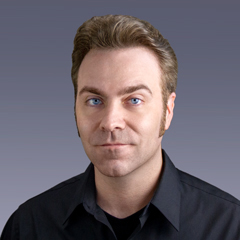
Dr. Ryan Carney is an Associate Professor of Digital Science at the University of South Florida's Department of Integrative Biology (College of Arts and Sciences). His research bridges paleontology and epidemiology, using cutting-edge technologies like 3D imaging, AI, and VR/AR. He studies dinosaur biomechanics (e.g., Archaeopteryx flight mechanics) and mosquito-borne diseases (e.g., malaria, Zika) through NSF/NIH-funded collaborations with agencies like NASA and the CDC. His work integrates citizen science platforms (iNaturalist, Mosquito Alert) for disease surveillance and develops AI tools for mosquito classification. Education: PhD (Brown), MPH/MBA (Yale), B.A.'s in Biology & Art (UC Berkeley) Lab: SCA 107 (focuses on digital paleontology and disease modeling) Research interests span dinosaur functional morphology, epidemiological modeling using GIS/remote sensing, and translating science through immersive technologies. He received awards like the National Geographic Emerging Explorer and multiple USF teaching/research accolades. Awards: CAS Liberal Arts Teaching Award, Outstanding Research Achievement, etc. Grants include NSF funding for AI-driven mosquito surveillance and NIH support for disease control. His lab's innovations include the Global Mosquito Observations Dashboard (GMOD) and VR reconstructions of prehistoric species.

Prof. Dr. Raphael Sznitman serves as Director of the ARTORG Center for Biomedical Engineering Research and Head of the Artificial Intelligence in Medical Imaging group at the University of Bern, Switzerland, holding a Full Professor position in AI for Medical Imaging since 2015. Education: PhD in Computer Science, Johns Hopkins University (2011) MSc in Computer Science, Johns Hopkins University (2009) BSc in Cognitive Systems, University of British Columbia (2007) Research Interests: Sznitman's work centers on computational vision , probabilistic methods , and statistical learning applied to medical imaging challenges. His group develops AI algorithms for ophthalmic diagnostics, surgical robotics, and medical image analysis, with emphasis on OCT, surgical phase recognition, and domain adaptation techniques. Key application areas include retinal disease detection and cataract surgery automation. Publication Trends: His 2021-2025 publications reveal concentrated efforts in deep learning for medical imaging , particularly in ophthalmology (OCT analysis) and surgical video understanding. Emerging themes include LLM applications for clinical monitoring, unsupervised out-of-distribution detection for surgical safety, and physics-informed AI for multimodal medical data fusion. Research Leadership: As ARTORG Center Director, Sznitman oversees interdisciplinary research bridging computer science and clinical medicine. His group collaborates extensively with Bern University Hospital clinicians on translational projects, securing funding for AI-driven diagnostic tools and surgical assistance systems. Current initiatives focus on real-time intraoperative guidance and spaceflight ophthalmology applications. Laboratory: The Artificial Intelligence in Medical Imaging group operates within ARTORG's dedicated facilities, maintaining partnerships with surgical robotics labs and ophthalmology departments for clinical validation of AI systems. Their work integrates multimodal data streams including OCT, VR perimetry, and surgical video feeds.
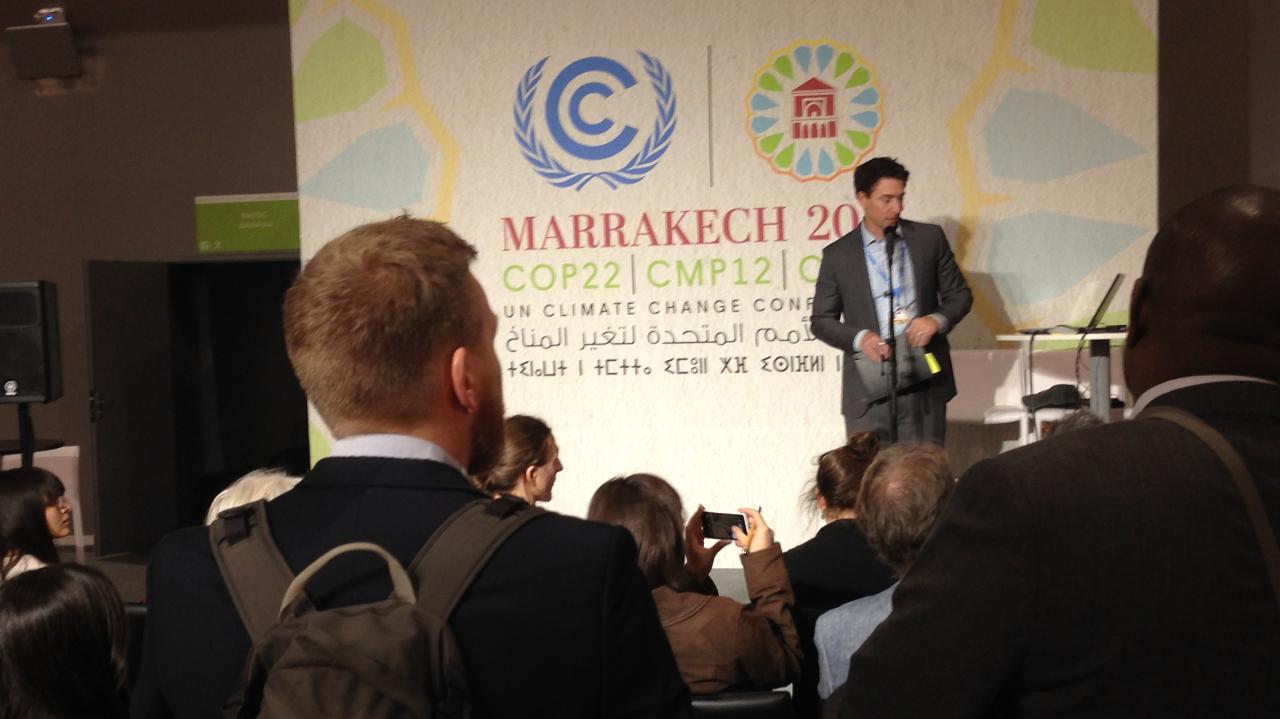
Maxwell (Max) Boykoff is a Professor in the Environmental Studies department at the University of Colorado Boulder and a Fellow in the Cooperative Institute for Research in Environmental Sciences (CIRES). He holds a PhD in Environmental Studies from the University of California, Santa Cruz (2006) and an MBA from the University of Colorado Boulder (2023), complementing his BS in Psychology from The Ohio State University. His research focuses on two primary arenas: the cultural politics of science, climate change and environmental issues, examining how attitudes and behaviors shape action possibilities; and transformations of carbon-based economies, with emphasis on science-policy interfaces and decarbonization politics. His work explores how climate science finds meaning in everyday life and feeds back into policy decisions. Boykoff's publications demonstrate consistent focus on climate communication, media representations, policy conflicts, and societal transformations. His recent work emphasizes digital communication strategies, climate health connections, countermovement analysis, and creative engagement methods. Article trends show increasing attention to social media dynamics, global comparative studies, and interdisciplinary approaches spanning environmental studies, communication, and political science. Awards & Recognition: CU Excellence in Leadership Program (2022) Contributing Author to IPCC Sixth Assessment Report Deputy Editor at Climatic Change journal (over a decade) He leads significant research initiatives including the Media and Climate Change Observatory (MeCCO) monitoring global climate coverage across 82 sources in 40+ countries, Inside the Greenhouse (creative climate communication project), and the Colorado Local Science Engagement Network . He serves on the Independent Science Panel for New Zealand's Deep South Challenge. Boykoff teaches courses including Climate Change Politics & Policy, Creative Climate Communication, Political Economy and the Environment, and Science & Environmental Communication. He mentors through the Red Cross/Red Crescent Climate Centre Internship Program and integrates research with teaching and service commitments.
- Microbiology
- Enzyme Technology
- Probiotics
- +۴ مورد دیگر
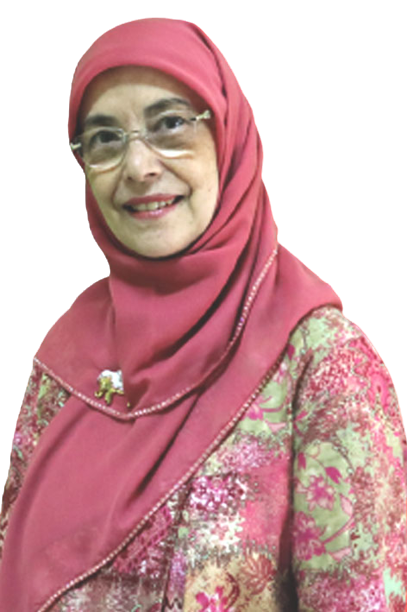
Prof. Dr. Anja Meryandini is a Professor in the Department of Biology at IPB University (Bogor Agricultural University), Indonesia. She leads research in microbial biotechnology with a focus on enzyme technology, probiotics, prebiotics, and fermentation processes for food and agricultural applications. Her educational journey includes a Bachelor's degree in Biology from Padjadjaran University, a Master's degree in Biology from IPB University, and a PhD in Microbiology from Albert Ludwig Universitaet, Germany. This strong academic foundation has supported her extensive research career spanning over three decades. Professor Meryandini's research interests encompass: Microbial enzyme technology (protease, mannanase, xylanase) for animal feed processing Development of probiotics and prebiotics for food and animal applications Flour production using microbial technology Fermentation processes for various agricultural products Soil microbiome analysis in relation to land use changes Biodegradation of environmental pollutants Her recent publications reveal a consistent focus on lactic acid bacteria, yeast fermentation, enzyme characterization, and biodegradation processes, often utilizing Indonesian indigenous microorganisms. She has made significant contributions to understanding cocoa fermentation microbiology, tempeh processing, and agricultural waste valorization. Professor Meryandini has been actively involved in important research projects including 'Impact of rainforest transformation on phylogenetic and functional diversity of soil prokaryotic communities in Sumatra (Indonesia)' which is part of a larger CRC 990 program. Her work demonstrates strong interdisciplinary connections between microbiology, environmental science, and food technology. With over 100 publications documented from 1994 to 2024, Professor Meryandini maintains an active research program with significant contributions to microbial biotechnology in the Indonesian context and beyond.
Dr James Herbert-Read is an Associate Professor and Whitten Lecturer in Marine Biology at the Department of Zoology, University of Cambridge. He serves as Deputy Head of Department (Postgraduate Education) and leads the Marine Behavioural Ecology Group. His research focuses on understanding how animals, particularly marine organisms, collect and process information from their environments to make behavioral decisions, with emphasis on social interactions, adaptation mechanisms, and ecological constraints. His group employs theoretical frameworks, controlled experiments, and quantitative field studies to investigate behavioral diversity in marine species. Key themes include collective behavior, predator-prey dynamics, camouflage strategies, and the impacts of environmental stressors on animal decision-making. Recent publications highlight work on lionfish vocalization mechanisms, cuttlefish camouflage, citizen science applications in marine research, and behavioral responses to visual and acoustic noise. Scientific awards and affiliations include: Whitten Lecturer in Marine Biology Associate Professor, University of Cambridge He has supervised research projects on topics such as: Social attraction in invasive fish species Evolution of coordinated movement Neurophysiological basis for leadership in shoals Maternal effects on offspring exploration
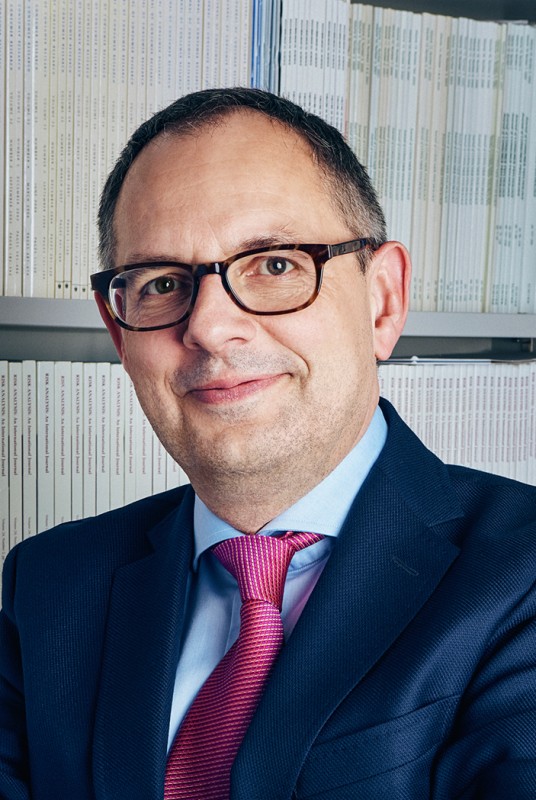
Michael Siegrist is a Full Professor of Consumer Behavior at ETH Zurich's Department of Health Sciences and Technology. His research focuses on risk perception, risk communication, acceptance of new technologies, and decision making under uncertainty, with particular emphasis on food and consumer behavior. He has established himself as a leading researcher in understanding how people perceive risks related to food, chemicals, and emerging technologies. Dr. Siegrist earned his education at the University of Zurich, where he studied psychology, economics, and mass communication. He completed his dissertation in 1994 and his Habilitation in 2001 at the Faculty of Arts. Between 1998-2000, he was a visiting researcher at Western Washington University, funded by the Swiss National Science Foundation. He began teaching and research activities at ETH Zurich in 2004 and became a Full Professor there in 2007. His research interests span risk perception and communication, with particular focus on food safety, disgust sensitivity, naturalness perception, and sustainability. His work examines how consumers evaluate risks related to food technologies, chemicals, and environmental issues. He has published extensively on topics including cultured meat acceptance, food labeling, household chemical safety, and the psychological factors influencing consumer decisions under uncertainty. His research often employs cross-cultural approaches, comparing consumer perceptions across different countries and demographic groups. Dr. Siegrist's publications reveal a strong trend toward understanding the psychological mechanisms behind consumer acceptance of novel food technologies, particularly alternative proteins. His recent work increasingly focuses on sustainability issues in food consumption, examining how consumers perceive environmental impacts of food choices and respond to policy measures aimed at promoting sustainable eating habits. He has made significant contributions to understanding how naturalness claims, disgust sensitivity, and cultural factors shape food preferences and risk perceptions. As an active researcher, Dr. Siegrist collaborates with numerous colleagues across disciplines, including veterinary science, nutrition, and agricultural technology. His work spans both theoretical contributions to risk perception frameworks and practical applications for food industry and policy development.

Zsolt Kiraمشاهده پروفایل
استادیار
- Robotics
- Machine Learning
- Artificial Intelligence
- +۶ مورد دیگر
Zsolt Kira serves as an Assistant Professor in the School of Interactive Computing at Georgia Institute of Technology's College of Computing, with additional affiliations at the Georgia Tech Research Institute and as Associate Director of ML@GT. He leads the Robotics Perception and Learning (RIPL) Lab, driving research at the intersection of machine learning and robotics. Dr. Kira earned his Ph.D. in 2010 under Professor Ron Arkin, establishing foundational expertise in robotics and AI before transitioning to his current academic role after industry experience at SRI International Sarnoff. His research pioneers beyond supervised learning through unsupervised, semi-supervised, self-supervised, and continual/lifelong learning frameworks, while advancing distributed perception via multi-modal fusion and cross-robot information integration. This dual focus addresses core challenges in robotic autonomy and sensor processing. Analysis of his 15 most recent publications reveals dominant trends in embodied AI systems, robust foundation model adaptation, and multimodal learning architectures. Key themes include neural radiance field applications, reinforcement learning for locomotion, and novel benchmarks for memory evaluation in agents. While specific advisees and grants aren't documented in the source material, his RIPL Lab leadership implies active graduate mentorship and research funding acquisition. The lab's work directly enables next-generation robotic systems through algorithmic innovation in perception and learning. The RIPL Lab operates as a hub for developing machine learning techniques that solve difficult perception problems in robotics, with particular emphasis on unsupervised learning paradigms and distributed multi-robot systems that push the boundaries of autonomous operation.

Professor Gavan McNally is a distinguished behavioral neuroscientist at the University of New South Wales, where he serves as a Professor in the School of Psychology. He is actively engaged in research on the fundamental behavioral and brain mechanisms for learning and motivation, with applications to clinical conditions such as addictions, anxiety disorders, and mood disorders. McNally holds several prestigious editorial positions, including Editor-in-Chief of Neurobiology of Learning & Memory and Senior Editor of The Journal of Neuroscience. He also serves as President-Elect of the European Behavioral Pharmacology Society and is a Member of the Australian Research Council College of Experts. McNally's research interests span behavioral neuroscience, focusing on how fundamental brain mechanisms apply to clinical conditions. He employs a systems neuroscience approach, combining well-controlled behavioral approaches with optogenetics, chemogenetics, in vivo calcium imaging, and whole brain circuit mapping in both normal and transgenic animals. His work bridges basic science with clinical applications through collaborations with colleagues at University of Sydney, Sydney Local Health District, Monash University, and Turning Point. McNally's research particularly examines the cellular, circuit, and systems level mechanisms underlying learning, motivation, and their dysregulation in disorders like addiction. His laboratory investigates how these mechanisms translate to human conditions, with a strong emphasis on developing new treatments for psychological disorders. His extensive publication record demonstrates a clear trajectory in understanding punishment learning, addiction mechanisms, and the neural circuits underlying motivated behavior. Recent work has increasingly focused on the cognitive pathways to punishment insensitivity, the role of specific neural circuits in addiction, and translational approaches to understanding maladaptive behaviors. McNally's research bridges animal models with human studies, creating a comprehensive understanding of the neural mechanisms that govern learning and motivation, with particular attention to how these processes go awry in addiction and other psychological disorders. 2008 QEII Fellow, Australian Research Council 2009 Association for Psychological Science, International Rising Star 2010 Fellow, Association for Psychological Science 2010 UNSW Faculty of Science Staff Excellence Award for Research and Training 2011 Pavlovian Research Award, The Pavlovian Society 2012 Future Fellow (Level 3), Australian Research Council 2016 D.G. Marquis Behavioral Neuroscience Award, American Psychological Association 2017 Fellow, American Psychological Association 2019 Fellow of the Academy of Social Sciences in Australia 2021 D.G. Marquis Behavioral Neuroscience Award, American Psychological Association 2022 Ross Day Plenary Lecturer, Australasian Brain and Psychological Sciences 2023 European Behavioural Pharmacology Society Plenary Lecturer 2024 Elspeth McLachlan Plenary Lecturer, Australasian Neuroscience Society 2024 D.G. Marquis Behavioral Neuroscience Award, American Psychological Association Professor McNally actively supervises several students including Bixuan Lin, Si Yin Lui, Hannah Machet, Bart Cooley, Kelly Zhuang, and Alexandra Gregory. His current research is supported by significant funding including an Australian Research Council Discovery Project (2024-2026) on "Risky choices: From cells and circuits to computations and behaviour," another Discovery Project (2025-2028) on "Multimodal mapping of punishment learning," and NHMRC grants including a Synergy Grant on "Linking clinical and basic science discovery to find new treatments for alcohol-use disorder" and an Ideas Grant on "Novel pathways to abstinence from alcohol seeking." These projects reflect his commitment to both fundamental neuroscience and translational applications for treating psychological conditions. His teaching responsibilities include PSYC2081 Learning & Physiological Psychology and PSYC3051 Physiological Psychology. McNally's laboratory employs advanced techniques including optogenetics, chemogenetics, in vivo calcium imaging, and whole brain circuit mapping to investigate the neural mechanisms underlying learning, motivation, and their dysregulation in disorders. His team works at the intersection of basic neuroscience and clinical applications, with strong collaborations across multiple institutions to translate fundamental findings into potential treatments for addiction and other psychological disorders. The lab has made significant contributions to understanding the role of brain regions like the ventral pallidum, paraventricular thalamus, and nucleus accumbens in addiction, fear learning, and punishment sensitivity.
Adam C Steinمشاهده پروفایل
دانشیار
Adam C Stein is an Associate Professor in the Department of Medicine at Northwestern University's Feinberg School of Medicine, specializing in gastrointestinal disorders of the small bowel. He provides clinical care at Northwestern Memorial Hospital and Ann & Robert H. Lurie Children's Hospital of Chicago, with expertise in Crohn's disease, celiac disease, intestinal failure, and malnutrition management. Education: MD from University of Illinois, Chicago (2007) Residency in Internal Medicine at University of Chicago (2010) Fellowship in Gastroenterology at University of Chicago (2013) Fellowship in Nutrition at University of Chicago (2014) Dr. Stein's research focuses on small bowel pathologies including obscure gastrointestinal bleeding, cystic fibrosis-related GI complications, and advanced endoscopic techniques like video capsule endoscopy and double balloon enteroscopy. His clinical work emphasizes nutritional support through parenteral nutrition and tube feeding for complex malabsorption syndromes. Recent publications (2022-2024) demonstrate concentrated research on gastrointestinal manifestations in rare diseases (nephropathic cystinosis) and cystic fibrosis, with particular attention to nutritional management barriers and drug safety profiles in inflammatory bowel disease therapies. No scientific awards are listed in the current profile. Information regarding student advising and research grants is not specified in available materials, though Dr. Stein maintains active industry collaborations through consulting roles with AbbVie, Amgen, and Takeda Pharmaceuticals. As a member of the Division of Gastroenterology and Hepatology, Dr. Stein collaborates with multidisciplinary teams across Northwestern Medicine's academic hospitals, contributing to clinical committees including the ACG Training Committee (2017-2023) and editorial boards such as Current Gastroenterology Reports (2019-2023).
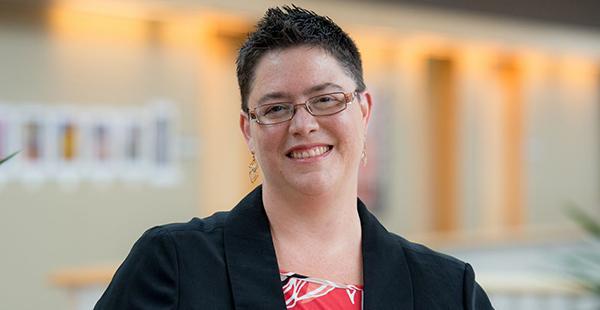
Leah K VanWey is Professor of Environment and Society and Sociology at Brown University, where she also serves as Dean of the School of Professional Studies. She holds affiliations with the Department of Sociology, Institute at Brown for Environment and Society, Population Studies and Training Center, Spatial Structures in the Social Sciences, and Department of Portuguese and Brazilian Studies. Previously, she served as Senior Deputy Director of the Institute at Brown for Environment and Society, Associate Director of the Population Studies and Training Center, and Associate Provost for Academic Space. VanWey completed her education at the University of North Carolina, earning a BA (1996), MA (1999), and PhD (2001). Her research focuses on social demography and environmental social science, particularly examining household responses to reforestation programs in Brazil's Atlantic Forest and the social/environmental impacts of frontier settlement in the Amazon. Her research interests include agricultural intensification, land use change, migration patterns, population-environment interactions, household dynamics, intergenerational support systems, and remittance economies, with a geographic focus on Brazil. She employs interdisciplinary approaches, collaborating with anthropologists, geographers, ecologists, and other social scientists. VanWey has secured significant research funding including grants from NSF, NIH, and NASA totaling over $2.5 million. Major projects include studying agricultural expansion in Brazil, climate variability impacts, land use change dynamics, and population-environment linkages. She mentors graduate students and postdoctoral researchers, including Trina Vithayathil. She teaches courses on human-environment interactions and research methods, including: Feeding Ten Billion, Methods for Interdisciplinary Environmental Research, Multivariate Statistical Methods, Fields and Methods of Social Research, and Professional Development seminars.
فقط ۷۵۰ نتیجه اول نمایش داده میشود. برای رسیدن به نتایج دقیقتر، جستوجو را با فیلترها محدودتر کنید.