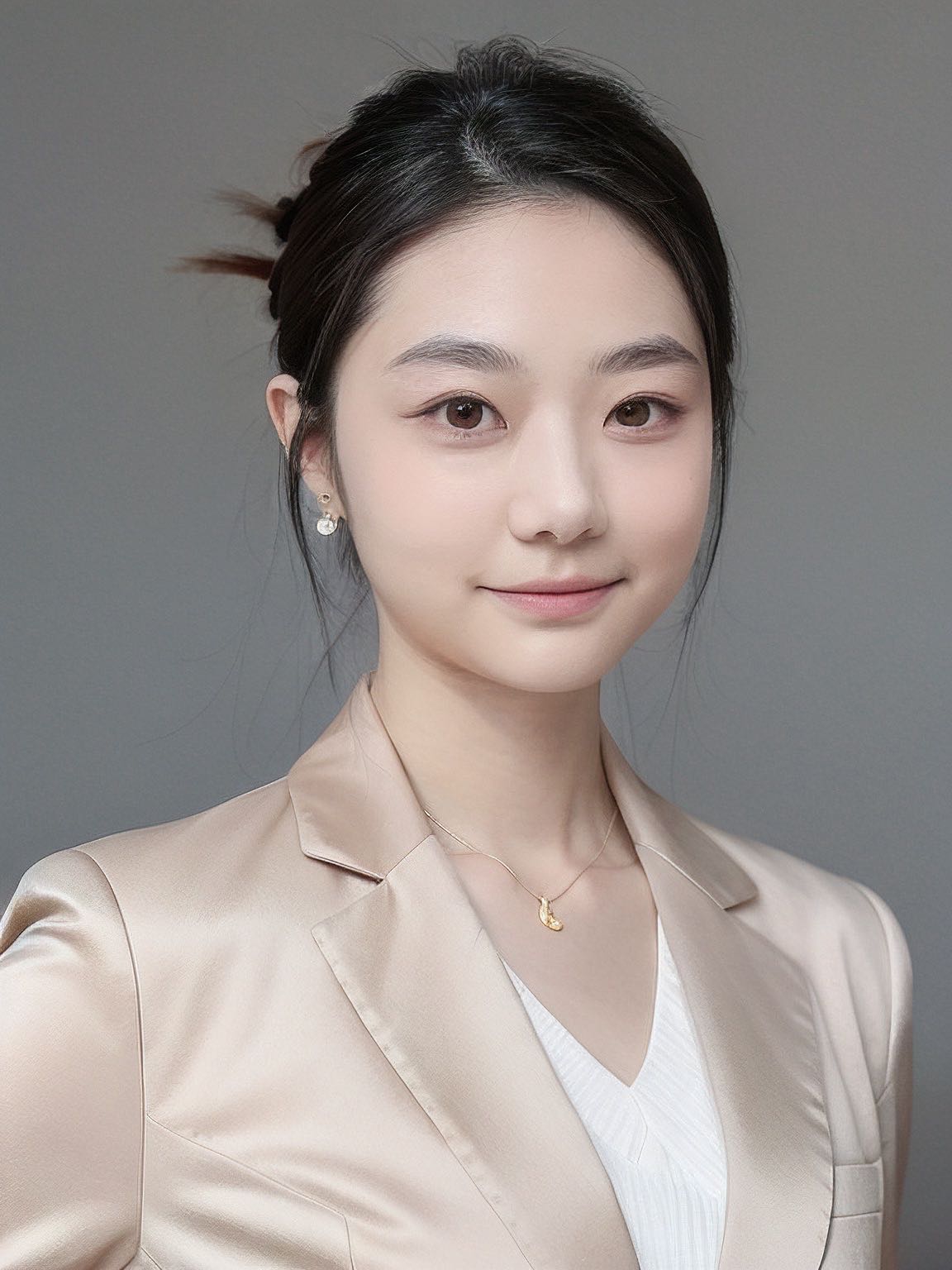
Dr. Yixuan Zou is a Lecturer in Digital Signal Processing at the School of Electronic Engineering and Computer Science, Queen Mary University of London (QMUL). She co-teaches QMUL's Joint Programme with Beijing University of Posts and Telecommunications (BUPT). B.Sc. in Mathematics M.Sc. from Imperial College London Ph.D. in Computer Science, QMUL (2022) Her research focuses on applying artificial intelligence to wireless communications, specifically non-orthogonal multiple access (NOMA), IRSs/RISs-aided systems, and resource allocation for 6G networks. She integrates machine learning, deep reinforcement learning, and meta-learning techniques to optimize network performance. Recent publications highlight advancements in secure IoT node identification, UAV-assisted RIS-NOMA networks, STAR-RIS beamforming, and wideband near-field communication optimization. She contributes to IEEE conferences as a Technical Program Committee member and session chair. Academic Fellow at Digital Environment Research Institute (DERI) Dr. Zou supervises PhD students researching next-generation multiple access, AI-driven near-field communication, and human action recognition, while also serving as a reviewer for top-tier journals like IEEE TWC and IoT-J.
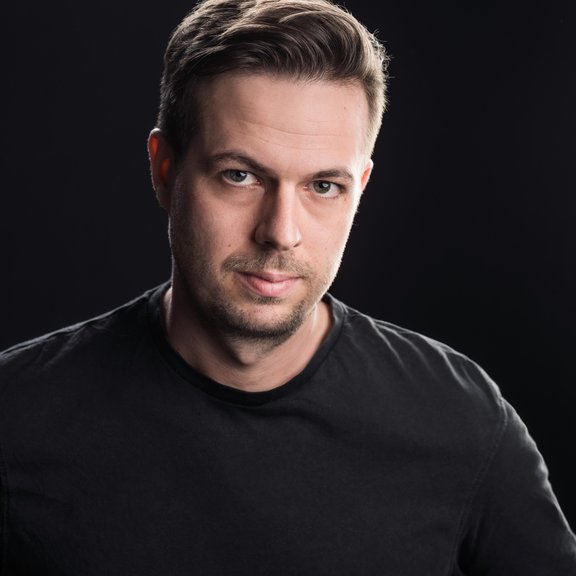
Ki Won Sung is an Associate Professor at KTH Royal Institute of Technology, specializing in wireless communication systems and network optimization. His research focuses on 5G/6G technologies, integrated sensing-communication systems, cell-free massive MIMO, and stochastic network modeling. Research interests include: Wireless network architecture design and optimization Resource allocation in multi-user communication systems Integrated sensing and communication (ISAC) Stochastic modeling of ultra-dense networks Energy-efficient communication protocols Millimeter wave and massive MIMO systems His recent publications demonstrate strong emphasis on beyond-5G systems, particularly cell-free massive MIMO deployments and URLLC applications. Research trends show consistent focus on network optimization through advanced signal processing, geometric decomposition methods, and cross-layer protocol design. Teaching activities include course management and examination for multiple degree projects and core courses: Communication Systems (IK2200) Mathematical Statistics (IX1501) Mobile Networks and Services (IK2560) Radio Networks (IK2510) Stochastic Simulation (II2206) Wireless Systems (IK1330)
Dr. Christian Büsel is a researcher at the Department of General Psychology I, Institute of Psychology, University of Innsbruck . His work focuses on visual attention mechanisms, including top-down and bottom-up processing, and their relationships with working memory. Email: Christian.Buesel@uibk.ac.at Research Interests: Visual attention, visual search, and the interplay between working memory and intentional visual attention. He employs behavioral experiments, meta-analyses, and mobile eye tracking to study suppression of irrelevant stimuli and contingent capture effects. Methodological Contributions: A key developer of the open-source Experimenters' Tools project, which provides resources for psychological research, including visual angle calculations, color conversions, power analyses, and diffusion modeling. His textbook on empirical-experimental methods is available via Springer. Articles Trends: Recent publications emphasize attentional control, feature-based suppression, and cross-modal cognitive processes (e.g., music reading and auditory discrimination). Technical contributions highlight mobile experimentation frameworks and OpenSesame-based methodologies.
Marcel Zentner is a Professor for Personality Psychology and Psychological Assessment at the Department of Psychology, University of Innsbruck. He previously held positions at Harvard University, UC-Berkeley, the University of Geneva, and the University of York (GB). Appointed at University of Innsbruck in 2013, he leads research in personality development, psychological assessment, the psychology of mating, emotion and music. His educational background includes: 2004: Habilitation in Psychology, University of Fribourg, Switzerland 1996: Ph.D., University of Zurich 1992: Diploma (Licentiate) in Psychology, University Zurich 1986-1992: Studies in Psychology, Clinical Child Psychology, and Philosophy, University of Zurich and Harvard University Zentner's research spans multiple domains at the intersection of personality, emotion, and music. His work on temperament assessment has led to the development of validated screening tools used across multiple countries. His research on musical emotion has resulted in systematic approaches to mapping emotional responses to music, culminating in projects like the Emotion-to-Music Mapping Atlas (EMMA). His studies on partner preferences integrate sociocultural and evolutionary perspectives to understand how gender differences in mate selection vary across different societal contexts. Recent work has expanded into pandemic-related relationship dynamics and sophisticated musical ability assessments. His publication record demonstrates consistent contributions to top-tier journals across psychology, with recent work focusing on musical ability assessment, temperament risk factors in child development, and the psychological impacts of the COVID-19 pandemic on relationships. His research shows a clear trajectory from foundational work on emotion and music to increasingly applied studies with practical assessment tools that have real-world implementation across multiple cultural contexts. His research has been featured by BBC ONE, National Public Radio, The Wall Street Journal, and published in premier journals including Nature and PNAS. He is the author of the Handbook of Temperament (Guilford Press), coedited with R. Shiner. His research has been funded by prestigious organizations including the ESRC, the Swiss National Science Foundation, the Jacobs Foundation, and Google. He has served as Editor-in-Chief of Frontiers in Personality and Social Psychology (2014-2019) and has reviewed for numerous top psychology journals and funding bodies including the European Commission and Swiss National Science Foundation.
Yannick Berthoumieu is a Professor at the Université de Bordeaux , affiliated with the IMS Bordeaux laboratory. He leads the MOTIVE team under the Signal and Image Processing research group. His work spans Signal and Image Processing , Machine Learning , and Remote Sensing , with a focus on SAR image analysis, generative models, and geometric learning.
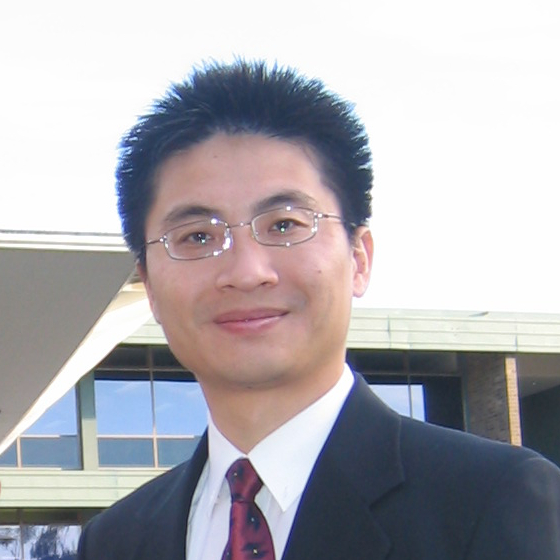
Dr. Xiongcai Cai is an Adjunct Associate Professor at the School of Computer Science and Engineering, University of New South Wales (UNSW). With expertise in Artificial Intelligence , Machine Learning , and Computer Vision , he contributes to advancing Recommender Systems , Natural Language Processing , and Health Informatics . His work bridges theoretical and applied research in technology for human-centric applications. Current roles: Adjunct Associate Professor, UNSW School of Computer Science and Engineering Key research areas: Machine Learning, Recommender Systems, Computer Vision, Generative AI Dr. Cai's research portfolio demonstrates a consistent focus on recommender systems and machine learning over the past decade. His technical contributions span graph convolutional networks , temporal bilinear models , and embedding techniques for collaborative filtering. Recent work in 2025 addresses knowledge distillation for GCNs-based recommenders, while earlier studies tackled cold-start transitions and matrix factorisation boosting. His publication history (2 book chapters, 7 journal articles, and 36 conference papers) reveals a strong emphasis on real-time applications in domains like gait recognition (2020), health data analytics (2016), and social network recommendation (2010-2015). The research applies mathematical rigor to practical challenges in online dating platforms , medical decision support , and object tracking systems . Contact details: Email: x.cai@unsw.edu.au Phone: +61 2 9385 8858
Brendan Murphy is a Full Professor in the School of Mathematical Sciences at University College Dublin since 2015, previously holding a Professor role at the same institution (2007-2015) and a Lecturer position at Trinity College Dublin (1999-2007). He is a Principal Investigator at the Insight Centre for Data Analytics and actively works in Machine Learning & Statistics. Research Focus: His work centers on Model-based clustering Mixture models Applications in sports analytics, food science, microbiome studies, and public health Bayesian statistical methods High-dimensional data analysis Article Trends: Murphy's recent publications (2024-2025) emphasize soft clustering techniques, Bayesian mixture models, and their applications across diverse domains including metabolomics, political science, and oceanography. His work addresses challenges in variable selection, robust classification, and multi-omics integration.
Seda Keskin Avcı serves as Professor in the Chemical and Biological Engineering Department at Koç University, Istanbul, directing the Nanomaterials, Energy, and Molecular Modeling Research Group (NEMO). Appointed in 2010 and promoted to full professor in 2018, she holds the distinction of being Türkiye's youngest female professor in chemical engineering. Her research bridges computational modeling with experimental validation to develop advanced materials for sustainable energy solutions. Education: PhD, Georgia Institute of Technology (2009) MSc, Boğaziçi University (2006) BS, Boğaziçi University (2004) Professor Keskin's research focuses on AI-accelerated design of metal-organic frameworks (MOFs) and covalent organic frameworks (COFs) for gas separation and carbon capture. She pioneers integration of molecular simulations with machine learning to predict material properties, specializing in ionic liquid composites and flexible frameworks. Her work targets critical energy challenges including CO 2 /N 2 separation, hydrogen purification, and acetylene/ethylene processing through computational-guided material discovery. Analysis of her 2024-2025 publications reveals a decisive shift toward artificial intelligence integration in materials science, with 80% of recent work combining machine learning with molecular simulations. Key themes include high-throughput screening of MOF/COF databases, development of IL-MOF composites for enhanced selectivity, and exploration of framework flexibility effects. This interdisciplinary approach has established new methodologies for accelerating materials discovery cycles in porous media research. Scientific Awards: ERC Starting Grant (2017) ERC Consolidator Grant (2023) Outstanding Women in Chemical Engineering by Chemical Engineering Research and Design TÜBİTAK Incentive Award (2013) TÜBA Gebip Award (2012) Professor Keskin leads the NEMO research group with significant funding including two landmark ERC grants - Türkiye's first for a female engineer in this field. Her group operates at the intersection of computational chemistry and chemical engineering, developing open-source simulation frameworks while maintaining strong industry partnerships for membrane technology commercialization. Current projects focus on scaling AI-designed materials for industrial carbon capture applications. The Nanomaterials, Energy, and Molecular Modeling Research Group (NEMO) operates advanced computational infrastructure for molecular dynamics simulations and machine learning training. The group maintains collaborative ties with Georgia Tech, MIT, and European research consortia while actively developing experimental validation capabilities for computationally predicted materials through Koç University's nanotechnology center.
Philip A. Kithas, MD, PhD, serves as Clinical Professor of Internal Medicine and Adjunct Associate Professor of Family & Preventive Medicine at the University of Utah School of Medicine, where he directs geriatric care at the Madsen Health Center in Salt Lake City. With 25 years of prior service at the George E. Wahlen Salt Lake Veterans Health Care System—including leadership as General Medicine Section Chief from 1999 to 2006—he transitioned to his current academic-clinical role after retiring from the VA system. His educational background includes: BA in Biology from the University of Utah BS in Human Biology from the University of South Alabama PhD in Pharmacology from the University of South Alabama College MD from the University of South Alabama Residency and Chief Medical Residency at the University of Utah School of Medicine Dr. Kithas' research centers on geriatric cardiovascular medicine, with deep expertise in hypertension management, hyperlipidemia, and anticoagulation protocols for elderly patients. His work addresses the complex interplay of multiple chronic conditions in aging populations, emphasizing patient education and partnership in care. Early career research investigated molecular mechanisms of cardiac function, particularly phosphodiesterase enzyme systems, while recent publications focus on practical clinical approaches for geriatric hypertension. His publication record reveals a clear evolution from foundational molecular cardiology studies in the 1980s-1990s to applied geriatric cardiovascular research in the 2000s-2020s. The 2010-2020 period features significant contributions to hypertension management guidelines for older adults, including considerations for chronic kidney disease and vascular stiffness, while earlier work established critical insights into cardiac enzyme regulation during development. Dr. Kithas has received exceptional patient feedback (5.0/5 from 19 reviews), with testimonials highlighting his compassionate care, thorough explanations, and unprecedented personal follow-up—including evening phone calls to ensure patient compliance. His administrative contributions include quality improvement initiatives across VA clinics and community-based outpatient facilities. As an educator, he has trained generations of medical providers in geriatric care principles, though specific mentee names are not documented. His current work continues to bridge clinical practice, education, and research at the University of Utah's Madsen Geriatric Clinic, with ongoing focus on optimizing cardiovascular outcomes for aging patients.
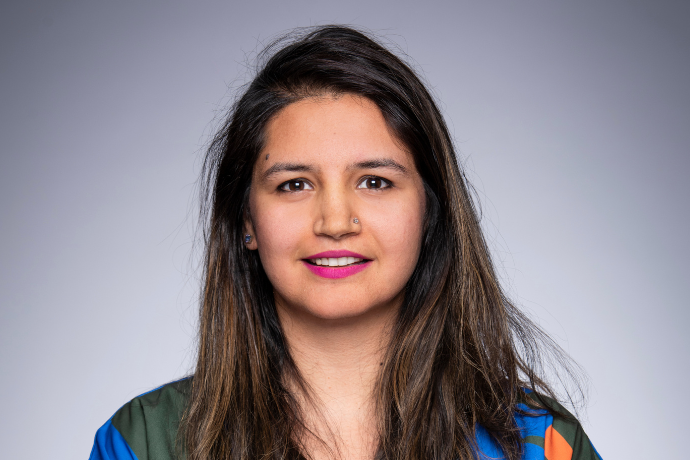
Minahil Asim is an Assistant Professor of Education Leadership, Policy, and Program Evaluation at the University of Ottawa's Faculty of Education. Her research focuses on educational reforms and policies aimed at improving learning outcomes and educational trajectories for disadvantaged students across multiple international contexts including Pakistan, Ghana, and the United States. Dr. Asim completed her PhD in Educational Policy at the University of California, Davis, her MA in Comparative International Education at Stanford University, and her BSc and MSc in Economics at the Lahore University of Management Sciences (LUMS). Prior to her current position, she held a postdoctoral fellowship at the Ontario Institute for Studies in Education (OISE) at the University of Toronto starting in January 2020. Her research examines how management and leadership practices within the education delivery chain influence student outcomes, and how direct support to students—whether at home or at school—can enhance engagement and learning. She employs diverse research methodologies including process reenactment, field experiments, and quasi-experimental strategies to investigate these questions across different educational contexts. Dr. Asim's publication record demonstrates a strong focus on educational equity, policy implementation, and learning outcomes in both developed and developing contexts. Her work spans topics from mobile technology's impact on education in Pakistan to food insecurity's effects on parenting and child development, reflecting her interdisciplinary approach to educational research. Her research has received significant funding from organizations including the Social Sciences and Humanities Research Council Canada (SSHRC), J-PAL Post-Primary Education Initiative, Research on Improving Systems of Education (RISE), the World Bank Group, Sir Ernest Cassel Foundation, and the American Institute of Pakistan Studies. Outside her academic work, Dr. Asim maintains a presence on social media where she shares insights about her research, and she has been featured in media outlets including VoxDev and International Education News for her expertise on educational reform.
Lorenzo Farina is a Full Professor at Sapienza University of Rome's Faculty of Information Engineering, Computer Science and Statistics, specializing in Electronic and Computer Bioengineering (ING-INF/06). With over 25 years of academic leadership, he co-founded Italy's first Bioinformatics degree program and established key oncology precision medicine initiatives, maintaining active collaborations with Harvard Medical School's network medicine division. His educational background includes a cum laude Electronic Engineering degree and PhD in Systems Engineering, both from Sapienza University. These foundational studies evolved into pioneering work in positive linear systems theory, evidenced by his highly-cited Wiley textbook Positive Linear Systems: Theory and Applications (2000). Farina's research centers on network medicine – applying complex network science to molecular medicine since his 2004 breakthrough. His work spans cancer mechanisms (breast, glioblastoma, lung), drug repositioning (including COVID-19 applications), and liquid biopsy biomarker development. Current projects focus on miRNA-based network biomarkers for cancer diagnostics and immunotherapy response prediction, integrating multi-omics data through advanced computational frameworks. Analysis of his 15 most recent publications (2024-2025) reveals dominant themes: sexual dimorphism in cancer networks (MIRROR platform), immunotherapy response signatures, and critical examinations of AI's role in precision medicine. His work consistently bridges computational innovation with clinical applications, particularly in oncology diagnostics and therapeutic optimization. His scientific recognition includes: 2001 Guillemin-Cauer Award for best IEEE Transactions on Circuits and Systems article 2014 SysBio Award for annual best publication Farina actively mentors through interdisciplinary programs he established, including the Network Oncology doctoral program. His laboratory collaborations span Sapienza's Oncogenomics and Immunology Laboratories, Harvard's Channing Division of Network Medicine, and clinical departments in oncology and radiology, driving translational research from computational models to patient applications. He leads multiple research teams focused on network-based diagnostics, including the MIRROR platform for cancer disparity analysis and liquid biopsy development teams investigating circulating miRNA networks for early cancer detection across multiple malignancies.
João Luís Marques Pereira Monteiro is a Full Professor at the Department of Industrial Electronics, School of Engineering, University of Minho, Portugal. He has been with the university since 1980, progressing from Assistant Trainee to his current position. He has held significant leadership roles including Pro-rector (2005-2009), Director of the Algoritmi Center (1998-2006, 2010-2013), and Dean of the School of Engineering (2013-2019). He currently coordinates the Embedded Systems Research Group (ESRG) and is a Senior Researcher at the Algoritmi Research Center. His educational background includes: Bachelor's degree in Electrical Engineering and Computers from the University of Porto (1980) PhD in Informatics and Systems Engineering - specialization in Computer Engineering - from the University of Minho (1991) Habilitation (Dr habil) from the University of Minho (2003) Professor Monteiro's research spans multiple domains in engineering and computer science, with a strong focus on practical applications. His work in embedded systems has led to innovations in real-time processing, sensor networks, and hardware-software co-design. In medical applications, he has developed textile-based sensors for vital sign monitoring. His recent work focuses on computer vision for autonomous vehicles, particularly 3D object detection from point clouds. He also contributes to educational initiatives in data science and AI, particularly in developing countries. His recent publications show a clear progression toward applications requiring real-time processing on resource-constrained devices. There's a strong emphasis on autonomous systems, particularly self-driving vehicles, with multiple papers on 3D object detection from point clouds. His work bridges embedded systems, computer vision, and wireless communications, often focusing on practical implementations for real-world applications like emergency responder localization and medical monitoring. Professor Monteiro has supervised more than a dozen doctoral students, many of whom have gone on to become faculty members at national and international universities. His research has been supported by various funding agencies including FCT (Portuguese), ADI (Portuguese), and FP7 (European funding), as well as industry partners. He leads the Embedded Systems Research Group (ESRG), which is part of the Algoritmi Research Center. The ESRG focuses on developing embedded solutions for various applications including autonomous vehicles, medical devices, and industrial monitoring systems. The group works on both hardware and software aspects of embedded systems, with particular expertise in real-time processing and resource-constrained environments.
Arkajyoti Saha is an Assistant Professor in the Department of Statistics at the Donald Bren School of Information and Computer Sciences , University of California, Irvine. Previously, he was a UW Data Science Postdoctoral Fellow at the University of Washington, working with Drs. Daniela Witten and Jacob Bien. His academic journey includes a PhD in Biostatistics from Johns Hopkins Bloomberg School of Public Health (advised by Drs. Nilanjan Chatterjee and Abhirup Datta), and bachelor's/master's degrees in Statistics from the Indian Statistical Institute, Kolkata. Research Focus: His work bridges statistical methodology and computational tools for high-dimensional and spatially dependent data. Key areas include scalable algorithms for spatial genomics, environmental monitoring, and machine learning applications such as random forests for dependent data. He also develops R packages like RandomForestsGLS to address challenges in correlated data analysis. Publications: His recent work spans spatial variable gene identification, fuzzy clustering theory, and environmental sensor calibration. He emphasizes methodological innovation in statistical genetics and geospatial statistics. Education & Mentorship: Encourages prospective students to contact him directly. His academic background reflects a strong foundation in theoretical and applied statistics, with a focus on bridging computational efficiency and statistical rigor.
Professor Wei Wei is a distinguished researcher in the Department of Neurobiology at the University of Chicago, where he leads a lab focused on understanding the synaptic basis of neural computation in the retina. His work bridges cellular and systems neuroscience, with particular emphasis on how retinal circuits process visual information to detect motion and other visual features. Institution: University of Chicago Department: Neurobiology Research Focus: Retinal circuitry and visual processing Current Funding: Multiple NIH R01 grants Dr. Wei received his PhD in Neurobiology from Cold Spring Harbor Laboratory in 2008, followed by postdoctoral training at the University of California, Berkeley from 2008-2011. His educational background provided him with a strong foundation in both molecular/cellular neuroscience and systems-level approaches to neural circuit function. Wei's research primarily investigates how neural circuits in the retina are assembled to perform specific computations, with particular focus on motion detection. His lab leverages genetic tools that label specific retinal neuron types to target synapses of interest, using multiphoton microscopy, visual stimulation, electrophysiology, and molecular biology to characterize synaptic maturation and function. A key area of investigation involves starburst amacrine cells and their role in direction selectivity. His work has revealed how dendritic computations, synaptic plasticity, and circuit organization contribute to visual processing. Analysis of Wei's recent publications shows a clear progression from fundamental circuit mechanisms toward understanding more complex visual processing in naturalistic contexts. His work spans from cellular and synaptic physiology to systems-level circuit function, with a consistent focus on motion detection mechanisms. The research increasingly incorporates advanced imaging techniques and computational approaches to understand how retinal circuits transform visual inputs into neural representations. 2012 Whitehall Foundation Grant 2013 Sloan Research Fellowship 2013 E. Matilda Ziegler Foundation Grant 2014 Karl Kirchgessner Foundation Grant 2016 McKnight Scholar Award As Principal Investigator on multiple NIH R01 grants totaling millions of dollars, Wei directs a well-funded research program investigating the synaptic basis of motion detection in the retina. His current projects explore dynamic interactions between synaptic and intrinsic properties of starburst amacrine cells, circuit mechanisms for encoding naturalistic motion, and the developmental basis of motion detection circuits. The lab maintains strong collaborations with other researchers in visual neuroscience, as evidenced by co-authorship with scientists at multiple institutions. The Wei Lab operates within the University of Chicago's Department of Neurobiology, utilizing state-of-the-art facilities for retinal imaging and electrophysiology. The lab employs a multidisciplinary approach that combines genetic, optical, electrophysiological, and computational techniques to dissect retinal circuit function. Current research directions include investigating how short-term plasticity shapes circuit function, how dendritic computations contribute to visual processing, and how retinal circuits adapt to changing visual environments.
Catherine M. Tangen is a Professor in the Biostatistics Program of the Public Health Sciences Division at Fred Hutchinson Cancer Center and serves as Deputy Director of the Southwest Oncology Group (SWOG) Statistics and Data Management Center, a national clinical trials network. Her educational background includes: DrPH in Biostatistics from the University of North Carolina (1997) MS in Biostatistics from the University of North Carolina (1990) BS in Zoology from the University of Washington (1985) Dr. Tangen specializes in clinical trial design and analysis with emphasis on genitourinary cancers and survival data methodology. Her landmark work as primary statistical investigator for the Prostate Cancer Prevention Trial demonstrated finasteride's dual effects on prostate cancer risk, leveraging biospecimens from 18,800 participants to study androgen metabolism, diet, and inflammation factors. Current leadership roles include oversight of SWOG's Statistics & Data Management Center, infrastructure support for the Prostate Cancer Prevention Trial (PCPT) and SELECT cohorts, and involvement in the National Community Oncology Research Program (NCORP). Her contributions have been featured in major news outlets including Hutch News and Science Spotlight, covering breakthroughs in prostate cancer therapy, biopsy practices, and risk assessment methodologies.