- Disease Ecology
- Biodiversity
- Conservation Biology
- +۷ مورد دیگر
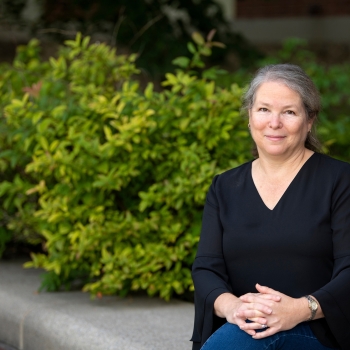
DeeAnn Reeder is a Professor of Biology at Bucknell University, where she teaches courses in Wildlife and Emerging Infectious Diseases and Mammalogy. She holds a Research Associate appointment at the Smithsonian Institution's National Museum of Natural History. Her research spans disease ecology, biodiversity, and conservation, with a particular focus on bat immunology and ecology. PhD, University of California, Davis M.S., University of California, Davis B.A., University of California, Berkeley Professor Reeder specializes in bat disease ecology, particularly white-nose syndrome (WNS) and viral pathogens including Ebola. Her lab employs diverse methods from traditional fieldwork to transcriptomics, examining the relationships between bat health, ecosystem health, and human disease risk. She has conducted extensive research in Africa (particularly Uganda and South Sudan) and North America, investigating bat immune responses to pathogens and biodiversity conservation. Her research program has received funding from the National Science Foundation, National Institutes of Health, National Geographic, US Fish & Wildlife Service, and the Woodtiger Fund. She is the editor of Mammal Species of the World (3rd edition) and author of 'The Lives of Bats: A Natural History' (2025). Her work includes the South Sudan Diversity Cam citizen science project cataloging animals from over 475,000 camera trap photos. Presidential Professor of Biology (2015-2018) Extensive publication record in leading journals including Nature Communications, PLoS Pathogens, and Science Editor of Mammal Species of the World (3rd edition) Author of 'The Lives of Bats: A Natural History' (2025) Professor Reeder mentors numerous students in her research, with many appearing as co-authors on publications. Her lab conducts field work in partnership with the Smithsonian Institution, Wildlife Services, Muni University, and others, focusing on biodiversity surveys in understudied habitats. She is actively involved in policy discussions about preventing future pandemics through ecological approaches, as featured in eCornell webinars and National Geographic.