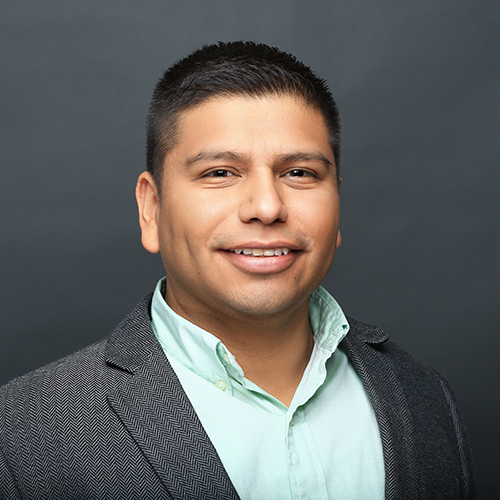
Matthew Wright, PhD, is the Kevin O'Sullivan Endowed Professor and Chair of Cybersecurity at Rochester Institute of Technology's Golisano College of Computing and Information Sciences. He holds a BS from Harvey Mudd College and MS/PhD from University of Massachusetts Amherst. Previously, he was a faculty member at UT Arlington (2005-2016). Dr. Wright's research spans privacy/anonymity systems, human factors in security, adversarial machine learning, deepfake detection, and malware analysis. His recent work explores AI-driven cybersecurity solutions and misinformation countermeasures. His publications demonstrate strong focus on Tor network security, deepfake robustness, and adaptive malware detection. He has received the NSF CAREER Award (2010) and ACM CHI Honorable Mention (2021). Current projects include DeFake (deepfake detection) and NSA-sponsored Generative AI in cybersecurity. He advises 7 PhD students and has graduated 9 PhD students, most now professors or industry leaders. Teaching includes Authentication and Security Models and Generative AI in Cybersecurity . He leads the CLARK research team and has secured $5.8M in external funding, including a $2.1M RIT Signature Interdisciplinary Research Award.
Pamela Souza is a Professor in the Department of Communication Sciences & Disorders at Northwestern University's School of Communication. She holds secondary appointments in Linguistics and Otolaryngology-Head and Neck Surgery. Her research focuses on auditory and cognitive factors influencing hearing aid outcomes, particularly in aging populations. She is affiliated with the Hearing Aid Laboratory and is a Fellow of prominent organizations like the Acoustical Society of America and the American Speech-Language-Hearing Association. Dr. Souza earned her PhD in Audiology from Syracuse University. Her clinical interests include severe hearing loss management, tinnitus, and hearing assistive technologies. She has led NIH-funded projects investigating hearing aid signal processing and cognitive-auditory interactions. Notable contributions include developing the Spectral Correlation Index and advancing remote hearing aid assessment methods. Her research spans 30+ years, with over 100 peer-reviewed articles. Key themes include speech recognition in complex environments, working memory effects on hearing aid performance, and individualized treatment approaches. She has pioneered studies on reverberation and noise reduction technologies, emphasizing real-world acoustic challenges. Dr. Souza's grants include NIH R01 awards for studying hearing aid outcomes and compression dynamics. She has advised multiple trainees and collaborates internationally on projects like the E-LOSPHERES initiative. Her lab develops tools like the Portable Automated Rapid Testing (PART) system for auditory research.
Surya Nurzaman is a Senior Lecturer at Monash University Malaysia, specializing in soft robotics, embodied intelligence, and bio-inspired systems. He holds a PhD from Osaka University (2011) and has held research fellowships at ETH Zürich and the University of Cambridge. His work bridges robotics engineering with biomedical applications, emphasizing interdisciplinary collaboration. He teaches courses such as Dynamics II, Electromechanics, and Engineering Design. Research focuses on soft robotics for industrial and biomedical applications, including soft grippers, exoskeletons, and adaptive control systems. Projects include aerial robotics for oilfield inspection and AI-driven sensor frameworks. Nurzaman has received awards like the ITEX 2021 Gold Medal and the 2024 School of Engineering Excellence Award. He is actively involved in editorial roles for journals like IEEE Robotics & Automation Magazine and Frontiers in Robotics and AI. His contributions span over 50 publications, with recent work addressing tremor prediction, soft sensor modeling, and cross-domain learning. Collaborations include international partners in Japan, Switzerland, and the UK. Nurzaman’s research aligns with UN SDGs, particularly in advancing sustainable industry solutions and health innovations.
Xin Liu is an Adjunct Professor in the Department of Civil Engineering at the Faculty of Engineering. His research focuses on cybersecurity, machine learning applications, and IoT security, with a particular emphasis on network intrusion detection, data compression, and risk-aware access control systems. He holds a Ph.D. from the University of Ottawa, Canada, and M.Sc. and B.Sc. degrees from Hebei University of Technology, China. Education: Ph.D., University of Ottawa, Canada M.Sc., Hebei University of Technology, China B.Sc., Hebei University of Technology, China Research Interests: Dr. Liu's work bridges machine learning and cybersecurity, addressing challenges in IoT security, adversarial attacks, and network traffic analysis. His contributions include developing AI-driven intrusion detection systems, optimizing data compression techniques for IoT devices, and formulating risk-aware access control frameworks. Recent efforts focus on advanced persistent threats (APTs) and privacy leakage mitigation in language models. Articles Trends: His publications emphasize practical applications of machine learning in cybersecurity, including network attack detection, privacy-preserving methods, and resilient IoT infrastructure. Recent work highlights innovations in transformer-based models for intrusion detection and realistic benchmarking for APT simulations. Awards: No scientific awards explicitly mentioned in the provided materials. Advising & Grants: No advising records or grant information available in the current data. Labs/Teams: No specific lab affiliations or collaborative teams noted in the profile.
Dr. Robert Lieck is an Assistant Professor in the Department of Computer Science at Durham University. He holds a PhD from the Machine Learning and Robotics Lab (now Learning and Intelligent Systems Lab) in Stuttgart/Berlin, Germany, and completed a postdoctoral position at the Digital and Cognitive Musicology Lab at EPFL, Switzerland. His research focuses on interdisciplinary applications of machine learning and artificial intelligence, with particular emphasis on cognitive modelling, music cognition, and ethical AI. Education: PhD in Machine Learning and Robotics, Stuttgart/Berlin, Germany (2012–2017) MSc Physics and Philosophy, Freie Universität Berlin Research Interests: Probabilistic Modelling (Bayesian inference, graphical models) Neuro-Symbolic Modelling (differentiable parsing algorithms) Structure Learning (feature discovery, hierarchical systems) Applications in music analysis, medical imaging, and autonomous systems Ethical implications of AI in policy and legislation Publications: Recent work includes advancements in deep reinforcement learning for diabetes management, recursive Bayesian networks, and computational models of musical expectancy. His research bridges theoretical AI with practical applications in musicology and healthcare. Students: Supervising four postgraduate students: Ishaq Ibrahim, Megan Finch, Ningxiang Xie, Xiaotang Zhang Labs: Active contributor to the Digital and Cognitive Musicology Lab (EPFL) and Durham's Computer Science research groups.
Yingtao Liu is an Associate Professor and holds the Benjamin H. Perkinson Chair & William H. Barkow Presidential Professor at the University of Oklahoma's Aerospace & Mechanical Engineering Department. He specializes in advanced composites, multifunctional materials, intelligent sensors, structural health monitoring, and biomedical applications of shape memory polymers. His research integrates additive manufacturing, nanotechnology, and material science to develop innovative materials and devices. Education: Ph.D., Mechanical Engineering, Arizona State University (2012) M.S., Mechatronics Engineering, Harbin Institute of Technology (2006) B.S., Mechanical Engineering, Harbin Institute of Technology (2004) Research Interests: Development of smart materials with sensing and adaptive capabilities Nondestructive testing and structural health monitoring 3D printing of advanced composites and polymers Biomedical devices for intracranial aneurysm treatment Defect analysis in additive manufacturing processes Recent Contributions: Recent publications focus on shape memory polymers, defect analysis in metal additive manufacturing, and advanced composites for biomedical and structural applications. His work bridges materials science, mechanical engineering, and AI-driven characterization techniques. Awards: Best Paper Award, ASME IMECE 2018 OU VPR Faculty Investment Program Award (2015) Journal of Aerospace Engineering Best Paper Award (2012) Teaching & Outreach: Teaches courses in statics, solid mechanics, and structural health monitoring. Engages in educational initiatives integrating 3D printing and advanced materials into undergraduate curricula.
Wei-Yin Loh is a Professor in the Department of Statistics at the University of Wisconsin–Madison, affiliated with the School of Computer, Data & Information Sciences. His primary research focuses on classification and regression trees, with applications in machine learning, healthcare, and engineering. He has contributed extensively to the development of algorithms and methodologies in tree-based modeling, including the GUIDE software package. Dr. Loh's work spans theoretical advancements and practical implementations, addressing challenges such as missing data imputation, subgroup identification in precision medicine, and variable importance assessment. His research integrates statistical rigor with real-world problems in public health, federal agency performance analysis, and environmental modeling. Key contributions include studies on tobacco use prediction, cardiovascular health modeling, and pandemic-related mortality analysis. He has also explored applications in engineering, such as pavement thickness analysis and project delivery system evaluation. His publications emphasize interpretable models with strong predictive power, balancing complexity and practical utility. Awards and grants are not explicitly listed in the provided text, though his prolific publication record underscores his academic impact. Advising activities and student mentorship are not detailed here, but his research collaborations likely involve training the next generation of statisticians and data scientists.
Franziska Sofia Hafner is a Researcher at the Oxford Internet Institute (OII), University of Oxford, focusing on algorithmic fairness, machine learning, and interactive data visualization. She holds an MSc in Social Data Science from the OII and a Bachelor’s degree in Computer Science and Public Policy from the University of Glasgow. Her work bridges technical AI research with societal impacts, particularly addressing bias in language models and healthcare algorithms. Education: MSc in Social Data Science, Oxford Internet Institute (2023–2024) Bachelor of Science in Computer Science and Public Policy, University of Glasgow Her research interests include mitigating gender and ethnicity biases in AI systems, with notable contributions to gender performativity theory in language models and ethnicity-aware algorithm design. She presented her work on gender bias at the 2024 NeurIPS conference and has published in journals like AI & Society and Social Network Analysis and Mining . Research Contributions: Franziska’s articles explore cultural differences in sentiment analysis, bias in healthcare algorithms, and equitable algorithmic design. Her work highlights how AI systems encode societal inequities, such as gender binaries and ethnic disparities in medical diagnostics. She collaborates with the OII’s Equitable Access to Quality Information Lab and Digital Ethics and Defence Technologies group to advance ethical AI practices. Public Engagement: Her research has been featured in press releases discussing AI’s impact on health equity and gender representation, emphasizing the need for inclusive algorithmic frameworks.
Dr. Kate Macfarlane is a Senior Lecturer in Artificial Intelligence at the Department of Computing and Mathematics, Manchester Metropolitan University. Her work focuses on applying AI and automation to solve societal challenges, particularly in ensuring safe online interactions for vulnerable users. She holds a PhD in Multi-Agent Systems for Online Safety, a BSc in Computer Systems Engineering, and a PGCE. Her professional affiliations include Senior Fellow of the Higher Education Academy (SFHEA) and Member of the British Computer Society (MBCS). Research & Projects Current Project: SafeChat, developing emotion detection systems for safer online communication. Innovate UK Project: Predictive financial models for SMEs with Proforecast Ltd., rated 'Very Good' by Innovate UK. Google DNI Fund's SMART tool: Analyzing social media abuse metrics for journalists. Cyber Eyes Wide Open: Bridging cybersecurity with creative industries through collaborative projects. Technological Family Report: Exploring future technologies' impact on families and connected homes. Key Research Areas Her interdisciplinary research spans AI ethics, distributed systems, game technologies, and cybersecurity. Notable contributions include multi-agent systems for child safety online and VR adoption challenges. She frequently speaks at conferences such as the Great Northern AI Summit and Dynamo 20 Collaborating for Success. Grants & Collaborations Principal Investigator for Innovate UK's Proforecast project. Collaborations with Amazon Web Services (AWS) and Sunderland University's Creative Fuse team. Teaching & Engagement Committed to education innovation, she designs human-centered AI curricula and mentors students in applied research projects.
Mooi Choo Chuah is a Professor in the Department of Computer Science & Engineering at Lehigh University. She serves as the associate director of I-DISC and previously held the NSF Advance Chair at Lehigh (2011). A renowned expert in autonomous systems, cyber-physical systems security, and healthcare technologies, she holds over 78 patents (63 U.S. + 15 international) in networking and AI domains. Her work spans efficient computer vision, autonomous vehicle perception, mobile healthcare systems, and resilient smart grid networks. Dr. Chuah earned her Ph.D. and M.S. in Electrical Engineering from UC San Diego, and a B.Eng. (1st Class Honors) from the University of Malaya. Her research focuses on cross-disciplinary innovations in AI-driven healthcare solutions, cybersecurity for industrial systems, and advanced vision systems for autonomous technologies. Her publications emphasize cutting-edge advancements in 3D human pose estimation, low-light imaging, and autonomous system robustness. Recent work addresses adversarial attacks on trajectory prediction models and novel semantic segmentation techniques for UAV inspections. Her 2021–2025 articles reflect a growing focus on multimodal fusion, event-based sensors, and real-time cybersecurity solutions. Awards: IEEE Fellow (2023), NAI Fellow (2023) Grants: Extensive NSF and industry-funded projects on smart grids and healthcare AI Labs: Leads I-DISC initiatives in interdisciplinary computing and security
Roya Haratian serves as Principal Academic (equivalent to Associate Professor) in Electronic Science and Engineering at Bournemouth University's Department of Design and Engineering within the Faculty of Science and Technology. As Deputy Head of Department and Athena SWAN lead, she spearheaded the department's successful Bronze Award in 2021 for gender equality initiatives. Her leadership extends to curriculum development in Mechatronics and Robotics programs across undergraduate and postgraduate levels. Her academic credentials include a BSc (First Class Honours) and MSc (Distinction) in Electrical and Electronic Engineering, followed by a PhD in Electronic Engineering from Queen Mary University of London (2014). Prior to her current role, she worked as an Associate Lecturer at QMUL and Research Associate at Bristol Robotics Lab, focusing on on-body sensing systems and bio-signal processing for human-machine collaboration. Haratian's research centers on electronic engineering applications in human-robot interaction, with particular emphasis on on-body sensing technologies, signal processing, and machine learning. Her work bridges theoretical innovation with industrial implementation, developing assistive technologies for healthcare and safety-critical systems. Recent projects address diabetic foot ulcer prevention, emotion recognition in VR, and human-machine collaboration safety protocols, demonstrating strong translational impact across medical and industrial domains. Analysis of her 15 most recent publications reveals a strategic progression from foundational signal processing techniques toward integrated human-machine systems. Her work increasingly incorporates game theory for resource allocation, AI-driven predictive modeling, and inclusive design principles, with growing emphasis on real-world implementation challenges and ethical considerations in assistive technologies. Key recognitions include: Athena SWAN Bronze Award (Advance HE, 2021) for departmental gender equality leadership Senior Fellowship of Higher Education Academy (2021) BU Doctoral College Outstanding Contribution Award (2025) Design Review Award from Institute of Mechanical Engineering (2023) Student Experience 'You are Brilliant' Award (2017) As Recognised Research Supervisor (UK Council for Graduate Education), she currently co-supervises five PhD students on topics including AI surveillance, biomechatronics, and digital twin simulation. Her £1.2M+ research portfolio features strategic partnerships with Zimmer-Biomet, Computational Mechanics Wessex Institute, and Daido Industrial Bearing, with recent grants including HEIF-funded AI emotion recognition systems (2025) and QR-funded human-machine safety protocols (2024). She actively mentors through AdvanceHE's Aurora program and leads BU's Inclusivity Curriculum Evaluation project. Haratian directs the department's Athena SWAN initiative and collaborates with the Royal Institute on STEM outreach, designing bioelectronic masterclasses for GCSE students. Her public engagement includes 'Café Scientifique' discussions on machine emotion recognition and keynote addresses at Brockenhurst STEM Awards, focusing on translating on-body sensing research into real-world health applications.
Stephen Ramsey, an Associate Professor at Oregon State University, holds dual appointments in the School of Electrical Engineering and Computer Science (College of Engineering) and the Department of Biomedical Sciences (Carlson College of Veterinary Medicine). With a PhD in Physics from the University of Maryland, his postdoctoral training in computational genomics at the University of Washington, and professional experience at the Institute for Systems Biology and Center for Infectious Disease Research, Ramsey bridges computational methods with biomedical applications. Education : Ph.D., Physics, University of Maryland; M.S., Physics, University of Maryland; Sc.B., Mathematical Physics, Brown University Ramsey specializes in computational systems biology , focusing on bioinformatics , biomedical knowledge graphs , and precision medicine . His research integrates machine learning , gene regulatory network modeling , and multi-omics data analysis to address challenges in rare disease diagnostics , drug monitoring , and inflammatory disease mechanisms . Current work includes AI-driven biomedical translation and electrochemical biosensor development for non-invasive diagnostics . Recent publications highlight knowledge graph applications in translational biomedicine , causal network inference in clinical-environmental data integration , and cross-species cancer transcriptomics . His team develops tools like RTX-KG2 and PloverDB to standardize biomedical data sharing and semantic reasoning . Scientific Awards : 2019 Zoetis Award (Carlson College of Veterinary Medicine) 2016 NSF CAREER Award 2016 PhRMA New Investigator Award 2010 NIH K25 Mentored Quantitative Research Award Ramsey advises in computational biology courses (CS 446/546) and contributes to biomedical AI through projects like mediKanren for rare disease diagnostics . His NSF-funded research explores gene expression noise and regulatory network dynamics , while NIH and PhRMA grants support his translational medicine initiatives. He leads the Ramsey Laboratory , which develops graph-based reasoning tools for biomedical data translation and multi-omics integration . The lab's work spans comparative oncology models, electrochemical biosensors , and knowledge graph infrastructure for clinical decision support .
László Mérő is a Professor and lecturer in the Department of Affective Psychology at Eötvös Loránd University's Institute of Psychology. His work focuses on the interplay between psychology, game theory, and complex systems, particularly exploring how humans perceive and rationalize rare events, emotions in decision-making, and the boundaries of rational thought. He has also contributed to artificial intelligence research and the philosophical underpinnings of scientific inquiry. His publications often bridge theoretical and applied domains, addressing topics like monetary behavior, social coordination, and cognitive biases. Mérő’s research interests prominently feature the study of 'miracles' as probabilistic anomalies, the evolution of economic systems, and the limits of rationality in both human cognition and AI. He has written extensively on these themes, including books translated into English such as The Logic of Miracles and Moral Calculations . His work integrates empirical psychology with mathematical models to explain phenomena ranging from emotional impulses to collective social behaviors. No scientific awards are explicitly mentioned in the provided texts. While no advising or grant details are available, his publications suggest a focus on interdisciplinary research at the intersection of psychology, philosophy, and computational sciences. His institutional affiliation includes the Institute of Psychology, where he maintains an office at Izabella u. 46, Budapest, and can be reached via email and listed phone number.
Dr. Nariman Sepehri is a Professor in the Department of Mechanical Engineering at the Price Faculty of Engineering, University of Manitoba, Canada. He has held significant administrative roles including Department Associate Head (Graduate Studies), Associate Dean of Engineering (Undergraduate Programs), and Acting Dean of Engineering. His research focuses on fluid power systems, robotics, and control with applications in rehabilitation and heavy machinery. Education: Post-Doctorate, Electrical & Computer Engineering, University of British Columbia, Canada (Tele-Robotics, Mechatronics) PhD, Mechanical Engineering, University of British Columbia, Canada (Control, Fluid Power Systems, Robotics) MSc, Mechanical Engineering, University of British Columbia, Canada (Computer-Aided Manufacturing Planning) BSc, Mechanical Engineering, Sharif University of Technology, Iran (Machine Design) Dr. Sepehri's research interests span Fluid Power Systems and Technology , Robotics and Teleoperation , Control Systems , Condition Monitoring , and Mechatronics of Rehabilitation Devices . His work integrates advanced control theory with practical applications in hydraulic and pneumatic systems, aiming to improve energy efficiency and reliability in robotics, manufacturing, aerospace, and healthcare. Notably, he has developed innovative rehabilitation devices using game-based interfaces for stroke and cerebral palsy patients. His recent publications (2022-2025) demonstrate a strong trend towards energy-efficient hydraulic systems, fault detection using machine learning, and the development of soft robotic actuators for rehabilitation. Key areas include electro-hydrostatic actuators, pump-controlled circuits, and the application of advanced algorithms for condition monitoring and control. Scientific Awards: Dean of Engineering’s Award for Superior Academic Performance University of Manitoba Rh Award for outstanding contributions to scholarships and research in Applied Sciences Fellow of the Canadian Academy of Engineering (CAE) Fellow of the American Society of Mechanical Engineers (ASME) Fellow of the Canadian Society for Mechanical Engineering (CSME) Dr. Sepehri has supervised over 100 graduate and postdoctoral students, contributing significantly to the field of fluid power and robotics. His research has been supported by major grants from the Natural Sciences and Engineering Research Council of Canada (NSERC) and other sources, enabling the establishment of the Fluid Power Research Laboratory. This lab features state-of-the-art equipment including a human-robot-in-the-loop simulator and hardware-in-the-loop test facilities for condition monitoring. The Fluid Power Research Laboratory at the University of Manitoba, under Dr. Sepehri's leadership, is a hub for innovation in fluid power technology. The lab collaborates internationally with researchers in USA, Brazil, China, Hungary, Romania, Denmark, Sweden and France, and has developed interdisciplinary projects bridging engineering with healthcare applications.
Erick S. Vasquez is an Associate Professor in the Department of Chemical and Materials Engineering at the University of Dayton’s School of Engineering. His research focuses on designing advanced nanocomposite materials, particularly magnetic nanoparticles, for applications in water purification, drug delivery, and biological detection. He actively collaborates with researchers nationwide and internationally, emphasizing interdisciplinary innovation. Dr. Vasquez holds a Ph.D. in Chemical Engineering from Mississippi State University (2013), an M.S. from Clemson University (2009), and a B.S. from Universidad Centroamericana José Simeón Cañas (2007). He is a Senior Member of the American Institute of Chemical Engineers (AIChE) and a member of multiple professional organizations, including the American Chemical Society (ACS) and Sigma Xi. His research interests span nanomaterials synthesis, biomaterials interactions, and engineering education. Notable work includes developing biocompatible magnetic nanoparticles for medical applications and optimizing team-based learning in engineering labs. His studies on optothermal microbubble manufacturing and plasmonic nanostructures have advanced chemical sensing technologies. Dr. Vasquez teaches courses such as Chemical Engineering Unit Operations Laboratory and Transport Phenomena, integrating active learning and entrepreneurial mindset development. He has received recognition for his research, including a 2019 PCCP Hot Article and a 2016 Journal of Nanobiotechnology featured contribution. He has secured grants for projects like assessing global engineering competence through international collaborations and advancing ethanol extraction methods using nanocomposites. His work bridges fundamental science with practical applications, emphasizing sustainability and biomedical innovation.