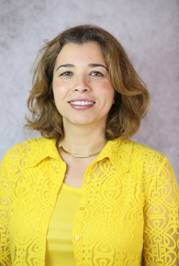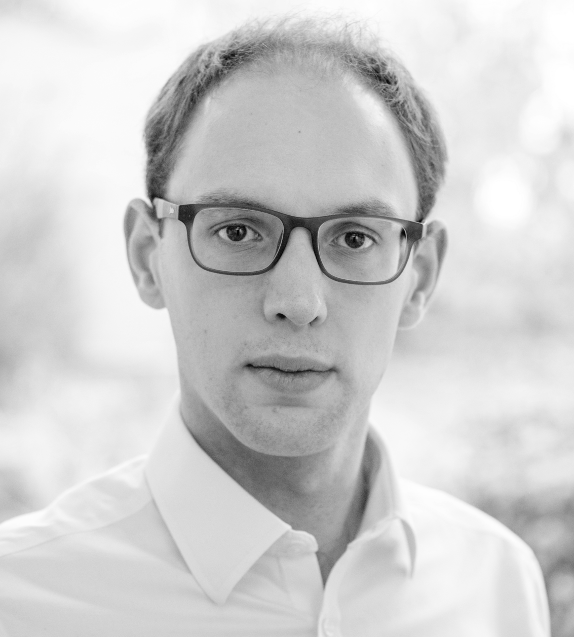
Ruzica Piskac is a Professor of Computer Science at Yale University, where she joined the Department of Computer Science in 2013 and leads the Rigorous Software Engineering (ROSE) research group. Her work focuses on formal techniques to improve software reliability and trustworthiness through verification, security, and synthesis approaches. Education: PhD in Computer Science from the Swiss Federal Institute of Technology (EPFL) in 2011 Thesis title: Decision Procedures for Program Synthesis and Verification Previously led an independent research group at the Max Planck Institute for Software Systems in Germany (2012-2013) Research Interests: Piskac's research spans software verification, security and applied cryptography, automated reasoning, and code synthesis. Her work combines formal methods with practical applications in programming languages, particularly focusing on making software systems more reliable and trustworthy. She has developed tools for symbolic execution in Haskell, privacy-preserving formal methods, and verification techniques for configuration files and software updates. Publication Trends: Her recent work shows a strong focus on applying formal verification techniques to emerging challenges including large language models, zero-knowledge proofs, quantum computing security, and legal accountability for AI systems. There's a clear trajectory toward bridging formal methods with practical security and verification challenges across diverse domains. Awards: Multiple Amazon Research Awards Yale University's Ackerman Award for Teaching and Mentoring Facebook Communications and Networking Award Microsoft Research Award for the Software Engineering Innovation Foundation Patrick Denantes Prize for her doctoral dissertation Advising and Service: Piskac has graduated five PhD students, four of whom are now assistant professors of computer science. She has served as Program Chair of the 37th International Conference on Computer Aided Verification and is on the Steering Committee of the Formal Methods in Computer-Aided Design conference. Her service includes numerous program committee roles across major programming languages and verification conferences. Research Group: She leads the Rigorous Software Engineering (ROSE) group at Yale, which focuses on developing formal techniques for software reliability and trustworthiness, with projects spanning symbolic execution, privacy-preserving verification, reactive synthesis, and configuration file verification.