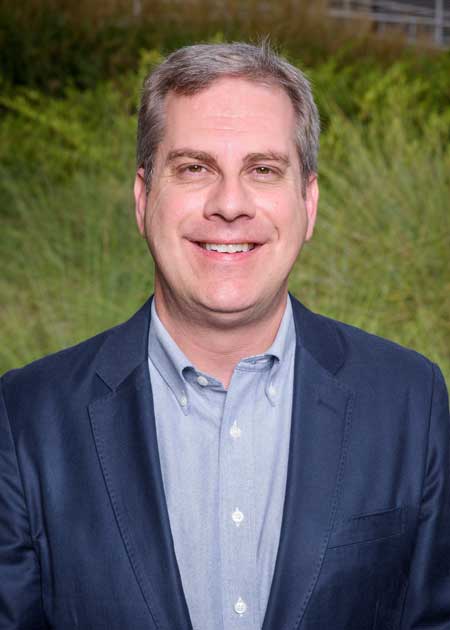
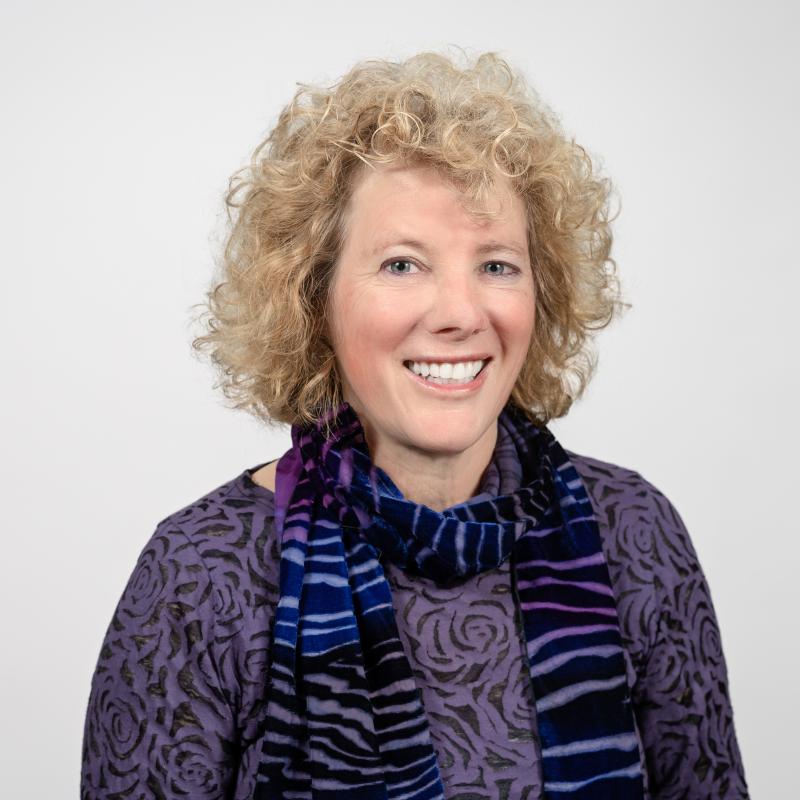
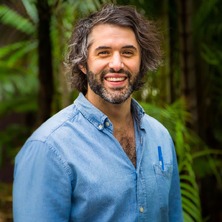
Derrick M Gordon is an Associate Professor of Psychiatry at the Yale School of Medicine and Associate Professor on Term in Social and Behavioral Sciences at the Yale School of Public Health . He serves as Director of the Program on Male Development in the Division of Prevention and Community Research at the Department of Psychiatry and is a Core Scientist at the Center for Interdisciplinary Research on AIDS (CIRA). Education: PhD in Psychology from the University of South Dakota (2000), MA in Psychology (1995). Dr. Gordon's research focuses on men's health , particularly those on the fringes of society, including prisoner reentry , low-income non-custodial fathers , and adolescent fathers . His work examines how factors like stressors , trauma , and discrimination impact health outcomes and community integration for these populations. His recent publications highlight trends in social equity , mental health , and preventive interventions for marginalized men. Topics include epigenetic aging disparities , trauma in adult education , and community-led health initiatives like the Together New Haven Project . Dr. Gordon mentors pre- and post-doctoral fellows on issues of fatherhood , healthcare access , and criminal justice reform . His funding portfolio includes NIH , HHS , and community-based grants . He collaborates with teams at the Consultation Center , CIRA , and Connecticut Mental Health Center , emphasizing data-driven policy and community engagement to address health disparities.
Erik Demaine is a Professor in the Department of Electrical Engineering and Computer Science at MIT, affiliated with the Computer Science and Artificial Intelligence Laboratory (CSAIL), the Theory of Computation group, and the Algorithms Group. His research spans algorithms, computational geometry, folding, robotics, complexity theory, and interdisciplinary connections between mathematics and art. He received the MacArthur Fellowship ("genius grant") for his work on folding and computation. Demaine's work includes co-authoring books such as Geometric Folding Algorithms and Games, Puzzles, and Computation . His art collaborations with his father Martin Demaine, including curved-crease sculptures, are in the permanent collections of the Museum of Modern Art (MoMA) and the Renwick Gallery. He is also involved in software projects like Coauthor and Cocreate, supporting collaborative research and education. His research interests include folding and unfolding of geometric structures, computational complexity of games, protein folding, and algorithm design. He has contributed to areas like data structures, robotics, and network computing, with a focus on bridging theoretical computer science and tangible applications. Demaine holds patents and has been recognized with numerous awards, including the NSERC Doctoral Prize and the Gödel Prize. His work often involves supercollaboration, emphasizing open problem-solving and interdisciplinary approaches.
Giehae Choi, PhD, MPH, is an Assistant Professor at the Johns Hopkins Bloomberg School of Public Health, with primary affiliation in the Department of Environmental Health and Engineering and joint affiliation in Epidemiology. She is also a key investigator in the Environmental Influences on Child Health Outcomes (ECHO) Data Analysis Center, where she contributes to large-scale research on children's environmental health. Her work bridges environmental exposure science and public health policy, focusing on vulnerable life stages such as pregnancy and early childhood. Education: PhD, University of North Carolina at Chapel Hill, 2020 MPH, not specified in text Dr. Choi's research centers on environmental epidemiology, particularly reproductive, perinatal, and pediatric epidemiology. Her work investigates the health impacts of chemical exposures—including PFAS, metals, phthalates, and organophosphate esters—on neurodevelopmental outcomes in children. She employs advanced statistical methods to analyze complex cohort data and simulate public health interventions. Her research also explores the modifying role of nutrition in chemical toxicity, aiming to inform prevention strategies. The recent trend in her publications reveals a strong emphasis on prenatal environmental exposures and child neurodevelopment. Her studies frequently use data from the Boston Birth Cohort and the Norwegian Mother, Father and Child Cohort Study (MoBa), applying mixture analysis and epigenetic methods to understand multifactorial risks. Topics include ADHD, executive function, fetal growth, and DNA methylation, all within the broader context of environmental justice and policy translation. Scientific Awards: SER Lilienfeld Postdoctoral Prize Paper Award (2023) SER Annual Meeting Best Poster Award (2021) NIEHS Extramural Paper of the Month (May 2021) NIEHS Extramural Paper of the Year (2021) Dr. Choi leads an NIH-funded K99/R00 project on maternal chemical exposures and offspring neurodevelopment, with a focus on nutritional modifiers and intervention simulation. She collaborates extensively across institutions and is involved in major consortia such as ECHO. While specific advisees are not listed, her role as a principal investigator suggests mentorship of graduate students and postdoctoral researchers. She is embedded in research teams analyzing metabolomic, epigenetic, and behavioral data to uncover environmental determinants of child health.
Prof. Danny Kaplan is an Associate Professor in the Department of Sociology and Anthropology at Bar-Ilan University, Israel, and co-directs the Bar-Ilan Center for Cultural Sociology. His research bridges political sociology , gender studies , and digital culture , focusing on how friendship and public intimacy inform national solidarity . A leading scholar in masculinity ideologies and cultural models of fathering , he has held visiting positions at Columbia University and Yale University’s Center for Cultural Sociology. His research on social club sociability (e.g., Freemasonry, military rituals, reality TV) reveals how institutions transform strangers into symbolic friends, fostering collective loyalty. Recent work explores digital media (e.g., Facebook, Twitter) as platforms for mediated relationships and mass solidarity . Kaplan’s empirical studies in consumer masculinity and male body ideologies have been supported by an ISF grant , yielding tools like the Consumer Masculinity Inventory (CMI) and New Masculinity Inventory (NMI). Scientific awards include: ISF grant for research on involved fatherhood His articles span topics from nationalism as homosocial bonding to digital intimacy , with methodological emphasis on ethnography , media analysis , and quantitative models . As director of the Men’s Studies track in Bar-Ilan’s Gender Studies program, he mentors future scholars in gender dynamics and social movements .
Dr. Tine Rostgaard is a Professor in the Department of Social Sciences and Business at Roskilde University, Denmark. Her primary affiliation is with the research group ‘Changing Societies: Welfare and Diversity’ and the VELNET Danish National Network for Welfare State Studies. She specializes in elderly care policy, social welfare systems, and long-term care reform. Her research focuses on addressing systemic challenges in elderly care, reablement strategies, and the intersection of social policies with aging populations. Education & Research Focus: With a PhD and MSc in Public Administration, her work emphasizes social sustainability, welfare state models, and healthcare equity. She has conducted extensive studies on unmet care needs among frail elderly populations, the impact of privatization in home care systems, and policy innovations like reablement. Recent Work Trends: Her articles (2020–2025) highlight critical issues such as care poverty measurement, resilience in aging populations, and the Nordic welfare model’s adaptability. She critiques free-choice policies in elderly care and advocates for systemic reforms to address workforce challenges and bureaucratic inefficiencies. Grants & Collaboration: Involved in 7 research projects, she collaborates widely on topics like cross-country reablement comparisons and pandemic impacts on long-term care. Her VELNET network strengthens interdisciplinary insights into welfare challenges. Labs/Teams: Affiliated with the ‘Crossroads of Care and Social Reproduction (CARE)’ initiative, focusing on care labor dynamics and social reproduction theories.
Christopher Henrich serves as Professor and Chair of Psychology at the University of Alabama at Birmingham's College of Arts and Sciences. He holds a PhD from Yale University and BA from the University of Chicago. His research investigates youth development in high-risk environments, examining how violence exposure, social support systems, and school environments interact to influence academic and behavioral outcomes. Current projects include a National Institute of Justice initiative on comprehensive school safety in Atlanta Public Schools and an evaluation of resilience programs in Boys and Girls Clubs. Henrich's longitudinal studies focus on developmental transitions, particularly analyzing how ecological factors during educational milestones affect resilience trajectories. His methodological expertise includes complex longitudinal modeling of risk and protective factors.
Marsha Kline Pruett, the Maconda Brown O'Connor Professor at the Smith College School for Social Work, is a leading scholar in co-parenting, father involvement, and family systems dynamics. She directs the Ph.D. program and teaches doctoral/masters courses while also providing clinical services and consulting on organizational dispute resolution. Education: B.A., University of Pennsylvania M.S., University of Pennsylvania M.S.L., Yale School of Law Ph.D., University of California at Berkeley ABPP (American Board of Professional Psychology) Her research focuses on father engagement , co-parenting interventions , and family policy . Key projects include the Supporting Father Involvement initiative and development of cross-culturally valid coparenting tools now translated into six languages. Recent publications reveal trends in attachment theory , child welfare , and cross-national program implementation . She has received the Stanley Cohen Award for Distinguished Research (2017) and contributed to UK's Parents as Partners program recognized nationally. As a clinical psychologist and attorney, she bridges legal and mental health disciplines. Current work includes integrating the Supporting Father Involvement program into the Brazelton Touchpoints Center and validating coparenting tools across cultural groups.
Sir Tejinder Singh Virdee FRS is a Kenyan-born British experimental particle physicist and Professor of Physics at Imperial College London. He is renowned as one of the founding fathers of the Compact Muon Solenoid (CMS) experiment at CERN's Large Hadron Collider, having originated its concept in 1990 and serving as its project leader (Spokesperson) from 2007-2010. Education: B.Sc. in Physics, Queen Mary College, University of London (1974) Ph.D. in Physics, Imperial College London (1979) Research Interests: Sir Tejinder's research spans experimental high energy physics, with particular focus on particle detector development, calorimetry techniques, and the search for new physics at the TeV scale. His work has been instrumental in the discovery of the Higgs boson through the CMS experiment at the LHC. His research contributions include pioneering work on lead tungstate scintillating crystals for the CMS electromagnetic calorimeter, innovative light collection techniques for hadron calorimetry, and leadership in the design and construction of one of the most complex scientific instruments ever built. Scientific Awards: Royal Medal (2024) - Royal Society Panofsky Prize (2017) - American Physical Society Glazebrook Medal and Prize (2015) - Institute of Physics Special Breakthrough Prize in Fundamental Physics (2013) European Physical Society High Energy Physics Prize (2013) Chadwick Medal and Prize (2009) - Institute of Physics Knight Bachelor (2014) - Queen's Birthday Honours Leadership and Outreach: Beyond his scientific achievements, Sir Tejinder has served on numerous international scientific advisory committees and is actively involved in promoting science education, particularly in Africa and India. He has delivered numerous keynote lectures and public talks worldwide, including the Schrödinger Lecture and Peter Lindsay Lectures at Imperial College. He currently leads efforts to upgrade the CMS detector for the High-Luminosity LHC era, focusing on novel silicon-based calorimeter technologies to achieve unprecedented precision in particle measurements.
Patricia Schacht is a Professor of Psychology and Neuroscience at North Central College specializing in Child and Adolescent Development. Her research examines how parenting styles, family dynamics, and contextual factors shape children's social-emotional growth, with direct community applications through educational advocacy and executive functioning support. Education: B.A. in Psychology, University of Notre Dame (2001) M.A. in Developmental Psychology, University of Cardiff, Wales (2005) Ph.D. in Developmental Psychology, University of Notre Dame (2007) Dr. Schacht's work bridges developmental theory with real-world impact, focusing on stress-coping mechanisms in youth, psychopathology pathways in adolescence, and the mediating role of parent-child relationships. Her longitudinal studies on marital conflict reveal how family systems influence child adjustment, leading to evidence-based interventions like community prevention programs. She actively translates research into practice through district-level reports and advocacy initiatives addressing educational accommodations. Her publication history shows consistent emphasis on family-centered interventions, evolving from foundational work on paternal influences (2009) to recent community impact studies (2018). Key thematic threads include longitudinal analysis of conflict resolution, cross-cultural mental health assessment, and program efficacy evaluation across developmental stages. Scientific Awards: Distinguished Teaching and Mentoring Award (2024) Dr. Schacht serves as a federal grant reviewer for the U.S. Department of Health and Human Services while maintaining community roles as an educational advocate and executive functioning tutor. She mentors the NCC women's soccer team and contributes to national education through College Board AP Psychology grading, demonstrating commitment to both scholarly rigor and student development. Her community partnerships with Naperville School Districts and Community Youth Team drive applied initiatives like 'State of the Kids' and 'StressMatters,' translating psychological research into actionable resources for schools and families.
Anthony J. Ferraro is an Associate Professor and Associate Director of the School of Human Sciences at Kansas State University. He leads the Families in Transition research lab and serves as Co-Editor-In-Chief of the Journal of Divorce & Remarriage. His research focuses on family transitions, parenting dynamics, and program evaluation in military and divorced families. Ferraro holds a Ph.D. in Human Development and Family Science from Florida State University (2017), with a graduate certificate in Measurement & Statistics, and a B.S. in Legal Studies from the University of Central Florida (2012). Research Interests: Co-parenting dynamics and divorce recovery Father identity development in complex family structures Resilience in military families Evaluation of parenting education programs Awards: 2020 Emerging Mentor/Teacher Award (Advancing Family Science) 2022 Hulsing Mentoring Award (K-State) 2022 Undergraduate Research Mentor Award (APLU) He advises students through grants including the College of Health and Human Sciences travel awards and leads outreach via the Divorce Education Assessment Collaborative (DEAC). His work bridges academia with policy, serving on the National Council on Family Relations' Family Policy section.
Beatrijs Van den Bergh serves as a Visiting Professor at KU Leuven with primary affiliations in the Health Psychology unit and dual membership in the KU Leuven Brain Institute (LBI) and KU Leuven Institute for Child and Youth (LC&Y). Her research program centers on perinatal mental health and developmental pathways from maternal prenatal anxiety to offspring outcomes. Her core research interests include: self- and co-regulation dynamics in dysregulated families; neurodevelopmental impacts of prenatal stress; mindful parenting interventions; epigenetic mechanisms (e.g., NR3C1 methylation); and preventive strategies for infant self-regulation. She employs multimodal methodologies spanning neuroimaging, behavioral observation, and longitudinal cohort analysis. Analysis of her 2023-2025 publications reveals strong thematic continuity in studying maternal-offspring biobehavioral synchrony, with increasing emphasis on intervention frameworks and environmental moderators like green spaces. Her work consistently bridges basic neuroscience with clinical applications in mental healthcare. Dr. Van den Bergh currently co-promotes two major funded projects: Self- and co-regulation dynamics in dysregulated families (2023-2028), employing laboratory-to-home multimodal assessment, and Supporting infant self-regulation development (2023-2027), focused on preventive mental healthcare strategies. She maintains active international collaborations evidenced by presentations at the Marcé Society and WAIMH conferences. As a core member of KU Leuven's Health Psychology research unit, she contributes to interdisciplinary teams within the Brain Institute and Child and Youth Institute, frequently collaborating with neuroscientists, clinicians, and public health researchers on translational studies presented at venues including the European Society for Cognitive and Affective Neuroscience.
Eleni Elia is a Senior Lecturer in Statistics at Oxford Brookes University's School of Engineering, Computing and Mathematics, leveraging expertise from research positions at Harvard University, Boston Children's Hospital, and the University of Leicester to develop AI-driven healthcare solutions that improve patient outcomes through advanced computational methods and biostatistics. Her academic foundation includes: BSc (Hons) in Mathematics MSc in Statistics PhD in Statistics Dr. Elia's research bridges biostatistics and artificial intelligence with clinical applications, focusing on prognosis research and healthcare data analysis . She pioneers computational approaches to transform patient care, particularly in pediatric cardiology and epidemic surveillance, using real-world data to address critical medical challenges through interdisciplinary collaboration. Analysis of her 14 publications (2015-2024) reveals consistent application of statistical modeling to medical domains, with growing emphasis on AI integration in cardiology, biomarker analysis, and epidemic prediction. Her work demonstrates methodological rigor while addressing urgent healthcare needs through pediatric applications and refugee camp disease surveillance. Her scientific recognition includes: Enterprise Champion Award 2022/23 for 'Gamifying entrepreneurship education for mathematics students' Executive Coaching Award 23/24 as a 'Research Leader' Mardia Prize from the Royal Statistical Society for refugee-focused statistical workshops Dr. Elia actively mentors PhD candidates and leads significant research initiatives including 'Infectious disease surveillance in refugee camps', 'Biomechanics interactive database development', and 'Epidemic surveillance systems', while securing substantial university funding for healthcare AI innovation and entrepreneurship programs. She contributes to cutting-edge research through the Artificial Intelligence, Data Analysis and Systems (AIDAS) Institute and Visual Artificial Intelligence Laboratory (VAIL), driving interdisciplinary projects that connect statistical theory with life-saving medical applications.
Associate Professor James N. Kirby is a Clinical Psychologist and Co-Director of the Compassionate Mind Research Group at the School of Psychology, University of Queensland. He holds affiliate positions at the Parenting and Family Support Centre, Early Cognitive Development Centre, and Centre for Health Outcomes, Innovation and Clinical Education (CHOICE), all within the Faculty of Health, Medicine and Behavioural Sciences. Additionally, he maintains a Visiting Fellowship at the Center for Compassion and Altruism Research and Education at Stanford University and is an Honorary Member of the Compassionate Mind Foundation UK. Dr. Kirby earned his Bachelor (Honours) of Psychological Science and Doctor of Philosophy from the University of Queensland. His expertise spans clinical psychology with a specialization in compassion research and interventions. Dr. Kirby's research focuses on compassion and its applications in mental health. His work examines factors that facilitate and inhibit compassionate responding, with particular attention to how compassion-focused interventions help address self-criticism and shame underlying depression and anxiety disorders. His research spans multiple domains including parenting, athlete well-being, mental health in the performing arts, and compassion in healthcare settings. He investigates compassion from multiple angles: as a transdiagnostic treatment target, its neurophysiological correlates, its relationship to social rank and attachment, and its application in diverse populations including autistic adults and fathers. His recent publications reveal a strong emphasis on practical compassion-focused interventions across diverse contexts. There's a clear trend toward examining compassion's physiological correlates (particularly heart rate variability), its application in specific populations (autistic adults, athletes, performing artists), and its role in addressing specific mental health challenges like weight stigma in lipoedema. His work increasingly incorporates digital assessment tools and examines compassion in everyday life through experience sampling methods. The research demonstrates how compassion functions as a cross-cutting therapeutic mechanism applicable across multiple mental health conditions. Associate Editor, Mindfulness journal Associate Editor, Psychology & Psychotherapy: Theory, Research & Practice Author of Choose Compassion (2022) Co-editor of Making an Impact on Mental Health (2020) Co-author of Essentials of Compassion Focused Therapy: A Practice Manual for Clinicians (2024) Dr. Kirby is actively involved in research supervision, currently overseeing multiple PhD candidates across diverse projects related to compassion. His current supervision includes research on deepening self-compassion, online compassion skills training, compassion in healthcare, gender and sexuality perspectives on body image, and compassion-based interventions for caregivers of children born preterm. He has successfully supervised several PhD students to completion, with research focusing on social and affective impacts of attachment, compassion-focused therapy for body weight shame, neurophysiological correlates of compassion, and compassion in parenting contexts. His grants portfolio includes projects funded by Australian Red Cross Lifeblood, Anglicare Southern Queensland, Metro North Hospital and Health Service, and YoungCare Ltd. As Co-Director of the Compassionate Mind Research Group, Dr. Kirby leads a multidisciplinary team dedicated to advancing the science and application of compassion. His current research examines compassion in blood donation, the justice system, traumatic pregnancy, and compassionate decision-making, demonstrating the breadth and impact of his work across multiple domains of human experience.
Professor Amy Conley Wright serves as Director of the Research Centre for Children and Families at the University of Sydney's Faculty of Arts and Social Sciences, where she holds a professorship in Child and Family Social Work. She is an active member of both the Sydney Centre for Healthy Societies and Sydney Policy Lab, contributing to interdisciplinary research initiatives focused on vulnerable populations. Her academic leadership extends to editorial roles, including former associate editor for the journal Child & Family Social Work . Dr. Conley Wright earned her PhD and Masters of Social Welfare from UC Berkeley and completed her undergraduate studies in Child Development & Public Policy at Boston University. Her educational background provides the foundation for her interdisciplinary approach to child welfare research. Her research program spans multiple critical areas in child and family welfare, with particular focus on child protection systems, permanency planning, and cultural connection for children in out-of-home care. She employs diverse methodologies including surveys, case file reviews, interviews, focus groups, and administrative data analysis to examine complex family dynamics. Her work on disability inclusion within child welfare systems has generated significant policy impact, particularly regarding the intersection of disability services and out-of-home care. Analysis of her recent publications reveals consistent thematic focus on permanency planning, cultural connection for diverse children in care, and innovative approaches to maintaining family relationships. Her research demonstrates strong interdisciplinary collaboration across social work, law, sociology, and criminology fields, with increasing emphasis on digital technologies for maintaining family connections and improving service delivery. SOAR Fellowship (2019) Professor Conley Wright has successfully secured millions in research funding from diverse sources including the Australian Research Council, NSW Government, and Australia's National Research Organisation for Women's Safety. She currently supervises PhD candidate Meredith MCLAINE, whose research examines judicial interpretation of the 'realistic possibility of restoration' test in NSW Children's Court proceedings. Her collaborative approach extends to working with government agencies, non-profits, and international partners on child welfare initiatives. As Director of the Research Centre for Children and Families, she leads a multidisciplinary team conducting cutting-edge research on child protection systems, adoption practices, and family support services. Her work with the Institute of Open Adoption Studies has significantly influenced policy development in this specialized area, while collaborations with international partners in Taiwan have expanded understanding of intercountry adoption dynamics.
Rev. Prof. Dr. Hab. Dariusz Lipiec is a distinguished Professor in the Department of Pastoral Theology at the John Paul II Catholic University of Lublin. Ordained as a priest in 1992 for the Diocese of Siedlce, he has dedicated his academic and pastoral career to advancing theological understanding and practical application of pastoral care, particularly in specialized areas. He currently heads the Department of Pastoral Organization at the Institute of Pastoral Theology and Catechetics since March 2012. His research interests focus on three primary areas: pastoral organization, extraordinary pastoral care (with special emphasis on ministry to people with disabilities), and the lay apostolate. Father Lipiec has developed innovative approaches to making church structures more inclusive, particularly for individuals with visual impairments, drawing from both theological principles and practical pastoral experience. His work consistently bridges academic theology with real-world pastoral challenges, demonstrating how theological insights can transform ecclesial practice. Analysis of his recent publications reveals a clear trajectory toward increasingly specialized pastoral care, with growing attention to disability ministry, parish renewal in light of contemporary challenges, and the application of modern organizational principles to ecclesial structures. His scholarship shows deep engagement with Pope Francis's teachings, particularly regarding synodality, outreach to marginalized communities, and the Church's missionary dimension. Among his notable recognitions are the Bronze Medal for Long-Term Service (2018) and the Medal of the National Education Commission (2014), reflecting his significant contributions to theological education and pastoral practice in Poland. As an academic advisor, Father Lipiec has supervised three doctoral dissertations and 39 master's theses, mentoring a generation of pastoral theologians and practitioners. His supervision spans diverse topics including family ministry, youth formation, disability inclusion, and parish organization. His research has been supported by various academic projects, including an NCN-funded project on large families in social and religious spaces. Through his leadership of the Department of Pastoral Organization and his involvement in numerous national and international conferences, Father Lipiec has established himself as a key figure in contemporary Polish pastoral theology, shaping both academic discourse and practical ministry approaches across dioceses in Poland.