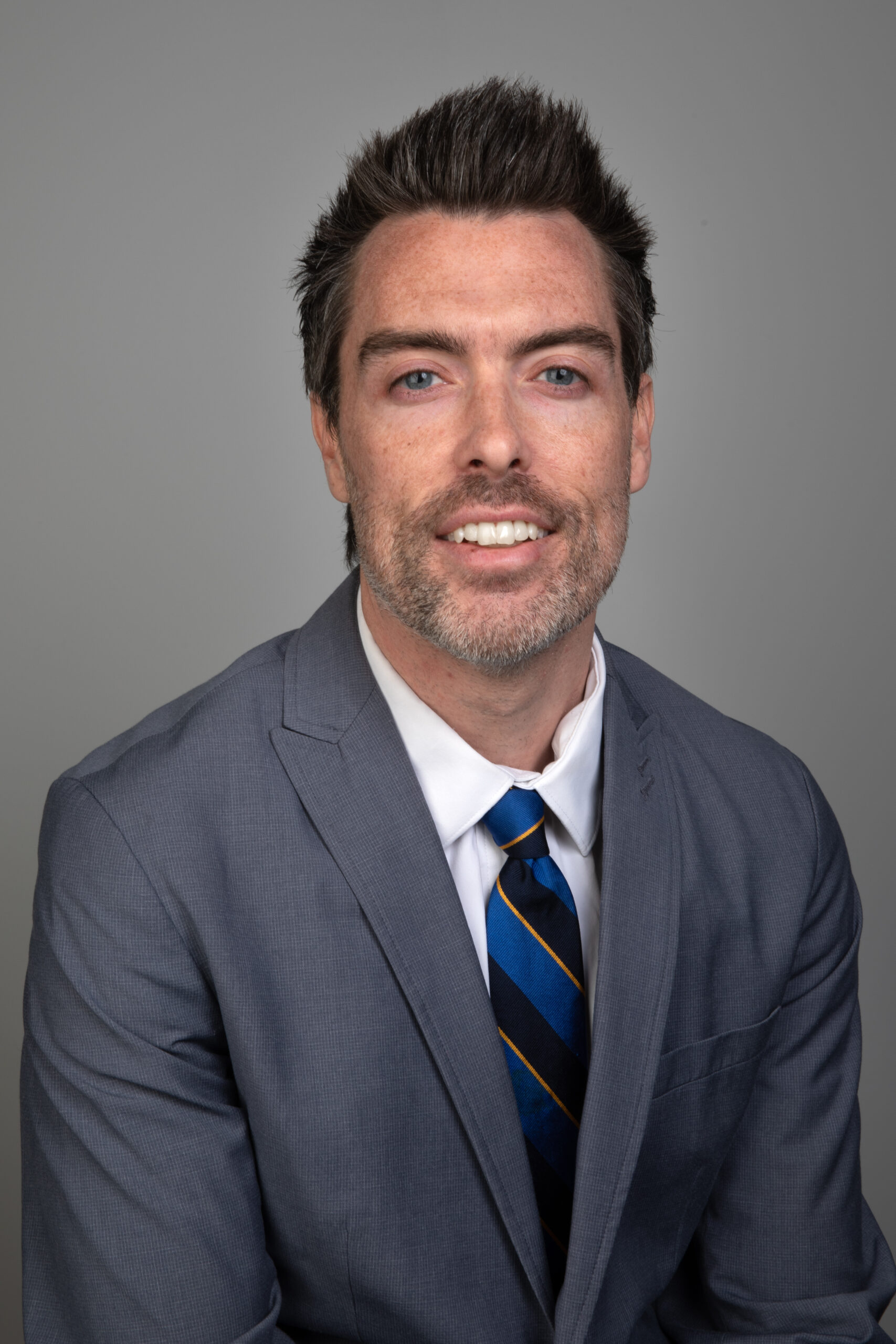
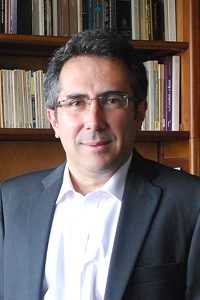
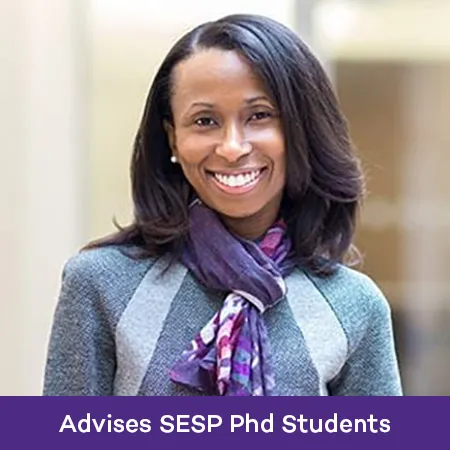
Elaine Chun is an Associate Professor in the Department of English Language and Literature at the McCausland College of Arts and Sciences, University of South Carolina. She holds a Ph.D. in Linguistics from the University of Texas at Austin (2007) and an A.B. in Linguistics from Stanford University (1995). Education: Ph.D. in Linguistics, University of Texas at Austin (2007); A.B. in Linguistics, Stanford University (1995). Research Interests Dr. Chun specializes in sociolinguistics and linguistic anthropology, with a focus on language, race, gender, and sexuality. Her work examines how language practices traverse racial and national boundaries, particularly in contexts like Asian American YouTube commentary, K-pop fandom, and U.S. public spaces. She investigates ideologies of race and gender, collaborative interpretation in social media, and anti-racist strategies. Publication Trends Her recent publications emphasize language in digital media, racial ideologies, and sociocultural identity. Topics include racism in public discourse, transnational social media analysis, racial parody, and the intersection of language with race and gender. Her work spans journals like American Speech , Language in Society , and Discourse & Society .
Gyu Tag Lee is a Professor in the International Studies Department at George Mason University Korea, specializing in Cultural Studies with a focus on K-Pop, media criticism, and the globalization of culture. He holds a PhD in Cultural Studies from George Mason University (2013), an MA in Communication from Seoul National University, and a BA in English Language and Literature from the same institution. Having completed three years of military service in the Republic of Korea Air Force, he has been teaching at George Mason University Korea since 2014. His research interests span Cultural Studies, Media Criticism, Popular Music, K-Pop and Hallyu, Globalization of Culture, and Music Industry studies. Professor Lee is particularly recognized for his expertise on K-Pop's global expansion, cultural appropriation issues within the industry, and the relationship between Korean cultural identity and global pop music markets. His extensive publications reflect a consistent focus on K-Pop's evolution, from its historical roots to contemporary challenges and future directions. His work examines the tension between local Korean identity and global appeal, the role of digital platforms in fan engagement, and the cultural politics surrounding K-Pop's international success. Professor Lee's research demonstrates how K-Pop functions as both a cultural product and economic phenomenon with significant implications for understanding transnational cultural flows. As a respected commentator in the field, he serves on the selection committee for the Korean Music Awards and has been featured in numerous international media outlets including Wall Street Journal, South China Morning Post, Netflix's documentary Explained, and major Korean broadcasters such as KBS, MBC, and SBS. His insights on cultural appropriation in K-Pop have been particularly influential in shaping discussions about cultural sensitivity and global cultural exchange. Professor Lee teaches courses including Media Criticism, Globalization and Culture, K-Pop, Hallyu, and Korean Society, and Korean Popular Culture in a Global World, bringing his scholarly expertise directly into the classroom to educate the next generation of cultural critics and analysts.
Stacey Lantagne is a Professor of Law at Western New England University School of Law , joining in 2022. Her research explores the intersection of digital creativity and intellectual property law, focusing on fanfiction and internet memes. She actively engages with pop culture and fan studies communities as a presenter and guest speaker. Education : B.A. summa cum laude, Boston College (English major, Computer Science minor) J.D. cum laude, Harvard Law School Her work addresses evolving legal challenges in digital communication, trademark expansion, and fair use doctrine. Articles like “Building a Better Mousetrap” and “Mutating Internet Memes” highlight her expertise in copyright law’s adaptation to internet culture. She serves on the Legal Committee of the Organization for Transformative Works , advocating for fan creators. Prior roles include teaching at the University of Mississippi and Loyola University New Orleans, along with intellectual property litigation experience at Goodwin Procter and Drinker Biddle & Reath.
Andrew R. Meyer is an Associate Professor in the Department of Health, Human Performance, and Recreation at Baylor University, where he teaches courses in Sport Psychology and Religion and Sport. His academic work bridges the fields of sport sociology, cultural studies, and theology, with a particular focus on the enduring influence of muscular Christianity in American sports. His research interests include: Contemporary American Sport Culture and Religion Muscular Christianity and its modern manifestations Hero-celebrity athletes in popular culture Character development through sport and education Traditional and contemporary Indigenous sport cultures Sport's cultural impact on communities The themes across his publications reveal a consistent exploration of the moral, spiritual, and cultural dimensions of sport. His work analyzes how religious values, particularly those rooted in Christian traditions, shape athlete identity, media narratives, and public perception of sports figures. He has developed the Contemporary Muscular Christian Instrument (2017, 2020) to measure these values across global sport contexts. His articles appear in interdisciplinary journals spanning religion, sociology, public health, and cultural studies, reflecting the broad relevance of his research. Scientific awards and recognitions include: Baylor Teaching Fellow (2017) Dr. Meyer has been active in academic and public discourse, serving as a keynote speaker at international conferences on sport and Christianity and being featured on media outlets such as NPR and the Sport, Faith, Life podcast. His teaching emphasizes character formation in the classroom, aligning with his research on moral development through sport. While specific grant funding is not mentioned, his extensive publication record in peer-reviewed journals and edited volumes indicates sustained scholarly productivity. He has contributed to discussions on mega-sport events, cycling culture, and the redemption narratives of fallen athletes like Lance Armstrong. He is affiliated with the College of Health, Human Performance, and Recreation at Baylor University, contributing to both graduate and undergraduate education in sport studies.
Dr. Stephen Reysen serves as Professor in the Department of Psychology and Special Education within the College of Education and Human Services at East Texas A&M University, where he has held progressively senior positions since 2009. His expertise centers on social psychology with specialized focus on fan communities and identity formation across diverse cultural contexts. His educational foundation includes: Ph.D. in Social Psychology from University of Kansas (2009) M.A. in Psychology from California State University, Fresno (2005) B.A. in Psychology from University of California, Santa Cruz (2003) Reysen's research program investigates fanship phenomena through rigorous examination of anime enthusiasts, furries, and bronies (My Little Pony fans), revealing universal psychological mechanisms across seemingly disparate communities. His work on global citizenship explores how transnational identities develop, while his foundational research on collective identity examines its impact on social behavior and attitudes. Methodologically, he employs longitudinal designs and cross-cultural comparisons to uncover deep psychological patterns. Publication analysis shows consistent thematic focus on identity expression within specialized communities, with increasing methodological sophistication from descriptive studies (2016 furry research) to comprehensive theoretical frameworks (2018 global citizenship review) and finally to in-depth community analyses (2019 bronies study). This trajectory demonstrates growing influence in applying social psychology to unconventional cultural domains. His research excellence is recognized through: Chuck Arize Excellence in Research Award (2020) Professor of the Year honor (2017) Dual research awards including Provost Award and Outstanding Researcher (2012) Reysen actively mentors undergraduate researchers through PSY 413 Research Apprenticeship, encouraging early lab involvement. His current longitudinal study on anime fans represents significant grant-funded work through the International Anthropomorphic Research Project, with future expansion planned across multiple fandoms. He teaches core courses including Social Psychology (his specialty), Group Dynamics, and Doctoral Dissertation supervision. He co-directs the International Anthropomorphic Research Project and leads the multi-year anime fan longitudinal study, building collaborative teams that bridge academic research with community engagement in specialized fan cultures.
Rebecca Hains is a Professor of Media and Communication at Salem State University. Her research focuses on children's media culture, gender representation, and marketing to children through critical/cultural studies. Ph.D. in Mass Media and Communication from Temple University (2007) Graduate Certificate in Women's Studies from Temple University (2007) M.S. in Mass Communication from Boston University (2000) B.A. in English/Communication Arts from Emmanuel College (1998) Her work has been featured in major news outlets like BBC, The New York Times, and NPR. She has authored two monographs: The Princess Problem (2014) and Growing Up with Girl Power (2012), and co-edited three collections on children's media and toys. Recent publications analyze: Barbie's body politics and diversity marketing Gendered marketing in LEGO toys Intersectional analysis of media's impact on children Critical perspectives on youth media consumption She actively engages in public scholarship through RebeccaHains.com , social media, and media commentary. Key research trends show: Continuity in examining gendered consumer culture Evolution from girl power narratives to contemporary princess culture Increasing focus on intersectional analyses of race, gender, and class Interdisciplinary approach combining media studies, sociology, and gender studies Her teaching includes courses like: MCO 222 How Advertising Works MCO 303 Media and Race MCO 475 Critical Analysis of Media and Culture MCO 330 UX Research in Digital Media
Benjamin Larkin is an Academic Dean of Management and Marketing and Co-Director of the Girard School of Business at Merrimack College. His research bridges technology, media consumption, and sports, analyzing modern consumer behavior in sports fandom and digital engagement. Ph.D. in Management from UMass Amherst M.S. in Sport Management from Southern New Hampshire University B.S. in Business Administration from the University of Maine His work focuses on Consumer Behavior , Sport Marketing , and the Intersection of Sport and Politics , particularly how technology alters traditional sports consumption patterns. Recent studies examine identity conflict in politically engaged fans, dehumanization of athletes, and the psychological impact of fantasy sports. Key trends in his publications include brand attachment , fan loyalty dynamics , collective narcissism , and media-driven consumer behavior in sports contexts. North American Society for Sport Management Research Fellow, 2024 Outstanding Professional Paper Award, Sport Marketing Association, 2018 Ph.D. Program Research Award, Isenberg School of Management, 2017 Larkin advises students in sports marketing and consumer behavior research. His work has been supported by grants from the Sport Marketing Association and Isenberg School of Management.
Brooke Erin Duffy is an Associate Professor in the Department of Communication at Cornell University, with affiliations in the College of Agriculture and Life Sciences (CALS), the Graduate Field of Feminist, Gender, and Sexuality Studies, and Media Studies. Her research investigates digital and social media industries, gender and identity dynamics, the gig economy’s impact on creative labor, and algorithmic governance in cultural production. She is a prominent voice in feminist media studies, blending academic rigor with public engagement through outlets like The Atlantic , Vox , and The New York Times . Education : Ph.D. in Communication (University of Pennsylvania, 2011), M.A. (University of Pennsylvania, 2008), B.A. in Communications (Penn State University, 2002) Her work highlights the gendered politics of digital labor , focusing on social media influencers, platform precarity, and the tension between authenticity and visibility. Recent research examines algorithmic systems, platform paternalism, and the visibility bind in creator economies. Duffy’s academic contributions include leadership in organizations like the American Influencer Council and Content Creator Scholar Network. She received multiple honors, including the 2021 Top Student-Led Paper award and the 2014 Lillian Lodge Kopenhaver Outstanding Woman Junior Scholar Award. Teaching : Courses on New Media & Society , Gender and Media , and Platform Labor and Precarity Public Impact : Regular commentary in global media and a 2024 contributor role at Forbes
Crytal Lee is an Assistant Professor in Computational Media and Design at MIT, with a joint appointment in the Schwarzman College of Computing and Comparative Media Studies/Writing. She is also a Faculty Associate at Harvard's Berkman Klein Center for Internet & Society, co-leading the Ethical Tech Working Group, and a Senior Fellow at Mozilla's Responsible Computing Challenge. Her research focuses on data visualization, disability studies, and ethical technology, emphasizing the 'life-cycle of data representations.' Education: PhD in History, Anthropology, Science, Technology, and Society from MIT (2022); MA and BA (High Honors) in History of Science from Stanford University (2016 and 2015). Research Interests : Crystal examines how data is curated, visualized, and contested, with a particular lens on disability justice and accessible design. Her work bridges STS, HCI, and critical data studies, addressing issues like misinformation, algorithmic bias, and inclusive technology. Awards & Grants : Honorable Mentions at EuroVis 2022 and CHI 2021; NSF Dissertation Improvement Grant; SSRC Social Data Fellowship. Advising & Mentorship : Advised projects on accessible visualization, participatory AI, and disability inclusion. Current book project: Crip Computation . Labs & Teams : Co-leads Ethical Tech Working Group at Berkman Klein; involved in MIT's Data + Feminism Lab and Accessible Interactions projects.
Dr. Amanda Keeler is an Associate Professor and Chair in the Department of Digital Media and Performing Arts, Journalism and Media Studies at Marquette University's Diederich College of Communication. She teaches courses on Media Aesthetics, Radio/TV History, Advanced Scriptwriting, and Crime and Storytelling. Her education includes a Ph.D. and B.A. from Indiana University and an M.A. from the University of Chicago. Her research focuses on media history, prestige television, true crime media, radio preservation, and cultural studies. Notable works include co-editing Prestige Television: Cultural and Artistic Value in 21st Century America (2022) and exploring topics like Star Trek 's utopian/dystopian spaces and the cultural impact of podcasts. Keeler has received multiple Dean's Recognition Awards for research, teaching, and advising. She serves on the Library of Congress Radio Preservation Task Force and the Society for Cinema and Media Studies. Her recent scholarship emphasizes sound history, true crime storytelling, and the intersection of media and cultural memory.
Natalia Molina is a Distinguished Professor and Dean’s Professor of American Studies and Ethnicity at the University of Southern California, where she is a leading scholar in U.S. history, Latinx studies, immigration, race, and public health. She is Vice President and President-Elect (2028) of the Organization of American Historians and a 2020 MacArthur Fellow, recognized for her transformative work on racial formation. Her education includes a B.A. in History and Women’s Studies from UCLA, and an M.A. and Ph.D. in U.S. History from the University of Michigan, Ann Arbor. Molina’s research centers on the interconnected histories of race, place, gender, and citizenship. She is best known for her theory of racial scripts , which explains how racial categories are constructed relationally across groups and time. Her work spans public health history, foodways, and immigrant placemaking, with a deep commitment to community-centered storytelling and public engagement. Her recent publications explore Latinx cultural identity through food, sports, and media, reflecting a shift toward personal and public narratives that connect historical scholarship with contemporary life. Her books have received numerous accolades, including a James Beard Award nomination and the PROSE Award finalist status. MacArthur Fellowship (2020) James Beard Award Media Nominee (2023) PROSE Awards Finalist (2023) Pacific Coast Branch of the AHA’s Norris & Carol Hundley Award Susanne M. Glasscock Humanities Book Prize LA Times Essential Book New York Times Best Books About California Molina is a dedicated mentor and public intellectual, having advised university diversity initiatives and served on the boards of the Huntington Library and the Library of Congress Scholars Council. She has held leadership roles at UC San Diego, including Associate Vice Chancellor for Faculty Diversity and Equity. Her current research focuses on the immigrant workers who built and sustained the Huntington Library, reclaiming their overlooked contributions. She is also a Distinguished Lecturer for the Organization of American Historians and has been a fellow at the Huntington Library and the National Endowment for the Humanities. Her public writing in outlets like the Los Angeles Times , Washington Post , and Inside Higher Ed demonstrates her commitment to bridging academic scholarship with broader societal conversations.
Hernando Rojas is the Helen Firstbrook Franklin Professor of Journalism and Director of the School of Journalism and Mass Communication at the University of Wisconsin-Madison. His academic roles include teaching courses such as Media Effects, Public Opinion, and Global Communications. He holds courtesy research affiliations with institutions in Colombia, Chile, and Singapore. Rojas earned a Ph.D. in Mass Communication from UW-Madison (2005), an MA from the University of Minnesota, and a law degree from Universidad Externado de Colombia. His research focuses on political communication, particularly the impact of new technologies on social mobilization, audience perceptions of media, and media's role in democratic governance. His work has been recognized with awards from ICA, WAPOR, and AEJMC, and he became an ICA Fellow in 2020. His professional service includes editing the International Journal of Public Opinion Research , leadership roles in the Latin American, Caribbean, and Iberian Studies Program, and contributions to professional associations like ICA and AEJMC. His career also includes roles as a media publisher, UNDP consultant, and public opinion advisor. Rojas' research demonstrates a global focus, addressing issues from China's crisis communication to Latin American polarization. His publications span over 100 articles and six books, emphasizing theoretical and applied insights into media's societal impact.
Virginia Polytechnic Institute and State UniversityUnited States
James D. Ivory is a Professor of Media Studies in the Department of English at Virginia Tech's College of Liberal Arts and Human Sciences. He has been a faculty member at Virginia Tech since 2005, initially in the Communication department before transitioning to the English department. His work bridges the humanities and digital media studies, focusing on the social and psychological impacts of interactive technologies. Ivory directs research in the VT G.A.M.E.R. Lab, part of the university's Digital Media Research Facility, and has established himself as a leading scholar in game studies and digital media effects research. Dr. Ivory's educational background includes: Ph.D. in Mass Communication from the University of North Carolina at Chapel Hill (2005) M.A. in Communication from the University of Wyoming (2002) B.S. in Communication from the University of Wyoming (2000) Dr. Ivory's primary research focuses on the social, behavioral, and cultural dimensions of interactive digital media, particularly video games, simulations, and virtual environments. His work examines how technological features of new entertainment media affect users' experiences and behaviors. He also investigates research practices and how scientific findings are communicated to both scholarly communities and the public. His interdisciplinary approach spans communication, psychology, human-computer interaction, and media studies, addressing critical questions about digital media's role in society, including issues of representation, ethics, and mental health impacts. His recent publications demonstrate a growing emphasis on methodological rigor in digital media research, with increasing attention to open science practices and research reproducibility. While maintaining his focus on video games and virtual environments, his work has expanded to address broader questions about scientific communication, research ethics, and the translation of findings to policy contexts. His scholarship shows a trajectory from examining specific media effects toward more meta-scientific concerns about how research in this field is conducted and communicated. Dr. Ivory has received recognition through media coverage of his expertise in major outlets including USA Today and The Washington Post, particularly regarding video games and digital communication. His work has been cited extensively across multiple disciplines. As an educator, Dr. Ivory has mentored numerous students through course instruction and curriculum development. He has been instrumental in developing innovative programs including the Digital Game Design/Analysis curriculum and Communicating Science initiatives. His teaching spans research methods, communication technology, media effects, and digital media production. Dr. Ivory leads the VT G.A.M.E.R. Lab (Games, Applied Media, and Experimental Research), which serves as a hub for interdisciplinary research on interactive media. The lab supports both faculty and student research projects examining various aspects of digital gaming and virtual environments. Through this facility, he fosters collaboration between humanities scholars and technologists to advance understanding of digital media's societal impacts.
Samantha James is an Assistant Professor of Communication at the School of Communication & Journalism , Auburn University. She holds a PhD in Organizational Communication & Technology from the University of Texas at Austin, an MA in Organizational & Intercultural Communication Studies from the University of Alabama, and an Honors BA in Communication Studies & Spanish from the same institution. Education: PhD, University of Texas at Austin (Organizational Communication & Technology) MA, University of Alabama (Organizational & Intercultural Communication Studies) Honors BA, University of Alabama (Communication Studies & Spanish) James specializes in critical organizational communication , with a focus on the intersection of new media adoption, globalization, and grassroots organizing. Her research explores the concept of 'labors of love' through global internet fandoms, particularly international fans of Korean pop music (K-pop), and includes collaborative projects on indigenous environmental groups in India and sustainability reporting practices in the UN Global Compact Network. Her publications appear in venues including the Korean Journal of Communication and The SAGE Handbook of Organizational Communication Theory and Research . Scientific honors include a Fulbright Scholarship in Seoul, South Korea. She teaches courses like COMM 3400: Organizational Communication and COMM 2410: Small Group Communication , emphasizing applied communication projects. Outside academia, she enjoys exploring local farmers markets, coffee shops, and vintage stores in eastern Alabama.
Jolie C. Matthews is an Associate Professor in the Department of Learning Sciences at Northwestern University's School of Education and Social Policy. She is also affiliated with the Joint PhD Program in Computer Science and Learning Sciences. Her research focuses on the socio-cultural dimensions of cognition, media literacy, historical consciousness, and representations of race and gender in media. Dr. Matthews holds a PhD in Learning Sciences and Technology Design from Stanford University, an MA in Professional Writing from the University of Southern California, and a BA in Ancient, Medieval, and Renaissance Studies from New York University's Gallatin School. She has conducted research at Microsoft’s Social Media Collective and contributed to initiatives like the Stanford University Joint Media Engagement Group and the Wallenberg Media Places Grant for Digital Humanities. Her research interests include critical analyses of media representation, bias in news consumption, and the influence of popular culture on historical narratives. She explores how digital media shapes identities and fosters resistance to oppression. Recent work examines racial and gender portrayals in films like the Spider-Man trilogy and historical perspectives in TV shows like Doctor Who . Matthews’ publications span media literacy education, fan communities, and digital citizenship. Her work highlights the intersection of media, identity, and societal norms, with a focus on marginalized groups. She has collaborated on projects like the Digital Youth Network, promoting media literacy in urban youth. Her advising and grants include roles with Stanford’s Media Engagement Group and the YouthLAB. She has contributed to interdisciplinary research on LGBTQ+ digital activism and historical poaching in fan cultures. Labs and teams include collaborations with Microsoft’s Social Media Collective and Stanford initiatives. Her work bridges education, technology, and societal impact, emphasizing equity and critical engagement with media narratives.