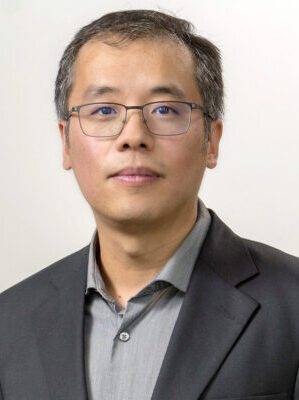
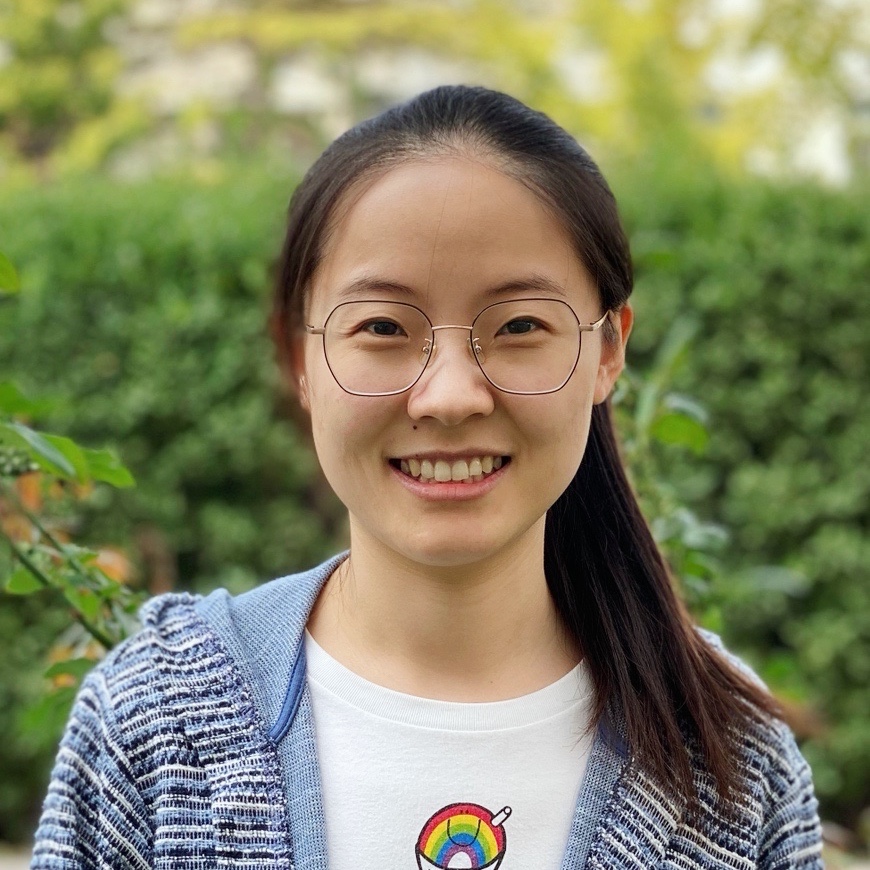
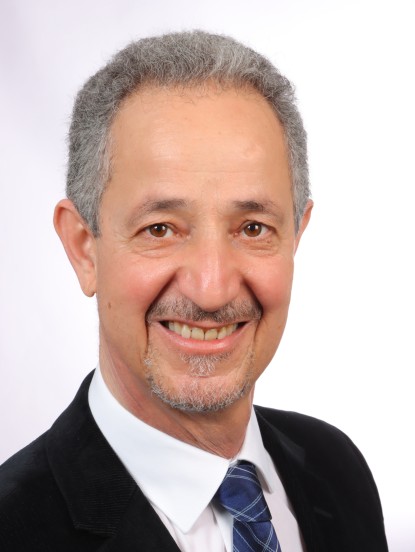
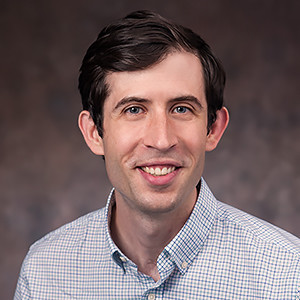
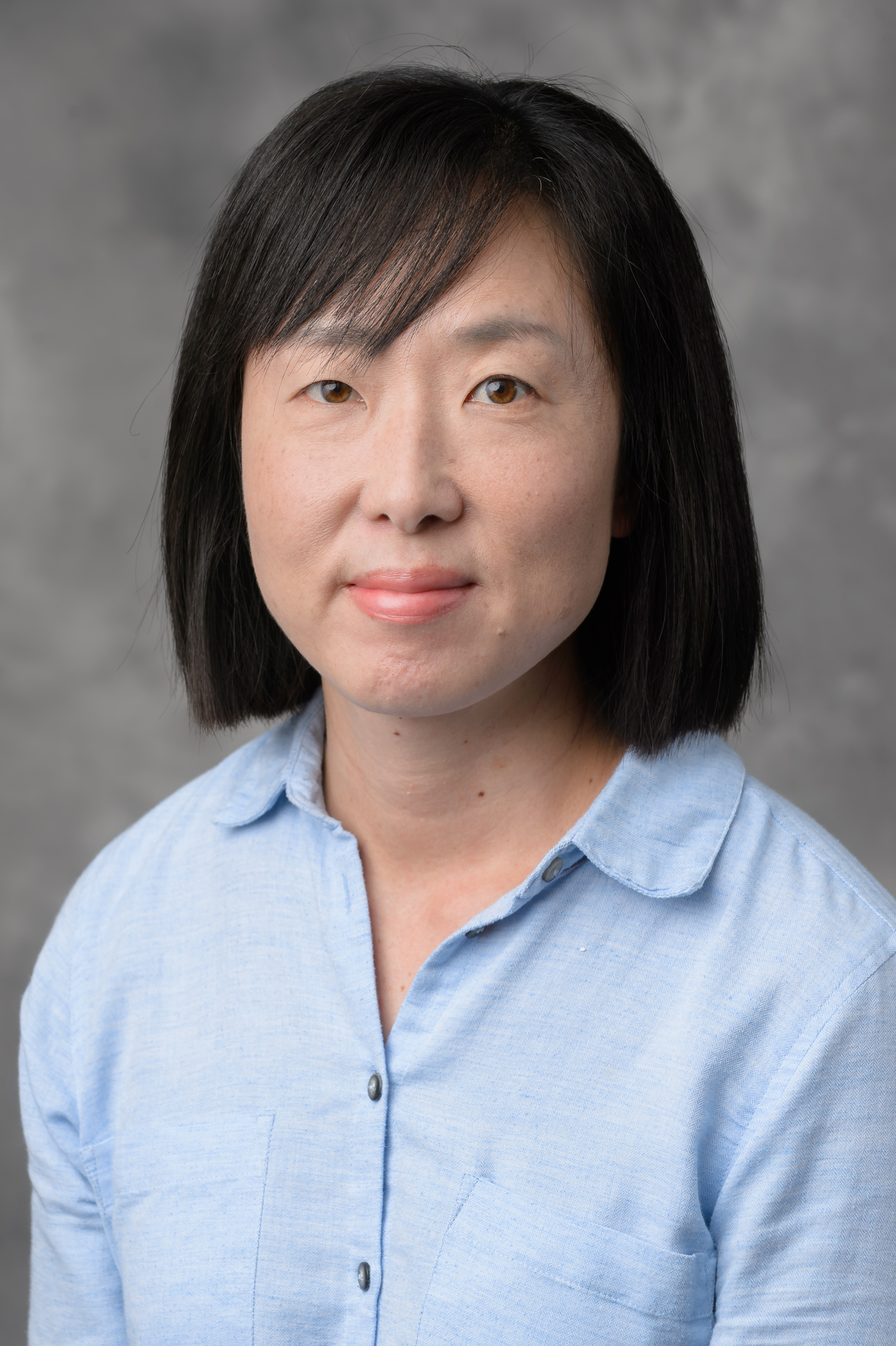
Anna Gottard is an Associate Professor of Statistics at the University of Florence, where she leads the Department of Statistics, Computer Science, and Applications. She directs the Florence Center for Data Science (FDS) and participates in the Technical Scientific Committee of the Tuscan Center for Big Data, Data Science, and AI (CBDAI). Her research focuses on multivariate statistical models, particularly graphical models, and extends to statistical machine learning, fair models, and directional data analysis. She is an Associate Editor for the Journal of the Royal Statistical Society Series A (JRSSA) and Statistical Methods & Applications (SMA). Her recent work includes Bayesian approaches for mixed graphical models, uncertainty-aware classification trees, and methodological advancements in latent uncertainty models. Her contributions span theoretical developments and applied research in interdisciplinary areas like biostatistics and sustainability. Her research interests emphasize bridging statistical theory with practical applications, including fairness in machine learning, interpretable models, and tree-based methodologies. She has actively contributed to open-source software, notably the Mix3Trees R package for mixed-effect tree models. Her work addresses challenges in variable selection, graphical model inference, and ethical AI practices. Current projects explore Bayesian frameworks for complex data structures and methodological improvements in graphical model interpretability. Anna has advised on interdisciplinary collaborations, such as studies on GDPR compliance in biobanking and epidemiological modeling of the SARS-CoV-2 pandemic in Tuscany. She collaborates with institutions like the CBDAI to advance data science applications in regional policy and healthcare. Her research trajectory reflects a commitment to both foundational statistical theory and real-world problem-solving across diverse domains.
Rina Foygel Barber is the Louis Block Professor in the Department of Statistics at the University of Chicago, where she also serves as Co-chair of the Committee on Community, Diversity, and Inclusion (CCDI) and is a member of the Committee on Computational and Applied Mathematics (CCAM). Her educational background includes: PhD in Statistics, University of Chicago (2012), advised by Mathias Drton and Nati Srebro MS in Mathematics, University of Chicago (2009) ScB in Mathematics, Brown University (2005) NSF postdoctoral fellow, Stanford University Department of Statistics (2012-13), supervised by Emmanuel Candès Professor Barber's research focuses on the theoretical foundations of statistical problems in estimation, prediction, and inference, particularly in high-dimensional settings where classical methods may not be reliable. She specializes in distribution-free inference methods such as conformal prediction, multiple testing methods, algorithmic stability, and shape-constrained inference. Her work also extends to modeling and optimization problems in medical imaging reconstruction. Her recent publications demonstrate a strong focus on distribution-free inference, with particular emphasis on conformal prediction, false discovery rate control, and algorithmic stability. Her work bridges theoretical statistics with practical applications, especially in the medical imaging domain. Professor Barber has received numerous prestigious awards: Elected to National Academy of Sciences (2025) MacArthur Fellowship (2023) IMS Fellow (2023) COPSS Presidents' Award (2020) Peter Gavin Hall Early Career Prize (2020) She actively mentors students and collaborators, with many co-authored publications across statistics, machine learning, and medical imaging. Her research has been supported by significant grants that enable her work on theoretical foundations of statistical inference and practical applications in medical imaging. Professor Barber also co-organizes the International Seminar on Selective Inference. Her research group focuses on developing and analyzing estimation, inference, and optimization tools for structured high-dimensional data problems. They work on false discovery rate control, distribution-free inference, and applications in medical imaging reconstruction.
Axel Gandy is a Professor of Statistics at the Department of Mathematics, Imperial College London. He serves as Director of the EPSRC CDT in Modern Statistics and Statistical Machine Learning , overseeing PhD supervision and advanced statistical training.
Bin Nan serves as Chancellor's Professor in the Department of Statistics at the University of California, Irvine, where he develops statistical and machine learning methodologies to advance biomedical research and improve human health outcomes through rigorous data analysis. His educational credentials demonstrate a strong quantitative foundation: Ph.D. in Biostatistics, University of Washington (2001) M.S. in Biostatistics, University of Washington (1999) M.S. in Statistics, Virginia Commonwealth University (1997) M.S. in Aerospace Engineering, Beijing University of Aeronautics & Astronautics (1987) B.S. in Aerospace Engineering, Beijing University of Aeronautics & Astronautics (1984) Nan's research program focuses on developing cutting-edge statistical methods for survival analysis, longitudinal data, high-dimensional inference, and machine learning, with direct applications to epidemiology, bioinformatics, and brain imaging. His work addresses critical challenges in biomedical data such as temporal dependence in neuroimaging sequences, estimation of large correlation matrices, and analysis of disease onset with terminal events, all aimed at identifying biomarkers for earlier disease diagnosis. Analysis of his recent publications (2015-2023) reveals a consistent trajectory toward methodological innovation in handling complex biomedical data structures, particularly through de-biased lasso techniques for survival models, neural network applications to censored data, and specialized approaches for longitudinal data with terminal events. These advances predominantly support Alzheimer's disease research and transplant outcome studies. No specific scientific awards were documented in the source material. His research program maintains continuous funding through National Science Foundation and National Institutes of Health grants, including a recent $1.8 million award for Alzheimer's disease methodology development. Nan actively collaborates with the UCI Alzheimer's Disease Research Center and UCI Center for the Neurobiology of Learning and Memory, though student advising details were not provided. His teaching portfolio includes advanced graduate courses in probability theory, survival analysis, and high-dimensional inference. Nan operates within interdisciplinary biomedical research teams focused on translating statistical innovation into clinical applications, particularly through brain imaging analysis and biomarker identification for neurodegenerative diseases.
Olga Vitek is a Professor at Northeastern University's Khoury College of Computer Sciences, with affiliated faculty status in the Department of Chemistry and Chemical Biology. Her research bridges statistical science and machine learning with mass spectrometry-based proteomics and systems biology, focusing on developing open-source software tools like MSstats and Cardinal for quantitative proteomic analyses and imaging. Education: PhD in Statistics (Purdue University), Postdoc at the Ruedi Aebersold Lab (Institute for Systems Biology) Leadership: Director of the Barnett Institute for Chemical and Biological Analysis Her work emphasizes: Statistical experimental design Signal detection in complex mass spectrometry data Causal inference in biomolecular networks Reproducible computational infrastructure Recent publications highlight advancements in quantitative proteomics , mass spectrometry imaging , and causal modeling , with applications spanning cancer research, immunology, and clinical diagnostics. Notable trends include deep learning integration for image analysis and open-source tool development for scalable, transparent workflows. Scientific accolades: Elected Fellow of the American Statistical Association 2021 Gilbert S. Omenn Computational Proteomics Award NSF CAREER award Chan-Zuckerberg Essential Open-source Software award Senior Member, International Society for Computational Biology
Lexin Li is a Professor in the Department of Biostatistics and Epidemiology at the University of California, Berkeley School of Public Health, with additional affiliations at the Helen Wills Neuroscience Institute, the UC Berkeley-UCSF Joint Program on Computational Precision Health, and the Center for the Theoretical Foundations of Learning, Inference, Information, Intelligence, Mathematics and Microeconomics at Berkeley (CLIMB). He received his BE in Electrical Engineering from Zhejiang University (1998) and PhD in Statistics from the University of Minnesota (2003), followed by postdoctoral training at UC Davis School of Medicine. He joined North Carolina State University as Assistant Professor in 2005, was promoted to Associate Professor in 2011, and served as visiting faculty at Stanford University and Yahoo Research Labs (2011-2013) before joining UC Berkeley as Associate Professor in 2014, where he was promoted to Full Professor in 2018. Dr. Li's research spans statistical methodology development for neuroimaging data analysis, tensor statistics, and machine learning applications to biomedical problems. His work focuses on brain connectivity and network analysis, imaging causal inference, tensor regression, dimension reduction, and statistical machine learning with applications to Alzheimer's disease, Parkinson's disease, and other neurological disorders. His methodological innovations bridge theoretical statistics with practical neuroscience applications, particularly in multimodal neuroimaging analysis and brain network modeling. His recent publications demonstrate a strong trajectory in integrating deep learning with classical statistical inference, particularly in tensor analysis, functional data modeling, and causal inference. The research shows increasing sophistication in handling high-dimensional, complex neuroimaging data while developing rigorous statistical frameworks for inference. His work increasingly focuses on multimodal data integration and developing methods that can handle the complexity of real-world neurological data. Dr. Li has received numerous prestigious honors including being elected as a Fellow of the American Statistical Association (2017), Fellow of the Institute of Mathematical Statistics (2021), Elected Member of the International Statistical Institute, and Fellow of the American Association for the Advancement of Science (2024). Fellow, American Statistical Association (2017) Fellow, Institute of Mathematical Statistics (2021) Elected Member, International Statistical Institute Fellow, American Association for the Advancement of Science (2024) Editor-in-Chief, Annals of Applied Statistics (2025-2027) As an academic leader, Dr. Li serves as Co-Director of the Biostatistics Program (2019-) and Director of Graduate Admissions (2015-) at UC Berkeley. He is an active editor, currently serving as Editor-in-Chief of the Annals of Applied Statistics (2025-2027), and has held associate editor positions at multiple top statistical journals including the Journal of the American Statistical Association and Journal of Computational and Graphical Statistics. He also serves as a Standing Member of the NIH Emerging Imaging Technologies in Neuroscience Study Section (2023-2027). His research has been supported by various NIH grants focused on statistical methodology for neuroimaging analysis. Dr. Li leads a vibrant research group focused on statistical neuroimaging and machine learning methodology, with strong connections to the Helen Wills Neuroscience Institute and collaborations across multiple departments at UC Berkeley. His team develops innovative statistical methods that address real challenges in neuroscience research while maintaining rigorous theoretical foundations. The group maintains active collaborations with neuroscientists and clinicians working on Alzheimer's disease, Parkinson's disease, and other neurological conditions.
David B. Dunson is the Arts and Sciences Distinguished Professor of Statistical Science at Duke University, with a joint appointment in the Department of Mathematics. He is also a Faculty Network Member of the Duke Institute for Brain Sciences. His research bridges theoretical statistics with practical applications across multiple scientific domains, focusing on developing new tools for probabilistic learning from complex data. Dr. Dunson earned his Ph.D. from Emory University in 1997 and his B.S. from Pennsylvania State University in 1994. Dr. Dunson's research focuses on developing statistical methods directly motivated by challenging applications in ecology/biodiversity, neuroscience, environmental health, and criminal justice/fairness. His methodological work spans models for low-dimensional structure in data (latent factors, clustering, geometric and manifold learning), flexible/nonparametric models (neural networks, Gaussian/spatial processes), Bayesian inference frameworks, and models for "object data" (trees, networks, images, spatial processes). His approach emphasizes creating practical tools that scientists and decision makers can use routinely. Dunson's recent publications demonstrate a strong focus on advancing Bayesian methodology for complex data structures across applications in biodiversity mapping, brain connectomics, environmental health, and infectious disease modeling. His work shows consistent innovation in nonparametric Bayesian methods, computational efficiency, and the handling of high-dimensional and structured data, always with an eye toward solving real-world scientific challenges. Dr. Dunson has received numerous prestigious awards including: IMS Medallion Lecturer (2019) Mitchell Prize from the International Society of Bayesian Analysis (2018) Carnegie Centenary Professorship (2018) DeGroot Prize (2017) COPSS Award: President's Award (2010) Fellow of the Institute of Mathematical Statistics (2010) His extensive publication record with numerous co-authors suggests an active research group mentoring graduate students and postdocs. His research on projects like biodiversity mapping (funded by a European Research Council Grant) and brain connectomics indicates well-funded research programs addressing significant scientific challenges across multiple domains. Dr. Dunson's work involves collaborations across multiple labs and teams, particularly through his affiliation with the Duke Institute for Brain Sciences. His research on biodiversity mapping, brain connectomics, and environmental health suggests involvement in large, interdisciplinary teams addressing complex scientific questions that require sophisticated statistical approaches.
Soumik Purkayastha is an Assistant Professor in the Department of Biostatistics and Health Data Science at the University of Pittsburgh School of Public Health. He also serves as a Research Biostatistician at the Center for Healthcare Evaluation, Research, and Promotion (CHERP) within the Department of Veterans Affairs, focusing on improving healthcare outcomes for veterans. B.Sc. (Hons.), St. Xavier's College, Kolkata, 2014-17 M.Stat. (Biostatistics), Indian Statistical Institute, 2017-19 M.S. in Biostatistics, University of Michigan, 2019-21 Ph.D. in Biostatistics, University of Michigan, 2019-24 His research develops scalable statistical and machine learning methods for biomedical studies, emphasizing information-theoretic frameworks for association and causality without traditional causal inference assumptions. Applications include mediation analysis , instrumental variables , and spatiotemporal forecasting of infectious diseases like SARS-CoV-2. He integrates Bayesian and semi/non-parametric approaches with computational challenges in statistical modeling. His publications focus on asymmetric association methods, infectious disease compartmental models (e.g., SEIR-fansy), and data-driven pandemic resilience strategies. Key themes include causal discovery , collider detection , and patient-reported outcome correlation analysis in clinical studies. Prior to joining Pitt, he worked with the Abecasis Group and Diabetic Foot Consortium at the University of Michigan. He has developed open-source software tools like SEIRfansy , fastMI , and comet , contributing to epidemiological and statistical methodology.
Shuangning Li is an Assistant Professor of Econometrics and Statistics at the University of Chicago's Booth School of Business. He holds a Ph.D. from Stanford University's Department of Statistics, advised by Professors Emmanuel Candès and Stefan Wager, and a Bachelor of Science from the University of Hong Kong. Prior to his current role, he was a postdoctoral fellow in Statistics at Harvard University. His research focuses on causal inference, machine learning, and statistical methodology with applications in econometrics, networks, and genomics. **Education:** Ph.D. in Statistics, Stanford University (Advisors: Emmanuel Candès, Stefan Wager) Bachelor of Science, University of Hong Kong **Research Interests:** Causal inference in complex systems (e.g., networks, high-dimensional data) Statistical methods for experimental design and robustness Machine learning applications in genomics and reinforcement learning Randomization-based testing and knockoff filters **Recent Work Trends:** His articles emphasize methodological innovations in causal effect estimation, network interference modeling, and transfer learning. Recent work addresses challenges in stochastic congestion, multi-environment analysis, and cooperative learning frameworks. His 2024 paper advances covariate shift correction for conditional randomization tests, while his 2023 studies explore robustness in model-X inference and dyadic reinforcement learning dynamics. **Advising & Academic Background:** His doctoral training under Candès and Wager shaped his focus on rigorous statistical foundations. He has not yet listed advising relationships in available materials, but his research collaborations span academia and industry.
Dr. Emmanouil Platanakis is an Associate Professor of Finance (Asset & Risk Management) at the University of Bath School of Management, where he leads a team of 5 doctoral candidates researching portfolio management and asset pricing with machine learning. He holds a PhD in Finance from the University of Reading (2016), an MSc in Mathematics from the University of Southampton (2012), and an MEng in Electrical and Computer Engineering from Aristotle University (2011). His research focuses on portfolio theory, financial forecasting, machine learning applications, cryptofinance, and fintech. He has published in top journals like the European Journal of Operational Research (ABS 4) and the International Journal of Forecasting (ABS 3), with over 26,000 SSRN downloads and 1,300 Google Scholar citations. Platanakis actively presents at global conferences (e.g., FMA Annual Meetings, Paris December Finance Meeting) and reviews for leading journals such as Management Science and European Journal of Operational Research. He has received research funding from Netspar, Amundi Asset Management, and the ICMA Centre. Projects: Leading the project "What are the perspectives of business and management students on the integration of eco-consciousness and sustainability in their curriculum?" (2025-2025).
Abdelhak M. Zoubir is a Professor of Signal Processing and Head of the Signal Processing Group at Technische Universität Darmstadt, Germany. He has held leadership roles including Head of the Department of Electrical Engineering and Information Technology (2012–2014 and 2020–2022), and President of the European Association for Signal Processing (EURASIP, 2017–2018). His research focuses on statistical signal processing with applications in radar imaging, biomedical engineering, and automotive systems. Zoubir has authored over 500 publications and is a Fellow of IEEE and EURASIP. He currently leads projects on radar communication integration, robust signal processing algorithms, and radiation-hardened sensor development. Education: Dipl.-Ing. (BSc/MSc) from Fachhochschule Niederrhein and Ruhr-Universität Bochum, followed by a Dr.-Ing. (PhD) in Electrical Engineering from Ruhr-Universität Bochum (1992). Research Interests: Bootstrap techniques, robust detection/estimation, cooperative sensor networks, radar for landmine detection, and automotive safety systems. He has pioneered methods in robust statistical signal processing, including low-rank matrix completion and sparsity-aware algorithms. Recognition: Recipient of the IEEE Meritorious Service Award (2018), IEEE Signal Processing Magazine Best Paper Award (2017), and the M. Barry Carlton Award (2014). He has been a keynote speaker at major conferences such as ICASSP and EUSIPCO, and served as Editor-in-Chief of the IEEE Signal Processing Magazine (2012–2014). Current Projects: Focus on automotive radar signal processing, radiation-hardened sensors (MALTA), and distributed learning robustness. His work bridges theoretical advancements with practical applications in defense, healthcare, and automotive industries.
Visa Koivunen is a Distinguished Professor of Signal Processing at Aalto University (since 1999), with positions as Academy Professor (2010) and Aalto Distinguished Professor (2020). He holds an honorary D.Sc. (Tech.) from the University of Oulu and has held visiting roles at Princeton University, the University of Pennsylvania, and EPFL. His research focuses on statistical signal processing, wireless communications, radar systems, and integrated sensing and communications (ISAC). He has published over 490 papers, including award-winning works, and advised 31 doctoral theses. Key roles include leadership in conferences (e.g., Asilomar 2018 General Chair) and technical committees (IEEE SPS). Recognitions include the EURASIP Technical Achievement Award (2015), IEEE Signal Processing Society Best Paper Awards (2007, 2017), and EURASIP Fellow status (2020). He co-chairs NATO panels on cognitive radars and ISAC. His research interests span signal processing fundamentals and applications in radar, communications, and machine learning. Recent work emphasizes ISAC, reinforcement learning for resource allocation, and causal inference in federated systems. He has pioneered waveform design techniques using GANs and Bayesian methods for spatial signal analysis. Educations: D.Sc. (Tech.) with honors from the University of Oulu (1994), Primus Doctor Award (1989-1994). Awards: IEEE Fellow, EURASIP Fellow, Member of Academia Europaea. Service: Associate Editor for IEEE Transactions, Chair of IEEE SPAWC and Asilomar conferences. His work bridges theory and practice, addressing challenges in radar-communication coexistence, energy-efficient edge computing, and secure distributed inference. He has delivered over 50 invited talks globally and actively contributes to NATO initiatives on cognitive radar systems.
David Gerard is an Associate Professor of Statistics at American University (2024–present) and previously served as an Assistant Professor there from 2018 to 2024. He holds a PhD in Statistics from the University of Washington (2015), an MS in Statistics from The Ohio State University (2012), and dual BS degrees in Mathematics and Molecular Genetics from The Ohio State University (2010). His research focuses on statistical methods for polyploid genetics, including segregation distortion analysis, equilibrium testing, and Bayesian approaches for random mating. He has contributed to genotyping methods for polyploids and RNA-seq data analysis, with specific attention to addressing genotype uncertainty and batch effects. His work emphasizes reproducibility, linking code with data via Makefile-driven pipelines. Gerard has developed multiple R packages such as segtest , ldsep , and updog , and maintains an active GitHub presence.
Kyoung-Soo Lee is a Professor of Physics and Astronomy at Purdue University, specializing in observational cosmology and galaxy formation. His research focuses on understanding cosmic structure formation, star formation histories, and the evolution of galaxies at high redshifts. He holds a B.S. from POSTECH (1999), M.S. (2003), and Ph.D. (2007) in Physics from Johns Hopkins University. Prior to his faculty role, he served as a postdoctoral fellow at Yale University (2007–2011) and a research scientist at Purdue (2012–2013). His key research interests include studying protoclusters, Lyman Alpha Emitting (LAE) galaxies, and the interplay between dark matter and galaxy evolution. Notable contributions include the discovery of large-scale structures at z=3.78 and analyses of galaxy clustering in cosmic environments. Lee collaborates on major projects like the ODIN survey, which explores galaxy populations and large-scale structures at high redshifts using multi-wavelength data. Publications emphasize advanced observational techniques, such as clustering analysis of LAEs and Bayesian methods for redshift determination, contributing to our understanding of cosmic evolution. His work bridges theoretical predictions with empirical data, advancing knowledge in extragalactic astrophysics and cosmology.
Andrew B. Nobel is the Robert Paul Ziff Distinguished Professor of Statistics and Operations Research and Professor of Biostatistics at the University of North Carolina at Chapel Hill (UNC). He holds affiliations with the Lineberger Comprehensive Cancer Center and the Computational Genomics Program. His research focuses on statistical genomics, machine learning, network analysis, and inference from dynamical systems. Nobel has collaborated extensively with researchers in Biology, Computer Science, Genetics, and Mathematics. Dr. Nobel earned his PhD in Electrical Engineering from Stanford University (1992), an MS from Stanford (1988), a Certificate of Study in Mathematics from Cambridge University (1986), and a BS in Electrical Engineering from Cornell University (1985). He has taught courses ranging from undergraduate discrete mathematics to advanced graduate-level theoretical statistics and machine learning. His research interests include developing methodologies for analyzing complex biological and network data, with applications to cancer genomics, systems biology, and medical informatics. Recent work emphasizes optimal transport methods for network analysis and statistical approaches for genomic data integration. Awards: Elected Fellow of the Institute of Mathematical Statistics (2008) National Science Foundation CAREER Grant (1995) Beckman Institute Fellow (1992–1995) Churchill Scholar (1985–1986) Dr. Nobel serves on the editorial board of the Journal of the Royal Statistical Society, Series B and has previously contributed to the Annals of Statistics and IEEE Transactions on Information Theory . His work bridges theoretical statistical foundations with practical applications in public health and biomedical research.