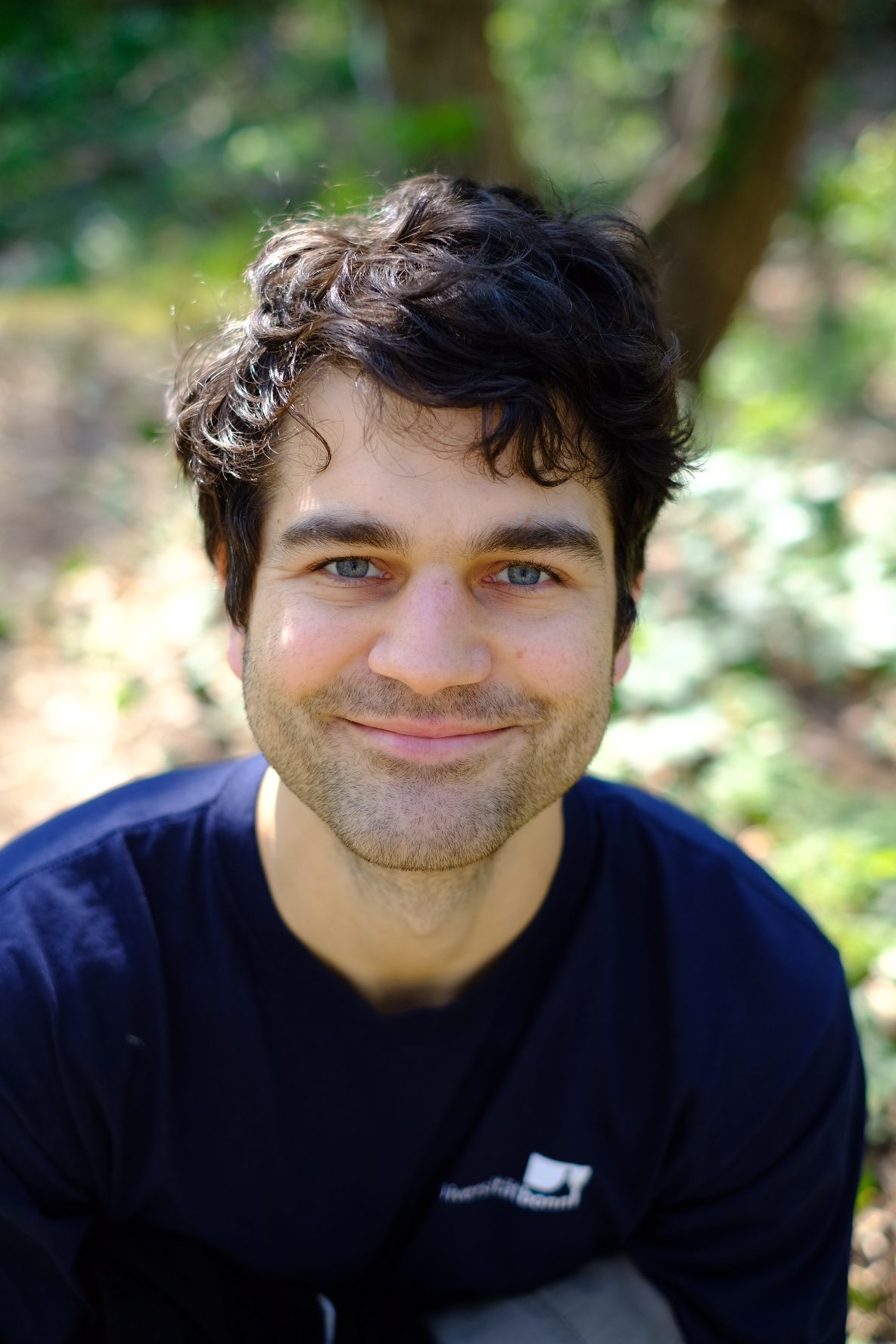
Paul Changمشاهده پروفایل
پژوهشگر
Paul Chang is a Control/MR Engineer and PhD student at the Max Planck Institute of Biological Cybernetics, working in the High-field Magnetic-Resonance Group since 2013. His doctoral research focuses on real-time feedback B0 shim systems for ultra-high field MRI to improve magnetic field homogeneity and image quality. His educational background includes: MSc in Control Systems from Imperial College London (2011-2012) with thesis on chemical sensing software development BSc (Eng) in Mechatronics from the University of Cape Town (2007-2010) with additional majors in Mathematics and Economics Chang's research integrates control theory, digital electronics, and biomedical engineering to solve MRI challenges. He specializes in fractional/integer PID controllers, real-time field monitoring systems, and embedded controller implementation using FPGA technology. His work addresses critical limitations in ultra-high field MRI related to B0 field inhomogeneity caused by physiological artifacts and hardware limitations. His publication record demonstrates consistent interdisciplinary innovation across biomedical sensing and control systems. Key themes include the development of Parylene C-based pH sensors for neural applications, MRI-guided neurosurgical planning tools, and advanced control algorithms for hydraulic and MRI systems. This reflects a strong pattern of translating theoretical control concepts into practical biomedical solutions with emphasis on real-time system implementation. Chang contributes to the High-field Magnetic-Resonance Group's core mission through hardware development (field cameras, shim amplifiers), software implementation (asymmetric multiprocessor systems on Zynq 7020 boards), and algorithm design for dynamic shimming. His technical expertise spans FPGA programming, Siemens gradient system interfacing, and spherical harmonic function computation for magnetic field correction.