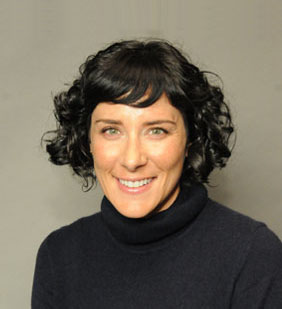
Catherine McCusker is an Associate Professor at the University of Massachusetts Boston's School of Science and Mathematics, Department of Biology, specializing in molecular mechanisms of limb regeneration in axolotls (Ambystoma mexicanum). Her lab focuses on understanding how cells communicate during regeneration, positional information reprogramming, and growth regulation to achieve functional tissue integration. She leads a multidisciplinary team of undergraduate, graduate, and postbaccalaureate researchers. Research interests: Developmental Biology, Molecular Regeneration, Epigenetics, Limb Regeneration Teaching award: 2023 Excellence in Undergraduate Teaching Award Her recent publications explore chromatin modifications, neural control of regeneration, and positional information congruency. Collaborations span regenerative medicine, cancer biology, and conservation science. The lab actively engages in community outreach through virtual lab tours for K-12 students. 2023: Frontiers in Cell and Developmental Biology (Integration failure in limb regeneration) 2022: eLife (Neural growth control), Development (FUCCI marker development) Scientific contributions include high-impact studies on epigenetic regulators (H3K27me3), signaling pathways (FGF/BMP/RA), and axolotl model advancements for regeneration and aging research. Lab members include PhD students, research assistants, and former trainees now in academic or industry roles.
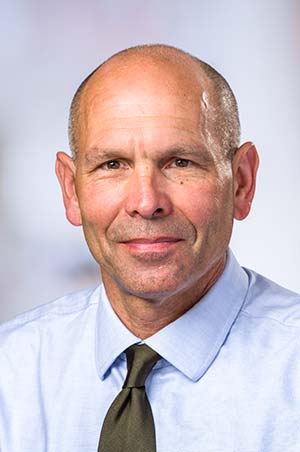
Professor Uwe Platzbecker is a faculty member at the University Hospital Carl Gustav Carus Dresden, affiliated with Technische Universität Dresden. His primary affiliation involves hematology research with a focus on regulatory mechanisms in blood cell production. His research explores: Hematopoietic stem cell niche regulation, particularly iron's role in microenvironment signaling FGF-23 as a mediator in osteohematology (bone-blood system interactions) Molecular pathways connecting bone metabolism and hematopoiesis He leads significant projects including a Collaborative Research Centre investigation into Iron regulation of the hematopoietic stem and progenitor cell niche and previously directed DFG-funded research on FGF-23 as a novel mediator in osteohematology .
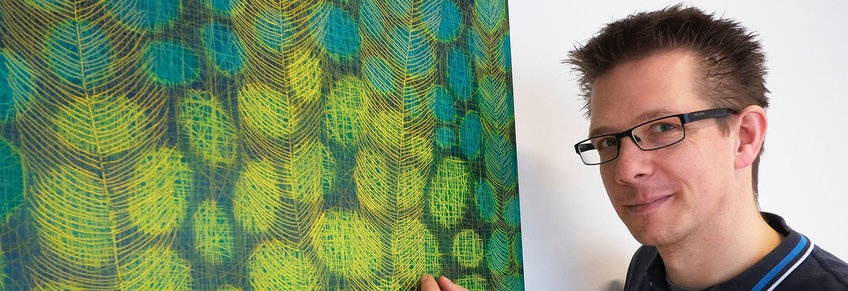
Christian Schröter is a Research Group Leader in the Department of Systemic Cell Biology at the Max Planck Institute for Molecular Physiology in Dortmund, Germany. His work focuses on understanding the regulatory mechanisms that orchestrate cell differentiation during embryonic development and tissue homeostasis. Using embryonic stem cells as a model system, Schröter investigates how cell-cell communication drives the specialization of cells into specific lineages. Dr. Schröter completed his education with a Diploma in Biology from the University of Heidelberg (2005) and a PhD in Biology from the Technical University Dresden (2010), conducted at the MPI for Molecular Cell Biology and Genetics. His academic journey includes postdoctoral research at the University of Cambridge (2011-2016) and visiting positions at the Max Planck Institute for the Physics of Complex Systems in Dresden and École Polytechnique Fédérale de Lausanne. Schröter's research centers on how signaling molecules like FGF, BMP, Nodal, and Wnt control cell fate decisions. His lab combines experimental approaches including genetic methods, high-throughput sequencing, live-cell microscopy with mathematical modeling to understand how cells translate extracellular signals into intracellular responses. Key discoveries include the identification of intermittent ERK oscillations as a mechanism for encoding FGF signaling information and the demonstration that cell-cell communication via FGF4 establishes robust proportions of differentiated cell types in populations. Analysis of Schröter's publications reveals a consistent focus on quantitative approaches to developmental biology, with increasing integration of mathematical modeling with experimental data. His work spans from single-cell signaling dynamics to population-level coordination of cell differentiation, with recent studies exploring how embryonic stem cells self-organize into embryo-like structures. Newton Trust Postdoctoral Fellowship (2015) Marie-Curie Intra-European Fellowship (2013) EMBO Long-Term Fellowship (2011) EMBO Short-Term Fellowship (2010) Schröter leads a research team investigating how cell-cell communication systems orchestrate differentiation events during early mammalian embryogenesis. His lab employs a multidisciplinary approach combining genetic perturbations, live imaging, and quantitative analysis to build predictive mathematical models of cell signaling and differentiation. Current projects focus on quantitative encoding of extracellular signals, communication-based mechanisms for collective cell differentiation, and the self-organization of embryonic stem cell assemblies. The Schröter lab maintains a collaborative environment with members including Fiorella Fabris, Max Fernkorn, Julia Schröder, and PhD student Sina Schumacher. Their research benefits from partnerships with theoretical groups and utilizes advanced techniques such as live reporter systems, single-cell sequencing, and mathematical modeling to unravel the complex dynamics of cellular decision-making during development.
Dr. Samantha Borland is a Lecturer in Biomedical Sciences at the University of Salford, School of Science, Engineering & Environment, where she joined in 2024. She is affiliated with the Biomedical Research and Innovation Centre (BRIC) and maintains an Honorary Research Fellow position at the University of Manchester's Division of Cardiovascular Sciences. Dr. Borland earned her BSc in Pharmacology & Physiology with Industrial Experience (2007-2011) and completed her PhD in the British Heart Foundation 4-year Cardiovascular Medicine programme (2011-2015), both at the University of Manchester. Her doctoral research investigated syndecan 4's role in vascular calcification under Professor Ann Canfield, followed by post-doctoral work examining PKCα signaling. Her research focuses on understanding the molecular mechanisms of vascular calcification, particularly the PKCα/TGF-β signaling pathway, with the goal of identifying novel therapies for this condition that currently has no effective treatments. Her lab employs advanced techniques including cell culture, Western blotting, qPCR, X-ray micro-CT, histology, and immunohistochemistry. Recent publications demonstrate her work spans from basic vascular biology to practical educational tools for public engagement. Fellow of Higher Education Academy (2021) Research Fellow - Honorary position at University of Manchester (2024) Multiple presentation awards including Best Poster Prize at British Atherosclerosis Society Meeting (2019) British Society for Matrix Biology Travel Bursaries (2013-2014) BRIC funding for Outreach Events (2025) Dr. Borland actively supervises students and serves as an Internal MPhil Examiner. She has secured British Heart Foundation funding for her research on PKC and TGF-β signaling in vascular calcification. Beyond her research, she is deeply committed to public engagement, developing innovative educational activities like 'Build Your Blood' and leading major outreach events at museums and science festivals that have reached thousands of participants. Her work aligns with UN Sustainable Development Goals for ensuring healthy lives and promoting quality education. Her laboratory focuses on vascular calcification research using multiple techniques to investigate molecular pathways and potential therapeutic interventions. Dr. Borland collaborates extensively within the University of Salford's Biomedical Research group and maintains connections with her previous institution, the University of Manchester.
Elizabeth Grove is a Professor in the Department of Neurobiology within the Biological Sciences Division at the University of Chicago. Her research program focuses on the fundamental mechanisms of cerebral cortical development, with particular emphasis on how signaling molecules establish the neocortical area map and hippocampal development. She has maintained continuous NIH funding since the 1990s as Principal Investigator on multiple research projects. Dr. Grove's research interests center on embryonic and early postnatal development of cerebral cortex in the mouse. Her lab has made significant contributions to understanding how secreted signaling molecules including Fibroblast Growth Factor (FGF) 8 and Wnt protein Wnt3a pattern the embryonic cortex. FGF8 establishes the anterior to posterior axis of the neocortical area map, while Wnt3a influences the medial to lateral axis and is required for hippocampus development. Her work bridges molecular genetics, developmental biology, and neuroanatomy to elucidate how complex brain structures emerge from relatively simple embryonic tissues. A major focus of her recent work examines whether mouse-based models of cortical patterning apply to larger, folded (gyrencephalic) brains like those of carnivores and primates. Dr. Grove has received numerous professional honors including a MERIT award from NIMH (2004-2014) and the 2017 Krieg Cortical Kudos Discoverer Award from the Cajal Club. She currently serves on the Board of Reviewing Editors for Science and has previously held editorial positions at the Journal of Neuroscience and Journal of Comparative Neurology. Her research has been consistently funded by NIH grants investigating molecular mechanisms of cerebral cortical patterning, with recent projects focusing on neocortical area map development, olfactory bulb induction, and cortical control over thalamic input. Dr. Grove's laboratory employs sophisticated techniques including mouse genetics, in utero microelectroporation (which her lab pioneered), and single-cell RNA-Seq to investigate cortical development. Her team has discovered important relationships between molecular signaling pathways and functional brain organization, such as the link between BMP signaling deficiency, hippocampal structure, and anxiety-related behaviors.
Joseph Schlessinger is the William H. Prusoff Professor of Pharmacology at Yale School of Medicine and Co-Director of the Cancer Biology Institute. He has been a faculty member at Yale since 2001 and maintains an active research program focused on receptor tyrosine kinases and cellular signaling mechanisms. His educational background includes a B.S. and M.S. from Hebrew University of Jerusalem (1968, 1969) and a Ph.D. from the Weizmann Institute of Science (1974). Professor Schlessinger is affiliated with multiple Yale research entities including the Cancer Signaling Networks Program, Diabetes Research Center, Structural Biology Program, Yale Cancer Biology Institute, and the Yale Combined Program in the Biological and Biomedical Sciences. Professor Schlessinger's research centers on tyrosine phosphorylation mechanisms in cellular processes. His lab has made seminal contributions by determining crystal structures of growth factor ligands (SCF and FGF), receptor-ligand complexes, and protein tyrosine kinase domains. This structural work has enabled the development of specific kinase inhibitors now in clinical trials. His research spans structural biology, pharmacology, cancer signaling, and drug discovery with significant translational impact. Analysis of his recent publications shows continued high productivity with work spanning cancer biology (particularly colorectal and cervical cancers), receptor tyrosine kinase signaling mechanisms, structural biology of growth factor receptors, and therapeutic development. His research maintains strong connections between basic structural insights and clinical applications. Clifford Prize for Cancer Research (2017) BBVA Foundation Frontiers of Knowledge Award (2014) AACR International Award for Cancer (2010) Medal of Danica Hrvatska Order, Republic of Croatia (2009) Elected as a foreign member of the Croatian Academy of Science (2008) Professor Schlessinger maintains active research funding including recent $10.5 million and $12 million NIH grants. His lab collaborates extensively across Yale and with international partners. He has mentored numerous students and postdocs, with Francisco Tome, Yoshihisa Suzuki, and Sangwon Lee appearing frequently as co-authors on his publications. The Schlessinger Lab continues to be a major center for structural and mechanistic studies of receptor tyrosine kinases with implications for cancer and other diseases.
Peter Nelson, MD is a prominent Professor at Fred Hutchinson Cancer Research Center with multiple appointments across divisions including Human Biology, Clinical Research, and Public Health Sciences. He serves as Vice President of Precision Oncology and Director of the Stuart and Molly Sloan Precision Oncology Institute at Fred Hutch. Additionally, he holds a Professor position in Medical Oncology at the University of Washington School of Medicine and is an Adjunct Professor in Genome Sciences and Pathology. Vice President, Precision Oncology, Fred Hutch Director, Stuart and Molly Sloan Precision Oncology Institute Professor, Human Biology Division Stuart and Molly Sloan Precision Oncology Institute Endowed Chair Professor, Clinical Research Division Professor, Public Health Sciences Division Professor, Medical Oncology, University of Washington Genitourinary Oncology Clinical Research Director Adjunct Professor, Genome Sciences and Pathology Principal Investigator, Pacific Northwest Prostate Cancer SPORE Dr. Nelson's research focuses on understanding the molecular mechanisms of prostate cancer initiation and progression. His work spans cancer genomics, hormonal carcinogenesis, tumor microenvironment, and precision oncology strategies. Specifically, he investigates gene expression variability, the androgen receptor pathway, tumor microenvironment interactions, and molecular subtypes of prostate cancer to develop diagnostic, prognostic, and therapeutic approaches. His lab has identified promising biomarker candidates that could differentiate aggressive from indolent prostate cancers. Analysis of Dr. Nelson's recent publications reveals a strong emphasis on molecular subtyping of prostate cancer, with particular focus on DNA repair defects (BRCA1/2, mismatch repair), androgen receptor signaling mechanisms, and the role of the tumor microenvironment in therapy resistance. His work bridges genomic discoveries with clinical applications, particularly in identifying biomarkers for targeted therapies and developing precision oncology approaches for personalized prostate cancer treatment. Stuart and Molly Sloan Precision Oncology Institute Endowed Chair Principal Investigator, Pacific Northwest Prostate Cancer SPORE Kuni Foundation award for adult oncology research ($7M) Leadership in TakePART-NW precision oncology research program Dr. Nelson leads the Nelson Lab which focuses on prostate cancer as a model for understanding cancer heterogeneity and developing personalized approaches to oncology care. His research spans multiple areas including precision oncology, androgen receptor signaling, tumor microenvironment, new therapeutics, and cancer predisposition. The lab utilizes unique models including patient-derived xenografts and organoids to identify synergistic drug combinations capable of producing complete responses in prostate cancer. Dr. Nelson also oversees the Pacific Northwest Prostate Cancer SPORE, a multicenter research consortium that has driven significant advances in prostate cancer understanding and treatment over the past 25 years.
Dorothe Spillmann serves as a Senior Lecturer at the Department of Medical Biochemistry and Microbiology within the Faculty of Medicine at Uppsala University. With a research career spanning several decades, she has established herself as a prominent figure in glycobiology with particular expertise in glycosaminoglycan structure and function. Dr. Spillmann's research focuses on the structural and functional aspects of heparan sulfate and chondroitin sulfate, examining how specific modifications to these molecules influence cellular processes. Her work bridges fundamental biochemistry with clinical applications, particularly in cancer biology where she investigates how glycosaminoglycan alterations affect tumor progression, metastasis, and cellular signaling pathways. She has made significant contributions to understanding the role of specific sulfation patterns in cell behavior, especially in melanoma and breast cancer contexts. Analysis of her publication record reveals a consistent trajectory of high-impact research in glycosaminoglycan biology. Her most recent work examines transcriptomic changes in melanoma cells modified by heparanase, the role of chondroitin sulfate in regeneration processes, and how specific enzymes that modify heparan sulfate affect cancer cell migration. Her research demonstrates expertise across multiple methodologies including molecular biology, biochemical analysis, and mass spectrometry-based approaches for characterizing glycosaminoglycan structures. Dr. Spillmann has maintained extensive collaborative networks both within Uppsala University and internationally, contributing to diverse research projects that examine glycosaminoglycan biology in cancer, development, and infectious disease contexts. Her work continues to advance our understanding of how these complex carbohydrates regulate fundamental cellular processes with implications for human health and disease.